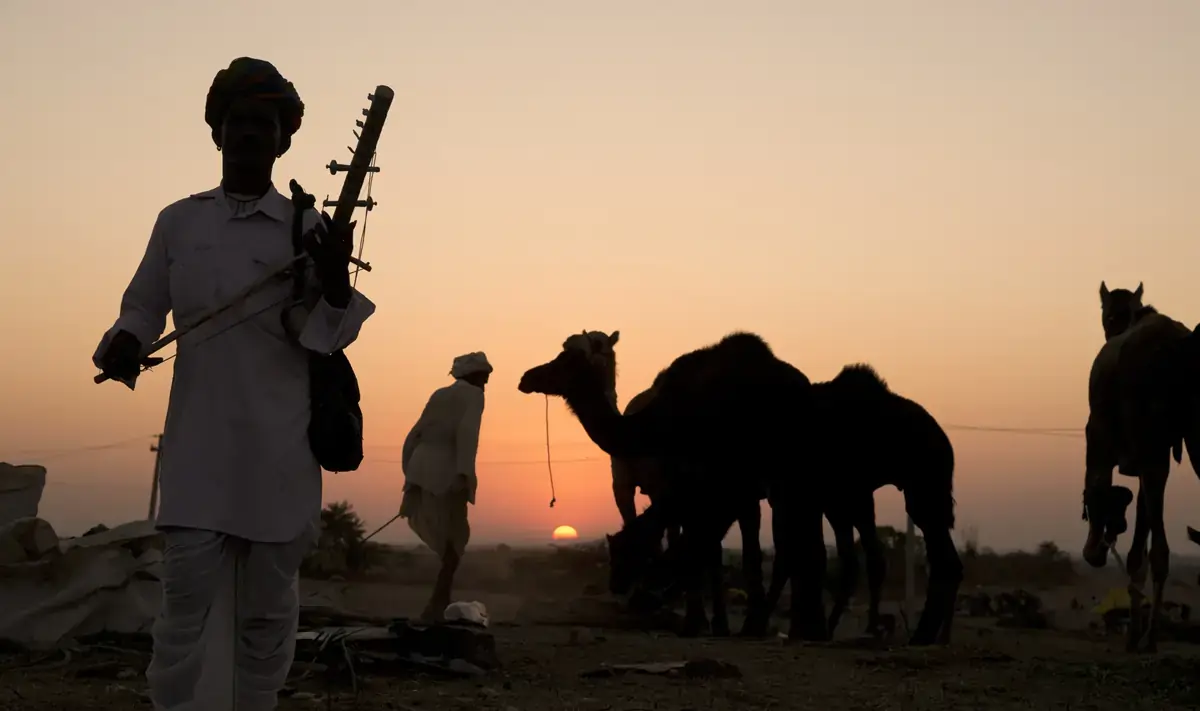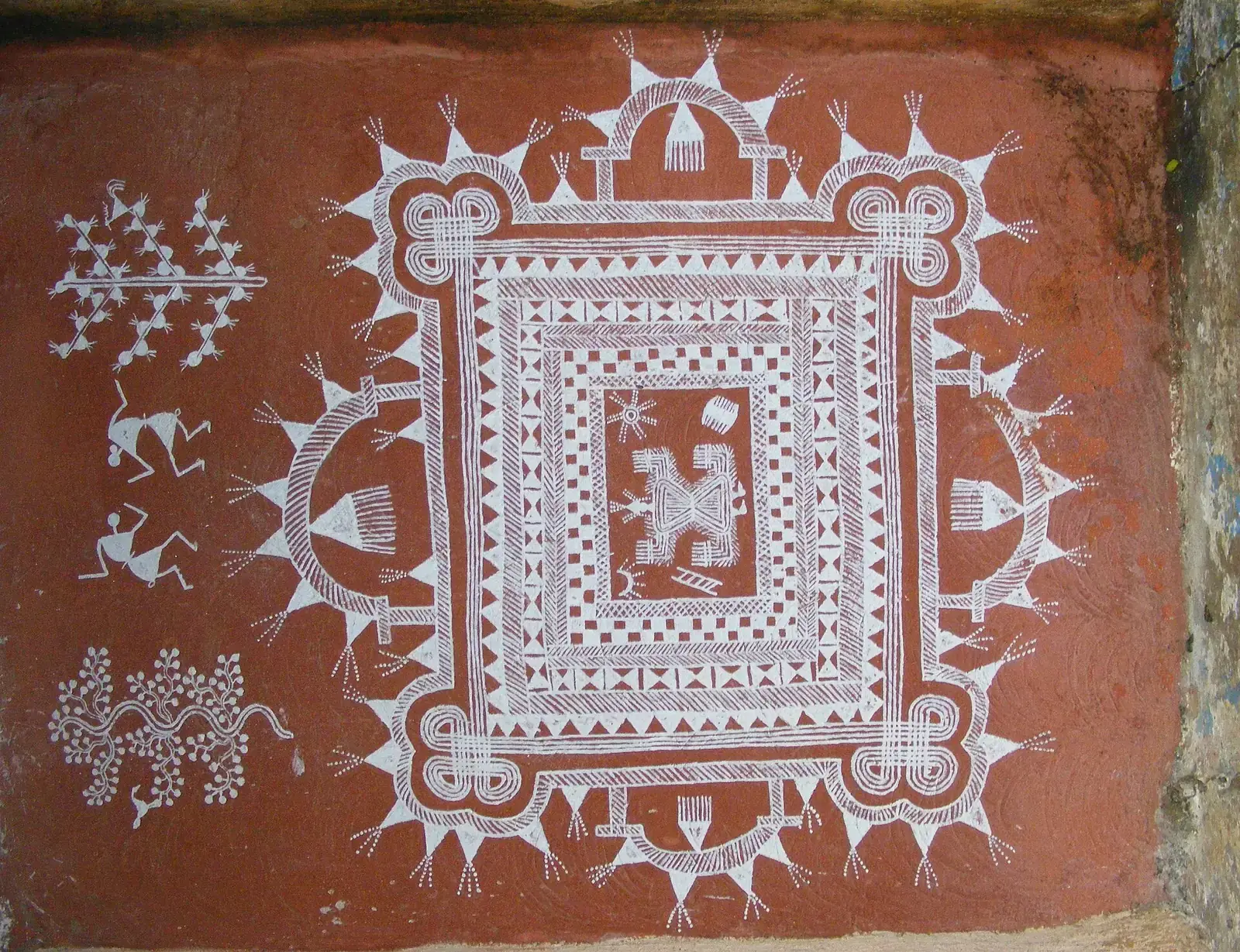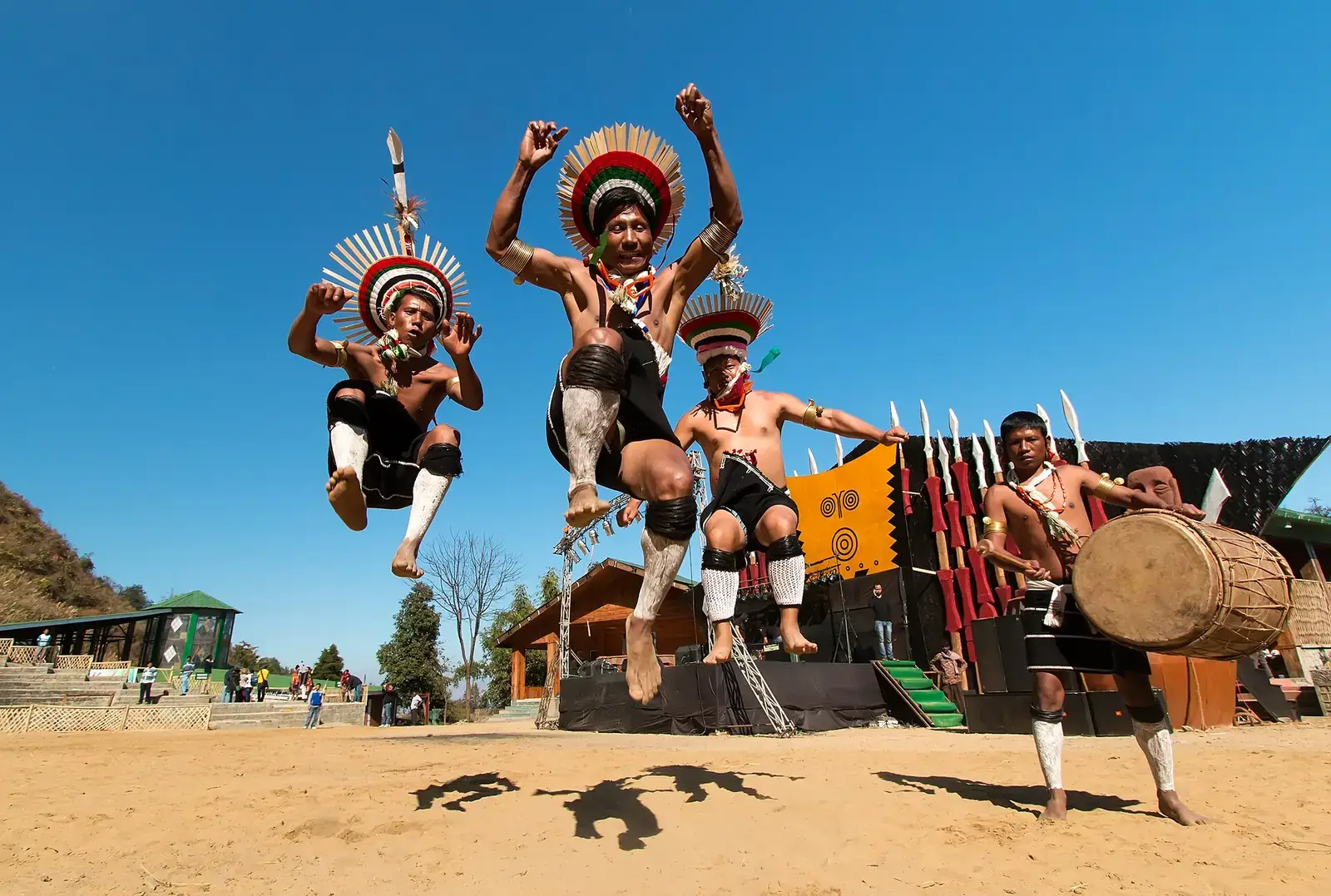
The Hornbill Festival was started by the Government of Nagaland in 2000 to bring together the state's many Naga communities and to showcase their cultures. It is named after the hornbill, a bird that appears widely in Naga folklore and dress.
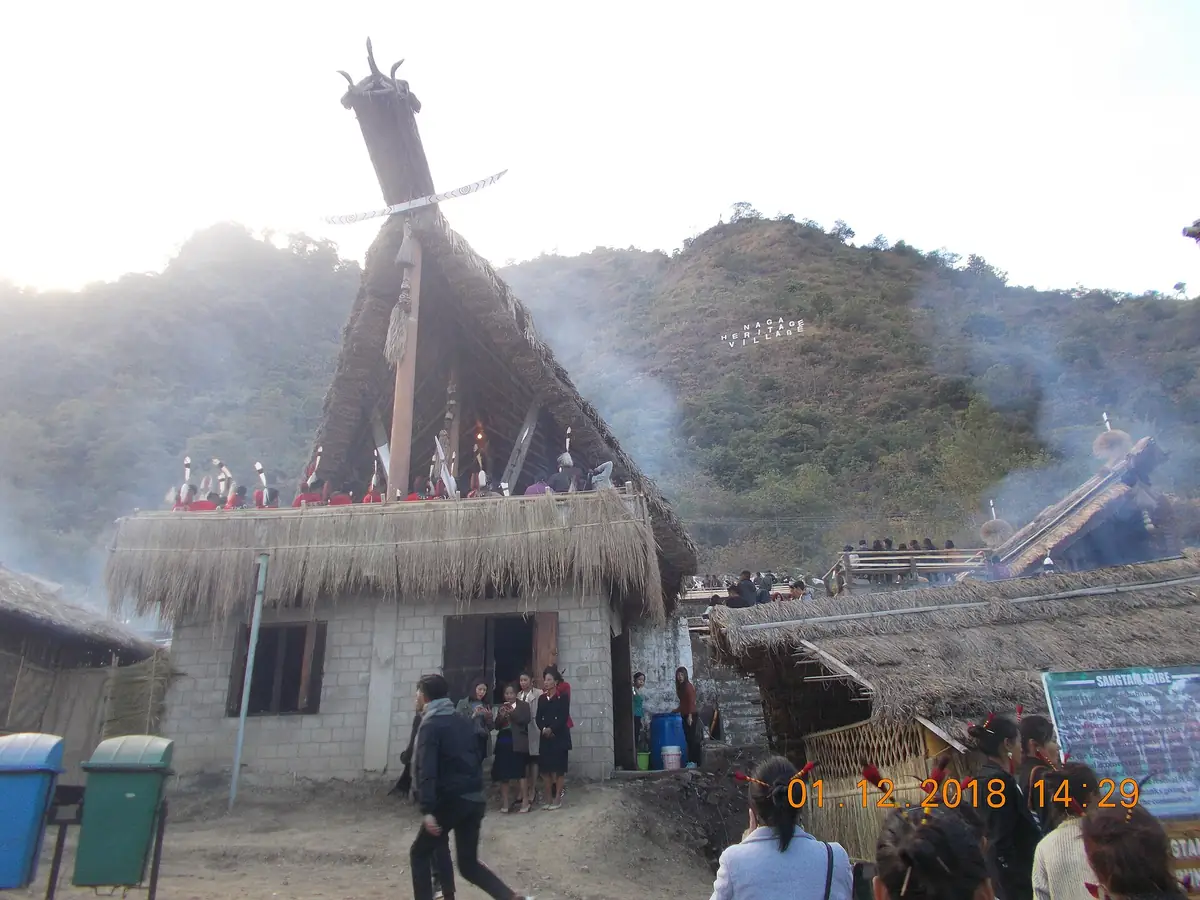
The festival is held every year from 1 to 10 December at the Naga Heritage Village in Kisama, about 12 km from Kohima. Each community has its own morung (traditional house) in the village, and daily programmes include dances, songs, traditional games, food stalls and crafts.
Quick answer
The Hornbill Festival is held every year from 1 to 10 December at the Naga Heritage Village, Kisama, about 12 km from Kohima in Nagaland. It brings together Naga communities for dances, songs, traditional games, food and crafts. Domestic visitors need an Inner Line Permit, which can be applied for online. Fly or take the train to Dimapur, then drive about three hours to Kohima.
Key takeaways
- Dates are fixed: 1 to 10 December every year.
- The venue is Kisama Heritage Village, about 12 km from Kohima.
- Indian visitors need an Inner Line Permit; foreign visitors need a Protected Area Permit.
- Book stays in Kohima or nearby homestays months ahead.
- December mornings and nights are cold; carry warm layers.
Key facts
| Dates | 1 to 10 December, every year |
|---|---|
| Venue | Naga Heritage Village, Kisama |
| Distance | About 12 km from Kohima |
| Nearest airport and railhead | Dimapur, about three hours from Kohima by road |
| Organiser | Government of Nagaland (Tourism and Art and Culture departments) |
What you will see
- Dances and songs by the different Naga communities in front of their morungs.
- Traditional games and sports, and demonstrations such as fire-making.
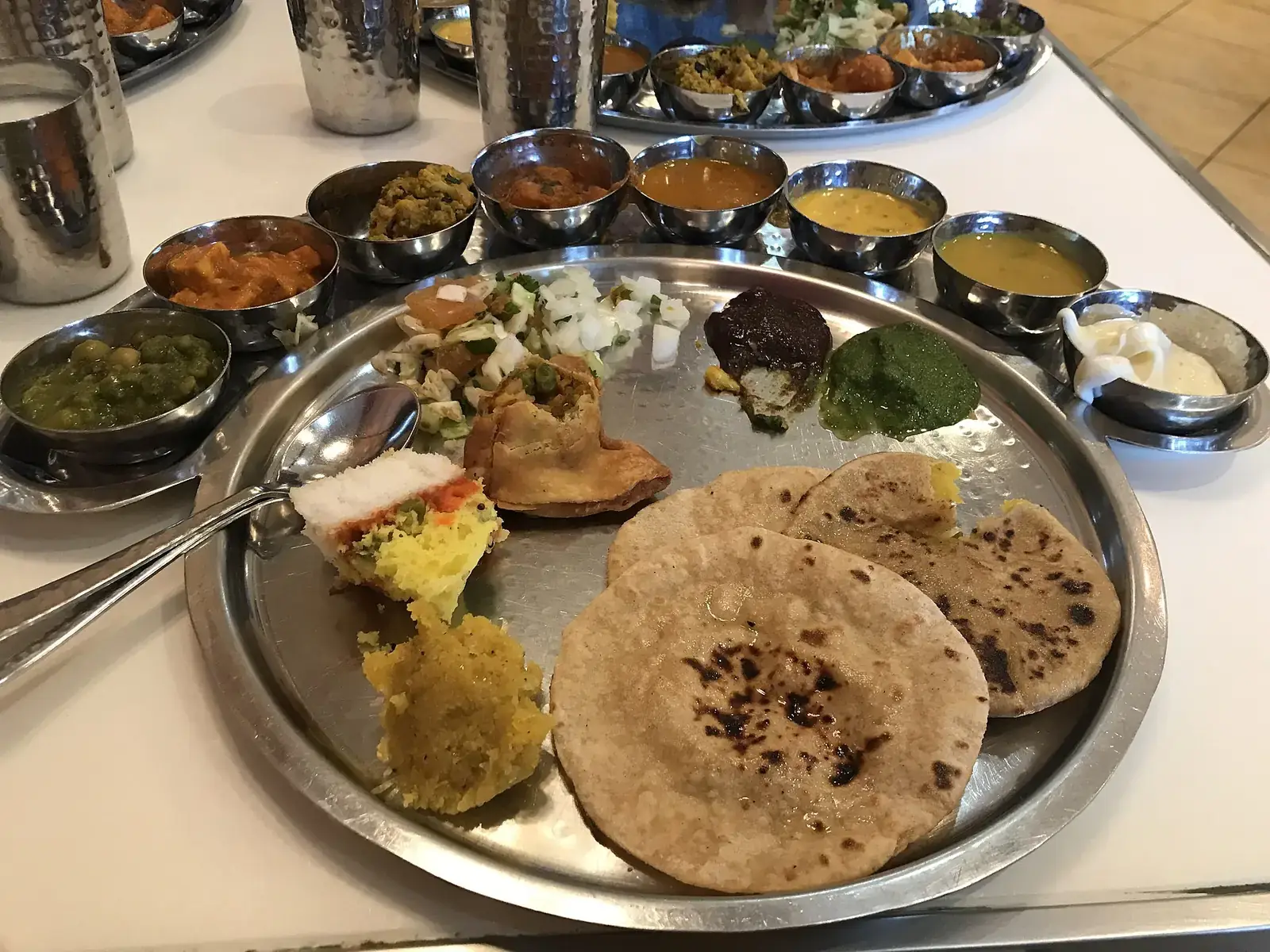
- Food stalls with Naga dishes, including smoked pork, bamboo shoot and rice beer.
- Crafts: weaving, beadwork, basketry and woodcarving.
- Evening music events and the Hornbill International Rock Contest in Kohima (check the year's programme).
Permits and registration
- Indian citizens from outside Nagaland need an Inner Line Permit (ILP), which can be applied for online through the Nagaland government's ILP portal.
- Foreign nationals need a Protected Area Permit for Nagaland, reinstated in December 2024; for the 2025 festival the Centre eased the process for most nationalities, so check the current rules before travel.
- Carry printed and digital copies of your permit and ID.
Getting there and staying
- Fly or take the train to Dimapur, then take a shared or private taxi to Kohima (about 75 km).
- Shuttle services and taxis run from Kohima to Kisama during the festival.
- Stay in Kohima, or in homestays in villages such as Kigwema and Khonoma, which also add a village experience.
- Book accommodation several months ahead; rooms sell out.
Visiting respectfully
- Ask before photographing people, especially elders and performers in traditional dress.
- Do not touch ceremonial objects without permission.
- Try local food with an open mind, but ask if you have dietary restrictions; many dishes contain pork.
- In villages, follow your host's guidance and dress modestly.
- Remember that the traditions on show are living cultures, not costumes.
Make more of the trip
- Visit the Kohima War Cemetery, which remembers the 1944 Battle of Kohima.
- Walk to Dzukou Valley (winter is cold but clear).
- Visit Khonoma, known for its community conservation.
- Continue to Majuli or Kaziranga in Assam.
A day at the festival
| Time | What to expect |
|---|---|
| Morning | Opening programmes and dances in the main arena |
| Midday | Lunch at the food stalls in the morungs; explore the craft stalls |
| Afternoon | Traditional games, competitions and more performances |
| Evening | Music events in Kohima; night bazaar (check the year's programme) |
The first days and the weekends are the busiest. Arrive at Kisama early for a good view of the arena.
About the Naga communities
Nagaland is home to many Naga communities, each with its own language, dress, songs and customs, including the Angami, Ao, Konyak, Lotha, Sumi and others. The morungs at Kisama were built to show the distinct architecture of each. Most Nagas today are Christian, and older traditions sit alongside church life, so the festival is a celebration of living identity as much as heritage.
Safety
- Festival dates are fixed, but programmes change each year; confirm with the organisers or state tourism before you book.
- Carry your ILP and ID at all times.
- Roads can be slow; allow extra time from Dimapur.
What to pack
- Warm jacket, cap and gloves
- Comfortable shoes for hilly ground
- Cash; ATMs can run dry during the festival
- Power bank and torch
Want to explore India's heritage on a route built around you?
FAQs
When is the Hornbill Festival?
From 1 to 10 December every year.
Where is the Hornbill Festival held?
At the Naga Heritage Village, Kisama, about 12 km from Kohima.
Do I need a permit?
Indian visitors from outside Nagaland need an Inner Line Permit; foreign visitors need a Protected Area Permit.
How do I reach Kohima?
Fly or take the train to Dimapur, then drive about three hours.
Is the Hornbill Festival suitable for families?
Yes, though December is cold and the venue is hilly; plan for warm clothes and short days.