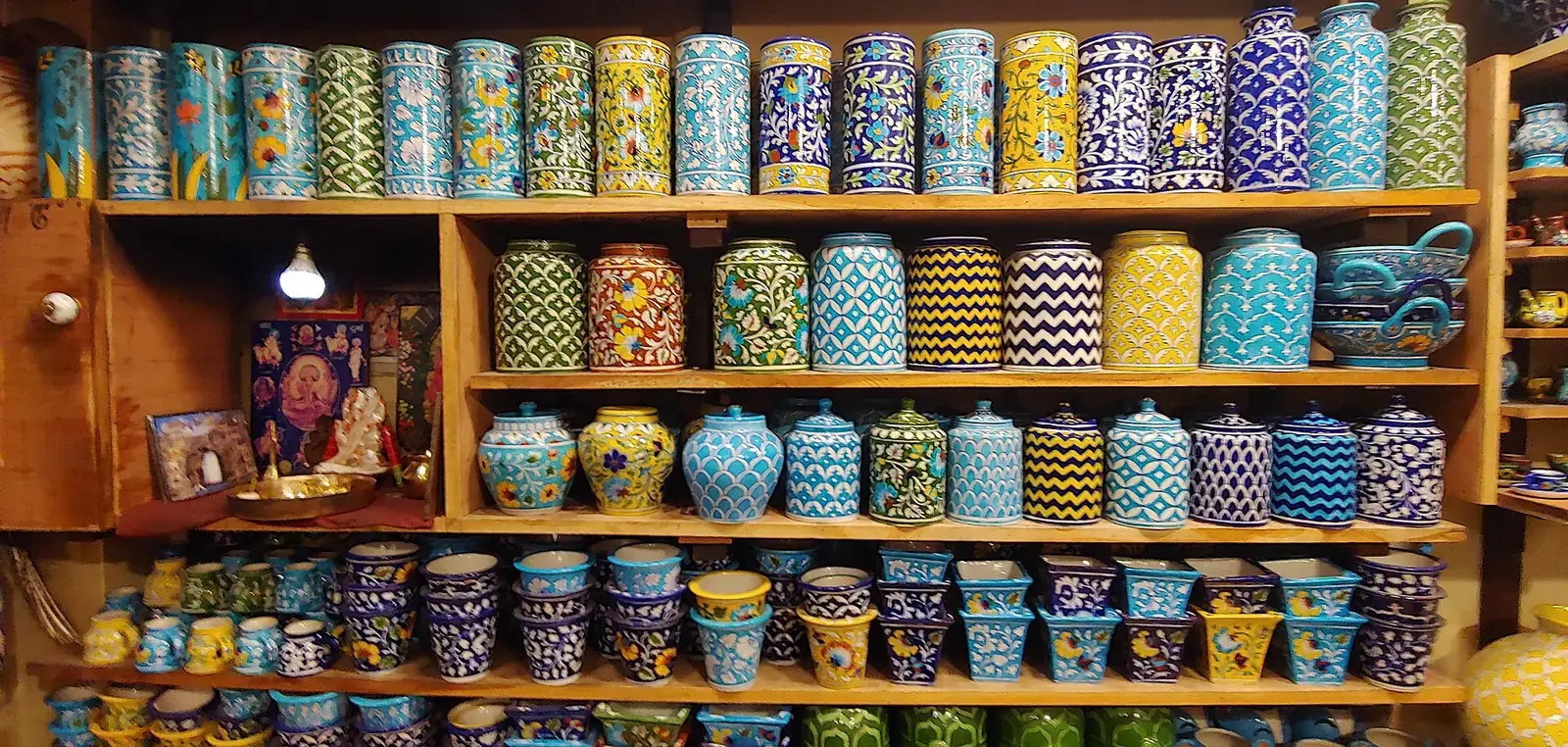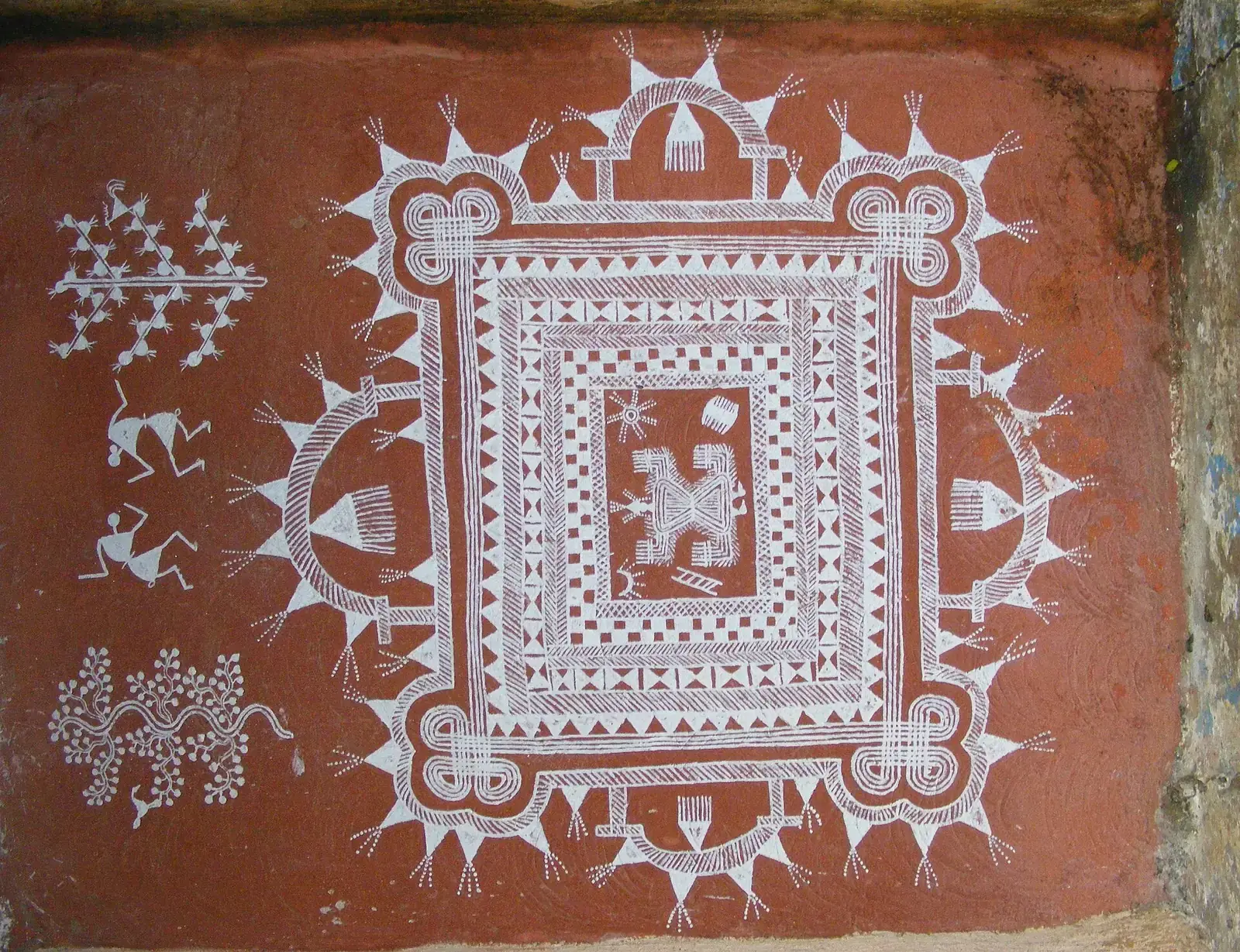
India is home to more than 700 communities recognised as Scheduled Tribes, about 8.6 per cent of the population at the 2011 Census, with their own languages, beliefs, arts and ways of life. They range from the many communities of the north-east to the Gond, Bhil, Santhal, Warli and others of central and eastern India.
Tribal tourism can support communities, or it can intrude on them. This guide focuses on experiences that communities themselves run or welcome, such as homestays, festivals, craft cooperatives and museums, and explains what to avoid.
Quick answer
Travellers can experience India's tribal cultures respectfully through community-run homestays and festivals in Nagaland, Meghalaya and Arunachal Pradesh, markets and crafts in Bastar and Koraput, Warli and Gond art, and museums such as the Madhya Pradesh Tribal Museum in Bhopal. Travel with local, community-linked guides, always ask consent before photographing, respect permit rules, and never try to visit protected groups such as the Jarawa or Sentinelese.
Key takeaways
- Choose community-run homestays, guides and festivals so money and decisions stay local.
- Always ask before photographing people, homes or rituals.
- Inner Line Permits are needed for Indian visitors to several north-eastern states.
- Contact with some protected groups, such as the Jarawa and Sentinelese in the Andamans, is prohibited by law.
- Museums in Bhopal are an excellent introduction before any visit.
Principles for respectful visits
- Go with local, community-linked guides or organisations, not operators who treat people as sights.
- Ask consent before photographing anyone, and accept a no.
- Do not hand out sweets, money or gifts to children; support community funds or buy crafts instead.
- Dress modestly and follow your hosts' customs, including around sacred groves and shrines.
- Pay fair prices for crafts and homestays.
- Avoid 'tribal village tours' that promise to show 'primitive' people; they are exploitative.
The north-east
Nagaland
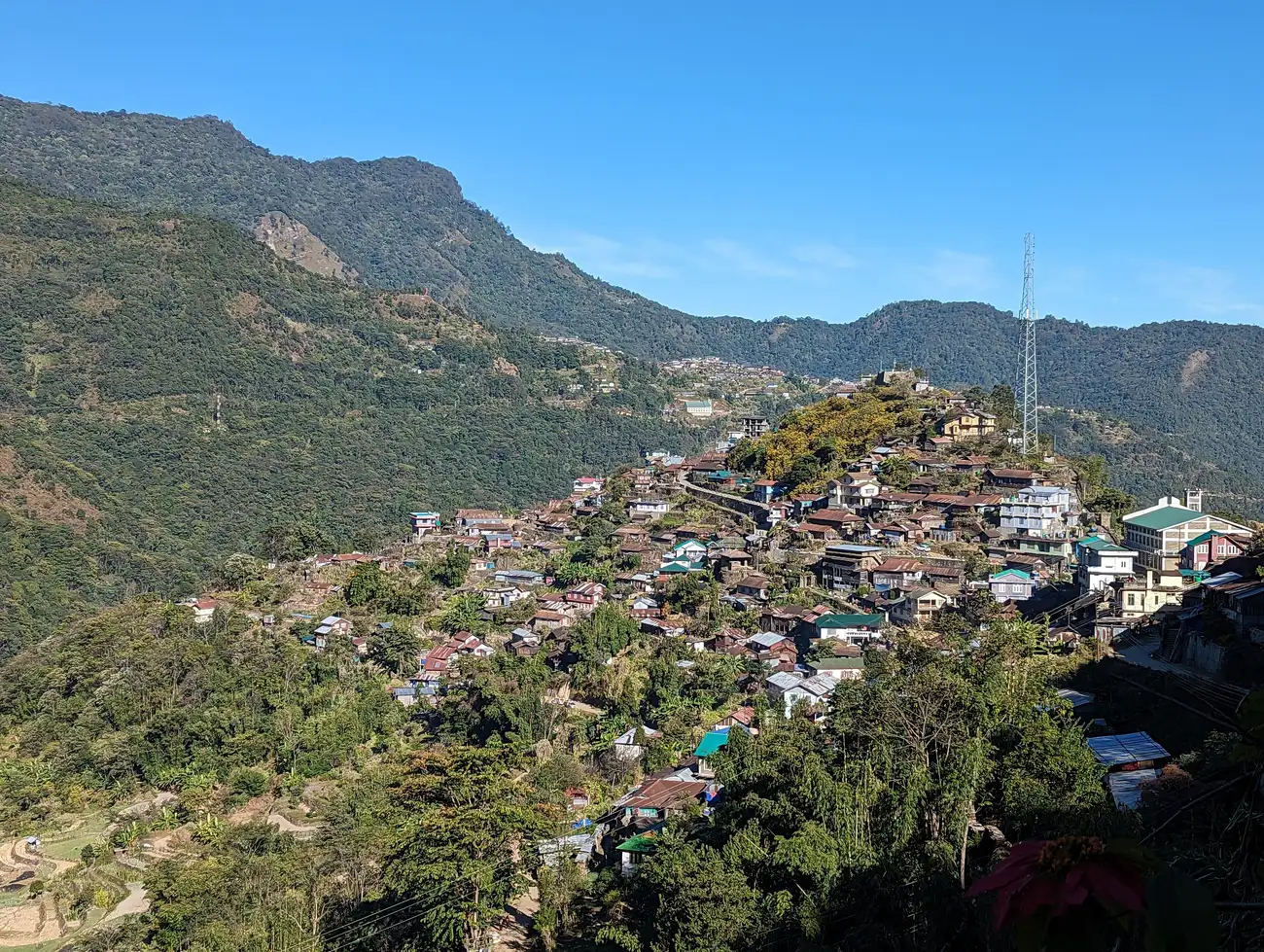
The Hornbill Festival each December, and village stays at Khonoma, known for its community conservation.
Meghalaya
Khasi villages such as Mawlynnong, community-managed living root bridges near Sohra, and the Garo Wangala festival.
Arunachal Pradesh
The Apatani villages of Ziro, known for their rice-fish farming, and the Ziro Festival of Music in September.
Central and eastern India
Bastar, Chhattisgarh
Weekly haats (markets), dhokra metal casting and the long Bastar Dussehra.
Koraput, Odisha
Weekly markets and the Tribal Museum; some areas, such as the Bonda hills, are home to particularly vulnerable groups and should not be visited as tourist trips.
Maharashtra and Madhya Pradesh
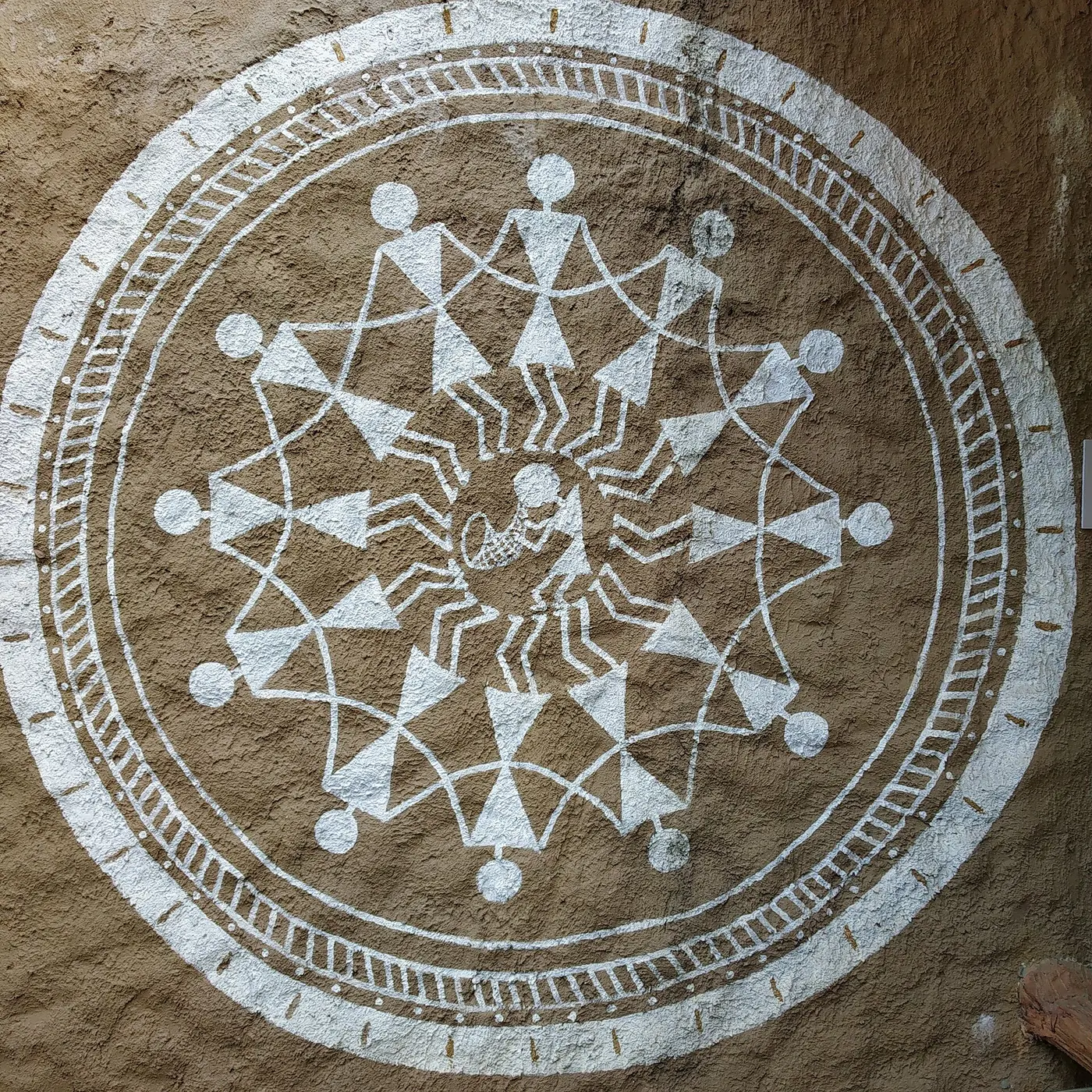
Warli painting around Dahanu and Palghar, and Gond art from the Mandla and Dindori region, now famous in galleries.
Museums and crafts
- Madhya Pradesh Tribal Museum, Bhopal: galleries created with tribal artists.
- Indira Gandhi Rashtriya Manav Sangrahalaya, Bhopal: an open-air museum of houses and crafts.
- Odisha State Tribal Museum, Bhubaneswar.
- Tribes India shops (TRIFED) in major cities for tribal crafts.
Protected groups and restricted areas
Some communities, such as the Jarawa of the Andaman Islands and the Sentinelese of North Sentinel Island, are protected by law from outside contact. On the Andaman Trunk Road through the Jarawa reserve, stopping, photographing or interacting is prohibited, and North Sentinel Island is completely off-limits. Several north-eastern states require an Inner Line Permit for Indian visitors, and some areas require Protected Area Permits for foreign nationals. Check the rules before you go.
Festivals that welcome visitors
- Hornbill Festival, Nagaland, 1 to 10 December.
- Ziro Festival of Music, Arunachal Pradesh, usually September.
- Wangala, the Garo harvest festival in Meghalaya, usually November.
- Bastar Dussehra, Chhattisgarh, around September and October.
- Sangai Festival, Manipur, usually in late November.
Choosing a community homestay
- Look for homestays run by families or village councils, often listed by state tourism departments.
- Ask how the income is shared and whether the village has agreed to host visitors.
- Expect simple rooms and shared meals; that is part of the experience.
- Stay at least two nights so the visit is a real exchange, not a photo stop.
Safety
- Carry permits and ID in the north-east, and check current rules before travel.
- Follow local guidance in forests and sacred groves.
- Some remote areas have limited connectivity and medical facilities; plan accordingly.
What to pack
- Modest, comfortable clothing
- Warm layers for the hills
- Cash for small purchases and homestays
- Reusable water bottle
Want to explore India's heritage on a route built around you?
FAQs
Is tribal tourism in India ethical?
It can be, when it is run by or with communities, based on consent, and pays fairly; tours that treat people as sights are not.
Where can I experience tribal culture in India?
In community-run homestays and festivals in Nagaland, Meghalaya and Arunachal Pradesh, in Bastar and Koraput, and at the tribal museums in Bhopal and Bhubaneswar.
Do I need a permit?
Indian visitors need Inner Line Permits for several north-eastern states; foreign nationals may need Protected Area Permits in some areas.
Can I visit the Jarawa or Sentinelese?
No. Contact is prohibited by law to protect them.
Can I photograph tribal people?
Only with their clear consent; many communities prefer that you do not.