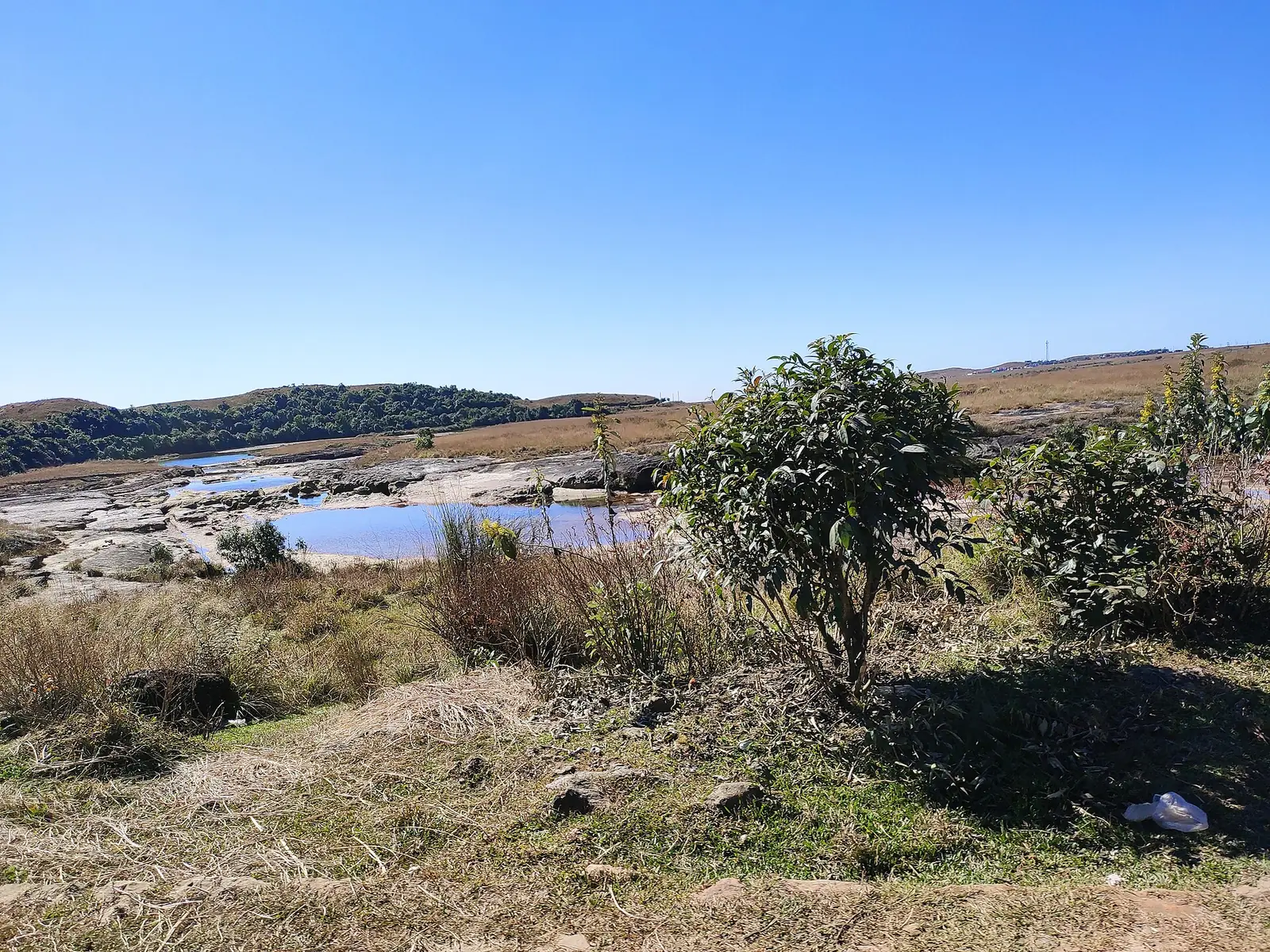
One of the Wettest Places on Earth
Cherrapunji, locally known as Sohra, is famous as one of the wettest places on Earth, alongside nearby Mawsynram, having historically held world rainfall records — a genuinely extraordinary climatic fact that shapes the entire character of a visit here.
Expect mist, cloud, and rain even outside the core monsoon months. In exchange, the landscape delivers dramatic gorges, thundering waterfalls, and limestone caves carved by all that water — a genuinely striking contrast to the rest of tropical India.
Cherrapunji is also the practical jumping-off town for reaching Nongriat and its famous living root bridges, making it a natural two-stop combination with Shillong.
🌧️ Cherrapunji at a Glance
Looking for activities and experiences? See our guide to the best things to do in Cherrapunji.
Want a day-by-day plan? Follow our six-day Meghalaya itinerary.
Going by road? See our guide to road trips in Northeast India.
Love the outdoors? See our guide to nature travel in Meghalaya.
Comparing hill stations? See our guide to hill stations in Meghalaya.
Planning something active? Read our guide to adventure activities in Meghalaya.
Best Time to Visit Cherrapunji
Given the extreme rainfall reputation, timing has an outsized effect on what you'll actually get to see.
The clearest views and driest conditions of the year, essential given how much rain and mist can obscure viewpoints in monsoon.
Showers become more frequent as the monsoon approaches — still workable but pack for wet weather.
The waterfalls are at their most dramatic, but heavy rain and thick mist make sightseeing genuinely difficult on many days.
The most reliable window for long-distance views from Thangkharang Park and other viewpoints.
Our pick: October to April for the clearest views — though if you're prepared to embrace the rain, monsoon shows the waterfalls at their most dramatic.
How to Reach Cherrapunji
- From Shillong: A roughly 1.5–2 hour drive, the most common and practical route — cross-link Shillong.
- Shared taxis: Regular shared taxis run from Shillong's Bara Bazar taxi stand.
- Self-drive: A scenic, winding drive — allow extra time in poor visibility.
Waterfalls, Caves & Viewpoints
Nohkalikai Falls
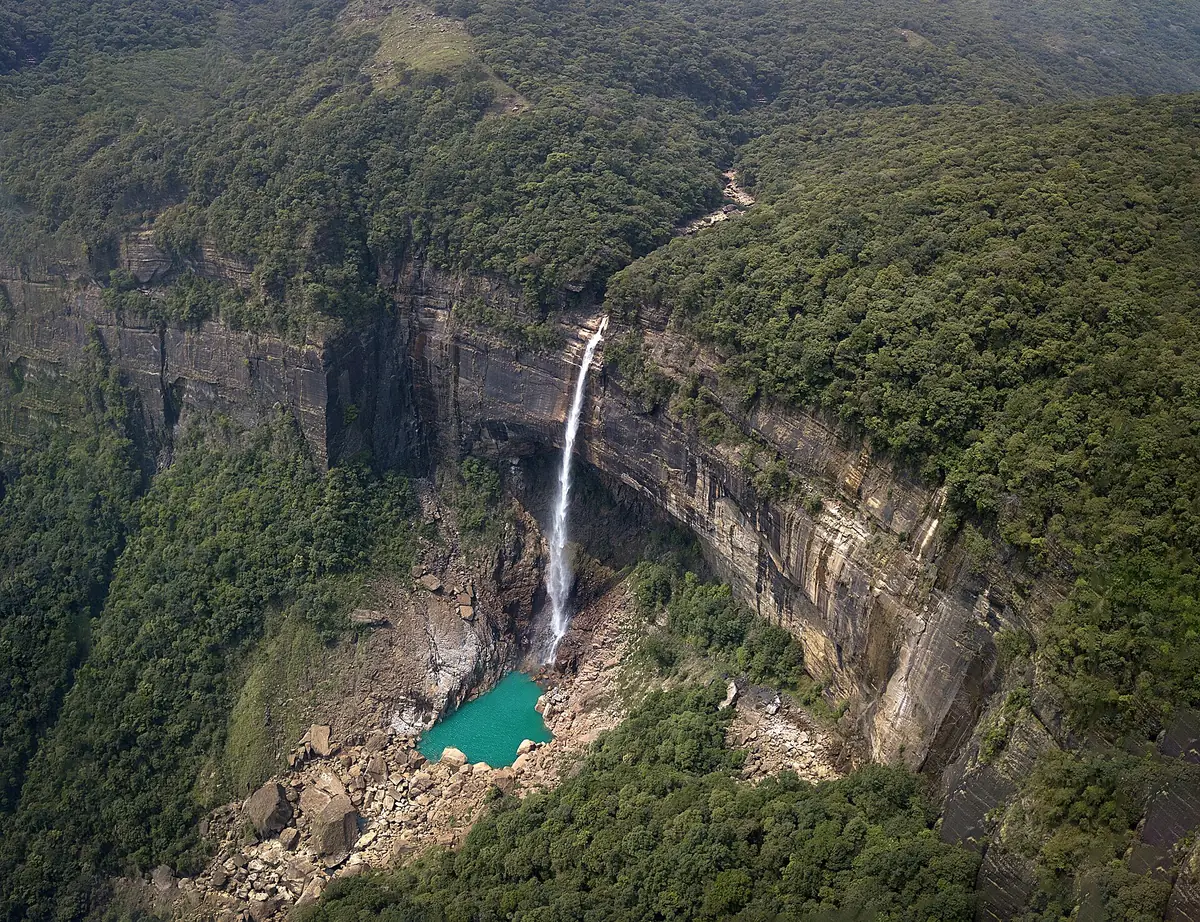
Plunging roughly 340 metres, Nohkalikai is India's tallest plunge waterfall — a genuine showstopper, with a poignant local legend attached to its name.
Mawsmai Cave
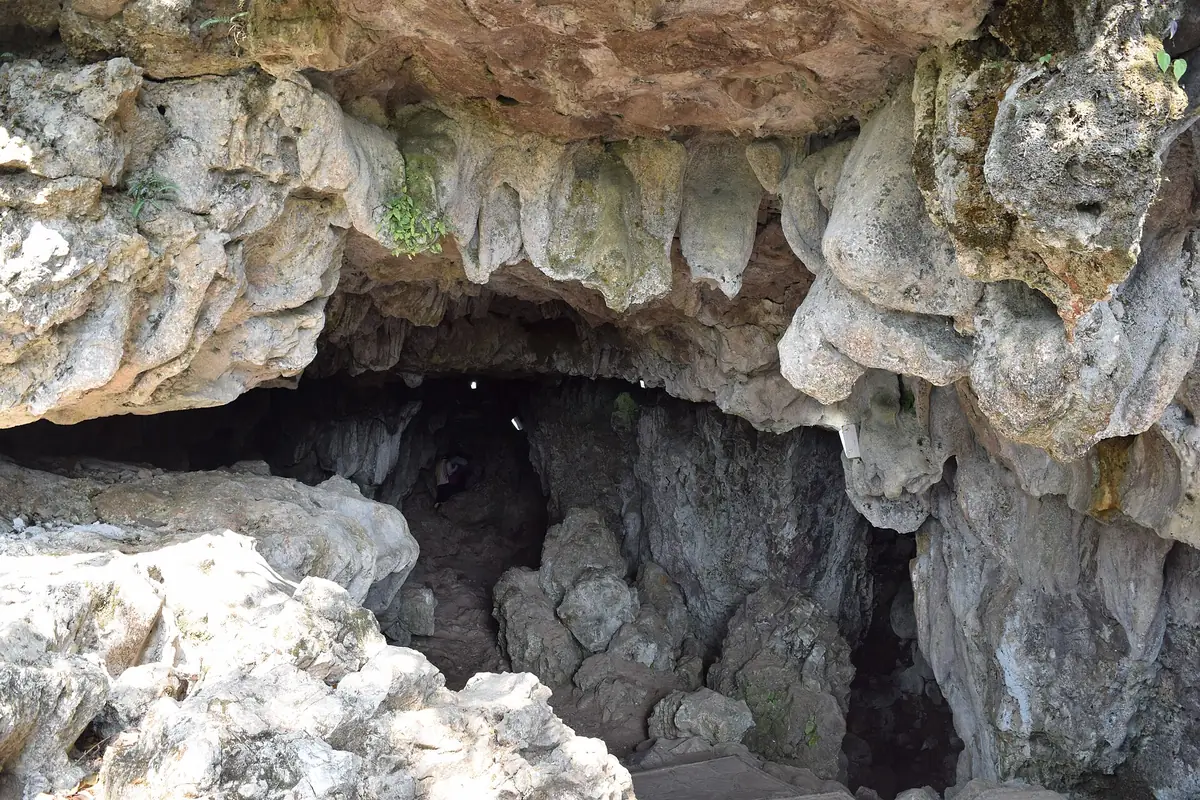
An accessible, lit limestone cave — a good, low-effort introduction to the region's dramatic karst landscape.
Seven Sisters Falls
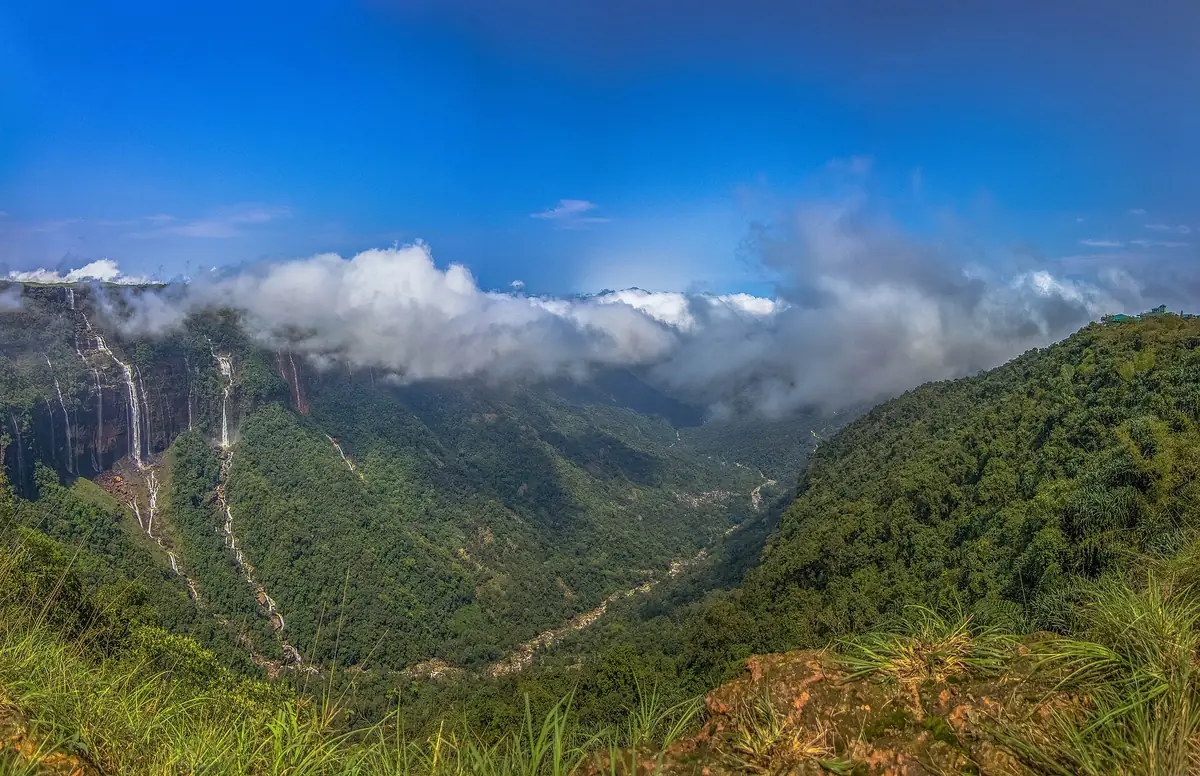
Also called Nohsngithiang Falls, a dramatic multi-segment cascade especially spectacular during monsoon.
Thangkharang Park
Viewpoints over the gorge landscape stretching toward Bangladesh — best visited on a clear day.
Where to Stay in Cherrapunji
- → Guesthouses in Sohra town
- → Homestays
- → Basic tourist lodges
- → Resort cottages with valley views
- → Boutique guesthouses
- → Eco-stays
- → Premium hillside resorts
- → Gorge-view cottages
- → Full-board packages
Suggested Cherrapunji Visit Plan (2 Days)
Falls & Caves
- ✓Nohkalikai Falls
- ✓Mawsmai Cave
- ✓Thangkharang Park viewpoints
Seven Sisters & Onward
- ✓Seven Sisters Falls
- ✓Explore Sohra town
- ✓Head to Nongriat trailhead or back to Shillong
* With more time, extend into the Nongriat living root bridge trek for a fuller Meghalaya highlights trip.
What to Eat in Cherrapunji
- Khasi thali: Rice, pork or fish, and local greens — the standard, satisfying meal at most guesthouses.
- Jadoh: The same Khasi rice-and-pork staple found across Meghalaya, worth trying here too.
- Local honey and citrus: Cherrapunji's surrounding hills produce good honey and orange products, popular souvenirs.
Budget Breakdown
| Expense | Budget | Mid-Range | Luxury |
|---|---|---|---|
| Accommodation/night | ₹1,000 | ₹3,000 | ₹7,000 |
| Food/day | ₹450 | ₹1,000 | ₹2,200 |
| Local transport/day | ₹500 | ₹1,200 | ₹2,800 |
| Entry fees/day | ₹150 | ₹150 | ₹150 |
| 2-Day trip total | ₹4,200 | ₹10,700 | ₹24,300 |
* Excludes transport to Shillong. Local transport costs are higher than average given the distances between viewpoints.
Essential Tips for Visiting Cherrapunji
- Carry serious rain gear: Regardless of season, given the extreme rainfall reputation.
- Build flexibility into viewpoint visits: Visibility can change dramatically hour to hour.
- Hire a local driver/guide: The falls and viewpoints are spread out, and a local driver knows current road and weather conditions.
- Use Cherrapunji as your Nongriat base: Plan the root-bridge trek as an extension from here.
✅ Do
- →Carry a proper rain jacket and dry bag
- →Visit viewpoints early for the best visibility
- →Hire a local driver who knows current conditions
- →Combine with a Nongriat root-bridge trek
- →Try local honey and citrus products
- →Build a buffer day for weather delays
❌ Don't
- →Assume clear skies at any time of year
- →Plan a tight single-day itinerary with no buffer
- →Skip rain gear even in the 'dry' season
- →Underestimate travel time between viewpoints
- →Attempt Nongriat without checking trail conditions
- →Rush through Nohkalikai without a proper look
Frequently Asked Questions
Why is Cherrapunji so famous for rainfall?
Cherrapunji, locally known as Sohra, has historically held world rainfall records and remains one of the wettest places on Earth alongside nearby Mawsynram. Expect mist, cloud, and rain here even outside the core monsoon months.
What is the best time to visit given the weather?
October to April offers the clearest views and driest conditions, which matters given how much rain and mist can obscure viewpoints from June to September. Monsoon itself does make the waterfalls at their most dramatic, for those willing to embrace the rain.
How far is Cherrapunji from Shillong?
Roughly 1.5–2 hours by road, making it an easy day trip or a natural next stop after Shillong.
How does Cherrapunji connect to Nongriat?
Cherrapunji (Sohra) is the practical jumping-off town for reaching Nongriat and its famous living root bridges — you'll drive from Cherrapunji to the trailhead before beginning the descent on foot.
What are the must-see waterfalls in Cherrapunji?
Nohkalikai Falls (India's tallest plunge waterfall, roughly 340m), Seven Sisters Falls (Nohsngithiang Falls, a dramatic multi-segment cascade), and Mawsmai Cave for a different kind of karst-landscape experience are the essential stops.
Published by the Kudozz Club editorial team · Last updated · How we research our guides
Want us to plan this trip for you?
Tell Kudozz Club where you want to go and what kind of trip you’re looking for. We’ll build a Cherrapunji and Meghalaya itinerary around your dates and budget.
Continue Exploring
View all guides Hill Stations
Hill Stations in Meghalaya: Shillong, Sohra and More
A guide to the hill towns of Meghalaya: Shillong and Umiam Lake, Sohra (Cherrapunji) with its waterfalls and caves, the living root bridges of Nongriat, Mawlynnong and Dawki near the Bangladesh border, Laitlum canyons, Jowai in the Jaintia hills and Tura in the Garo hills, with seasons, the monsoon and responsible travel.
Things to DoThings to Do in Cherrapunji (Sohra): Waterfalls, Caves & Root Bridges
Things to do in Cherrapunji (Sohra): Nohkalikai Falls, Seven Sisters Falls, Mawsmai and Arwah caves, the double-decker root bridge and Rainbow Falls at Nongriat, Dainthlen and Wei Sawdong falls, Mawkdok valley, Thangkharang Park and Eco Park.
 Off-beat
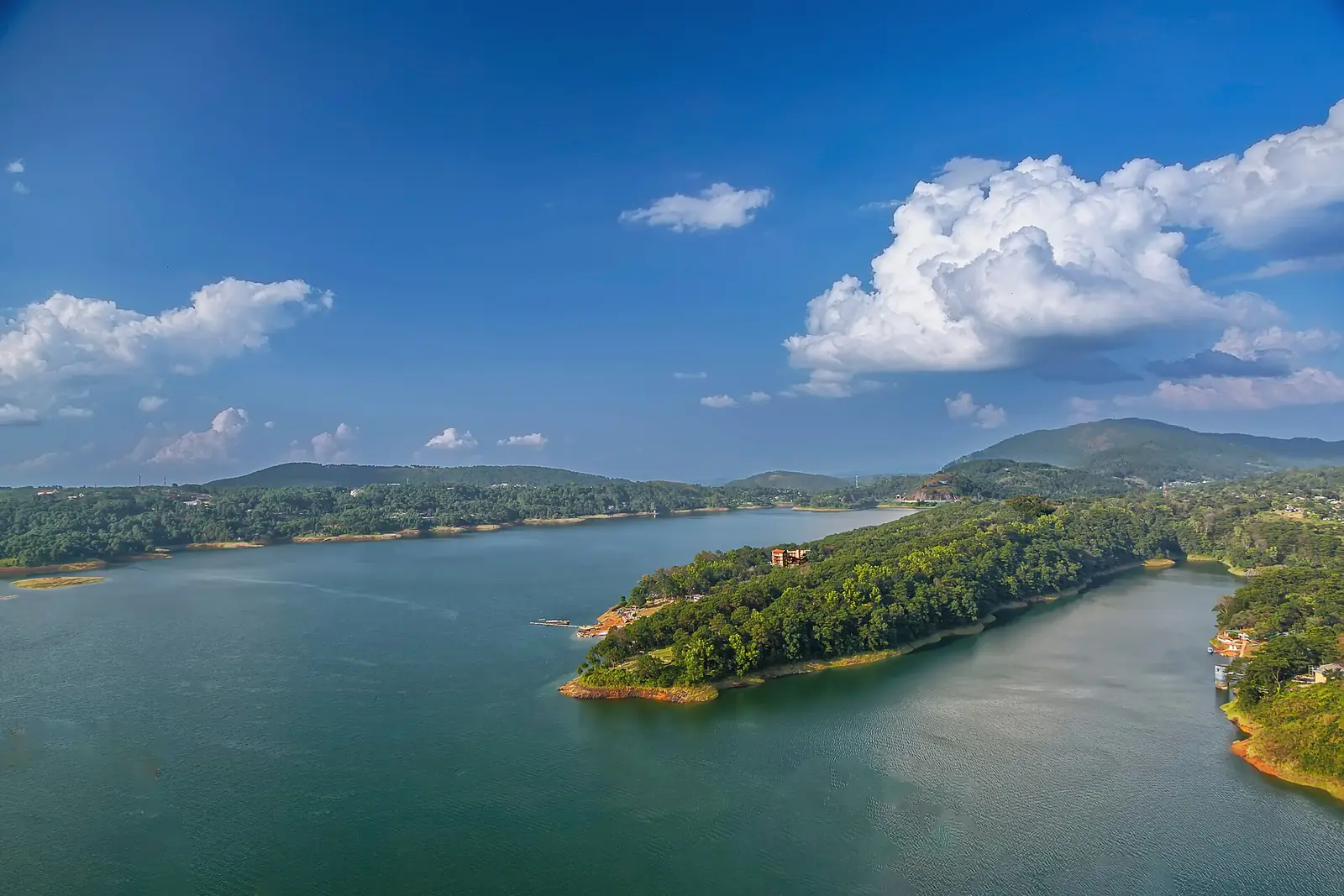
Umiam Lake Guide: Boating & Best Time
A forested-hill reservoir minutes from Shillong, offering the easiest, quickest boating escape in the entire state.
 Off-beat
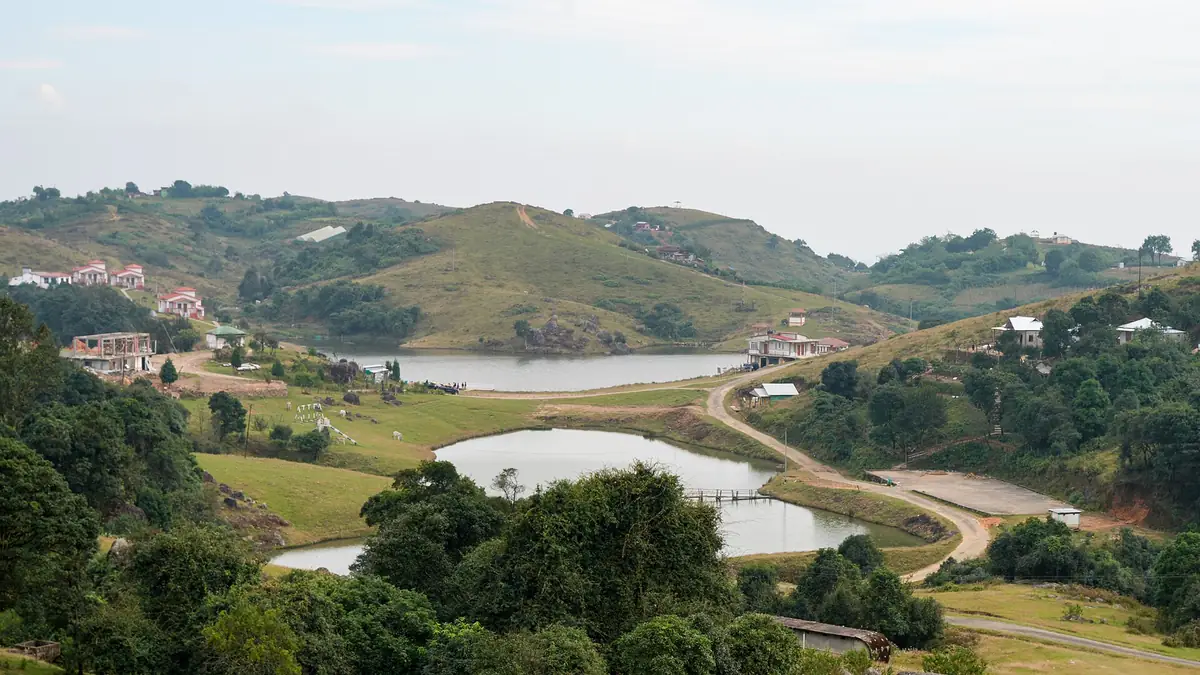
Mawphanlur Guide: Grasslands & Camping
Rolling grasslands and small lakes that feel more Scottish highlands than Northeast India — one of Meghalaya's quietest, least-developed corners.