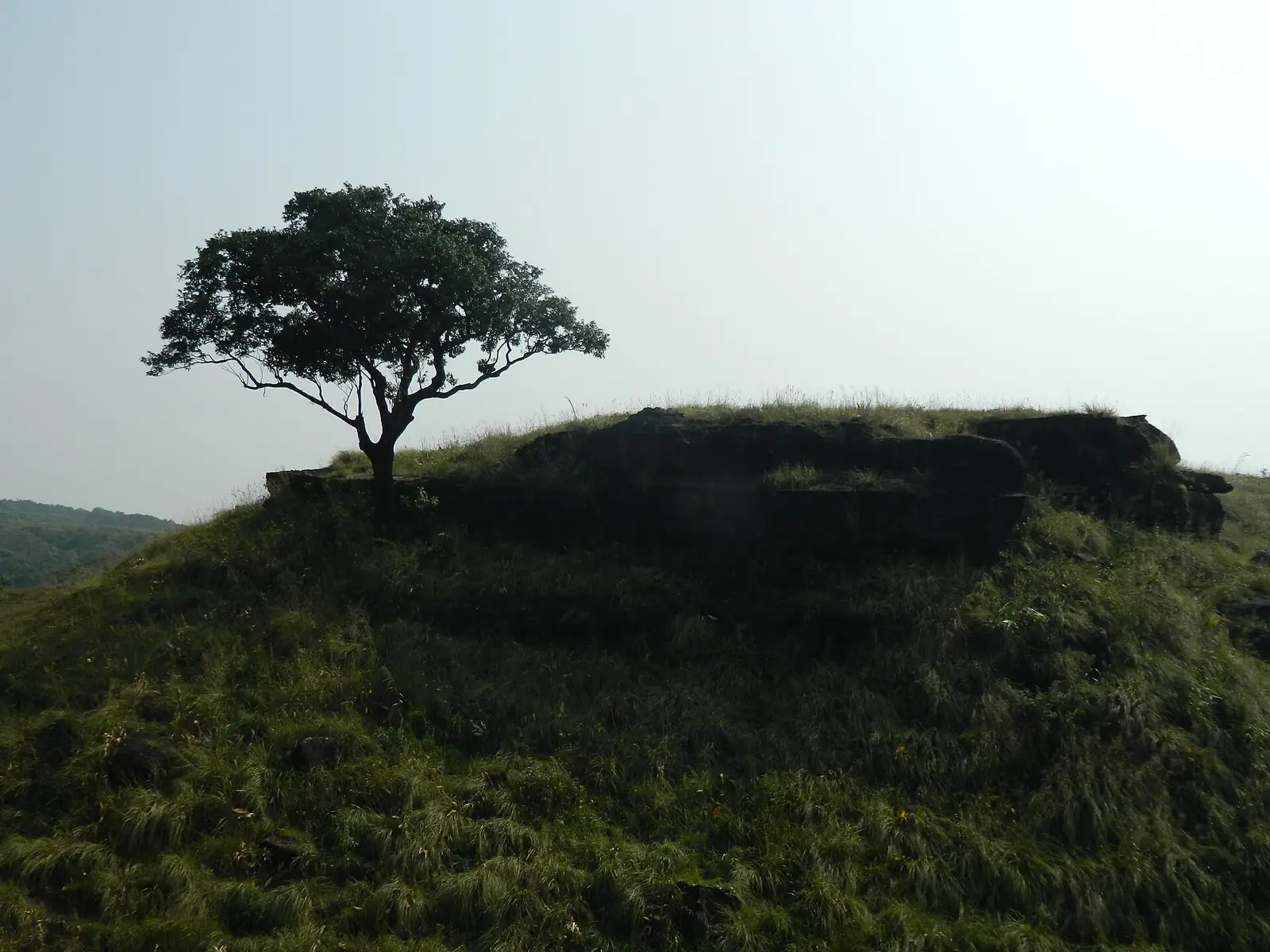
The Land of Perpetual Winds
Balpakram National Park, in South Garo Hills, is sometimes called the "Land of Perpetual Winds" — a dramatic plateau cut through with canyon-like terrain that looks unlike almost anywhere else in Meghalaya's forested hill country. Reached via Tura, the region's main gateway town, it remains one of the state's wildest and least-developed corners for tourism.
The park holds deep significance in Garo belief: it's traditionally regarded as a place where the spirits of the dead pass through on their journey to the afterlife, and it's closely associated with the legend of the mande burung — a mythical tiger-like or ape-like creature, often described as Meghalaya's own "Bigfoot." This is living cultural tradition, not a tourist curiosity, and worth approaching with genuine respect.
🏜️ Balpakram at a Glance
Love the outdoors? See our guide to forest destinations in India.
Best Time to Visit Balpakram
Given the remote, unpaved approach roads, weather has an outsized effect on whether Balpakram is comfortably reachable at all.
Dry, cool, and the most reliable window for the remote roads into the park to be genuinely passable.
Still workable, though heat and humidity build ahead of the monsoon.
Heavy rain makes the unpaved approach roads genuinely difficult, and in places impassable.
Given how remote this is, always confirm current road conditions with a Tura-based guide or operator before setting out.
Our pick: October to March — the only window where the remote approach roads are reliably passable and the plateau's canyon views are at their clearest.
How to Reach Balpakram
- Via Tura: The only practical approach — Balpakram lies a further journey into South Garo Hills from Tura, over unpaved roads for at least part of the route.
- Local guide recommended: Given the remoteness and limited signage, arranging a Tura-based guide or driver familiar with the route is strongly advisable.
Plateau, Mythology & Wildlife
The Plateau & Canyon Terrain
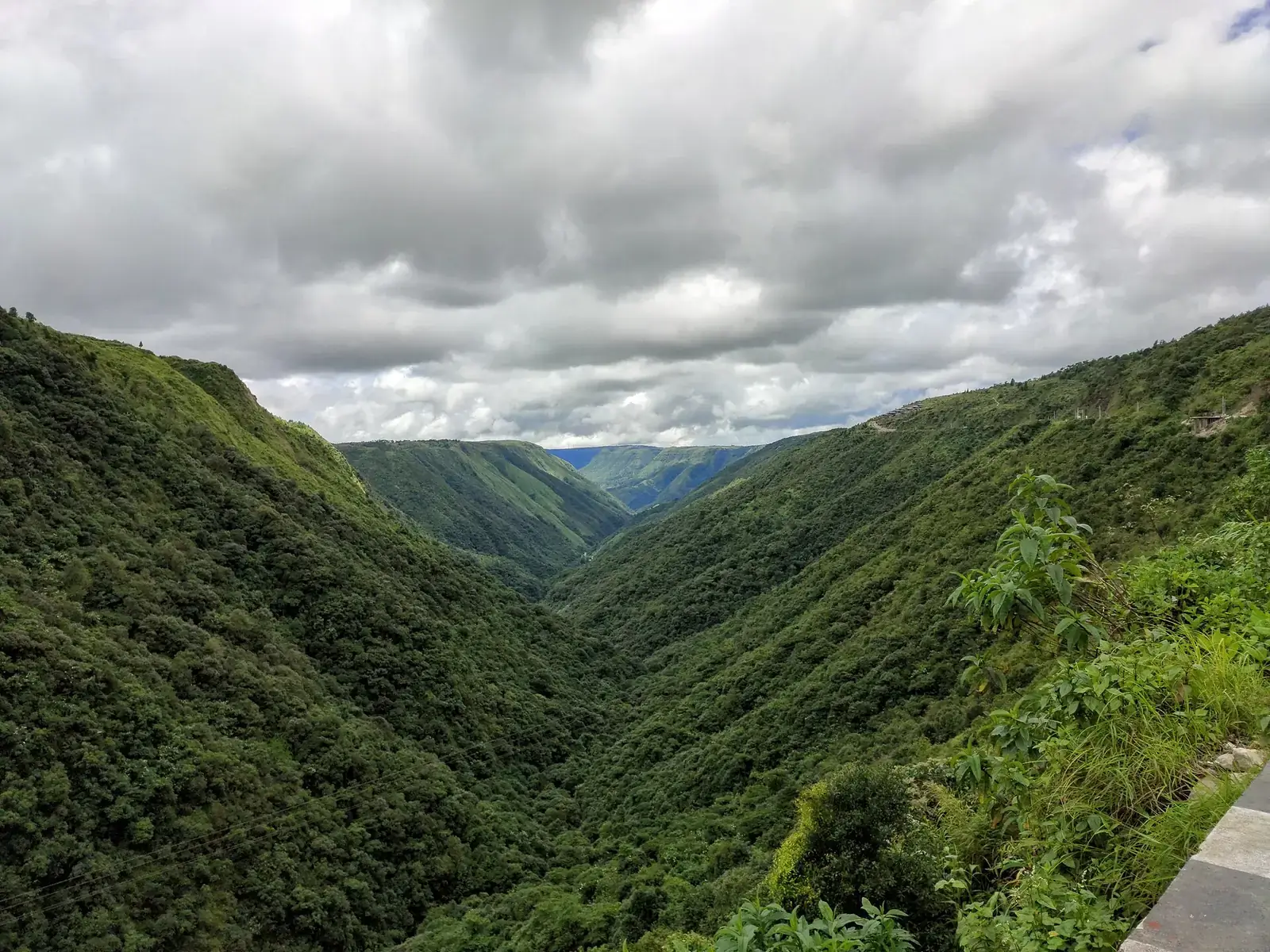
Balpakram's defining feature is its landscape — a high plateau cut through with canyon-like gorges, giving views and a sense of scale that feel closer to a high-desert plateau than the forested hills that define most of Meghalaya.
Garo Mythology & the Mande Burung
The park's significance to Garo belief runs deep — it is traditionally regarded as a transit point for departed spirits, and is closely tied to the legend of the mande burung, a mythical creature described in local folklore. Visiting with a knowledgeable local guide brings this cultural dimension to life in a way the scenery alone cannot.
Wildlife & Biodiversity
Balpakram supports genuine ecological richness, with reports of rare species including red pandas in the wider region. Sightings aren't guaranteed given the park's remoteness and limited safari infrastructure, but the ecological value of the landscape is significant regardless of what wildlife you happen to see.
Where to Stay
There's essentially no standalone accommodation at Balpakram itself — plan around a Tura base instead.
- → Basic guesthouses in Tura
- → Government tourist lodges
- → Simple lodges near nearby towns
- → Business hotels, Tura
- → Circuit house-style stays
- → Family-run hotels
- → Best available rooms in Tura
- → Advance booking essential
- → Limited premium options in the district
Base yourself in Tura and treat Balpakram as a dedicated day trip or overnight excursion.
Suggested Visit Plan
Day Trip from Tura
- ✓Early departure from Tura
- ✓Explore the plateau and canyon viewpoints
- ✓Return to Tura by evening
Overnight Excursion
- ✓Depart Tura, arrive by midday
- ✓Guided exploration with time for the mythology and viewpoints
- ✓Overnight nearby, return to Tura next day
* With more time, combine Balpakram with a visit to Siju Cave for a fuller South Garo Hills adventure trip.
Food & Supplies
- Carry your own: There are minimal to no food facilities within the park itself, so pack supplies before leaving Tura.
- Stock up in Tura: Tura's markets are the last reliable point to buy snacks and water before heading into South Garo Hills.
- Local village stalls: Occasional basic stalls may be found along the route, but don't rely on them.
Budget Breakdown
| Expense | Budget | Mid-Range | Luxury |
|---|---|---|---|
| Local guide/driver | ₹1,500 | ₹2,500 | ₹4,000 |
| Vehicle hire (round trip) | ₹2,500 | ₹4,000 | ₹6,500 |
| Food/day | ₹400 | ₹900 | ₹1,800 |
| Entry/permit fees | ₹100 | ₹100 | ₹100 |
* Figures are per trip from Tura, best split across a group given the shared vehicle/guide costs.
Essential Tips for Visiting Balpakram
- Engage a local guide: Both for safe navigation and for genuine cultural context on the site's significance to Garo belief.
- Approach the mythology with respect: This is living cultural tradition to the Garo people, not a novelty attraction.
- Confirm access before setting out: Road conditions can change quickly in this remote region.
- Carry sufficient water and food: Facilities are minimal to non-existent along the route.
- Don't rush it: The remoteness that makes Balpakram special also means it deserves unhurried time rather than a quick pass-through.
✅ Do
- →Hire a local guide from Tura
- →Confirm road conditions before departure
- →Carry enough water and food for the day
- →Approach the mythology respectfully
- →Visit Oct-Mar for the most reliable access
- →Combine with Siju Cave if time allows
❌ Don't
- →Attempt the drive alone without local knowledge
- →Visit during heavy monsoon
- →Expect standalone accommodation at the park
- →Treat the mande burung legend dismissively
- →Rely on finding food along the route
- →Rush the visit given the remote access effort
Frequently Asked Questions
What is the significance of Balpakram in Garo mythology?
Balpakram is traditionally believed by the Garo people to be a place where the spirits of the dead pass through on their journey to the afterlife. This spiritual significance is central to why the park matters so deeply to Garo culture, well beyond its ecological value.
What is the mande burung legend?
Mande burung, sometimes described as Meghalaya's own 'Bigfoot,' is a legendary tiger-like or ape-like creature associated with Balpakram in local folklore. It's a genuine and important part of Garo storytelling tradition, worth approaching as living cultural belief rather than a novelty.
How far is Balpakram from Tura?
Balpakram is a further journey into South Garo Hills from Tura, the region's main gateway town. Most visitors base themselves in Tura and visit Balpakram as a dedicated day trip or overnight excursion given the remote roads.
Is Balpakram a day trip?
Yes, most visitors treat it as a day trip or overnight excursion from Tura, since there's essentially no standalone accommodation at the park itself.
What wildlife might be seen at Balpakram?
Balpakram has rich biodiversity and reports of rare species, including red pandas in the wider region. Wildlife sightings aren't guaranteed given the park's remoteness and limited safari infrastructure, but the ecological and scenic value of the plateau itself is a strong draw regardless.
Published by the Kudozz Club editorial team · Last updated · How we research our guides
Want us to plan this trip for you?
Tell Kudozz Club where you want to go and what kind of trip you’re looking for. We’ll build a Balpakram National Park and Meghalaya itinerary around your dates and budget.
Continue Exploring
View all guides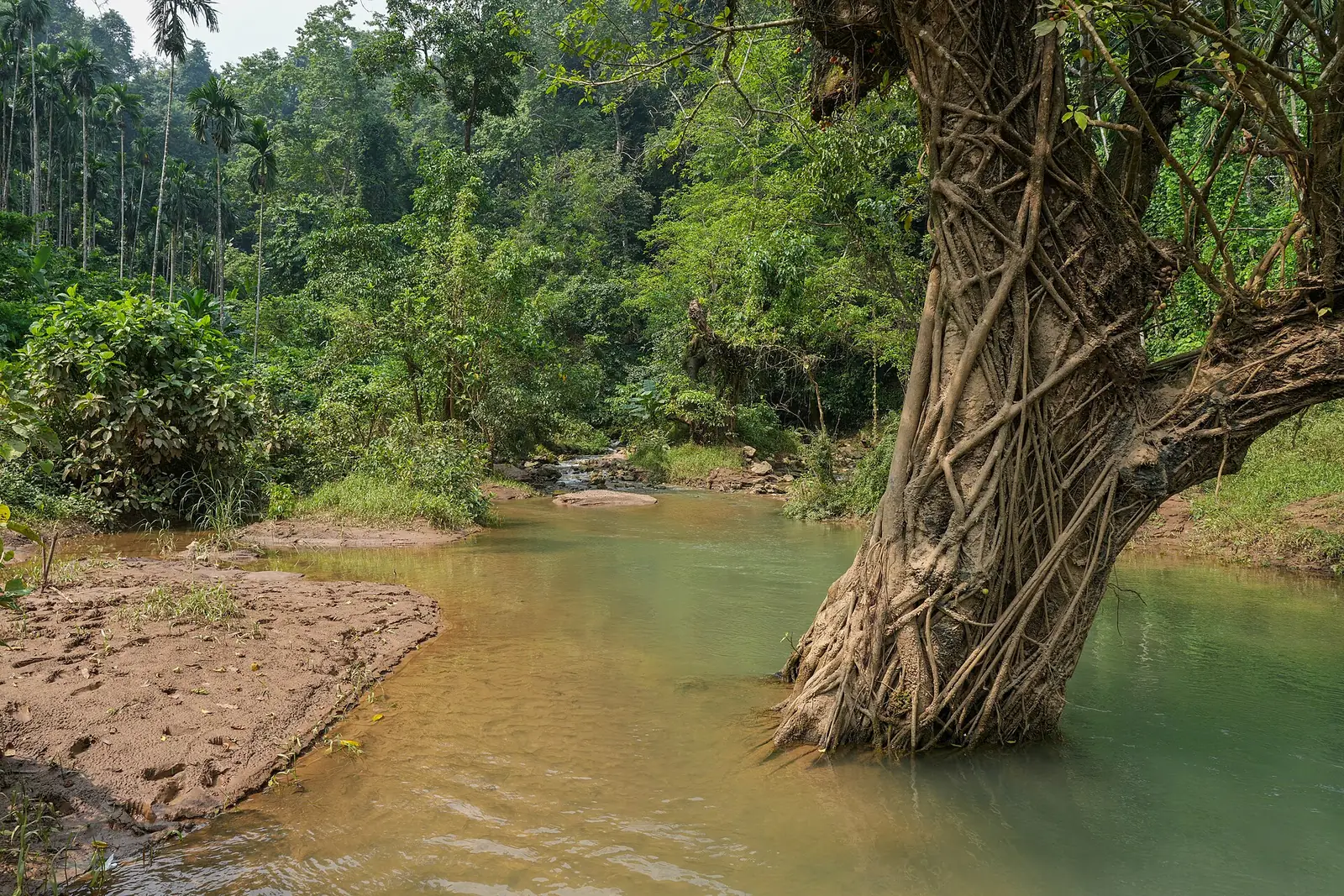 Adventure
Siju Cave Guide: Caving & Best Time
One of India's longest cave systems, riverside in South Garo Hills — genuine, undeveloped caving for travelers who want adventure without a lit walkway.
 Destination Guide
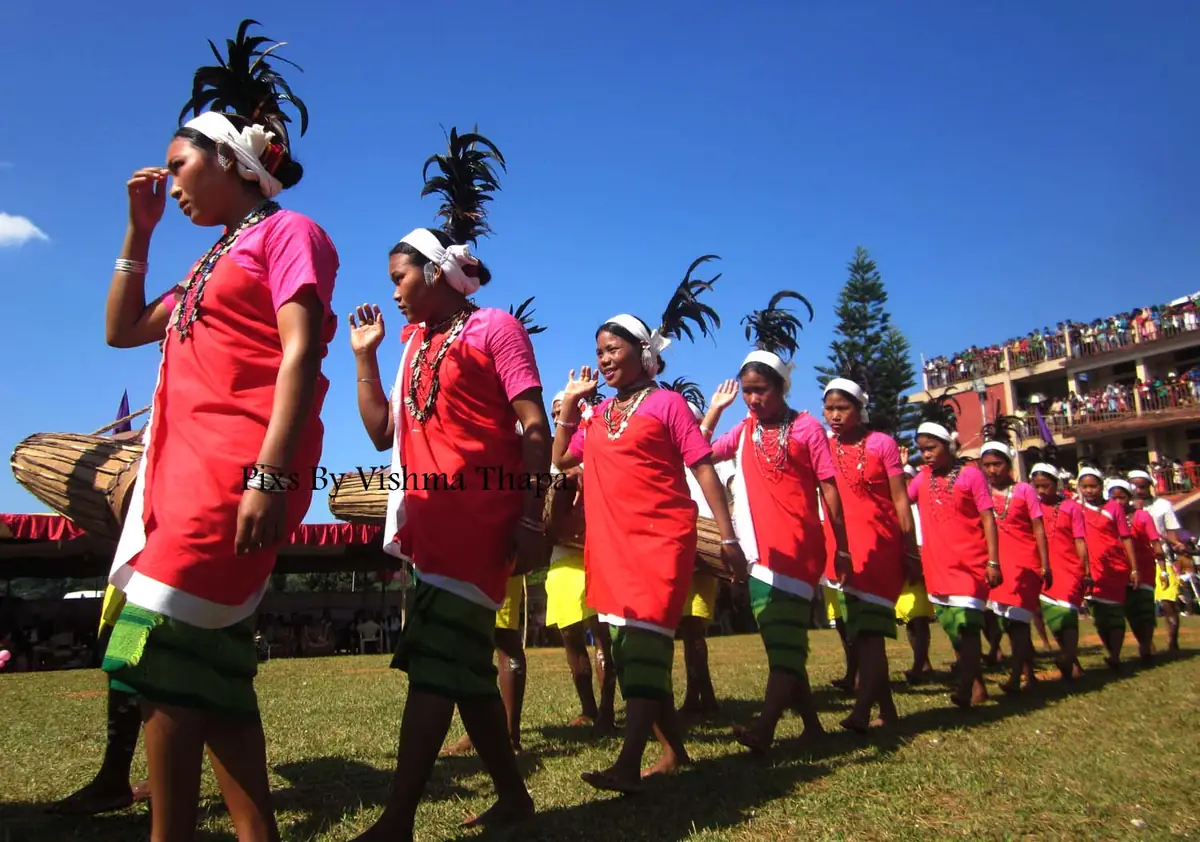
Tura Travel Guide: Gateway to Garo Hills
A different Meghalaya entirely — matrilineal Garo culture, a citrus sanctuary on the region's highest peak, and the base for the state's wildest, least-visited corners.
 Adventure
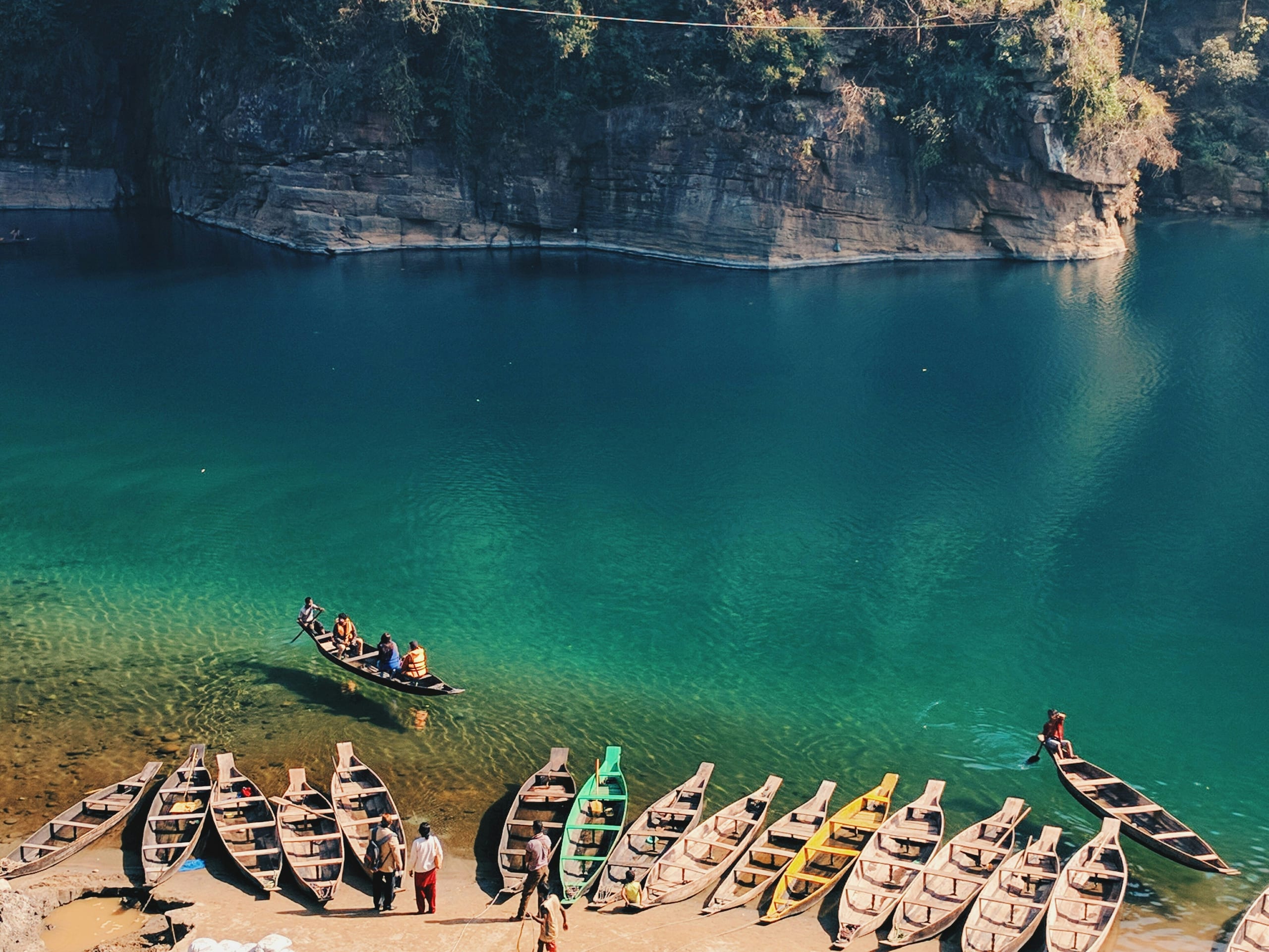
Shnongpdeng Guide: Camping & River Adventure
Tented camps pitched right on the banks of one of India's clearest rivers — kayaking, cliff jumping, and even scuba diving on the Umngot.
 Hill Stations
Monsoon Hill Stations in India: Western Ghats, Meghalaya and Rain-Shadow Escapes
A guide to hill stations in the monsoon, June to September: the Western Ghats near Mumbai and Pune (Lonavala, Matheran, Bhandardara, Malshej, Amboli), Coorg, Chikmagalur, Wayanad and Munnar in the south, Meghalaya's waterfalls, the Kaas plateau and Valley of Flowers blooms, and the rain-shadow valleys of Ladakh and Spiti, with landslide and road safety.