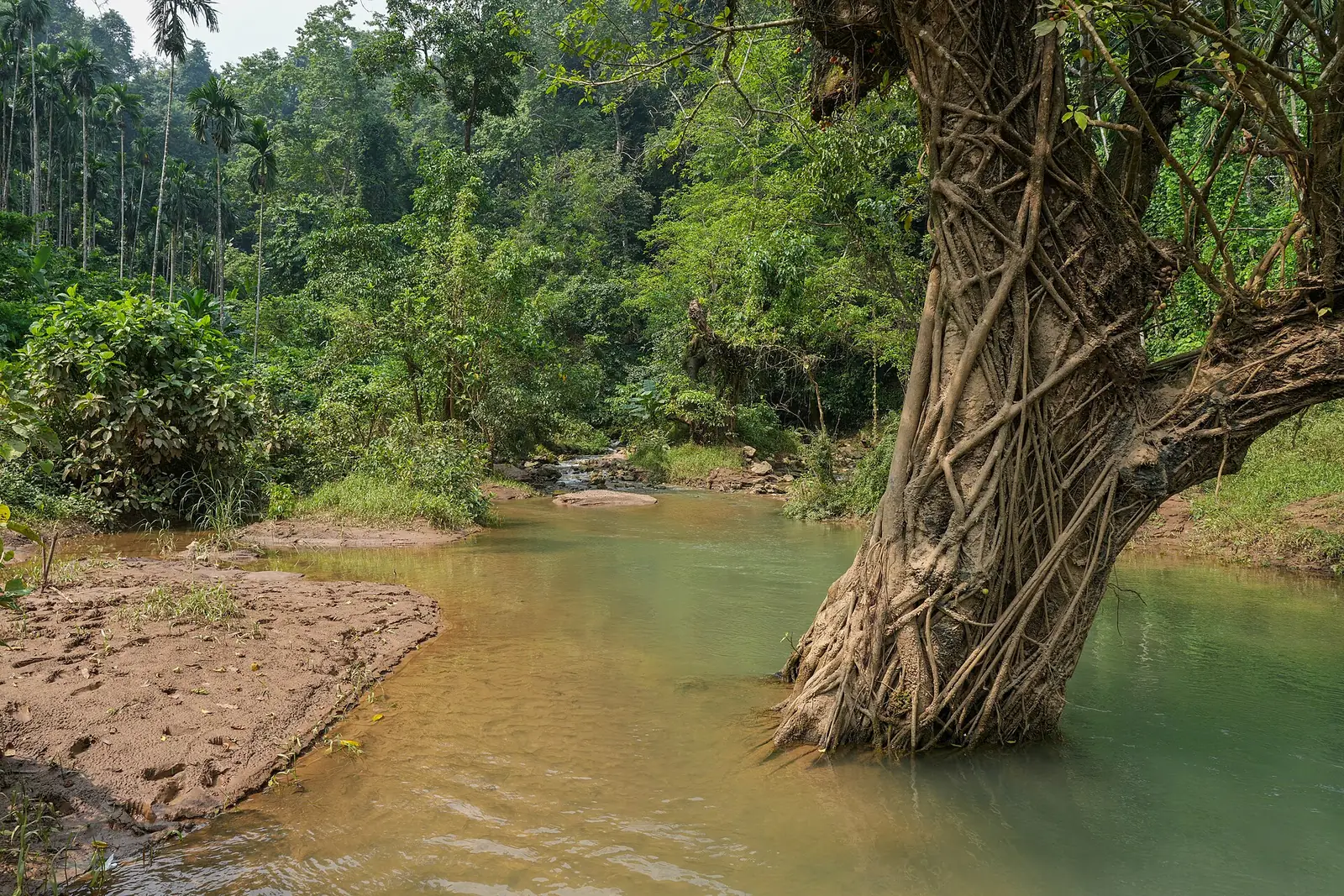
One of India's Longest Caves
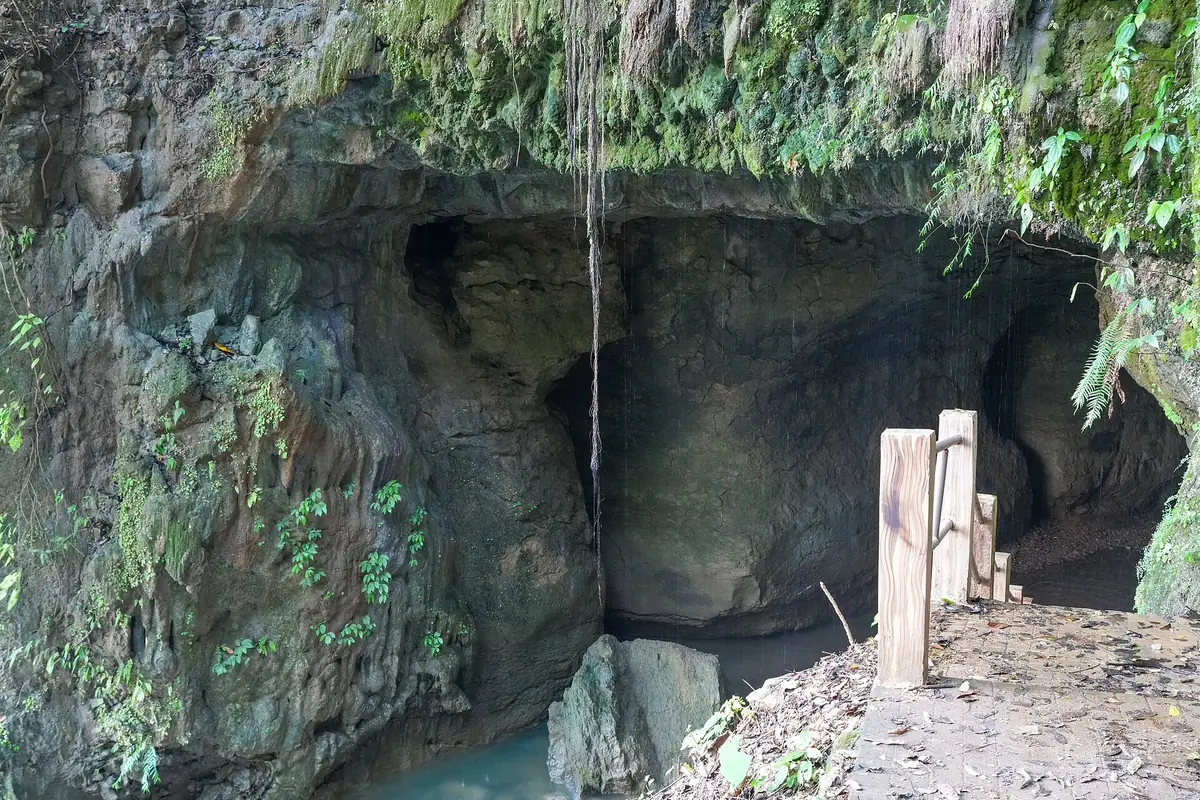
Siju, also called "Dobakkol," is home to one of the longest cave systems in India — a genuine adventure-caving destination on the banks of the Simsang River in South Garo Hills. The cave is known for its notable limestone formations and substantial bat colonies, giving it real appeal for anyone with an interest in speleology or off-the-beaten- path natural sites.
Unlike Meghalaya's better-known Khasi Hills caves near Cherrapunji — such as Mawsmai, with its lit walkways and easy tourist access — Siju remains considerably less developed. This is genuine, undeveloped caving, reached via Tura, and it appeals specifically to more adventurous travelers rather than casual sightseers.
🕳️ Siju Cave at a Glance
Love the outdoors? See our guide to natural caves in India.
Best Time to Visit Siju
Given the caving element and the riverside setting, seasonal timing here is a genuine safety consideration, not just a comfort one.
Dry conditions with lower river levels, giving the safest and most comfortable window for cave exploration.
Still workable, though rising humidity ahead of the monsoon starts to affect conditions.
Heavy rain raises the Simsang River and increases hazard inside the cave system — a genuine safety concern, not just an inconvenience.
Regardless of season, a knowledgeable local guide is essential given the cave's undeveloped state.
Our pick: October to April — lower, safer river and cave conditions, and the only season we'd recommend attempting Siju at all.
How to Reach Siju
- Via Tura: The practical gateway — Siju lies a further journey into South Garo Hills from Tura, similar in remoteness to Balpakram.
- Local guide essential: Arrange caving guidance and basic equipment through a Tura-based operator before setting out — this is not a self-guided visit.
The Cave System & Simsang River
Inside the Cave System
Siju Cave's passages feature notable limestone formations and support significant bat colonies. Exploring the system requires proper preparation — sturdy footwear, a reliable light source, and a guide who knows the passages — since there's no lit walkway or marked tourist path as at more developed caves.
The Simsang River Setting
The cave sits on the banks of the Simsang River, adding a scenic riverside setting to the caving experience and offering a pleasant spot to rest before or after exploring underground.
How Siju Compares to Khasi Hills Caves
Travelers who've visited Mawsmai or other well-developed caves near Cherrapunji will find Siju a genuinely different experience — rawer, less commercialized, and requiring real preparation rather than an easy walk-through.
Where to Stay
There's very limited accommodation at Siju itself — plan around a Tura base.
- → Basic guesthouses in Tura
- → Government tourist lodges
- → Simple lodges near nearby towns
- → Business hotels, Tura
- → Circuit house-style stays
- → Family-run hotels
- → Best available rooms in Tura
- → Advance booking essential
- → Limited premium options in the district
Base yourself in Tura and treat Siju as a day trip or overnight excursion.
Suggested Visit Plan
Day Trip from Tura
- ✓Early departure from Tura
- ✓Guided cave exploration
- ✓Return to Tura by evening
Combined with Balpakram
- ✓Depart Tura for South Garo Hills
- ✓Visit Balpakram and Siju across the trip
- ✓Overnight nearby, return to Tura
* See our Balpakram National Park guide for combining both South Garo Hills sites in one trip.
Food & Supplies
- Carry your own: Minimal facilities exist at the cave itself, so pack food and water before leaving Tura.
- Stock up in Tura: The last reliable point for supplies before heading into South Garo Hills.
- Riverside rest stop: The Simsang River setting is a pleasant spot for a packed meal before or after the cave.
Budget Breakdown
| Expense | Budget | Mid-Range | Luxury |
|---|---|---|---|
| Caving guide/equipment | ₹1,000 | ₹2,000 | ₹3,500 |
| Vehicle hire (round trip) | ₹2,000 | ₹3,500 | ₹5,500 |
| Food/day | ₹400 | ₹900 | ₹1,800 |
| Entry/permit fees | ₹100 | ₹100 | ₹100 |
* Figures are per trip from Tura, best split across a group given the shared vehicle/guide costs.
Essential Tips for Visiting Siju
- Never attempt without a guide: The cave's undeveloped state makes local caving knowledge genuinely essential for safety.
- Skip it entirely during monsoon: Rising river and cave-water levels create real hazards from July through September.
- Wear proper footwear: Expect wet, uneven surfaces throughout the cave passages.
- Bring a reliable light source: No installed lighting exists inside the cave system.
- Combine with Balpakram if possible: Makes the long journey from Tura more worthwhile.
✅ Do
- →Hire a local caving guide from Tura
- →Visit Oct-Apr only
- →Wear grippy, sturdy footwear
- →Carry a reliable flashlight or headlamp
- →Combine with Balpakram if time allows
- →Confirm current cave-safety conditions locally
❌ Don't
- →Enter the cave without a guide
- →Visit during monsoon season
- →Expect a lit walkway like Mawsmai
- →Rely on finding food or water inside
- →Underestimate the physical demands of caving
- →Skip proper footwear for wet cave surfaces
Frequently Asked Questions
How does Siju Cave compare to more famous Meghalaya caves like Mawsmai?
Siju is far less developed than the well-known Khasi Hills caves near Cherrapunji. There's no lit walkway or easy tourist path — this is genuine, undeveloped caving that requires proper preparation, appealing to more adventurous travelers rather than casual sightseers.
Is a guide necessary at Siju Cave?
Yes. Given the undeveloped nature of the cave system and the lack of infrastructure, a local guide with proper caving knowledge is essential for both safety and navigation.
How far is Siju from Tura?
Siju is a further journey into South Garo Hills from Tura, the region's main gateway town. Most visitors base themselves in Tura and reach Siju as a day trip or overnight excursion.
Can Siju be combined with Balpakram?
Yes — both sit within South Garo Hills and can potentially be combined into a single longer trip from Tura, given their shared region, though this requires more time and planning than visiting either alone.
What is the best time to visit given safety considerations?
October to April, avoiding monsoon season entirely. Heavy rain raises the Simsang River and increases hazard inside the cave system, making conditions genuinely more dangerous.
Published by the Kudozz Club editorial team · Last updated · How we research our guides
Want us to plan this trip for you?
Tell Kudozz Club where you want to go and what kind of trip you’re looking for. We’ll build a Siju Cave and Meghalaya itinerary around your dates and budget.
Continue Exploring
View all guides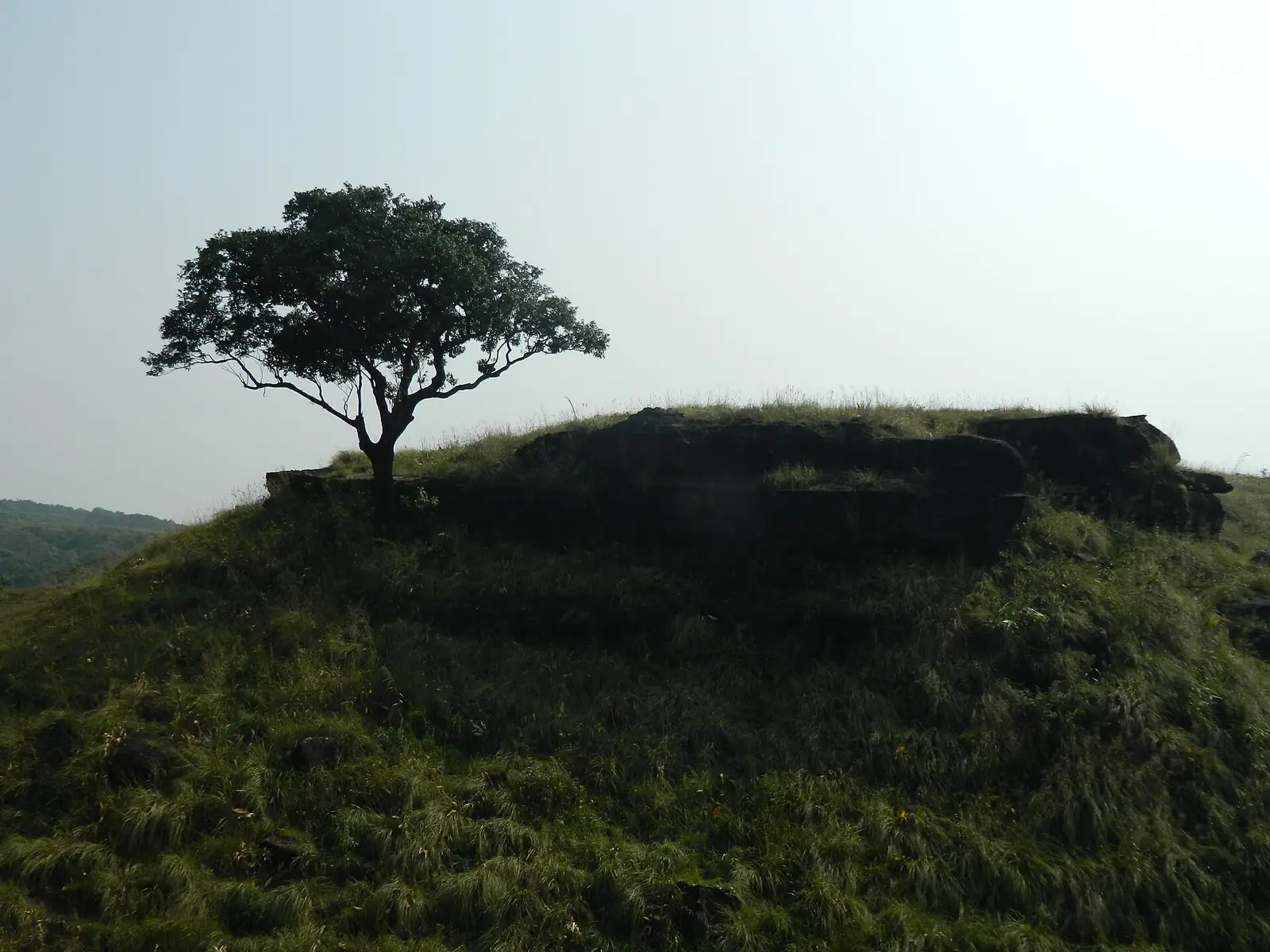 Adventure
Balpakram National Park: Myths & Wildlife
A canyon-cut plateau the Garo believe carries souls to the afterlife, home to legend, rare wildlife, and some of Meghalaya's wildest, least-touched terrain.
 Adventure
Shnongpdeng Guide: Camping & River Adventure
Tented camps pitched right on the banks of one of India's clearest rivers — kayaking, cliff jumping, and even scuba diving on the Umngot.
 Off-beat
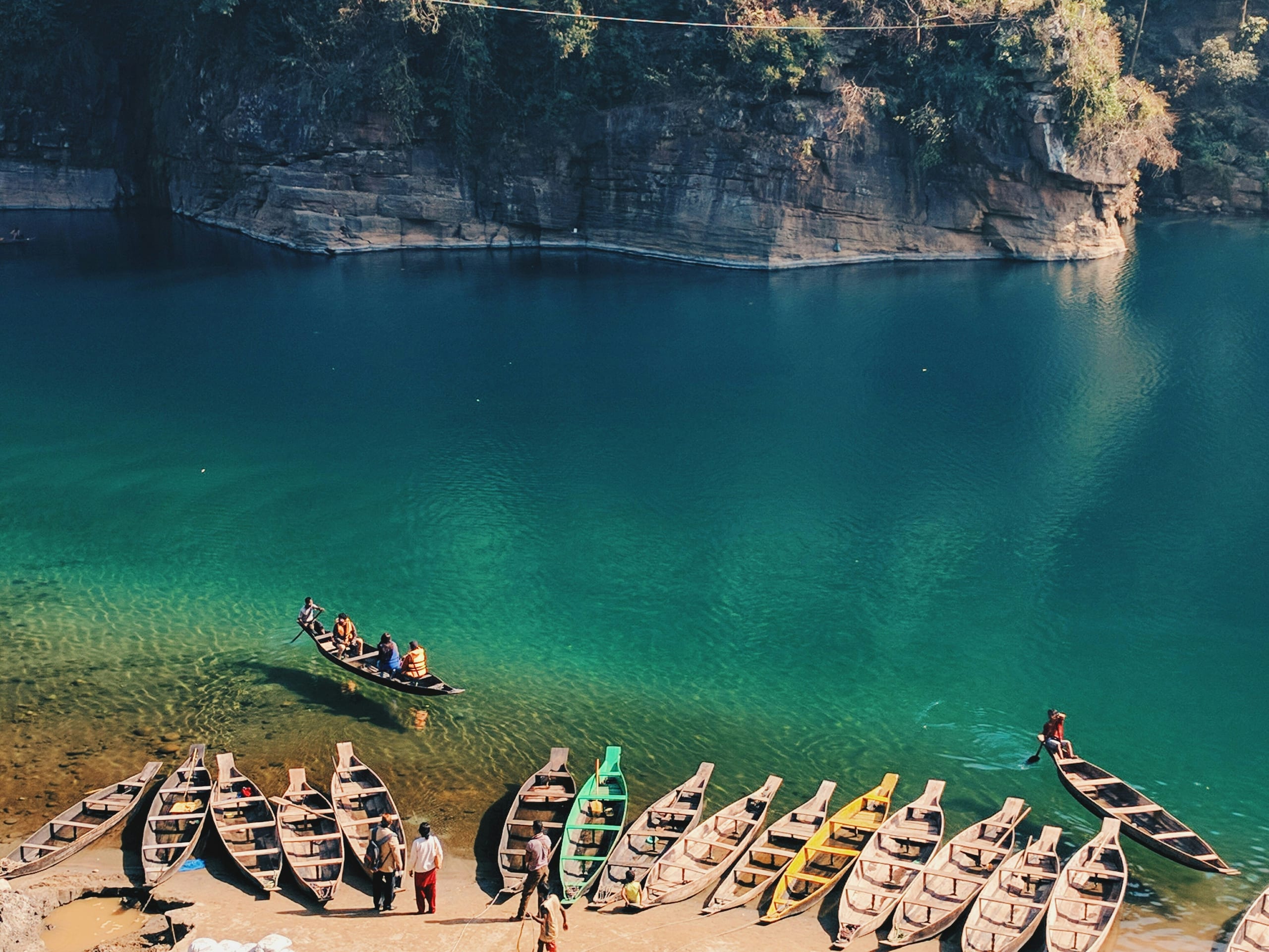
Dawki Travel Guide: Crystal Clear River & Tips
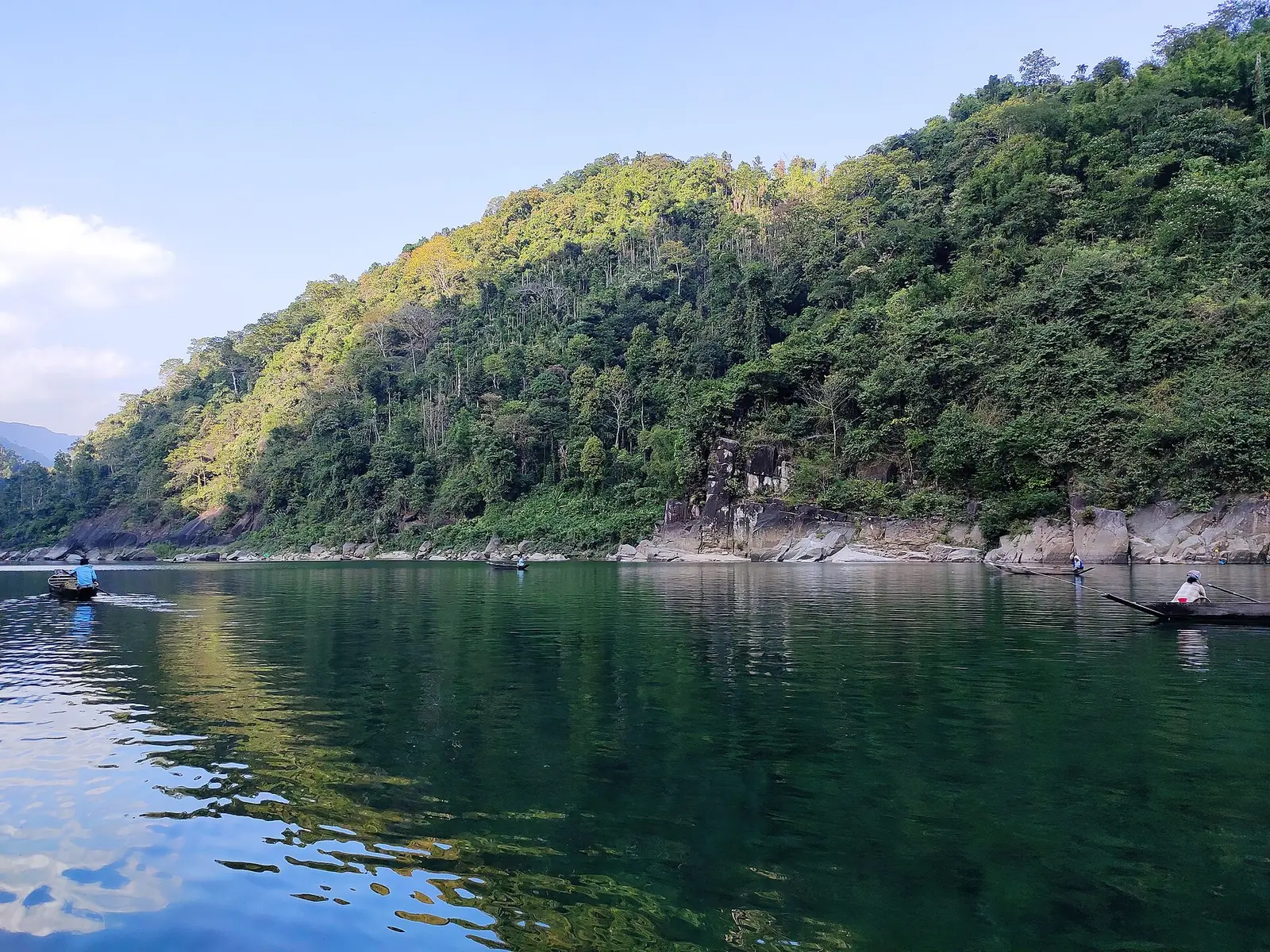
Water so transparent that boats appear to float in mid-air — one of India's most photographed rivers, right on the Bangladesh border.
 Things to Do
Things to Do in Meghalaya: Living Root Bridges, Waterfalls, Caves & Clear Rivers
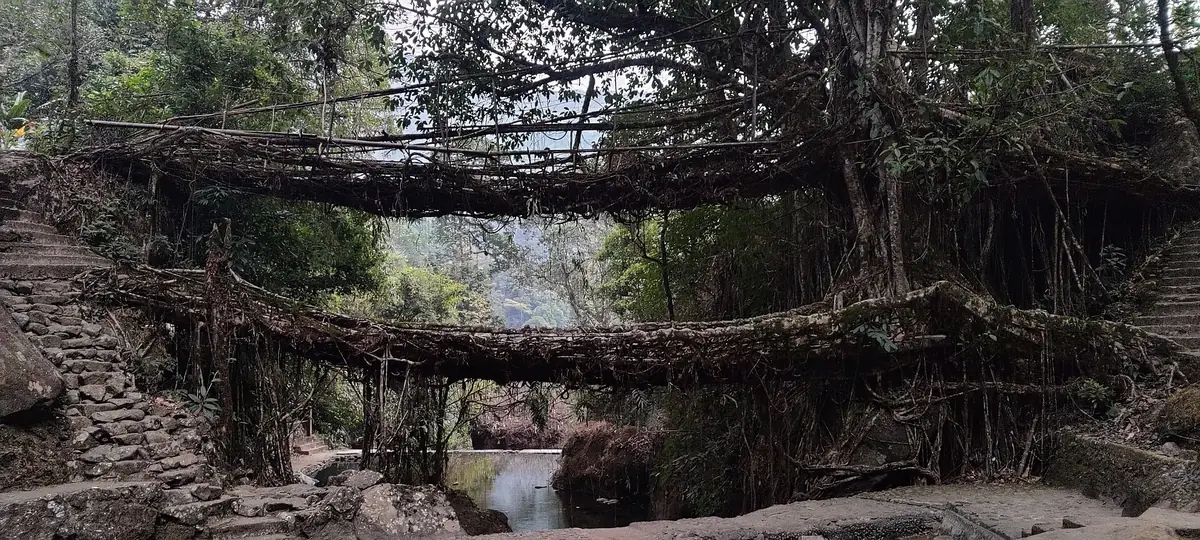
Things to do in Meghalaya: trek to the double-decker living root bridge, see Nohkalikai and Seven Sisters falls, boat on the clear Umngot at Dawki, visit Mawlynnong, explore caves, see Laitlum canyons, Krang Suri falls, Umiam Lake, Shillong's music scene and Khasi food.