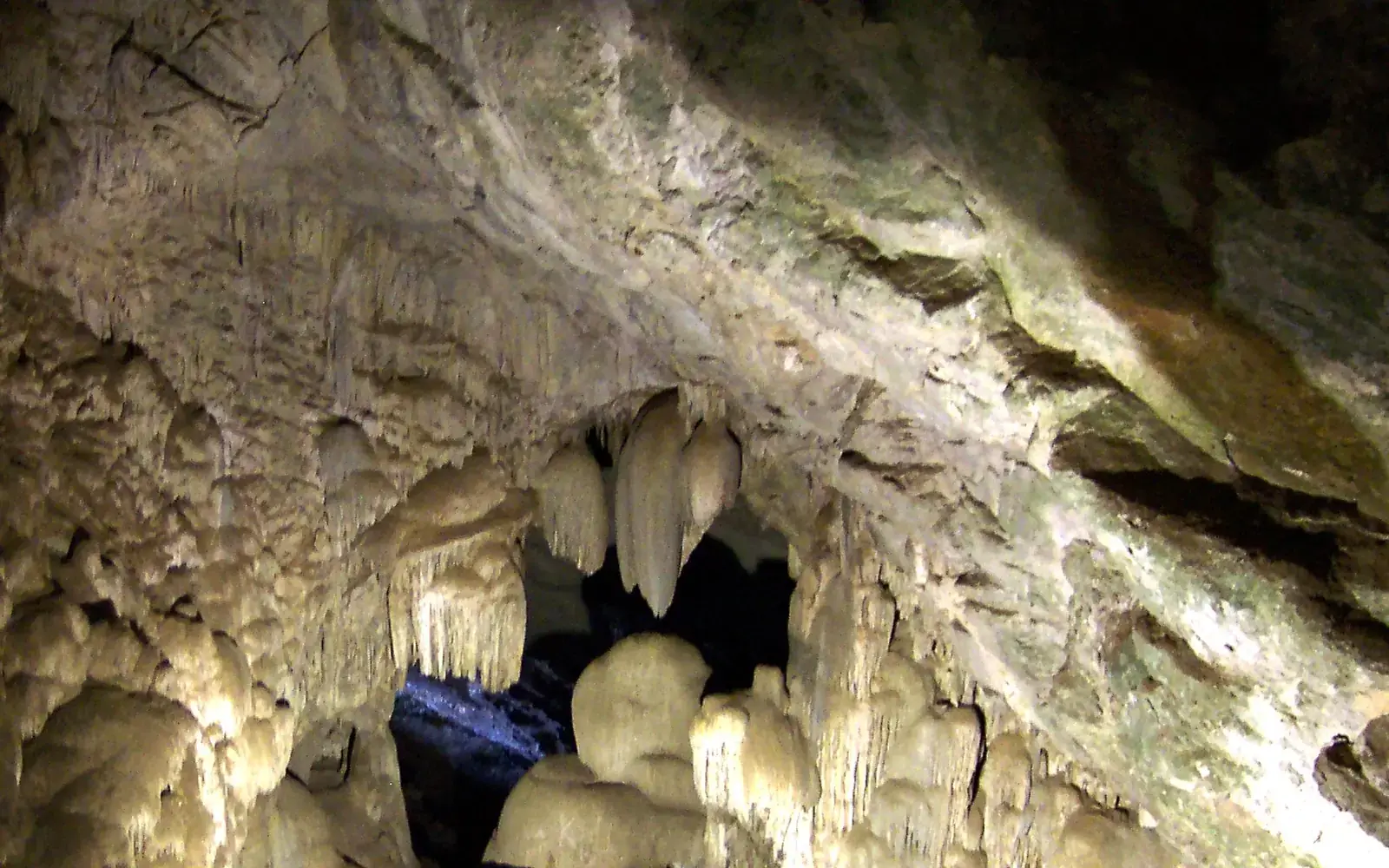
Natural caves form where water slowly dissolves limestone or erodes sandstone, leaving chambers, passages and formations such as stalactites and stalagmites. India's best-known show caves are Borra and Belum in Andhra Pradesh and Mawsmai in Meghalaya; Meghalaya also has some of the longest cave systems known in the Indian subcontinent, explored by specialist expeditions.
These are different from the rock-cut caves of Ajanta, Ellora and Elephanta, which were carved by people and are covered in our heritage guide.
Quick answer
The best natural caves to visit in India are Borra Caves in the Araku hills and Belum Caves near Kurnool in Andhra Pradesh, Mawsmai Cave near Sohra in Meghalaya, Kotumsar Cave in Chhattisgarh's Kanger Valley, Tharon Cave in Arunachal Pradesh, Naida Caves near Diu and the limestone caves at Baratang in the Andamans. Show caves are lit and have paths; wild caves should only be entered with experienced guides.
Key takeaways
- Borra and Belum are well-developed show caves with lighting and walkways.
- Mawsmai is a short, lit show cave near Sohra.
- Meghalaya's long cave systems are for trained cavers, not casual visitors.
- Kotumsar is inside Kanger Valley National Park and closes in the monsoon.
- Never break or touch formations; they take a very long time to grow.
Caves at a glance
| Cave | State or UT | Type | Best time |
|---|---|---|---|
| Borra Caves | Andhra Pradesh | Limestone show cave, Araku hills | October to March |
| Belum Caves | Andhra Pradesh | Long limestone show cave near Kurnool | October to March |
| Mawsmai | Meghalaya | Short lit show cave near Sohra | October to May |
| Kotumsar | Chhattisgarh | Limestone cave in Kanger Valley | November to June (closed in the monsoon) |
| Tharon | Arunachal Pradesh | Limestone cave near Tezu | October to April |
| Naida Caves | Diu | Sandstone caves with tree roots | October to March |
| Baratang | Andaman | Limestone caves reached by boat through mangroves | November to April |
Andhra Pradesh
Borra Caves
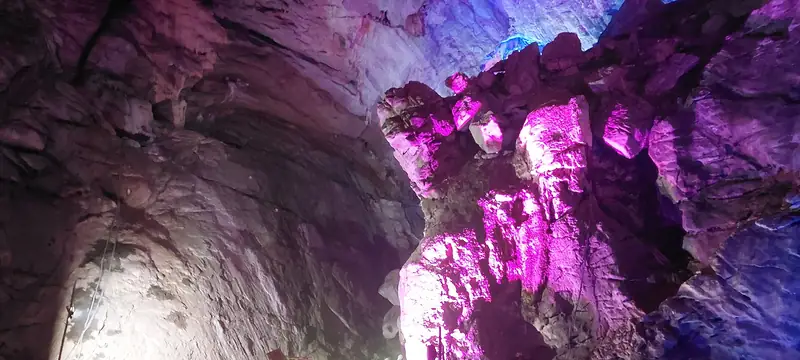
In the Araku hills, often combined with the scenic railway from Visakhapatnam.
Belum Caves
A long horizontal cave system near Kolimigundla in Nandyal district, with lit walkways.
Meghalaya
Mawsmai and the great cave systems
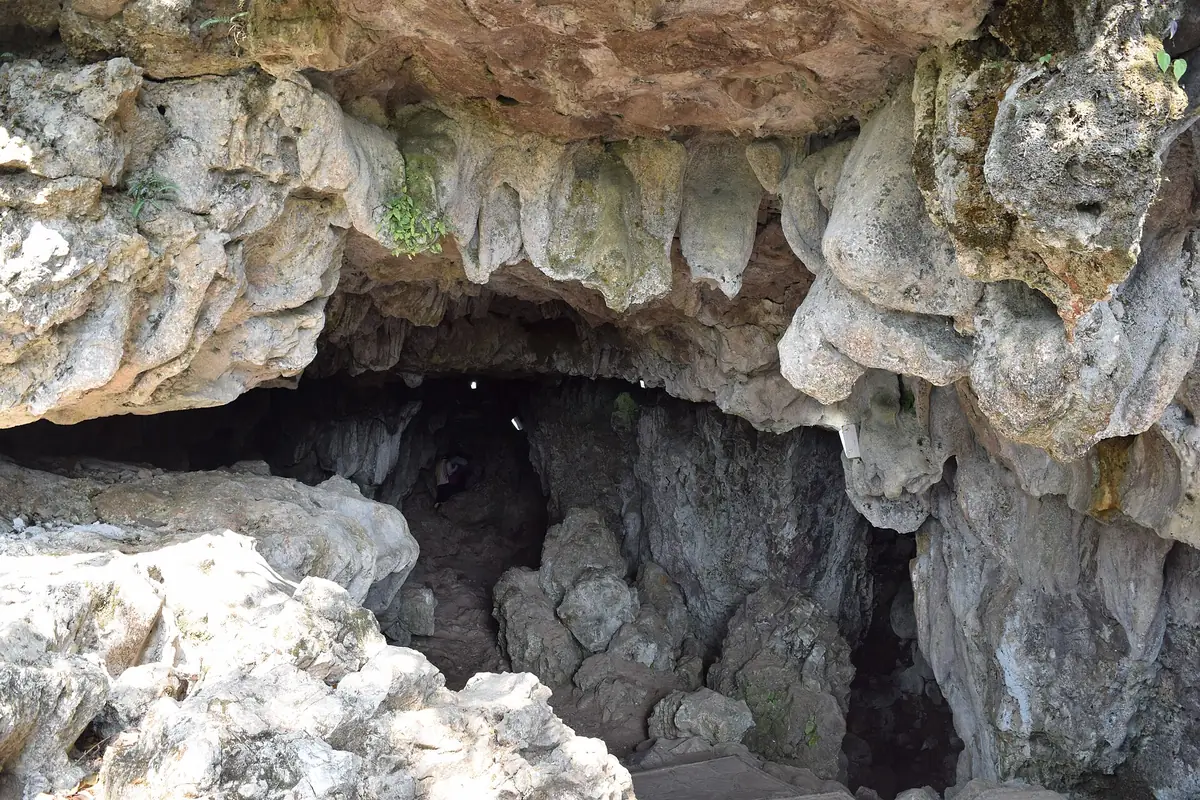
Mawsmai is an easy lit cave near Sohra; the long systems of the Jaintia and Khasi hills are explored by caving expeditions and should not be entered without specialist guides.
Elsewhere
Kotumsar, Tharon, Naida and Baratang
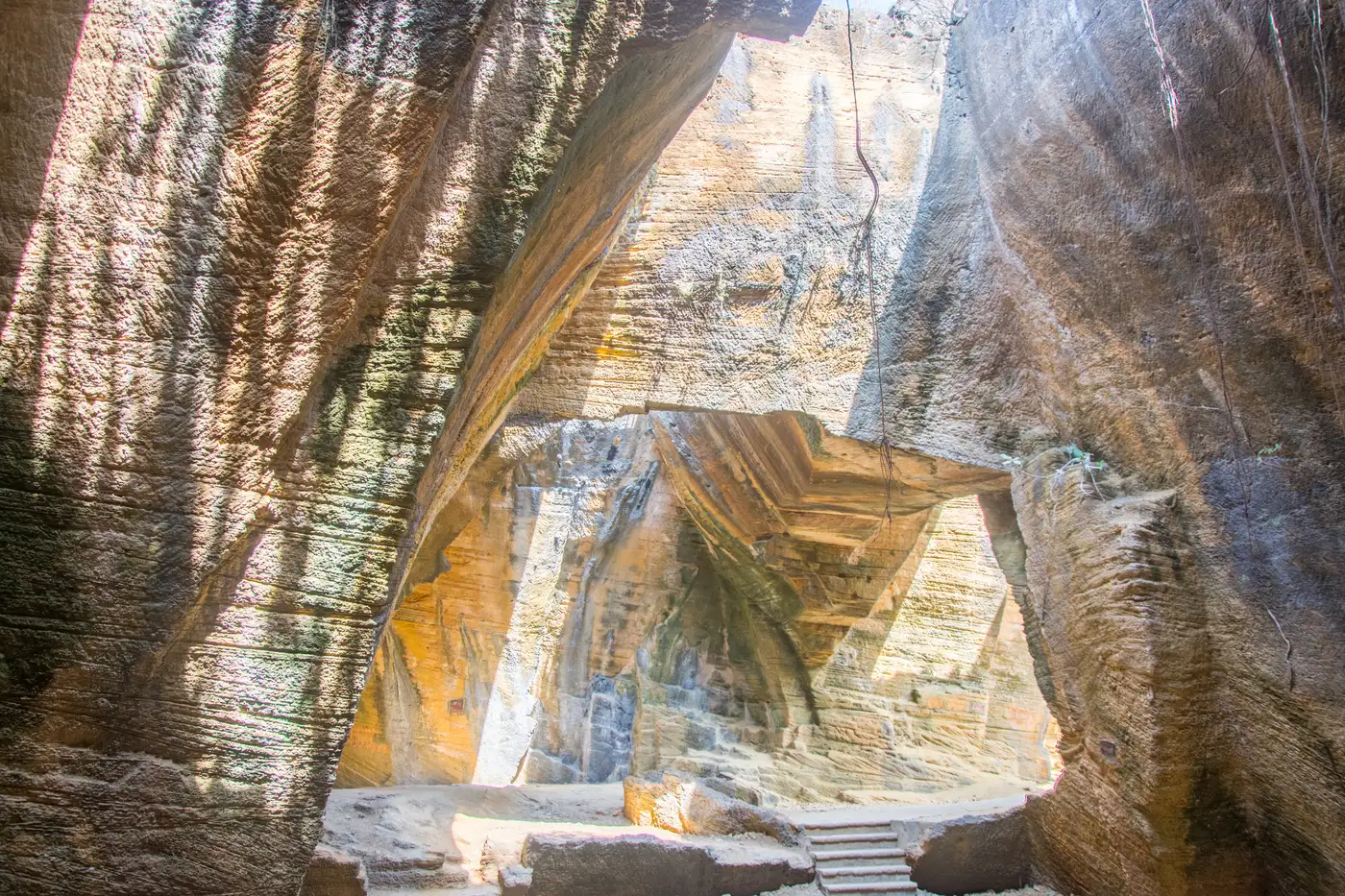
A dark limestone cave in Kanger Valley, a cave near Tezu in Arunachal, sandstone caves by the sea near Diu, and mangrove-framed limestone caves in the Andamans.
Kanger Valley guide · Tharon Cave guide · Naida Caves guide · Baratang guide
Natural or rock-cut?
Rock-cut caves, such as Ajanta, Ellora, Elephanta and Barabar, were carved by people as monasteries and temples, and are covered in our heritage guide. Natural caves are formed by water. Some sites combine the two: Edakkal in Wayanad is a natural rock shelter with ancient carvings.
Cave safety
- Visit show caves during opening hours and stay on lit paths.
- Carry a torch as a backup, even in lit caves.
- Do not enter wild caves without experienced guides and equipment.
- Caves can flood after rain; heed closures in the monsoon.
- Do not touch formations or write on walls.
How natural caves form
Most of India's show caves are in limestone. Rainwater, slightly acidic from the soil, slowly dissolves the rock along cracks, and rivers enlarge the passages. Over a very long time, dripping water leaves mineral deposits that grow into stalactites from the roof and stalagmites from the floor. Sandstone caves such as Naida form differently, by erosion from wind, waves and water.
Combining caves with other places
- Borra with the Araku Valley and the scenic railway.
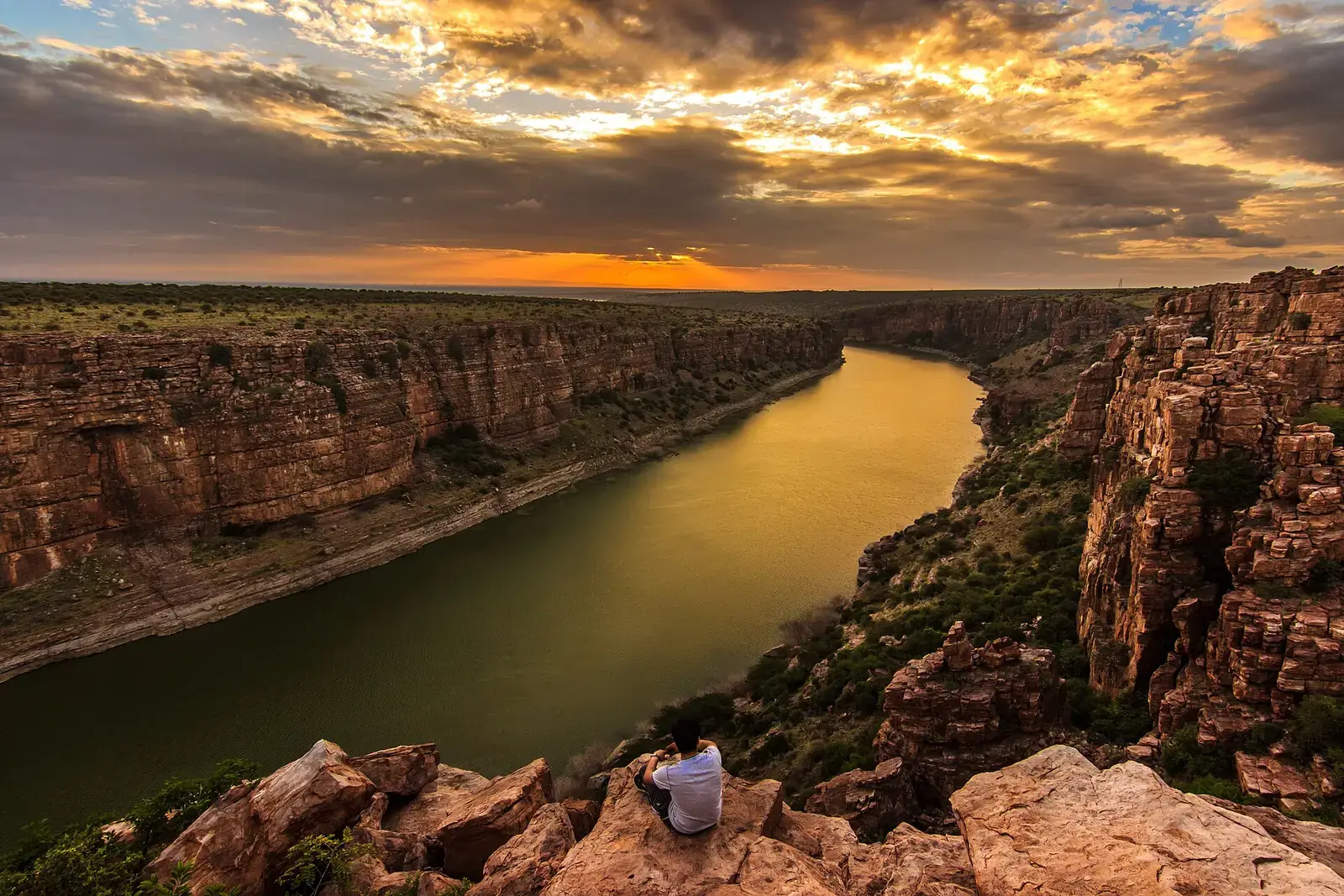
- Belum with Gandikota's gorge.
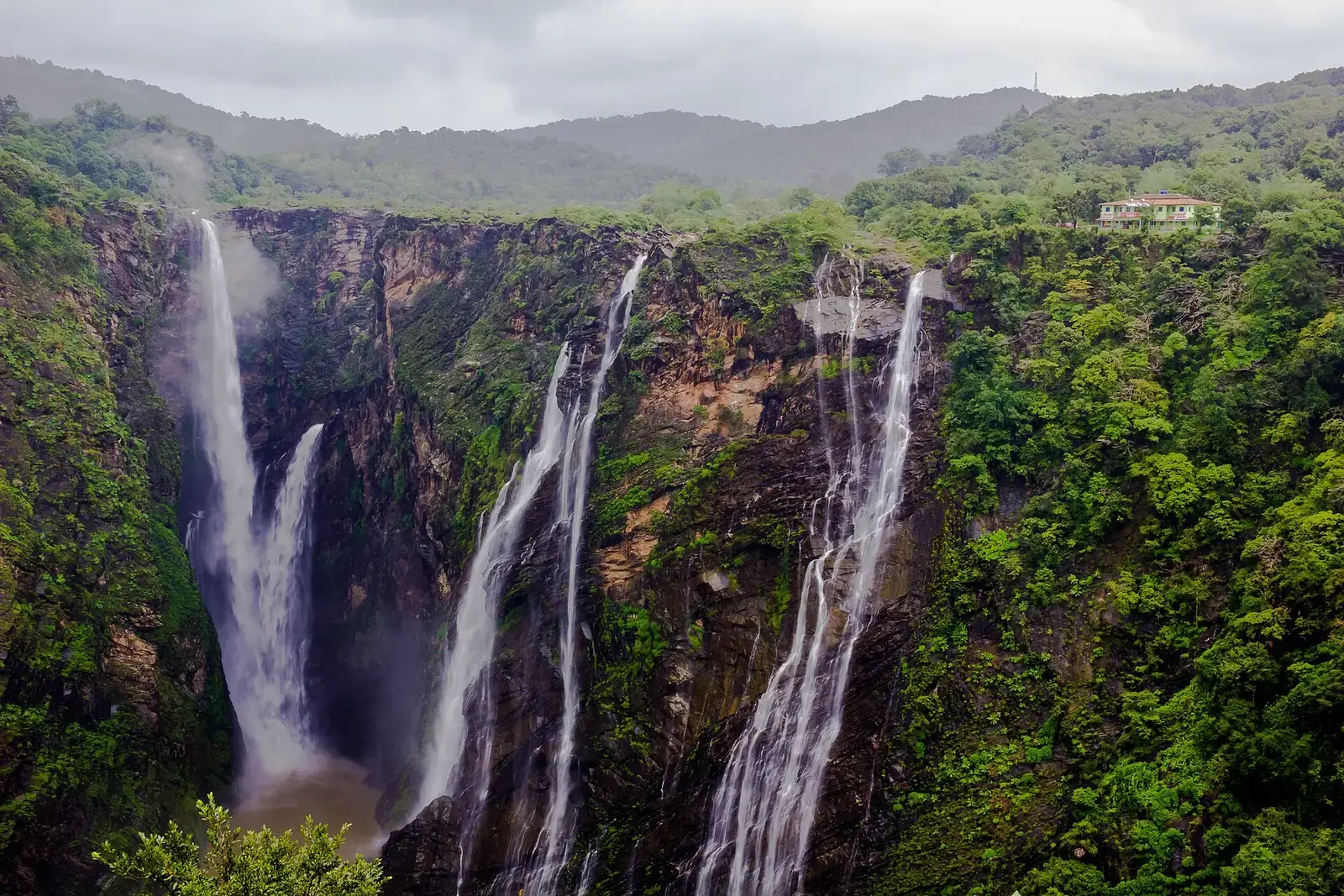
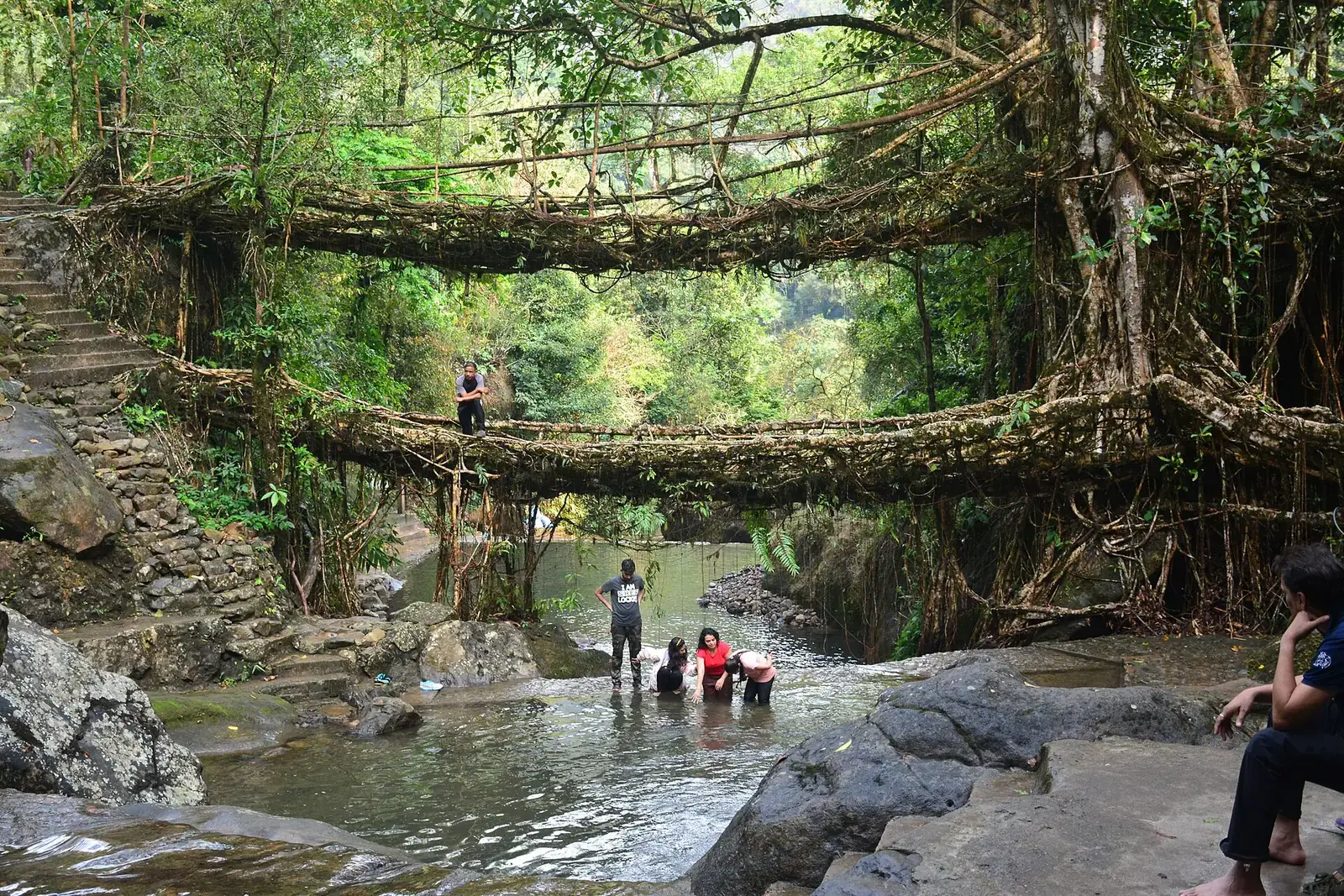
- Mawsmai with Sohra's waterfalls and the root bridges.
- Kotumsar with Chitrakote and Tirathgarh falls in Bastar.
When to go
Most caves are best visited from October to March, when access roads are dry and the surrounding landscapes are pleasant. Caves in forest reserves, such as Kotumsar, close in the monsoon, and some caves flood after heavy rain. Weekends and holidays can be crowded at Borra and Belum; go early.
Safety
- Only enter wild caves with experienced guides; flooding and getting lost are real risks.
- Entry rules and hours change; check before you go.
What to pack
- Torch or headlamp
- Shoes with grip
- A light layer; caves can be cool and humid
- Water
Want the forests, waterfalls and viewpoints woven into one trip?
FAQs
Which are the best natural caves in India?
Borra, Belum, Mawsmai, Kotumsar and Tharon are among the best to visit.
What is the difference between natural and rock-cut caves?
Natural caves are formed by water; rock-cut caves, like Ajanta and Ellora, were carved by people.
Are Meghalaya's caves open to tourists?
Mawsmai is an easy show cave; the long cave systems are for trained cavers with specialist guides.
Is Kotumsar Cave open all year?
No, it usually closes during the monsoon with Kanger Valley National Park.
Are caves safe for children?
Show caves such as Borra, Belum and Mawsmai are generally fine with supervision.
How long does a visit to Belum Caves take?
About one to two hours for the lit walkway section.
Can I go caving in Meghalaya?
Yes, with specialist caving operators and proper equipment; do not attempt wild caves on your own.