About Naida Caves
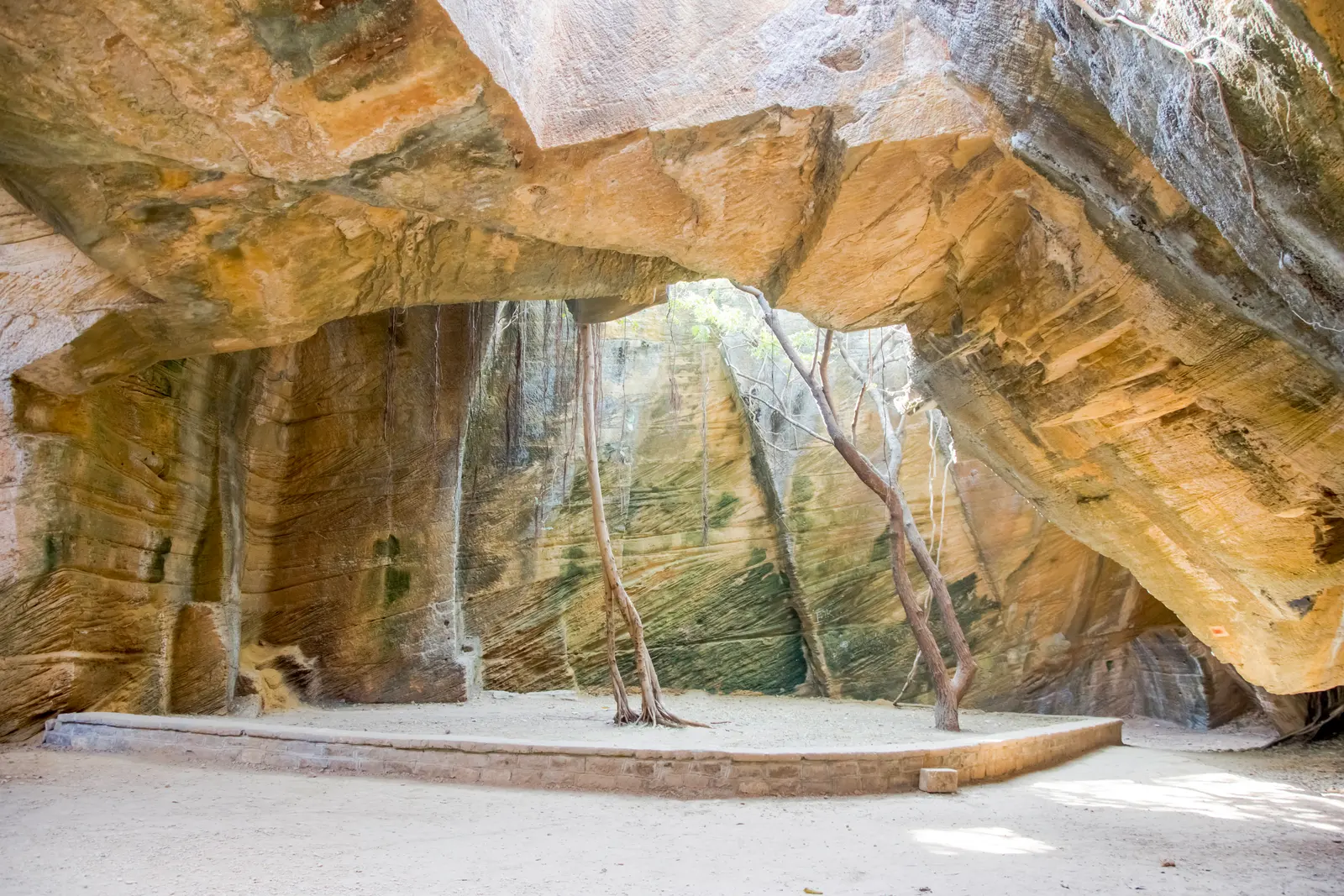
Tucked away just outside Diu Fort, Naida Caves is a maze of sandstone chambers and passages that has quietly become one of Diu's favourite offbeat spots for photography and casual exploration. Unlike a formal, ticketed monument, Naida Caves feels almost accidental — a network of hollowed-out rooms connected by narrow openings, some fully roofed and dim, others open to the sky where the ceiling has long since collapsed or was never closed in.
The commonly told local explanation — repeated by guides and residents rather than settled by formal archaeological record — is that this sandstone was quarried out specifically to supply building material for the construction of Diu Fort nearby. Whether or not that's the precise, verified origin, the carved-out shapes of the chambers certainly look deliberate rather than purely natural, and the caves' proximity to the fort makes the story a plausible one.
What draws visitors today has less to do with history and more to do with atmosphere: shafts of sunlight falling through open roof sections onto sandy chamber floors, tree roots snaking down through cracks in the rock overhead, and an eerie, quiet stillness that's rare to find anywhere else on this small island. It's a favourite with photographers for exactly these reasons — and it pairs naturally with a visit to the fort itself, or a wider trip around the Daman & Diu coastline.
🕳️ Naida Caves at a Glance
Love the outdoors? See our guide to natural caves in India.
Interested in the history? See our guide to rock-cut caves in India.
Best Time to Visit
Naida Caves have no artificial lighting installed anywhere inside — every bit of illumination comes from the open-roofed sections and the entrance, which makes the time of day you visit far more important here than at most attractions.
- Early morning (soon after sunrise): Soft, low-angle light spills into the open chambers at a flattering angle, and you'll likely have the whole site to yourself.
- Late afternoon, well before sunset: A second good window, similar soft light, but leave enough buffer to be back outside before dusk.
- Midday: Workable, but the light through the skylights turns harsher and more directly overhead — still photogenic, just a different, more contrasty look.
- After dark: Avoid entirely. With no lighting and uneven, unfamiliar footing, this isn't a site to explore once the sun is down.
Seasonally, the same window that works for the rest of Diu applies here too — October to February brings cooler, more comfortable conditions for walking around outdoors before or after the caves. Monsoon months add the extra complication of wet, slippery rock inside, so caution matters even more if you visit June–September.
Our pick: Arrive within the first hour or two after sunrise — the light is at its best, the site is at its quietest, and you'll have plenty of daylight left for the rest of your Diu itinerary.
How to Reach Naida Caves
Naida Caves sit right next to Diu Fort, which makes them one of the easiest offbeat sights in Diu to add onto an existing plan rather than a separate excursion.
- On foot from Diu Fort: The most common approach — a short, easy 5–10 minute walk from the fort area, well within reach for most visitors already exploring the old town.
- By moped or auto-rickshaw: If you're coming from further across the island — say from Gangeshwar Temple or one of the beaches — a moped or auto gets you there in a few minutes; renting a moped for the day is the easiest way to string together Diu's scattered sights.
- Parking: Informal parking space is available near the entrance, adequate for a couple of wheelers and a small number of cars — nothing formal or paid.
What to Expect Inside
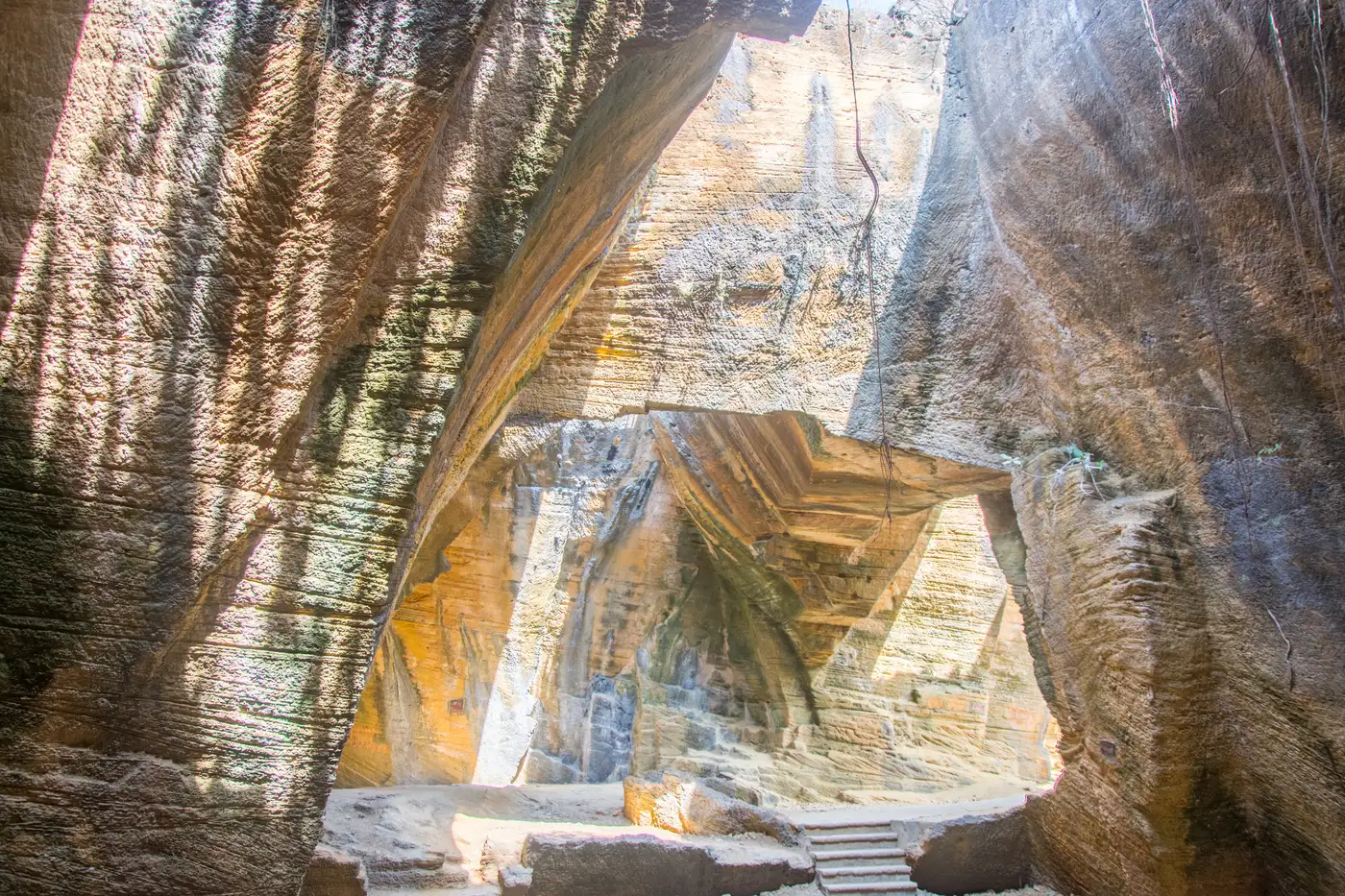
Once you step in, Naida Caves reveal themselves as a real maze rather than a single cavern — narrow passages connect one hollowed-out chamber to the next, some of them barely wide enough to pass through single file. It's genuinely easy to lose your sense of direction after a few turns, which is part of the appeal rather than a problem, given how compact and safe-feeling the overall site is.
- Open-roofed chambers: Several sections have no ceiling left at all, letting sunlight pour straight down onto the sandy floor below — these are the spots almost every visitor photographs.
- Covered, dimmer passages: Other sections retain their rock ceiling and stay noticeably cooler and darker — atmospheric, but watch your footing here more carefully.
- Tree roots through the rock: One of the most distinctive sights here — roots from trees growing above have pushed down through cracks in the sandstone and now hang or spread across chamber walls and ceilings, a genuinely unusual visual.
- Overgrown greenery: Moss, small plants and creepers have taken hold in the sunlit sections, adding to the abandoned, half-reclaimed-by-nature feel of the place.
- Cool, quiet interior: Even on a hot day, the covered sections stay noticeably cooler than outside — a welcome break if you're visiting midday.
Safety Notes
Naida Caves are informal and unmanaged — there's no ticket counter, no staff on site, and no railings or lighting in the darker sections. None of that makes it dangerous for a careful visitor, but it does mean the usual caution you'd apply at any unmanaged natural site is worth taking seriously here.
- Watch your footing constantly: Sandy and rocky surfaces can be uneven, and become genuinely slippery after rain or in shaded, damp corners.
- No railings near ledges or drops: Some chamber edges and openings aren't fenced — keep a sensible distance, especially with children.
- Wear proper closed shoes: Sandals or flip-flops make the uneven terrain considerably harder and riskier to navigate.
- Carry a phone flashlight: Useful for the darker, covered passages where sunlight doesn't reach.
- Supervise children closely: The maze layout and dim sections make it easy for kids to wander out of sight quickly.
- Skip it in heavy rain: Wet sandstone is considerably more slippery, and open-roofed chambers offer no shelter.
Photography Tips
This is one of Diu's most rewarding spots for photography precisely because of the light — the contrast between dim rock passages and bright shafts of sun falling through the open roof sections is what makes Naida Caves stand out from almost anywhere else on the island.
- Chase the skylight beams: The open-roofed chambers, lit by direct sunlight against dark surrounding rock, are the signature shot here — arrive when the sun angle lines up with the opening for the strongest effect.
- Shoot early or late for softer light: Midday sun is workable but harsher; early morning and late afternoon give a gentler, more even glow.
- Use the roots and greenery as framing: The hanging roots and overgrown patches make natural foreground or framing elements for portraits and detail shots alike.
- Bring a wide lens if you have one: Passages are narrow, so a wider focal length helps capture the scale of the chambers without backing up into a wall.
- Mind your footing while shooting: It's easy to get absorbed chasing a shot — stay aware of uneven ground and nearby ledges the whole time.
Suggested Visit Plan
Naida Caves are compact enough that they slot neatly into a half-day plan around Diu Fort rather than needing a dedicated trip.
Diu Fort First
- ✓Explore the fort's bastions and ramparts in the cooler morning hours
- ✓Take in the sea views before the midday heat sets in
Naida Caves (30–45 min)
- ✓Short walk over from the fort
- ✓Explore the chambers and passages at an unhurried pace
- ✓Photograph the skylight sections and root-covered walls
Round Out the Morning
- ✓Continue on to Gangeshwar Temple or the old town
- ✓Grab a bite nearby before the day heats up further
* Naida Caves and Diu Fort together take roughly 2–2.5 hours at an unhurried pace — an easy fit into a single morning or evening outing.
Food Nearby
There are no food stalls at the caves themselves, but Diu's old town and fort-area eateries are only a short walk or ride away.
- Old town cafés and restaurants: A short walk from the caves, offering everything from simple thalis to seafood — the natural stop right after your visit.
- Seafront shacks: Fresh pomfret, prawns and squid feature heavily across Diu's small eateries — worth seeking out for lunch or an evening meal.
- Carry water: There are no shops or water points at the caves themselves — bring a bottle with you before you set off.
Budget Breakdown
Naida Caves themselves cost nothing to visit — your only real expenses are getting there and, if you choose, a meal nearby afterward.
| Expense | Budget | Mid-Range | Comfort |
|---|---|---|---|
| Entry fee | Free | Free | Free |
| Transport from Diu Fort | Walk – free | Auto ₹50–₹100 | Moped rental ₹300–₹400/day |
| Bottled water | ₹20 | ₹20 | ₹20 |
| Meal nearby | ₹150–₹250 | ₹350–₹600 | ₹700+ |
* Costs assume you're already based in Diu — see the Daman & Diu travel guide for broader trip budgeting.
Essential Tips
- Visit in daylight only: There's no lighting inside — plan your visit well before sunset.
- Wear closed, sturdy shoes: The uneven sandy and rocky floor isn't sandal-friendly.
- Combine with Diu Fort: The two sights sit close enough together to visit back to back in one outing.
- Carry a flashlight or use your phone: Handy for the darker, covered passages.
- Bring your own water: No shops or vendors operate on site.
- Skip it after heavy rain: Wet sandstone is noticeably more slippery than dry.
✅ Do
- →Visit early morning or late afternoon for the best light
- →Wear proper closed shoes for uneven terrain
- →Combine the visit with nearby Diu Fort
- →Watch your footing near ledges and dim passages
- →Carry water and a phone flashlight
- →Keep a close eye on children in the maze-like sections
❌ Don't
- →Visit after dark — there's no lighting inside
- →Wear sandals or flip-flops on the uneven floor
- →Wander into unfamiliar dark passages alone
- →Visit right after heavy rain
- →Expect a ticket counter, staff, or facilities on site
- →Let young children explore unsupervised
Frequently Asked Questions
Are Naida Caves natural or man-made?
Naida Caves are widely believed to be man-made rather than a natural cave formation — the commonly told local explanation is that the sandstone was quarried out from here to build Diu Fort nearby. This isn't rigorously documented archaeology, more a well-established local account passed down and repeated by guides and residents, but the carved-out chamber shapes and passageways are consistent with a quarrying origin rather than natural erosion alone.
Is Naida Caves safe to explore?
Generally yes for a cautious, alert visitor, but it isn't a managed, railed-off attraction. Surfaces inside are uneven and can be slippery (more so after rain), there's no artificial lighting, and some ledges and drop-offs aren't fenced. Keep to well-trodden paths, wear proper shoes, watch your footing constantly, and supervise children closely rather than letting them run ahead into darker chambers.
How much time do I need for Naida Caves?
Most visitors spend 30 to 45 minutes here — enough time to wander through the main chambers, find the best-lit skylight spots for photos, and explore a couple of the connecting passages. Photographers chasing specific light will often linger longer, but it's a compact site, not a half-day excursion.
Is there an entry fee for Naida Caves?
No, Naida Caves are free to enter and have no ticket counter or formal gate — you can walk in and explore at your own pace. There are also no facilities on site (no washrooms, shop, or staff), so plan accordingly before you arrive.
Can I visit Naida Caves after dark?
It isn't recommended. The caves have no artificial lighting installed, and the uneven floors, open-roofed sections, and unfenced drops make after-dark exploration genuinely risky. Naida Caves are strictly a daylight-hours visit — plan to arrive well before sunset.
How far are Naida Caves from Diu Fort?
Naida Caves sit very close to Diu Fort — an easy 5 to 10 minute walk or an even shorter auto-rickshaw or moped ride, depending on exactly where you're coming from in the old town. Most visitors combine the two in the same outing.
Is Naida Caves suitable for kids or elderly visitors?
It can work for both with care, but it isn't a smooth, wheelchair- or stroller-friendly site — floors are uneven sand and rock, and some sections require ducking or careful stepping. Keep a close hand on young children, and elderly visitors with mobility concerns should stick to the more open, ground-level chambers rather than the narrower passages.
Published by the Kudozz Club editorial team · Last updated · How we research our guides
Want us to plan this trip for you?
Tell Kudozz Club where you want to go and what kind of trip you’re looking for. We’ll build a Naida Caves Diu and Dadra and Nagar Haveli and Daman and Diu itinerary around your dates and budget.
Continue Exploring
View all guides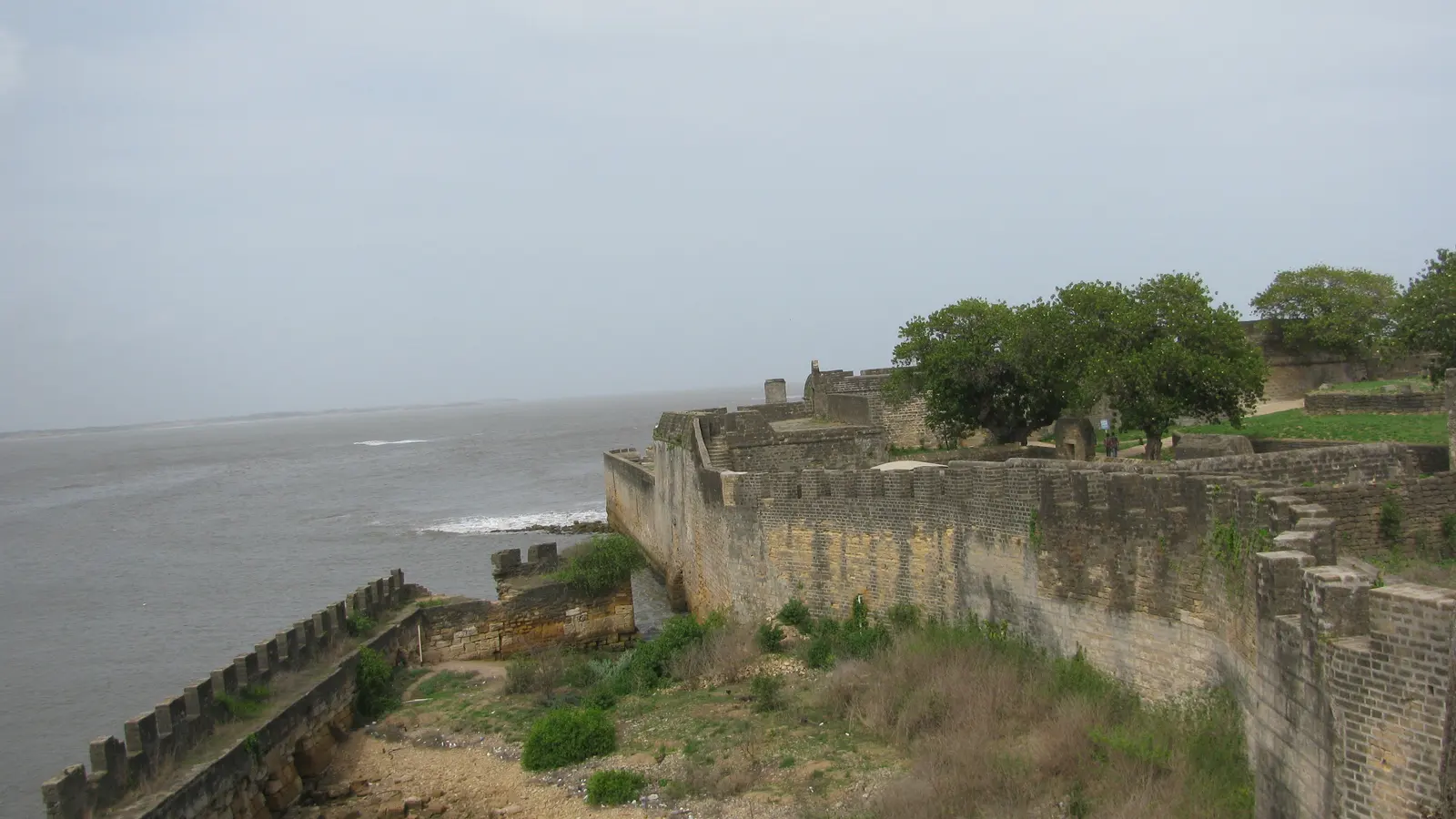 Destination Guide
Diu Travel Guide: Beaches, Fort & Weekend Trip
A former Portuguese colony off Gujarat's coast — Diu Fort, quiet beaches, old-town churches, duty-free liquor, and a full 2-day itinerary.
 Heritage
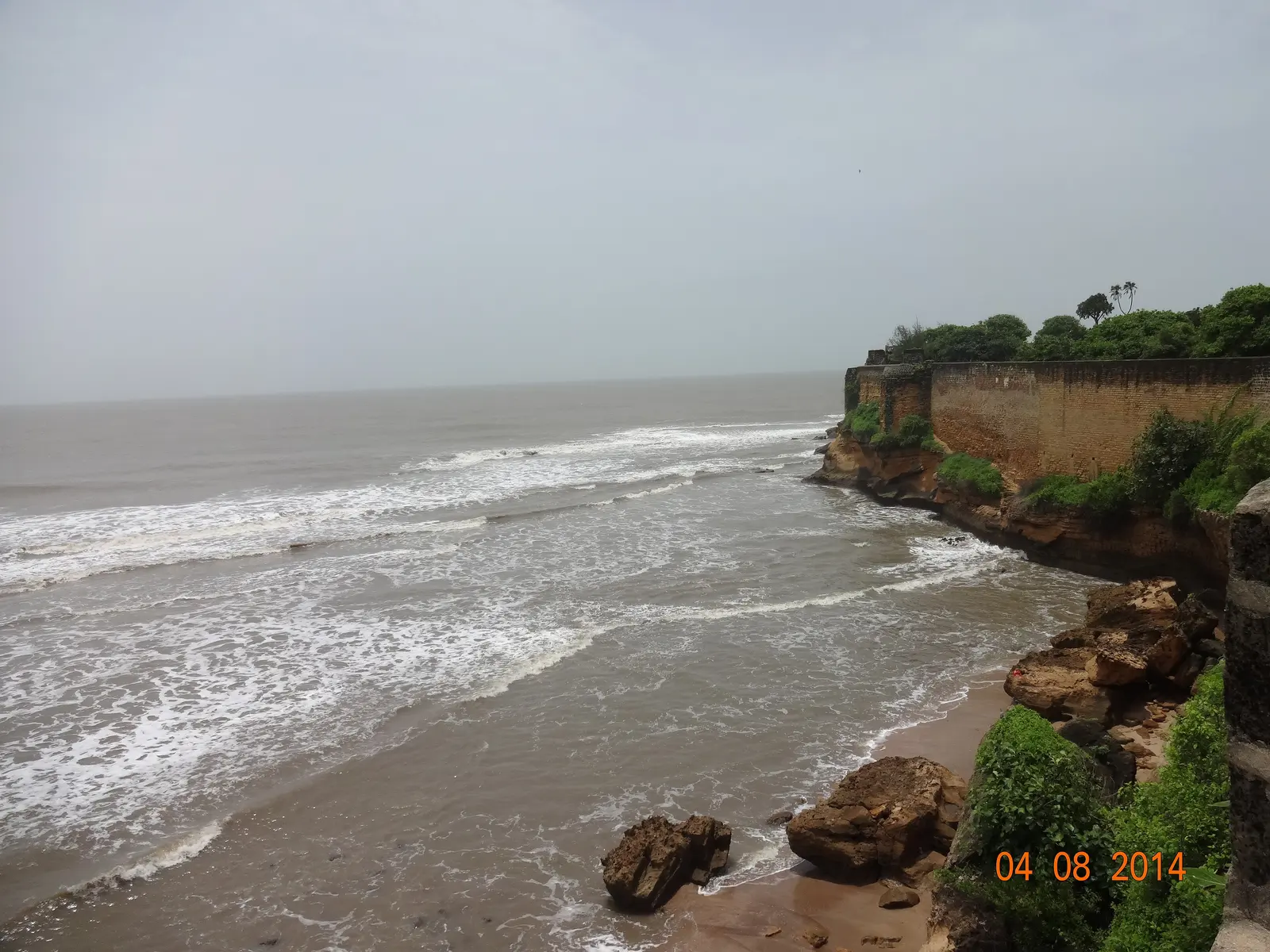
Diu Fort Travel Guide: History, Timings & Tips
A 16th-century Portuguese sea fort with a seawater-filled moat, original cannons, and one of the best sunset spots on India's west coast — the complete guide to Diu Fort.
 Off-beat
Vanganga Lake Garden, Daman: Complete Visit Guide
A landscaped garden built around a lake, dotted with miniature replicas of famous world landmarks — one of Daman's most relaxed, easy-to-love family stops.
 Beaches
Nagoa Beach Diu: Water Sports, Timings & Tips
A horseshoe-shaped bay of calm water, coconut-lined promenade and Diu's only real watersports scene — everything you need for a half-day at Nagoa Beach.