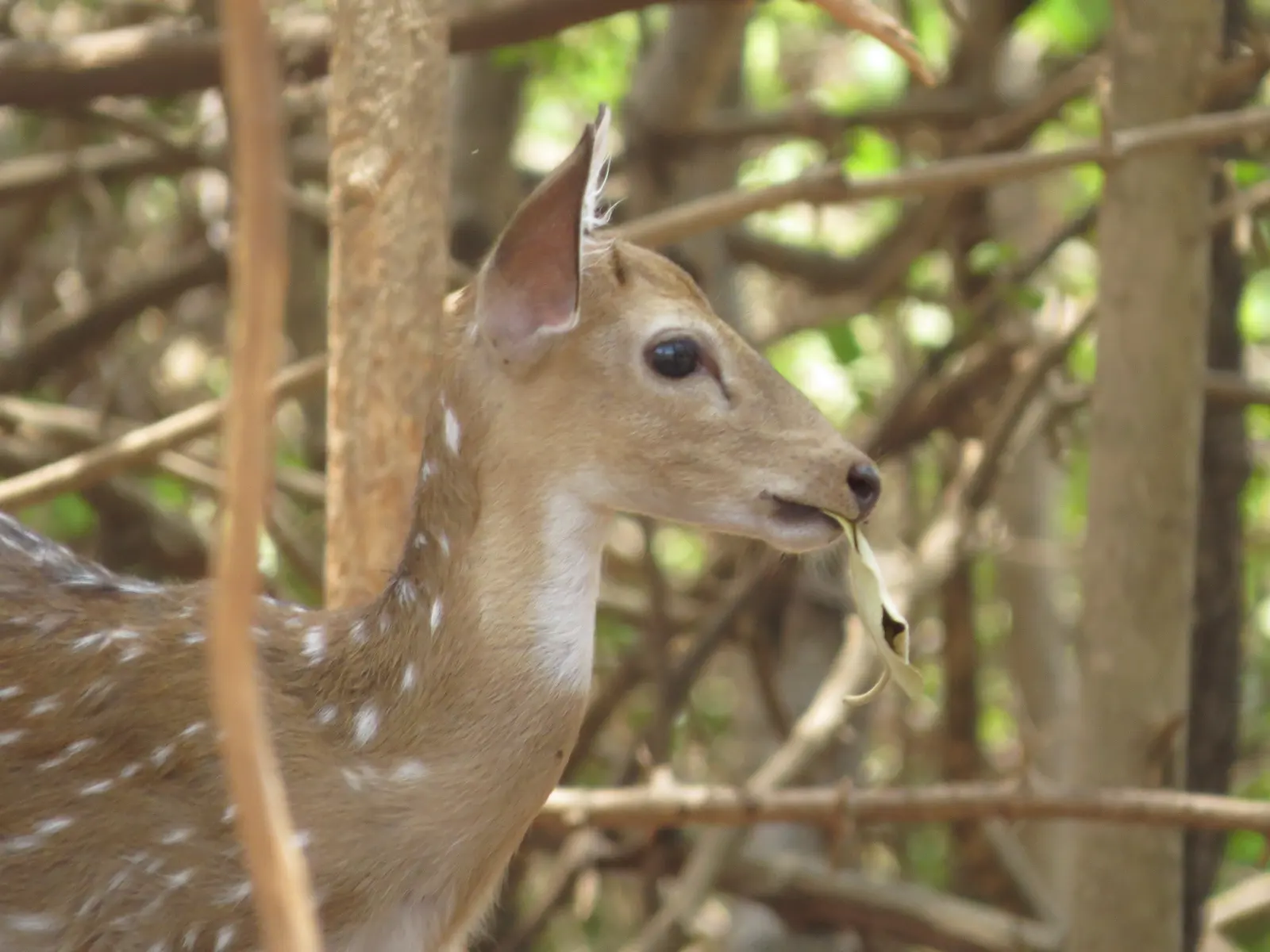
About Satmaliya Deer Sanctuary
Satmaliya Deer Sanctuary is a small, forested wildlife sanctuary near Khanvel, tucked into the forest belt of Dadra & Nagar Haveli. It's best known for its population of spotted deer (chital), which can usually be seen moving through the trees or grazing near the sanctuary's walking areas, alongside other native wildlife typical of this stretch of deciduous forest.
This isn't a large national-park-scale reserve, and we won't pretend it is — it's a modest, low-key nature spot, the kind of place that works best as a relaxed half-day detour rather than a full-day wildlife expedition. What it does offer is a genuine change of pace from Silvassa's town centre: quiet tree cover, some open air, and a decent chance of watching deer at close range without the crowds or cost of a bigger safari destination.
Satmaliya sits within Silvassa's broader green belt, which also includes Khanvel town and Madhuban Dam nearby — most visitors treat all three as one loop rather than a single-purpose trip.
🦌 Satmaliya Deer Sanctuary at a Glance
Best Time to Visit
Like most of coastal Gujarat's inland belt, this part of Dadra & Nagar Haveli gets hot and humid for a large chunk of the year, which affects both comfort and how active the wildlife is likely to be.
Cooler, drier weather makes walking through the sanctuary genuinely comfortable, and animals tend to be more active and visible during the milder daytime temperatures.
Midday heat can be intense with limited shade in places — plan your visit for early morning or the couple of hours before closing.
The forest turns green and photogenic, but paths can be muddy and some areas may see restricted access during heavy rain — check ahead if visiting in this window.
Deer and other wildlife are generally most active in the cooler hours around sunrise and the couple of hours before sunset — plan your visit around these windows for the best sightings.
Our pick: A weekday morning between November and February — cool enough for a comfortable walk and the best odds of active wildlife rather than deer resting in the shade.
How to Reach
Satmaliya Deer Sanctuary is most easily reached as a short drive from Silvassa, routed via Khanvel town.
- From Silvassa: A short drive by car, taxi, or two-wheeler along the Khanvel road — well within range for a half-day out-and-back trip.
- From Khanvel: The sanctuary sits close to Khanvel town itself, making it easy to combine both in the same visit without much extra driving.
- Getting there from further away: If you're arriving from outside the region, route through Silvassa first — it has the best onward road, rail (via Vapi), and taxi connections into the Khanvel area.
What to Expect
Expect a modest, walkable setup rather than an elaborate safari experience — think walking trails and viewing areas through forest cover, with a decent chance of spotting chital moving between the trees or grazing in open patches.
- Spotted deer sightings: The main attraction, and generally the most reliable one — chital are the sanctuary's namesake and its most visible resident.
- General forest biodiversity: Being part of the wider Khanvel forest belt, you may spot birdlife and other small wildlife typical of the region — we'd rather set modest expectations here than promise specific species you might not see on the day.
- Walking, not driving: Plan for a walking visit rather than a vehicle safari — comfortable shoes and a hat or light layer against the sun are worth carrying.
- Facilities: Keep expectations basic — this is a small, low-infrastructure sanctuary rather than a resort-style wildlife park. Carry your own water and any snacks you might want.
A visit here typically takes an hour or two at an unhurried pace — enough time to walk the main paths, spend a while watching the deer, and take in the forest setting without feeling rushed.
Photography & Wildlife-Watching Etiquette
Small sanctuaries like this depend on visitors behaving respectfully — a few simple habits go a long way toward both good sightings and keeping the animals undisturbed.
- Keep your distance: Don't approach deer or other animals closely for a photo — a longer lens or simply patience gets you a better shot without stressing the animal.
- Never feed the animals: Feeding wild or semi-wild deer disrupts their natural behaviour and diet, and is generally discouraged or prohibited at sanctuaries like this — admire from a distance instead.
- Stay quiet: Loud voices, music, or sudden movement scare animals away quickly — a calm, quiet approach improves your chances of a longer, closer sighting.
- Stick to marked paths: Wandering off designated trails can disturb habitat and, depending on the terrain, isn't always safe.
- No flash photography near animals: If you're visiting in low light, avoid flash — it can startle deer and other wildlife unnecessarily.
Combine with Khanvel & Madhuban Dam
Satmaliya Deer Sanctuary works best as one stop within a small loop through the Khanvel area, rather than a standalone trip — the sanctuary, Khanvel town, and Madhuban Dam all sit within easy reach of each other.
- Khanvel: A small, green town that anchors this part of Dadra & Nagar Haveli's forest belt — a natural base or midway stop for the loop.
- Madhuban Dam: A reservoir and dam site nearby, popular for its water views and as a quiet spot to unwind after the walking at Satmaliya.
If you're based in Silvassa, all three fit comfortably into a single half-day outing — see the suggested plan below.
Suggested Half-Day Plan
A relaxed loop covering the sanctuary, Khanvel, and Madhuban Dam — easily done from Silvassa without an overnight stay.
Satmaliya Deer Sanctuary
- ✓Start early for cooler weather and more active wildlife
- ✓Walk the trails and viewing areas, spot the deer
- ✓Take photos from a respectful distance
Khanvel Town
- ✓Short drive into Khanvel
- ✓Light lunch or snacks at a local eatery
- ✓Browse the town at an easy pace
Madhuban Dam
- ✓Short drive to the dam and reservoir
- ✓Relax by the water, take in the views
- ✓Head back to Silvassa by evening
* Reorder or trim this loop as needed — all three stops are close enough together that the plan flexes easily around your pace and start time.
Budget Breakdown
This is an inexpensive half-day outing — the main costs are local transport and a nominal entry fee, with food and any extras on top.
| Expense | Budget | Mid-Range | Comfort |
|---|---|---|---|
| Local transport (round trip) | ₹150 (shared/two-wheeler) | ₹500 (taxi) | ₹1,200 (private cab, full loop) |
| Entry fee | Nominal (confirm locally) | Nominal (confirm locally) | Nominal (confirm locally) |
| Food & snacks | ₹150 | ₹350 | ₹700 |
| Half-day total (approx.) | ₹300–₹500 | ₹850–₹1,000 | ₹1,900–₹2,200 |
* Figures are indicative and exclude travel to Silvassa itself. Entry fees and any vehicle/camera charges should be confirmed locally, as small-sanctuary rates change without much online notice.
Essential Tips
- Go early or late in the day: Best chance of active wildlife and cooler walking conditions, especially outside the winter months.
- Confirm timings before you go: Opening hours and any weekly closures for small sanctuaries can vary — a quick local check saves a wasted trip.
- Carry water and light snacks: Don't expect much in the way of on-site food or drink vendors.
- Wear comfortable walking shoes: Paths are informal in places, especially after rain.
- Combine it with Khanvel and Madhuban Dam: Makes for a much fuller half-day than visiting the sanctuary alone.
- Keep expectations realistic: This is a small, quiet sanctuary — a genuinely pleasant nature stop, not a major wildlife park with guaranteed big sightings.
✅ Do
- →Visit early morning or late afternoon
- →Keep a respectful distance from the deer
- →Carry water, a hat, and comfortable shoes
- →Combine it with Khanvel and Madhuban Dam
- →Confirm entry fees and timings locally
- →Stay on marked walking paths
❌ Don't
- →Feed the deer or any other wildlife
- →Visit expecting a large safari-style park
- →Make loud noise or play music near animals
- →Wander off marked trails
- →Skip carrying your own water and snacks
- →Rely on old online listings for fees or timings
Frequently Asked Questions
Is Satmaliya Deer Sanctuary worth visiting?
If you're already in or near Silvassa, yes — it's a pleasant, low-key detour to see spotted deer and the region's forest cover, and it pairs naturally with a Khanvel and Madhuban Dam outing. It isn't a major wildlife destination on the scale of a national park, so go with modest expectations of a quiet nature stop rather than a big-ticket safari.
How far is Satmaliya Deer Sanctuary from Silvassa?
It's a short drive from central Silvassa, in the Khanvel area of Dadra & Nagar Haveli — comfortably doable as part of a half-day loop that also covers Khanvel town and Madhuban Dam. Exact travel time will depend on traffic and your starting point within Silvassa, so it's worth confirming the route with a local driver or maps app on the day.
What animals can be seen at Satmaliya Deer Sanctuary?
The headline draw is spotted deer (chital), which the sanctuary is best known for. Being part of the wider forest belt around Khanvel, you may also come across other native birds and smaller wildlife typical of this region's deciduous forest, though we'd rather not overpromise specific species counts — treat any sighting beyond the deer as a bonus rather than a guarantee.
Is there an entry fee for Satmaliya Deer Sanctuary?
Small sanctuaries of this kind in Dadra & Nagar Haveli typically charge a modest nominal entry fee, sometimes with a small extra charge for vehicles or cameras, but rates and rules can change. Confirm current fees and timings locally in Khanvel or Silvassa before you go, rather than relying on older listings online.
What is the best time of day to visit?
Early morning or late afternoon, when temperatures are lower and animals tend to be more active, gives you the best chance of good sightings and comfortable walking. Midday visits in peak summer can mean less visible wildlife and a much hotter walk.
Can Satmaliya Deer Sanctuary be combined with other sights near Khanvel?
Yes — it sits within easy reach of Khanvel town and Madhuban Dam, and most visitors treat all three as one half-day loop out of Silvassa rather than a standalone trip.
Is Satmaliya Deer Sanctuary suitable for kids and families?
Generally yes — it's a gentle, low-intensity outing with short walking distances, which makes it manageable for families with children. As with any wildlife area, keep a close eye on kids around enclosures and railings and don't let them feed or approach the animals.
Published by the Kudozz Club editorial team · Last updated · How we research our guides
Want us to plan this trip for you?
Tell Kudozz Club where you want to go and what kind of trip you’re looking for. We’ll build a Satmaliya Deer Sanctuary and Dadra and Nagar Haveli and Daman and Diu itinerary around your dates and budget.
Continue Exploring
View all guides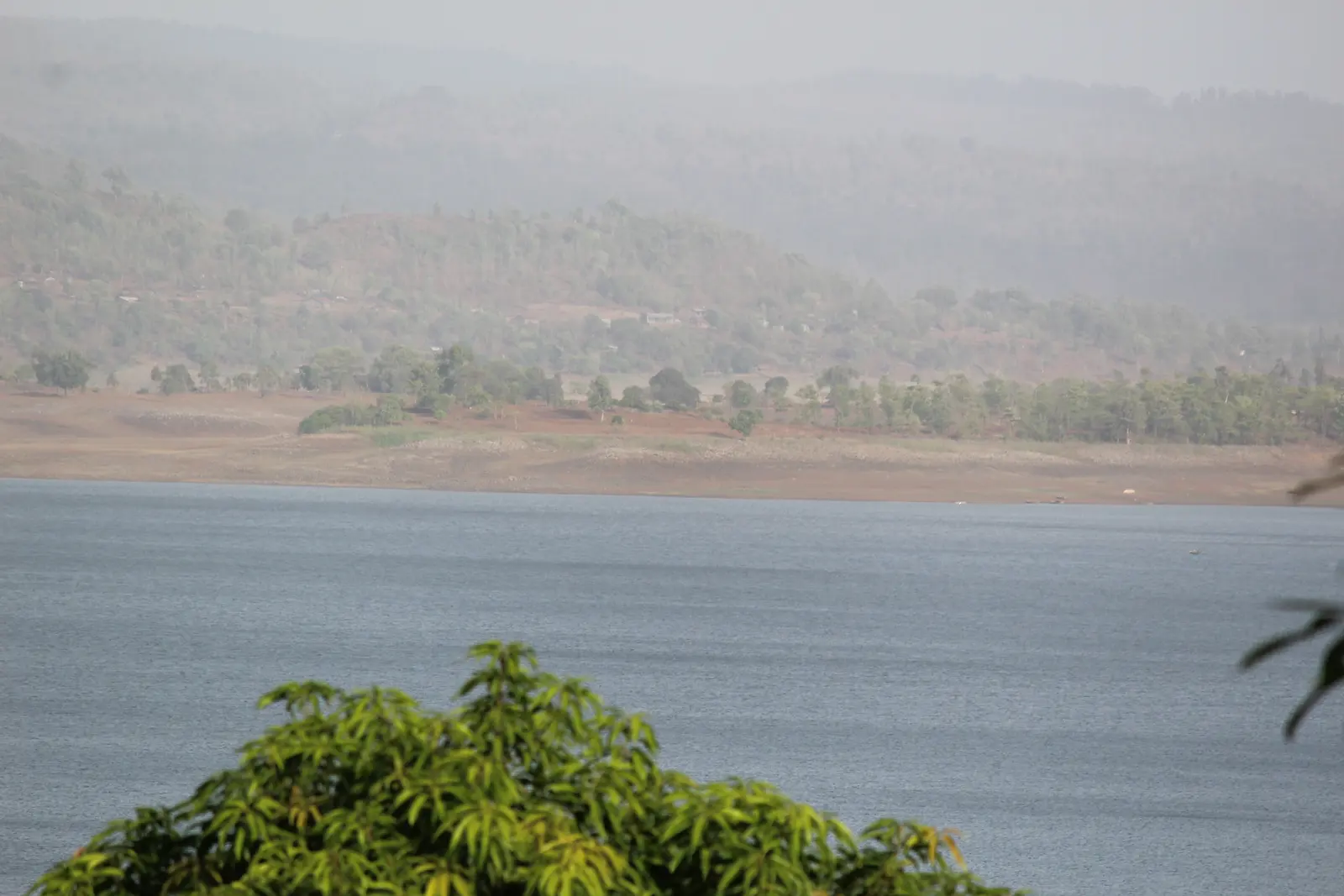 Off-beat
Khanvel Travel Guide: Gardens & Nature Escape
A small forested town near Silvassa with a family-friendly garden, and the gateway to Satmaliya Deer Sanctuary and Madhuban Dam.
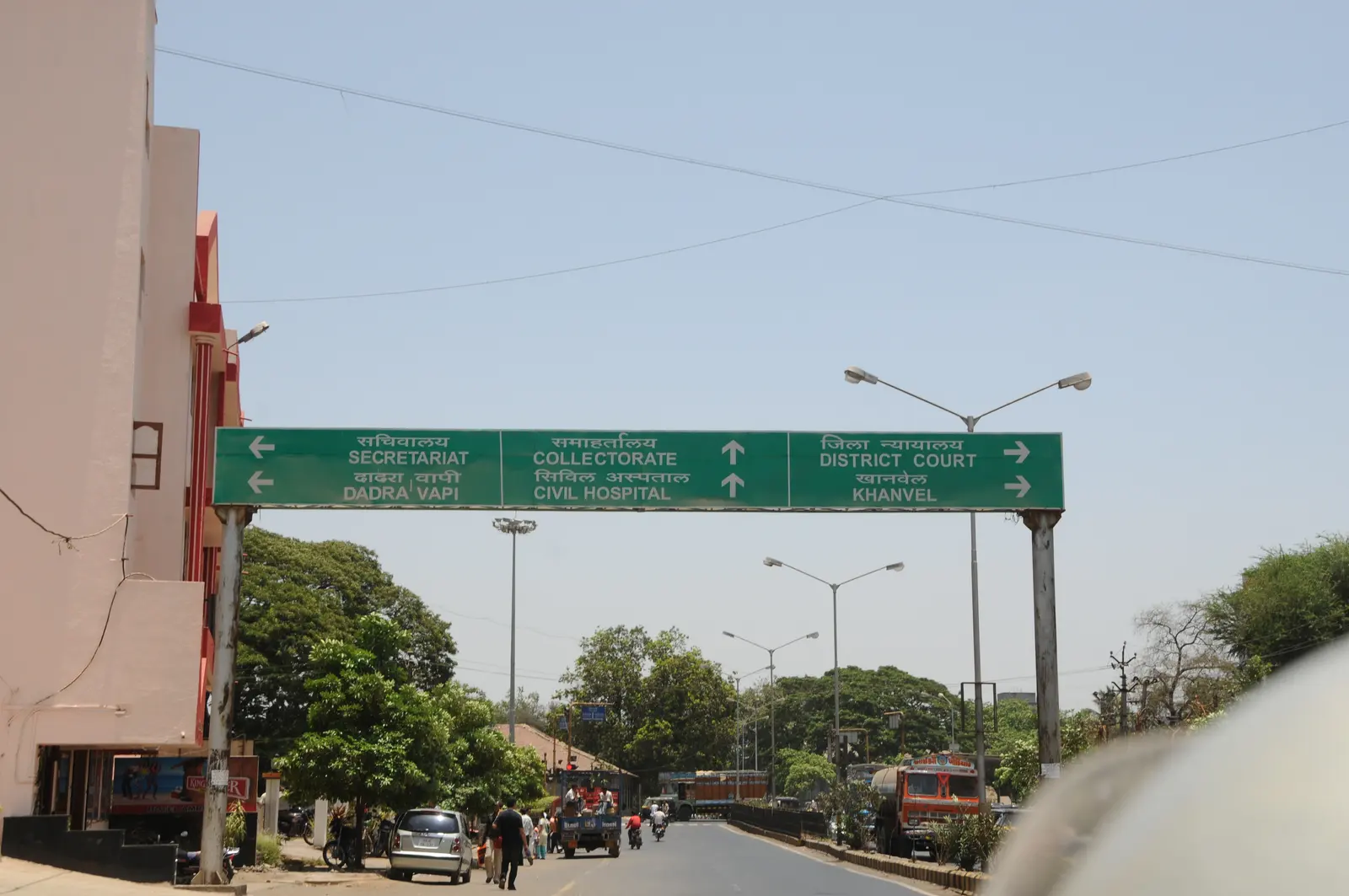 Destination Guide
Silvassa Travel Guide: Lakes, Forests & Tribal Culture
Capital of Dadra & Nagar Haveli — Dudhni's lake and Tribal Museum, Khanvel's gardens, Satmaliya Deer Sanctuary, Madhuban Dam, Warli tribal art, and a full 2-day itinerary for this green, inland weekend escape near Mumbai.
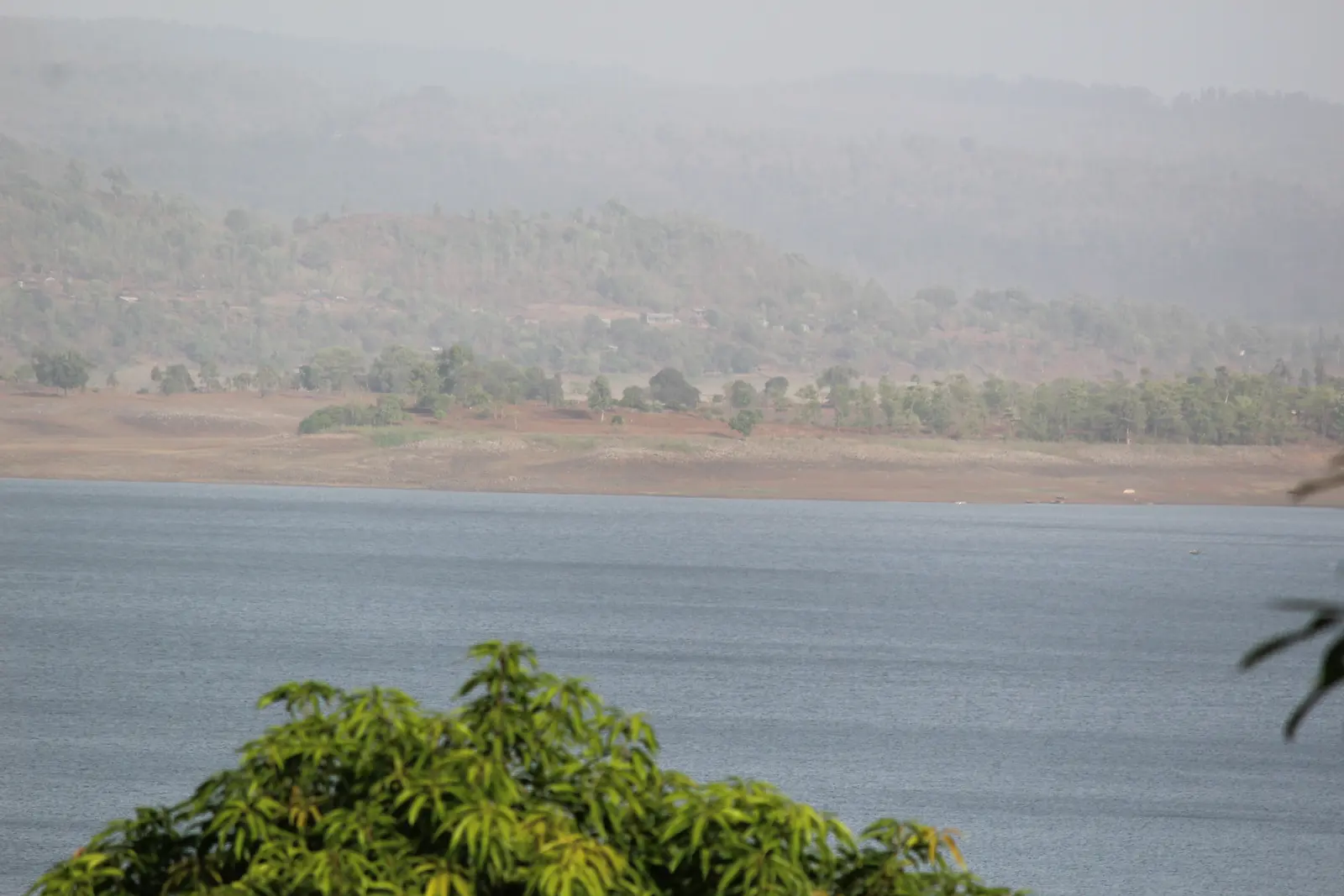 Off-beat
Madhuban Dam Travel Guide: Reservoir, Viewpoint & Picnic Spot
A dam on the Damanganga river whose reservoir stretches to Dudhni's boat jetties — the dam viewpoint, forest and birdlife, and a half-day plan near Silvassa.
 Off-beat
Dudhni Lake Travel Guide: Boating Near Silvassa
A short drive from Silvassa, Dudhni is a quiet reservoir village on the Madhuban Dam backwaters — motorboat rides, picnic spots, and an easy half-day escape from town.