Why Visit Dadra & Nagar Haveli and Daman & Diu?
Merged into a single Union Territory in 2020, Dadra & Nagar Haveli and Daman & Diu is two disconnected pockets on India's west coast — Silvassa and Dadra-Nagar Haveli tucked into Gujarat and Maharashtra's border near the Sahyadri foothills, and Daman and the island of Diu strung along the Gujarat coastline, roughly 750 km apart from each other.
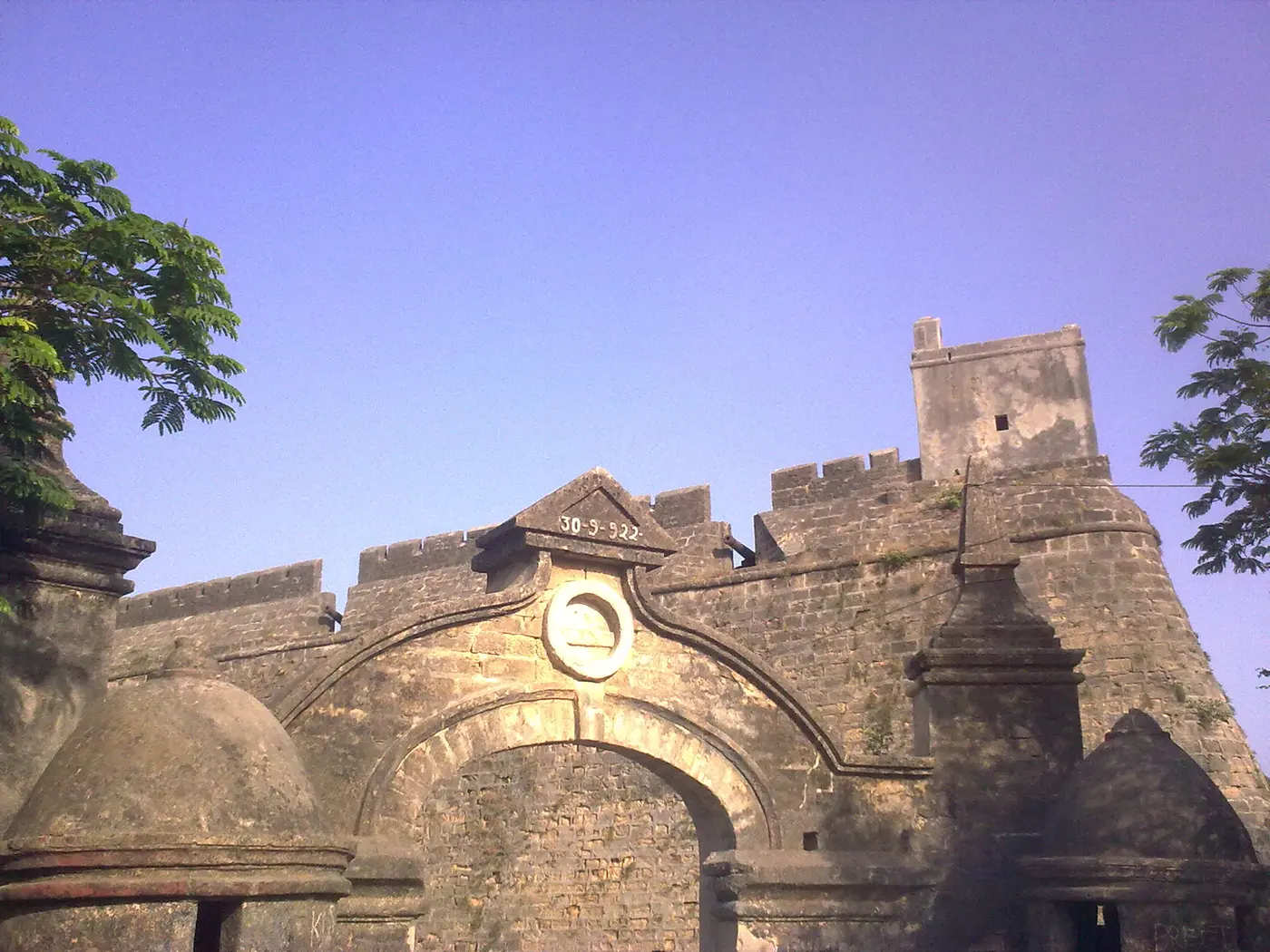
What ties them together is nearly 200 years of Portuguese rule that ended only in 1961 — later than almost anywhere else in India. That history left Diu with a genuinely spectacular sea fort, whitewashed churches, and an old town that feels closer to Goa than to Gujarat, but without Goa's crowds, prices, or nightlife scene.
It's not a destination that headlines anyone's India bucket list, and that's exactly the appeal — empty beaches, a fort you can wander without dodging tour groups, duty-free liquor prices (both Diu and Daman are dry-state-adjacent exceptions), and a coastline still waiting to be discovered by the mainstream.
🏰 DNH & DD at a Glance
Best Time to Visit
Coastal Gujarat's climate is hot and humid most of the year, which narrows the comfortable window for exploring Diu's fort and Daman's beaches on foot.
Pleasant, dry weather (18–30°C) makes fort walks, beach time and drives between towns genuinely comfortable — the peak window for a visit.
Temperatures climb into the mid-30s and beyond — plan sightseeing for early morning or evening, and swim during the day.
Heavy rain and rough seas make beach time unpleasant, though the fort and old town still make for an atmospheric, crowd-free visit.
Cooler weather draws the most domestic weekend travellers — book stays ahead, especially around New Year in Diu.
Our pick: November to February — cool enough for the fort walk at midday, warm enough for the beaches every evening.
How to Reach
The territory's two halves are reached quite differently — plan for one trip or the other rather than both in a single weekend.
- To Diu: Diu Airport has limited direct flights from Mumbai; otherwise the nearest railhead is Una (13 km) or Veraval, both connected to Ahmedabad and Rajkot. Self-drive from Ahmedabad (~360 km, 7 hrs) is popular for a longer road trip.
- To Daman: The nearest railway station is Vapi (12 km) on the Mumbai–Ahmedabad main line, well connected by frequent trains. By road, Daman is roughly 3 hrs from Mumbai and 5 hrs from Ahmedabad.
- To Silvassa: Closest to Mumbai — roughly 3 hrs by road via NH48, or a short drive from Vapi railway station (~18 km).
Diu: Forts & Beaches
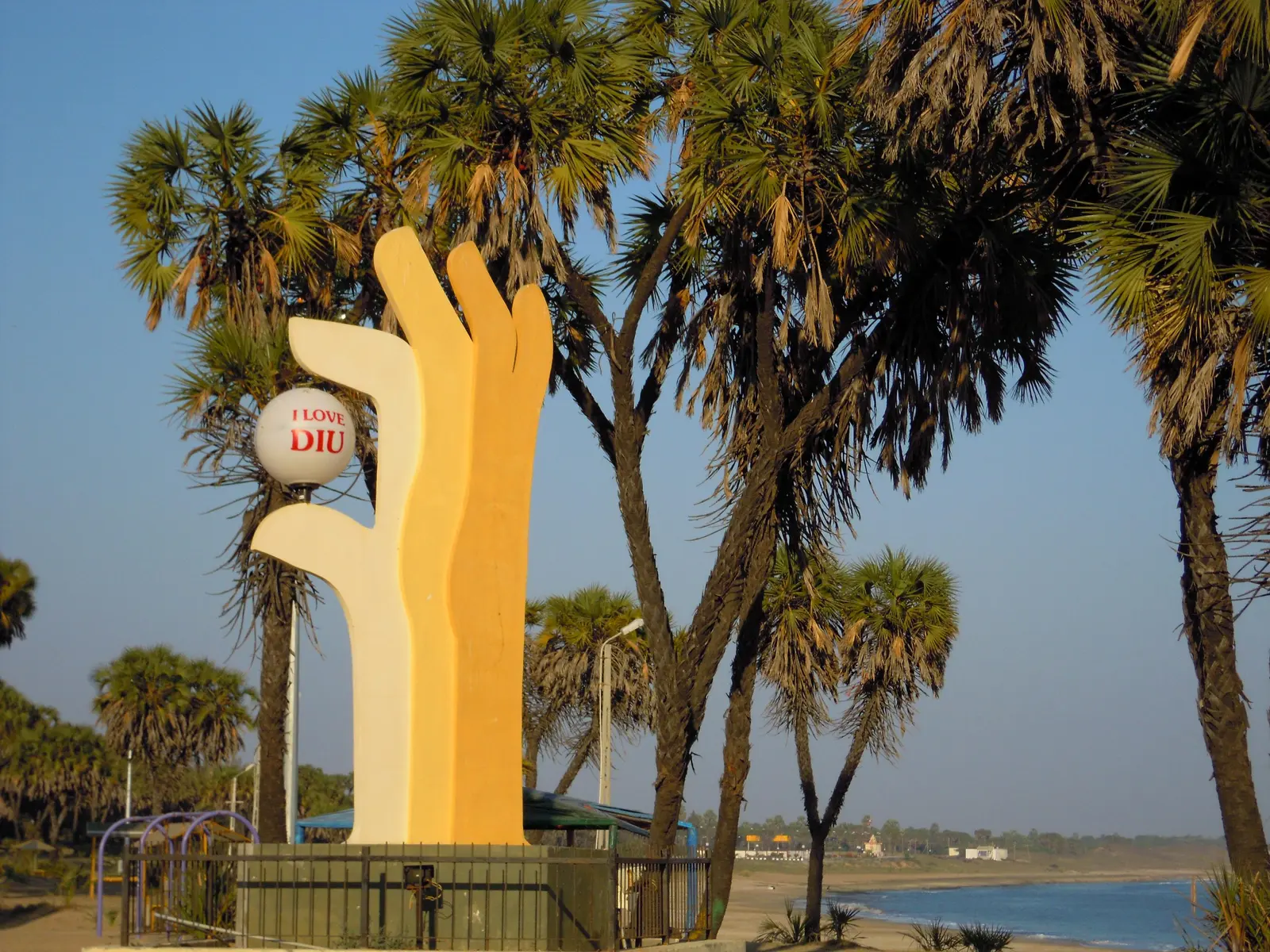
A small island connected to the mainland by two bridges, Diu is the undisputed highlight of the territory — quiet, walkable, and stacked with more Portuguese-era heritage than anywhere in India outside Goa.
- Diu Fort: A 16th-century sea fort with multiple bastions, a lighthouse, and cannons still pointed out at the Arabian Sea — the single unmissable sight in the territory.
- Diu old town: Narrow lanes lined with pastel Portuguese-era houses, colonial churches like St. Paul's Church, and a genuinely photogenic town square.
- Nagoa Beach: A crescent-shaped, relatively clean beach with calm water — the best swim spot on the island and the closest thing Diu has to a "main" beach.
- Gangeshwar Temple: A cluster of Shivlings sitting directly on the rocks where waves crash over them — unusual and worth the short detour.
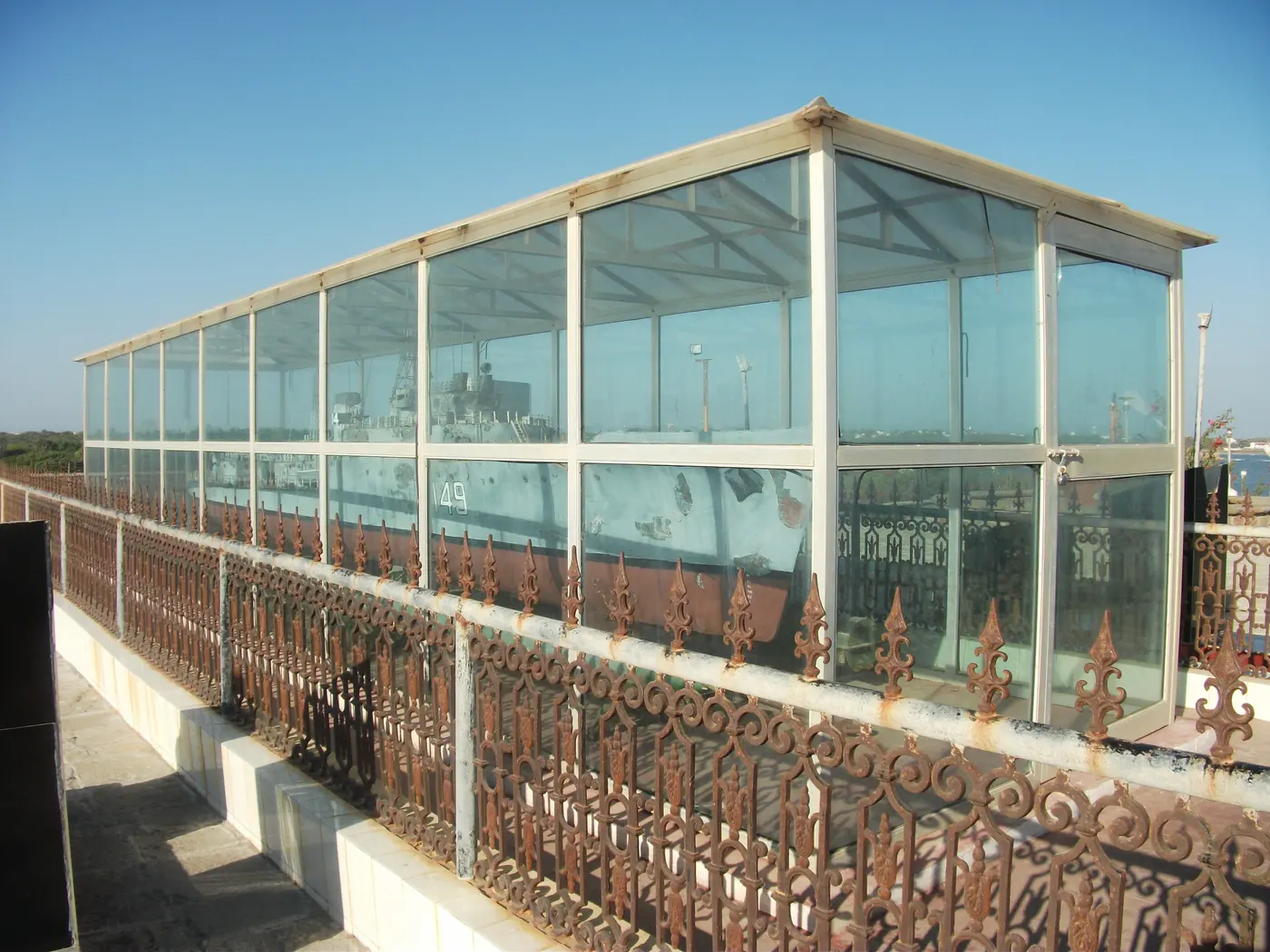
- INS Khukri Memorial: A striking submarine-shaped monument on Zampa Beach honouring the warship sunk in the 1971 war.
- Naida Caves: Sun-dappled sandstone caves near the fort, a favourite quick photo stop.
Daman: Beaches & Bazaars
Split by the Daman Ganga river into Nani Daman (smaller, older) and Moti Daman (larger, with the main fort), Daman is a far more low-key stop than Diu, popular mostly as a weekend escape for travellers from Mumbai and Gujarat.

- Jampore Beach: A long, quiet, casuarina-lined stretch, better for a peaceful walk than a swim given the grey sand and modest waves.
- Moti Daman Fort: A well-preserved Portuguese fort housing government offices and a church inside its walls — less dramatic than Diu Fort but still worth an hour.
- Devka Beach: The most developed beach in Daman, with a small promenade, food stalls, and a garden — busier and more "resort town" in feel.
- Bom Jesus Church: A striking colonial church inside Moti Daman Fort, one of the oldest in the region.
- Duty-free shopping: Both Daman and Diu sell alcohol tax-free, making them popular weekend day-trip destinations from dry-state-adjacent Gujarat.
Silvassa & Dadra-Nagar Haveli
The inland half of the territory, Silvassa is greener and more forested than Daman or Diu, with a significant tribal Warli population and a very different character from the coastal towns.
- Vasona Lion Safari Park: A small zoological park with lions, deer and crocodiles, popular with families.
- Hirwa Van Garden & Deer Park: Landscaped gardens good for an easy evening walk.
- Warli tribal villages: Silvassa's surrounding villages are known for distinctive Warli wall art — worth seeking out for a genuinely different cultural experience than the coastal towns.
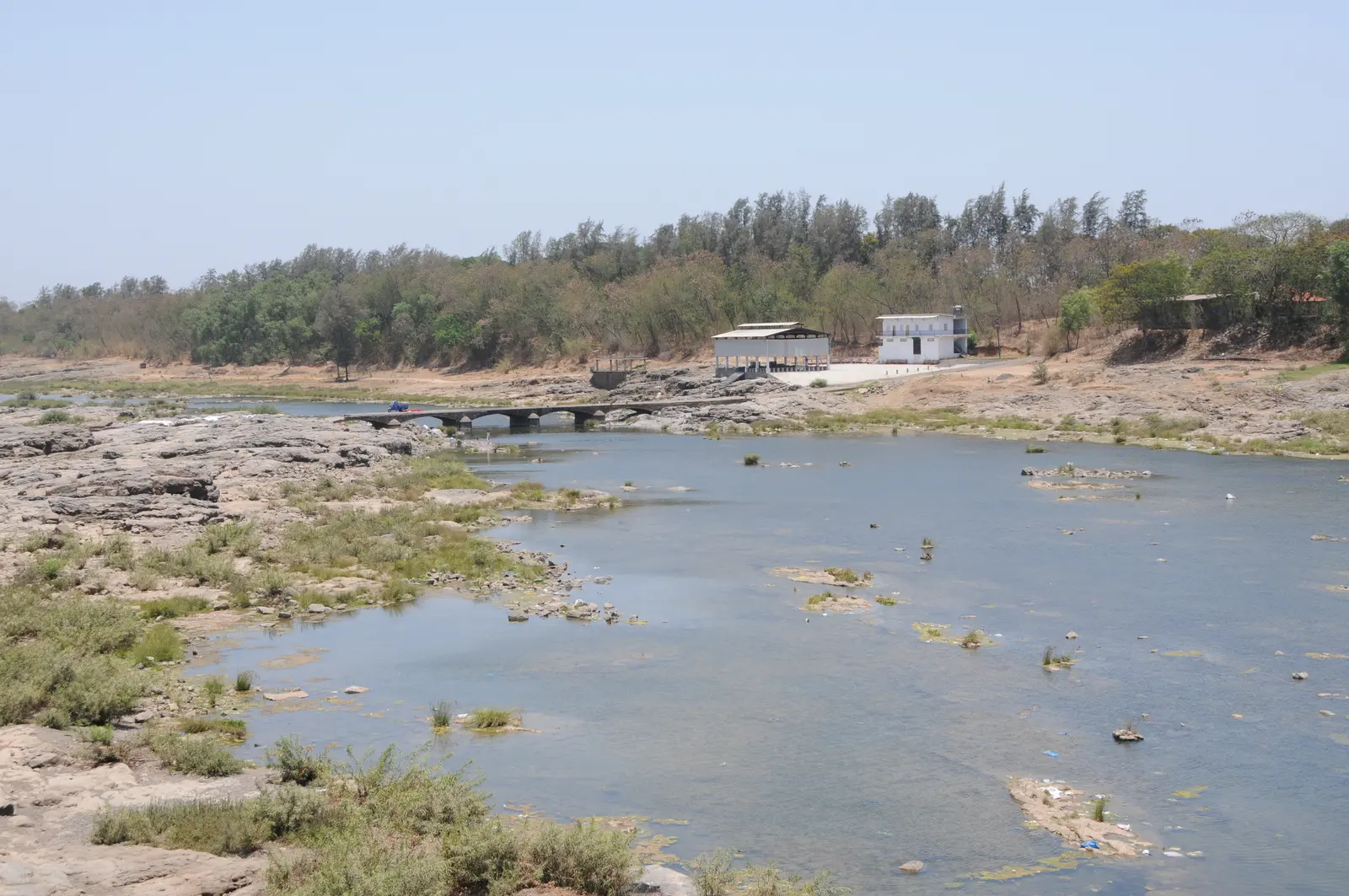
- Island Garden (Dudhni): A small island on the Daman Ganga reservoir, reached by boat, popular for its adventure activities and quiet setting.
Things to Do
- Walk the ramparts of Diu Fort: Best at sunset, when the light hits the old cannons and the sea beyond the bastions turns gold.
- Cycle or moped around Diu island: Rentals are cheap and the island is small enough to cover most sights in a day.
- Swim at Nagoa Beach: Calm, clean water and paddleboat rentals make it the best swim spot in the territory.
- Explore the old town's Portuguese houses: Quiet lanes with balconies and facades that wouldn't look out of place in Fontainhas, Goa.
- Shop duty-free: Alcohol prices in Diu and Daman are significantly lower than neighbouring dry or high-tax states.
- Visit Warli art villages near Silvassa: A quieter, culture-focused counterpoint to the coastal sightseeing.
Where to Stay
Accommodation is modest in scale everywhere in the territory — don't expect the resort density of Goa, and book ahead for weekends and the December–January peak.
- → Guesthouses near Diu old town
- → Budget lodges, Nani Daman
- → Homestays, Silvassa outskirts
- → Hoka Trees Resort (Diu)
- → Beach-facing hotels, Nagoa
- → Business hotels, Daman & Silvassa
- → Radisson Blu Resort (Daman)
- → Premium sea-view properties, Diu
- → Resort stays, Silvassa (Dudhni area)
Diu's old town guesthouses offer the best value and atmosphere combination — many occupy converted Portuguese-era houses within walking distance of the fort.
What to Eat
Expect a blend of Gujarati vegetarian staples, fresh seafood along the coast, and lingering Portuguese influence in a few local specialities.
- Fresh seafood in Diu: Pomfret, prawns and squid feature heavily at seafront shacks — grilled or fried in a distinctly coastal-Gujarati style.
- Gujarati thalis: Widely available in Silvassa and Daman, especially given the territory's geographic overlap with Gujarat.
- Farsan and street snacks: Common across all three towns, reflecting strong Gujarati culinary influence.
- Duty-free beer and seafood pairing: A popular reason travellers visit Diu specifically — affordable alcohol alongside fresh catch, uncommon in much of neighbouring Gujarat.
3-Day Diu Itinerary
Diu alone justifies a focused 3-day trip — this itinerary covers the fort, old town, and beaches without feeling rushed.
Fort & Old Town
- ✓Morning: Arrive, check in, breakfast in the old town
- ✓Late morning: Explore Diu Fort and its bastions
- ✓Afternoon: Wander old town lanes and churches
- ✓Evening: Sunset from the fort ramparts
Beaches & Island Loop
- ✓Morning: Swim and relax at Nagoa Beach
- ✓Afternoon: Rent a moped, visit Gangeshwar Temple and Naida Caves
- ✓Evening: INS Khukri Memorial at Zampa Beach
Slow Morning & Departure
- ✓Morning: Second visit to the fort or old town for photos
- ✓Late morning: Duty-free shopping before heading out
- ✓Afternoon: Departure
Budget Breakdown (Diu, per day)
| Expense | Budget | Mid-Range | Luxury |
|---|---|---|---|
| Accommodation/night | ₹1,500 | ₹4,000 | ₹9,000 |
| Food/day | ₹500 | ₹1,200 | ₹2,500 |
| Local transport/day | ₹300 | ₹600 | ₹1,500 |
| Activities/day | ₹200 | ₹500 | ₹1,200 |
| Daily total | ₹2,500 | ₹6,300 | ₹14,200 |
| 3-Day trip total | ₹7,500 | ₹18,900 | ₹42,600 |
* Excludes travel to Diu/Daman/Silvassa. Costs are notably lower than comparable coastal destinations like Goa.
Essential Travel Tips
- Diu and Daman are far apart: Don't plan to visit both on one short trip — treat them as separate destinations.
- Book ahead for weekends: Both towns see a surge of Gujarati and Mumbai weekend travellers, especially around duty-free shopping trips.
- Carry cash for small towns: Card acceptance thins out quickly outside the main markets and hotels.
- Rent a moped in Diu: It's genuinely the best way to see the island — distances are short and traffic is minimal.
- Avoid midday fort visits in summer: There's no shade on the ramparts — go early morning or just before sunset.
- Respect duty-free limits: There are quantity restrictions on alcohol carried out of Diu and Daman into neighbouring states — check current limits before stocking up.
✅ Do
- →Watch sunset from Diu Fort's ramparts
- →Rent a moped to explore Diu island
- →Book stays ahead for weekends and December–January
- →Carry cash for small vendors and markets
- →Visit Nagoa Beach for the best swimming
- →Try fresh seafood at Diu's seafront shacks
❌ Don't
- →Try to combine Diu and Daman in one short trip
- →Visit the fort ramparts at midday in peak summer
- →Exceed duty-free alcohol carry limits
- →Expect Goa-level nightlife or resort density
- →Rely on cards outside main markets and hotels
- →Skip booking ahead during the December–January peak
Places to Explore in Dadra & Nagar Haveli and Daman & Diu
Every Dadra & Nagar Haveli and Daman & Diu guide on Kudozz Club, in one place — 18 destinations covered so far, from cities and towns to individual attractions. Use this index to plan beyond the highlights above.
Frequently Asked Questions
How many days do you need for Diu?
Diu alone justifies a focused 3-day trip — enough time to cover Diu Fort and the old town, Nagoa Beach and a moped loop of the island, Gangeshwar Temple, Naida Caves, and the INS Khukri Memorial without feeling rushed.
What is the best time to visit Diu and Daman?
October to February is the best window, with pleasant, dry weather (18–30°C) that makes fort walks, beach time, and drives between towns genuinely comfortable. December–January is the peak season with the most weekend travellers, so book stays ahead. Monsoon (June–September) brings heavy rain and rough seas that make beach time unpleasant, though the fort and old town are still atmospheric and crowd-free.
How do I reach Diu from Mumbai?
Diu Airport has limited direct flights from Mumbai; otherwise the nearest railhead is Una (13 km) or Veraval, both connected to Ahmedabad and Rajkot. A self-drive road trip from Ahmedabad covers roughly 360 km in about 7 hours. Daman, by contrast, is much closer to Mumbai — roughly 3 hours by road, with the nearest railway station at Vapi (12 km) on the Mumbai–Ahmedabad main line.
Can I visit both Diu and Daman on one trip?
It's not recommended on a short trip — Diu and Daman are roughly 750 km apart despite sharing a name, so treat them as two separate destinations rather than one combined itinerary unless you have 5+ days and enjoy long coastal drives.
Is Diu safe for solo travellers?
Yes — Diu is a small, walkable, low-crowd island that's considered a relaxed and safe destination for solo and independent travel. The main practical notes are to carry cash since card acceptance thins out quickly outside main markets and hotels, and to avoid midday fort visits in summer since the ramparts have no shade.
What is the budget for a Diu trip?
A budget traveller can expect a daily total of around ₹2,500, a mid-range traveller around ₹6,300, and a luxury traveller around ₹14,200 per day, covering accommodation, food, local transport, and activities — working out to roughly ₹7,500, ₹18,900, or ₹42,600 respectively for a 3-day trip, excluding travel to Diu.
Why is Diu known for duty-free shopping?
Both Diu and Daman sell alcohol tax-free, making them popular weekend day-trip destinations from dry-state-adjacent Gujarat, and a common pairing with fresh seafood at Diu's seafront shacks. There are quantity restrictions on alcohol carried out of the territory into neighbouring states, so check current limits before stocking up.
Published by the Kudozz Club editorial team · Last updated · How we research our guides
Want us to plan this trip for you?
Tell Kudozz Club where you want to go and what kind of trip you’re looking for. We’ll build a Dadra & Nagar Haveli and Daman & Diu and Dadra and Nagar Haveli and Daman and Diu itinerary around your dates and budget.
Continue Exploring
View all guides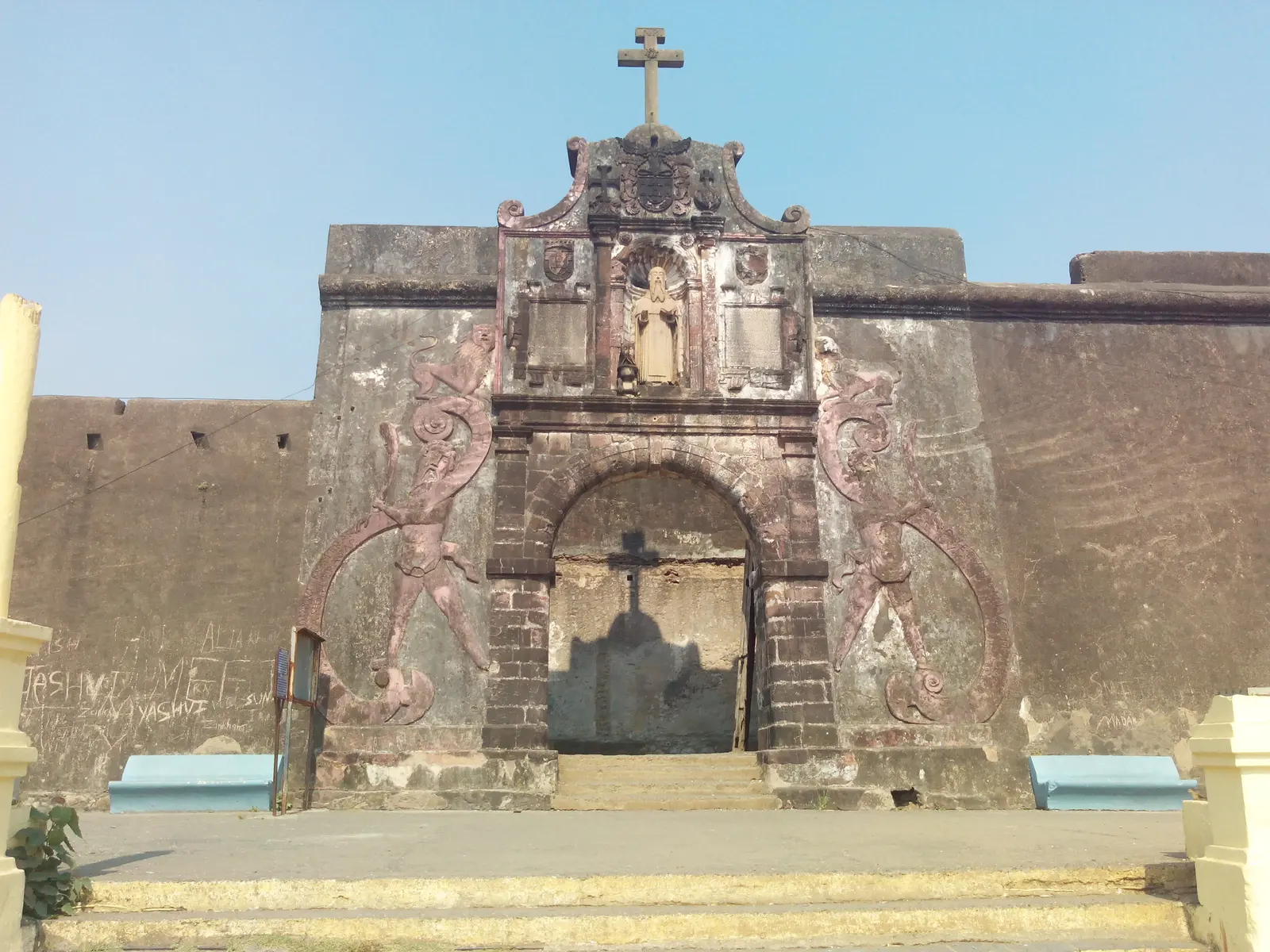 Destination Guide
Daman Travel Guide: Forts, Beaches & Weekend Trip
A former Portuguese enclave split by the Daman Ganga river into Moti Daman and Nani Daman — forts, quiet beaches, duty-free shopping, and a full 2-day itinerary for this Gujarat coastal getaway.
 Destination Guide
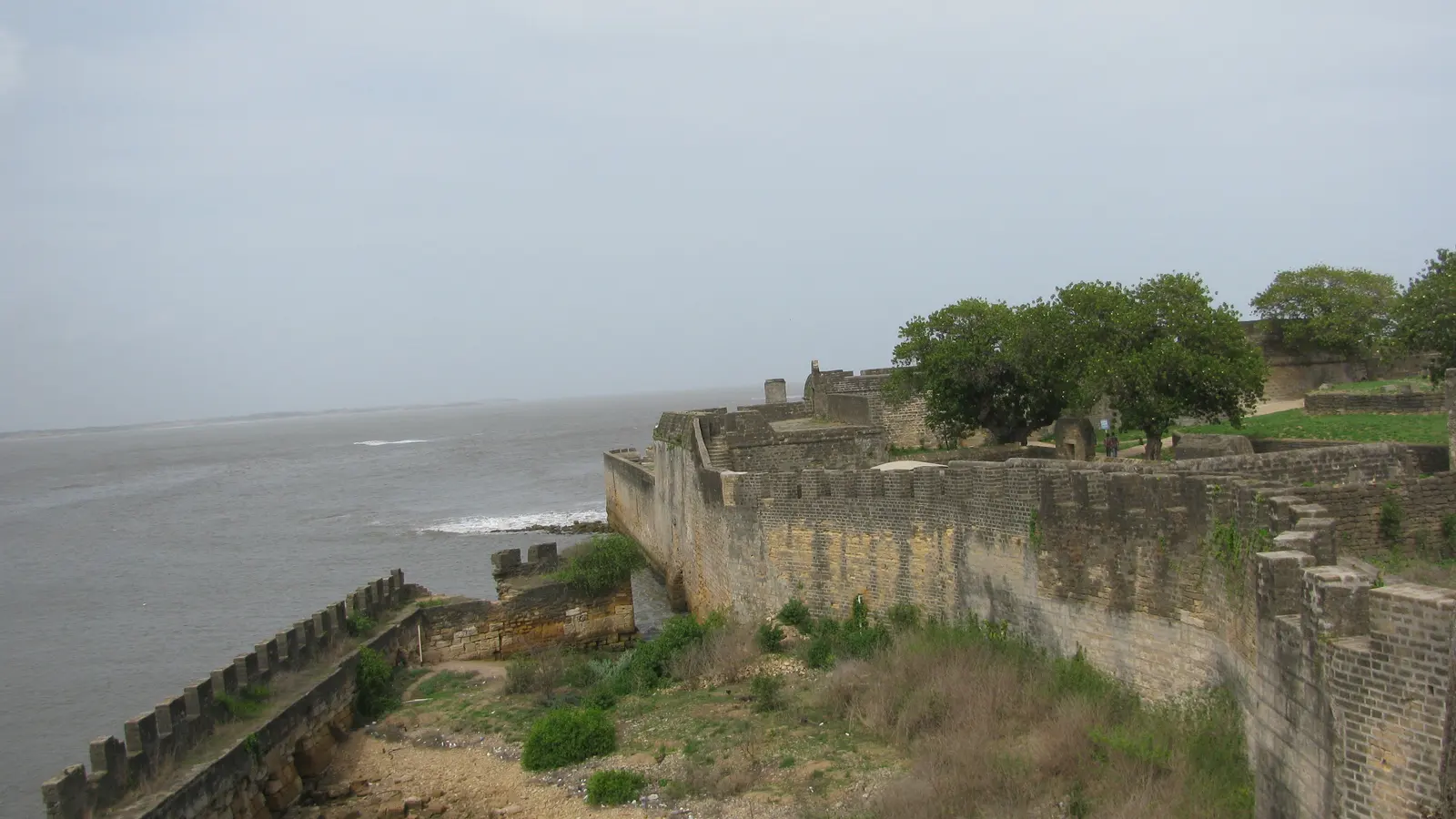
Diu Travel Guide: Beaches, Fort & Weekend Trip
A former Portuguese colony off Gujarat's coast — Diu Fort, quiet beaches, old-town churches, duty-free liquor, and a full 2-day itinerary.
 Destination Guide
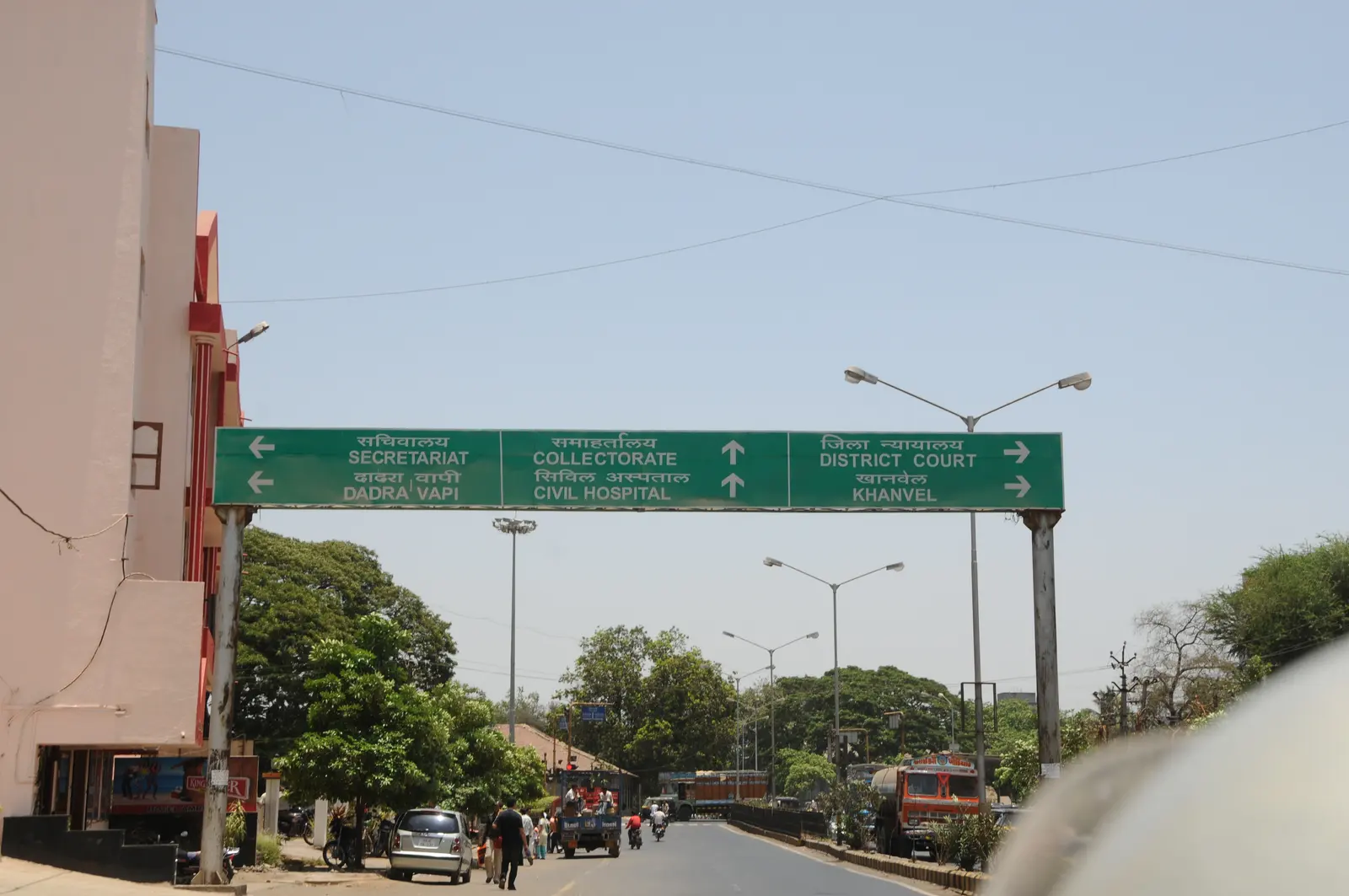
Silvassa Travel Guide: Lakes, Forests & Tribal Culture
Capital of Dadra & Nagar Haveli — Dudhni's lake and Tribal Museum, Khanvel's gardens, Satmaliya Deer Sanctuary, Madhuban Dam, Warli tribal art, and a full 2-day itinerary for this green, inland weekend escape near Mumbai.
 Off-beat
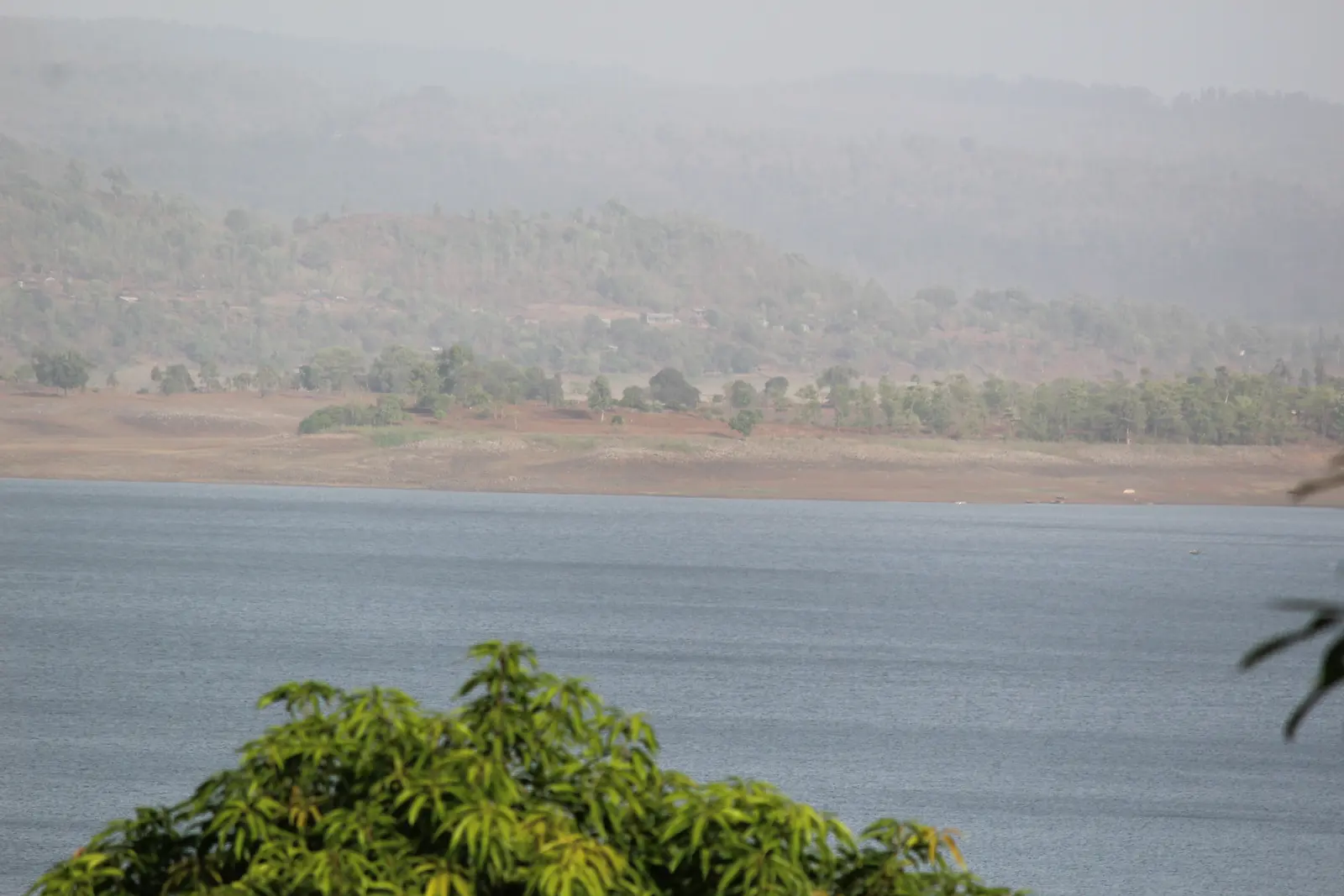
Madhuban Dam Travel Guide: Reservoir, Viewpoint & Picnic Spot
A dam on the Damanganga river whose reservoir stretches to Dudhni's boat jetties — the dam viewpoint, forest and birdlife, and a half-day plan near Silvassa.