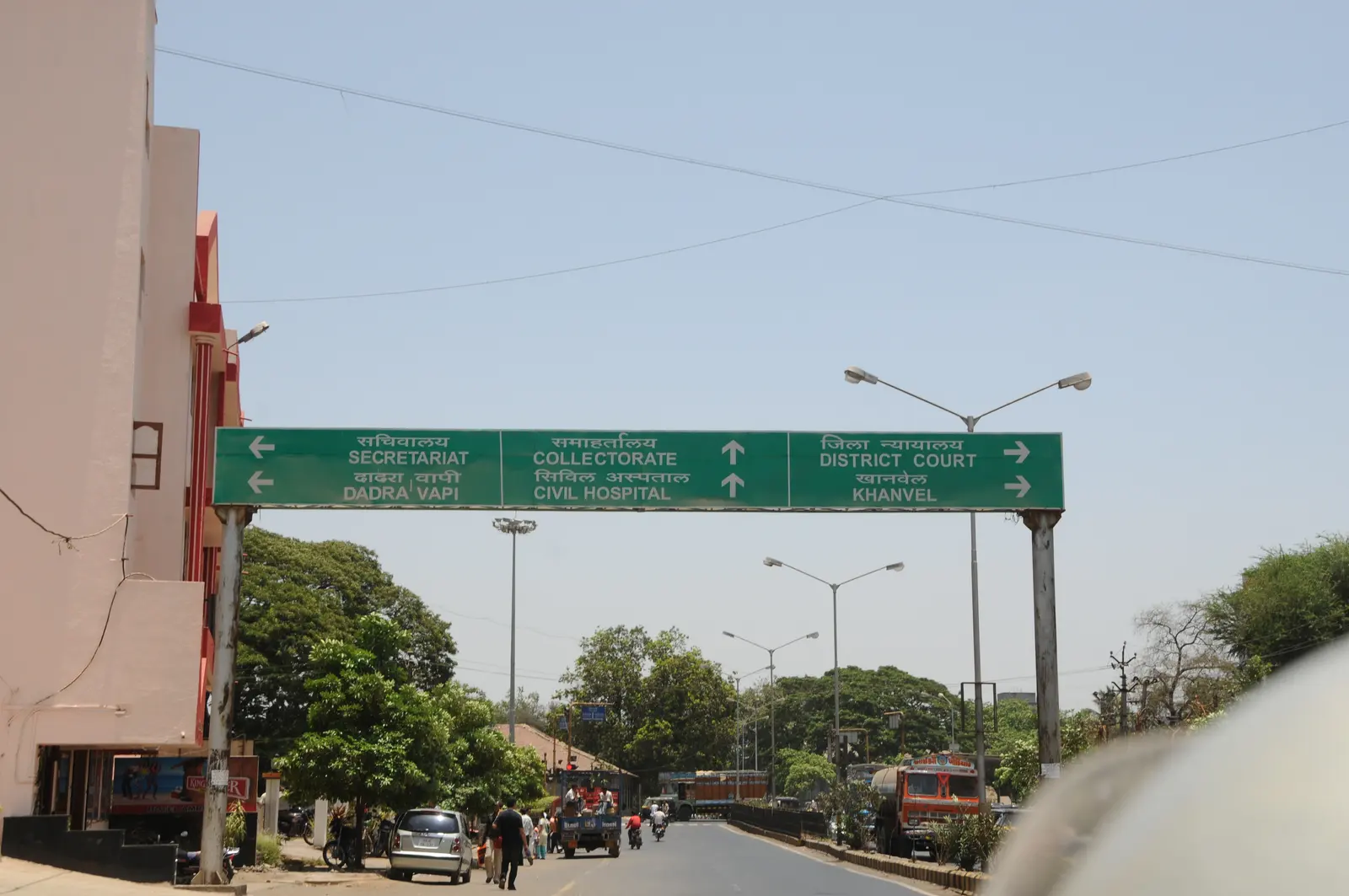
Silvassa: An Introduction
Silvassa is the capital of the Union Territory of Dadra & Nagar Haveli — and a genuinely different kind of destination from its administrative sibling towns of Daman and Diu on the Gujarat coast. Where Daman and Diu are coastal, sun-baked and steeped in Portuguese heritage, Silvassa sits inland, wedged into the border between Maharashtra and Gujarat, wrapped in forested hills, reservoir lakes, and a landscape that stays noticeably green even outside monsoon.
The two halves of the territory were merged into a single Union Territory only in 2020, but geographically and culturally they've always been worlds apart. Silvassa and the surrounding district of Dadra & Nagar Haveli are home to a significant Warli tribal population, whose distinctive folk art and way of life give the region a cultural identity found nowhere else in this corner of India. At the same time, Silvassa is a serious industrial hub — a dense concentration of small and mid-sized factories drawn here by tax incentives — a side of the town most weekend visitors never see, since the industrial areas sit apart from the lakes, gardens and forest pockets that draw tourists.
What makes Silvassa worth a trip is exactly that combination: it's close enough to Mumbai, Surat and Vapi for an easy weekend, green and unhurried enough to feel like a real break, and dotted with a cluster of small, genuinely pleasant day-trip destinations — Dudhni, Khanvel, Satmaliya Deer Sanctuary and Madhuban Dam among them — each covered in its own dedicated guide linked throughout this page. Think of this as the orientation piece: what Silvassa is, how to plan around it, and where to go deeper on each individual spot.
🌳 Silvassa at a Glance
Best Time to Visit Silvassa
Being inland and forested rather than coastal, Silvassa's weather rhythm is a little different from Daman and Diu's — the monsoon here is a genuine highlight rather than a season to avoid, since it's when the district's lakes fill up and its waterfalls run.
Cool, dry and comfortable (15–28°C), ideal for boating at Dudhni, walking Khanvel's gardens, and spending a full day outdoors without the heat or humidity of summer.
Temperatures climb into the mid-to-high 30s. Outdoor sightseeing is still doable early morning or evening, but midday heat is genuinely uncomfortable.
Heavy rain turns the district vividly green, fills the reservoirs at Dudhni and Madhuban, and brings Hathni Mata Waterfall to life — though boating and some outdoor activities may pause during heavy spells.
The most popular window for Mumbai and Surat weekenders — expect busier resorts at Khanvel and Dudhni, and book stays a little ahead.
Our pick: November to February for comfortable sightseeing, or a well-timed monsoon weekend (July–August) if you specifically want to see Hathni Mata Waterfall and the reservoirs at their fullest.
How to Reach Silvassa
Silvassa's biggest practical advantage is how close it sits to three major western-India cities, making it one of the easiest short trips on this coast.
- By Train: The nearest railhead is Vapi, on the Mumbai–Ahmedabad main line, roughly 18 km from Silvassa and well connected by frequent express and local trains from both Mumbai and Surat. Autos and cabs from Vapi station to Silvassa take about 30–40 minutes.
- By Road from Mumbai: Around 180 km via NH48, roughly 3–3.5 hours by car or bus — one of the more comfortable weekend drives out of Mumbai given the highway quality.
- By Road from Surat: Closer still, at roughly 90–100 km and under 2 hours, making Silvassa a very accessible day trip or overnight for Surat-based travellers.
- By Air: The nearest airport is Surat, about 100 km away; Mumbai's airport, though farther, has significantly more flight options and is a common entry point for out-of-state visitors.
Dudhni: Lake & Tribal Museum
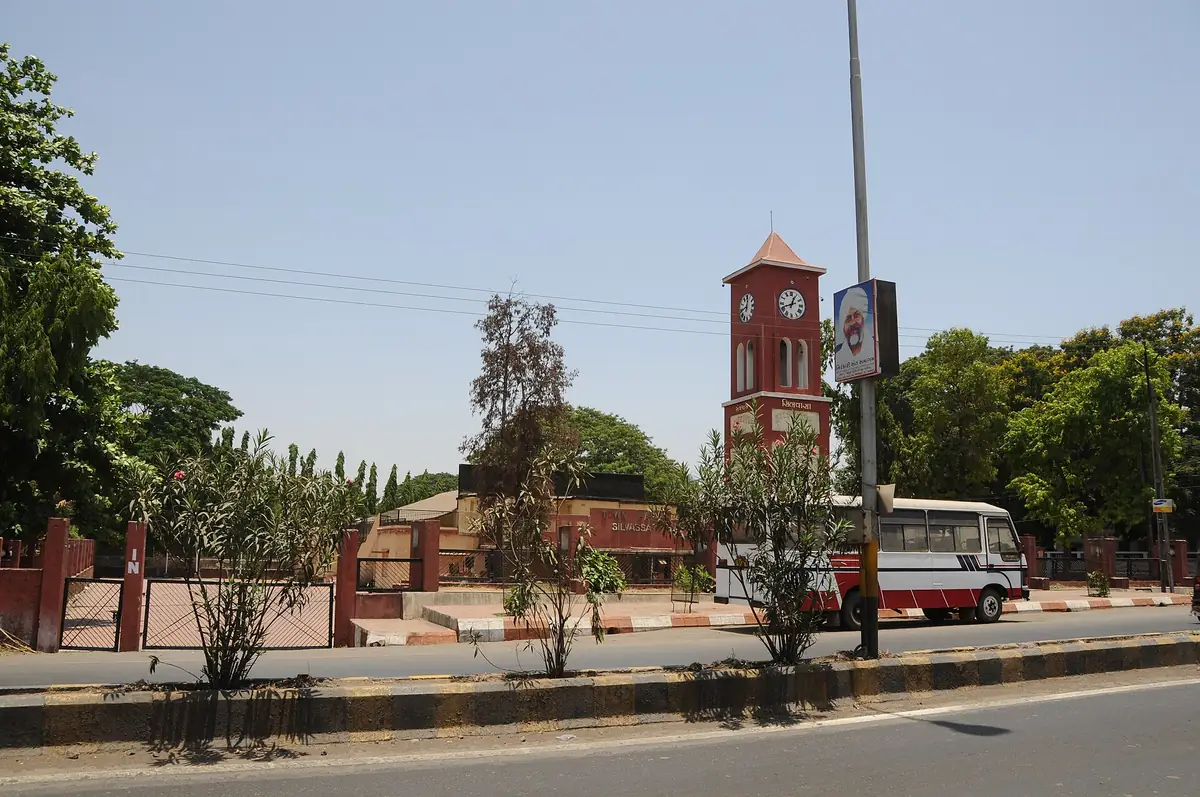
Dudhni is built around a scenic stretch of the Damanganga reservoir, best known for boating out to a small island garden and for the Tribal Museum, which houses a genuinely worthwhile collection on Warli life and culture. It's one of the most popular single day-trip destinations near Silvassa, and easily the best spot in the district for a slow, scenic couple of hours on the water.
We've covered Dudhni in full detail — boating options, the museum, timings, and how to plan your visit — in a dedicated guide: read the complete Dudhni travel guide.
Khanvel: Gardens & Resorts
A short drive from central Silvassa, Khanvel is a small resort town known for its landscaped gardens, a mini-zoo, and a cluster of family-friendly resorts that make it a popular overnight or day-trip stop. It's a more laid-back, garden-and-greenery kind of destination than the lake-focused appeal of Dudhni.
For a full rundown of what to see and do in Khanvel and where to stay if you'd rather base yourself there instead of Silvassa town, see our dedicated Khanvel travel guide.
Satmaliya Deer Sanctuary
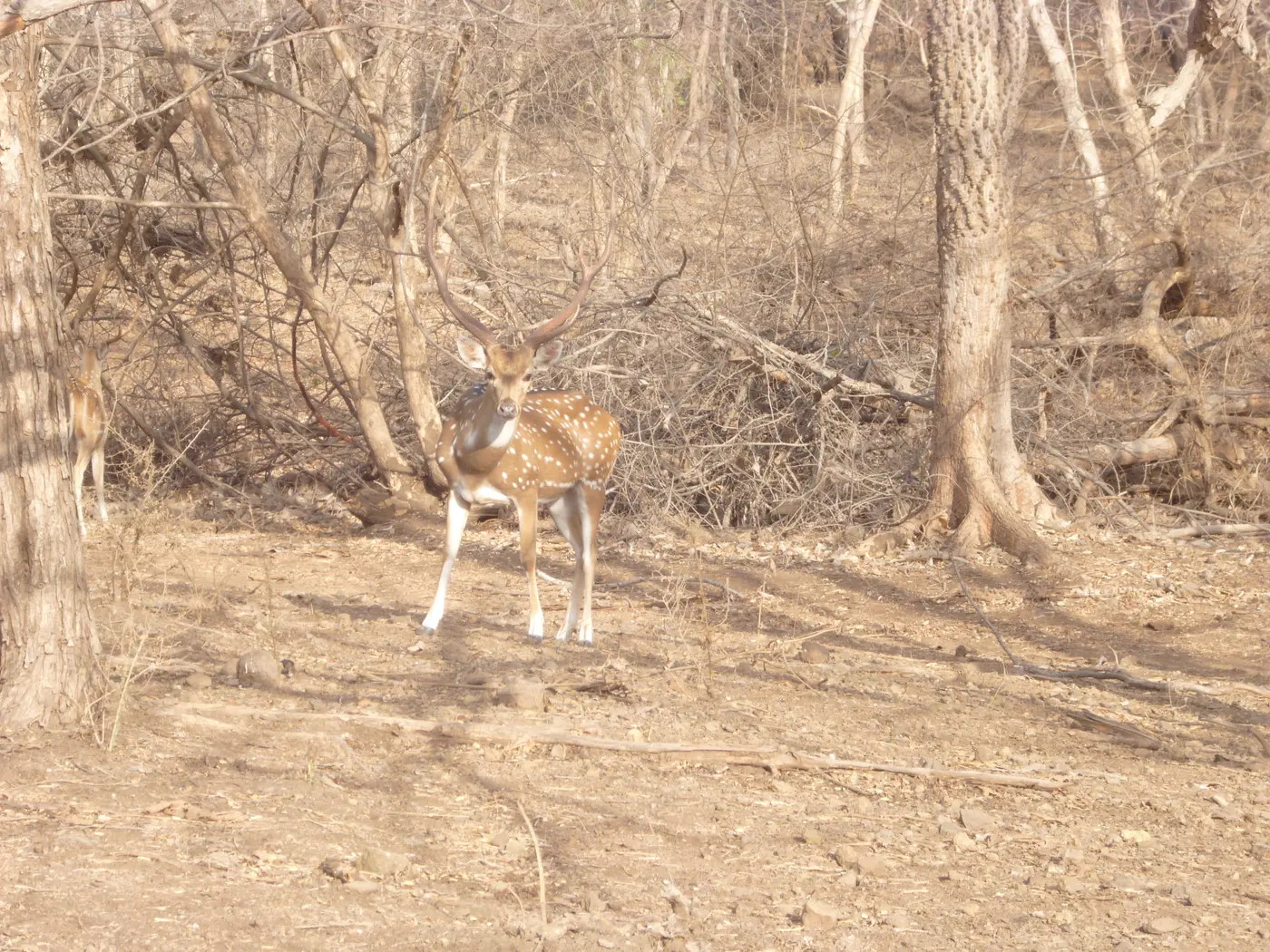
Satmaliya Deer Sanctuary is a protected forest area near Khanvel where spotted deer roam in a relatively natural setting, making it a favourite stop for families and anyone wanting an easy wildlife-spotting detour without a serious safari commitment.
Timings, what to expect, and how it pairs with a Khanvel visit are covered in our Satmaliya Deer Sanctuary guide.
Madhuban Dam
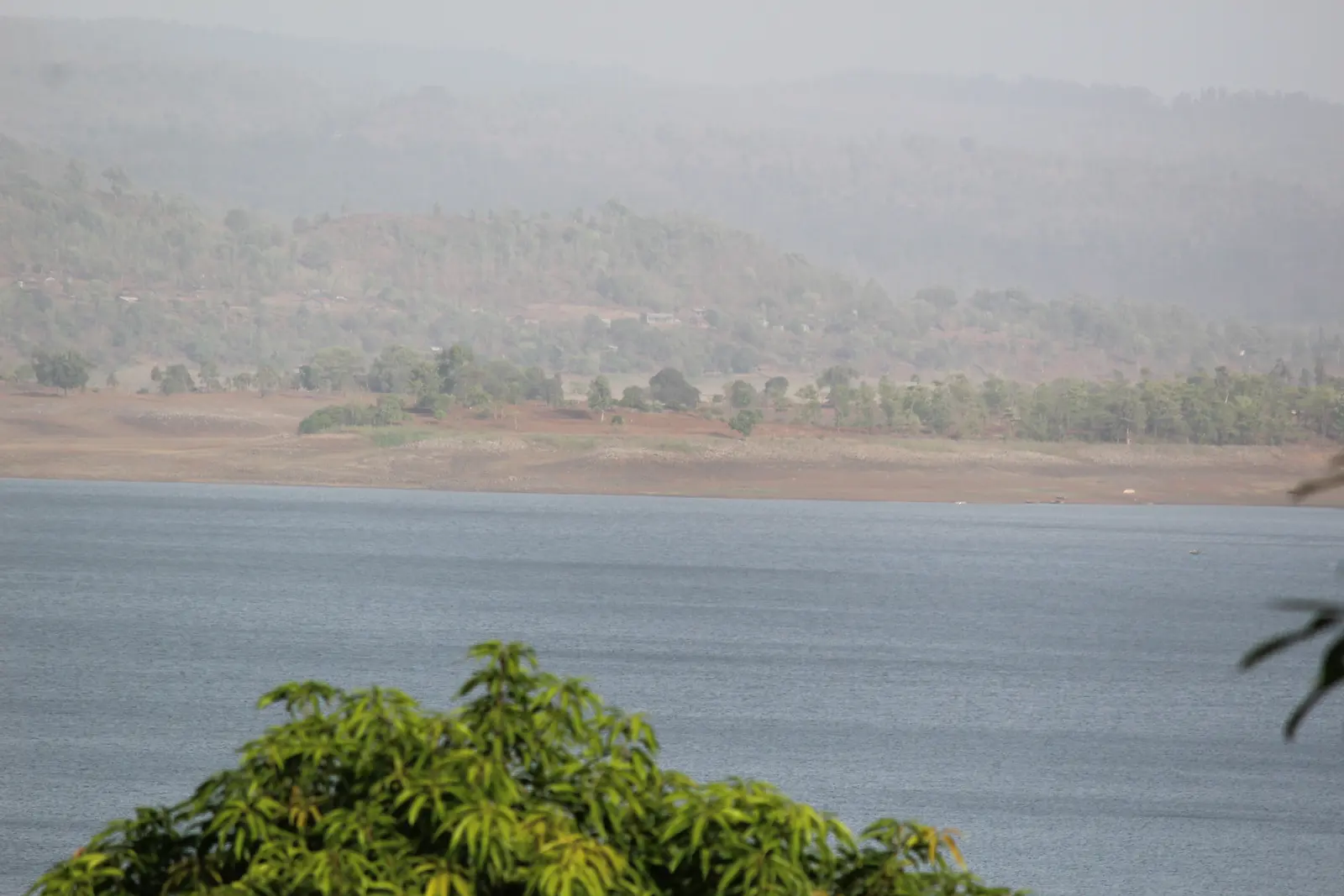
Madhuban Dam, built on the Damanganga river, is the district's other major reservoir and a quieter, more scenic alternative to Dudhni — popular for the drive along its embankment and the views over the water, especially once the monsoon has filled it up.
We've written a separate, detailed guide to Madhuban Dam covering the best viewpoints and how to combine it with the rest of your Silvassa trip: explore the Madhuban Dam guide.
Vasona Lion Safari Park
Right within Silvassa town, Vasona Lion Safari Park is a small zoological and wildlife park that's one of the most-visited attractions for families with children — a modest but genuinely enjoyable stop for an hour or two, with lions, deer, crocodiles and a few other enclosures set among landscaped grounds. It's less about seeing wildlife in truly wild conditions and more about an easy, accessible outing that doesn't require a dedicated day trip out of town.
Pair it with the adjoining Hirwa Van Garden and deer park nearby for an easy in-town half-day if you're not planning to venture out to Dudhni, Khanvel or Madhuban Dam.
Warli Tribal Art & Culture
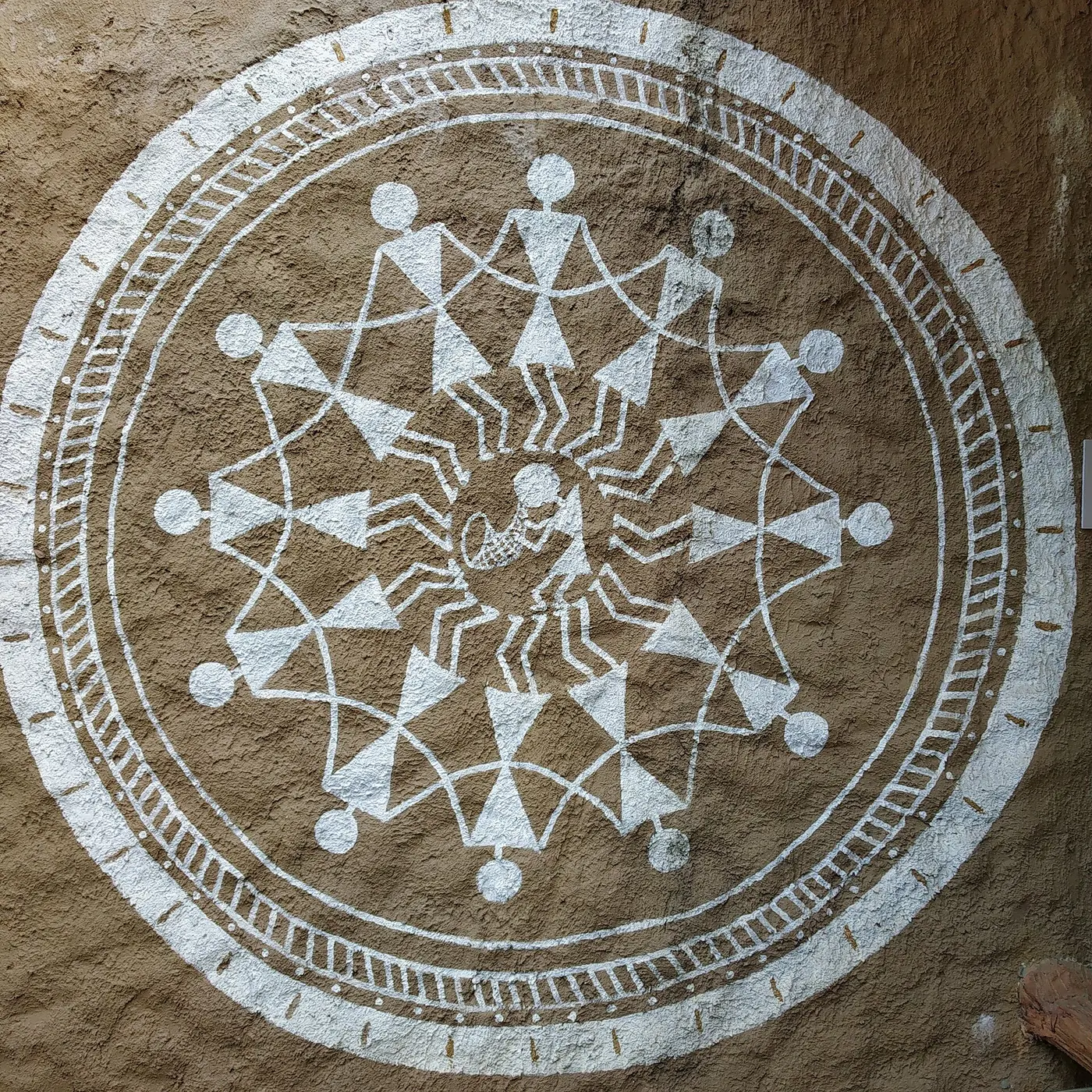
Beyond its lakes and gardens, what makes Dadra & Nagar Haveli genuinely distinctive is its significant Warli tribal population and their centuries-old artistic tradition. Warli painting — simple, geometric white figures on a mud-red or ochre background, depicting everyday village life, harvests, dance and ritual — has since travelled far beyond its origins here to become one of India's most recognisable folk art styles, appearing on everything from home décor to fashion.
Villages around Silvassa continue to practise Warli art and craft traditions, and visiting respectfully — through a guided cultural visit, a genuine handicraft purchase from local artisans, or the Tribal Museum at Dudhni — is one of the most meaningful ways to engage with the region beyond its scenery. A few things worth keeping in mind:
- Visit with intention, not as a spectacle: If you're visiting a Warli village, go through a recognised guide or cultural programme rather than wandering in uninvited — it's someone's home, not an open-air exhibit.
- Buy directly from artisans where possible: Supporting Warli painters and craftspeople directly, or through the Tribal Museum and local emporiums, puts money back into the community rather than intermediaries.
- Ask before photographing people: Landscapes and artwork are generally fine to photograph freely; always ask first before photographing individuals or their homes.
Hathni Mata Waterfall
A short distance from Silvassa, Hathni Mata Waterfall is a modest, seasonal cascade set inside forested terrain — a pleasant monsoon-season detour rather than a year-round attraction. It's at its best in the weeks during and just after heavy monsoon rain, when the flow is at its strongest; outside that window it can reduce to a trickle or run dry entirely.
If you're visiting specifically for the waterfall, plan your trip for July–September and check locally on current flow and accessibility, since seasonal waterfalls like this one can vary considerably year to year depending on rainfall.
Where to Stay
Silvassa has a reasonable spread of accommodation for a town its size, ranging from simple budget lodges to resort-style properties, with an especially strong cluster of family resorts around Khanvel and Dudhni.
- → Budget lodges, central Silvassa
- → Guesthouses near the bus stand
- → Simple stays close to Vapi road
- → Resort stays around Khanvel
- → Business hotels, Silvassa town
- → Lake-facing rooms near Dudhni
- → Premium resorts, Khanvel area
- → Larger full-service hotels in town
- → Weekend resort packages near Dudhni
If your trip is built around Dudhni or Khanvel rather than Silvassa town itself, staying right at a resort in those areas often works out more convenient than commuting in from central Silvassa each day.
What to Eat in Silvassa
Silvassa's food scene reflects its position between Gujarat and Maharashtra, with a strong Gujarati vegetarian influence alongside simpler tribal and regional dishes.
- Gujarati thalis: Widely available across town, given Silvassa's proximity to Gujarat and shared culinary influence — a reliable, filling option almost anywhere.
- Local Warli and tribal cuisine: Simple, rustic dishes built around rice, local vegetables and seasonal produce — worth seeking out at smaller local eateries for a genuinely different experience from the standard thali circuit.
- Street food and snacks: Common Gujarati and Maharashtrian street snacks are easy to find around the main market areas of Silvassa town.
- Resort dining at Khanvel and Dudhni: Many of the resorts around these areas offer their own multi-cuisine dining, a convenient option if you're staying overnight rather than driving back into town for meals.
2-Day Silvassa Itinerary
This itinerary balances the in-town sights with the district's best day-trip destinations, giving you a genuine feel for Silvassa without over-packing either day.
Silvassa Town & Dudhni
- ✓Morning: Arrive, check in, breakfast in Silvassa
- ✓Late morning: Vasona Lion Safari Park & Hirwa Van Garden
- ✓Afternoon: Drive to Dudhni, boating on the reservoir
- ✓Evening: Visit the Tribal Museum, relax by the lake
Khanvel, Satmaliya & Madhuban Dam
- ✓Morning: Drive to Khanvel, explore the gardens and mini-zoo
- ✓Late morning: Satmaliya Deer Sanctuary, easy wildlife walk
- ✓Afternoon: Madhuban Dam viewpoint and embankment drive
- ✓Evening: Return to Silvassa or depart
* With a third day, add Hathni Mata Waterfall (monsoon season) or a slower, guided visit to a nearby Warli village.
Budget Breakdown (per day)
| Expense | Budget | Mid-Range | Luxury |
|---|---|---|---|
| Accommodation/night | ₹1,200 | ₹3,500 | ₹8,500 |
| Food/day | ₹400 | ₹900 | ₹2,000 |
| Local transport/day | ₹300 | ₹800 | ₹1,800 |
| Activities/day (boating, entry fees) | ₹200 | ₹500 | ₹1,200 |
| Daily total | ₹2,100 | ₹5,700 | ₹13,500 |
| 2-Day trip total | ₹4,200 | ₹11,400 | ₹27,000 |
* Excludes travel to Silvassa. Costs are notably lower than comparable weekend destinations closer to Mumbai.
Essential Tips for Visiting Silvassa
- Hire a car or taxi for the full trip: Public transport between Dudhni, Khanvel, Satmaliya and Madhuban Dam is limited — a self-drive or hired vehicle makes covering multiple spots far easier.
- Book resorts ahead for weekends: Khanvel and Dudhni see a steady flow of Mumbai and Surat weekenders, especially December–February.
- Carry cash for smaller towns: Card acceptance thins out quickly outside the main resorts and Silvassa town.
- Check waterfall flow before visiting Hathni Mata: It's seasonal and can run dry outside the monsoon window — don't build a trip around it without checking current conditions.
- Visit Warli villages respectfully: Go through a guide or recognised cultural programme rather than wandering in independently.
- Don't try to combine with Daman or Diu: They're administratively one Union Territory but roughly 750 km apart — plan Silvassa as its own standalone trip.
✅ Do
- →Hire a taxi or self-drive to cover Dudhni, Khanvel & Madhuban Dam
- →Book Khanvel/Dudhni resorts ahead for weekends
- →Visit the Tribal Museum at Dudhni for real cultural context
- →Carry cash for smaller local vendors
- →Plan Hathni Mata Waterfall for the monsoon months
- →Treat Silvassa as a standalone trip, not a Daman/Diu add-on
❌ Don't
- →Expect frequent public transport between attractions
- →Skip booking ahead during December–January weekends
- →Wander into Warli villages uninvited or unguided
- →Rely on cards outside main resorts and town
- →Expect Hathni Mata Waterfall to run outside monsoon
- →Try to combine Silvassa with Daman or Diu in one short trip
Frequently Asked Questions
How many days are enough for Silvassa?
Two days is the sweet spot for most travellers — enough time to cover Dudhni, Khanvel, Satmaliya Deer Sanctuary or Madhuban Dam, plus the in-town sights like Vasona Lion Safari Park, without feeling rushed. A single long day trip from Mumbai or Vapi works too if you're only after two or three highlights.
Is Silvassa good for a weekend trip?
Yes — Silvassa is one of the more popular short weekend getaways from Mumbai, Surat and Vapi precisely because it's close, green, and doesn't require much planning. It suits families, small groups and couples looking for lakes, gardens and a slower pace rather than a party scene.
What is Silvassa famous for?
Silvassa is known as the capital of the Union Territory of Dadra & Nagar Haveli, for its forested, inland landscape quite unlike coastal Daman and Diu, for a significant Warli tribal population and their distinctive folk art, for lakes and gardens like Dudhni and Khanvel, and — less visibly to tourists — as a notable industrial hub with a large concentration of small and mid-sized factories.
How far is Silvassa from Mumbai?
Silvassa is roughly 180 km from Mumbai, about 3–3.5 hours by road via NH48. It's also easily reached via Vapi railway station on the Mumbai–Ahmedabad main line, which sits only about 18 km away, making Silvassa one of the more accessible short trips from both Mumbai and Surat.
Is Silvassa part of Daman and Diu?
They're now administered together. Dadra & Nagar Haveli and Daman & Diu were merged into a single Union Territory in 2020, but Silvassa and the surrounding district remain geographically separate — an inland, forested pocket bordering Maharashtra and Gujarat, quite distinct from the coastal towns of Daman and Diu roughly 750 km away.
What is the best time to visit Silvassa?
October to March is the most comfortable window, with pleasant temperatures for boating at Dudhni, walking the gardens at Khanvel, and visiting Satmaliya Deer Sanctuary. Monsoon (June–September) turns the district a vivid green and is when Hathni Mata Waterfall is at its best, though some outdoor activities get curtailed by rain.
Can Silvassa be combined with Daman or Diu in one trip?
Not comfortably in a short trip — Silvassa sits roughly 750 km from Diu, and even Daman is a separate multi-hour drive away. Treat Silvassa and Dadra & Nagar Haveli as a standalone weekend trip rather than trying to tack it onto a Daman or Diu itinerary.
Published by the Kudozz Club editorial team · Last updated · How we research our guides
Want us to plan this trip for you?
Tell Kudozz Club where you want to go and what kind of trip you’re looking for. We’ll build a Silvassa and Dadra and Nagar Haveli and Daman and Diu itinerary around your dates and budget.
Continue Exploring
View all guides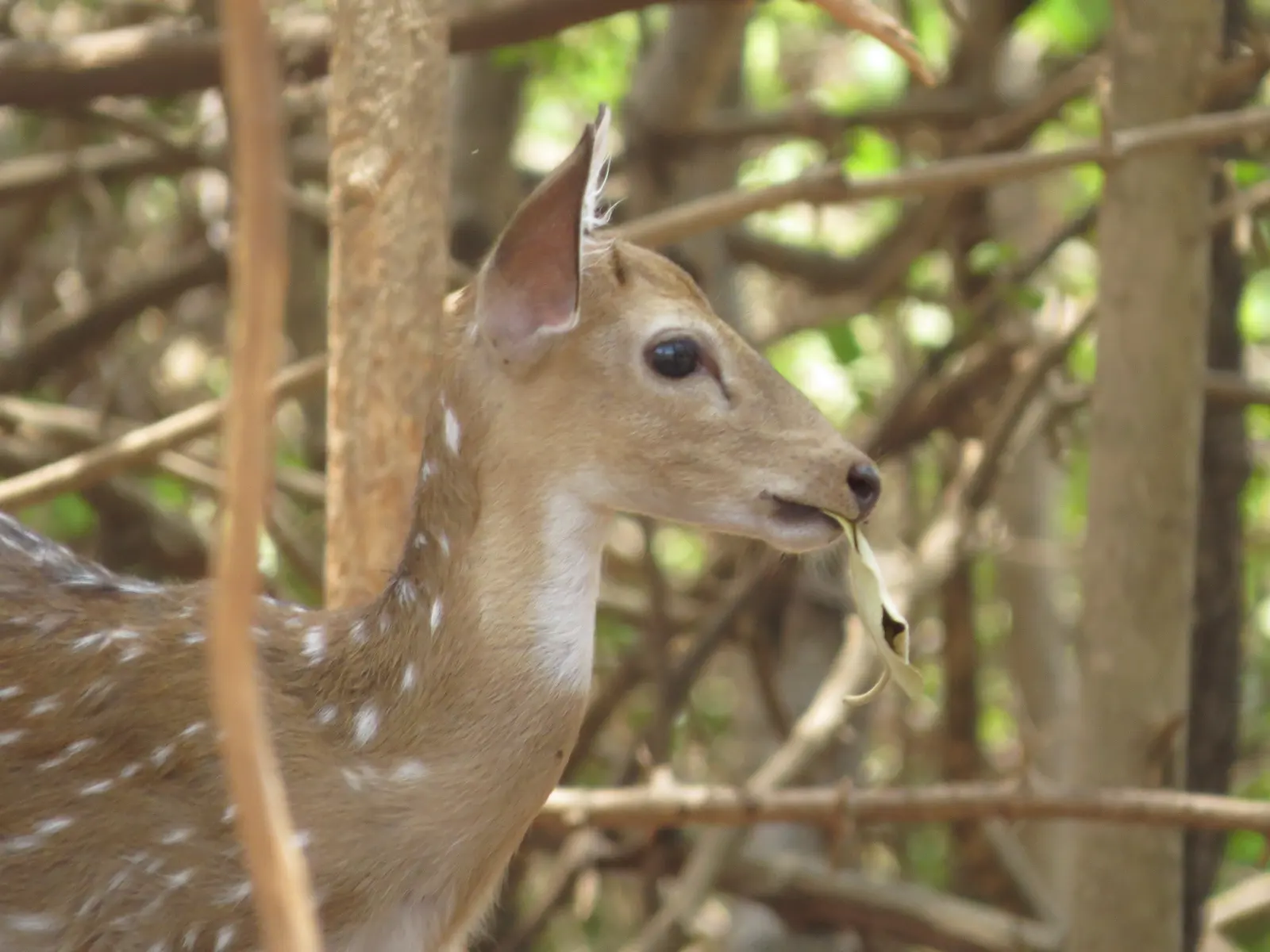 Off-beat
Satmaliya Deer Sanctuary: Visit Guide & Tips
A small, quiet forest sanctuary near Khanvel where spotted deer roam close to the trees — how to reach it, what to expect, and how to pair it with Madhuban Dam.
 Off-beat
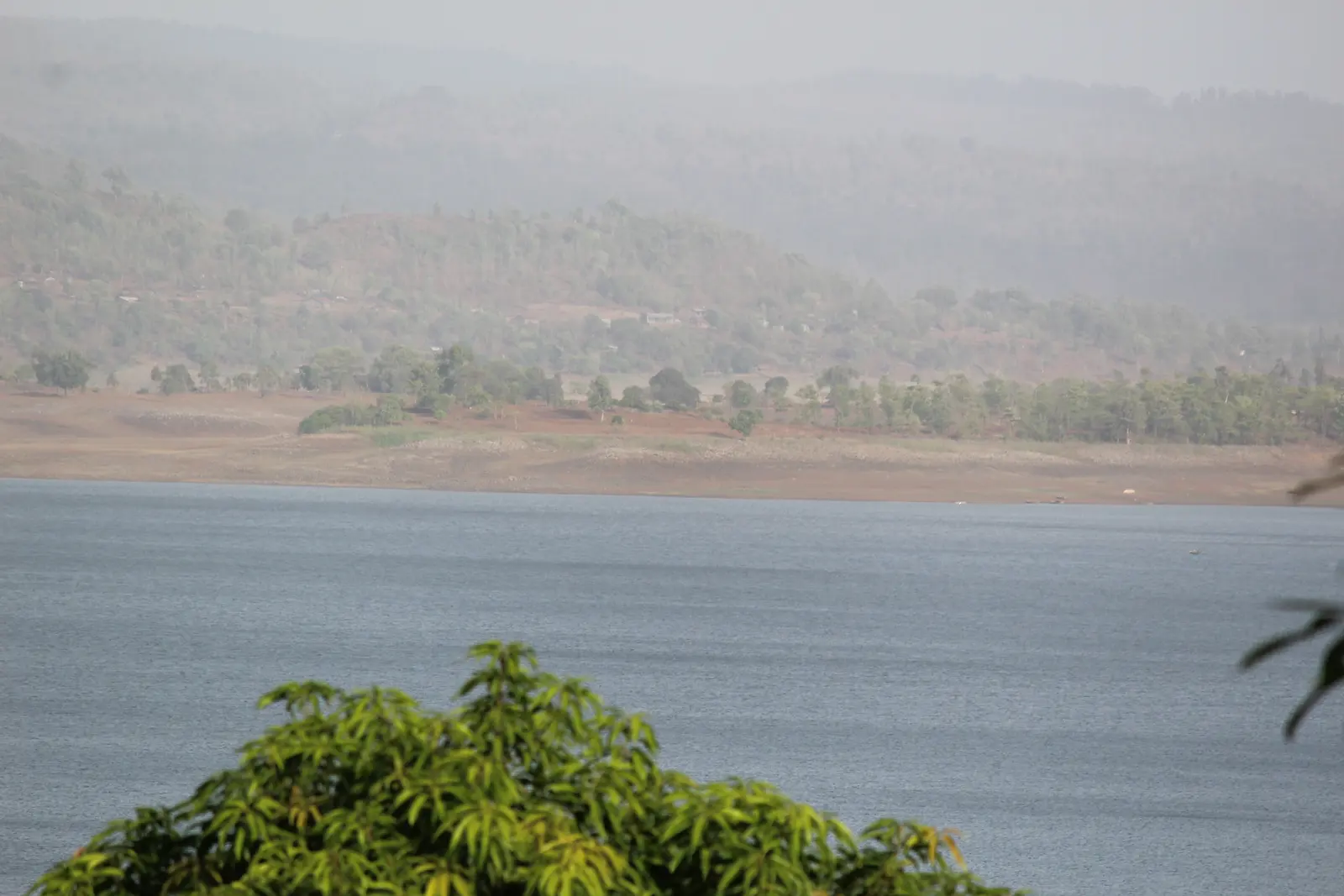
Khanvel Travel Guide: Gardens & Nature Escape
A small forested town near Silvassa with a family-friendly garden, and the gateway to Satmaliya Deer Sanctuary and Madhuban Dam.
 Off-beat
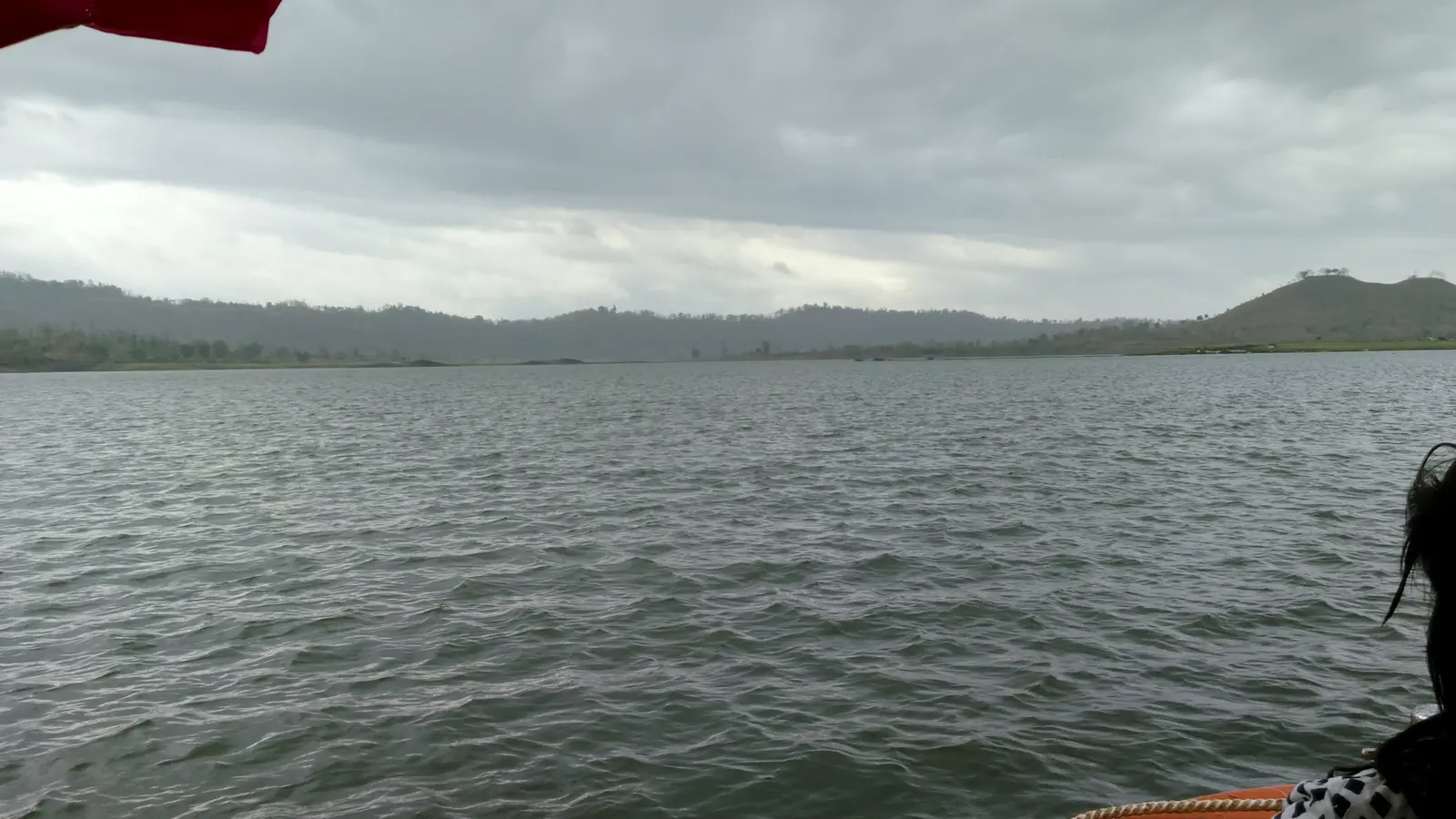
Dudhni Lake Travel Guide: Boating Near Silvassa
A short drive from Silvassa, Dudhni is a quiet reservoir village on the Madhuban Dam backwaters — motorboat rides, picnic spots, and an easy half-day escape from town.
Off-beatMadhuban Dam Travel Guide: Reservoir, Viewpoint & Picnic Spot
A dam on the Damanganga river whose reservoir stretches to Dudhni's boat jetties — the dam viewpoint, forest and birdlife, and a half-day plan near Silvassa.