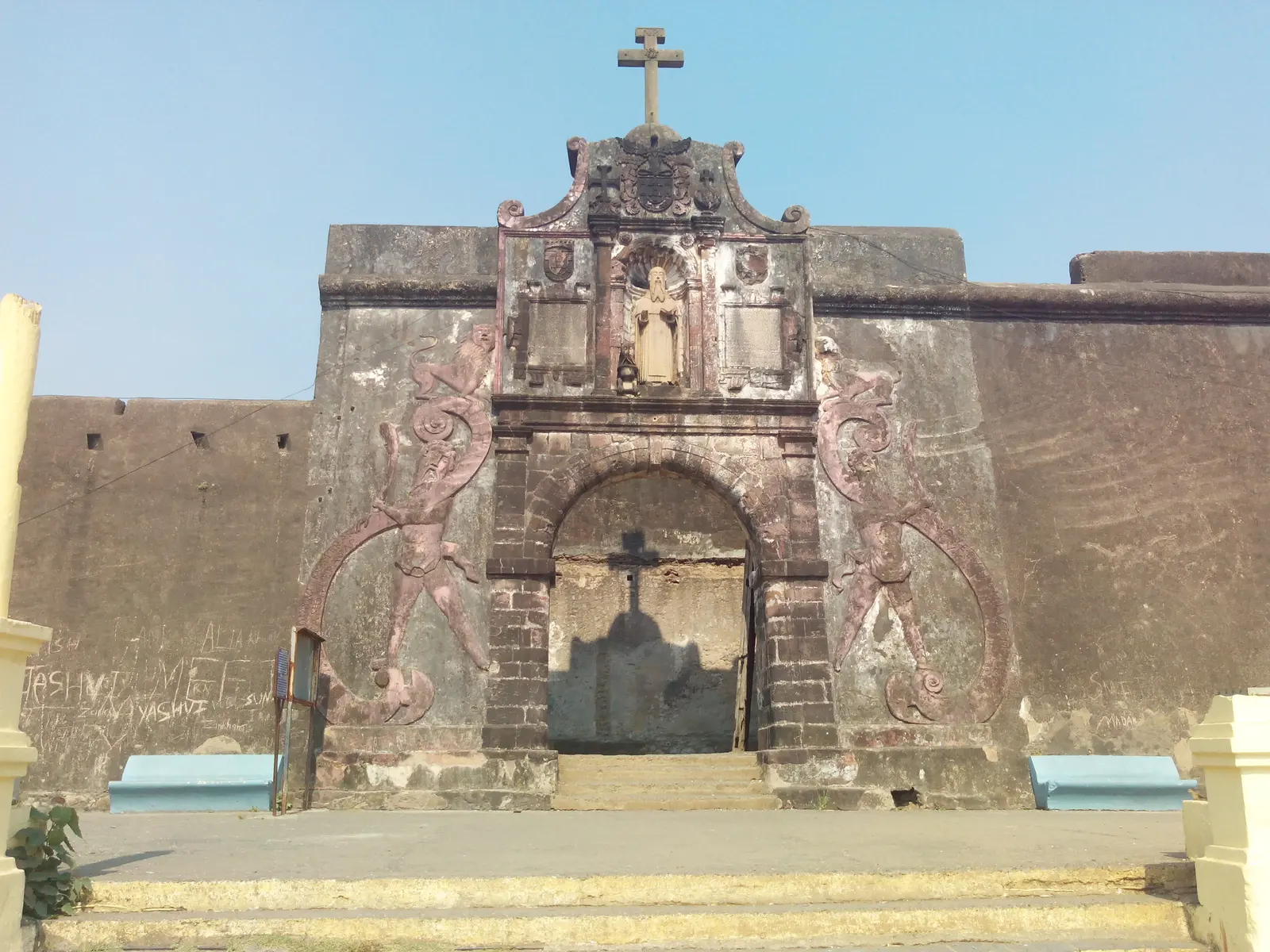
Daman: A Former Portuguese Enclave on Gujarat's Coast
Daman is a small coastal town on Gujarat's southern shoreline that spent over 400 years as a Portuguese colony — from the mid-16th century until 1961, when it was annexed by India alongside Goa and Diu in Operation Vijay. Together with Diu and the inland district of Dadra & Nagar Haveli, it now forms part of the Union Territory of Dadra & Nagar Haveli and Daman & Diu — but Daman itself is worth a dedicated trip on its own terms, distinct from its better-known island cousin Diu, 750 km away on the other end of the Gujarat coast.
The town is neatly split in two by the Daman Ganga river: Moti Daman ("Big Daman") on the south bank is the historic walled quarter, home to the imposing Moti Daman Fort and a cluster of colonial-era churches and government buildings. Nani Daman ("Small Daman") on the north bank is the livelier, more commercial side — the fishing harbour, the smaller Fort of St. Jerome, and most of the everyday markets sit here.
What actually draws most visitors, though, isn't history at all — it's that Daman legally sells alcohol at duty-free-style prices, a genuine rarity next to dry-state-adjacent Gujarat. Add in a pair of quiet, mostly uncrowded beaches, a manageable size you can cover in a weekend, and a straightforward 3-hour drive from Mumbai (or a short hop from Surat and Vapi), and Daman has become one of the more reliable short getaways on the western coast — without ever turning into a Goa-scale tourist circuit.
This guide covers Daman as a whole — history, seasons, getting here, and a full 2-day itinerary — while pointing you toward dedicated, in-depth guides for each of its individual sights: Moti Daman, the Moti Daman Fort, Nani Daman, Devka Beach, Jampore Beach and Vanganga Lake Garden.
⛪ Daman at a Glance
Looking for activities and experiences? See our guide to the best things to do in Daman.
Planning a beach holiday? Explore our guide to beaches in Gujarat, Diu and Daman.
Best Time to Visit Daman
Daman shares Gujarat's coastal climate — hot and humid for most of the year — which narrows the truly comfortable window for fort walks and beach time.
Pleasant, dry weather (18–30°C) makes exploring Moti Daman's fort, Nani Daman's lanes, and both beaches genuinely comfortable.
Temperatures push into the mid-30s and beyond — plan sightseeing for early morning or evening, and keep beach time for late afternoon.
Heavy rain and rough seas make the beaches unpleasant and occasionally unsafe for swimming, though the forts and old quarters still make for an atmospheric, crowd-free visit.
Cooler weather and the New Year holidays draw the largest crowds of weekend travellers — book stays a couple of weeks ahead.
Our pick: November to February — cool enough for a midday fort walk in Moti Daman, warm enough for evening beach time at Devka or Jampore.
How to Reach Daman
Daman's biggest practical advantage over Diu is how easy it is to reach — it sits right off the Mumbai–Ahmedabad corridor, one of India's best-connected stretches.
- By Train: The nearest railway station is Vapi, roughly 12 km from Daman, on the busy Mumbai–Ahmedabad main line with frequent express and local trains. From Vapi station, autos and taxis into Daman take about 20–30 minutes.
- By Road from Mumbai: Around 180 km via NH48, roughly 3 hours by car or bus — one of the more straightforward weekend drives out of Mumbai, with no hill sections to slow things down.
- By Road from Surat: A shorter run, roughly 100 km and 2 hours, making Daman a popular day-trip or weekend option for Surat residents as well.
- By Air: The nearest airport is Surat, about 110 km away; Mumbai's international airport, at roughly 190 km, is also a viable option for long-distance travellers combining flights with a road transfer.
Moti Daman: The Historic Walled Quarter
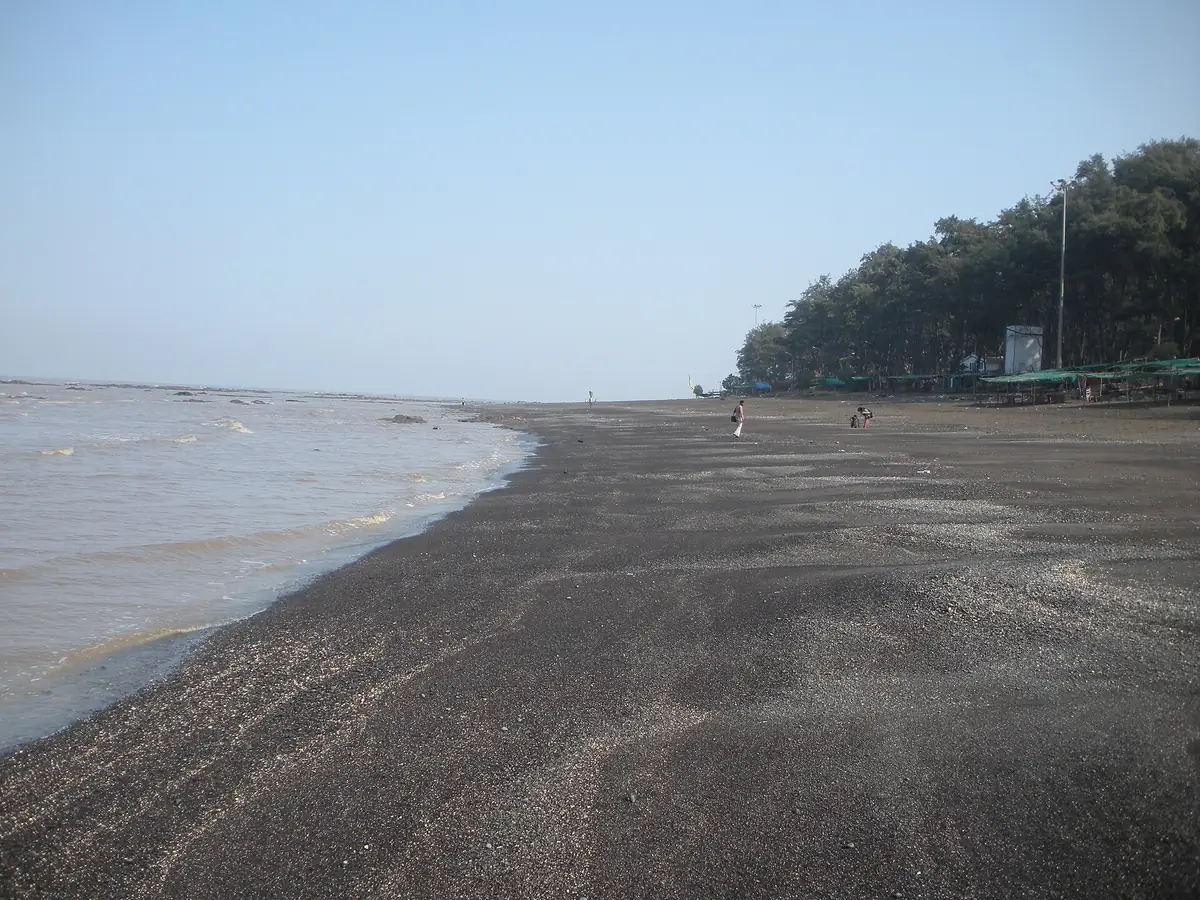
On the south bank of the Daman Ganga, Moti Daman is the older, quieter, and historically richer half of town — a walled quarter still ringed by its original bastioned fortifications, with narrow lanes lined by colonial-era churches, administrative buildings and faded Portuguese townhouses.
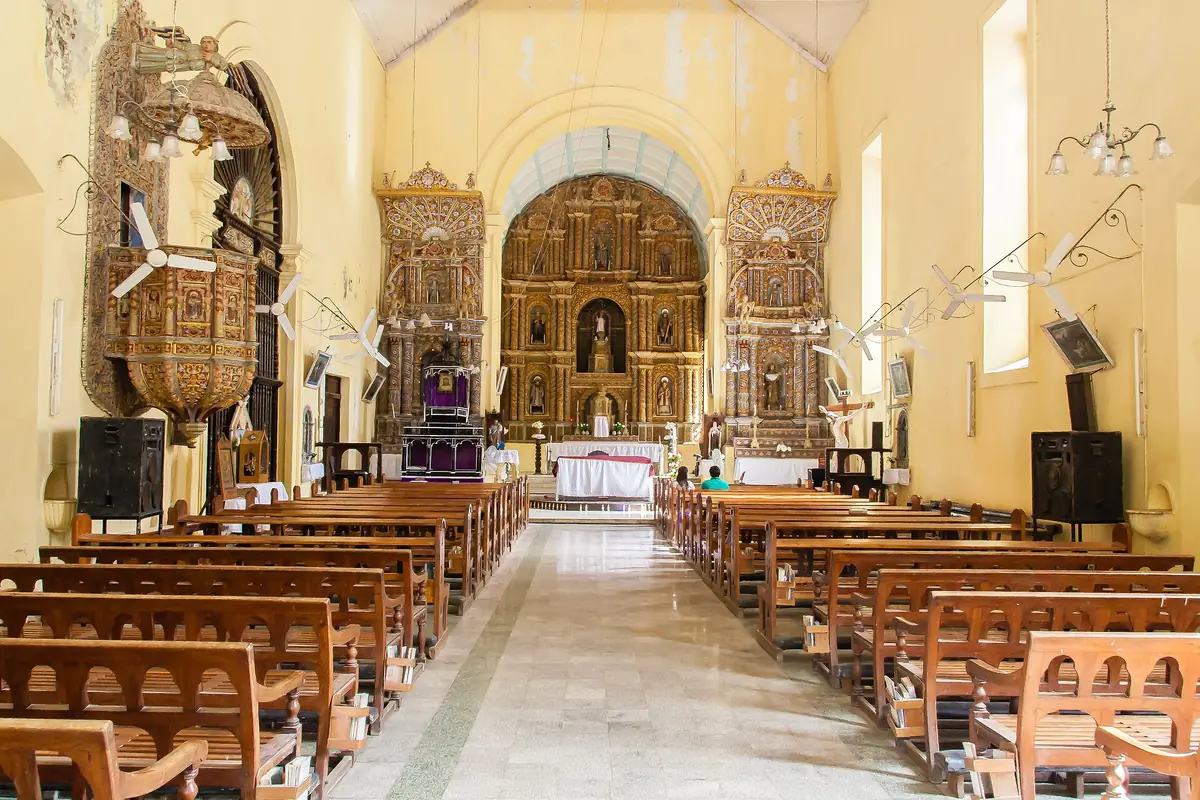
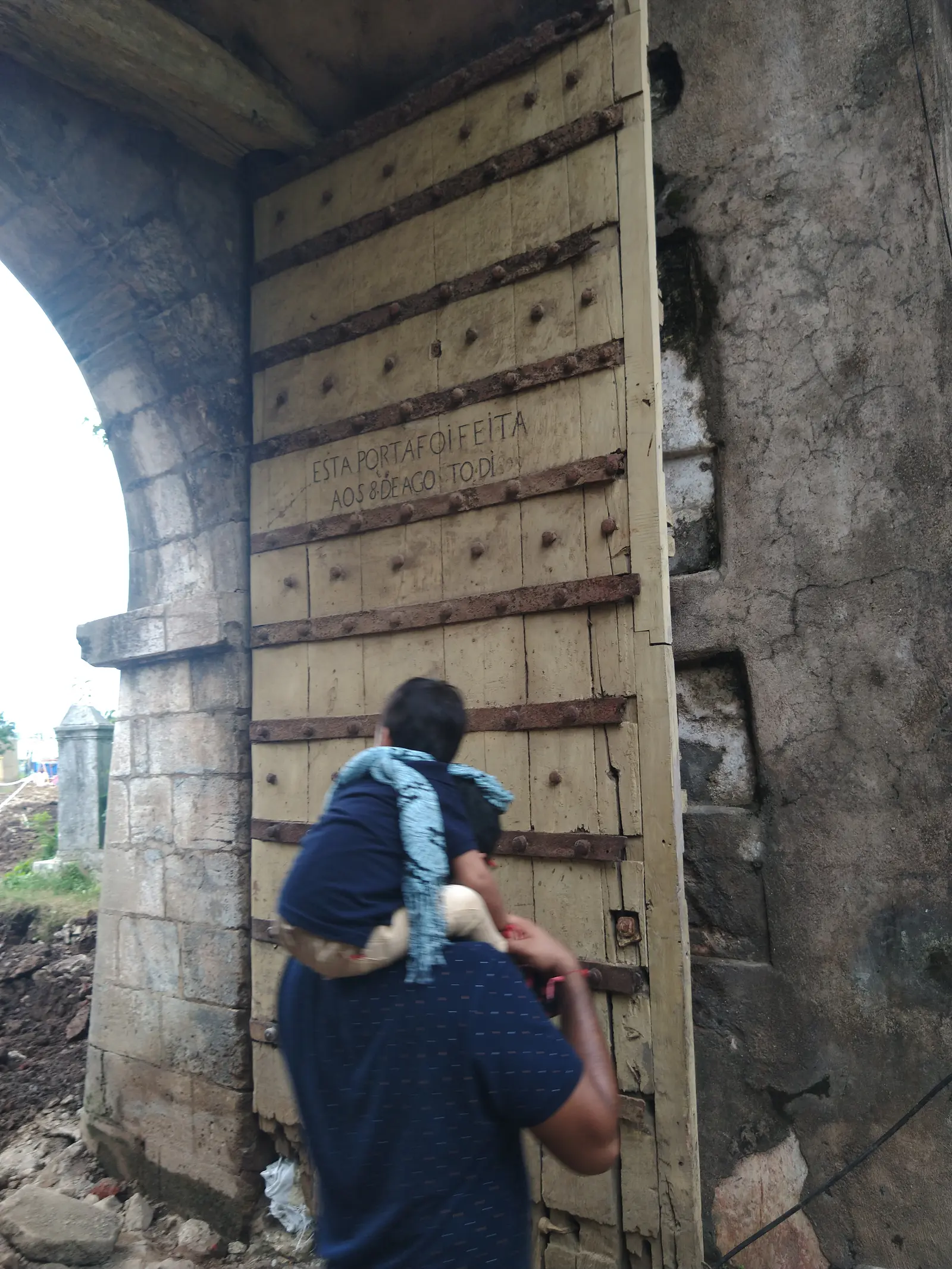
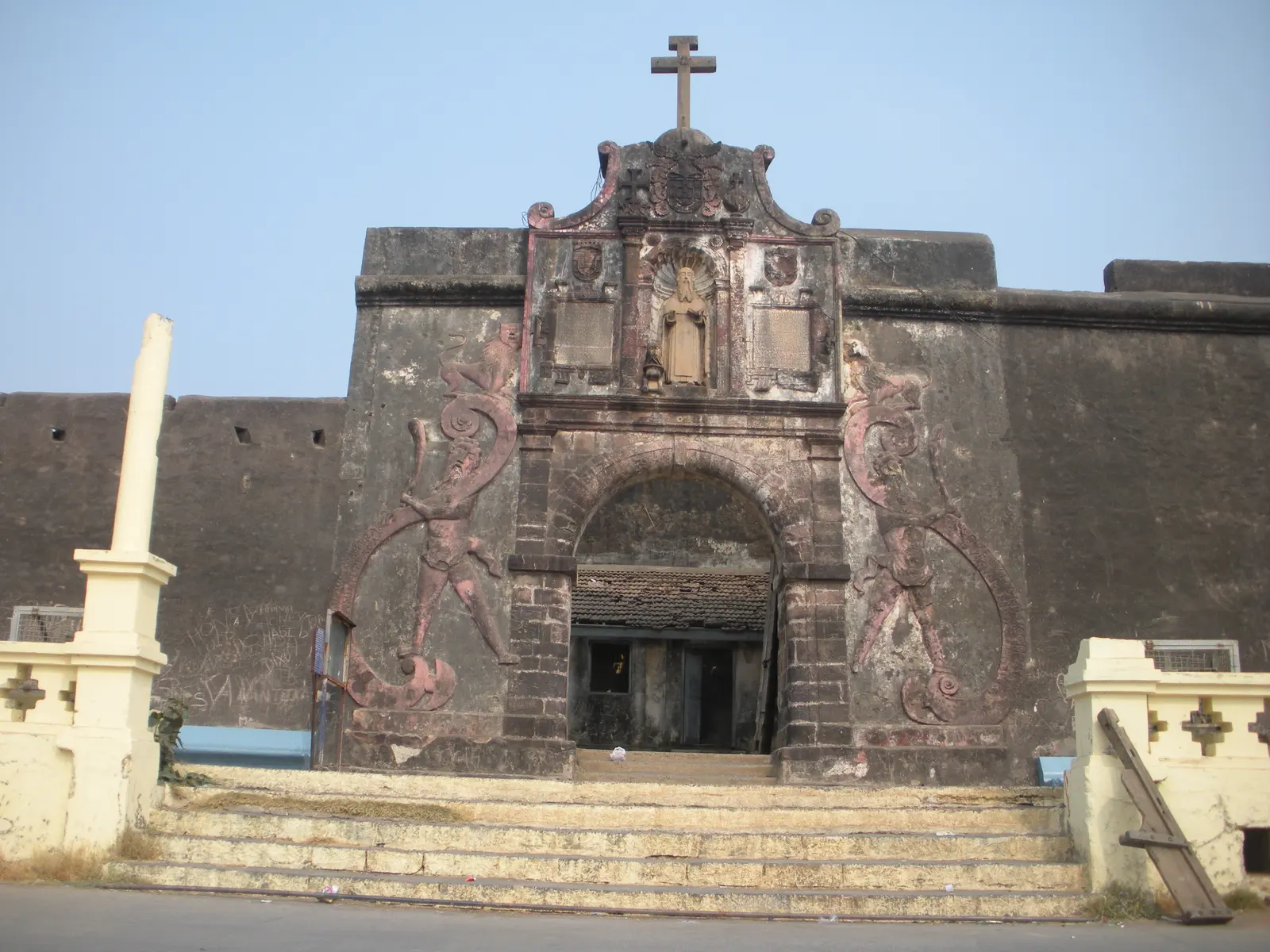
Its centrepiece is Moti Daman Fort, a large Portuguese fort built between 1559 and 1581, with ten bastions that once guarded the harbour entrance — still one of the best-preserved Portuguese forts on India's west coast outside Goa. We've covered the fort in full detail, including its bastions, the Bom Jesus Cathedral inside its walls, and the best times to visit, in our dedicated Moti Daman Fort guide.
Beyond the fort, Moti Daman rewards unhurried wandering — quiet, largely traffic-free streets, government buildings still occupying restored Portuguese-era structures, and a genuine sense of stepping back several centuries. Our full Moti Daman travel guide covers the quarter's churches, streets and photo spots in depth.
Nani Daman: Markets, Harbour & Everyday Life
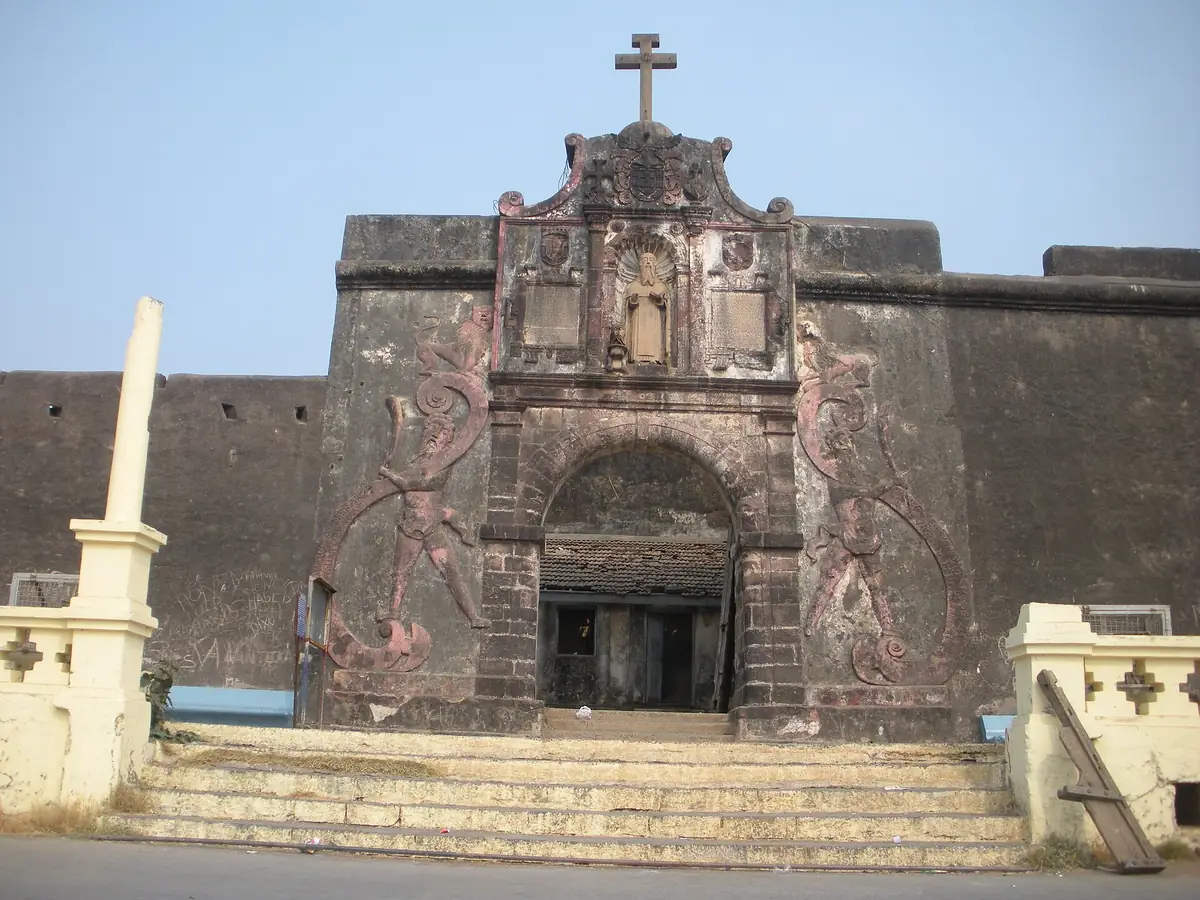
Across the river on the north bank, Nani Daman is where most of the town's day-to-day life actually happens — a busier, more commercial quarter built around its working fishing harbour, local markets, and most of Daman's hotels, eateries and liquor shops.
Its own fortification, the Fort of St. Francis Xavier, is smaller and less dramatic than its counterpart across the river but worth a stop, and the harbour area offers a genuine, unpolished look at the fishing-boat traffic that still drives much of the local economy. The full character of this side of town — markets, harbour walks, and where the fishing community lives and works — is covered in our Nani Daman travel guide.
Devka & Jampore Beaches
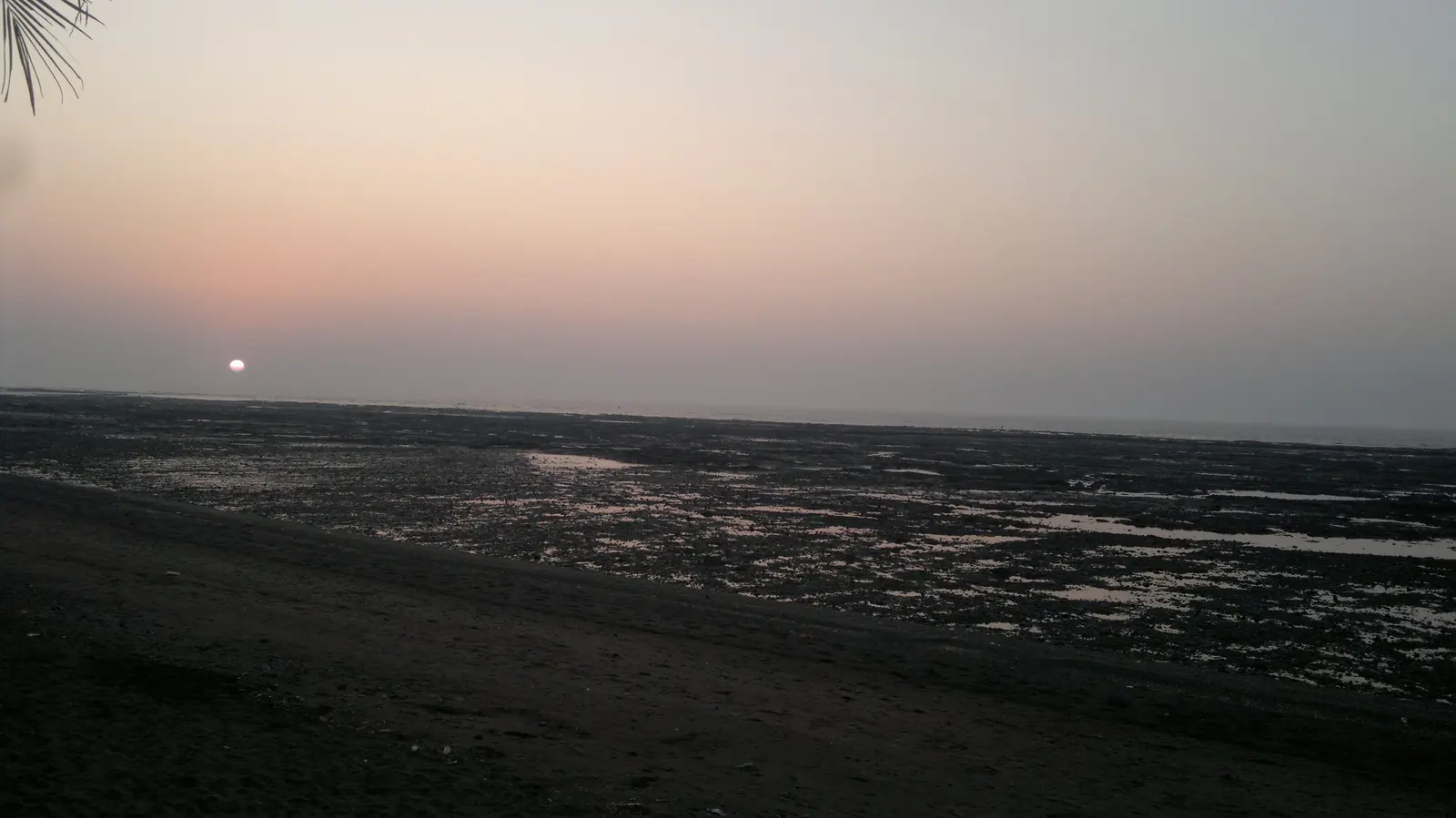
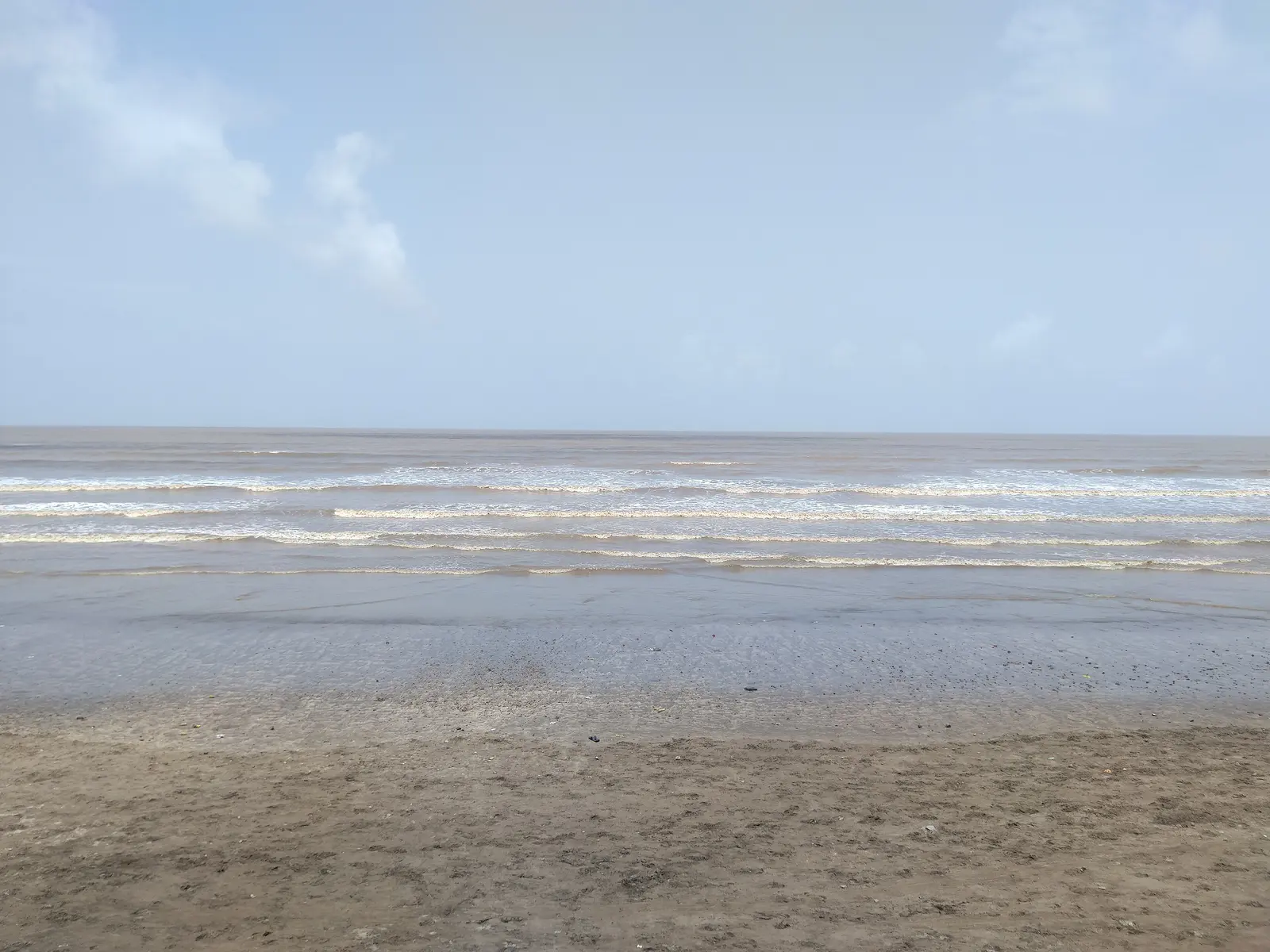
Daman's beaches don't compete with Goa's on sand quality or clear water — expect a greyish shoreline and modest waves — but they make up for it with genuine quiet and, at Devka in particular, a proper evening promenade atmosphere.
- Devka Beach: The more developed of the two, with a landscaped promenade, a small garden, food stalls, and toy-train and camel rides that make it popular with families in the evening. Full details in our Devka Beach guide.
- Jampore Beach: Longer, quieter, and lined with casuarina trees — better suited to a peaceful walk or a picnic than a swim, and noticeably less crowded than Devka even on weekends. Covered fully in our Jampore Beach guide.
Between the two, Devka works better for an evening out with food stalls and some activity, while Jampore is the pick for an early-morning or sunset walk away from the crowds.
Vanganga Lake Garden
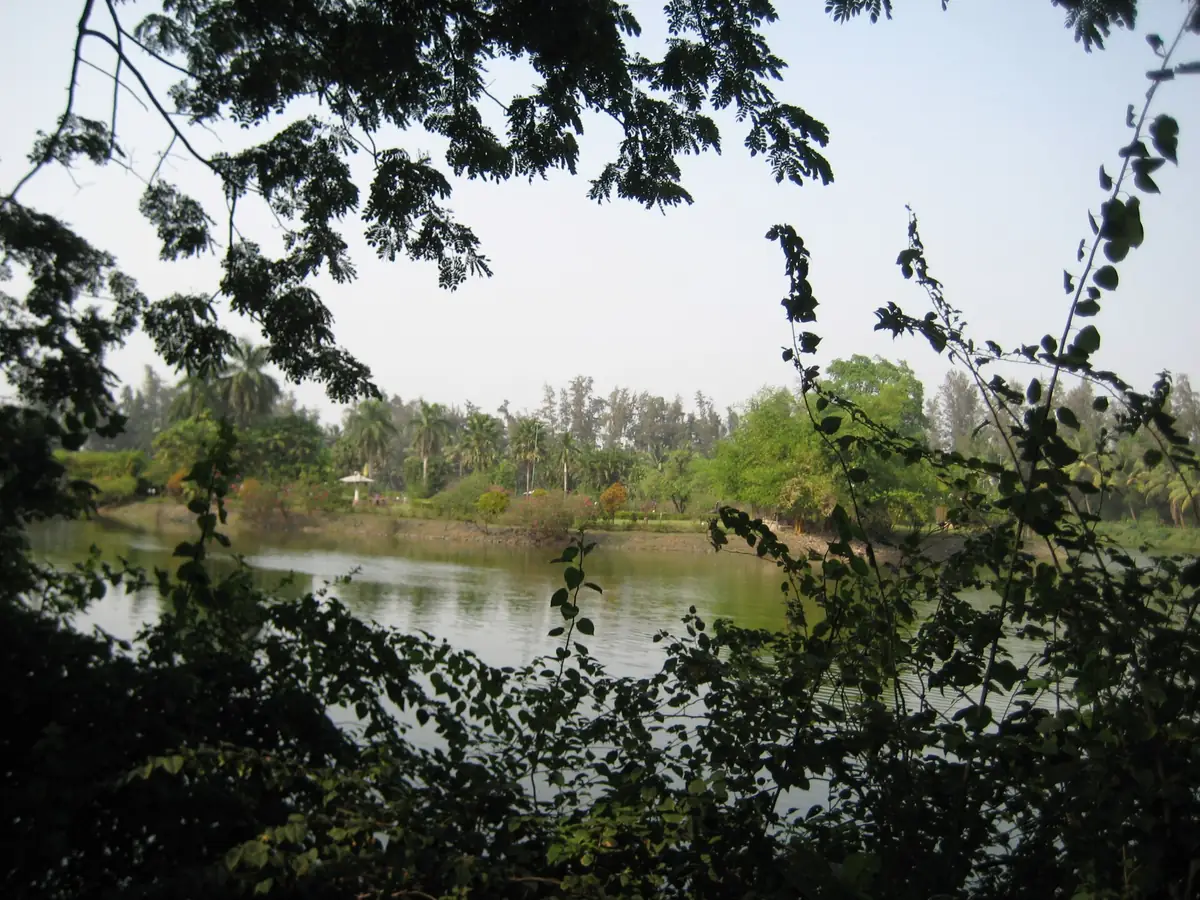
A landscaped garden built around a large artificial lake, Vanganga Lake Garden is Daman's most popular family-friendly attraction away from the coastline — paddle boats, a musical fountain, and shaded walking paths around the water make it a relaxed way to spend a couple of hours, especially with kids in tow. Our dedicated Vanganga Lake Garden guide covers timings, boating costs, and the best time of day to visit.
Duty-Free Shopping
The single biggest driver of weekend traffic into Daman is simple: unlike mainland Gujarat, which enforces prohibition, Daman is a Union Territory where alcohol is legally sold, and at noticeably lower, duty-free-style prices compared to most other states. Liquor shops are concentrated mainly in Nani Daman and along the main roads into town, and weekends see a steady flow of visitors from Gujarat and Maharashtra specifically for this reason.
It's worth treating this as one practical facet of a trip rather than the whole point of one — Daman's forts, beaches and old quarters are genuinely worth visiting on their own merits. If duty-free shopping is part of your plan, keep a few things in mind:
- Carry limits apply: There are quantity restrictions on how much alcohol you can legally carry out of Daman into neighbouring states — check current limits before stocking up, since these change from time to time.
- Shops are concentrated in Nani Daman: Most licensed stores sit along the main roads on the north bank, close to where most visitors are staying anyway.
- Weekends get busy: Expect queues and heavier traffic on Saturday and Sunday, particularly around evenings.
Fishing-Community Culture & Seafood
Beneath the weekend-trip reputation, Daman is still, at its core, a working fishing town. Nani Daman's harbour is genuinely active — brightly painted boats returning with the day's catch, nets drying along the waterfront, and a fish market that runs on its own early-morning rhythm largely untouched by tourism.
That fishing economy shows up most directly on the plate: Daman's seafood is fresh, affordable, and prepared with a distinct coastal-Gujarati style — expect pomfret, prawns, surmai (kingfish) and squid at local eateries, often simply grilled or fried rather than heavily sauced. Spending an early morning at the Nani Daman harbour, before the boats have fully unloaded, is one of the more genuine, unscripted experiences the town has to offer.
2-Day Daman Itinerary
Daman's compact size makes a focused two-day trip comfortable without feeling rushed — one day for the heritage side, one for beaches and gardens.
Moti Daman & Nani Daman
- ✓Morning: Arrive, check in, breakfast in Nani Daman
- ✓Late morning: Explore Moti Daman Fort and the old quarter
- ✓Afternoon: Cross the river to Nani Daman's harbour and markets
- ✓Evening: Duty-free shopping, dinner at a Nani Daman seafood eatery
Beaches & Vanganga Lake Garden
- ✓Morning: Quiet walk at Jampore Beach
- ✓Midday: Paddle boating and a slow stroll at Vanganga Lake Garden
- ✓Evening: Sunset and food stalls at Devka Beach
- ✓Night/next morning: Departure via Vapi or by road
* On a tight day trip from Mumbai or Surat, prioritise Moti Daman Fort in the morning and Devka Beach in the evening — the single strongest combination if you only have a few hours.
Where to Stay
Most accommodation clusters around Nani Daman and along the Devka Beach road, within easy reach of both the fort quarter and the beaches — book ahead for weekends and the December–January peak.
- → Guesthouses in Nani Daman
- → Budget lodges near the bus stand
- → Simple stays close to Jampore Beach
- → Hotels along the Devka Beach road
- → Business hotels in central Nani Daman
- → Beach-facing mid-range properties
- → Radisson Blu Resort, Daman
- → Premium resort properties near Devka
- → Larger full-service hotels, central Daman
Staying near Devka Beach gives you easy evening access to the promenade and food stalls, while a Nani Daman base puts you closer to the harbour, markets and duty-free shops — pick based on which you'll use more.
What to Eat in Daman
Daman's food scene blends fresh coastal seafood with Gujarati vegetarian staples, plus a few lingering Portuguese-influenced touches.
- Fresh seafood in Nani Daman: Pomfret, prawns, surmai and squid at harbour-adjacent eateries — simply grilled or fried in a coastal-Gujarati style.
- Gujarati thalis: Widely available across Daman, reflecting the town's geographic and cultural overlap with Gujarat.
- Beachside snacks at Devka: Bhel, pav-bhaji-style stalls and quick bites along the promenade, best enjoyed at sunset.
- Duty-free beer with seafood: A popular pairing specific to Daman's status as a legal-alcohol zone — affordable drinks alongside fresh local catch, uncommon across most of neighbouring Gujarat.
Budget Breakdown (per day)
| Expense | Budget | Mid-Range | Luxury |
|---|---|---|---|
| Accommodation/night | ₹1,200 | ₹3,500 | ₹8,500 |
| Food/day | ₹400 | ₹1,000 | ₹2,200 |
| Local transport/day | ₹250 | ₹500 | ₹1,200 |
| Activities/entry fees | ₹150 | ₹400 | ₹1,000 |
| Daily total | ₹2,000 | ₹5,400 | ₹12,900 |
| 2-Day trip total | ₹4,000 | ₹10,800 | ₹25,800 |
* Excludes travel to Daman and alcohol purchases, which vary widely. Costs are notably lower than comparable coastal destinations like Goa.
Essential Travel Tips
- Don't confuse Daman with Diu: They're 750 km apart despite sharing a Union Territory — plan for one trip or the other, not both in a short window.
- Book ahead for weekends: Daman sees a steady surge of Gujarati and Mumbai weekend travellers, many specifically for duty-free shopping.
- Carry cash for small vendors: Card acceptance thins out quickly outside the main hotels and larger shops.
- Base yourself near Nani Daman or Devka: Both give easy access to the fort quarter, beaches, and markets without long commutes.
- Avoid midday fort visits in summer: Moti Daman's ramparts offer little shade — go early morning or just before sunset.
- Respect duty-free carry limits: Check current quantity restrictions before carrying alcohol out of Daman into neighbouring states.
✅ Do
- →Walk the ramparts of Moti Daman Fort
- →Visit the Nani Daman harbour early in the morning
- →Book stays ahead for weekends and December–January
- →Carry cash for small vendors and markets
- →Try fresh seafood at a Nani Daman eatery
- →Watch sunset from the Devka Beach promenade
❌ Don't
- →Try to combine Daman and Diu in one short trip
- →Visit the fort ramparts at midday in peak summer
- →Exceed duty-free alcohol carry limits
- →Expect Goa-level nightlife or resort density
- →Rely on cards outside main hotels and markets
- →Skip booking ahead during the December–January peak
Frequently Asked Questions
How many days are enough for Daman?
Two days is the sweet spot for a Daman trip — a full day to cover Moti Daman Fort, Nani Daman's old quarter and the harbour, and a second day for Devka Beach, Jampore Beach and Vanganga Lake Garden at a relaxed pace. A single day works fine as a Mumbai/Surat/Vapi day trip if you're prioritising the fort and one beach rather than everything.
Is alcohol legal in Daman?
Yes. Daman is a Union Territory and, unlike mainland Gujarat where prohibition applies, alcohol is legally sold here — a major reason it draws so many weekend visitors from Gujarat and neighbouring Maharashtra. Shops sell at duty-free-style prices, though quantity limits apply if you're carrying bottles back across the border into a dry state, so it's worth checking current limits before stocking up.
What is the distance between Vapi and Daman?
Vapi, the nearest major railway station on the Mumbai–Ahmedabad main line, is roughly 12 km from Daman — about a 20–30 minute auto or taxi ride depending on traffic and which part of Daman you're headed to (Nani Daman is closer to Vapi than Moti Daman).
Is Daman a good weekend getaway from Mumbai?
Yes, and it's one of the more popular short weekend options for Mumbai travellers — roughly 3 hours by road via NH48, or a train to Vapi followed by a short local ride. It's not a beach destination on the scale of Goa, but the combination of Portuguese forts, quiet beaches and legal, affordable alcohol makes it a genuinely worthwhile 2-day escape.
What is the difference between Moti Daman and Nani Daman?
The Daman Ganga river splits the town in two. Moti Daman ('Big Daman'), on the south bank, is the historic walled quarter with Moti Daman Fort, old government buildings and colonial-era churches. Nani Daman ('Small Daman'), on the north bank, is the livelier, more commercial side, home to the fishing harbour, the smaller Fort of St. Jerome, and most of the everyday markets and eateries.
Was Daman a Portuguese colony?
Yes. Daman was under Portuguese rule for over 400 years, from the mid-16th century until 1961, when it was annexed by India along with Goa and Diu in Operation Vijay. That long colonial history is still visible in its forts, churches and street layout, particularly in Moti Daman.
Can Daman be combined with Diu in one trip?
Not comfortably in a short trip — despite sharing a Union Territory, Daman and Diu are roughly 750 km apart on opposite ends of the Gujarat coastline, with no direct fast connection between them. Treat Daman and Diu as two separate trips rather than one combined itinerary unless you have 5+ days and enjoy long coastal road journeys.
Published by the Kudozz Club editorial team · Last updated · How we research our guides
Want us to plan this trip for you?
Tell Kudozz Club where you want to go and what kind of trip you’re looking for. We’ll build a Daman and Dadra and Nagar Haveli and Daman and Diu itinerary around your dates and budget.
Continue Exploring
View all guides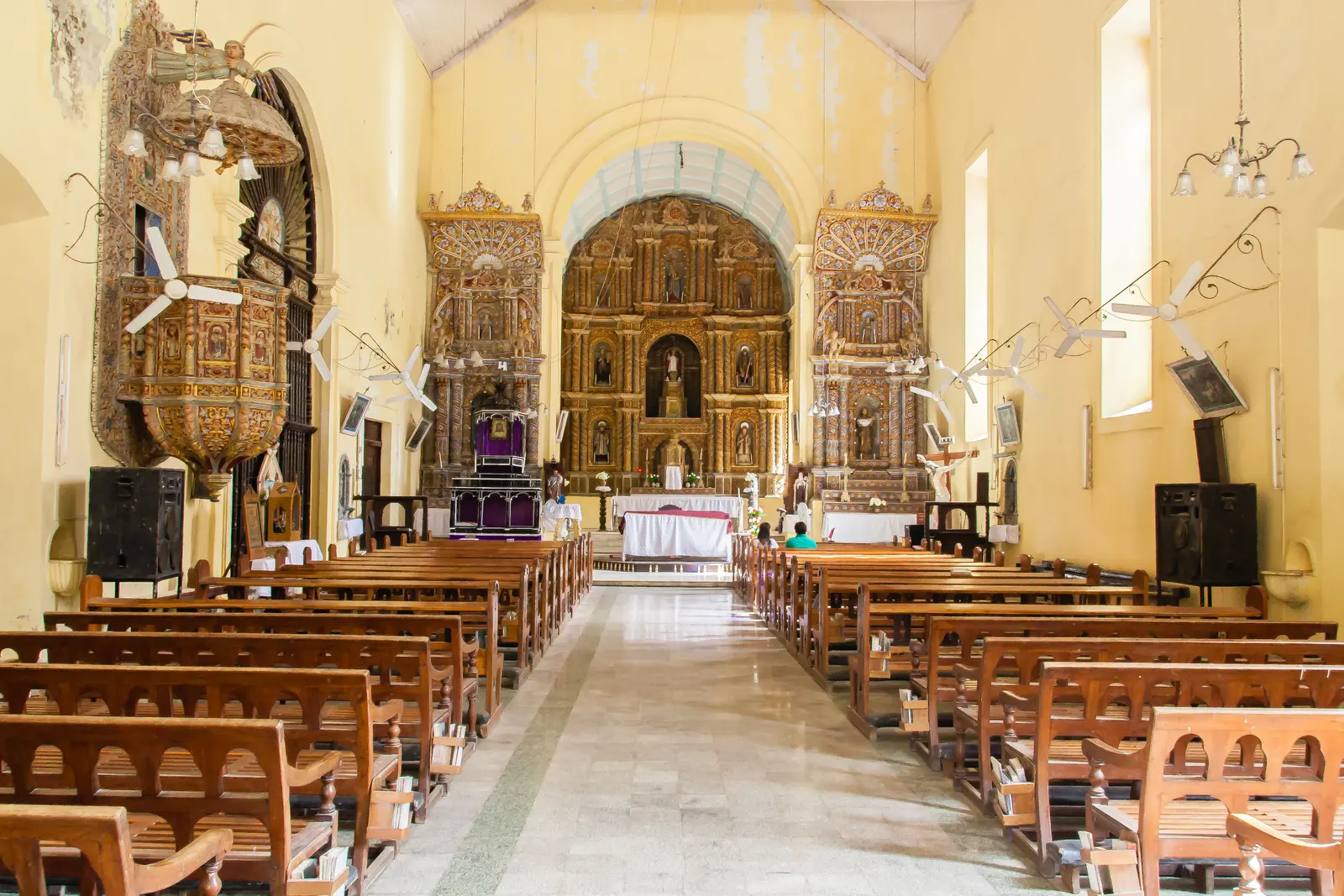 Heritage
Moti Daman Travel Guide: Old Town, Churches & Fort
Massive fort walls, a gilded church altar, and the quiet lanes of old Portuguese administration — inside Moti Daman, the grander, southern half of Daman's historic riverside old town.
 Heritage
Moti Daman Fort: History and Visiting Guide, Bastion by Bastion
A 16th-century Portuguese fortress so large it doesn't just guard a town — it contains one. Ten bastions, a gilded church, old cannons, and a district collectorate, all inside the same set of walls.
 Heritage
Nani Daman Travel Guide: St. Jerome Fort, Jetty & Harbour
The northern quarter of Daman town, facing Moti Daman across the river: the compact Fort of St. Jerome, its church and a busy working fishing harbour.
 Beaches
Jampore Beach Daman: Camel Rides, Timings & Tips
A long, quiet, casuarina-lined beach south of Moti Daman — camel and pony rides, sunset walks, and honest advice on swimming conditions.