Diu Fort: A 500-Year Sentinel Over the Arabian Sea
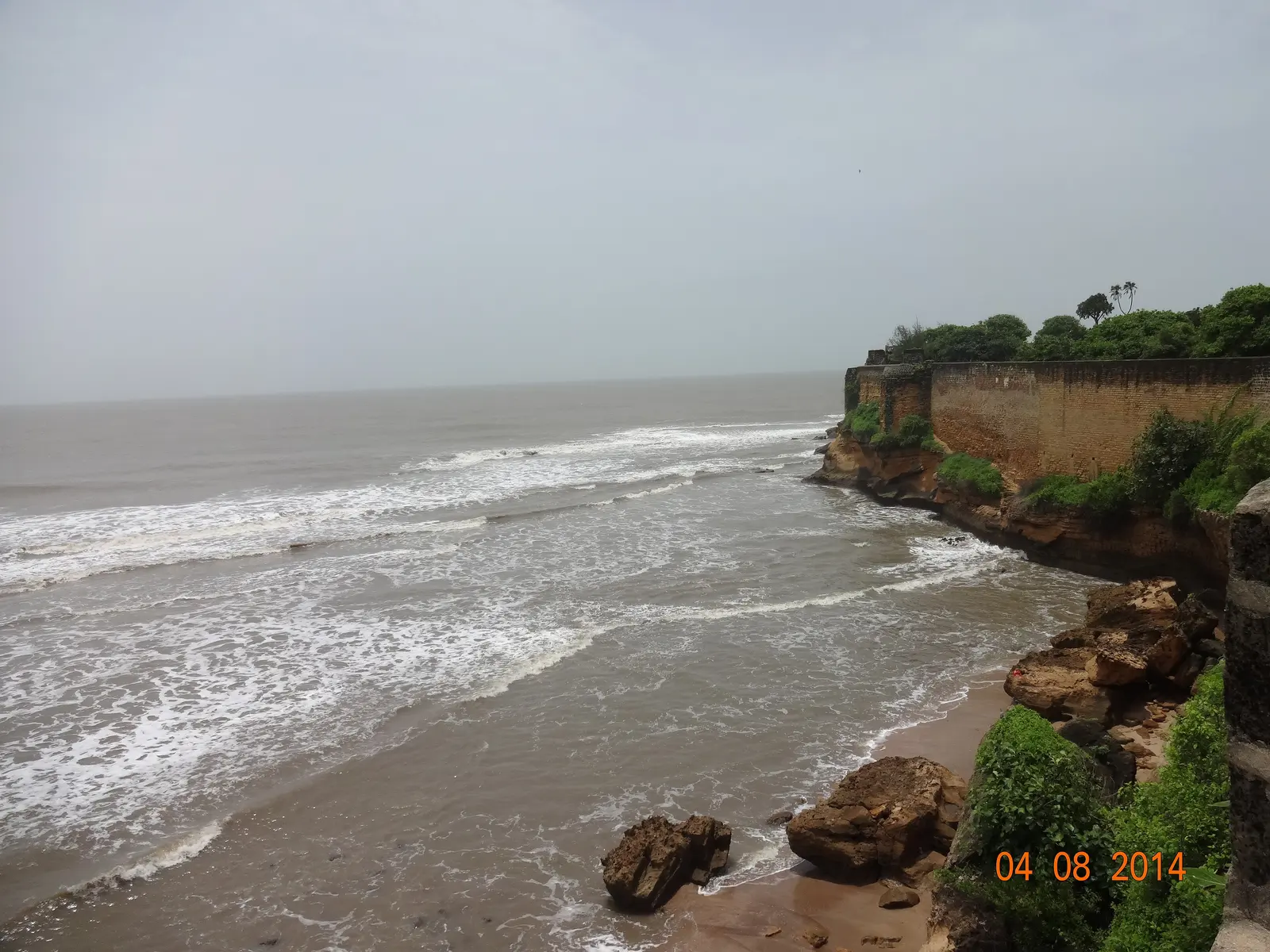
Diu Fort is the single most iconic landmark in Dadra & Nagar Haveli and Daman & Diu — a sprawling, weathered sea fort built by the Portuguese starting in 1535 on a rocky promontory at the eastern end of Diu town, and steadily expanded through the 1540s to 1570s as Portuguese control over the western Indian coastline grew more contested by rival European powers and regional sultanates. Few colonial-era sea forts in India survive in this kind of condition — original cannons still sit in their embrasures, the double-moat defences are largely intact, and the old lighthouse still stands watch over the Arabian Sea.
Where our Diu town guide covers the fort only in passing alongside Nagoa Beach, the old town, and the rest of the island, this guide goes deep on the fort itself — its history, its layout, exactly what to look for inside, when to go, what it costs, and how to plan your visit around one of the best sunset spots on India's west coast.
Diu passed from local Gujarat Sultanate control to the Portuguese by treaty in 1535, and the fort was raised almost immediately after — a direct response to the very real threat of an Ottoman-backed siege that came just a few years later, in 1546. It held through that siege and several subsequent ones, and remained the administrative and military heart of Portuguese Diu for nearly 450 years, right up until Portuguese rule in India ended in 1961 — longer than almost anywhere else the Portuguese held on the subcontinent.
🏰 Diu Fort at a Glance
Interested in the history? See our guide to colonial-era heritage in India.
Best Time to Visit Diu Fort
Diu Fort has almost no shade across its courtyards and ramparts, which makes the time of day and season matter more here than at most monuments.
Cool, dry weather (18–30°C) makes walking the exposed ramparts genuinely pleasant, even at midday. The best window for a leisurely visit and clear-sky photography.
Stone surfaces and open ramparts get punishingly hot by midday. Stick to early morning or the two hours before closing.
Rain and sea spray make the moat dramatic and the fort near-empty of tourists, but the old stone underfoot gets slick — watch your footing.
Regardless of season, the last 90 minutes before closing brings the softest light and the fort's best sunset views over the Arabian Sea.
Our pick: Arrive about 90 minutes before closing, any time from November to February. You get cooler stone underfoot, softer light for photos, and a front-row seat for sunset from the ramparts.
How to Reach Diu Fort
Diu Fort sits right at the eastern edge of Diu town's old quarter, and reaching it is the easiest part of the whole trip — nothing on the island requires long-distance transport once you've arrived.
- On foot: If you're staying anywhere in Diu's old town or near the bus stand, the fort is a 10–15 minute walk — the most common way locals and visitors alike get there.
- By auto-rickshaw or taxi: From Diu Airport (roughly 3–4 km away) or from beaches like Nagoa Beach (about 8 km), an auto or taxi is a quick, inexpensive ride.
- By rented moped or bicycle: Diu island is small enough that renting a moped for the day is the most popular way to combine the fort with other sights like the old town, Naida Caves, and Gangeshwar Temple.
Layout & Architecture
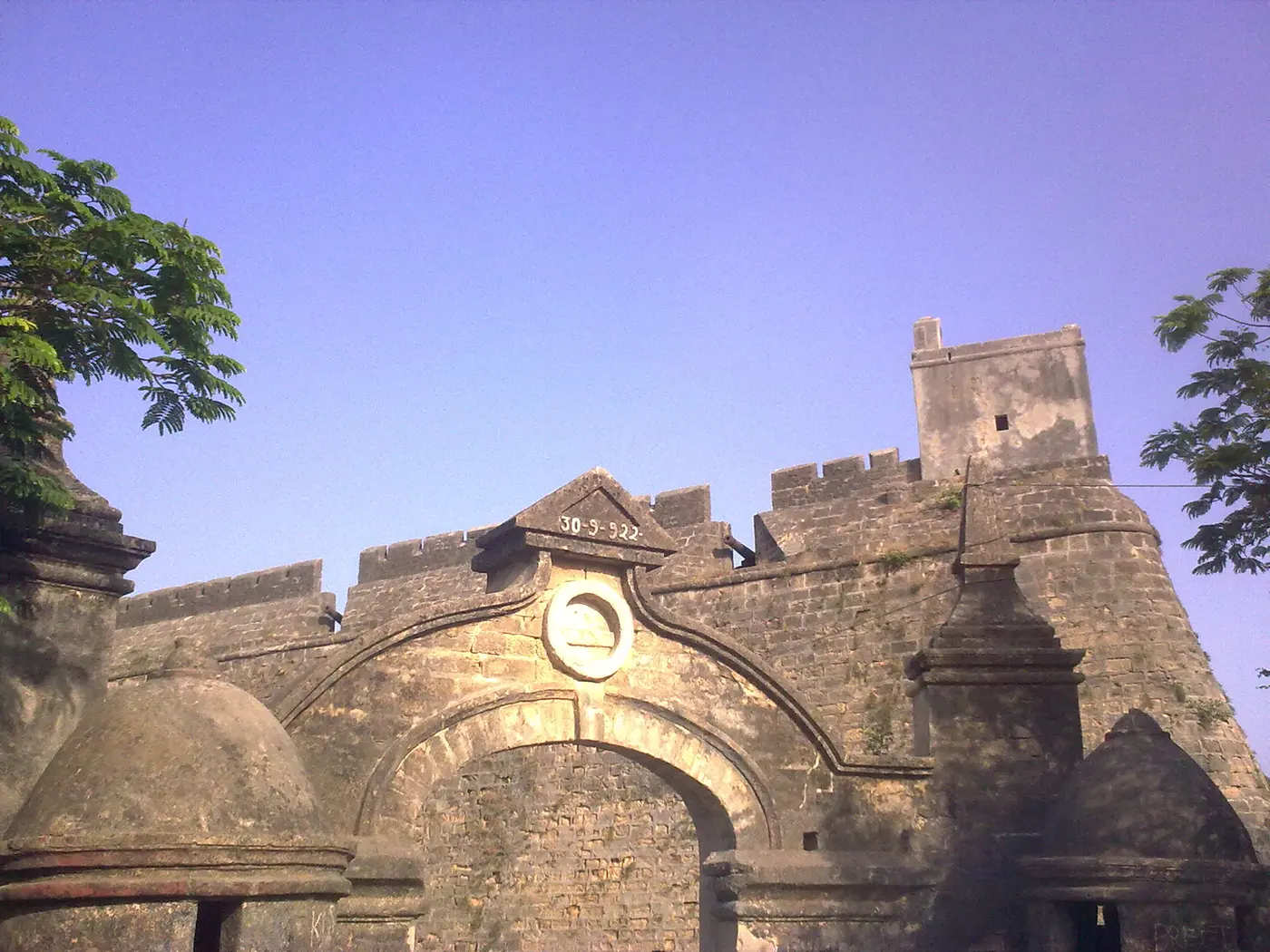
What makes Diu Fort remarkable isn't just its age but how much of its original defensive design survives intact. The Portuguese built it on a rocky spit of land jutting into the Arabian Sea, using the sea itself as a natural defence on three sides and layering additional fortifications on the fourth, landward side.
- The double-moat system: The fort's defining feature is its two-moat design — an outer moat filled directly with seawater, connected to the ocean, and an inner dry moat behind it. An attacking force would have had to cross both under fire from the walls above, a serious deterrent that helped the fort survive multiple sieges.
- Bastions and ramparts: Thick stone walls run in an irregular polygon around the complex, punctuated by projecting bastions that gave defenders overlapping fields of fire along every wall — standard European fort design of the period, adapted to the rocky coastal site.
- Cannons: Genuine Portuguese-era cannons remain mounted in several of the fort's embrasures, still angled out toward the sea approach — one of the more striking details for anyone interested in colonial military history, and rare to see this well preserved in India.
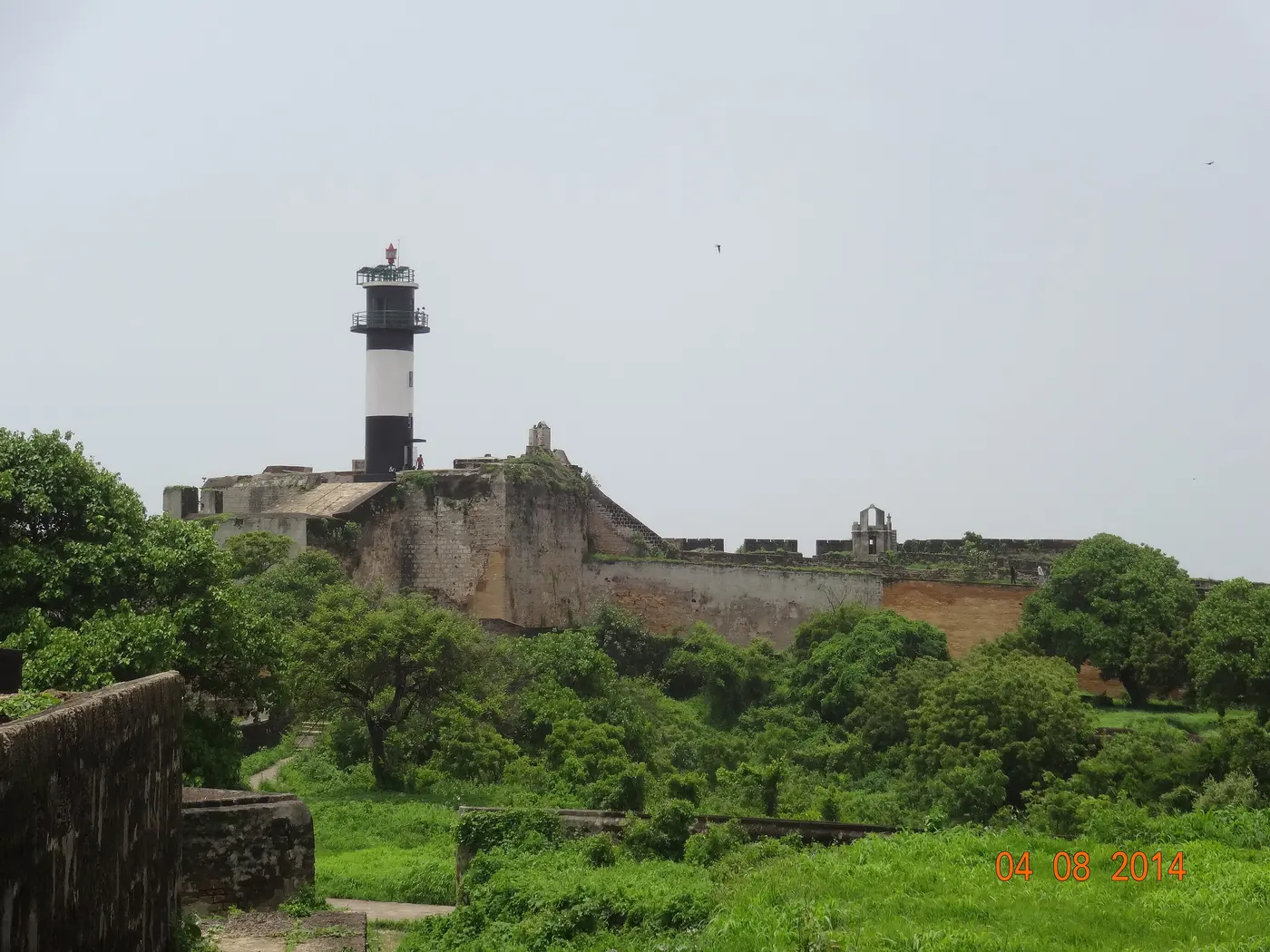
- The old lighthouse: A lighthouse stands within the fort complex, added later than the original 16th-century structure, and remains one of the best vantage points on the island — when open, the climb up offers a sweeping view over the fort's walls, the moat, and the open sea.
- A chapel within the walls: A small chapel sits inside the fort complex, a reminder that Portuguese forts of this era were never purely military — garrison life revolved around both defence and faith, and this chapel is one of the more intact surviving structures inside.
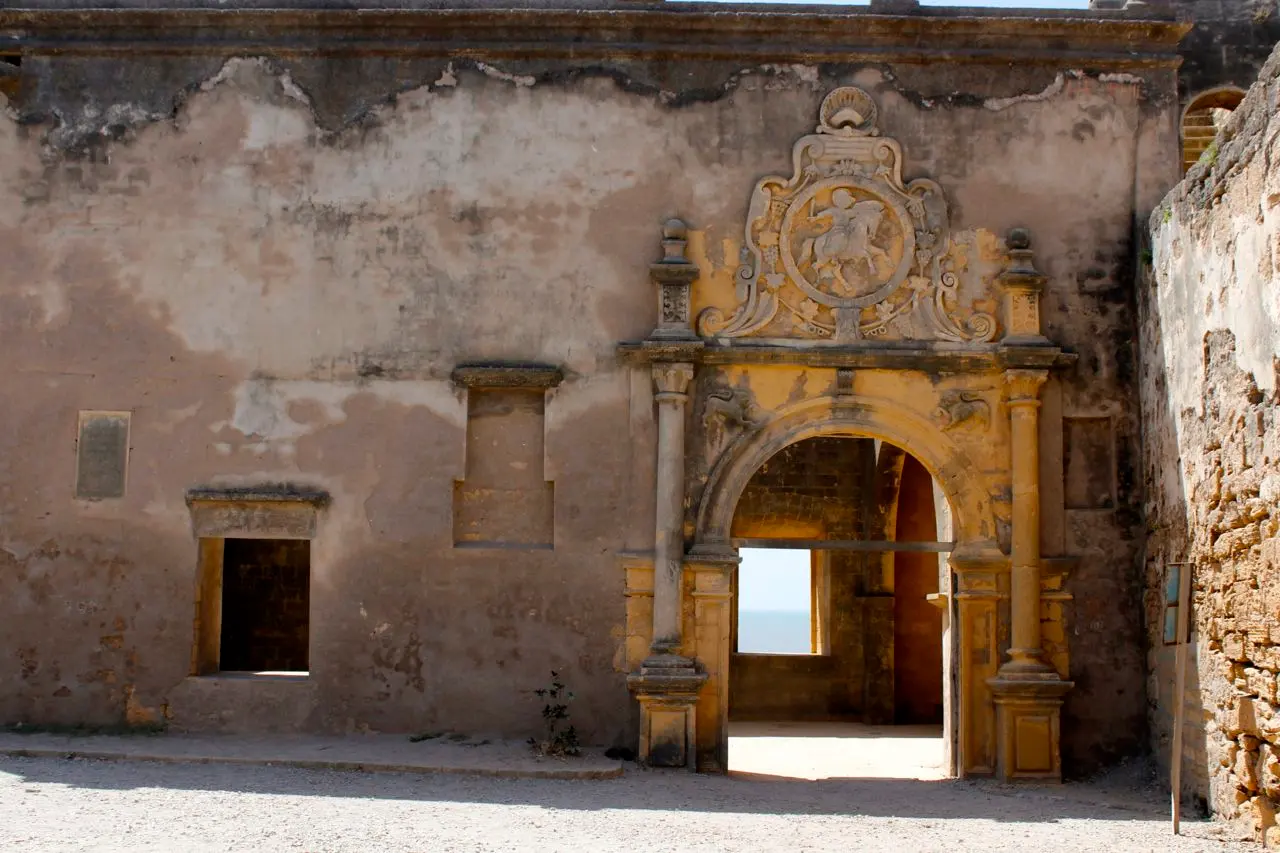
- The main gate and courtyards: A fortified entrance, once reachable only by a drawbridge over the moat, opens into a series of open courtyards and roofless structures — much of the fort's interior is now weathered ruin rather than furnished rooms, which is part of its raw, atmospheric appeal.
The Sea-Facing Ramparts & Sunset Views
Walking the outer ramparts is the single best reason to visit Diu Fort, and it's not a formality — the walls sit right at the edge of open water, with waves breaking against the rocks directly below in places. There's nothing between you and the horizon but the old stone parapet and, occasionally, a cannon barrel.
The fort genuinely earns its reputation as one of Diu's best sunset spots. As the light drops, the sea turns gold and amber, the weathered stone of the bastions warms in colour, and the silhouettes of the old cannons and lighthouse make for some of the most photogenic minutes the island has to offer. Because the fort has real elevation in places — particularly near the lighthouse and the taller bastions — you get a genuinely wide, unobstructed sea view rather than a narrow slice of coastline.
Time your visit so you're on the seaward ramparts, not still walking in through the gate, when the sun is about 30–40 minutes from setting — that's when the light and the crowd thin out together.
The Old Jail & Prison Cells
Tucked within the fort complex is a section of old prison cells, used during the Portuguese colonial period and, notably, continuing to serve a custodial function even after 1961 for a period, before eventually being decommissioned. It's a smaller, quieter part of the complex than the ramparts, but a genuinely evocative one — bare cells, thick walls, and small barred openings that make the fort's dual identity as both a military stronghold and a place of confinement easy to picture.
It's not a large or elaborately presented section, and there's minimal signage, so don't expect a museum-style experience — but it's worth the short detour if you're interested in the fort's fuller history rather than just its photogenic ramparts.
Photography Tips
- Golden hour on the ramparts: The last hour before closing gives the best light for both wide sea shots and close-ups of the weathered cannons and stonework.
- Shoot from the lighthouse level: If it's open, the elevated vantage point gives you a genuinely different composition — the moat, bastions, and coastline laid out together in one frame.
- Use the moat as foreground: The seawater-filled outer moat, with the fort walls rising behind it, makes for one of the most distinctive shots on the island — arrive at high tide for the most dramatic water level.
- Watch your footing while composing shots: Uneven, sometimes crumbling stone surfaces mean it's worth glancing down as often as you look through the viewfinder, especially near unguarded rampart edges.
- Midday light is harsh — plan around it: Between roughly 11 AM and 3 PM the light flattens everything out; if you can only visit at midday, prioritise the shaded interior sections and the jail over the open ramparts.
Entry Timings & Tickets
Diu Fort is generally open daily from around 8:30 AM to 6:30 PM, though exact hours can shift slightly with the season and are worth confirming locally, especially if you're planning a sunset visit right up against closing time.
As a state-protected heritage monument, entry is charged at a nominal rate — typically somewhere in the ₹15–₹50 range for Indian nationals, with a modest additional charge for climbing the lighthouse where applicable, and a somewhat higher (but still inexpensive) rate for foreign nationals. These figures are broadly representative of ASI and state-monument pricing rather than an exact, currently verified number — ticket rates are revised periodically, so treat the counter price as final.
Suggested Visit Plan (1–1.5 Hours)
The fort is compact enough to see properly without a rigid schedule, but this rough sequence covers everything worth seeing without backtracking too much.
Main Gate & Outer Moat
- ✓Cross the old drawbridge approach over the moat
- ✓Take in the seawater-filled outer moat and walls
- ✓Enter through the fortified main gate
Courtyards, Chapel & Cannons
- ✓Explore the open courtyards and ruined interior structures
- ✓Visit the small chapel inside the complex
- ✓Look for the original Portuguese cannons in the embrasures
The Old Jail
- ✓Short detour to the old prison cells
- ✓Take in the contrast with the fort's military sections
Ramparts, Lighthouse & Sunset
- ✓Walk the sea-facing ramparts
- ✓Climb the lighthouse if open, for the best overview
- ✓Time your last 20–30 minutes for sunset light
* History enthusiasts and photographers can comfortably stretch this to 2 hours; if you're pairing the fort with a full day of island sightseeing, 1 hour covers the essentials.
Nearby Sights
The fort's location at the edge of Diu's old town means a handful of the island's other highlights are within easy reach, making it simple to combine with the rest of your day.
- Panikotha (Sea Fort): A second, smaller Portuguese fortification visible offshore from Diu Fort's ramparts, built on a small island in the water as an additional line of coastal defence. It's not generally open for regular public access, but seeing it from the ramparts — a fort looking out at another fort — is one of the more memorable sightlines Diu Fort offers.
- St. Paul's Church: A striking Portuguese Baroque church a short walk into the old town, known for its ornately carved wooden facade — one of the best-preserved colonial churches on the island and an easy pairing with a fort visit.
- Diu old town: Narrow lanes lined with pastel Portuguese-era houses sit just beyond the fort's landward approach, worth a wander either before or after your visit.
- Gangeshwar Temple: A cluster of Shivlings sitting directly on the rocks where waves crash over them, a short drive from the fort and a genuinely unusual sight worth the detour.
- Nagoa Beach: If you want to follow up a morning at the fort with an afternoon swim, Nagoa is Diu's best beach and about 20 minutes away by moped or auto.
Budget Breakdown (Diu Fort Visit)
| Expense | Budget | Mid-Range | Luxury |
|---|---|---|---|
| Fort entry ticket | ₹15–₹50 | ₹15–₹50 | ₹15–₹50 |
| Lighthouse entry (if separate) | ₹10–₹30 | ₹10–₹30 | ₹10–₹30 |
| Transport to/from fort | Free (walk) | ₹50–₹150 (auto) | ₹300+ (private taxi) |
| Guide (optional, local) | — | ₹200–₹400 | ₹500+ |
| Approx. total for the visit | ₹25–₹80 | ₹275–₹630 | ₹825+ |
* Ticket prices are representative of typical state-protected monument pricing and should be confirmed at the counter. Diu Fort is genuinely one of the cheapest major sights to visit anywhere in India.
Essential Tips
- Wear proper shoes: The fort's surfaces are uneven, sometimes crumbling stone throughout — sandals or flip-flops make the ramparts genuinely uncomfortable and a little risky.
- Carry water and sun protection: There is almost no shade anywhere in the complex, and no shops or water points inside — carry what you need before entering.
- Mind rampart edges: Many sections of the outer walls have no modern railing — keep a sensible distance from the edge, especially with children.
- Avoid climbing on ruined structures: Parts of the interior are genuinely fragile, centuries old, and actively eroding — treat every wall and archway as something to photograph, not something to climb.
- Go near closing time for sunset: The light and the crowd both improve in the final hour before the fort closes for the day.
- Respect the monument: No graffiti, no climbing on cannons, and no removing loose stones or debris as souvenirs — it's a protected heritage site, not a ruin free-for-all.
✅ Do
- →Wear closed, comfortable walking shoes
- →Visit in the last hour before closing for sunset
- →Carry water — there are no shops inside
- →Look for the original cannons on the ramparts
- →Climb the lighthouse if it's open that day
- →Carry small change for the ticket counter
❌ Don't
- →Wear sandals or flip-flops on the ramparts
- →Get close to unguarded rampart edges
- →Climb on cannons or ruined structures
- →Visit at midday in peak summer if avoidable
- →Expect the fort to be open or lit after dark
- →Leave graffiti or remove loose stones
Frequently Asked Questions
What is the entry fee for Diu Fort?
Diu Fort is a state-protected monument with a nominal entry fee — typically in the ₹15–₹50 range for Indian visitors, with a small additional charge if you want to climb the lighthouse inside the complex. Foreign nationals usually pay a somewhat higher but still modest fee. Rates are revised periodically, so it's worth confirming the current ticket price at the counter rather than relying on any figure quoted online.
What is the history of Diu Fort?
The Portuguese began building Diu Fort in 1535, shortly after securing a foothold on the island through a treaty with the Sultan of Gujarat, and expanded and reinforced it through the 1540s to 1570s as their hold on the western Indian coast grew more contested. It served as a key military and administrative stronghold for nearly 450 years of Portuguese rule in Diu, which lasted until 1961 — making it one of the longest-surviving European colonial forts in India.
Is Diu Fort open at night?
No. Diu Fort operates on daytime hours and closes by early evening, so it isn't open for night visits and the interior isn't illuminated after dark. Plan your visit for the late afternoon if you want to catch the sunset from the ramparts just before closing, rather than expecting an after-dark experience.
How much time do I need for Diu Fort?
Budget roughly 1 to 1.5 hours for a relaxed, unhurried visit — enough time to walk the ramparts, see the cannons and lighthouse, look into the old jail section, and take photographs. Photography enthusiasts or history buffs who want to read every plaque and linger for the light can easily stretch this to 2 hours.
Can you climb the Diu Fort lighthouse?
Yes, the old lighthouse within the fort complex is generally open to visitors, sometimes for a small additional ticket, and the climb rewards you with one of the best panoramic views of the fort's layout, the Arabian Sea, and Diu town. Access can occasionally be restricted for maintenance, so treat it as a likely highlight rather than a guaranteed one.
Is Diu Fort suitable for elderly visitors or small children?
It's manageable but not effortless — the fort has uneven stone surfaces, some narrow staircases (especially up to the lighthouse and along parts of the ramparts), and almost no shade. Elderly visitors and young children can comfortably see the main courtyard, moat and lower ramparts, but should skip the steeper lighthouse climb if mobility is a concern.
How far is Diu Fort from Diu bus stand and the airport?
Diu Fort sits at the eastern edge of Diu town, an easy 10–15 minute walk from the main bus stand and the old town's guesthouses. From Diu Airport, it's about 3–4 km, a short and inexpensive auto-rickshaw or taxi ride away.
Published by the Kudozz Club editorial team · Last updated · How we research our guides
Want us to plan this trip for you?
Tell Kudozz Club where you want to go and what kind of trip you’re looking for. We’ll build a Diu Fort and Dadra and Nagar Haveli and Daman and Diu itinerary around your dates and budget.
Continue Exploring
View all guides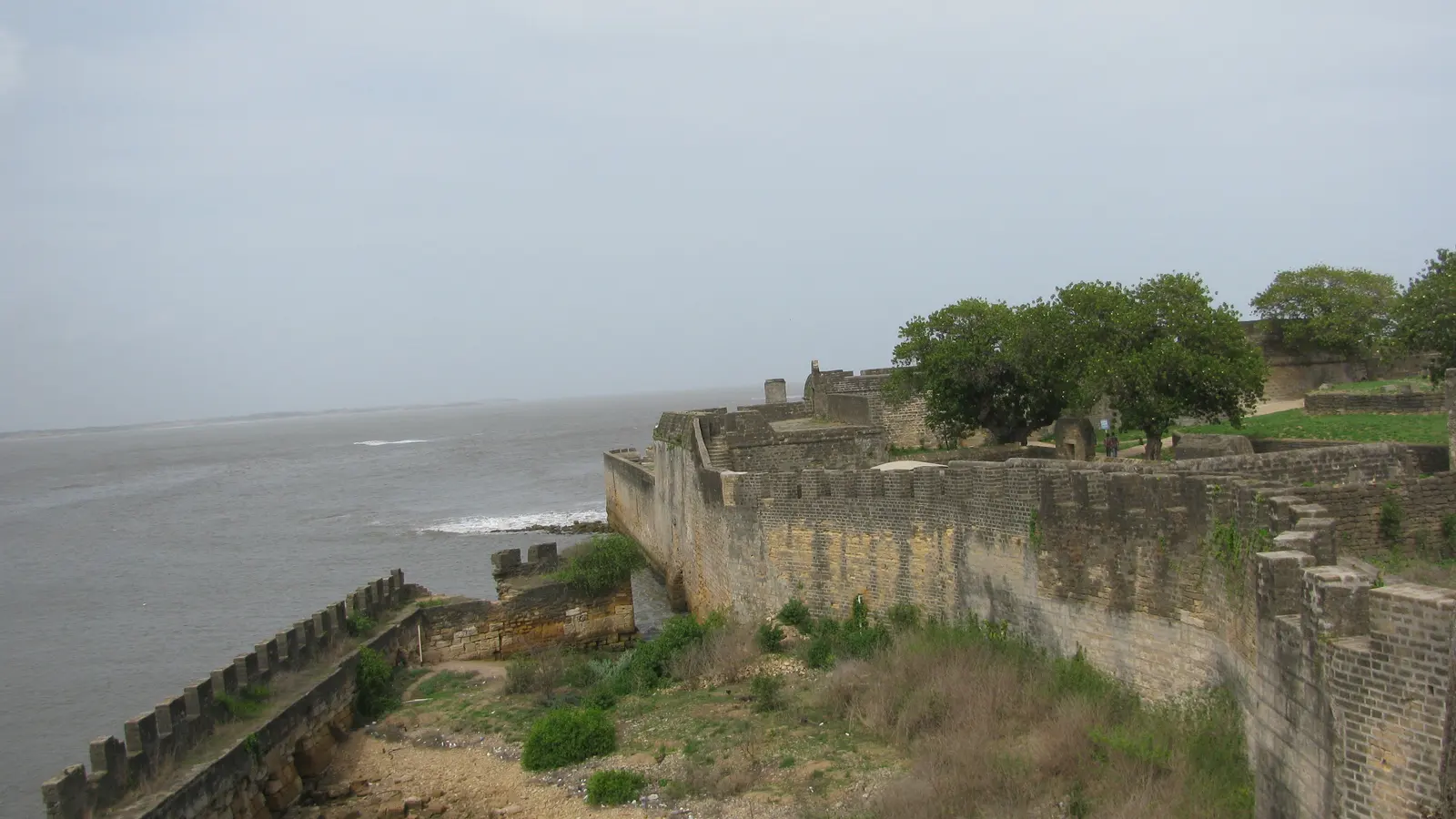 Destination Guide
Diu Travel Guide: Beaches, Fort & Weekend Trip
A former Portuguese colony off Gujarat's coast — Diu Fort, quiet beaches, old-town churches, duty-free liquor, and a full 2-day itinerary.
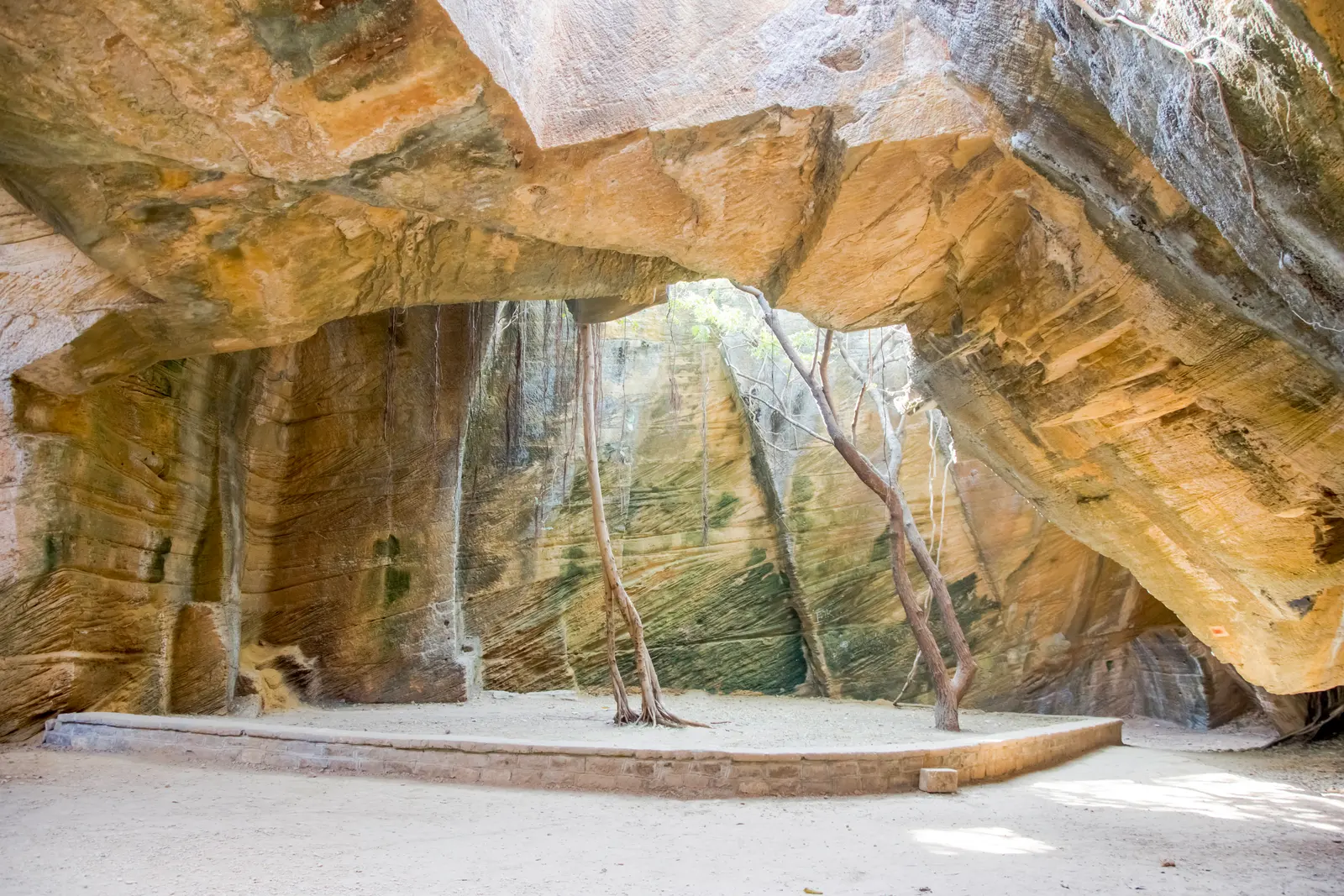 Off-beat
Naida Caves Diu: Photography Spot & Visit Guide
A maze of sun-dappled sandstone chambers near Diu Fort — natural skylights, root-covered walls, and one of Diu's best offbeat photography spots.
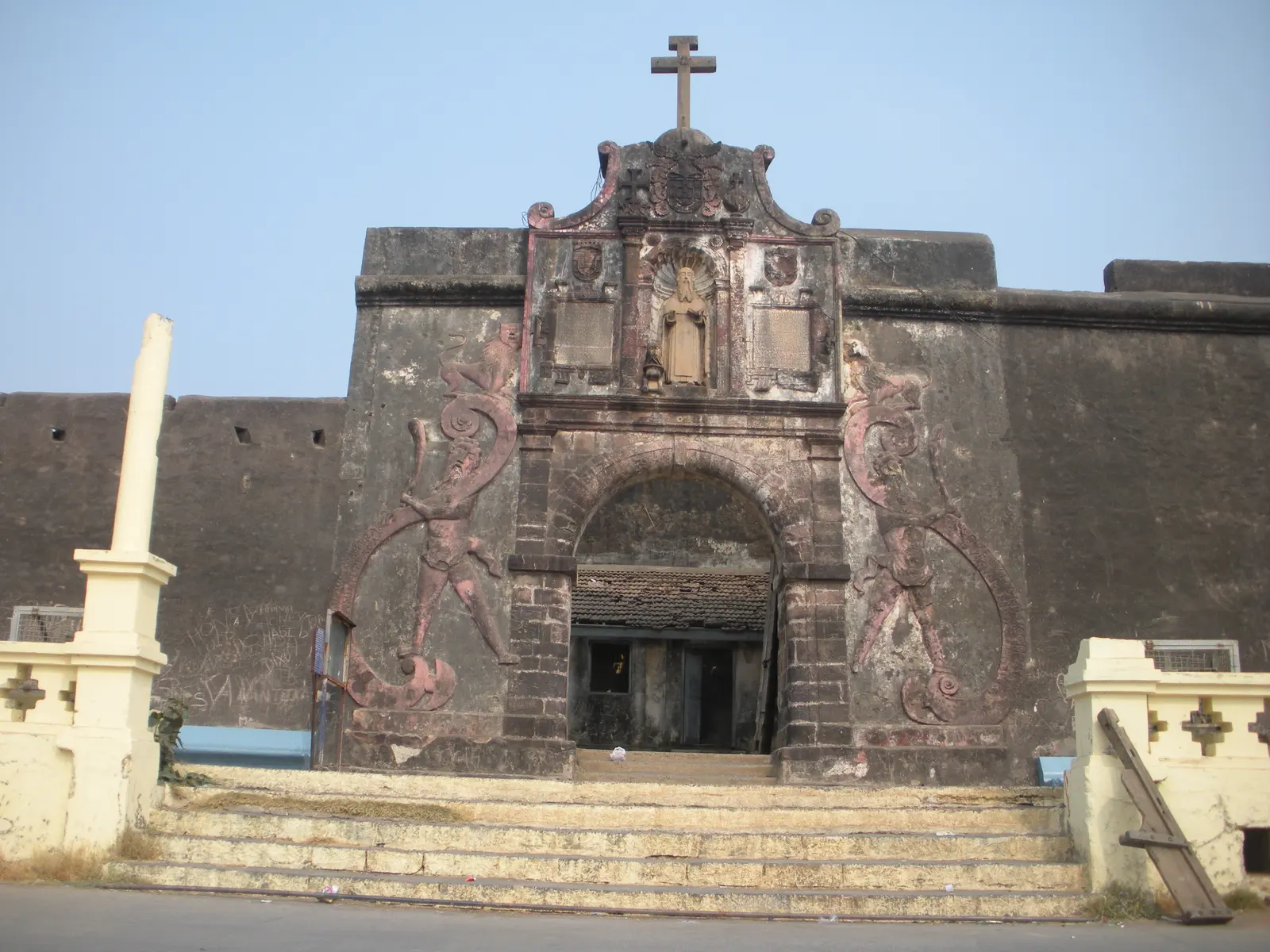 Heritage
Nani Daman Travel Guide: St. Jerome Fort, Jetty & Harbour
The northern quarter of Daman town, facing Moti Daman across the river: the compact Fort of St. Jerome, its church and a busy working fishing harbour.
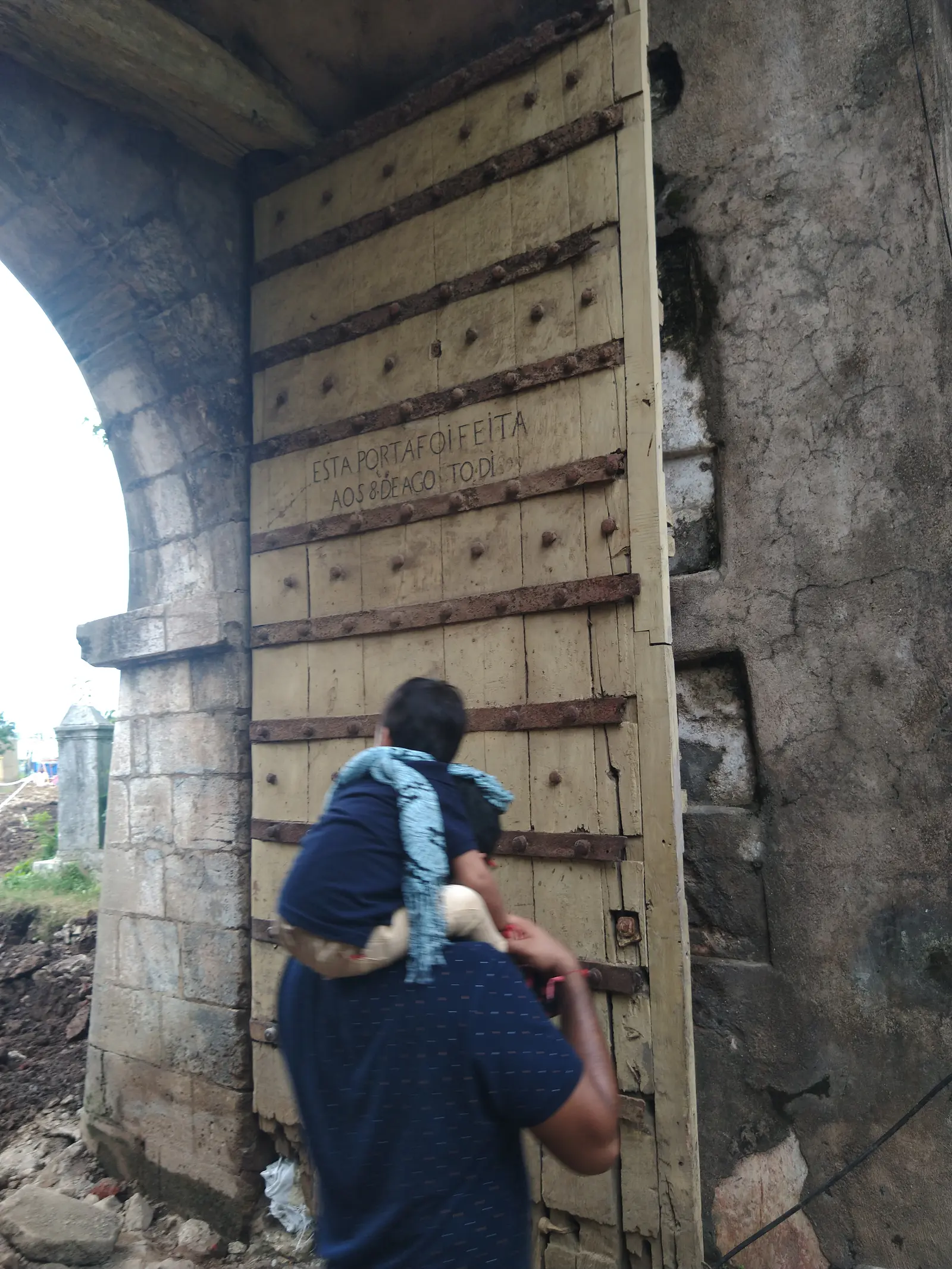 Heritage
Moti Daman Fort: History and Visiting Guide, Bastion by Bastion
A 16th-century Portuguese fortress so large it doesn't just guard a town — it contains one. Ten bastions, a gilded church, old cannons, and a district collectorate, all inside the same set of walls.