Why Ziro Valley?
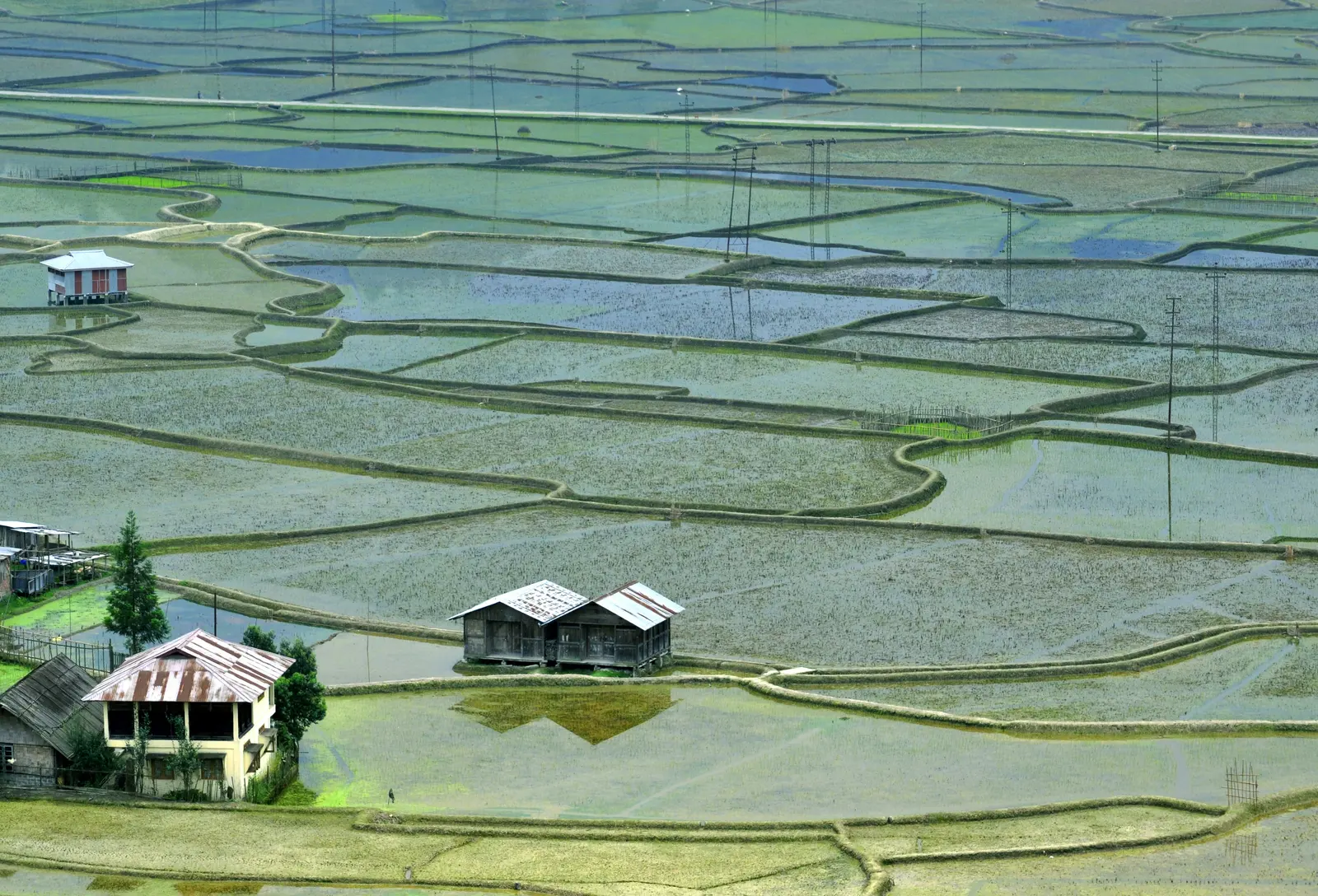
Tucked into the Lower Subansiri district of Arunachal Pradesh, Ziro Valley is what most "untouched Himalayan valley" marketing promises and almost never delivers. A wide, flat valley at roughly 1,700m elevation, ringed by pine-covered hills, holds centuries-old villages of the Apatani tribe surrounded by an extraordinary system of terraced rice-cum-fish fields — a UNESCO World Heritage tentative site, and one of the few places in India where you can see a genuinely distinct indigenous agricultural tradition still functioning exactly as it has for generations.
Unlike most of Northeast India's better-known valleys, Ziro has resisted mass tourism almost entirely — helped by the Inner Line Permit requirement and sheer distance from major cities. The reward is villages where Apatani women still wear traditional facial tattoos and nose plugs (a fading custom, mostly seen among older generations), fields worked with techniques unchanged for centuries, and a valley quiet enough that the annual Ziro Music Festival feels like an intrusion rather than the norm.
Ziro rewards travellers willing to handle the permit paperwork and the long journey in — this is not a weekend trip, and that's exactly why it has stayed the way it has.
🌾 Ziro Valley at a Glance
Looking for activities and experiences? See our guide to the best things to do in Ziro.
Love the outdoors? See our guide to valleys in India.
Comparing hill stations? See our guide to hill stations in Northeast India.
Interested in the history? See our guide to responsible tribal tourism.
Best Time to Visit Ziro Valley
Ziro's valley floor climate is mild year-round compared to the surrounding hills, but road access and the rice-field scenery both vary a lot by season.
Fields are freshly planted and vividly green, temperatures are mild (10–25°C), and the valley is at its most photogenic before the summer rains intensify.
Heavy rain is common and roads into the valley can see landslides — the fields are at their fullest and greenest, but travel requires flexibility.
Rain tapers off, rice fields turn golden ahead of harvest, and the valley hosts India's best-known outdoor music festival — book accommodation months ahead for this window.
Temperatures drop close to freezing at night, fields lie fallow and brown, and most homestays operate at minimal capacity — good only for travellers seeking total solitude.
Our pick: Late September, around the Ziro Music Festival — golden harvest-season fields, drier weather, and the one time of year the valley has any real buzz to it. For pure scenery without crowds, April is the quieter alternative.
Inner Line Permit (ILP)
All Indian citizens (and a separate Protected Area Permit for foreign nationals) need an Inner Line Permit to enter Arunachal Pradesh, including Ziro — this is the single biggest piece of pre-trip planning the valley requires.
- How to apply: Indian citizens can apply online through the Arunachal Pradesh e-ILP portal, or in person at ILP counters in Guwahati, Itanagar, or major entry checkpoints.
- Processing time: Online applications are usually approved within 1–3 working days; apply at least a week before travel to avoid last-minute delays.
- Cost: A nominal fee (roughly ₹100–₹200 for a short-duration permit), valid typically for up to 30 days.
- Carry copies: Print physical copies of the permit — checkpoints on the road into the valley routinely verify it, and connectivity to show a digital copy isn't guaranteed.
How to Reach Ziro Valley
Ziro's remoteness is the trade-off for its untouched character — expect a long final approach whichever route you take.
- By Air: The nearest airport is Lilabari (Assam, ~115 km, ~4 hrs by road). Guwahati (Assam, ~475 km) has far more flight options but adds a full day of driving.
- By Train: North Lakhimpur (Assam, ~110 km, ~4 hrs) is the nearest major railhead, well connected to Guwahati.
- By Road: Shared taxis and sumos run from North Lakhimpur and Itanagar (~150 km, ~5–6 hrs) to Ziro — roads are winding hill roads that can slow down considerably during monsoon.
The Apatani Tribe & Villages
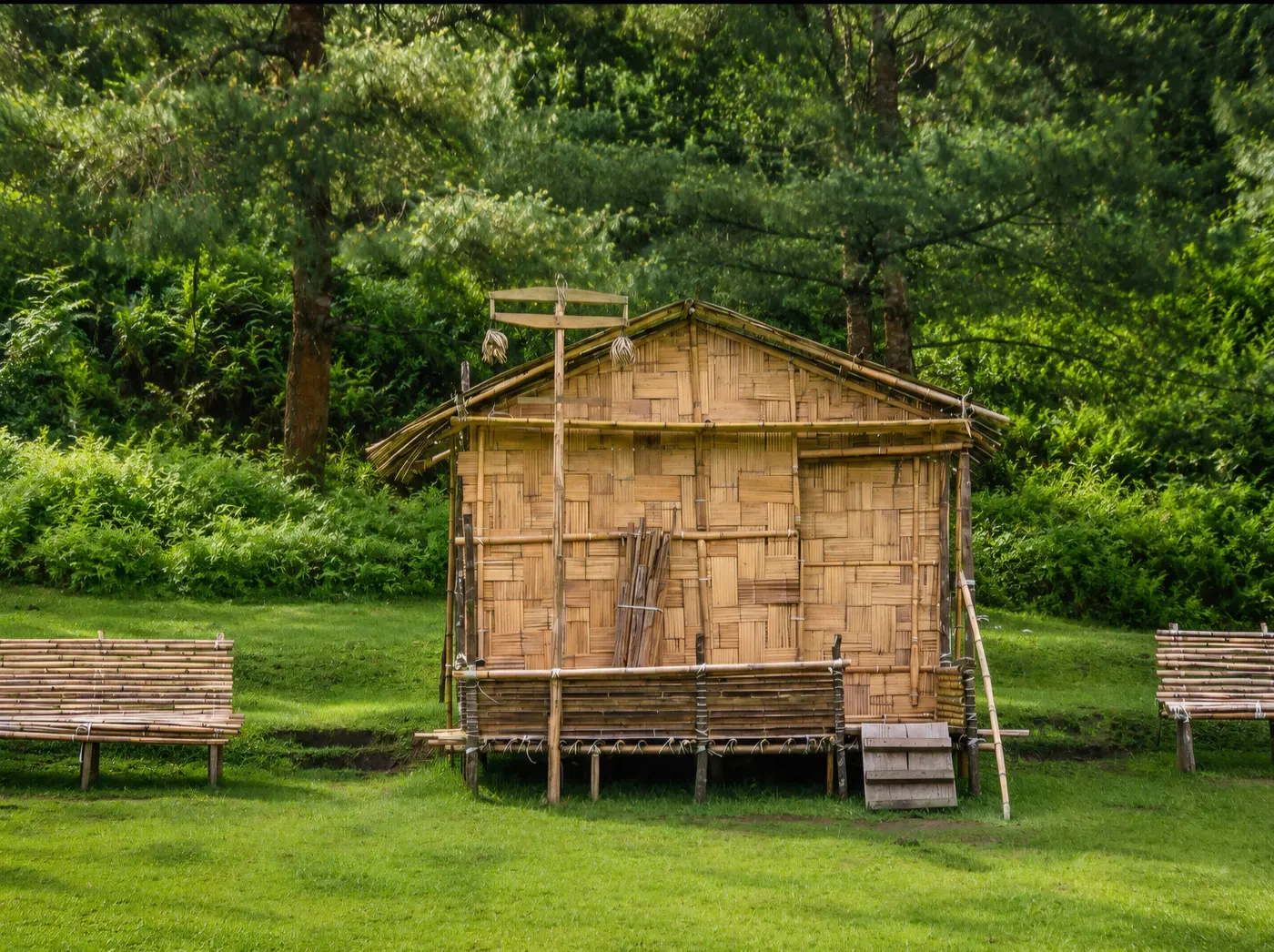
The Apatani are Ziro's indigenous people, known internationally for their sustainable rice-cum-fish farming system — rice paddies doubling as fish ponds, a technique that maximises a single plot of land without chemical fertiliser, developed independently over centuries in this valley.
- Hong Village: Reputedly one of the largest villages in Asia built entirely of traditional materials — a dense cluster of wooden and bamboo houses worth an unhurried walk through.
- Hija & Bulla Villages: Smaller, quieter Apatani settlements with well-preserved traditional architecture and fewer visitors than Hong.
- Facial tattoos and nose plugs (Yaping Hullo): A traditional practice among older Apatani women, largely discontinued since the 1970s — a living piece of cultural history rather than something to photograph without asking first.
- Village etiquette: Always ask before photographing people, especially elders — the Apatani are welcoming to visitors but tourism here is recent enough that courtesy goes a long way.
Things to Do in Ziro Valley
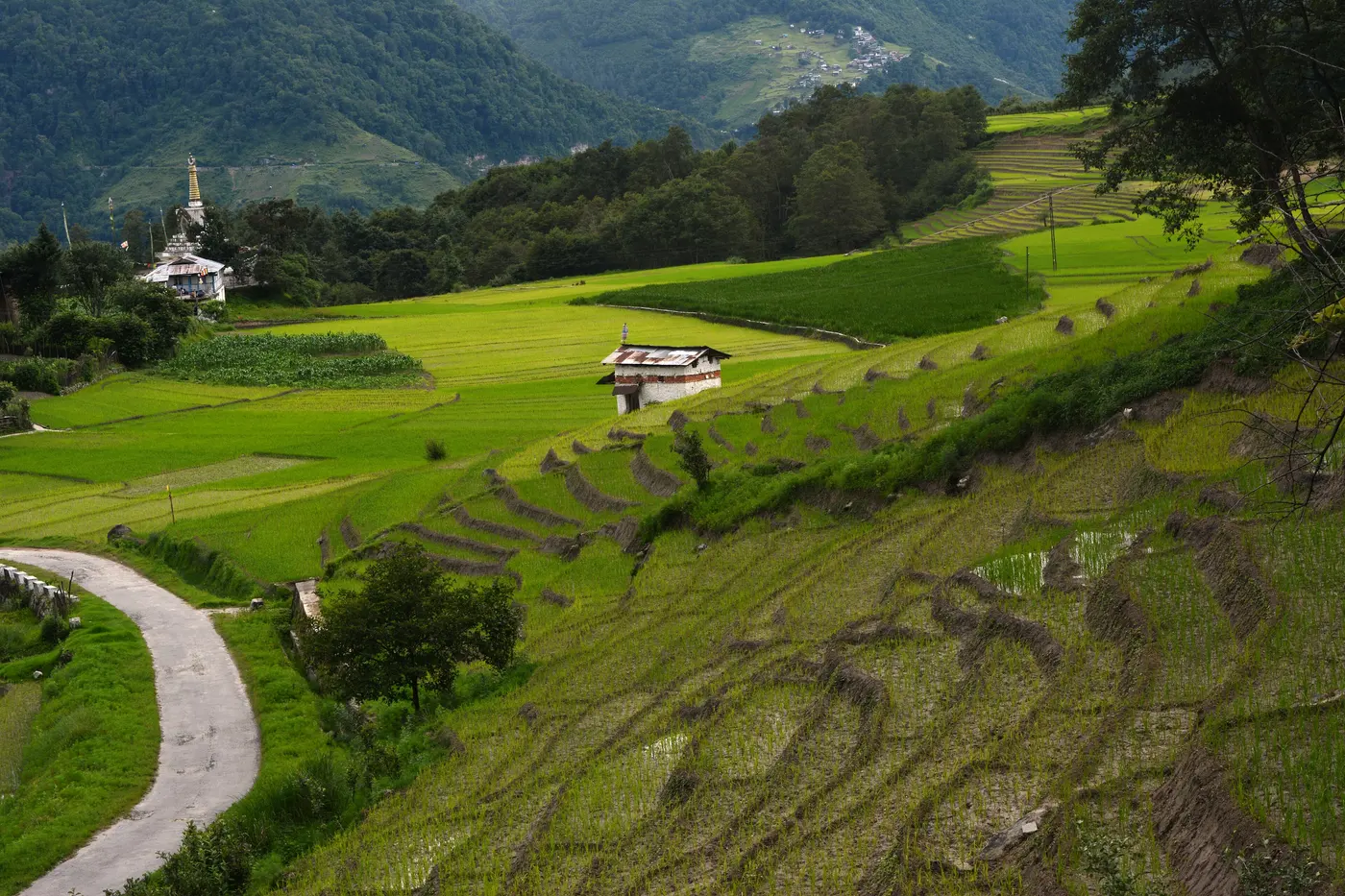
- Walk the rice-fish fields: The core Ziro experience — walking the narrow bunds between terraced paddies that double as fish ponds, best done slowly and at sunrise or late afternoon light.
- Talley Valley Wildlife Sanctuary: A pristine forest reserve roughly 32 km from Ziro town, home to rhododendron forests and rare bird species — best for a day trip with a local guide.
- Kile Pakho viewpoint: A hilltop viewpoint above Ziro town offering a panoramic look over the entire valley and its patchwork of fields — especially good near sunset.
- Meghna Cave Temple: A natural limestone cave temple a short drive from town, an easy half-day addition to a village-focused itinerary.
- Local markets: Ziro's small daily markets sell Apatani textiles, bamboo crafts, and foraged local produce — a good stop for genuine, non-touristy souvenirs.
Ziro Music Festival
Held every September since 2012, the Ziro Music Festival is one of India's best-regarded independent outdoor music festivals — an unusual sight in a valley this remote, and the one time of year Ziro sees a real influx of visitors.
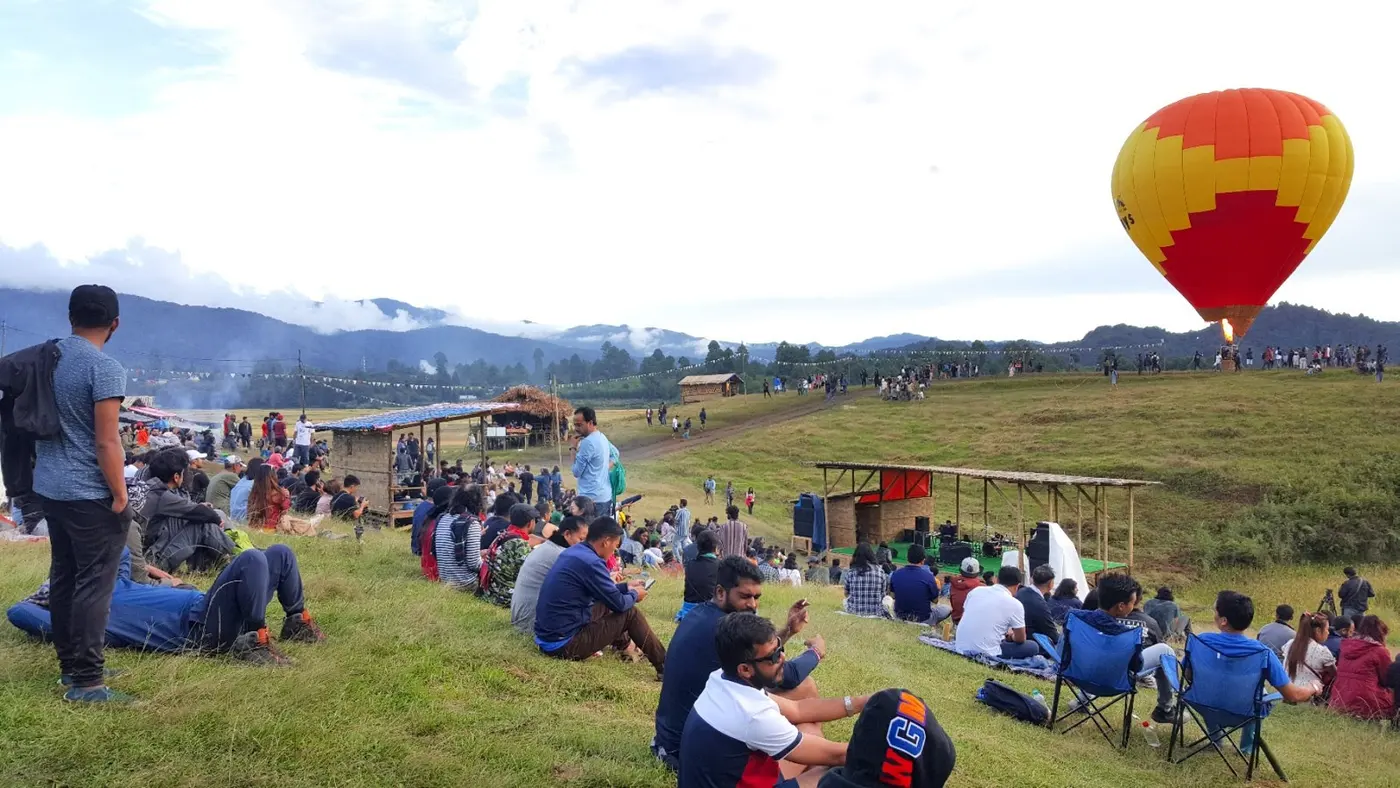
- Setting: Held on open paddy fields on the edge of Ziro town, with the surrounding hills as a backdrop — a genuinely striking festival location.
- Lineup: A mix of Indian independent and folk acts alongside international artists, skewed toward indie, folk, and alternative genres rather than mainstream commercial acts.
- Accommodation: Homestays and camping sites fill up months in advance for festival dates — book as early as possible if this is the reason for your trip.
- Tickets: Sold online ahead of the event; capacity is deliberately kept modest to preserve the valley's character.
Where to Stay in Ziro Valley
Accommodation in Ziro is genuinely limited compared to more mainstream hill destinations — homestays are both the most available and the most rewarding option.
- → Apatani village homestays
- → Basic guesthouses, Ziro town
- → Camping near Talley Valley (seasonal)
- → Siiro Resort
- → The Blue Pine Homestay
- → Ziro Valley Resort
- → Festival-partner homestays (Sep)
- → Pre-booked camping packages
- → Premium village stays (book months ahead)
A homestay in or near Hong Village is the single best way to experience Ziro — meals with an Apatani family and direct access to the fields tell you more about the valley than any resort stay will.
What to Eat in Ziro Valley
Apatani cuisine is simple, rice- and fish-forward, and almost entirely locally sourced — a direct reflection of the valley's rice-fish farming system.
- Fish from the rice fields: Small freshwater fish raised directly in the paddies, usually cooked simply with local herbs — about as farm-to-table as food gets in India.
- Pika Pila: A distinctive Apatani chutney made from fermented soybean and bamboo shoot, sharp and pungent, served as a condiment with most meals.
- Apong: A traditional fermented rice or millet beer, brewed at home across Arunachal — worth trying at a homestay rather than seeking it out commercially.
- Bamboo shoot dishes: Fermented and fresh bamboo shoot both feature heavily in Apatani cooking, often paired with pork or fish.
- Where to eat: Most meals in Ziro are home-cooked at your homestay — standalone restaurants are limited to a handful of basic eateries in Ziro town itself.
4-Day Ziro Valley Itinerary
Given the long journey in, four days is a sensible minimum to justify the trip — enough time for the villages, the fields, and a day trip into Talley Valley.
Arrival & Ziro Town
- ✓Arrive via North Lakhimpur or Lilabari, check into a homestay
- ✓Afternoon: Settle in, walk around Ziro town
- ✓Evening: Sunset viewpoint at Kile Pakho
- ✓Home-cooked Apatani dinner at the homestay
Apatani Villages & Rice Fields
- ✓Morning: Walk through Hong Village
- ✓Late morning: Explore the rice-fish field bunds on foot
- ✓Afternoon: Visit Hija and Bulla villages
- ✓Evening: Local market visit in Ziro town
Talley Valley Day Trip
- ✓Full-day trip to Talley Valley Wildlife Sanctuary
- ✓Guided walk through rhododendron forest
- ✓Return to Ziro by evening
- ✓Relaxed dinner, early night
Meghna Cave & Departure
- ✓Morning: Visit Meghna Cave Temple
- ✓Late morning: Final walk through the fields, farewell to your host family
- ✓Afternoon: Depart toward North Lakhimpur or Lilabari
Budget Breakdown
| Expense | Budget | Mid-Range | Festival Season |
|---|---|---|---|
| Accommodation/night | ₹700 | ₹2,500 | ₹4,500 |
| Food/day | ₹400 | ₹900 | ₹1,500 |
| Local transport per day | ₹500 | ₹1,200 | ₹1,800 |
| Guide / village visits | ₹500 | ₹1,000 | ₹1,000 |
| Daily total | ₹2,100 | ₹5,600 | ₹8,800 |
| 4-Day trip total | ₹8,400 | ₹22,400 | ₹35,200 |
* Excludes flight/train to Assam and the long road journey into the valley. Festival-season prices (September) can run noticeably higher due to limited accommodation.
Essential Travel Tips for Ziro Valley
- Apply for your ILP well in advance:Processing is usually fast, but it's the one dependency outside your control — don't leave it to the last minute.
- Build in buffer days for the road journey:Hill roads into Ziro can be affected by landslides, especially during monsoon — a rigid itinerary risks missed onward connections.
- Ask before photographing people:Especially older Apatani women with traditional facial tattoos — treat it as a cultural practice, not a photo opportunity.
- Book festival-season stays months ahead:Accommodation is genuinely scarce during the September Ziro Music Festival.
- Carry cash: ATMs are limited to Ziro town, and card acceptance is essentially nonexistent in the villages.
- Pack for cold evenings year-round: Even in the warmer months, valley temperatures drop sharply after dark — a proper layer is worth the packing space.
✅ Do
- →Apply for the Inner Line Permit at least a week ahead
- →Stay at an Apatani homestay for the most authentic experience
- →Walk the rice-fish field bunds at sunrise or late afternoon
- →Time your trip for the Ziro Music Festival in September if possible
- →Ask permission before photographing villagers
- →Build in buffer days for the long road journey in
❌ Don't
- →Travel without applying for the ILP beforehand
- →Expect Goa- or Manali-level tourist infrastructure
- →Photograph villagers, especially elders, without asking
- →Book festival-season travel last minute
- →Rely on cards outside Ziro town
- →Rush the trip into fewer than 3–4 days given the travel time involved
Frequently Asked Questions
How many days do I need for Ziro Valley?
Four days is a sensible minimum given the long journey in — enough time to properly cover the Apatani villages, the rice-fish fields, and a day trip into Talley Valley Wildlife Sanctuary.
What is the best time to visit Ziro Valley?
Late September, around the Ziro Music Festival, is the pick — golden harvest-season fields, drier weather, and the one time of year the valley has any real buzz. For quieter scenery without crowds, March to May offers vividly green freshly planted fields instead.
Do I need a permit to visit Ziro Valley?
Yes — all Indian citizens need an Inner Line Permit (ILP) to enter Arunachal Pradesh, including Ziro, and foreign nationals need a separate Protected Area Permit. Apply online through the Arunachal Pradesh e-ILP portal at least a week ahead; approval usually takes 1–3 working days.
How do I reach Ziro Valley?
The nearest airport is Lilabari in Assam, about 115 km away (roughly 4 hours by road), and the nearest railhead is North Lakhimpur, also about 110 km away. Shared taxis and sumos also run from Itanagar, around 150 km and 5–6 hours by road.
What is the budget for a Ziro Valley trip?
For a 4-day trip, expect around ₹8,400 on a tight budget, roughly ₹22,400 for a mid-range trip, and up to about ₹35,200 during Ziro Music Festival season, when accommodation prices rise due to limited availability.
Is Ziro Valley safe for solo travellers?
Yes — the Apatani are described as welcoming to visitors, though it's good etiquette to ask before photographing people, especially elders. Because the valley is remote, it's worth carrying enough cash, planning the ILP paperwork ahead, and knowing the nearest well-equipped hospital is in Itanagar, several hours away.
What is special about the Apatani tribe's rice fields?
The Apatani developed a rice-cum-fish farming system where paddies double as fish ponds, maximising a single plot of land without chemical fertiliser — a technique refined independently over centuries in this valley. Hong Village, reputedly one of the largest villages in Asia built entirely of traditional materials, is the best place to see it up close.
Published by the Kudozz Club editorial team · Last updated · How we research our guides
Want us to plan this trip for you?
Tell Kudozz Club where you want to go and what kind of trip you’re looking for. We’ll build a Ziro Valley and Arunachal Pradesh itinerary around your dates and budget.
Continue Exploring
View all guides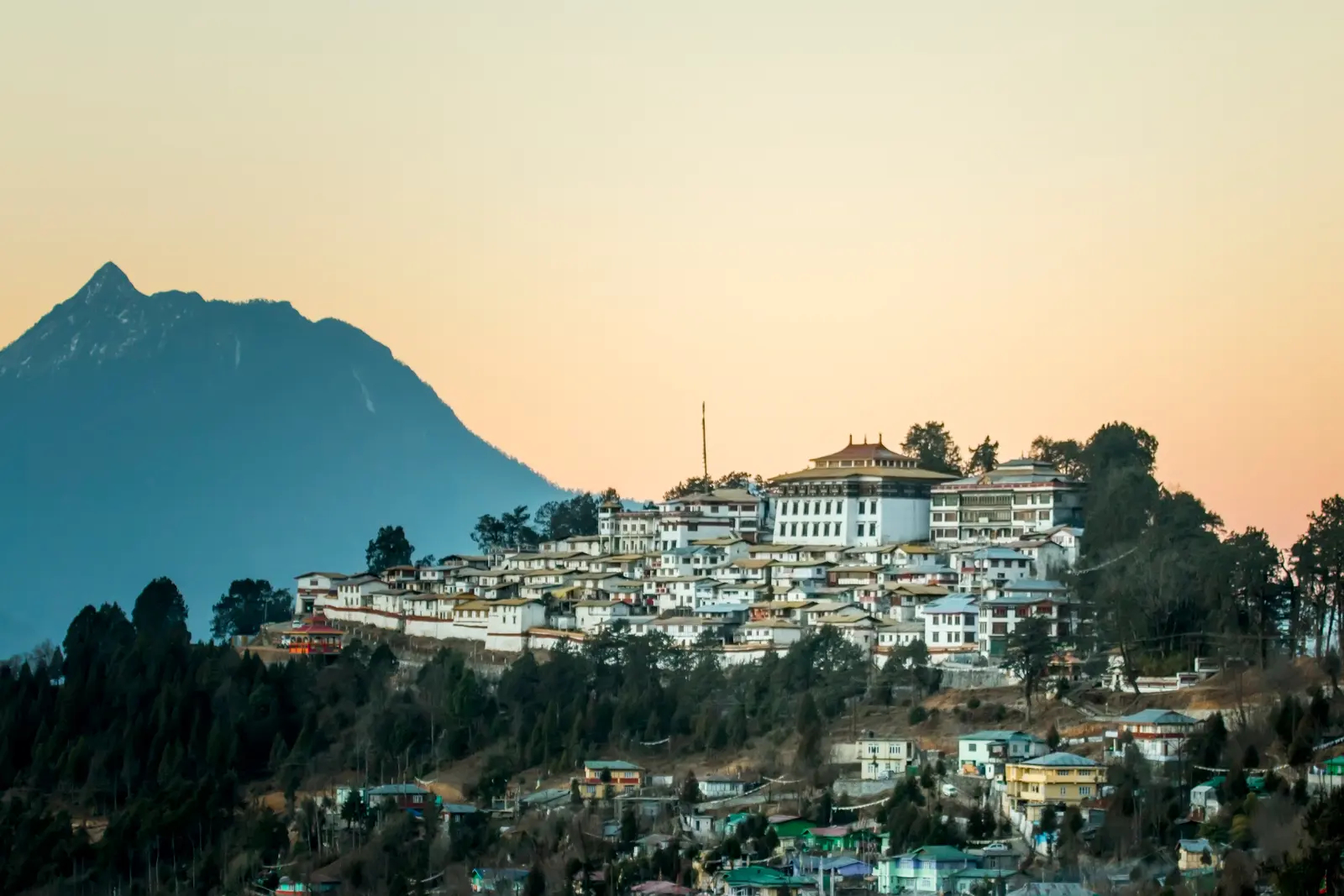 Off-beat
Arunachal Pradesh Travel Guide: Tawang, Ziro Valley & Bomdila
From Tawang's Himalayan monasteries to Ziro's terraced tribal valleys, this is the complete guide to India's largest and least-visited Northeastern state — permits, passes, and all.
 Off-beat
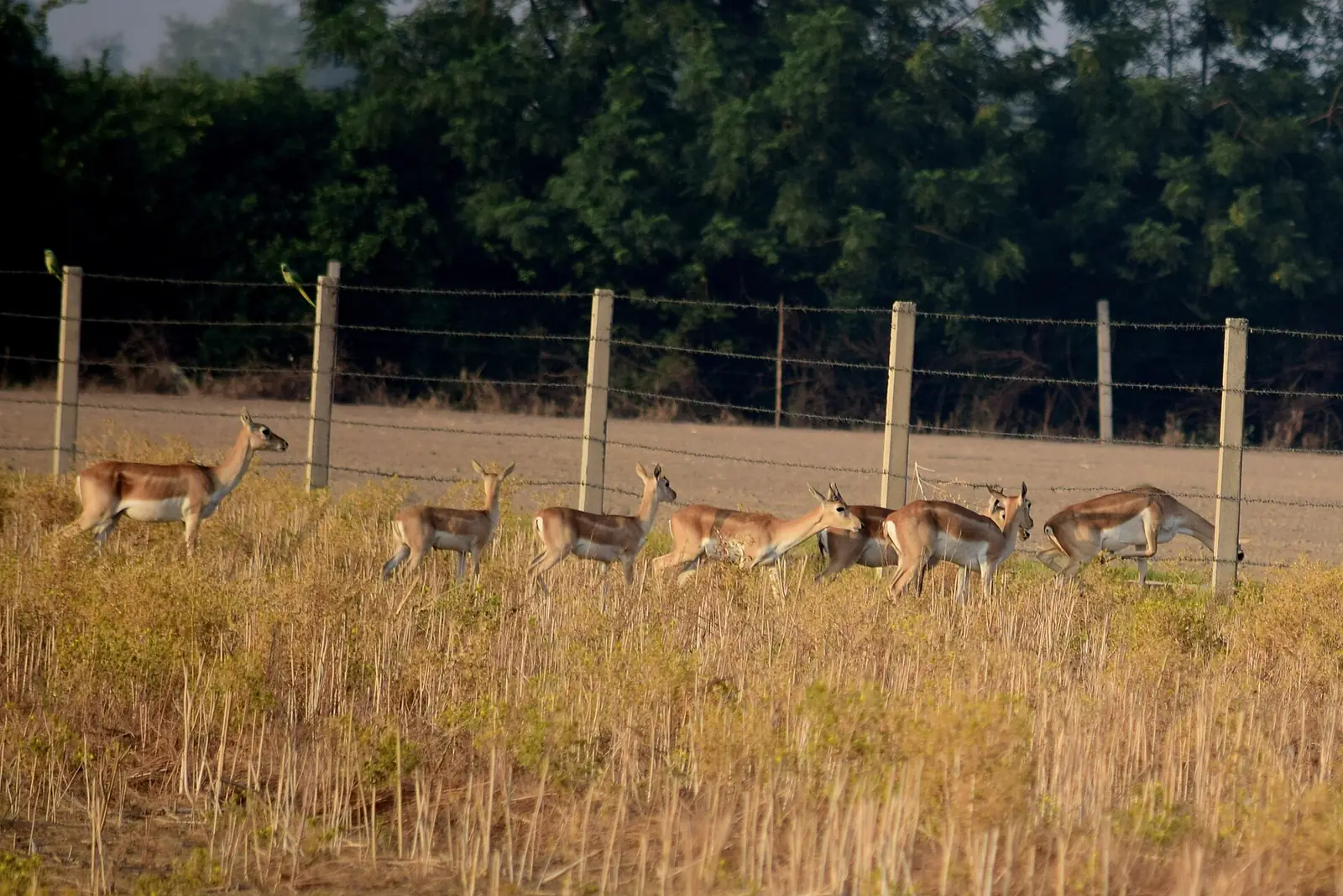
Abohar Travel Guide: Blackbuck Sanctuary & Tips
One of India's highest blackbuck population densities outside a dedicated deer park, and a citrus-growing belt stretching across Fazilka district — Punjab's most unexpected wildlife stop.
 Off-beat
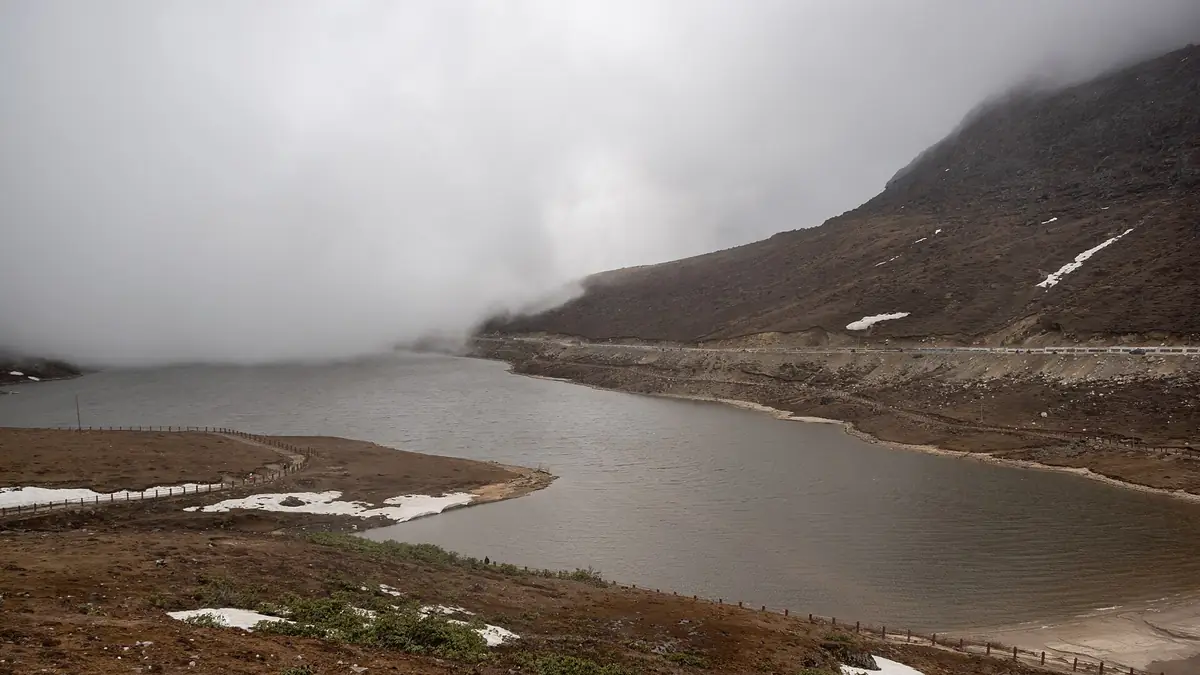
Sela Pass Travel Guide: One of India's Highest Motorable Passes
A high-altitude pass ringed by a sacred lake and hundreds of smaller frozen ponds, on the only road connecting Tawang to the rest of India — the complete guide to Sela Pass.
 Off-beat
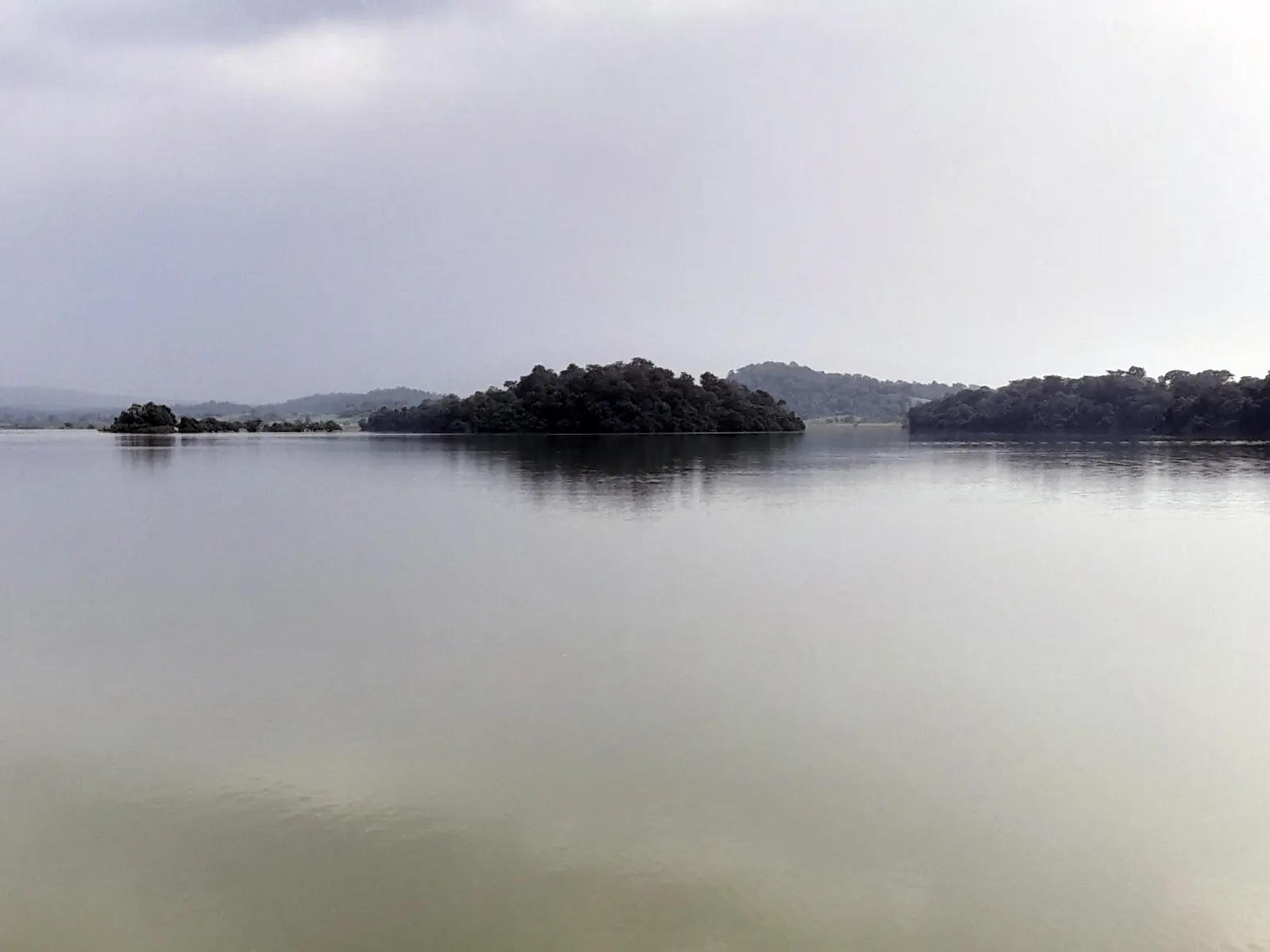
Laknavaram Lake Guide: Bridge, Boating & Tips
A horseshoe-shaped lake scattered with forested islands and a cantilever bridge that walks you out over the water — Mulugu district's most photographed stop.