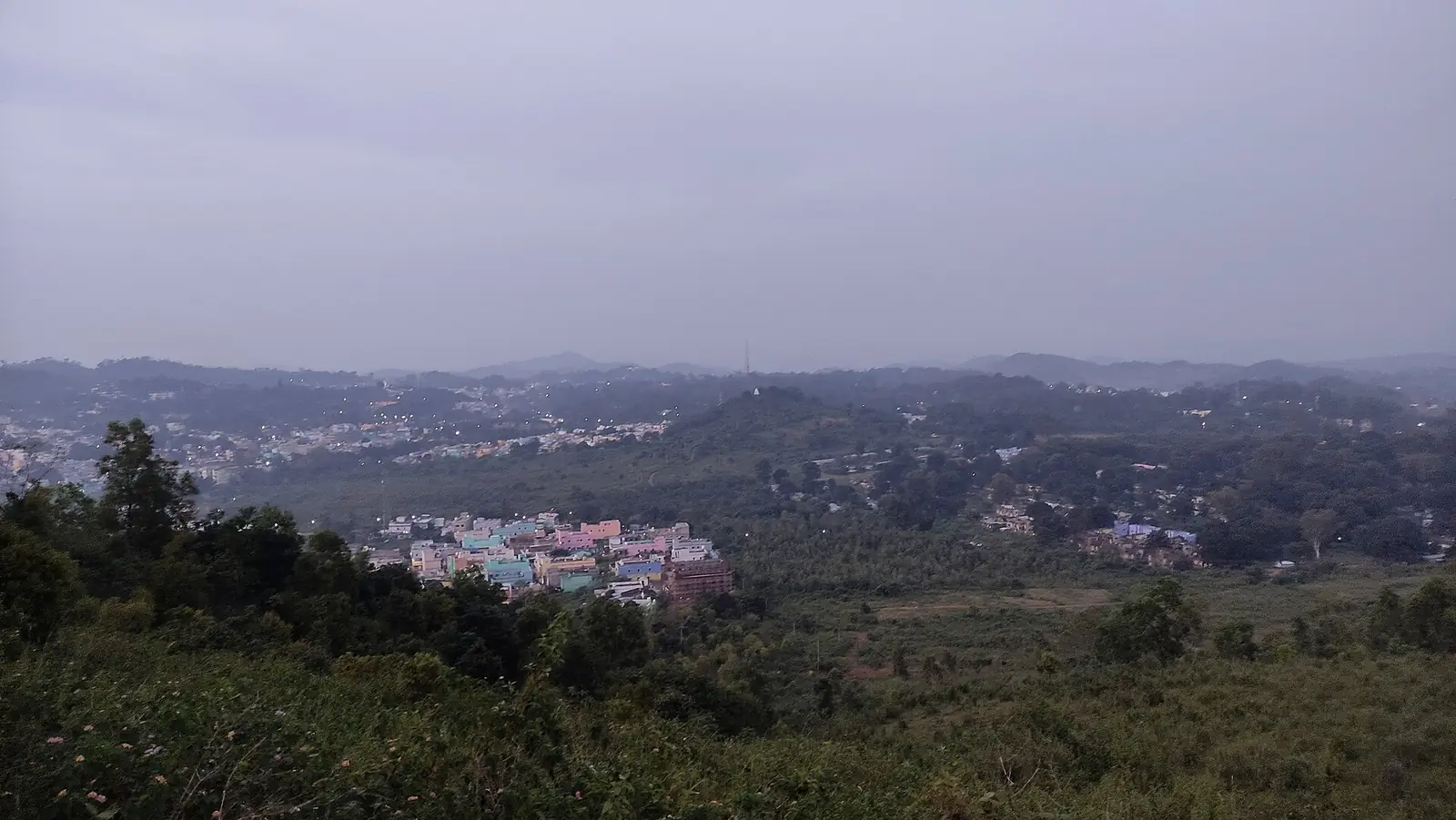
Southern Odisha's Tribal Heartland
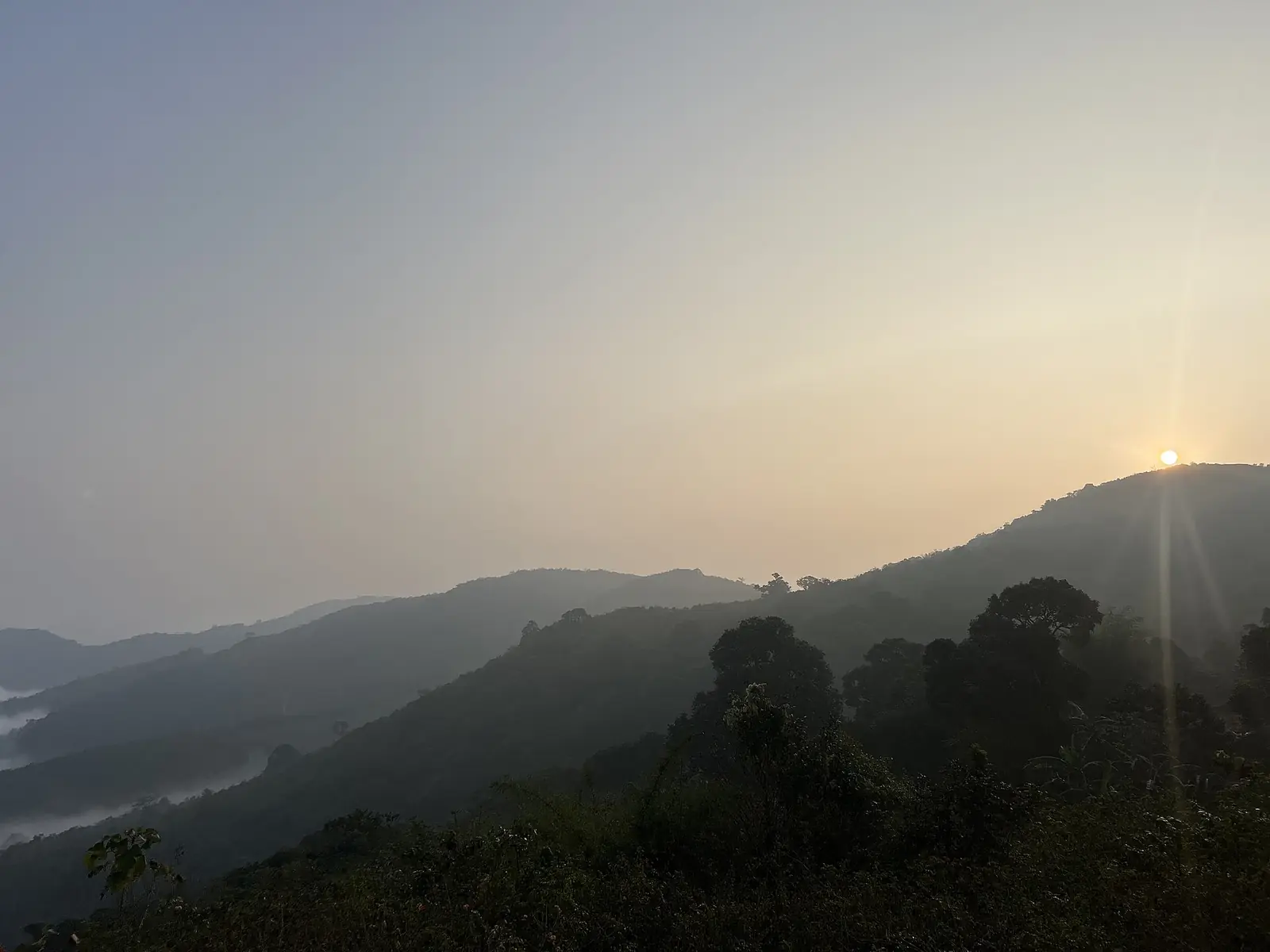
Koraput, a district in southern Odisha, sits within the scenic Eastern Ghats — hills, forest, and a genuinely surprising feature for the state: coffee plantations, more commonly associated with South India's Western Ghats.
The district is home to numerous tribal communities, including the Bonda and Gadaba, among India's most culturally distinct indigenous groups. Weekly tribal markets (haats), where local communities gather to trade, offer a genuine cultural experience for interested visitors — though they're functioning community spaces first, and should be approached with respect rather than as a tourist show.
Koraput town also serves as the practical gateway to Deomali, Odisha's highest peak, and Jeypore, a historic tribal-region town — the three make a natural southern Odisha circuit.
☕ Koraput at a Glance
Love the outdoors? See our guide to nature travel in Odisha.
Interested in the history? See our guide to responsible tribal tourism.
Best Time to Visit Koraput
Odisha's coastal-plains weather patterns don't map neatly onto Koraput's hill terrain — plan around cooler, drier months for the most comfortable trip.
Comfortable temperatures for exploring the Eastern Ghats and visiting tribal markets without the extremes of summer heat.
Temperatures climb but the hill elevation keeps it more bearable than Odisha's coastal plains.
Heavy rain makes interior roads and trekking to Deomali genuinely difficult.
A particularly good window if visiting coffee plantations is a priority.
Our pick: October to February — the most comfortable window for both sightseeing and tribal market visits.
How to Reach Koraput
Koraput's southern, interior location means a genuine journey from Bhubaneswar — set expectations accordingly.
- By road from Bhubaneswar: A long multi-hour drive; most visitors treat this as a dedicated regional trip rather than a side excursion.
- By rail: Koraput has its own railway station with connections to major Odisha and neighbouring-state routes, often a more comfortable option than the full road journey.
Coffee, Tribal Markets & Scenery
Coffee Plantations
A genuinely unusual sight for Odisha — rows of coffee plants across the Eastern Ghats hillsides, a legacy of the region's altitude and climate.
Bonda & Gadaba Communities
Koraput district is home to some of India's most culturally distinct tribal groups. Learning about their traditions, ideally through a respectful, guided interaction, is a highlight for culturally curious travelers.
Weekly Tribal Haats (Markets)
Local communities gather at weekly markets to trade produce, goods, and crafts — a vivid, functioning slice of local life. Ask locally about current market days and always seek permission before photographing people.
Where to Stay in Koraput
Accommodation is modest and concentrated in Koraput town itself, which functions as the practical base for the wider region.
- → Odisha Tourism guesthouses
- → Basic town lodges
- → Simple family-run stays
- → Business-style hotels in town
- → Slightly upgraded guesthouses
- → Better-equipped rooms
- → Very limited premium options
- → Occasional estate stays
- → Book well ahead
Suggested Visit Plan (2–3 Days)
Arrival & Koraput Town
- ✓Long journey in, check in
- ✓Explore Koraput town and coffee plantations
- ✓Evening at leisure
Tribal Markets & Culture
- ✓Visit a weekly tribal haat if timing aligns
- ✓Learn about Bonda and Gadaba communities respectfully
- ✓Local sightseeing around Koraput
Deomali or Jeypore Extension
- ✓Day trip to Deomali for the trek
- ✓Or head onward to Jeypore and Duduma Falls
- ✓Depart from the region
Where to Eat in Koraput
- Hotel/guesthouse dining: Most accommodation serves simple Odia and regional meals to guests, the most reliable option given limited standalone restaurants.
- Local coffee: Fresh, locally grown coffee is a genuine highlight worth seeking out.
- Market food stalls: Weekly tribal haats sometimes have simple food stalls worth trying if respectfully approached.
Budget Breakdown
| Expense | Budget | Mid-Range | Luxury |
|---|---|---|---|
| Accommodation/night | ₹900 | ₹2,500 | ₹4,500 |
| Local guide (per day) | ₹500 | ₹800 | ₹1,200 |
| Food/day | ₹400 | ₹800 | ₹1,500 |
| Local transport/day | ₹300 | ₹700 | ₹1,500 |
* Figures are per person, per day.
Essential Tips for Visiting Koraput
- Visit tribal markets respectfully: These are functioning community spaces, not staged tourist attractions — ask before photographing people.
- Hire a local guide: Genuinely valuable for both cultural context and navigating the wider tribal region.
- Plan real travel time: Koraput's distance from Bhubaneswar means this deserves a dedicated multi-day trip.
- Carry cash: ATM access thins out quickly outside Koraput town.
- Combine with Deomali and Jeypore: The three together make a far more worthwhile regional circuit than any single stop alone.
✅ Do
- →Ask locally about weekly tribal market days
- →Hire a local guide for cultural context
- →Try locally grown coffee
- →Combine with Deomali and Jeypore
- →Carry enough cash for the whole trip
- →Ask permission before photographing people
❌ Don't
- →Treat tribal markets as a photo-op destination
- →Underestimate the distance from Bhubaneswar
- →Rely on cards outside Koraput town
- →Visit during peak monsoon
- →Rush the trip into a single day
- →Skip a local guide for cultural context
Frequently Asked Questions
How far is Koraput from Bhubaneswar?
It's a long journey given Koraput's southern, interior location — treat it as a multi-day regional trip rather than a quick add-on to a Bhubaneswar-based itinerary.
What tribal communities live in the Koraput region?
Koraput district is home to numerous tribal communities, including the Bonda and Gadaba, among India's most culturally distinct indigenous groups, alongside several others across the wider region.
Is it appropriate to visit tribal markets as a tourist?
Yes, weekly tribal haats (markets) are open, functioning community spaces, but visit with genuine respect — they exist for local trade, not tourism, so ask before photographing people and follow local guidance on etiquette.
How does Koraput connect to Deomali and Jeypore?
Koraput town is the practical base for both — Deomali, Odisha's highest peak, and Jeypore, a historic tribal-region gateway town, are both a manageable drive away, making the three a natural regional circuit.
What is the best time to visit Koraput?
October to February offers the most comfortable weather for exploring the Eastern Ghats landscape and visiting tribal markets, avoiding both peak summer heat and monsoon rains.
Is coffee really grown in Koraput?
Yes — Koraput's Eastern Ghats terrain supports coffee plantations, an unusual and distinctive feature for Odisha, more commonly associated with South India's Western Ghats.
Published by the Kudozz Club editorial team · Last updated · How we research our guides
Want us to plan this trip for you?
Tell Kudozz Club where you want to go and what kind of trip you’re looking for. We’ll build a Koraput and Odisha itinerary around your dates and budget.
Continue Exploring
View all guides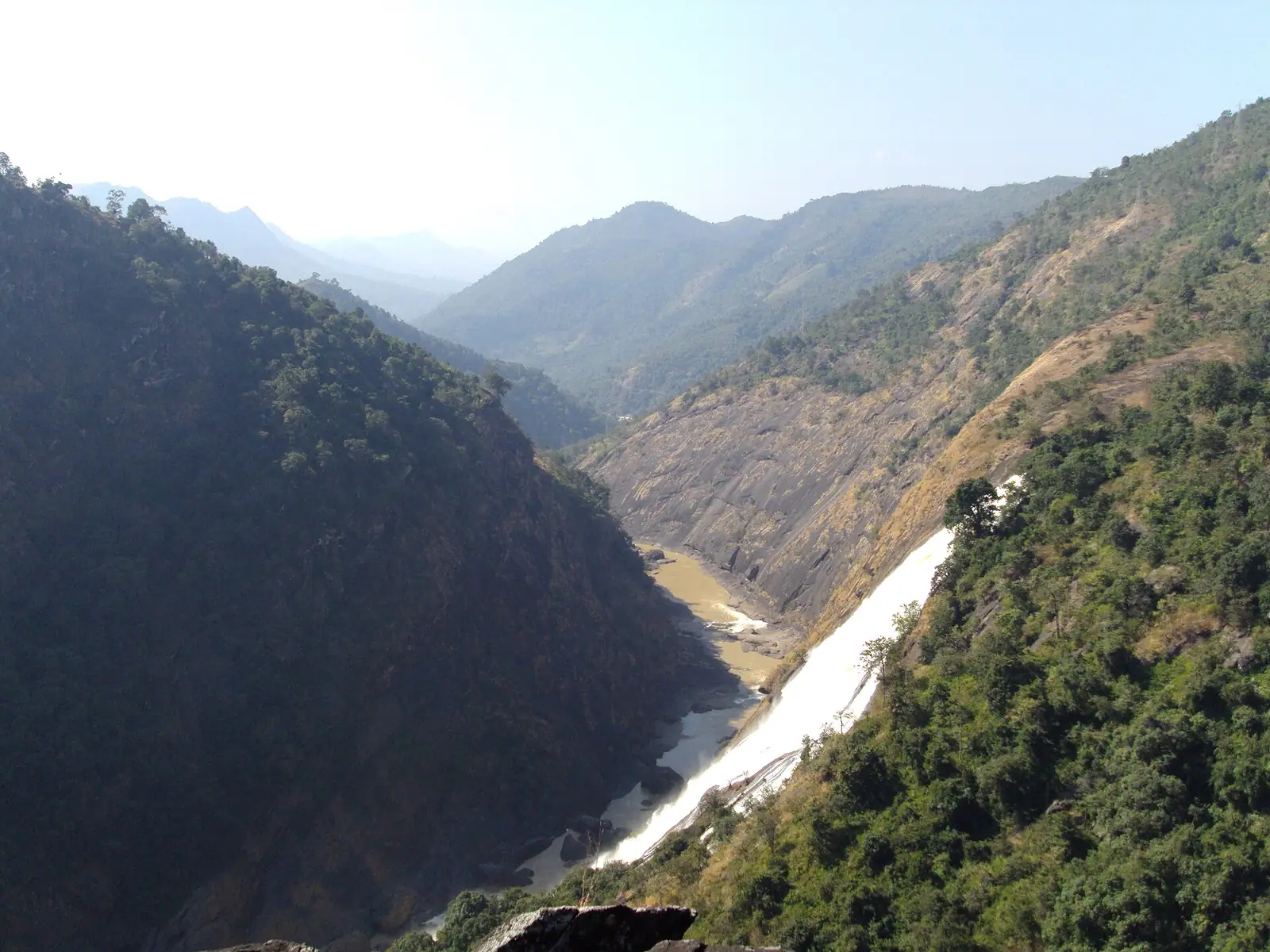 Off-beat
Jeypore Travel Guide: Tribal Heritage & Tips
A former princely seat, a scenic waterfall, and the practical gateway to southern Odisha's tribal heartland — the complete Jeypore guide.
 Off-beat
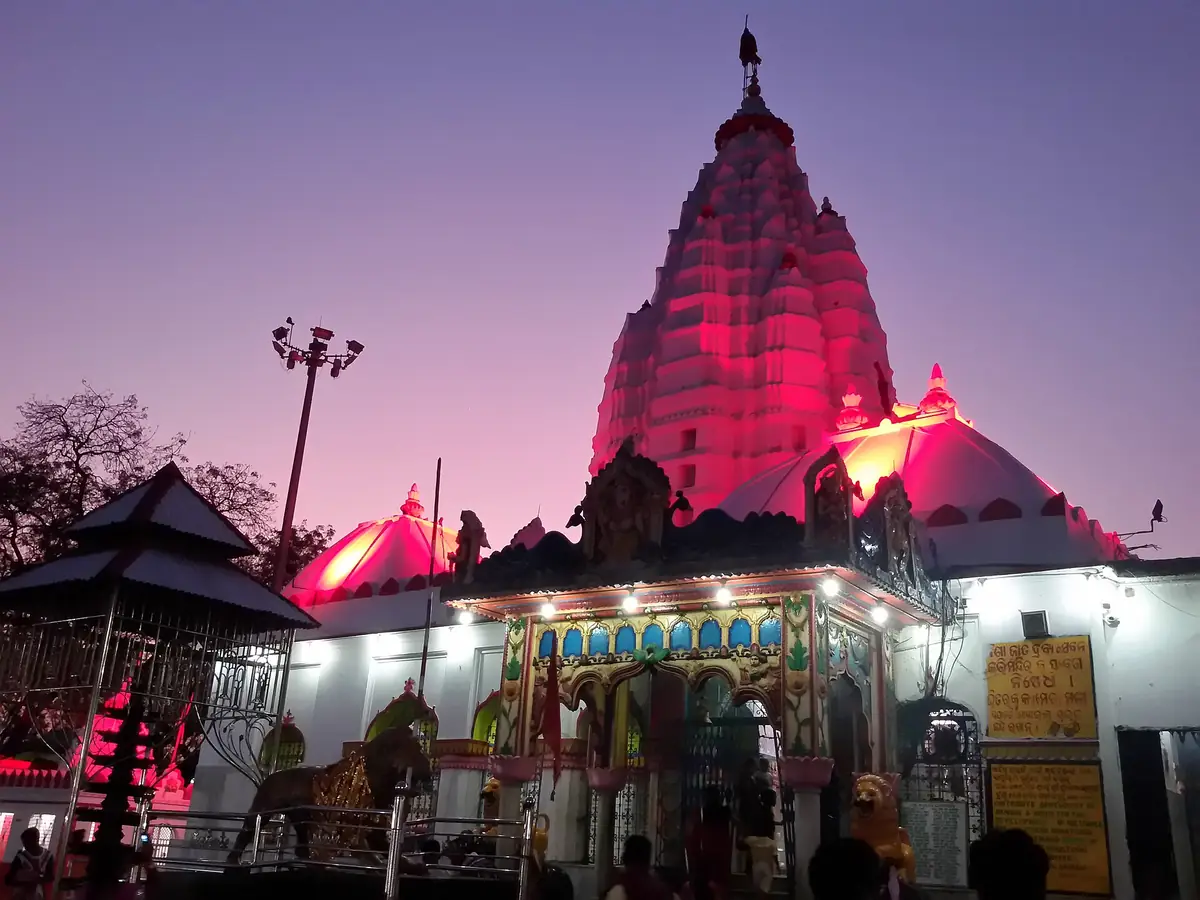
Sambalpur Guide: Hirakud Dam & Sarees
One of the world's longest earthen dams, and a city where the looms have been running for centuries — the complete guide to Sambalpur.
 Off-beat
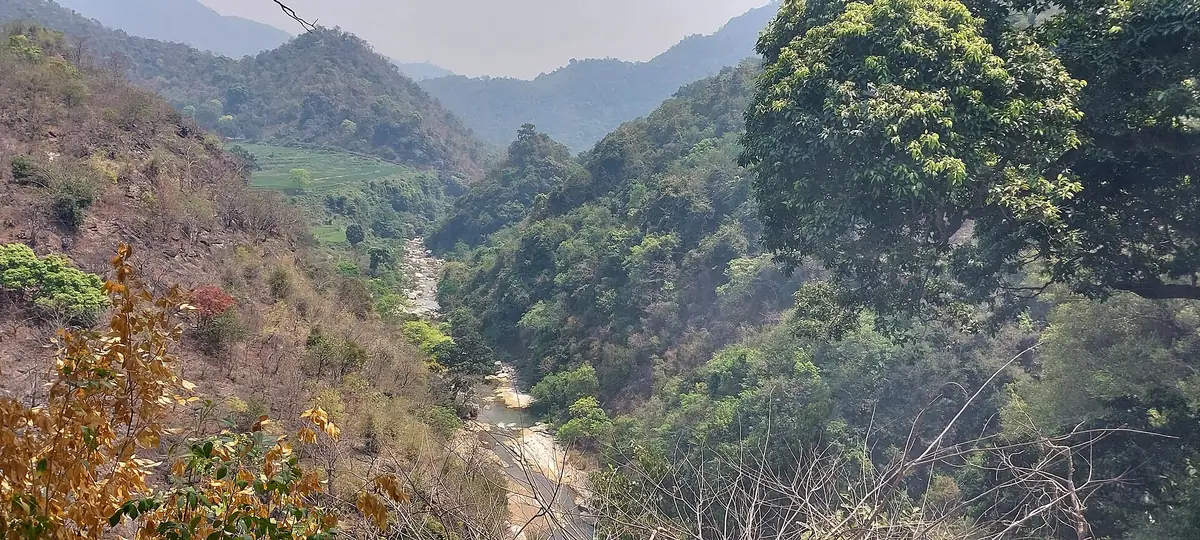
Araku Valley Travel Guide: Coffee Hills & the Train Journey Through 58 Tunnels
A coffee-growing tribal valley in the Eastern Ghats, reached by a train ride through 58 tunnels and dozens of bridges — the complete guide to Araku Valley.
 Off-beat
Lambasingi Travel Guide: The Kashmir of Andhra Pradesh
A high-altitude village that drops below freezing on winter mornings, earning it the nickname 'Kashmir of Andhra Pradesh' — the complete guide to Lambasingi.