Odisha's Dam & Weaving Capital
Sambalpur, in western Odisha, is built around two very different claims to fame. The first is engineering: the Hirakud Dam, built across the Mahanadi river, is one of the longest earthen dams in the world, holding back a reservoir so vast it feels closer to an inland sea than a typical dam lake.
The second is craft. Sambalpur is the heart of Sambalpuri textile tradition — handwoven ikat sarees and fabric produced using a resist-dyeing technique that yields intricate, slightly blurred-edge patterns found nowhere else in quite the same form. It's one of India's most respected handloom traditions, and Sambalpur is where to see it made, not just sold.
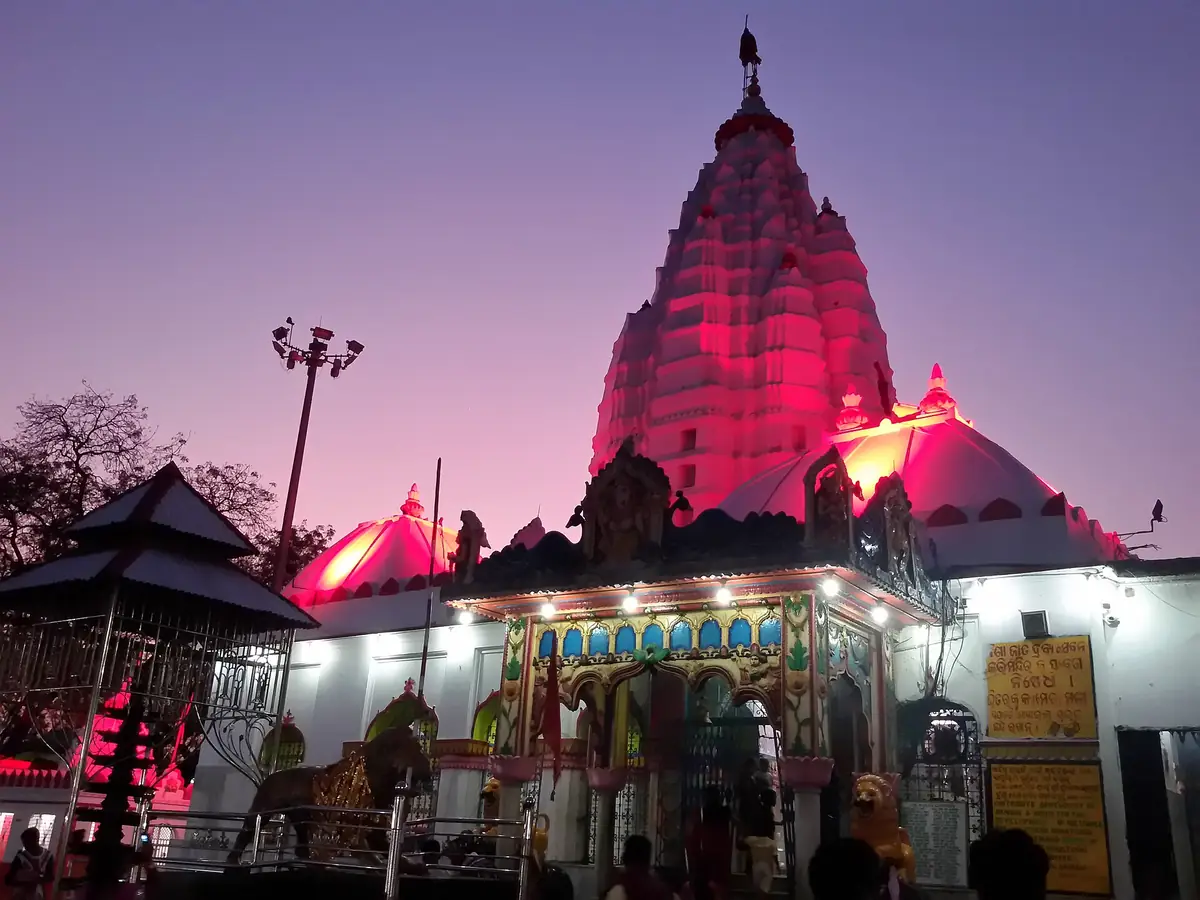
Add the Samaleswari Temple, the city's presiding shrine, and Debrigarh Wildlife Sanctuary along the reservoir's edge, and Sambalpur makes a genuine (if long) detour into western Odisha for travelers who've already covered the coastal Puri-Konark- Bhubaneswar circuit.
🧵 Sambalpur at a Glance
Best Time to Visit Sambalpur
Interior western Odisha runs hotter and drier than the coast, which sharpens the seasonal contrast here.
Cool, dry, and comfortable for reservoir viewpoints, temple visits, and time spent with weavers.
Western Odisha's interior heat climbs steeply, making outdoor sightseeing genuinely uncomfortable by midday.
The Hirakud reservoir fills dramatically, though rain can disrupt travel and outdoor plans.
Local festivals and the winter weaving season both make this the liveliest window to visit.
Our pick: November to February — cool, dry weather that makes both the dam viewpoint and a slower morning with weavers genuinely enjoyable.
How to Reach Sambalpur
Sambalpur sits deep in western Odisha, a genuinely long trip from the coastal Bhubaneswar-Puri-Konark circuit — plan accordingly.
- By rail: Sambalpur has its own railway station with regular connections to Bhubaneswar and Kolkata — the most comfortable option for the long journey.
- By road: Roughly 320 km from Bhubaneswar, a 6-7 hour drive — treat this as an overnight trip rather than a rushed day excursion.
- By air: The nearest airport with meaningful connectivity is Bhubaneswar; Jharsuguda airport, closer to Sambalpur, has more limited flight options.
Hirakud Dam, Sarees & Temples
Hirakud Dam & Reservoir
Built across the Mahanadi, Hirakud is one of the longest earthen dams in the world, and the reservoir it holds back is enormous — a genuine feat of engineering scale that's easy to underestimate until you're standing on the embankment looking out over the water.
Sambalpuri Ikat Weaving
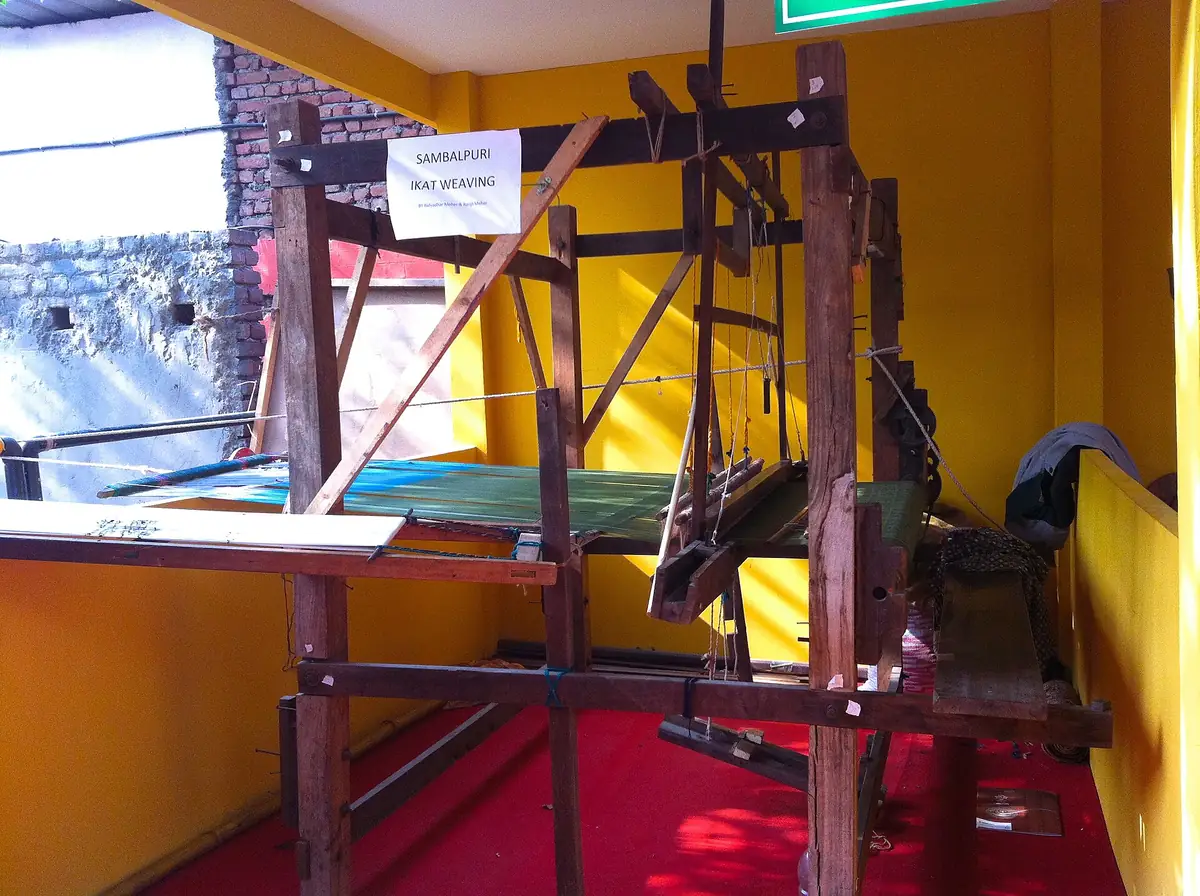
Sambalpur's handloom clusters and weaver cooperatives are where the region's famous ikat sarees are actually made — tie-dyeing the yarn before weaving to create those distinctive blurred-edge patterns. Seeing the process firsthand, and buying directly from weavers or cooperatives, is one of the most rewarding things to do here.
Samaleswari Temple
The city's presiding shrine, dedicated to the goddess from whom Sambalpur takes its name — a significant local pilgrimage site and a good stop for understanding the city's identity beyond the dam and the looms.
Debrigarh Wildlife Sanctuary
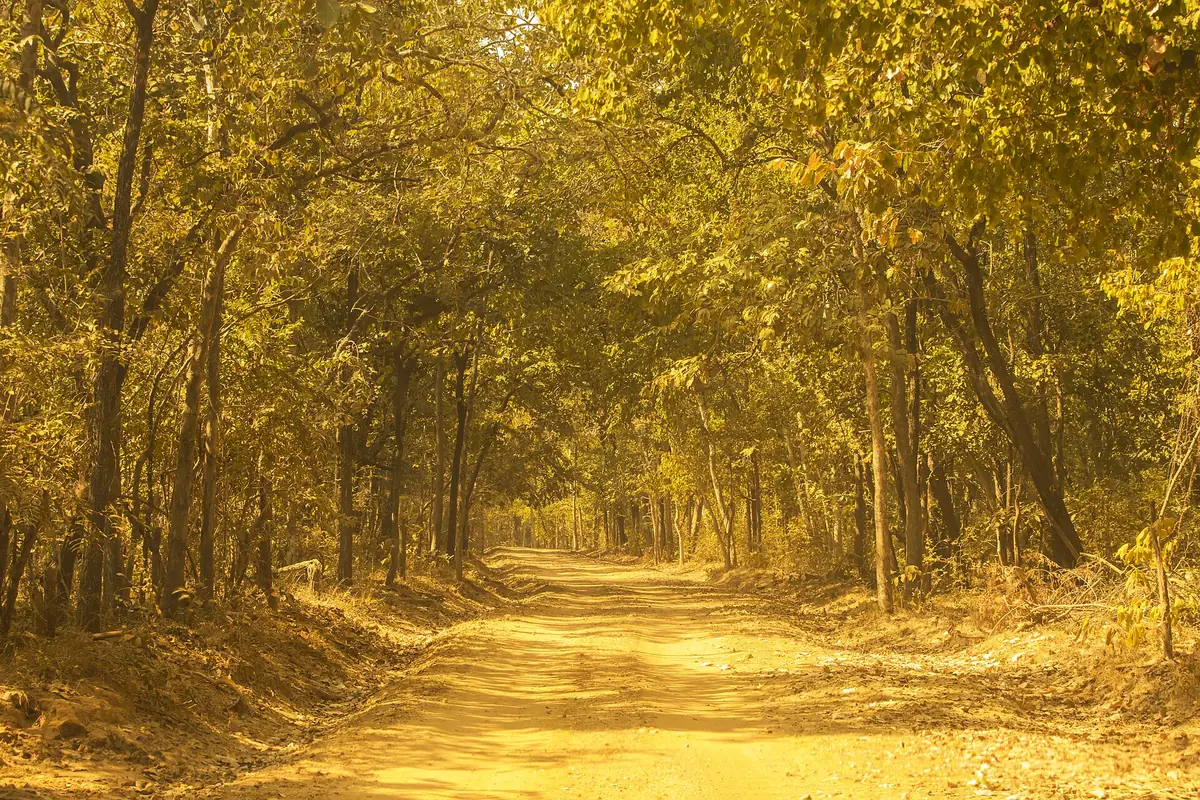
A forested sanctuary along the reservoir's edge, worth a visit for anyone with an extra day and an interest in extending their trip into nature.
Where to Stay in Sambalpur
Accommodation is functional and city-based rather than resort-style — most visitors stay in Sambalpur town itself.
- → Guesthouses near the railway station
- → Simple lodges in the town center
- → OTDC-style budget stays
- → Business hotels near the city center
- → Reservoir-view properties near Hirakud
- → Standard 3-star chains
- → Premium business hotels
- → Larger chain properties in Sambalpur
- → Full-service stays near the reservoir
Suggested Visit Plan (2 Days)
Hirakud Dam & Samaleswari Temple
- ✓Arrive, check in
- ✓Hirakud Dam viewpoint and reservoir
- ✓Evening at Samaleswari Temple
Weaving Villages & Departure
- ✓Visit a Sambalpuri weaving cooperative
- ✓Shop for authentic ikat textiles
- ✓Optional Debrigarh Sanctuary stop, then departure
Where to Eat in Sambalpur
- Odia thalis: Simple, home-style Odia vegetarian and fish thalis are widely available and a genuine way to eat like a local.
- Local sweets: Chhena-based sweets (in the same family as Odisha's famous rasgulla) show up in most local sweet shops.
- Riverside stalls: Simple tea and snack stalls near the reservoir are useful for a quick break between sightseeing stops.
Budget Breakdown
| Expense | Budget | Mid-Range | Luxury |
|---|---|---|---|
| Accommodation/night | ₹1,200 | ₹3,000 | ₹6,000 |
| Food/day | ₹400 | ₹900 | ₹2,000 |
| Local transport/day | ₹300 | ₹800 | ₹2,000 |
| Textile shopping | Varies | ₹2,000+ | ₹5,000+ |
* Excludes travel to Sambalpur. Textile shopping can vary enormously depending on the piece — genuine handwoven ikat sarees command a real premium over machine-made imitations.
Essential Tips for Visiting Sambalpur
- Buy from weavers or cooperatives: Seek out genuine handloom cooperatives rather than only mass-market shops for authentic Sambalpuri textiles.
- Plan for the distance: This is a long journey from Bhubaneswar — budget for an overnight trip rather than a rushed day visit.
- Visit the dam in clear weather: The reservoir viewpoint is far more rewarding on a clear day than a hazy one.
- Combine with Debrigarh: If you have an extra day, the wildlife sanctuary makes a natural nature-focused extension.
✅ Do
- →Visit a weaving cooperative to see ikat made firsthand
- →Time the dam visit for clear weather
- →Plan for an overnight trip given the distance
- →Try Odia thalis at a local eatery
- →Ask weavers about the tie-dye process
- →Combine with Debrigarh if you have extra time
❌ Don't
- →Rush the long trip from Bhubaneswar in a single day
- →Assume every roadside shop sells authentic handloom
- →Visit in peak summer heat (Mar-May)
- →Skip the weaving villages for the dam alone
- →Expect Puri-level tourist infrastructure
- →Forget to check reservoir water levels by season
Frequently Asked Questions
What is a Sambalpuri saree and what makes it distinctive?
Sambalpuri sarees are handwoven using a resist-dyeing technique known as ikat, where yarns are tie-dyed before weaving to create intricate, slightly blurred-edge patterns — a labor-intensive craft that has made Sambalpur one of India's most respected textile centers.
How far is Sambalpur from Bhubaneswar?
Roughly 320 km, a 6-7 hour drive or a comparable rail journey. It's a genuinely long trip given western Odisha's distance from the coast, so plan for at least an overnight stay rather than a rushed day trip.
Is the Hirakud Dam worth the journey?
Yes, for anyone interested in engineering scale or wanting a genuine western-Odisha detour — Hirakud is one of the longest earthen dams in the world, and the reservoir it creates is vast enough to feel more like an inland sea than a typical dam lake.
What is the best time to visit Sambalpur?
October to February offers the most comfortable weather for sightseeing and reservoir viewpoints. Summers (April-June) get very hot in this part of interior Odisha.
Where can I buy authentic Sambalpuri textiles?
Seek out handloom cooperatives or weaver workshops rather than only mass-market shops — several government emporiums and weaving clusters around Sambalpur let you see the ikat-dyeing and weaving process directly and buy from the source.
Published by the Kudozz Club editorial team · Last updated · How we research our guides
Want us to plan this trip for you?
Tell Kudozz Club where you want to go and what kind of trip you’re looking for. We’ll build a Sambalpur and Odisha itinerary around your dates and budget.
Continue Exploring
View all guides Off-beat
Chilika Lake Guide: Dolphins, Birds & Boating
Asia's largest brackish water lagoon, home to Irrawaddy dolphins and hundreds of thousands of wintering migratory birds — the complete Chilika Lake guide.
 Off-beat
Jeypore Travel Guide: Tribal Heritage & Tips
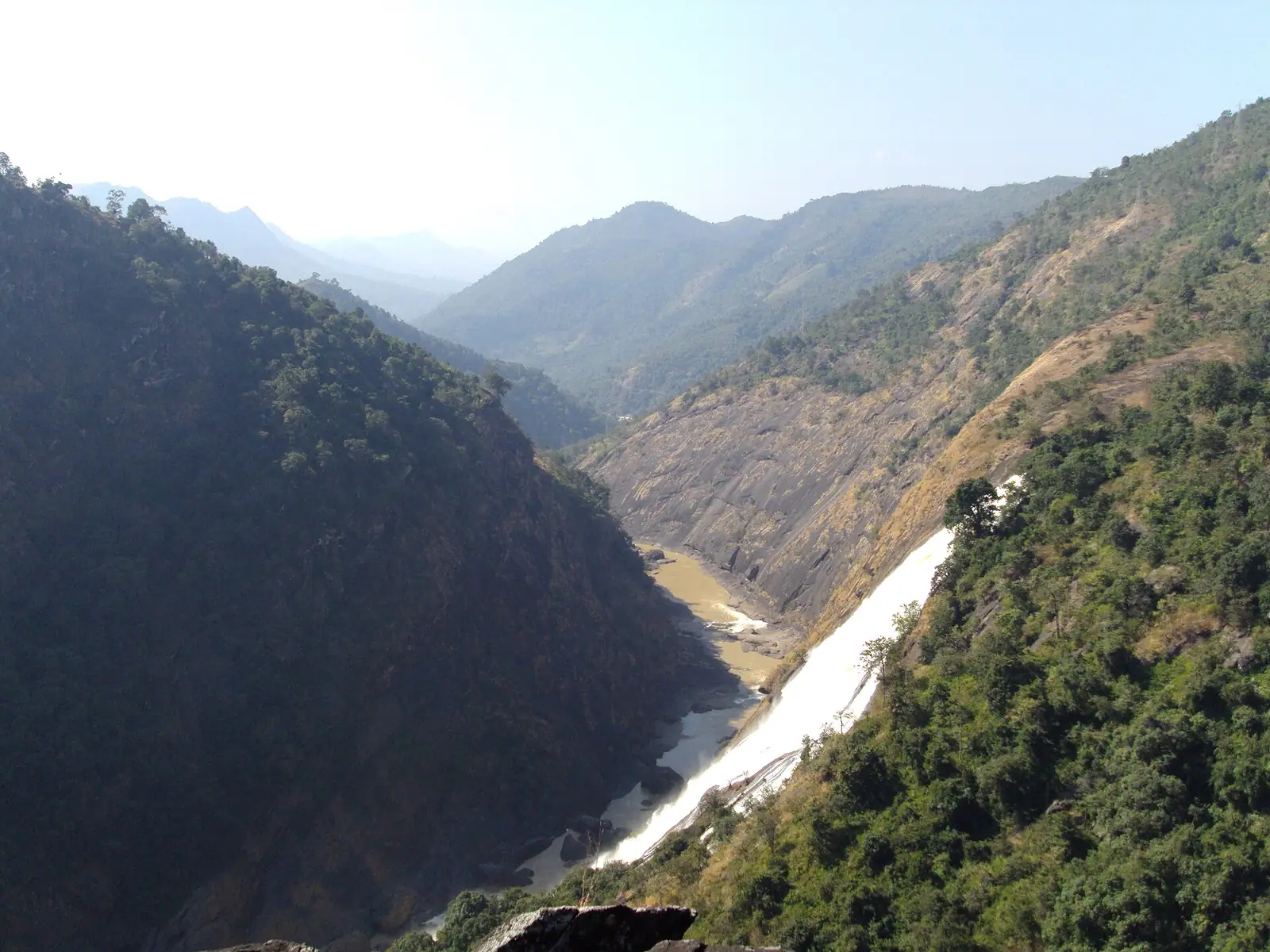
A former princely seat, a scenic waterfall, and the practical gateway to southern Odisha's tribal heartland — the complete Jeypore guide.
 Off-beat
Koraput Travel Guide: Tribal Culture & Coffee
Coffee plantations climbing the Eastern Ghats and weekly markets where some of India's most distinct tribal communities gather — the complete Koraput guide.
 Off-beat
Rourkela Travel Guide: Steel City & Waterfalls
India's first integrated steel plant, a genuine hockey heritage, and one of Odisha's most dramatic waterfalls just beyond the city limits.