Why Odisha?
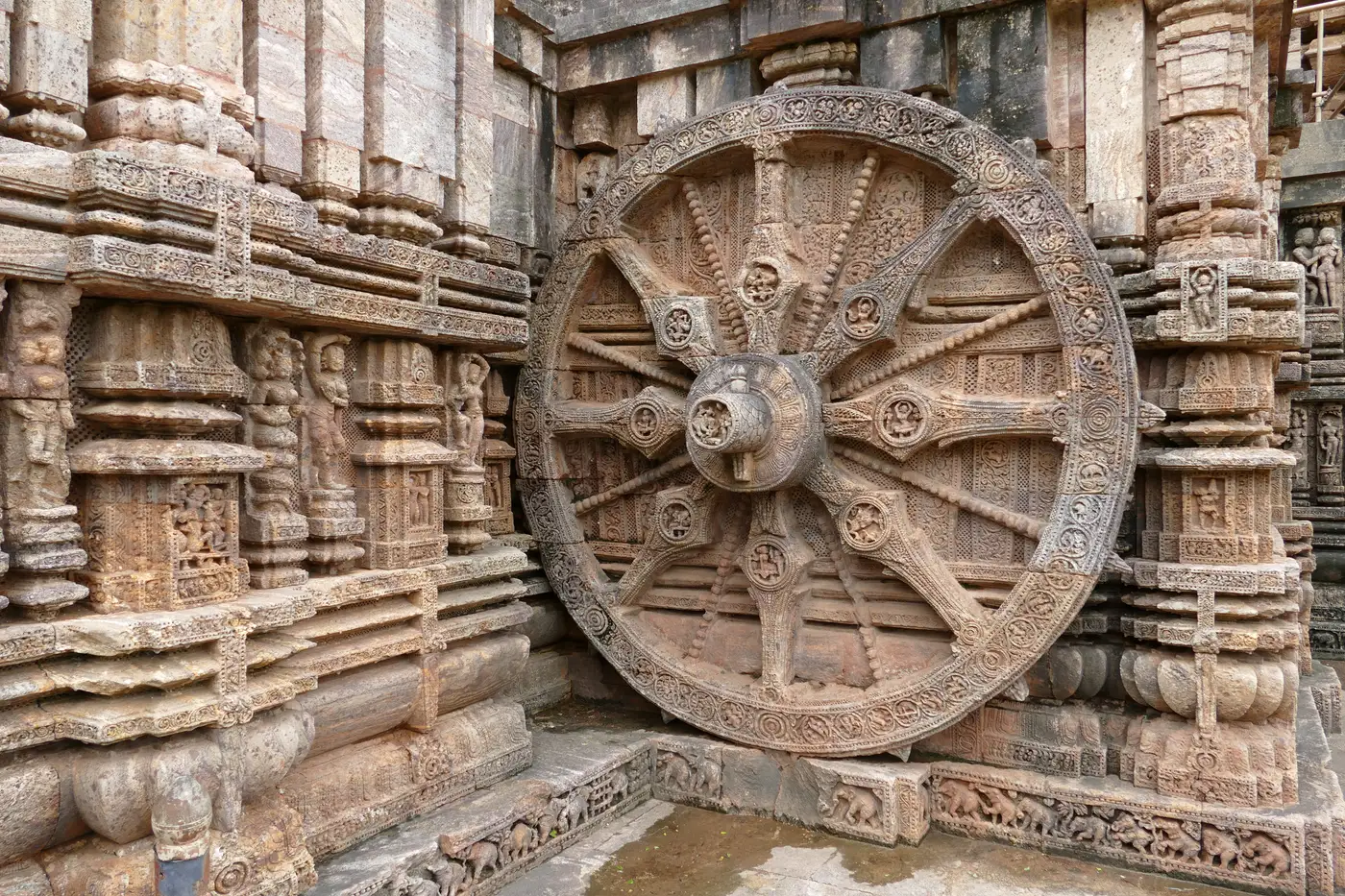
Overshadowed by its more famous neighbours, Odisha is home to one of India's genuine architectural marvels — the 13th-century Konark Sun Temple, designed as a colossal stone chariot with 24 intricately carved wheels, pulled by seven stone horses.
That's just one point on Odisha's "Golden Triangle" — alongside Puri, home to the Jagannath Temple and its famous Rath Yatra chariot festival, and Bhubaneswar, a genuine temple city with dozens of ancient shrines packed into a relatively compact area.
Beyond the temple circuit, Chilika Lake — Asia's largest brackish-water lagoon — offers Irrawaddy dolphin sightings and some of East India's best birdwatching, while Odisha's interior is home to some of the country's most distinct tribal communities and craft traditions.
🛕 Odisha at a Glance
Interested in the history? See our guide to heritage in Odisha.
Planning a pilgrimage? See our guide to spiritual places in Odisha.
Planning a wildlife trip? See our guide to wildlife tourism in Odisha.
Planning a beach holiday? Explore our guide to the best beaches in Odisha.
Best Time to Visit Odisha
Odisha's coastal climate stays hot and humid for much of the year, with a distinct cyclone risk window to plan around.
Cooler, drier conditions (18–28°C) make temple visits and Chilika Lake boat trips genuinely comfortable — the peak travel window.
Temperatures and humidity climb sharply, making midday temple visits genuinely uncomfortable — plan around early mornings.
Substantial rain across the state; some coastal and lagoon activities become genuinely difficult during peak monsoon weeks.
Odisha's coast is periodically affected by cyclones during this transition period — check weather advisories before travel.
Our pick: November to February — dry, comfortable conditions across the whole circuit, past the worst of the cyclone-risk transition period.
How to Reach Odisha
- By Air: Biju Patnaik International Airport (BBI) in Bhubaneswar has good domestic connectivity from Delhi, Mumbai, Kolkata, Bengaluru and other major cities.
- By Rail: Bhubaneswar and Puri are both well connected by rail to Delhi, Kolkata, Chennai, and Mumbai — Puri in particular has direct trains from several major cities.
- By Road: Puri, Konark and Bhubaneswar form a compact triangle, each roughly 1-1.5 hours from the others by road, making a self-drive or hired-car circuit straightforward.
Puri: Jagannath Temple & Beach
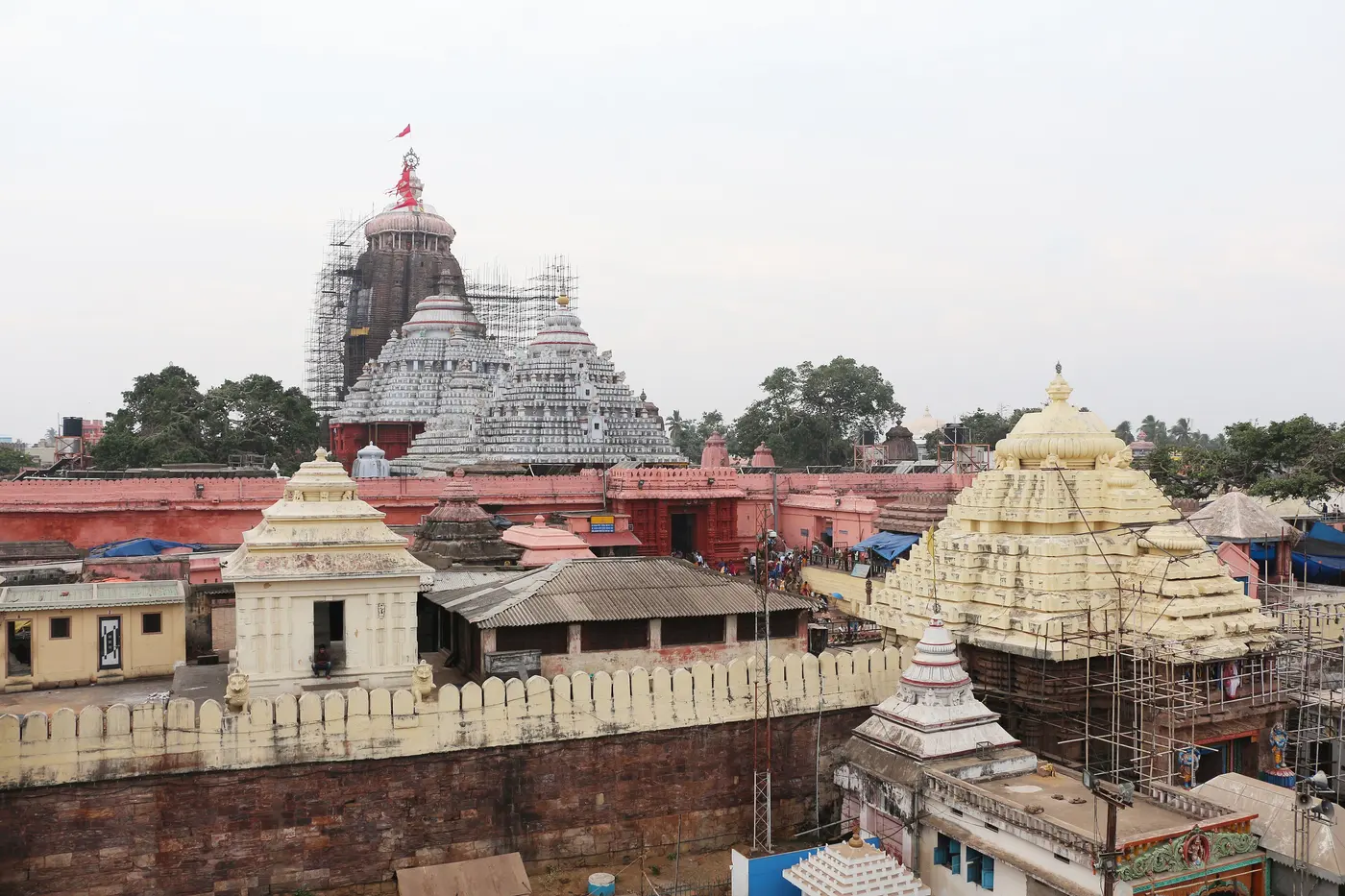
One of Hinduism's four sacred Char Dham pilgrimage sites, Puri is built around the Jagannath Temple and is home to the annual Rath Yatra, one of the world's largest religious processions.
- Jagannath Temple: A massive 12th-century temple complex — entry is restricted to Hindus only, but the temple's towering shikhara and surrounding old-city atmosphere are worth experiencing regardless.
- Rath Yatra: Held annually (typically June-July), when massive wooden chariots carrying the temple deities are pulled through Puri's streets by thousands of devotees — genuinely one of India's most significant religious events.
- Puri Beach: A wide, popular beach with a lively promenade — better for a walk and local atmosphere than for swimming, given the currents.
- Gundicha Temple: The deities' "summer home" during Rath Yatra, roughly 3 km from the main temple.
Konark: The Sun Temple
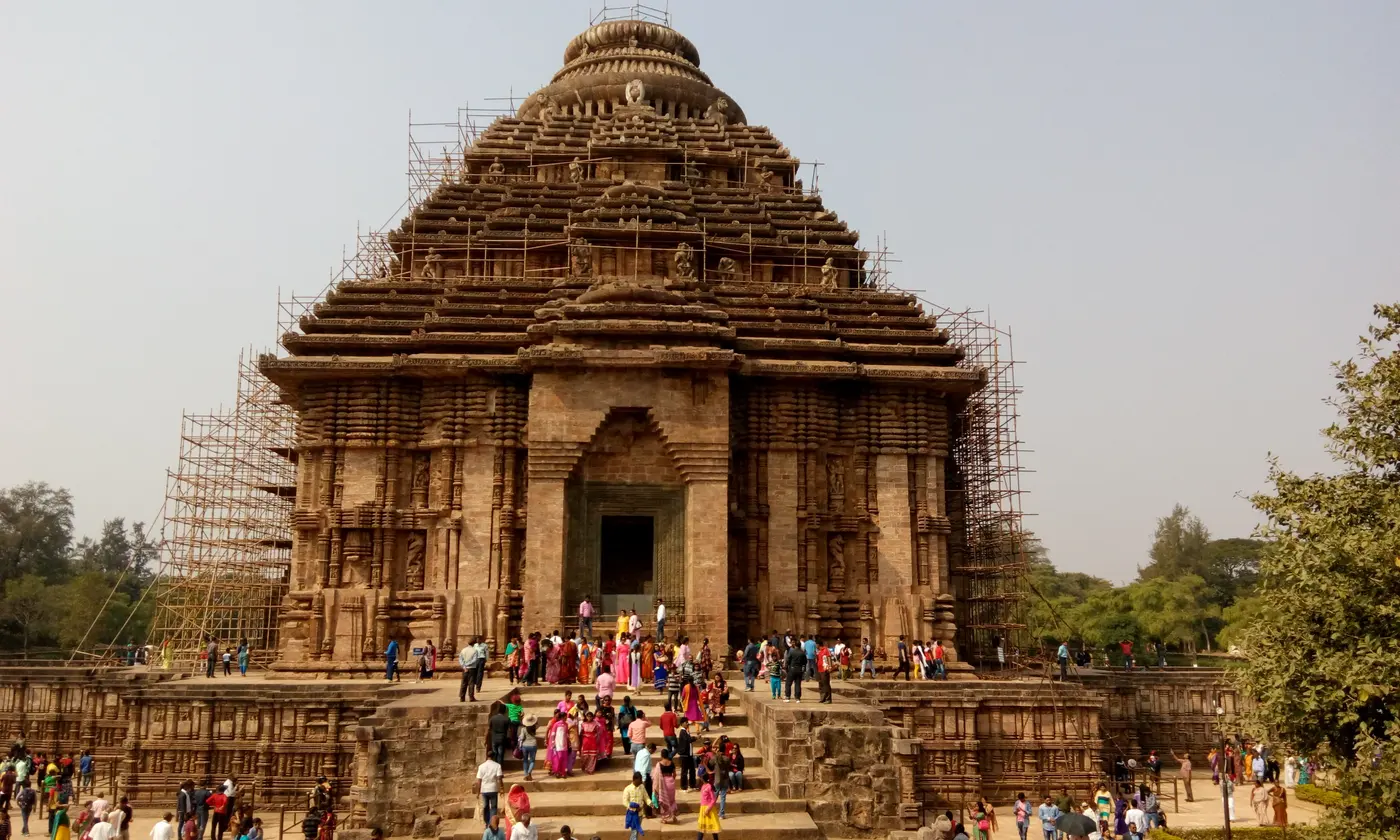
A UNESCO World Heritage Site roughly 35 km from Puri, the Konark Sun Temple was built in the 13th century as a colossal representation of the sun god Surya's chariot — a masterpiece of medieval Odisha (Kalinga) architecture.
- The chariot design: The temple is carved as a giant chariot with 24 intricately detailed stone wheels (each functioning as a sundial) and pulled by seven horses — one of the most ambitious architectural concepts in Indian temple history.
- Stone carvings: The entire structure is covered in detailed relief carvings depicting deities, everyday life, and intricate geometric patterns — allow at least 2 hours to appreciate the detail.
- Konark Beach: A quieter, less developed beach near the temple, worth a short visit if time allows.
- Konark Dance Festival: An annual classical dance festival held against the temple's backdrop, typically in December — worth timing a trip around if possible.
Bhubaneswar: The Temple City
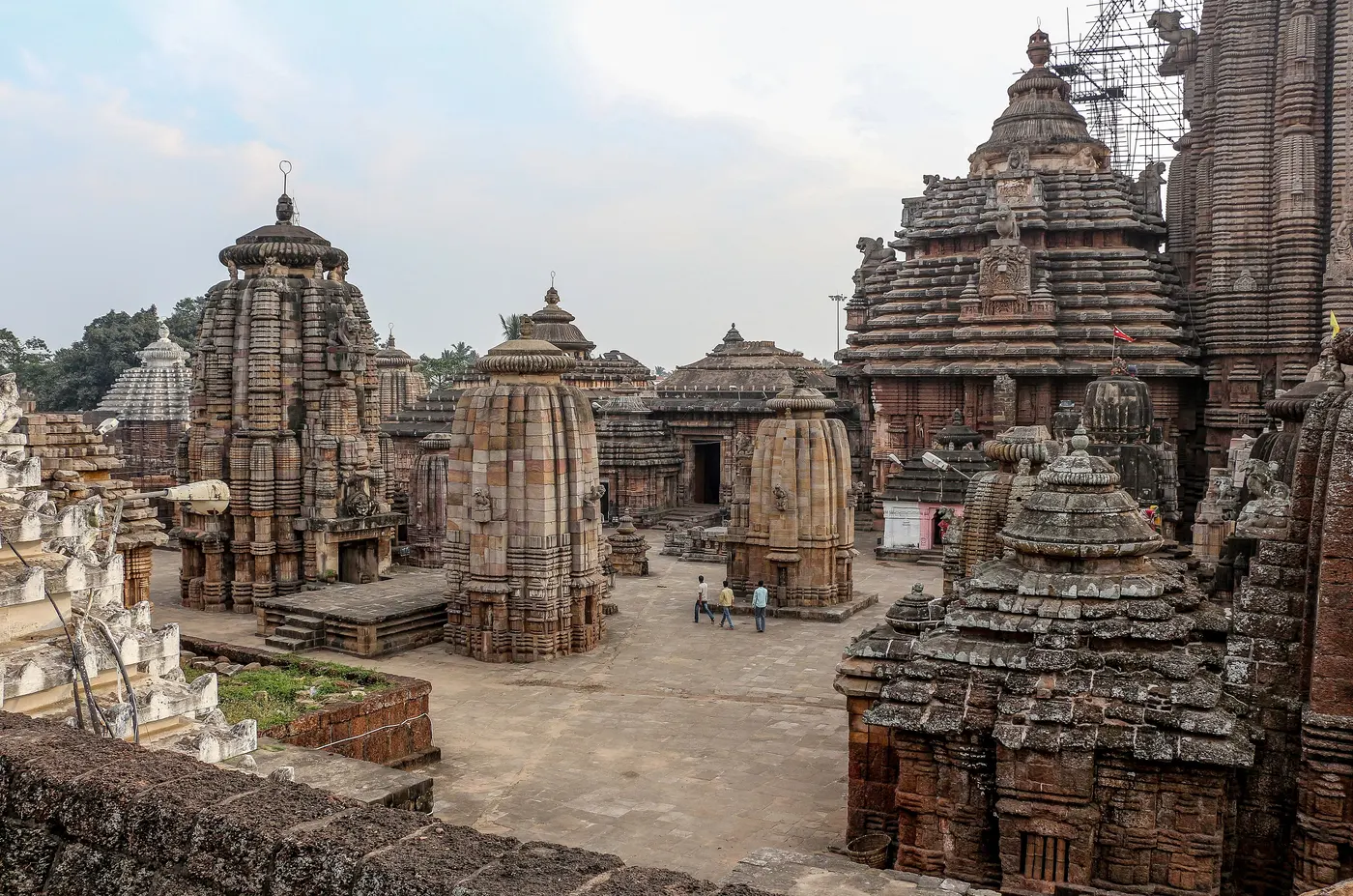
Odisha's capital is genuinely nicknamed the "Temple City" for good reason — over 700 temples once stood here, and dozens of significant ones remain.
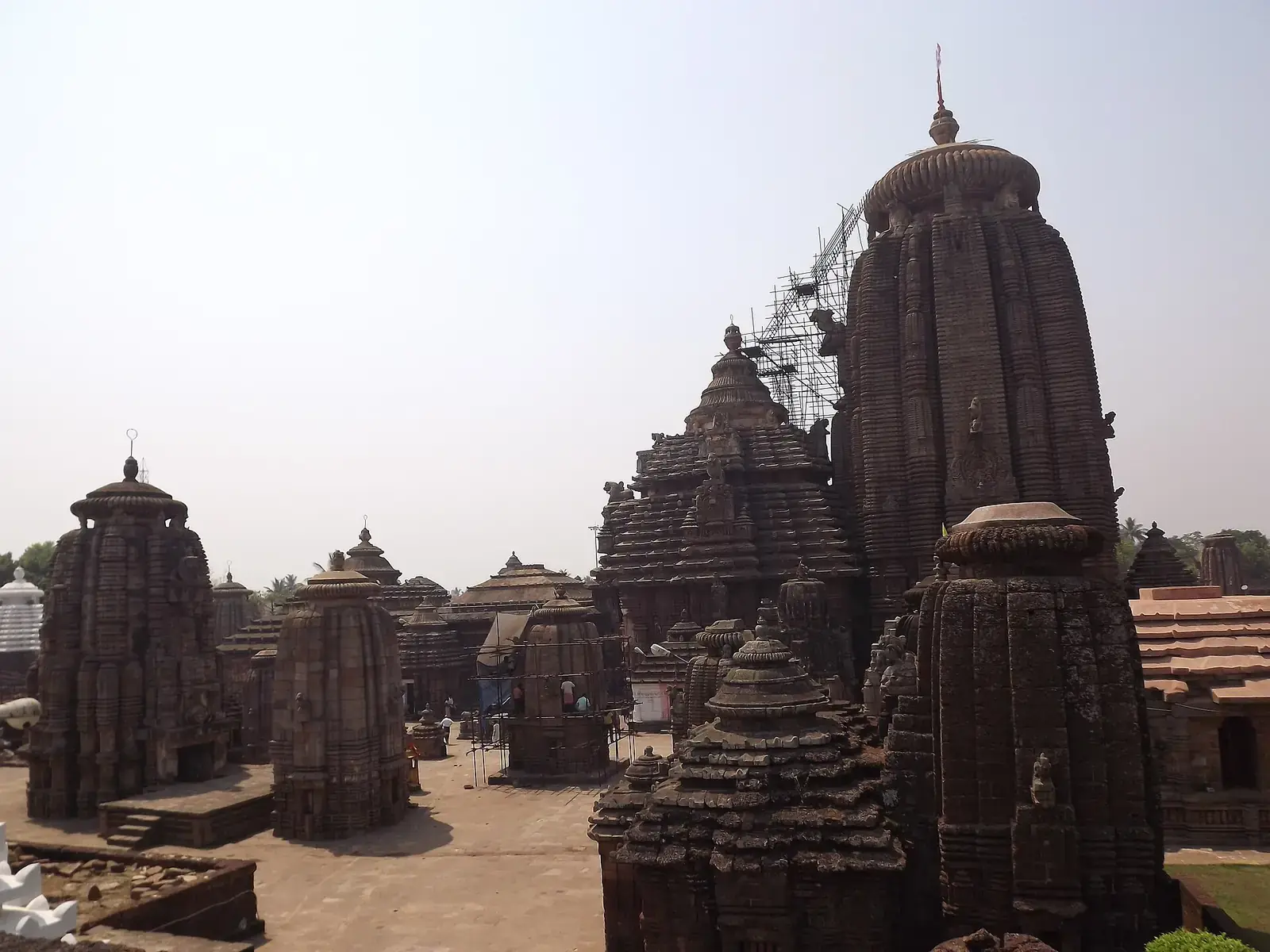
- Lingaraj Temple: The largest and most important temple in Bhubaneswar, an 11th-century masterpiece — like the Jagannath Temple, entry is restricted to Hindus, but the exterior architecture is impressive from the viewing platform.
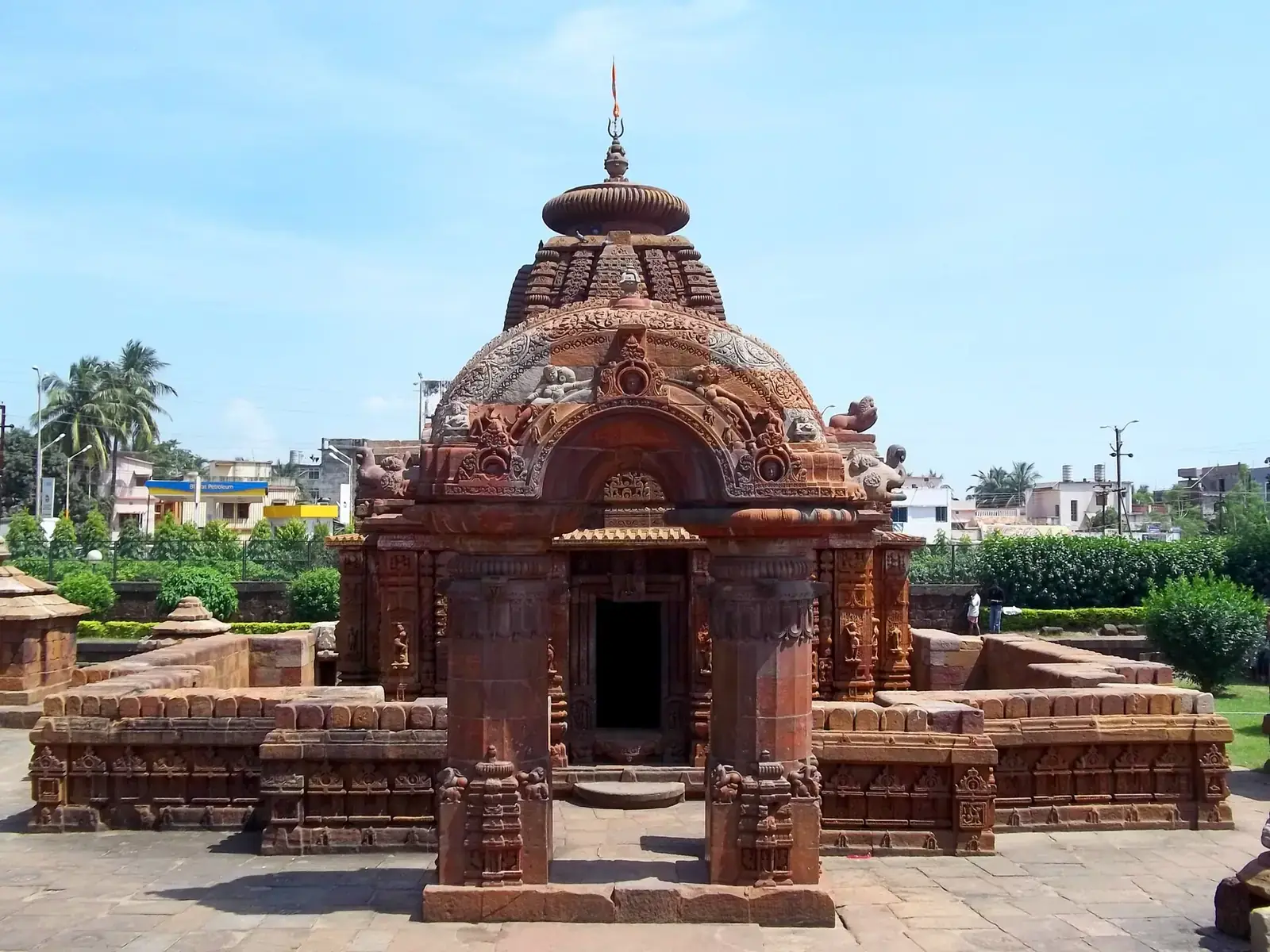
- Mukteshwar Temple: A smaller, exquisitely carved 10th-century temple, often considered the "gem" of Odisha temple architecture.
- Udayagiri and Khandagiri Caves: Twin hills with ancient Jain rock-cut caves dating back to the 2nd century BCE, with inscriptions and carved chambers.
- Odisha State Museum: A good overview of the state's history, tribal culture, and archaeological finds before heading further into the state.
Chilika Lake: Dolphins & Birds
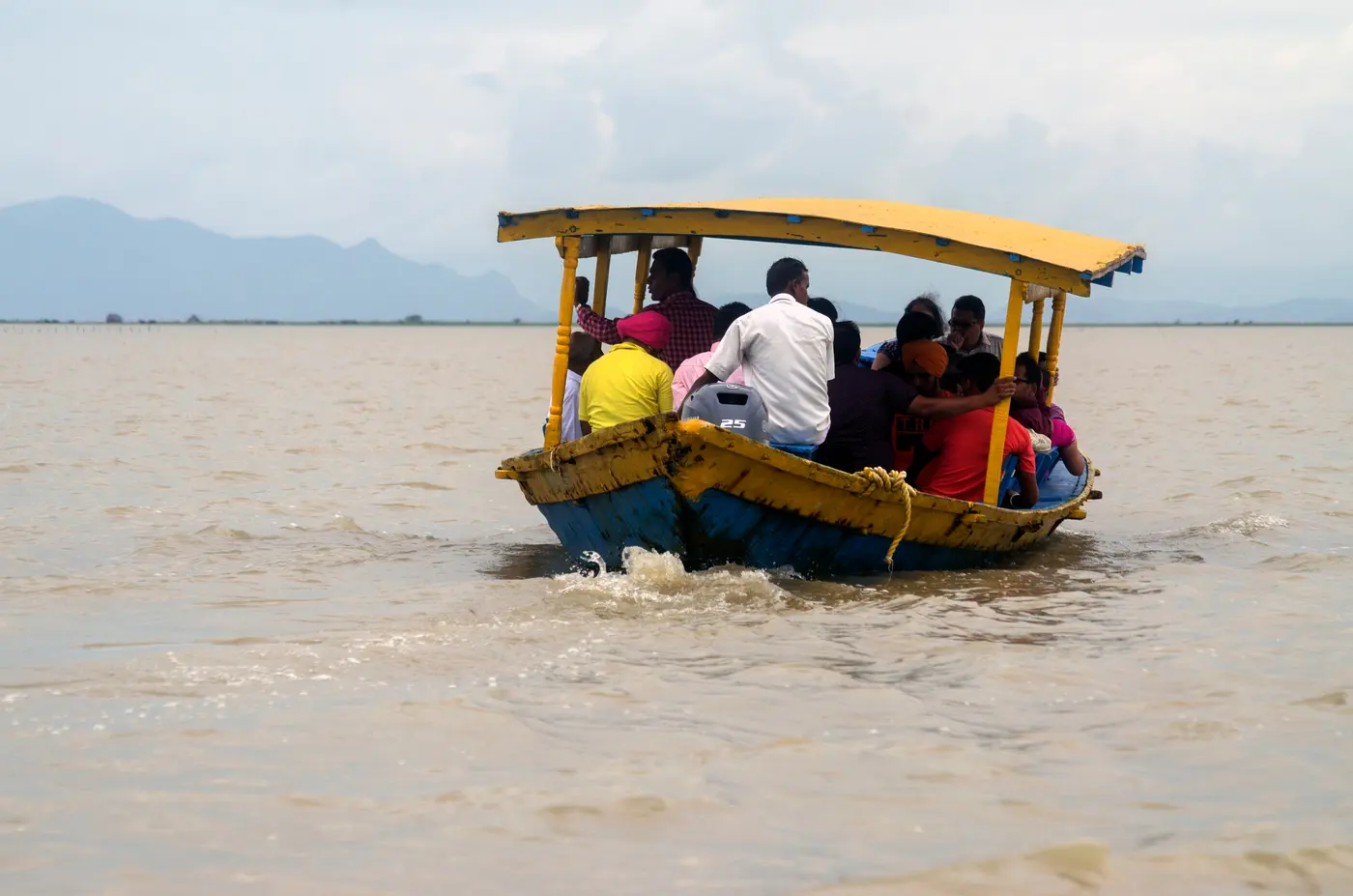
Asia's largest brackish-water lagoon, Chilika Lake spans nearly 1,100 sq km and is one of the most important wetland ecosystems in India, roughly 100 km from Bhubaneswar.
- Irrawaddy dolphins: Chilika is one of the few places in India to spot these rare dolphins, typically seen from boats near Satapada — sightings are best in the cooler months.
- Birdwatching: Chilika hosts over a million migratory birds each winter, making Nalabana Bird Sanctuary within the lake one of India's premier birdwatching destinations.
- Boat safaris: Organised boat trips from Satapada or Rambha cover both dolphin spotting and island visits — a full morning is typically needed.
Tribal Odisha
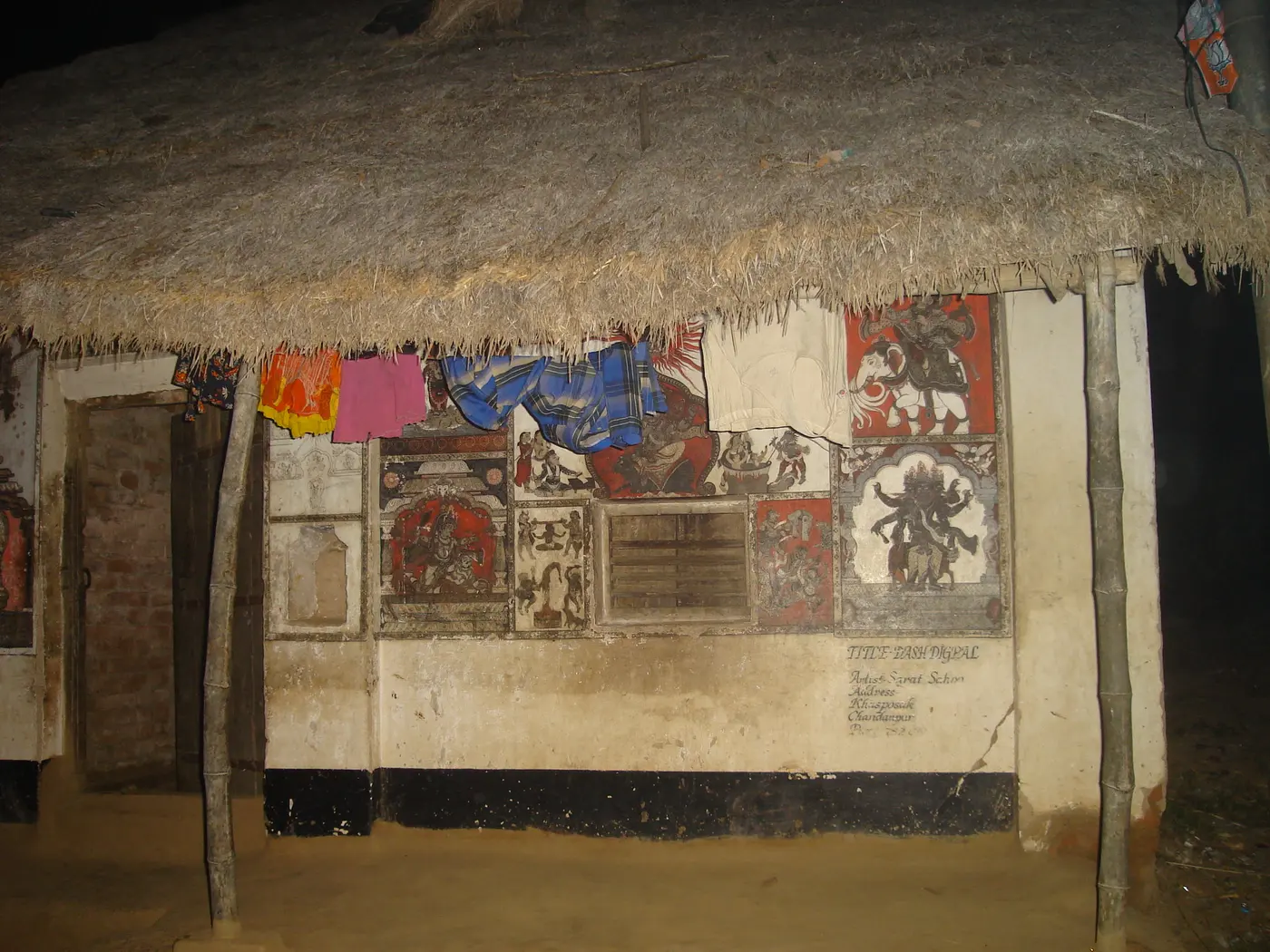
Odisha's interior — particularly the Koraput and Similipal regions — is home to some of India's most distinct tribal communities, with weekly haats (markets) and craft traditions rarely seen by outside visitors.
- Koraput region: Home to several tribal communities including the Bonda and Gadaba, with colourful weekly markets worth visiting with a knowledgeable local guide.
- Pattachitra art: Odisha's traditional scroll painting style, centred in the village of Raghurajpur near Puri — an easy day-trip stop to see artists at work.
- Similipal National Park: A tiger reserve and biosphere in the state's north, less visited than most Indian national parks but genuinely rewarding for wildlife enthusiasts with extra time.
Where to Stay
Puri has the widest range of accommodation given its beach and pilgrimage draw; Bhubaneswar is better suited for business-style stays.
- → Beachfront guesthouses, Puri
- → Budget lodges near Jagannath Temple
- → Basic stays, Bhubaneswar
- → Beach resorts, Puri
- → Business hotels, Bhubaneswar
- → Mayfair Heritage, Puri
- → Mayfair Waves, Puri
- → Trident Bhubaneswar
- → Premium beach resorts, Puri
Base yourself in Puri for the Golden Triangle circuit — it puts both Konark and Bhubaneswar within a comfortable day-trip distance while giving you beach access every evening.
What to Eat in Odisha
- Dalma: A hearty lentil and vegetable stew, an Odia household staple typically eaten with rice.
- Pakhala: Fermented rice soaked in water, traditionally eaten in summer — a beloved Odia comfort food, especially with fried fish or vegetables on the side.
- Chhena Poda: A baked cheese dessert originating in Odisha, dense and caramelised — often called the state's signature sweet.
- Mahaprasad (Puri): The temple's communal food offering, prepared in the Jagannath Temple's massive kitchen and served to devotees — a unique culinary and religious experience.
- Fresh seafood, Puri and Chilika: Given the coastal and lagoon geography, fresh fish and prawn preparations are widely available and excellent.
5-Day Odisha Itinerary
Five days is a comfortable minimum to cover the Golden Triangle and Chilika Lake without rushing.
Bhubaneswar
- ✓Arrive, Lingaraj Temple, Mukteshwar Temple
- ✓Udayagiri and Khandagiri Caves
Travel to Puri via Konark
- ✓Drive to Konark, Sun Temple visit
- ✓Continue to Puri, evening at Puri Beach
Puri
- ✓Jagannath Temple area, old city walk
- ✓Raghurajpur Pattachitra village day trip
Chilika Lake
- ✓Drive to Satapada (~1.5 hrs)
- ✓Boat safari for dolphins and birdwatching
- ✓Return to Puri or Bhubaneswar
Departure
- ✓Last-minute sightseeing or shopping
- ✓Departure via Bhubaneswar
Budget Breakdown
| Expense | Budget | Mid-Range | Luxury |
|---|---|---|---|
| Accommodation/night | ₹1,000 | ₹3,500 | ₹10,000 |
| Food/day | ₹400 | ₹1,000 | ₹2,500 |
| Local transport/day | ₹400 | ₹900 | ₹2,200 |
| Activities/day | ₹300 | ₹700 | ₹1,500 |
| Daily total | ₹2,100 | ₹6,100 | ₹16,200 |
| 5-Day trip total | ₹10,500 | ₹30,500 | ₹81,000 |
* Excludes flights to Bhubaneswar. Chilika Lake boat safaris are typically quoted per-boat, so cost per person drops significantly in a group.
Essential Travel Tips for Odisha
- Non-Hindus cannot enter the Jagannath or Lingaraj Temple sanctums: Viewing platforms are available outside both — confirm current access rules before visiting.
- Check cyclone advisories in Oct–Nov: Odisha's coast is periodically affected during this transition window — check forecasts before finalising travel dates.
- Book Chilika boat safaris through registered operators: Ensures proper safety standards and supports responsible dolphin-watching practices.
- Visit Konark early morning: Both for cooler temple-stone underfoot and the best light for photographing the carvings.
- Plan around Rath Yatra crowds: If visiting Puri during the festival, expect very large crowds and book accommodation well ahead.
- Carry cash outside major cities: Card acceptance drops off quickly outside Bhubaneswar and central Puri.
✅ Do
- →Visit Konark Sun Temple early morning
- →Book Chilika boat safaris through registered operators
- →Check cyclone advisories if travelling Oct–Nov
- →Try mahaprasad and local Odia specialities
- →Base yourself in Puri for the Golden Triangle circuit
- →Visit Raghurajpur to see Pattachitra artists at work
❌ Don't
- →Expect sanctum access to Jagannath or Lingaraj Temple as a non-Hindu
- →Swim carelessly at Puri Beach — currents can be strong
- →Visit during Rath Yatra without booking accommodation well ahead
- →Skip cyclone advisory checks in the Oct–Nov window
- →Rely on cards outside Bhubaneswar and central Puri
- →Rush Konark's carvings — they reward slow viewing
Places to Explore in Odisha
Every Odisha guide on Kudozz Club, in one place — 15 destinations covered so far, from cities and towns to individual attractions. Use this index to plan beyond the highlights above.
Frequently Asked Questions
How many days do I need for Odisha?
Five days is a comfortable minimum to cover the Golden Triangle — Bhubaneswar, Konark, and Puri — plus Chilika Lake without rushing. It's realistic to spend a day in Bhubaneswar, a day travelling to Puri via Konark, a day exploring Puri, a day at Chilika, and a final day for departure.
What is the best time to visit Odisha?
November to February is the best window — cooler, drier conditions (18–28°C) that make temple visits and Chilika Lake boat trips genuinely comfortable. This also sits past the worst of the October–November cyclone-risk transition period on Odisha's coast.
How do I reach Odisha?
Biju Patnaik International Airport (BBI) in Bhubaneswar has good domestic connectivity from Delhi, Mumbai, Kolkata, Bengaluru, and other major cities. Bhubaneswar and Puri are also both well connected by rail to Delhi, Kolkata, Chennai, and Mumbai, and the three Golden Triangle towns are each roughly 1–1.5 hours apart by road.
What is the budget for a trip to Odisha?
Excluding flights to Bhubaneswar, a daily budget runs roughly ₹2,100 on a tight budget, ₹6,100 mid-range, or ₹16,200 for a luxury trip, covering accommodation, food, local transport, and activities. A 5-day trip works out to approximately ₹10,500–₹81,000 depending on your travel style.
Can non-Hindus enter the Jagannath Temple or Lingaraj Temple?
No — entry to the sanctum of both the Jagannath Temple in Puri and the Lingaraj Temple in Bhubaneswar is restricted to Hindus only. Viewing platforms are available outside both temples, and it's worth confirming current access rules before visiting since policies can change.
Is Odisha worth visiting?
Yes — it's genuinely one of India's most underrated temple states, home to the 13th-century Konark Sun Temple carved as a colossal stone chariot, the Jagannath Temple and its famous Rath Yatra festival in Puri, and Chilika Lake, Asia's largest brackish-water lagoon, where Irrawaddy dolphins surface between fishing boats.
What is Chilika Lake known for?
Chilika Lake, roughly 100 km from Bhubaneswar, is Asia's largest brackish-water lagoon and one of India's most important wetland ecosystems. It's known for Irrawaddy dolphin sightings near Satapada and for hosting over a million migratory birds each winter at the Nalabana Bird Sanctuary within the lake — both best experienced on an organised boat safari.
Published by the Kudozz Club editorial team · Last updated · How we research our guides
Want us to plan this trip for you?
Tell Kudozz Club where you want to go and what kind of trip you’re looking for. We’ll build a Odisha itinerary around your dates and budget.
Continue Exploring
View all guides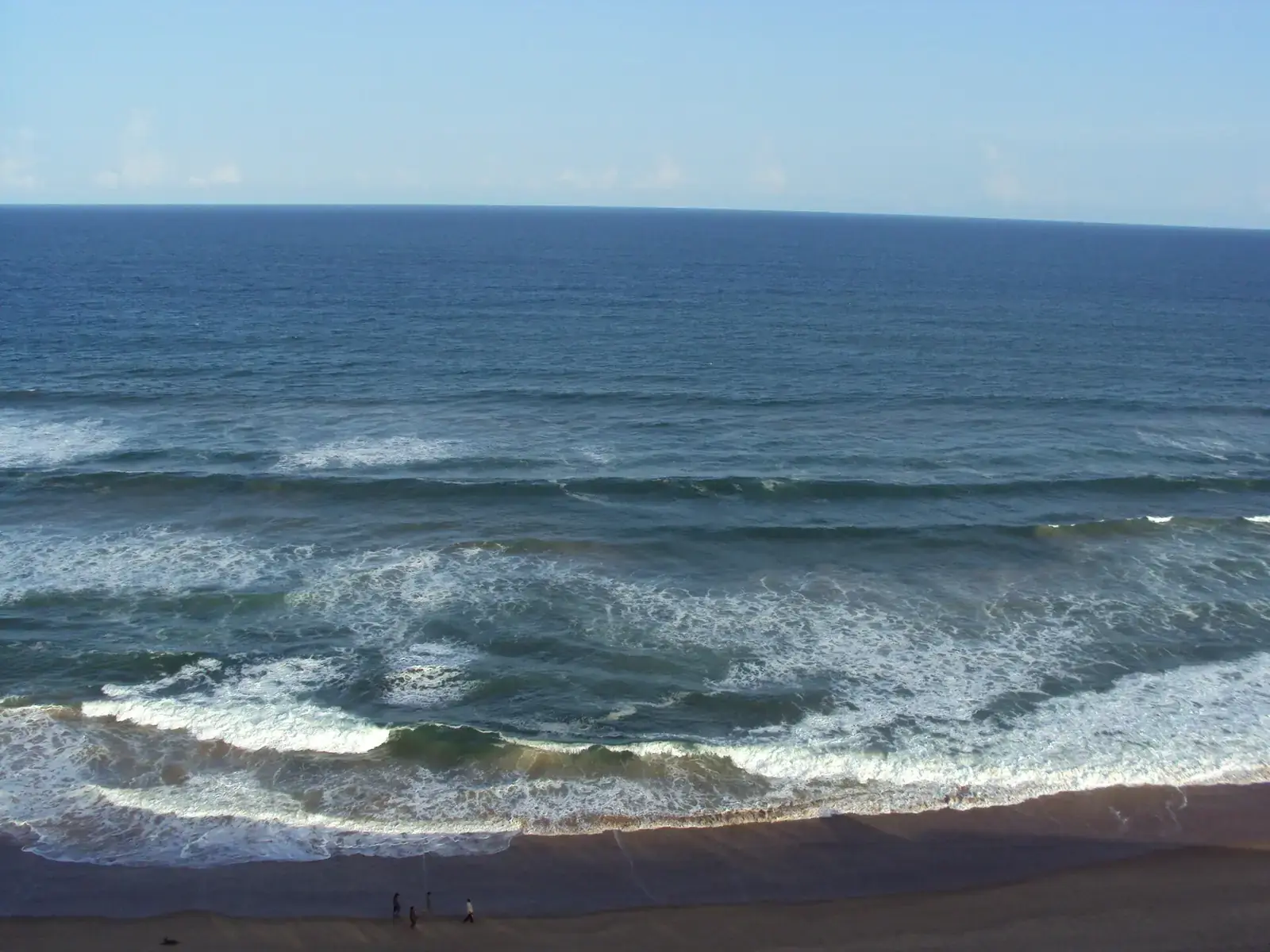 Beach Travel
Best Beaches in Odisha: Puri, Chandrabhaga, Gopalpur and Chandipur
A guide to the best beaches on Odisha's Bay of Bengal coast: Puri's Blue Flag Golden Beach and sand art, Chandrabhaga and Ramchandi near Konark, Gopalpur and Sunapur in Ganjam, Chandipur where the sea recedes at low tide, Talasari near the Bengal border, and the olive ridley nesting coast, with cyclone season and swimming advice.
 Things to Do
Things to Do in Puri: Jagannath Temple, Rath Yatra, Beaches & Konark
Things to do in Puri: the Jagannath Temple and its Mahaprasad, the Rath Yatra, Puri beach and sand art, Golden Beach, Swargadwar, Raghurajpur's pattachitra painters, the Konark Sun Temple, Chandrabhaga beach, Chilika Lake's dolphins and Pipli's appliqué work.
 Spiritual Tourism
Spiritual Tourism in Odisha: Puri, Bhubaneswar and Konark
A guide to spiritual tourism in Odisha: the Jagannath Temple in Puri and its Rath Yatra and Mahaprasad, Bhubaneswar's Lingaraj and old temples, the Sun Temple at Konark, the Jain caves of Udayagiri and Khandagiri, Dhauli, the Buddhist sites of Ratnagiri, Udayagiri and Lalitgiri, Devi shrines such as Biraja and Tara Tarini, entry rules and a golden triangle route.
 Heritage & Culture
Heritage Tourism in Odisha: Konark, Temple Towns and Living Crafts
A guide to heritage tourism in Odisha: the Konark Sun Temple, a UNESCO World Heritage Site, the temple city of Bhubaneswar, the Jain caves of Udayagiri and Khandagiri, the Ashokan edicts at Dhauli, the Buddhist sites of Ratnagiri, Lalitgiri and Udayagiri, Puri, the craft villages of Raghurajpur and Pipili, Cuttack's silver filigree, Odissi and Sambalpuri weaving.