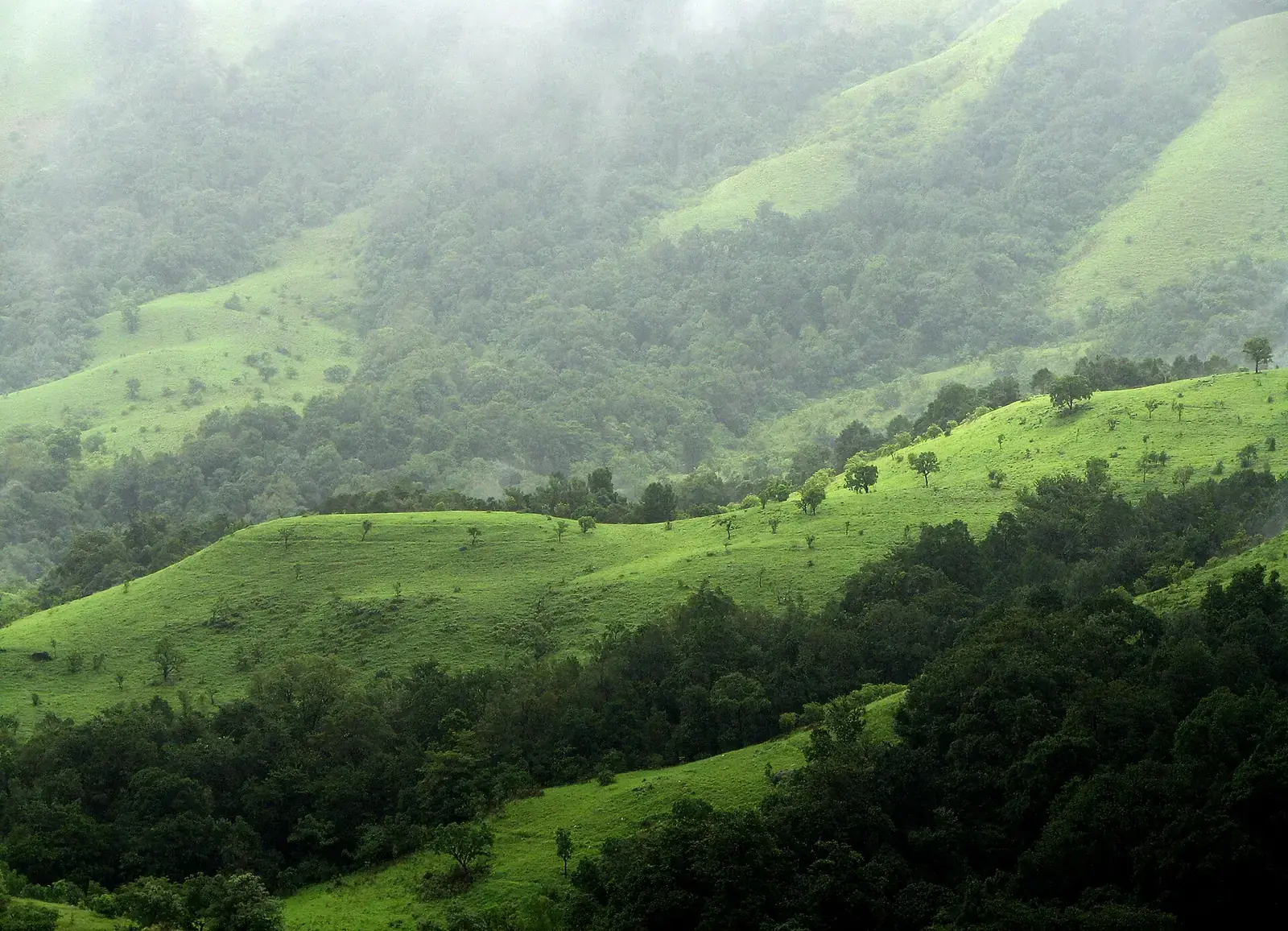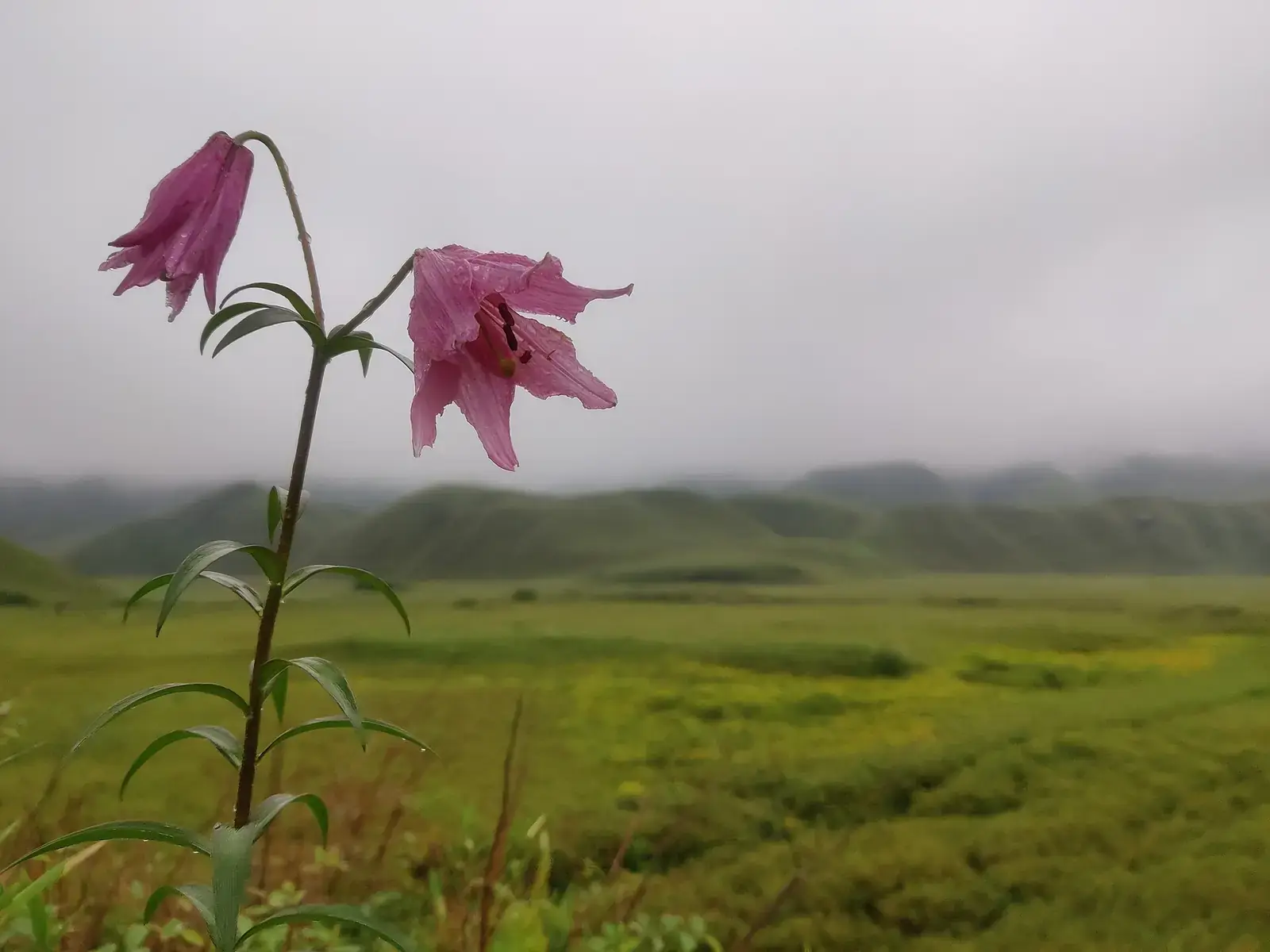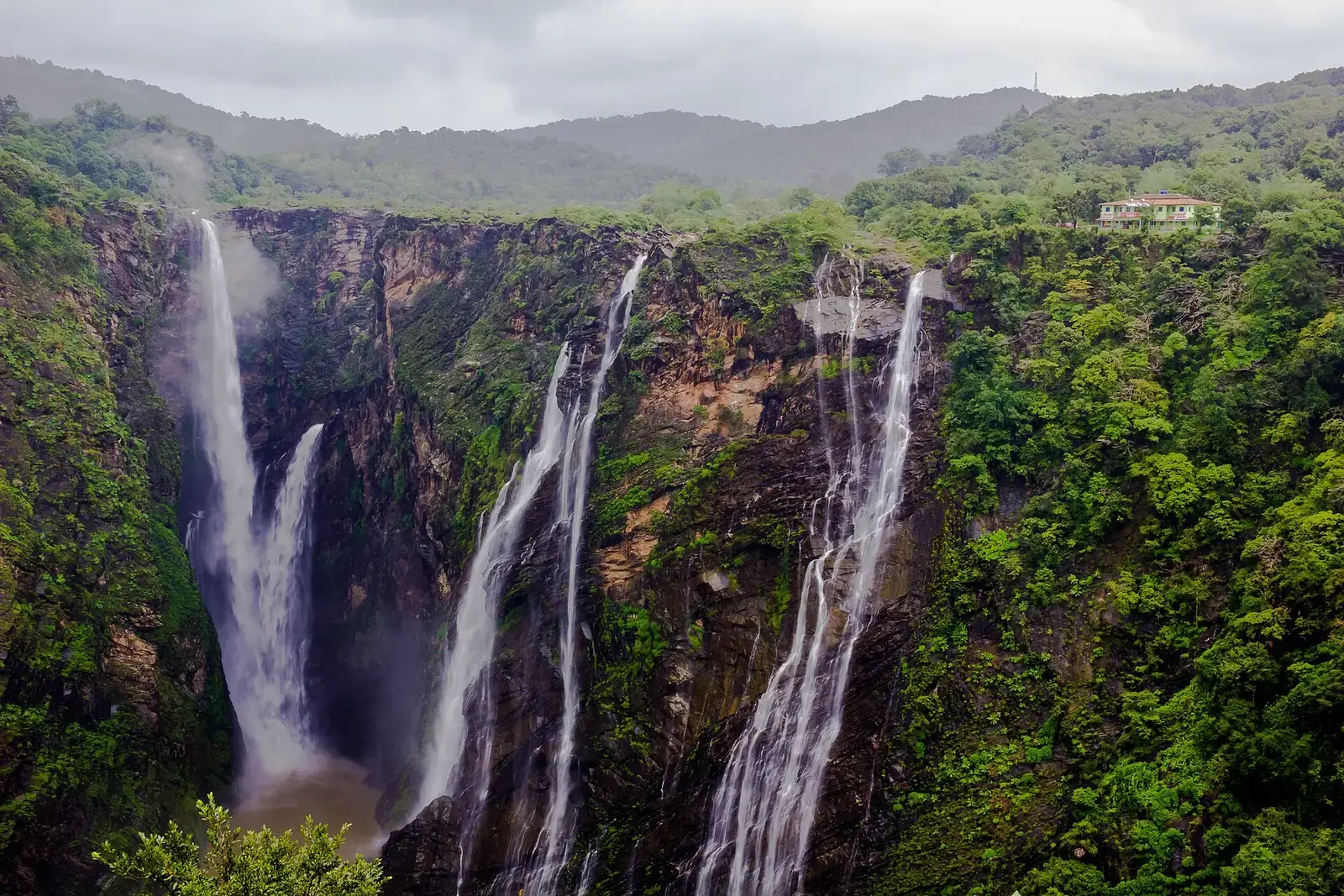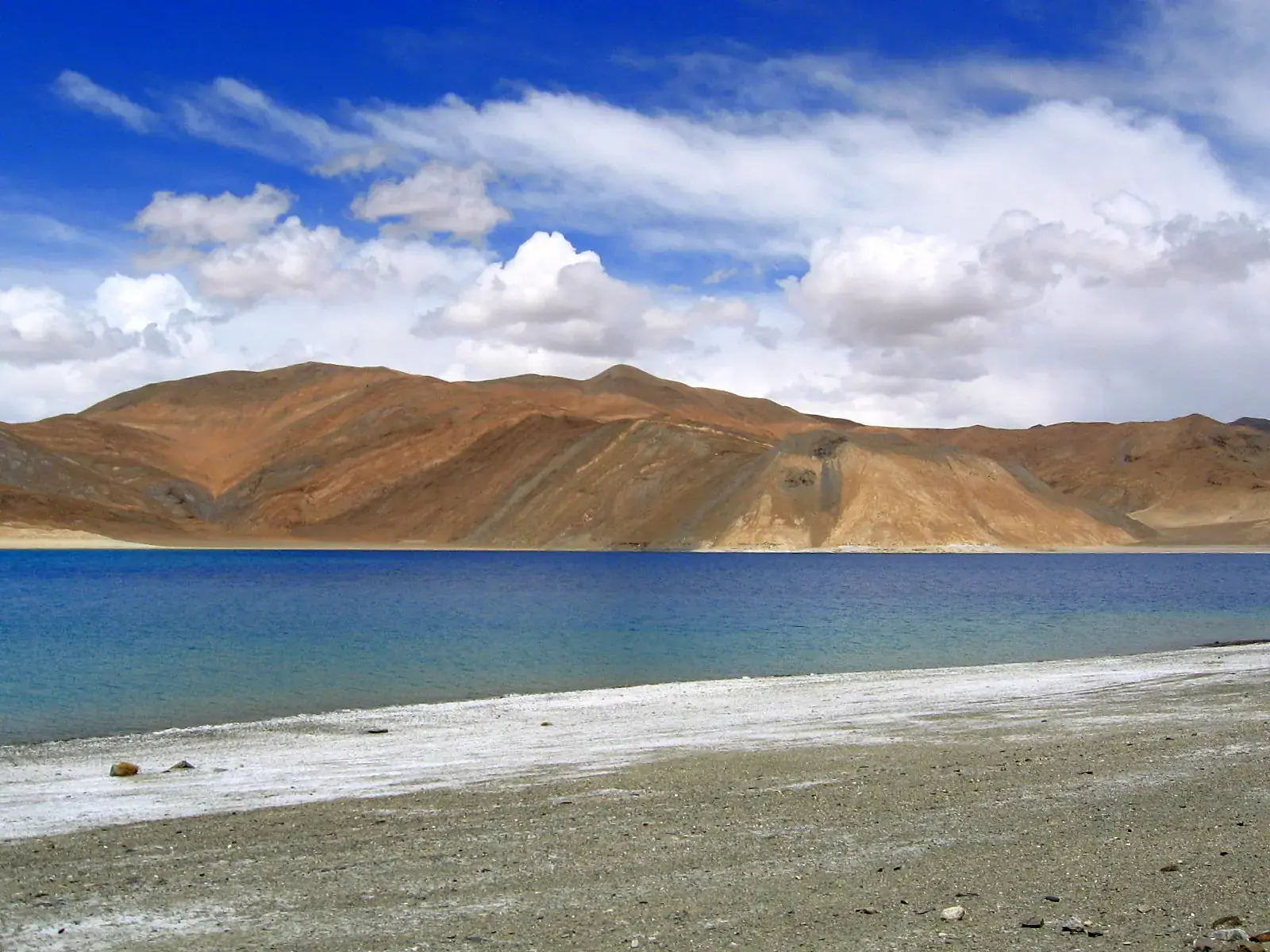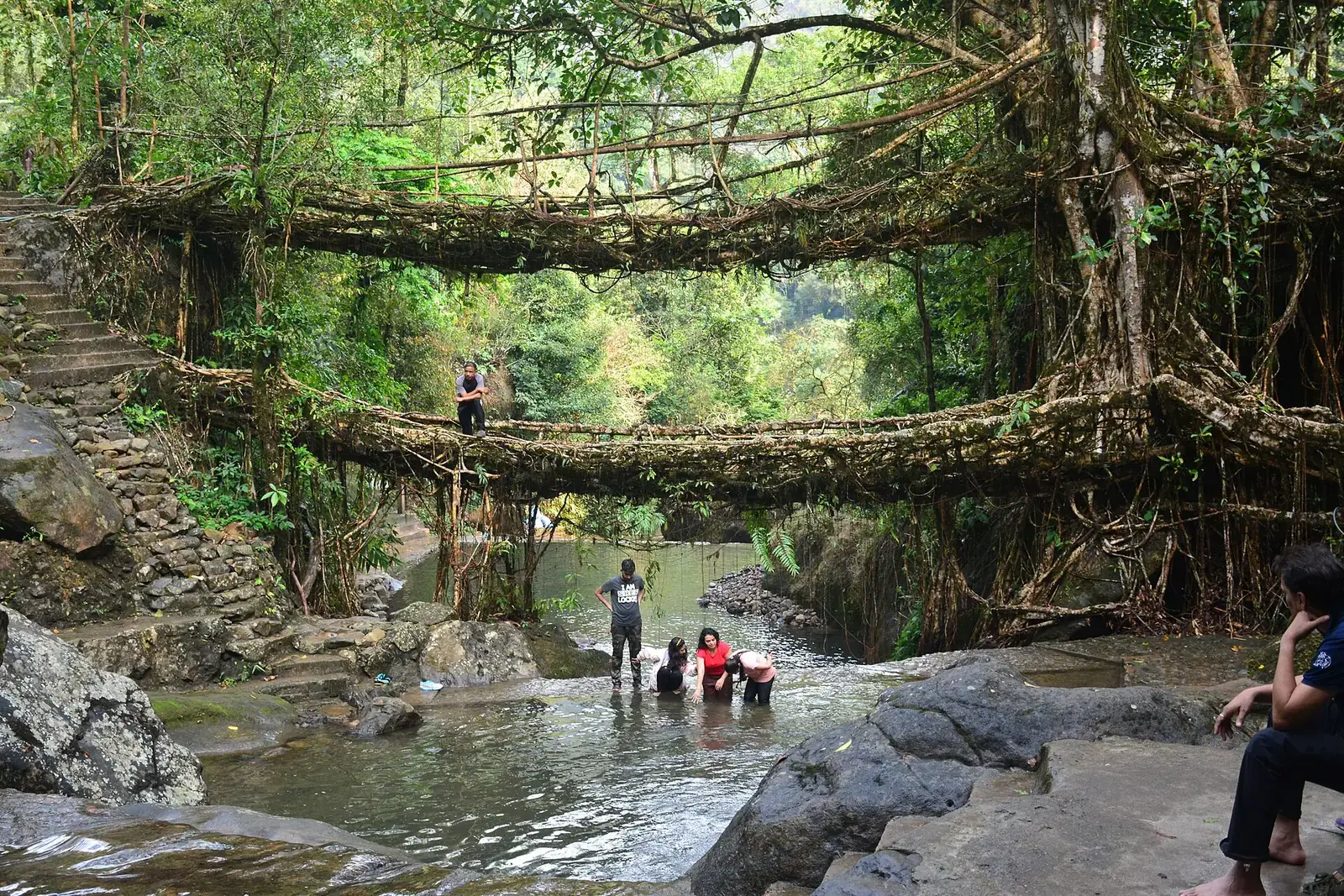
Most visitors to Odisha come for the temples of Puri, Konark and Bhubaneswar. Yet the state has some of eastern India's richest natural landscapes. Along the coast, Chilika is India's largest coastal lagoon and the Bhitarkanika creeks hold one of the country's finest mangrove forests. Inland, the Eastern Ghats rise into forested hills and plateaus.
Nature travel here is quieter and less developed than in the south or the Himalaya. That brings simpler stays and longer drives, but also few crowds.
Quick answer
The best places for nature travel in Odisha are Chilika Lake for birds, dolphins and islands; the mangroves of Bhitarkanika; the forests and waterfalls of Simlipal; the Satkosia gorge on the Mahanadi; and the hill country of Daringbadi and Koraput, with Duduma falls and Deomali. November to February is the best time for most of the state; the parks open seasonally.
Key takeaways
- Chilika is India's largest coastal lagoon and a Ramsar wetland; migratory birds peak from about December to February.
- Irrawaddy dolphins are often seen near Satapada, but sightings are never guaranteed.
- Bhitarkanika and Simlipal close for part of the year; check opening dates.
- Summers are very hot and humid; the monsoon brings cyclones and heavy rain on the coast.
- The Koraput hills are best combined with Araku valley in Andhra Pradesh.
Odisha's nature highlights at a glance
| Place | Landscape | Best time |
|---|---|---|
| Chilika Lake | Lagoon, islands, birds, dolphins | November to February |
| Bhitarkanika | Mangrove creeks | November to February (check closures) |
| Simlipal | Sal forest, waterfalls | November to March (seasonal opening) |
| Satkosia | Mahanadi gorge, forest | October to March |
| Daringbadi | Pine hills, coffee | October to February |
| Koraput | Duduma falls, Deomali, tribal markets | October to February |
Chilika Lake
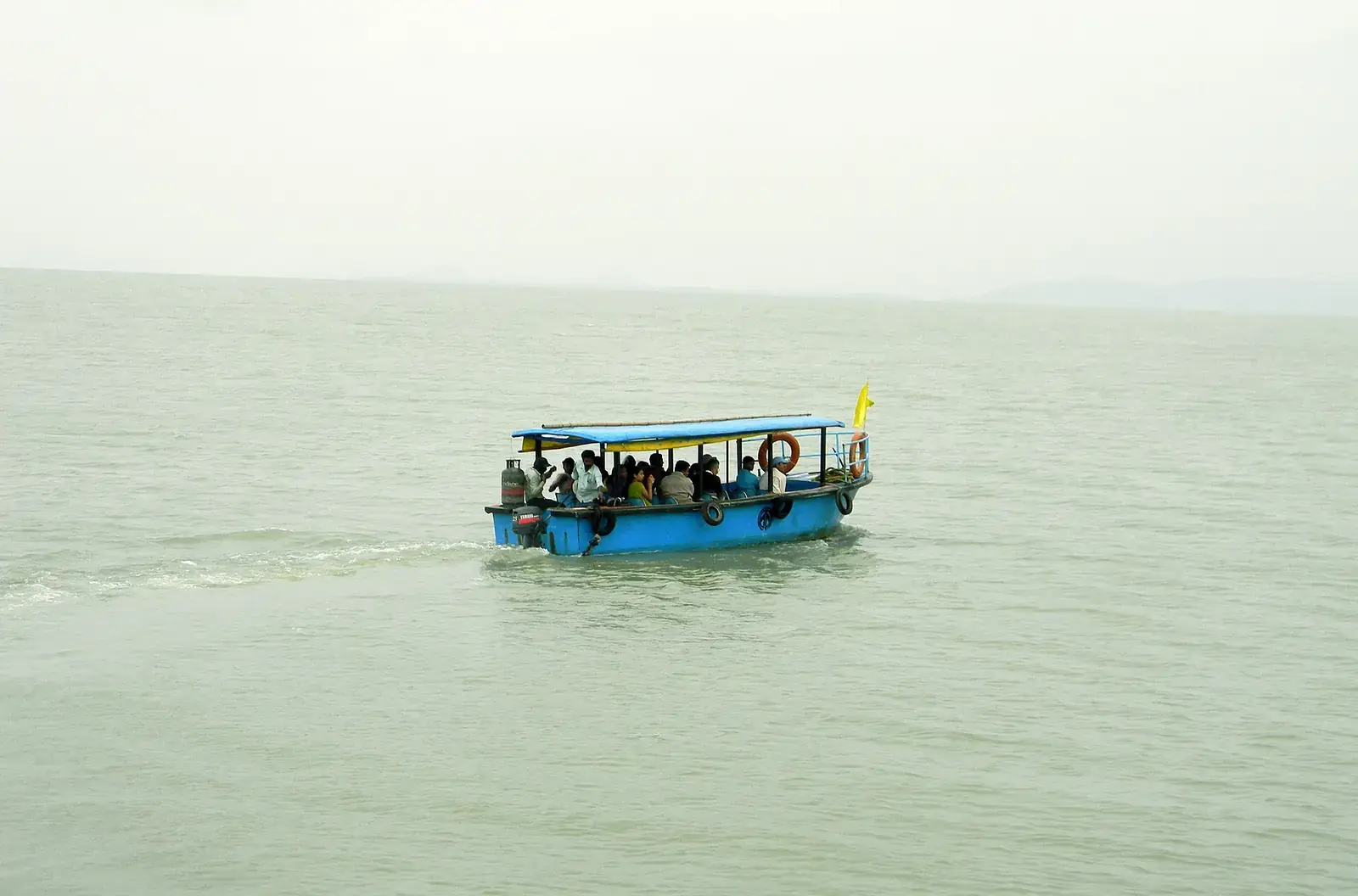
Chilika is a huge brackish lagoon separated from the Bay of Bengal by a sand bar. Boats from Satapada head for the lagoon mouth, where Irrawaddy dolphins are often seen, and from Barkul and Rambha to the Kalijai temple island and quieter southern shores. Nalabana island, in the middle of the lake, is a bird sanctuary that fills with migratory ducks and waders in winter.
Bhitarkanika's mangroves
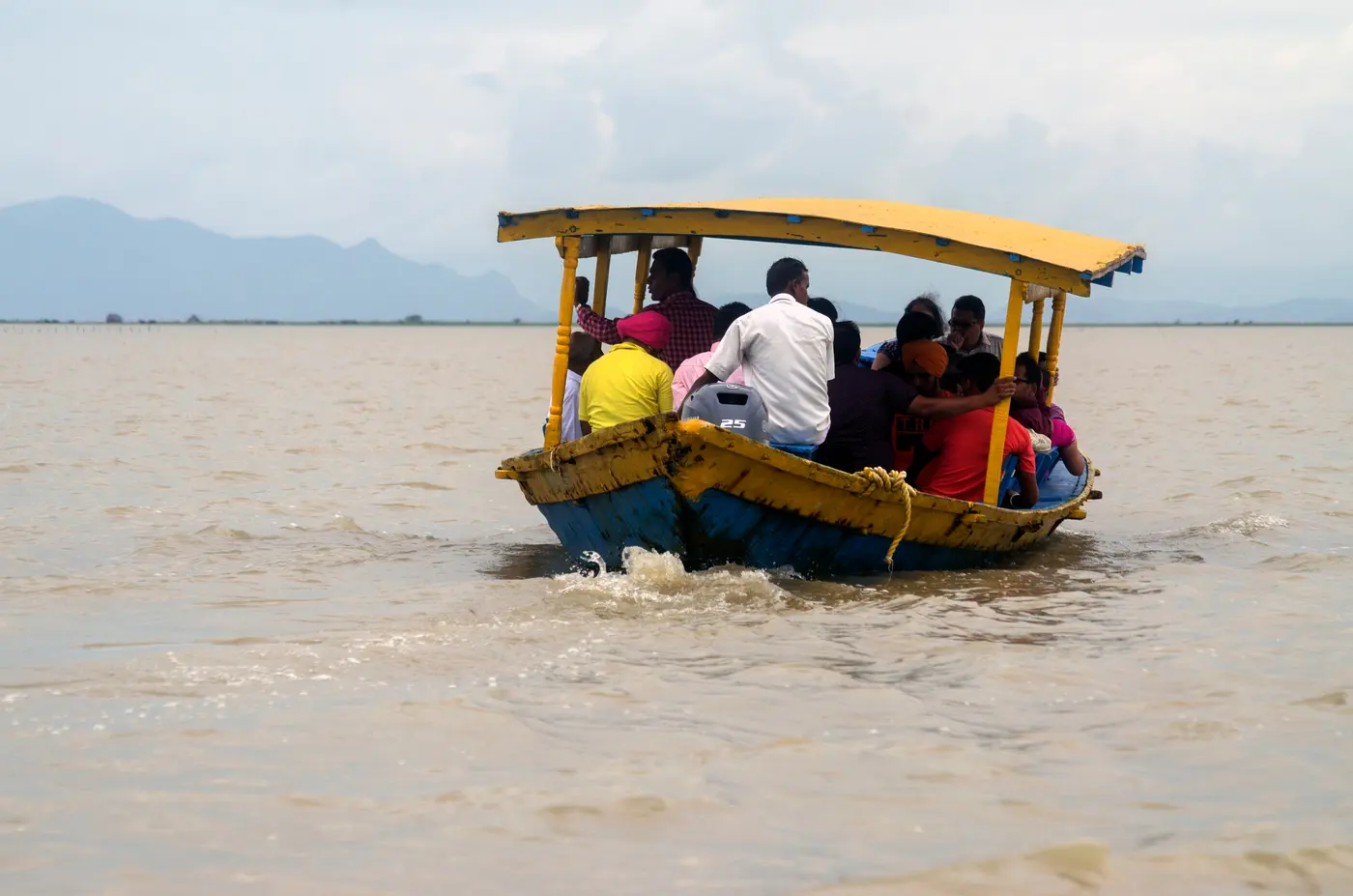
In the delta of the Brahmani and Baitarani, Bhitarkanika is a maze of mangrove creeks explored by boat from Khola or Gupti. It is known for large saltwater crocodiles, water monitors and birds; the park usually closes for a period each year for crocodile breeding. Nearby Gahirmatha beach is a mass nesting site for olive ridley turtles, but access is restricted.
Simlipal and Satkosia
Simlipal
A large tiger reserve and biosphere reserve in Mayurbhanj, with sal forest, grassland and waterfalls such as Barehipani and Joranda. It opens to visitors seasonally, usually in the cooler months; book entry and stays through the official portal.
Satkosia
A gorge where the Mahanadi cuts through the Eastern Ghats, with forest on both banks and sandy beaches used for community-run nature camps.
The southern hills
Daringbadi
A small hill station in Kandhamal district with pine plantations, coffee and cool winter nights.
Koraput
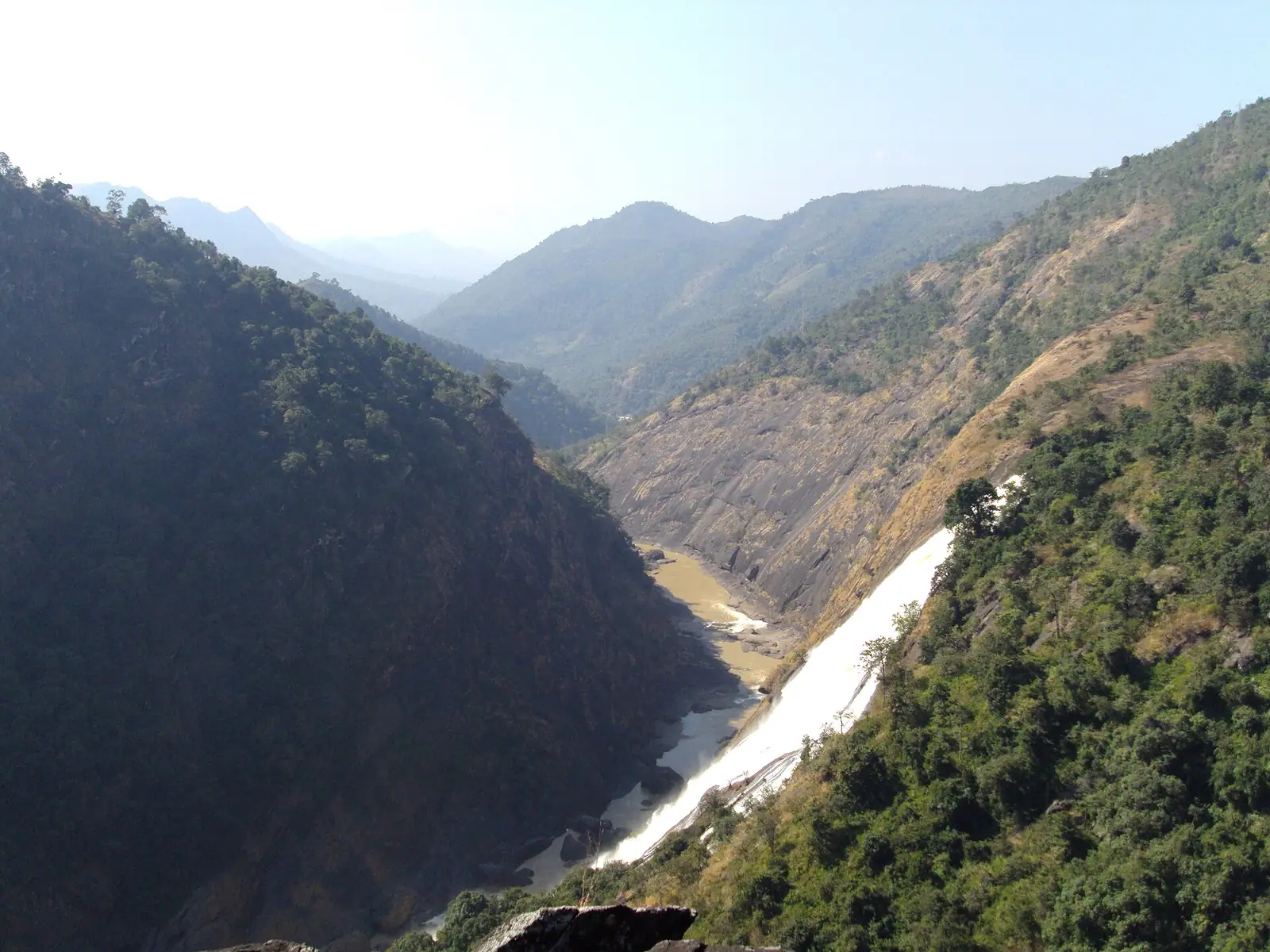
A plateau of the Eastern Ghats with Duduma falls on the Machkund river, Deomali (often cited as Odisha's highest peak) and weekly tribal markets.
The coast
Odisha's long coast includes quiet beaches such as Chandipur, where the sea retreats several kilometres at low tide, and the Rushikulya river mouth, another olive ridley nesting site. Our beach guides cover the coast in more detail.
Getting around
Bhubaneswar is the main gateway, with flights and trains from most metros. Chilika's Satapada and Barkul jetties are two to three hours away by road, Bhitarkanika about four, and Satkosia about four. Koraput and Daringbadi are long drives, so the Hirakhand Express to Koraput or a regional flight to Jeypore, where one is scheduled, can save a day. Hire a car and driver for the parks, where public transport is sparse.
When to go
November to February brings cool, dry weather, winter birds at Chilika and open parks. March to June is very hot and humid. The monsoon (June to September) brings heavy rain, and the Bay of Bengal's cyclone seasons (roughly April to June and October to December) can disrupt coastal travel, so check forecasts.
Safety
- Check cyclone and weather warnings before coastal trips.
- Keep well back from the water's edge in crocodile areas.
- Stay on marked trails and viewpoints, and heed local closures after heavy rain.
- Permits, entry rules, seasonal closures and timings change; check official sources before you go.
- Carry your waste back, avoid loud music and never feed wildlife.
What to pack
- Light cotton clothing and a hat
- Insect repellent
- Binoculars for Chilika
- Rain jacket in the monsoon
Want the forests, waterfalls and viewpoints woven into one trip?
FAQs
What are the best nature places in Odisha?
Chilika Lake, Bhitarkanika, Simlipal, Satkosia, Daringbadi and Koraput.
When is the best time to visit Chilika Lake?
November to February, when migratory birds are present and the weather is cool.
Can I see dolphins at Chilika?
Irrawaddy dolphins are often seen near Satapada, but sightings are never guaranteed.
Is Simlipal open all year?
No. It opens seasonally, usually in the cooler months. Check the official portal for dates.
Is Bhitarkanika good for a family trip?
Yes, the boat rides are easy, but stays are simple and the park closes for part of the year.
How many days do I need?
Four to five days covers Bhubaneswar, Chilika and Satkosia or Bhitarkanika; add three for Koraput.