All of Nagaland, One Venue
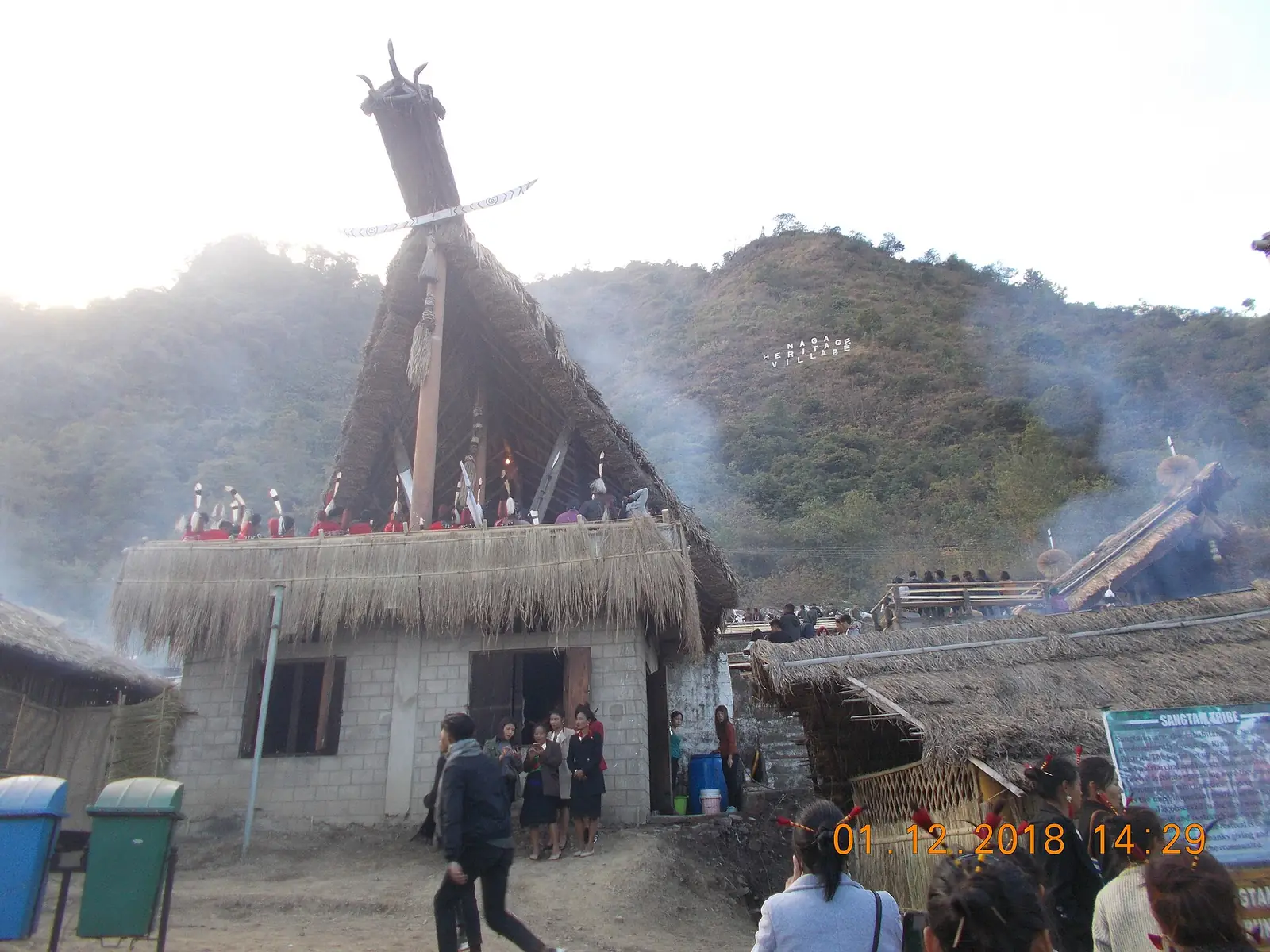
Kisama, roughly 12 km from Kohima, is home to the Naga Heritage Village — a purpose-built venue that hosts the annual Hornbill Festival every December 1-10, one of Northeast India's most significant cultural events. All of Nagaland's major tribes gather here to showcase traditional dance, music, food, crafts, and games in a single location.
Each tribe has its own morung — a traditional Naga communal house — within the complex, giving visitors a genuine, side-by-side introduction to the diversity of Naga tribal culture in one place. It's a hugely valuable orientation for anyone trying to understand Nagaland's tribal complexity beyond a single town or village.
Outside the festival window, Kisama is a much quieter heritage site. The morungs and permanent cultural displays remain open, worth a stop if you're already in the area — but without the festival's energy, crowds, and live performances.
🎪 Kisama at a Glance
Best Time to Visit Kisama
Timing here is almost entirely about one thing: whether you're coming for the festival itself.
The clear headline recommendation — every tribe, live performances, food stalls, and crafts, all in one place, once a year.
The morungs and permanent displays remain open but without the festival's crowds or performances — set expectations accordingly.
Manageable weather for a quiet, off-season stop if passing through the area.
Heavy rain makes travel around Nagaland's hill roads slower — not the best window even for a quiet visit.
Our pick: December 1-10, without question — the Hornbill Festival is what makes Kisama worth a dedicated trip rather than a passing stop.
How to Reach Kisama
- From Kohima: A short 20-30 minute drive, roughly 12 km — see our Kohima travel guide for the fuller regional picture.
- From Dimapur: A longer drive of roughly 2.5-3 hours via Kohima, since Dimapur is Nagaland's main airport/rail gateway.
The Festival & the Morungs
The Hornbill Festival Experience
Ten days of traditional dance, music, and craft demonstrations from every major Naga tribe, staged across the Naga Heritage Village grounds. Traditional games and competitions run throughout, including a well-known chili-eating competition featuring the fiery bhut jolokia (ghost pepper) — a genuinely fun spectacle worth timing your visit around if it's running that day.
The Morungs
Each tribe maintains its own morung — a traditional communal house — within the complex, decorated and furnished in that tribe's distinct style. Walking between them gives a genuine sense of just how varied Naga tribal culture is, something easy to miss when visiting only one part of the state.
Food Stalls
During the festival, food stalls representing different tribes serve their distinct cuisines side by side — one of the best ways to sample the range of Naga cooking in a single visit.
Off-Season Visits
Outside the festival, the permanent heritage displays and morung architecture remain open and are worth a short stop if you're in the Kohima area, though the site is considerably quieter without the festival's energy.
Where to Stay
Kisama itself has minimal accommodation — nearly all visitors base themselves in Kohima, the short drive away.
- → Guesthouses in Kohima
- → Tourist lodges
- → Homestays
- → Business hotels, Kohima
- → Boutique guesthouses
- → Premium hotels, Kohima
- → Festival-season packages
Book Hornbill Festival accommodation months in advance — demand across Kohima and the surrounding area far outstrips supply during the ten-day window.
Suggested Visit Plan
A Full Day at Kisama
- ✓Arrive early to explore morungs before crowds build
- ✓Watch traditional dance/music performances
- ✓Sample tribal food stalls and browse crafts
A Short Stop
- ✓Visit the permanent morung displays
- ✓Combine with Kohima sightseeing the same day
What to Eat at Kisama
- Festival food stalls: During the Hornbill Festival, different tribes run stalls serving their distinct cuisines side by side — the best way to sample Naga food's range in one visit.
- Smoked pork and bamboo shoot dishes: Widely available across stalls, a good entry point into Naga cooking.
- Off-season: Very limited food options at the site itself — eat in Kohima before or after your visit.
Budget Breakdown
| Expense | Budget | Mid-Range | Luxury |
|---|---|---|---|
| Accommodation/night (Kohima) | ₹1,500 | ₹3,500 | ₹7,000 |
| Festival entry/day | ₹100 | ₹100 | ₹100 |
| Food/day | ₹500 | ₹1,200 | ₹2,500 |
| Local transport/day | ₹500 | ₹1,200 | ₹2,500 |
* Festival-period accommodation prices in Kohima typically rise well above these baseline figures given demand.
Essential Tips for Visiting Kisama
- Book months ahead for the festival: Accommodation and transport across the region fill up well before December.
- Set off-season expectations honestly: It will be quiet, not a live cultural spectacle, outside Dec 1-10.
- Arrive early during the festival: To explore morungs before the busiest midday crowds.
✅ Do
- →Book Hornbill Festival travel and stays months ahead
- →Arrive early each festival day to beat crowds
- →Try food stalls from multiple different tribes
- →Ask before photographing performers up close
- →Set aside a full day for the festival
- →Combine an off-season visit with Kohima sightseeing
❌ Don't
- →Show up during Hornbill Festival without a booking
- →Expect a lively spectacle outside the festival window
- →Rush through the morungs without reading the context
- →Underestimate how spicy chili-competition dishes are
- →Skip Kohima as your practical accommodation base
- →Forget cash for stalls and crafts
Frequently Asked Questions
When exactly is the Hornbill Festival?
Every year from December 1 to 10, at the Naga Heritage Village in Kisama, roughly 12 km from Kohima. Dates are consistent year to year, making it easy to plan around.
Is Kisama worth visiting outside the festival?
It's a much quieter experience — the permanent morungs and heritage displays are still open, but without the festival's crowds, live performances, and food stalls. Worth a stop if you're already in the area, but not a dedicated trip.
How far is Kisama from Kohima?
About 12 km, a short drive of 20-30 minutes depending on traffic during the festival.
How far in advance should I book accommodation for the Hornbill Festival?
Several months ahead if possible. Rooms across Kohima and the surrounding area fill up quickly given how much regional demand the festival generates.
What can I expect to see and eat at the festival?
Traditional dance and music performances from every major Naga tribe, craft stalls, traditional games and competitions, and food stalls representing different tribal cuisines — including a well-known chili-eating competition featuring the fiery bhut jolokia.
Published by the Kudozz Club editorial team · Last updated · How we research our guides
Want us to plan this trip for you?
Tell Kudozz Club where you want to go and what kind of trip you’re looking for. We’ll build a Kisama and Nagaland itinerary around your dates and budget.
Continue Exploring
View all guides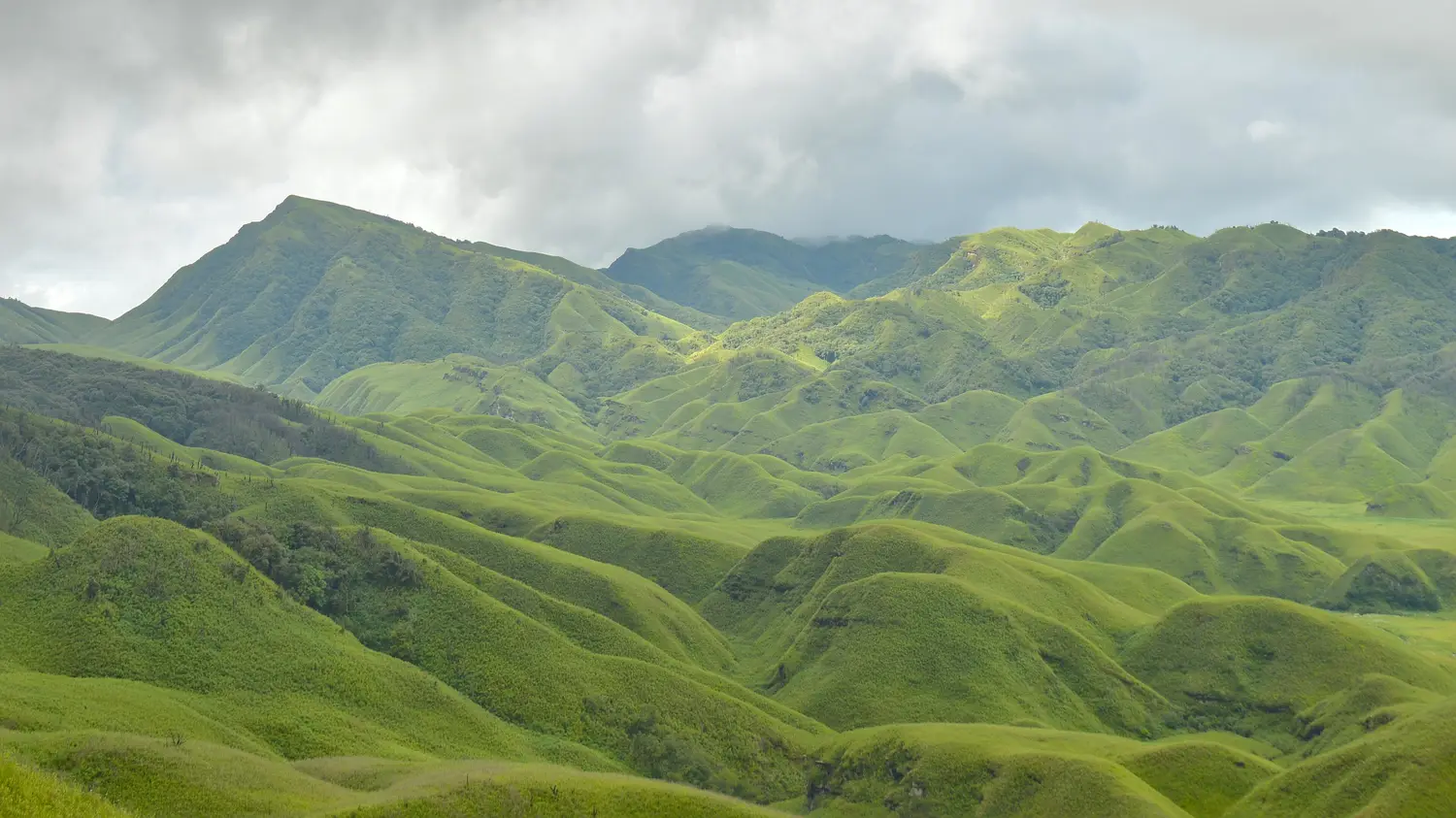 Off-beat
Nagaland Travel Guide: Hornbill Festival, Kohima & Dzukou Valley
A festival where sixteen tribes gather in their warrior best, a war cemetery from a WWII turning point, and a valley called the Switzerland of the East — the complete guide to Nagaland.
 Heritage & Culture
Hornbill Festival, Nagaland: Dates, Kisama and How to Visit
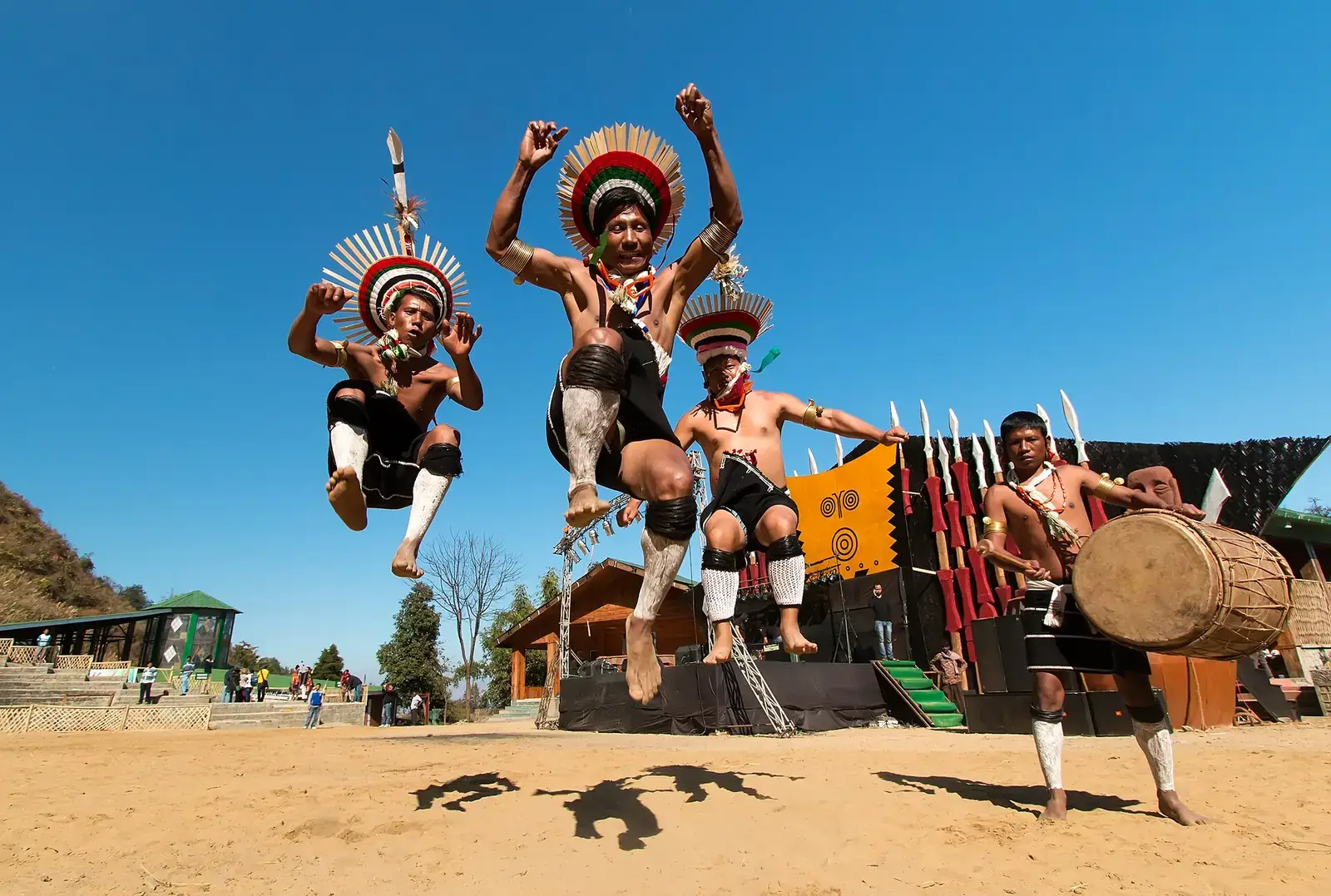
A planning guide to the Hornbill Festival in Nagaland, held every year from 1 to 10 December at the Naga Heritage Village, Kisama, near Kohima: what you will see, the Inner Line Permit and registration rules, how to get there from Dimapur, where to stay, what to wear in December, and how to visit Naga villages respectfully.
 Destination Guide
Kohima Travel Guide: War Cemetery & History
A hill capital where a WWII battle changed the course of the war, and the practical gateway to Nagaland's tribal heartland — the complete Kohima guide.
 Heritage
Mokokchung Guide: Ao Naga Heartland
The cultural home of the Ao Naga, and the town where a single missionary encounter reshaped Nagaland's religious and cultural identity.