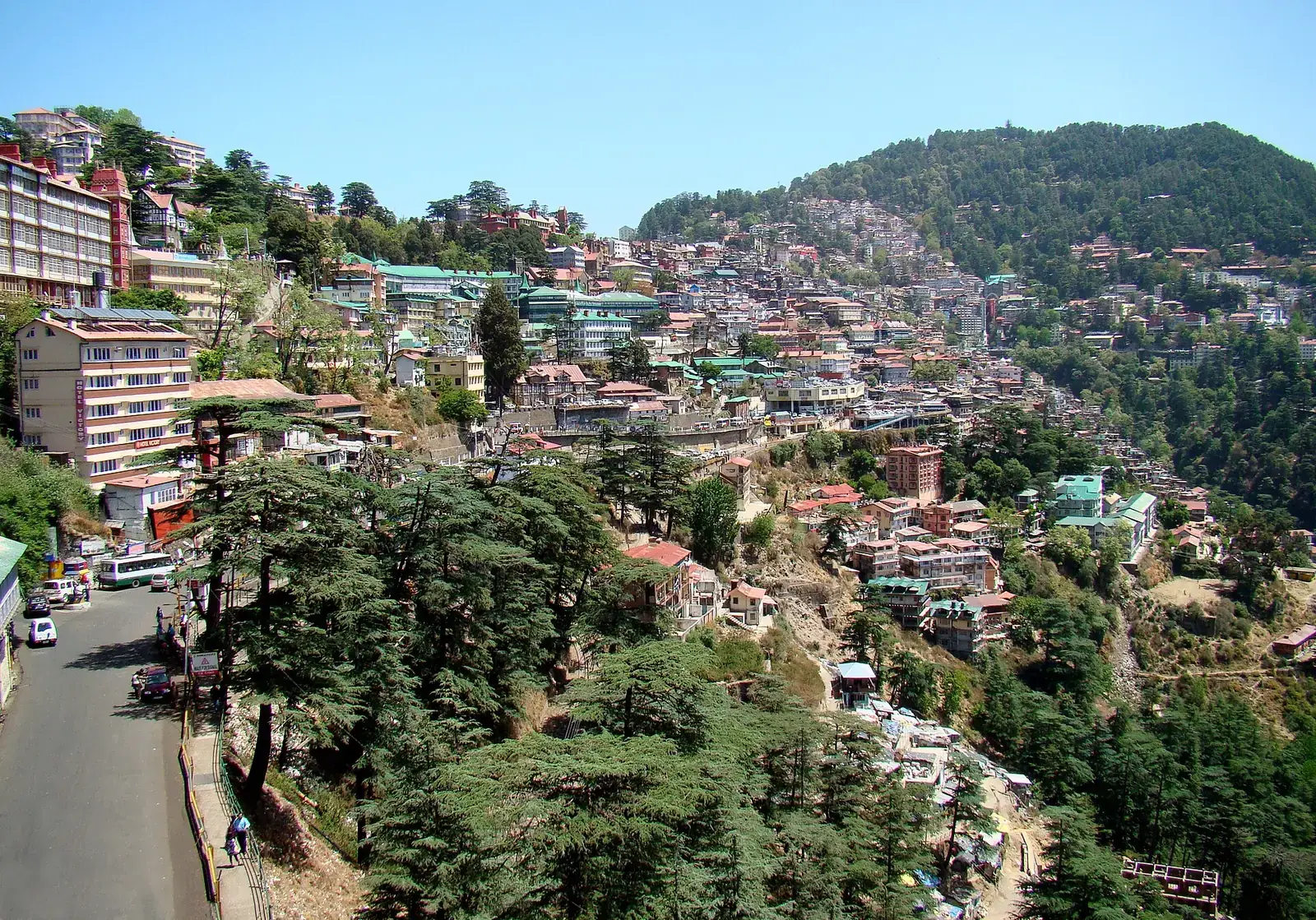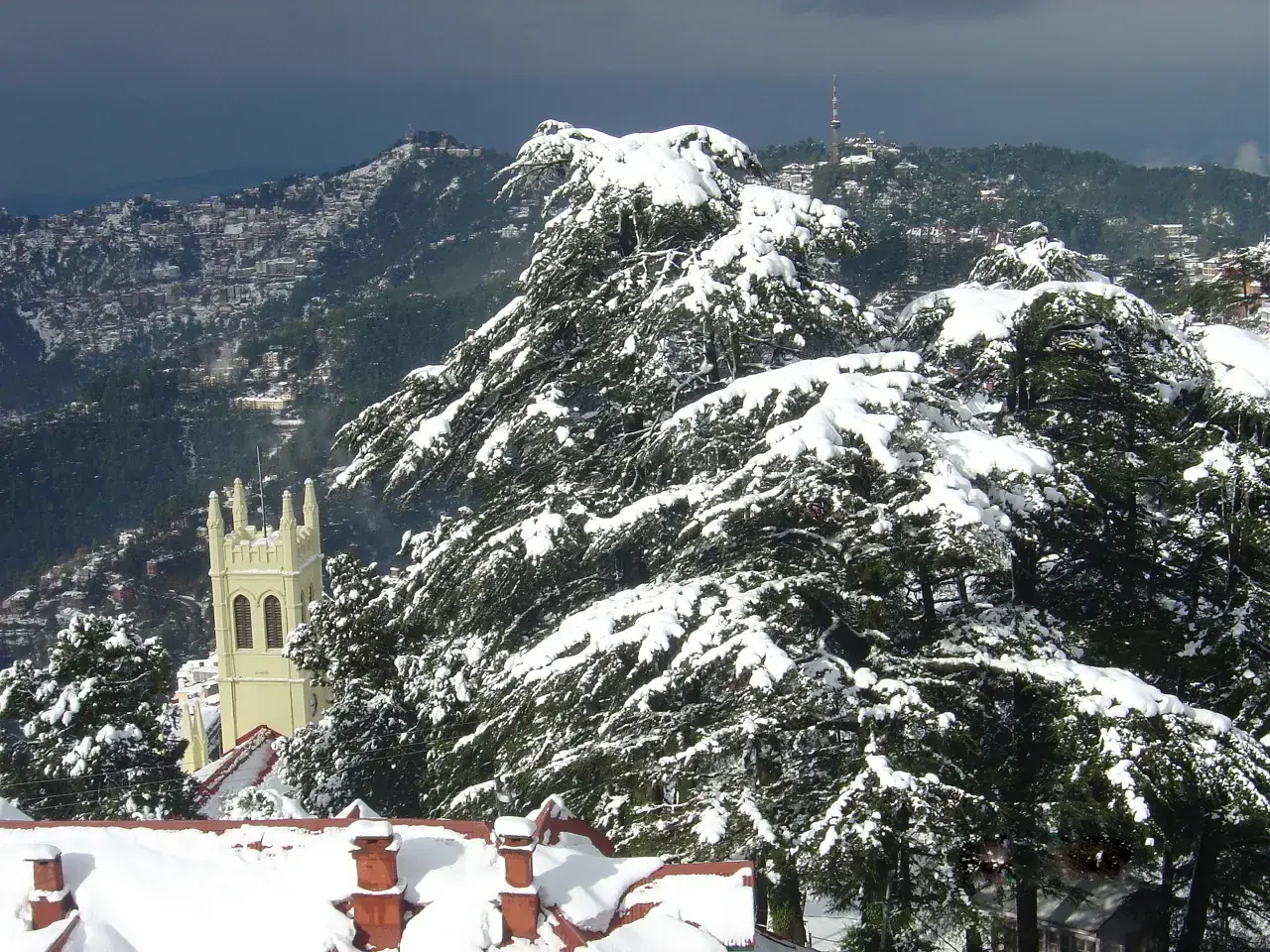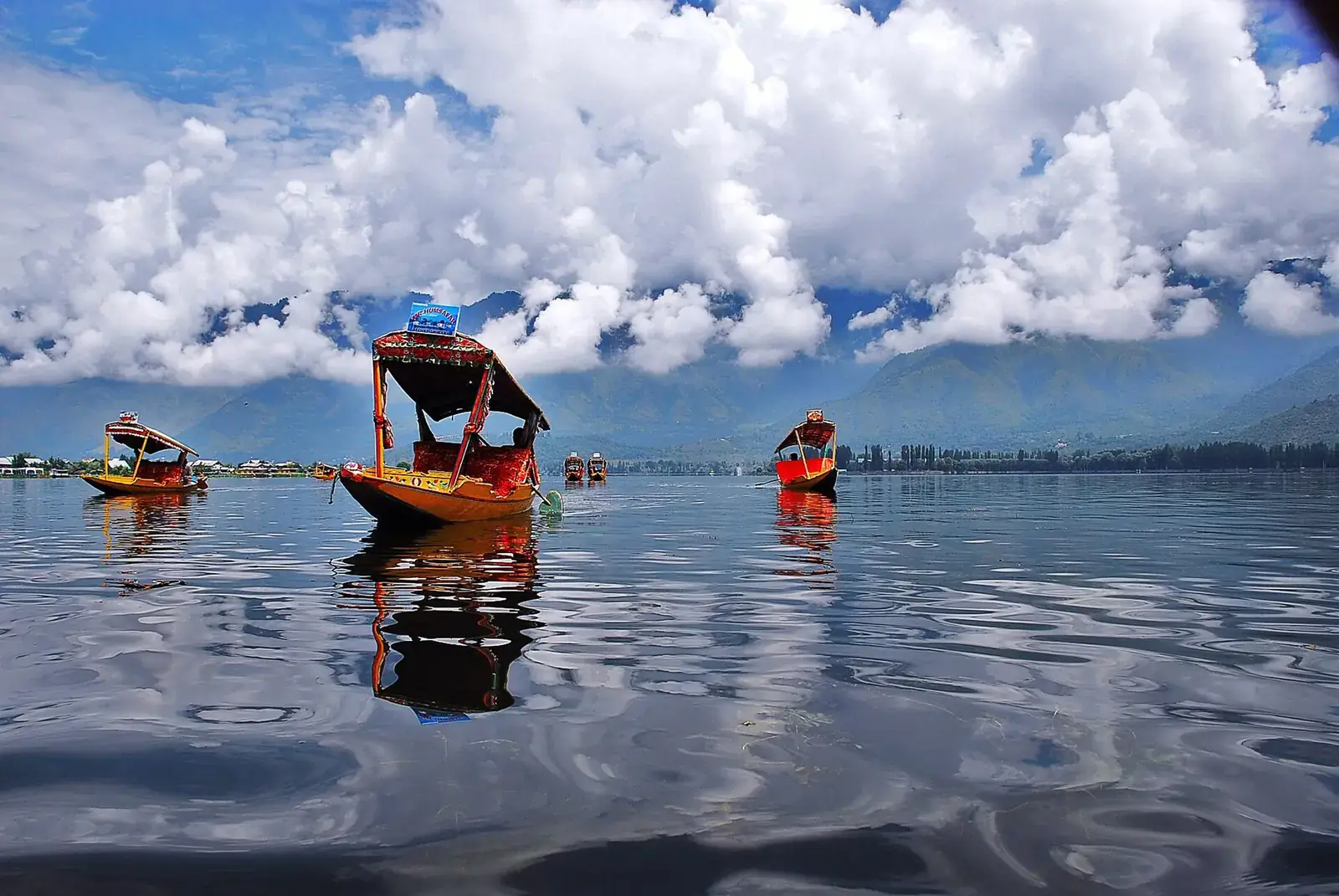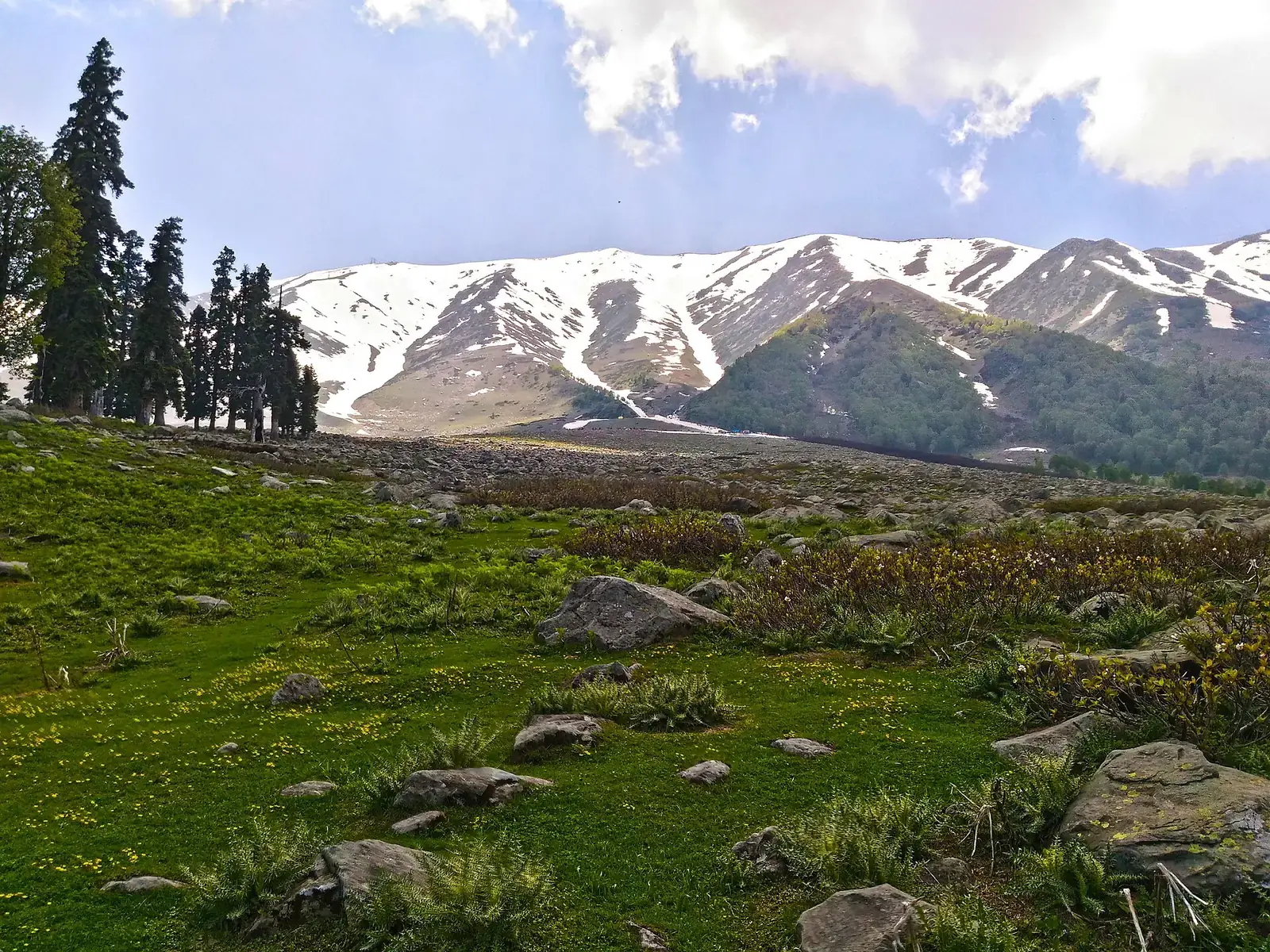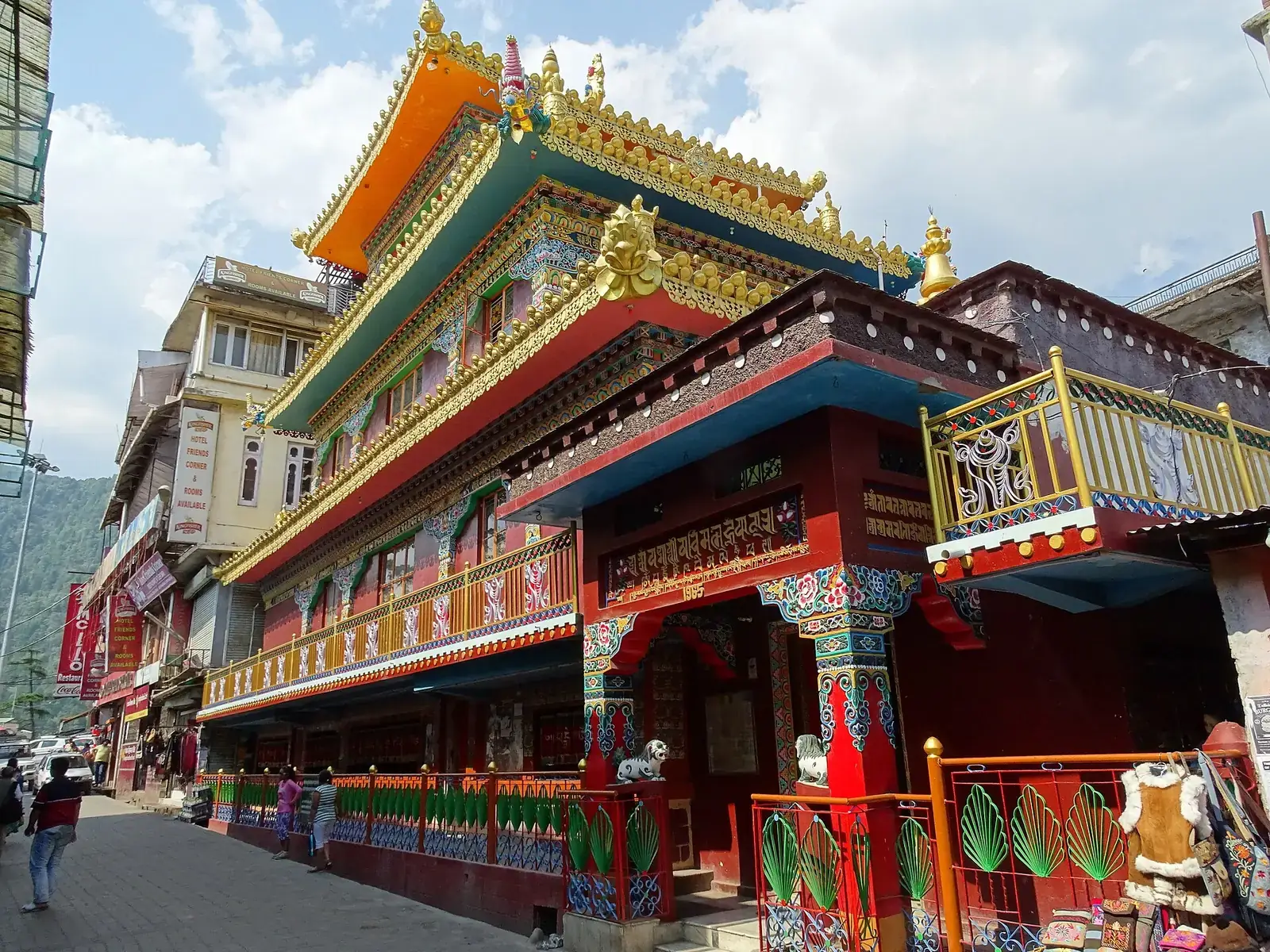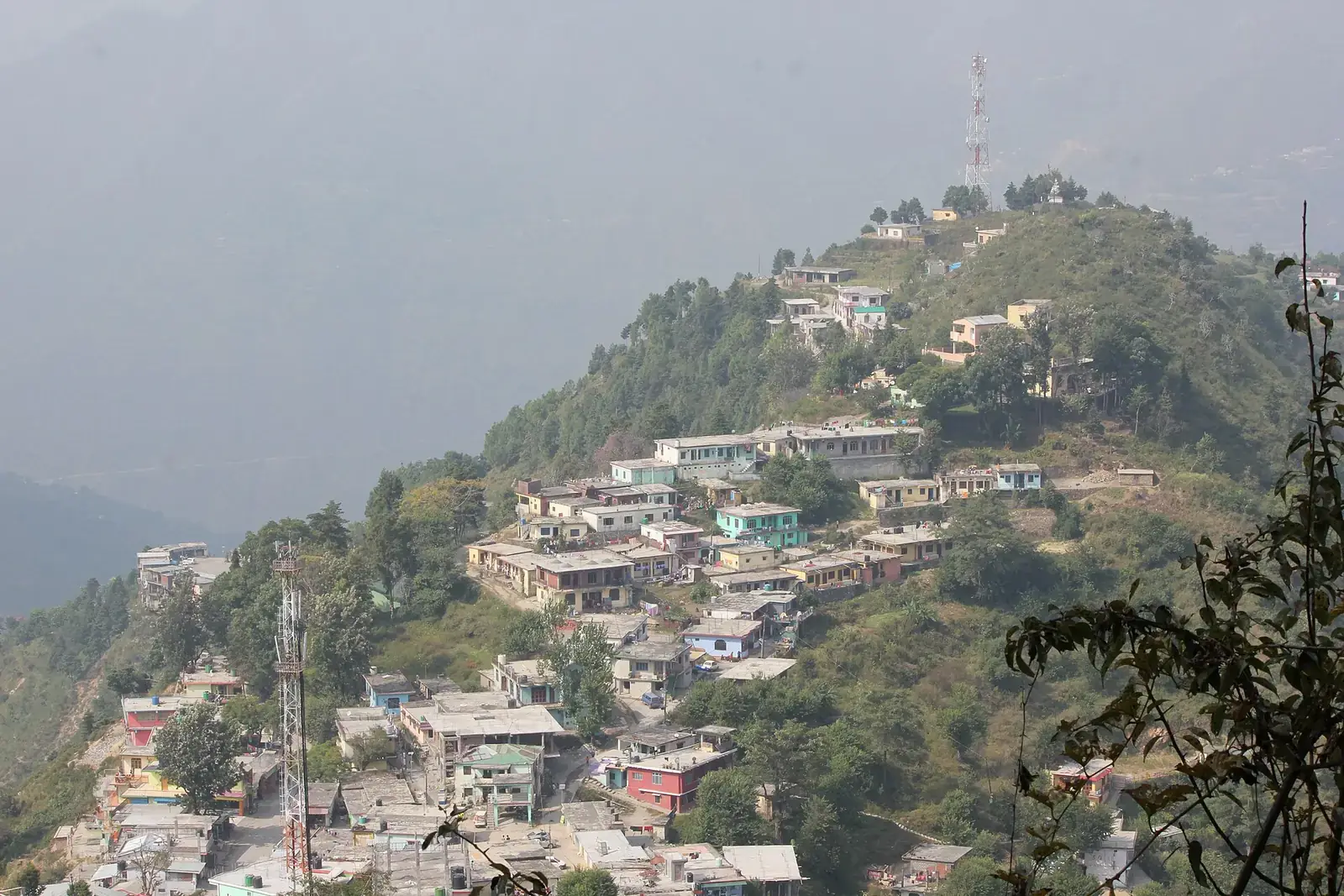
The Himalayan hill stations of north India fall into three groups. Himachal Pradesh has the widest choice, from colonial Shimla to Manali and the Tibetan town of McLeod Ganj. Uttarakhand splits into Garhwal (Mussoorie, Dhanaulti, Lansdowne, Auli) and Kumaon (Nainital, Ranikhet, Almora, Kausani, Mukteshwar). Kashmir has alpine resorts built around meadows, such as Gulmarg, Pahalgam and Sonamarg.
Darjeeling and Sikkim, also Himalayan, are covered in our Northeast and eastern Himalaya guide.
Quick answer
The main Himalayan hill stations are Shimla, Manali, Dharamshala, Dalhousie and Kasauli in Himachal Pradesh; Mussoorie, Nainital, Ranikhet, Kausani, Lansdowne and Auli in Uttarakhand; and Gulmarg, Pahalgam and Sonamarg in Kashmir. March to June and October to December are the best months; higher resorts often see snow from December to February. Avoid the heavy monsoon weeks, when landslides disrupt roads.
Key takeaways
- Himachal and Uttarakhand towns are within a day's travel of Delhi.
- Kumaon towns such as Kausani and Mukteshwar have some of the best views of Nanda Devi and the high peaks.
- Kashmir's resorts are about meadows and forests rather than towns.
- The monsoon (July to September) brings landslide risk to Himachal and Uttarakhand.
- Snow is likely in higher resorts in mid-winter but never certain.
Himalayan hill stations compared
| Hill station | State | Character | Nearest railhead or airport |
|---|---|---|---|
| Shimla | Himachal Pradesh | Colonial town, Ridge and Mall Road | Kalka (toy train) or Chandigarh |
| Manali | Himachal Pradesh | Valley town, gateway to passes | Bhuntar airport; Chandigarh by road |
| Dharamshala and McLeod Ganj | Himachal Pradesh | Tibetan culture, walks to Triund | Gaggal airport; Pathankot |
| Dalhousie and Khajjiar | Himachal Pradesh | Quiet colonial town, meadow | Pathankot |
| Kasauli | Himachal Pradesh | Small cantonment town near Chandigarh | Kalka or Chandigarh |
| Mussoorie and Landour | Uttarakhand | Ridge town with walks | Dehradun |
| Nainital | Uttarakhand | Lake town, Kumaon gateway | Kathgodam |
| Kausani and Ranikhet | Uttarakhand | Views of the high Himalaya | Kathgodam |
| Lansdowne | Uttarakhand | Quiet cantonment town | Kotdwar |
| Auli | Uttarakhand | Ski slopes and meadows | Rishikesh or Dehradun, then a long drive |
| Gulmarg | Jammu and Kashmir | Meadow resort, gondola, skiing | Srinagar |
| Pahalgam | Jammu and Kashmir | Lidder valley, forests | Srinagar |
Himachal Pradesh
Shimla and around
Shimla's Ridge and Mall Road, with Kufri, Chail and Narkanda nearby for quieter stays and winter snow.
Manali and the Kullu valley
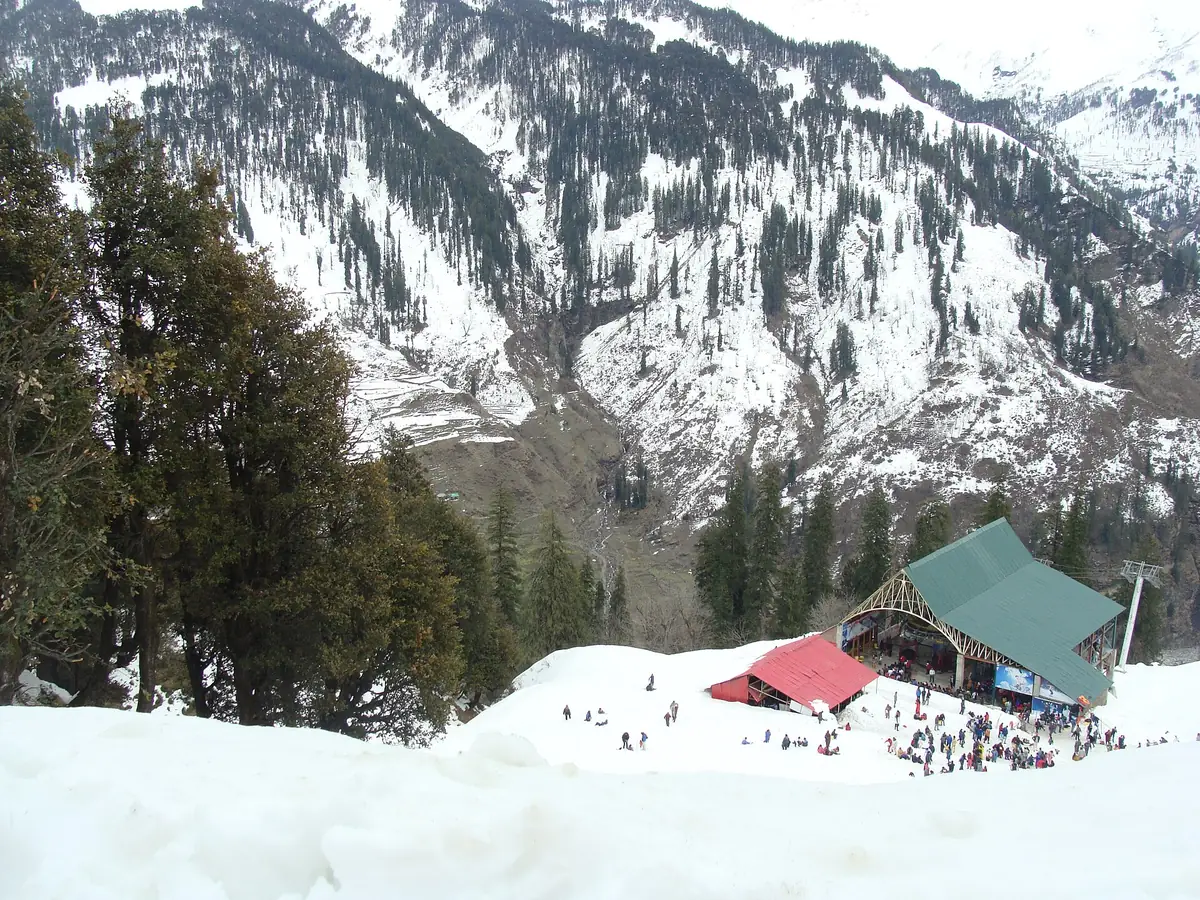
Old Manali, Solang and the Atal Tunnel to Lahaul.
Dharamshala, Dalhousie and Kasauli
McLeod Ganj's monasteries and cafés, Dalhousie and the Khajjiar meadow, and little Kasauli.
Dharamshala guide · Dalhousie guide · Khajjiar guide · Kasauli guide
Uttarakhand
Garhwal
Mussoorie and Landour, Dhanaulti, Lansdowne and, further in, Auli and Chopta.
Kumaon
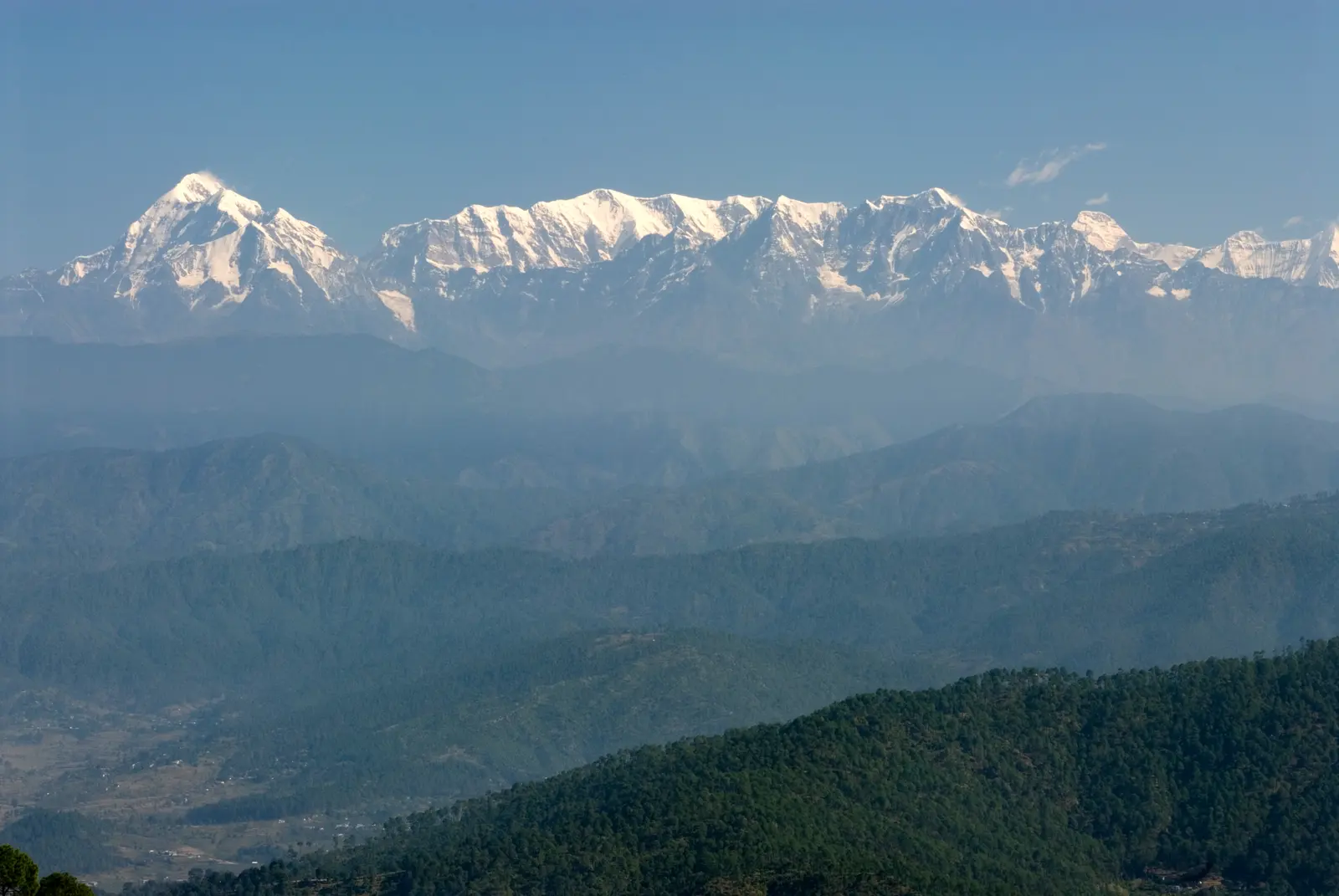
Nainital and its lakes, Ranikhet, Almora, Kausani, Mukteshwar and Munsiyari, known for long Himalayan views.
Nainital guide · Kausani guide · Mukteshwar guide · Munsiyari guide
Jammu and Kashmir
The Kashmir resorts
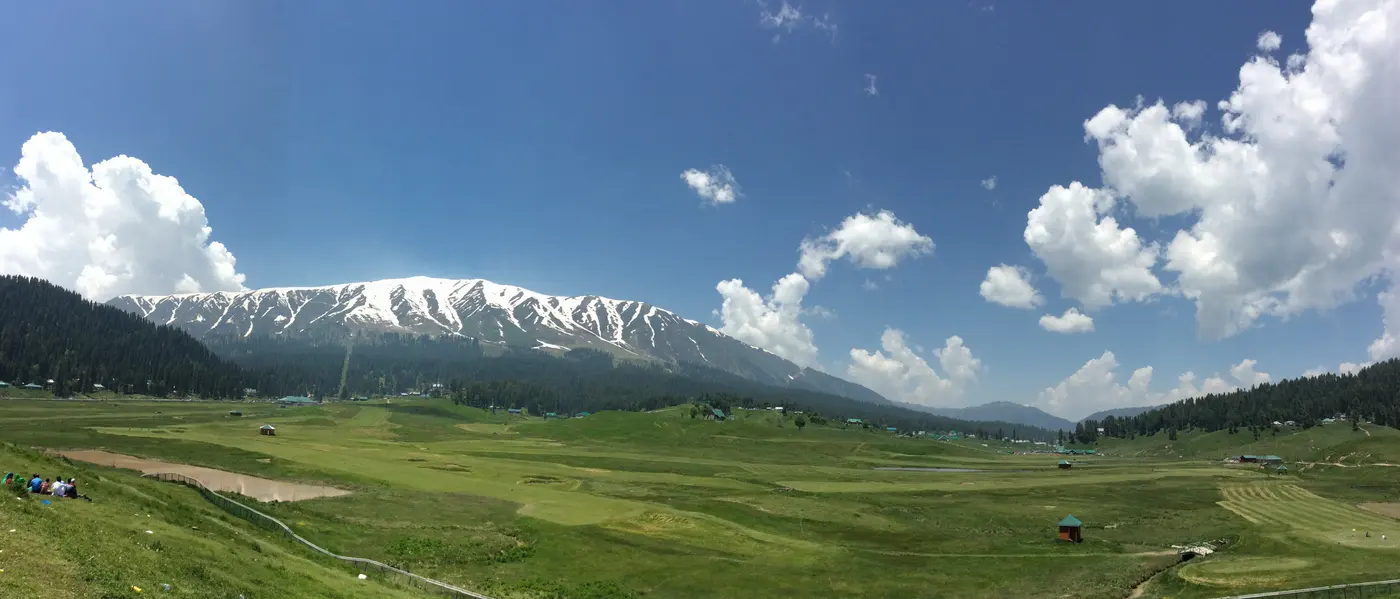
Gulmarg's gondola and winter skiing, Pahalgam's river valley, Sonamarg's glacier views, and quieter Doodhpathri and Yusmarg; Patnitop in the Jammu hills.
Gulmarg guide · Pahalgam guide · Sonamarg guide · Patnitop guide
Combining Himalayan hill stations
- Shimla and Manali, with Dharamshala or Kasauli added (six to eight days).
- Mussoorie and Rishikesh, or Nainital with Kausani and Mukteshwar (five to seven days).
- Srinagar with Gulmarg, Pahalgam and Sonamarg (five to seven days).
- Manali with Jibhi or Tirthan for a quieter second half.
Why these towns grew
Most of these towns were developed in the 19th century as sanatoriums, cantonments and summer seats of government. Shimla was the summer capital of British India; Mussoorie, Nainital, Dalhousie, Kasauli, Lansdowne and Ranikhet grew around barracks, schools and churches. That history still shapes their Mall Roads, churches and colonial cottages, while older temple towns and villages sit around them.
Where to stay
Stay near Mall Road or the Ridge for walkability in Shimla, Mussoorie and Nainital, or a few kilometres out for quiet and views. Manali's Old Manali and Vashisht have cafés and guesthouses; the Kumaon hills have small resorts and homestays with Himalayan views. In winter, confirm heating and hot water, and check whether the road to your stay is cleared after snow.
When to go
- March to June: pleasant days; busiest in May and June.
- July to September: monsoon rain, landslide risk and cloud; the Kashmir valley and Lahaul are better choices.
- October to November: clear, crisp and quieter.
- December to February: cold; snow is likely in Gulmarg, Manali, Auli and higher parts of the Shimla hills, though it varies each year.
Safety
- Mountain roads close or slow down after heavy rain, snow or landslides; check road and weather updates, and avoid driving after dark.
- Permits, e-passes and pass openings change; check the official portals before you travel.
- Carry warm layers even in summer; nights in the hills are cool.
- In winter, carry chains or hire local drivers used to snow and ice.
What to pack
- Warm layers and a waterproof jacket
- Walking shoes with grip
- Gloves and a cap in winter
- Motion-sickness tablets
Want to combine several mountain destinations into one trip?
FAQs
Which is the best Himalayan hill station?
Shimla, Manali, Mussoorie and Nainital are the most popular; Kausani, Dalhousie and Lansdowne are quieter.
Which Himalayan hill station is closest to Delhi?
Kasauli, Shimla, Mussoorie, Lansdowne and Nainital are all within about 300 to 350 km.
Is it safe to visit Himachal and Uttarakhand in the monsoon?
Heavy rain causes landslides; if you go, keep plans flexible, check road updates and avoid night driving.
Where can I see snow in the Himalayan hill stations?
Gulmarg, Manali (and Solang), Auli, Kufri and Narkanda are the likeliest in mid-winter.
How many days do I need?
Three to four days for one hill station, and a week to combine two or three.