Why Visit Pahalgam?
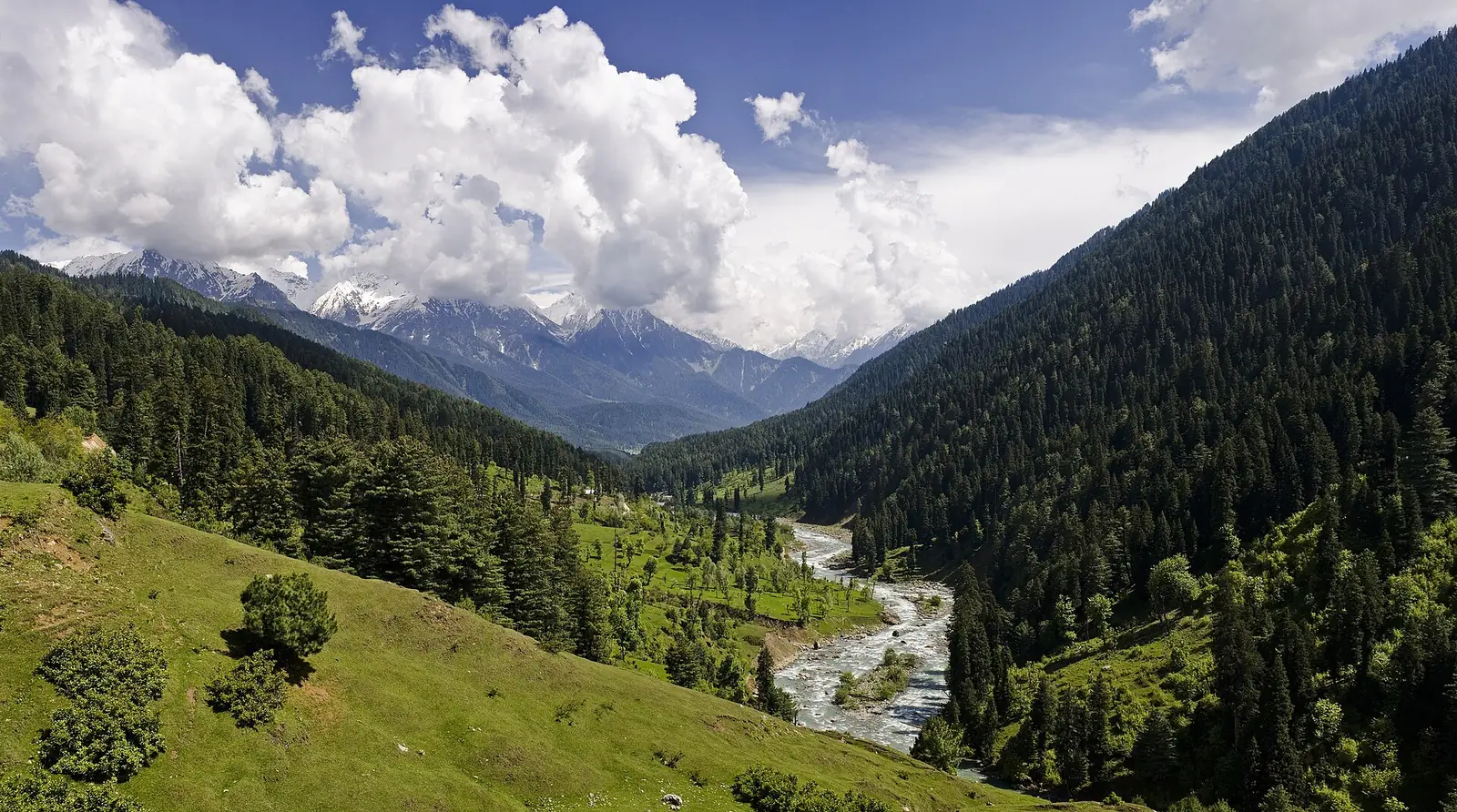
Set at roughly 2,130 metres along the banks of the Lidder River, Pahalgam translates loosely to "Valley of Shepherds" — and even after decades of growing tourism, it hasn't entirely lost that quiet, pastoral character. Pine and deodar forests climb the surrounding slopes, sheep graze on open meadows, and the Lidder's glacial water runs clear and cold through the middle of town.
Pahalgam is best known for three things. First, it's been Bollywood's favourite Kashmir backdrop for over half a century — Betaab Valley was renamed after the 1983 film shot there, and dozens of other productions have used its meadows and forests since. Second, it's the launch point for short, accessible outings into Aru Valley and Chandanwari, both easy half-day trips with genuine mountain scenery. Third, it is one of the two traditional base routes for the Amarnath Yatra, alongside Baltal near Sonamarg — a role that shapes the town's character every July and August.
Compared to the sharper, snow-and-gondola drama of Gulmarg or the glacier walk at Sonamarg, Pahalgam is gentler — a place to slow down, walk along a river, and let a horse do the climbing if you'd rather not. It pairs naturally with a Srinagar base and fits into any broader Jammu & Kashmir itinerary as either a day trip or, better, an overnight stop of its own.
🏔️ Pahalgam at a Glance
Looking for activities and experiences? See our guide to the best things to do in Pahalgam.
Comparing hill stations? See our guide to hill stations in Jammu and Kashmir.
Planning something active? Read our guide to summer and monsoon treks in India.
Best Time to Visit Pahalgam
Pahalgam is a summer-and-shoulder-season destination first, with a distinct but shorter winter appeal. Unlike Gulmarg, it isn't built around a ski season — the draw here is green valleys and mild weather.
Meadows turn green, rivers run full with snowmelt, and daytime temperatures sit around 15–25°C. The most reliable window for all three valleys.
Pahalgam fills with pilgrims and their support infrastructure. Scenery stays lush, but expect heavier traffic on the road from Srinagar and busier hotels.
Forests turn gold and rust, the yatra crowds are gone, and temperatures stay comfortable for walking — a genuinely underrated season here.
Pahalgam sees snowfall and sub-zero nights. Chandanwari can be hard to reach, but Betaab Valley and the town itself stay open and are strikingly peaceful.
Our pick: Late April through June for the greenest valleys and calmest roads, or September–October if you'd rather skip both the summer crowds and the Amarnath Yatra traffic entirely.
How to Reach Pahalgam
Pahalgam has no airport or railway station of its own — every route runs through Srinagar first.
- By Air: Fly into Srinagar Airport, which has direct flights from Delhi, Mumbai, Bangalore and other major cities. This is the standard first leg for almost every Pahalgam trip.
- By Road from Srinagar: Pahalgam is roughly 90–95 km from Srinagar, about a 2.5 to 3-hour drive via Anantnag (Islamabad). Shared cabs, private taxis, and J&K SRTC buses all run this route regularly.
- By Train: There is no direct rail link; the nearest useful railhead is Jammu Tawi, from where it's a long road journey via Srinagar. Flying into Srinagar is faster for almost all visitors.
- Getting around Pahalgam: Private vehicles beyond a certain point in Betaab and Aru Valleys are often restricted — local shared taxis (Tata Sumo unions) and pony operators cover the last stretch, with fixed rates set by the local tourism office.
Betaab Valley
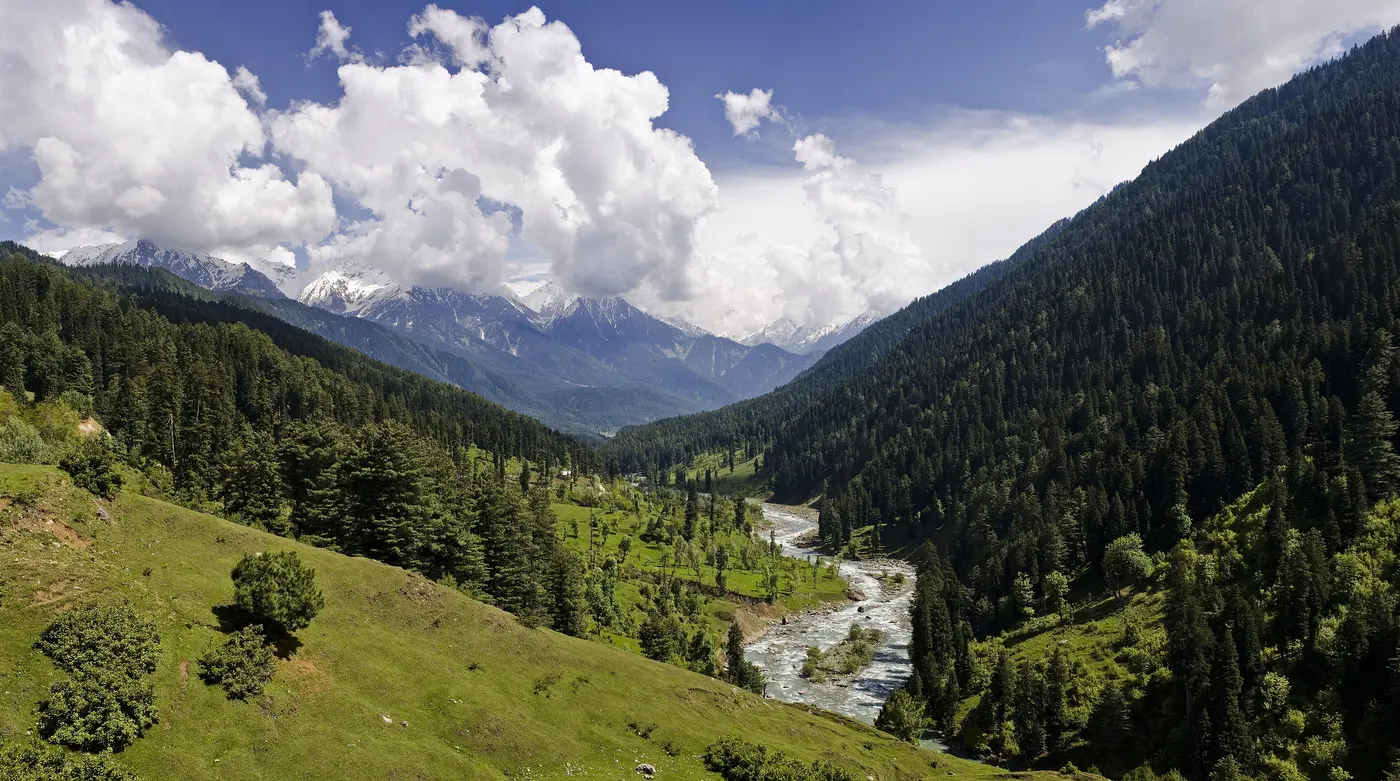
Around 15 km from Pahalgam town, Betaab Valley is a narrow, densely wooded stretch flanking the Lidder River, framed by steep pine slopes on both sides. It was originally called Hajan Valley before Bollywood's 1983 blockbuster Betaab, starring Sunny Deol and Amrita Singh, was filmed here — the valley was renamed after the film and has kept the name ever since.
The valley has since appeared in numerous other Hindi films, and it remains one of the most photographed spots in Kashmir: manicured lawns along the riverbank, backdrop mountains, and the sound of the Lidder running fast over rocks. It's a gentle, low-effort stop — mostly walking on flat ground — that works well with children or older family members who might skip the further treks into Aru.
- Entry: A small ticketed entry fee applies, with the site maintained as a managed park rather than open wilderness.
- Best for: Photography, a short riverside walk, and pony rides along the valley floor.
- Time needed: 1–1.5 hours is enough to see the valley properly without rushing.
Aru Valley
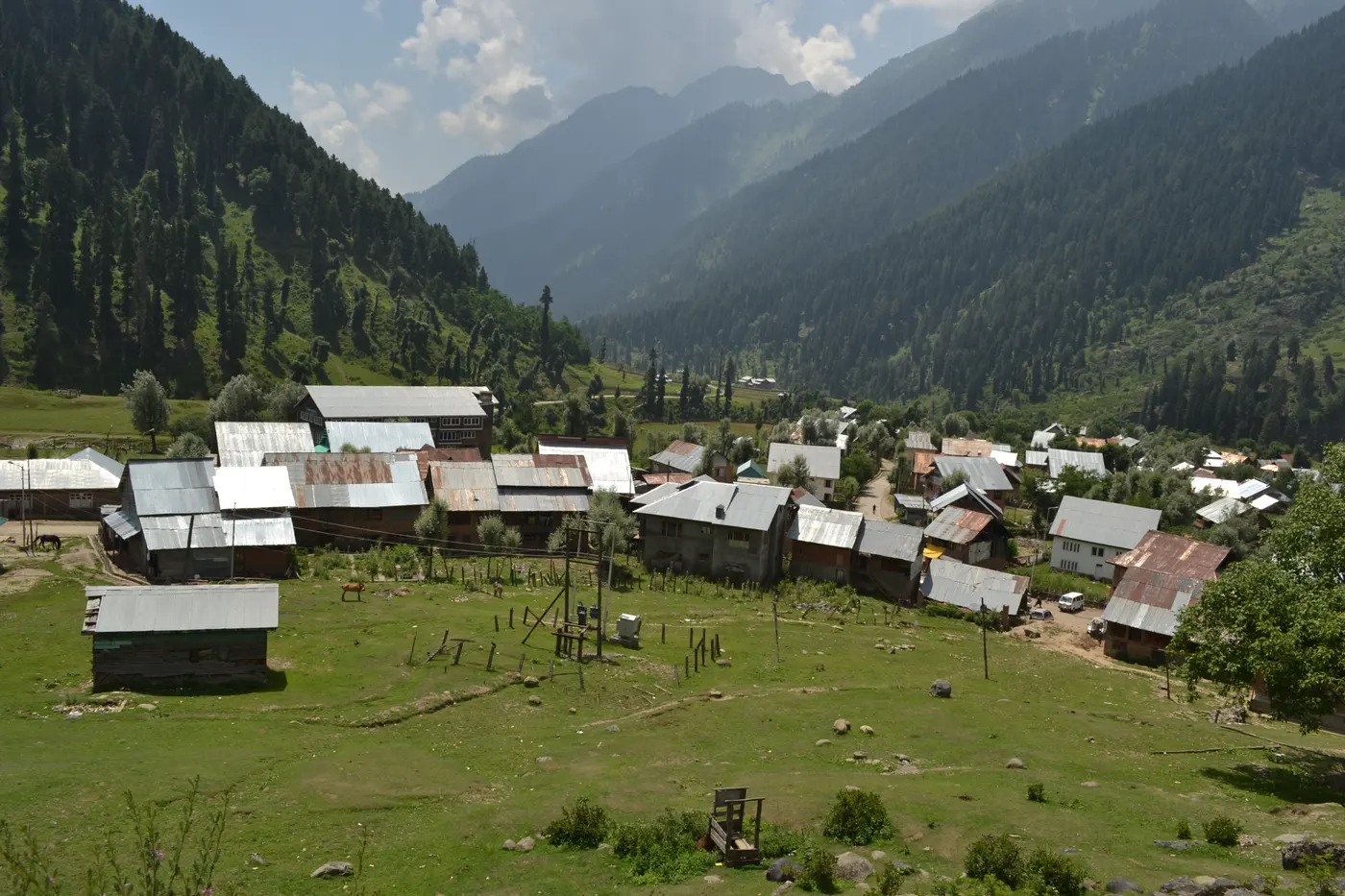
About 12 km from Pahalgam, Aru Valley is a small village and meadow set against a wall of pine forest and distant peaks — quieter and less manicured than Betaab, with more of a working-village feel to it. It sits at roughly 2,400 m and functions as the trailhead for several serious treks, most notably the multi-day route to Tarsar and Marsar lakes, twin alpine lakes tucked behind the ridgeline that most day-trippers never see but that experienced trekkers rate among the finest routes in the Kashmir Himalaya.
Even without attempting the full trek, Aru rewards a visit on its own — open meadows for a picnic, short walks along the stream, and pony rides up toward the treeline. It's also noticeably calmer than Betaab Valley, since most day-tour groups treat it as a quick photo stop rather than lingering.
- Day visit: Meadow walks, pony rides, and river-side photography — no permits needed for the village and immediate surroundings.
- Multi-day trek: The Aru–Tarsar–Marsar route typically takes 4–5 days and requires camping gear, a local guide, and a reasonable fitness level — arrange this through a registered trekking operator in advance.
Chandanwari
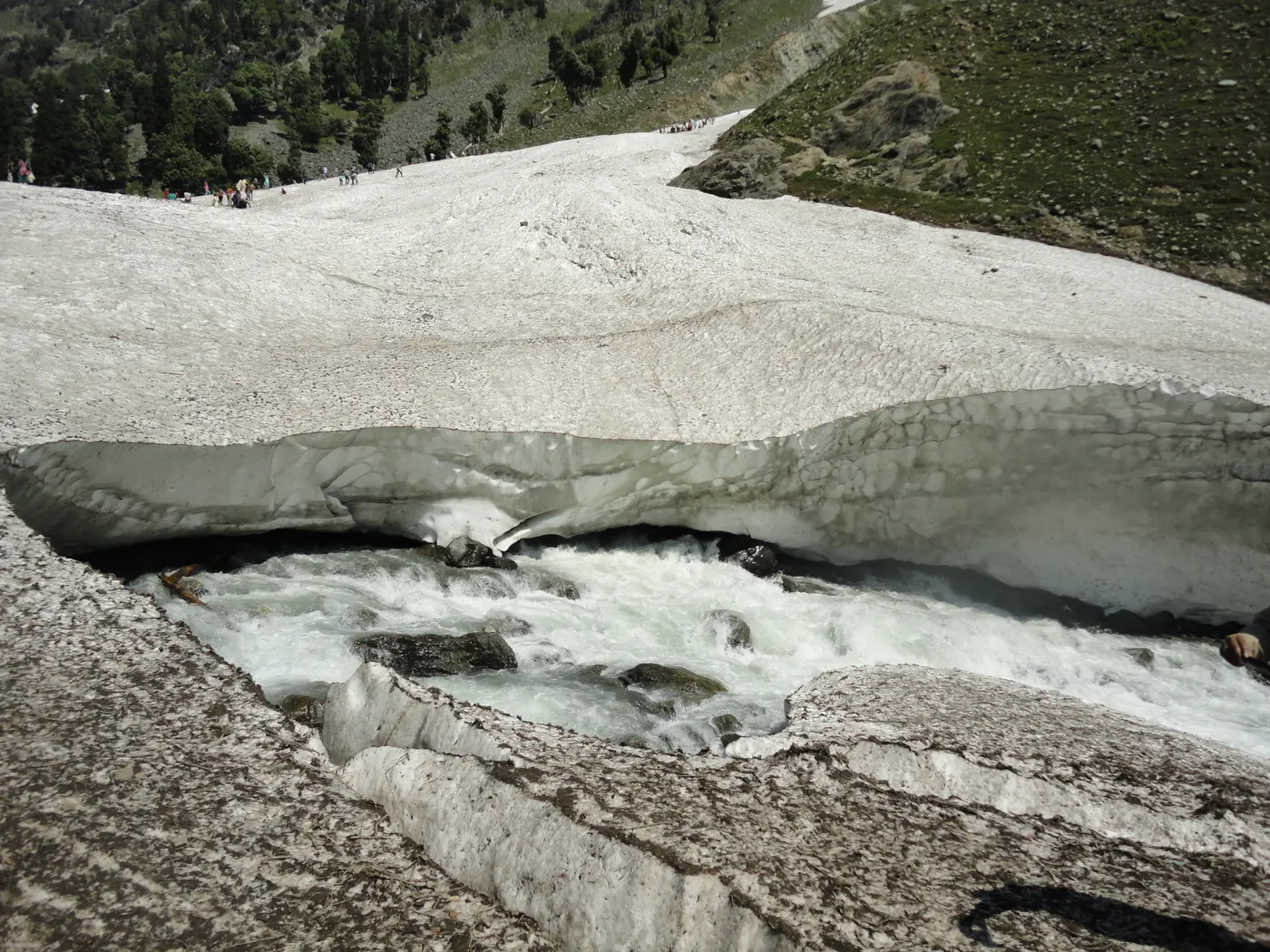
Roughly 16 km from Pahalgam and at about 2,900 m, Chandanwari is the highest of the three valleys most visitors reach by road, and the most dramatic. Its name — "Valley of Moonlight" — comes from the reflection of moonlight off the snow that used to cover the valley floor year-round; a shrinking but still visible snow bridge over the Lidder is the site's signature feature for much of the year.
Chandanwari's other identity is as the traditional starting point of the Amarnath Yatra, from where pilgrims begin the trek toward the holy cave via Sheshnag and Panchtarni. Outside the yatra season, it functions as a normal, if slightly higher-altitude, tourist stop — cold even in summer, with views back down the valley toward Pahalgam.
- Access: A shared taxi or private cab from Pahalgam covers most of the route; the last stretch near the snow bridge is on foot.
- Carry warm layers: Even in June, wind chill at Chandanwari can be sharp — pack accordingly regardless of how warm Pahalgam town feels.
- Seasonal access: Heavy snow can restrict the road in deep winter; check locally before planning a December–February visit.
Other Sights in Pahalgam
Beyond the "big three," a handful of smaller sights round out a Pahalgam visit.
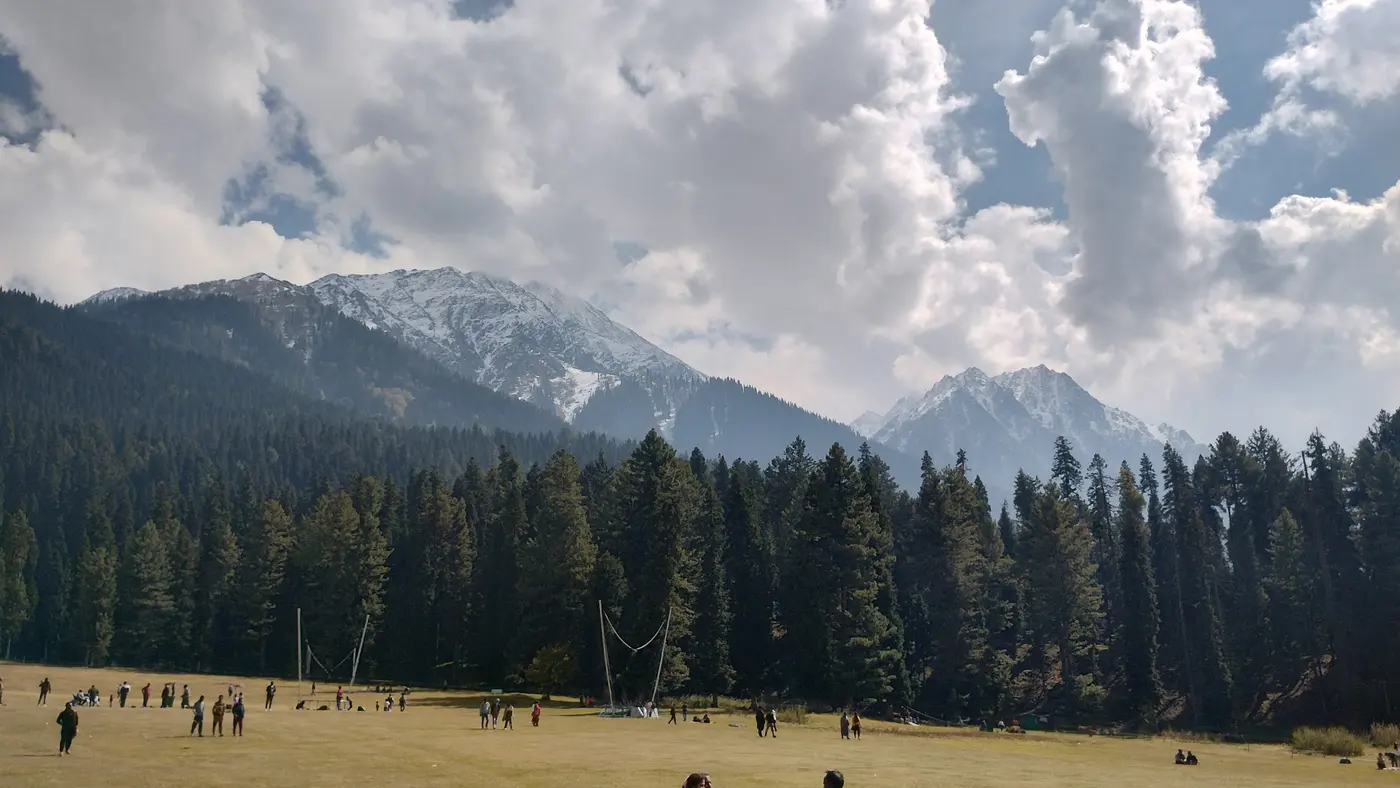
- Baisaran Meadow: A forested plateau reached by a roughly 5 km pony or walking trail above Pahalgam town, often nicknamed "mini Switzerland" for its open rolling meadow ringed by pine forest. It was long a popular half-day outing, but it has been closed to tourists since the April 2025 attack there, and local reports in April 2026 said it remained shut. Check with J&K Tourism or your hotel before planning it.
- Lidder River: The glacial river that runs through the entire valley, source of most of Pahalgam's scenery and its river-rafting and trout fishing activities alike.
- Mamaleshwar Temple: An ancient Shiva temple in Pahalgam town, believed to date back over a thousand years — a quiet, low-key stop compared to the valley excursions, worth a short visit if temples interest you.
- Pahalgam Golf Course: One of the highest-altitude golf courses in India, set against a genuinely spectacular mountain backdrop.
Pahalgam & the Amarnath Yatra
Pahalgam is one of two traditional base routes for the Amarnath Yatra, the annual pilgrimage to the ice lingam cave shrine of Lord Shiva — the other being the shorter Baltal route near Sonamarg. The Pahalgam route is longer, typically taken over multiple days via Chandanwari, Sheshnag, and Panchtarni, and is generally considered the more traditional and scenic — if more demanding — of the two.
This isn't a full yatra guide, but it's worth knowing if you're visiting Pahalgam during July–August: the town becomes a major logistics hub for pilgrims, with registration camps, base facilities, and heavier traffic on the Srinagar–Pahalgam road. If your trip isn't yatra-related, this is worth factoring into your travel dates — the valleys themselves stay open and beautiful, but hotels fill faster and roads are busier than in the shoulder seasons.
Adventure Activities in Pahalgam
- River rafting on the Lidder: Short, beginner-friendly rafting stretches operate near Pahalgam town, a fun way to experience the river beyond just admiring it from the bank.
- Pony rides: The standard way to cover Baisaran, the upper stretches of Aru, and parts of Chandanwari — rates are fixed by local pony unions and posted at each starting point.
- Golf: Pahalgam's high-altitude golf course welcomes visiting players for a round with genuinely unmatched mountain views.
- Trout fishing: The Lidder is stocked with trout, and licensed fishing is possible with permits arranged through the local fisheries department or your hotel.
- Trekking: Aru Valley is the launch point for the multi-day Tarsar-Marsar trek, along with several shorter half-day walking routes for less experienced trekkers.
Where to Stay in Pahalgam
Pahalgam's hotel scene is concentrated in and around the town centre, close to the Lidder River, with options spanning simple guesthouses to riverside luxury resorts.
- → Local guesthouses, Pahalgam town
- → Budget hotels near the bus stand
- → Basic riverside lodges
- → Hotel Heevan, Pahalgam
- → Hotel Pahalgam Woods
- → Hotel Paradise Inn
- → The Chinar Resort & Spa
- → Pahalgam Hotel
- → Woodstock Village Resort
A hotel with river-facing rooms is worth the small premium here — falling asleep to the sound of the Lidder is one of Pahalgam's simplest, most memorable details.
What to Eat in Pahalgam
Pahalgam's food scene mirrors the broader Kashmiri table — rich, meat-forward, and built around slow-cooked curries — alongside fresh trout from the Lidder itself.
- Fresh river trout: Locally caught and usually pan-fried with butter and garlic — one of the few genuinely local specialities specific to Pahalgam.
- Rogan Josh: The classic Kashmiri mutton curry, available at most local restaurants and dhabas.
- Kahwa: Saffron and cardamom-spiced green tea — a warming, restorative drink after a cold morning at Chandanwari or Aru.
- Wazwan-style thalis: Simplified, single-meal versions of the traditional multi-course Kashmiri feast, offered by several Pahalgam restaurants for visitors.
- Roadside stalls: Corn on the cob, walnuts, and kehwa stalls line the route to Betaab and Aru — good, cheap snacking between sightseeing stops.
2-3 Day Pahalgam Itinerary
Three days lets you cover all three valleys without rushing; two days is workable if you combine Betaab and Aru into one outing.
Arrival & the Lidder Riverside
- ✓Arrive from Srinagar, check into your hotel
- ✓Afternoon: Settle in and ask locally which trails are open
- ✓Evening: Riverside walk along the Lidder in town
Betaab Valley & Aru Valley
- ✓Morning: Betaab Valley — riverside walk and photos
- ✓Midday: Continue to Aru Valley for a meadow picnic
- ✓Afternoon: Pony ride toward Aru's upper treeline
Chandanwari & Departure
- ✓Morning: Chandanwari — snow bridge and valley views
- ✓Midday: Return to Pahalgam, casual lunch by the river
- ✓Afternoon: Depart for Srinagar or onward travel
Budget Breakdown
| Expense | Budget | Mid-Range | Luxury |
|---|---|---|---|
| Accommodation/night | ₹1,200 | ₹4,000 | ₹12,000 |
| Food/day | ₹500 | ₹1,200 | ₹2,500 |
| Local taxi / pony hire | ₹1,200 | ₹2,000 | ₹3,500 |
| Entry fees & activities | ₹500 | ₹1,200 | ₹2,500 |
| Daily total | ₹3,400 | ₹8,400 | ₹20,500 |
| 3-Day trip total | ₹10,200 | ₹25,200 | ₹61,500 |
* Excludes flights or trains to Srinagar. Pony hire, entry fees to Betaab Valley, and taxi charges into Aru and Chandanwari are the largest variable costs on a Pahalgam trip.
Essential Travel Tips for Pahalgam
- Book local taxis through unions:Betaab Valley, Aru, and Chandanwari all use fixed local taxi-union rates — book through your hotel rather than negotiating individually.
- Negotiate pony rates upfront: Pony rides at Baisaran and within the valleys have posted union rates — confirm the price and route before setting off.
- Pack layers regardless of season:Chandanwari and Aru run noticeably colder than Pahalgam town even in peak summer.
- Plan around Amarnath Yatra dates if avoiding crowds: July and August bring heavier traffic and fuller hotels due to yatra logistics.
- Check current travel advisories:As with the rest of Jammu and Kashmir, conditions can shift — check official advisories before booking non-refundable travel.
- Carry cash for smaller towns: Card acceptance thins out beyond Pahalgam's main market — withdraw cash in Srinagar before heading up.
✅ Do
- →Book Srinagar–Pahalgam taxis through registered unions
- →Spend at least one night to cover all three valleys
- →Carry a warm layer even for a summer Chandanwari trip
- →Confirm pony and taxi rates before starting out
- →Baisaran meadow has been closed since April 2025; check before planning it
- →Check current travel advisories before booking
❌ Don't
- →Try to cover all three valleys in a single rushed day
- →Ignore layering for Chandanwari's higher altitude
- →Book non-refundable travel without checking advisories
- →Skip confirming pony or taxi rates in advance
- →Visit in July-August expecting Gulmarg-level solitude
- →Rely on cards outside Pahalgam's main market
Frequently Asked Questions
How many days are needed for Pahalgam?
Two to three days is enough to cover Betaab Valley, Aru Valley and Chandanwari at a relaxed pace, with a night or two along the Lidder River. A single day trip from Srinagar is possible but only allows time for one or two of the valleys.
Is Pahalgam better than Gulmarg?
They serve different purposes rather than one being objectively better. Gulmarg is built around its gondola, snow, and skiing, while Pahalgam is quieter, greener, and centred on river valleys, meadows, and gentle treks. Most Kashmir itineraries include both rather than choosing between them.
What is the distance between Srinagar and Pahalgam?
Pahalgam is roughly 90 to 95 km from Srinagar, a drive of about 2.5 to 3 hours via Anantnag on generally good roads. It's a common day-trip distance, though an overnight stay is worthwhile to properly cover the surrounding valleys.
Is Pahalgam safe for family trips?
Pahalgam is a well-established, family-friendly tourism town with a strong local infrastructure for hotels, taxis, and guided pony or trekking routes. As with anywhere in Jammu and Kashmir, it's worth checking current travel advisories before booking, but Pahalgam itself sees consistently high family and group tourist traffic.
What is famous in Pahalgam?
Pahalgam is best known for Betaab Valley (named after the 1983 Bollywood film shot there), Aru Valley as a trekking base, Chandanwari as the traditional starting point of the Amarnath Yatra, the Lidder River, and Baisaran meadow, often called 'mini Switzerland' (closed to tourists since April 2025). It has also been a backdrop for dozens of Hindi films over the decades.
Can I visit Chandanwari without joining the Amarnath Yatra?
Yes. Chandanwari is open to regular tourists year-round as a scenic valley and picnic spot, separate from the Amarnath Yatra registration process. Outside the yatra season, it's simply another stop on the Pahalgam sightseeing circuit, known for its snow bridge and river views.
Is Pahalgam open in winter?
Pahalgam stays open through winter and receives snowfall from December to February, though it's far less crowded and colder than the peak April-to-June season. Some higher points like Chandanwari can be snowbound or harder to reach, but the town itself and Betaab Valley remain accessible.
Published by the Kudozz Club editorial team · Last updated · How we research our guides
Want us to plan this trip for you?
Tell Kudozz Club where you want to go and what kind of trip you’re looking for. We’ll build a Pahalgam and Kashmir itinerary around your dates and budget.
Continue Exploring
View all guides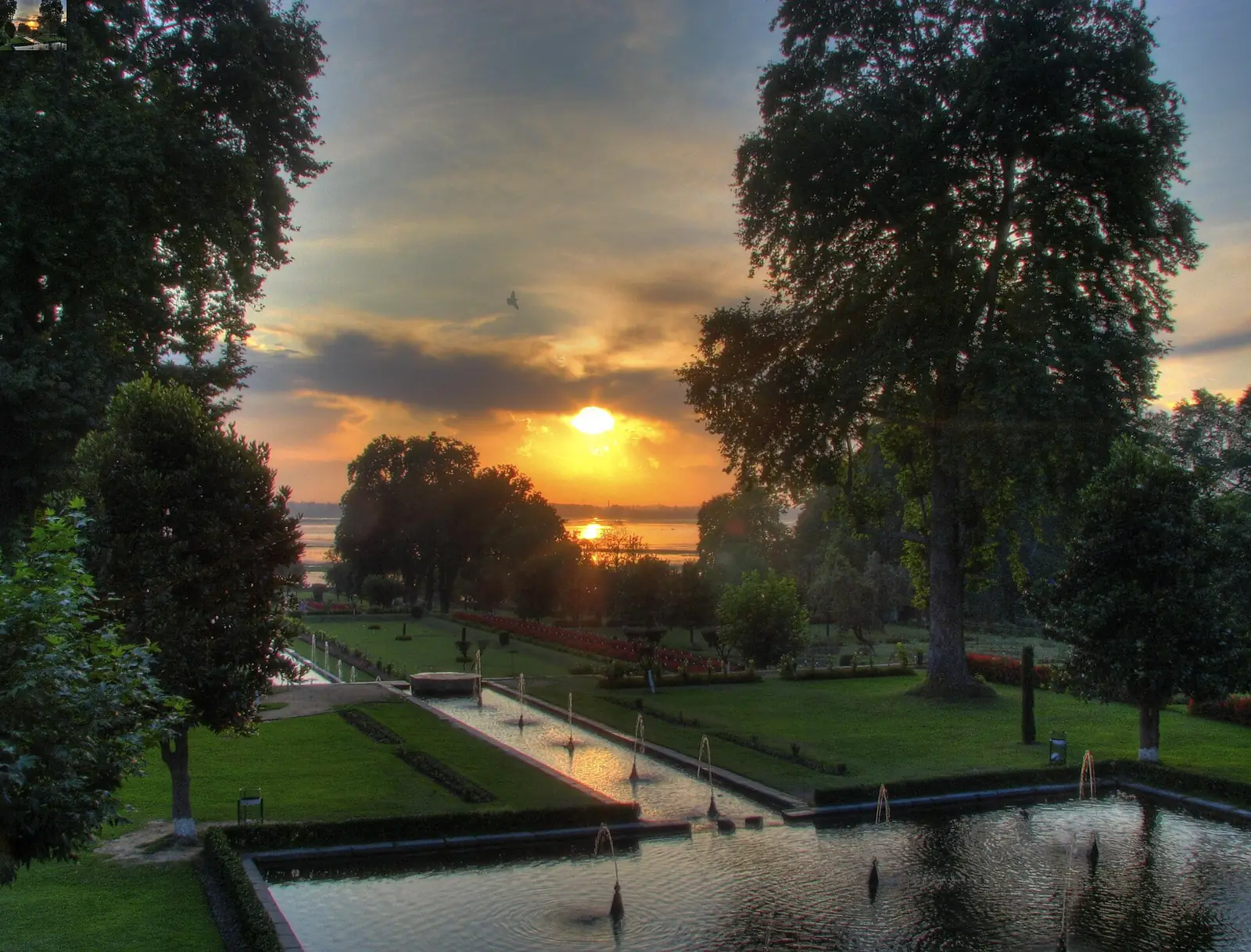 Destination Guide
Srinagar Travel Guide: Dal Lake, Houseboats & Mughal Gardens
Wake to a shikara gliding through Dal Lake's floating market, spend a night on a carved wooden houseboat, and walk the Mughal gardens the Zabarwan hills were built to frame.
 Off-beat
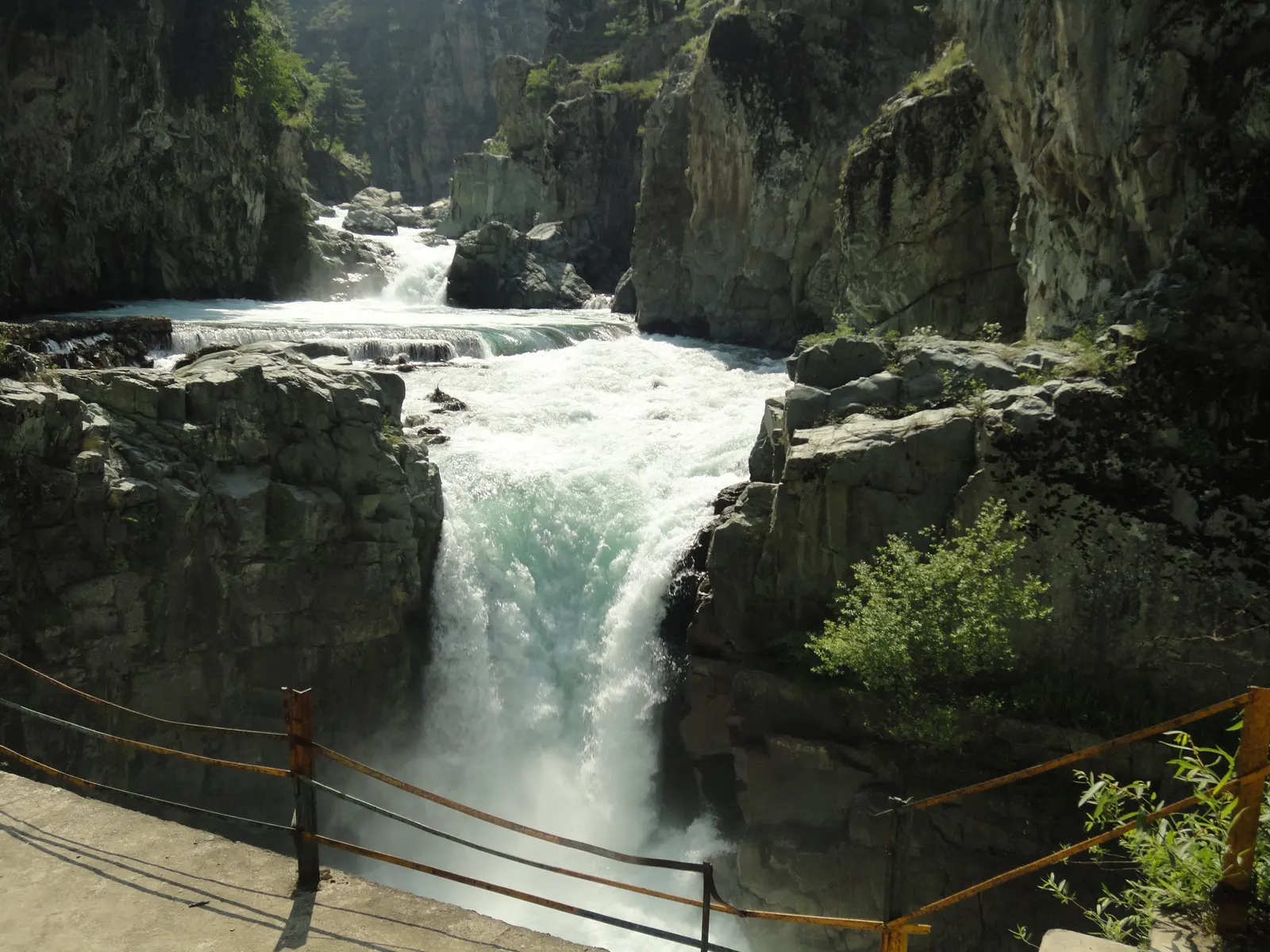
Aharbal Waterfall Travel Guide: Kashmir's Niagara
A wide, roaring curtain of water on the Veshaw River, framed by pine forest — Aharbal is the waterfall Kashmiris proudly call their own Niagara.
 Hill Stations
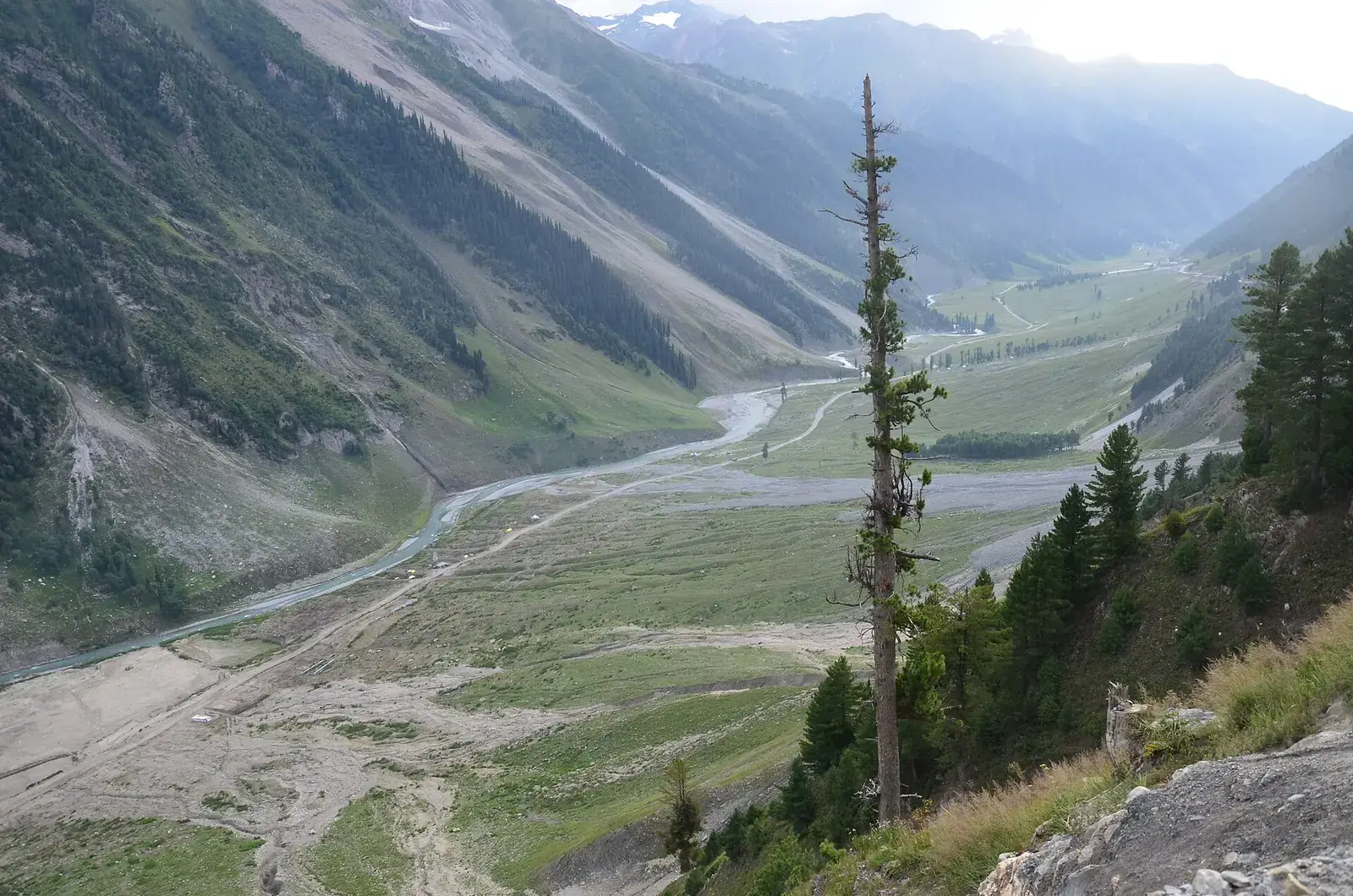
Kashmir Itinerary: 5 to 7 Days in Srinagar, Gulmarg, Pahalgam and Sonamarg
A practical five to seven day Kashmir itinerary: Srinagar's Dal Lake, houseboats, Mughal gardens and old city, Gulmarg's meadows and gondola, Pahalgam and the Lidder valley, and a day trip to Sonamarg, with seasonal variations for tulips, summer meadows, autumn and winter snow, where to stay, and the importance of checking current official advisories.
 Adventure
Sonamarg Travel Guide: Thajiwas Glacier & How to Visit
A glacier you can walk to, a river valley that never stops moving, and the last stretch of Kashmir before the road climbs into Ladakh — meet Sonamarg, the Meadow of Gold.