Why Visit Aharbal?
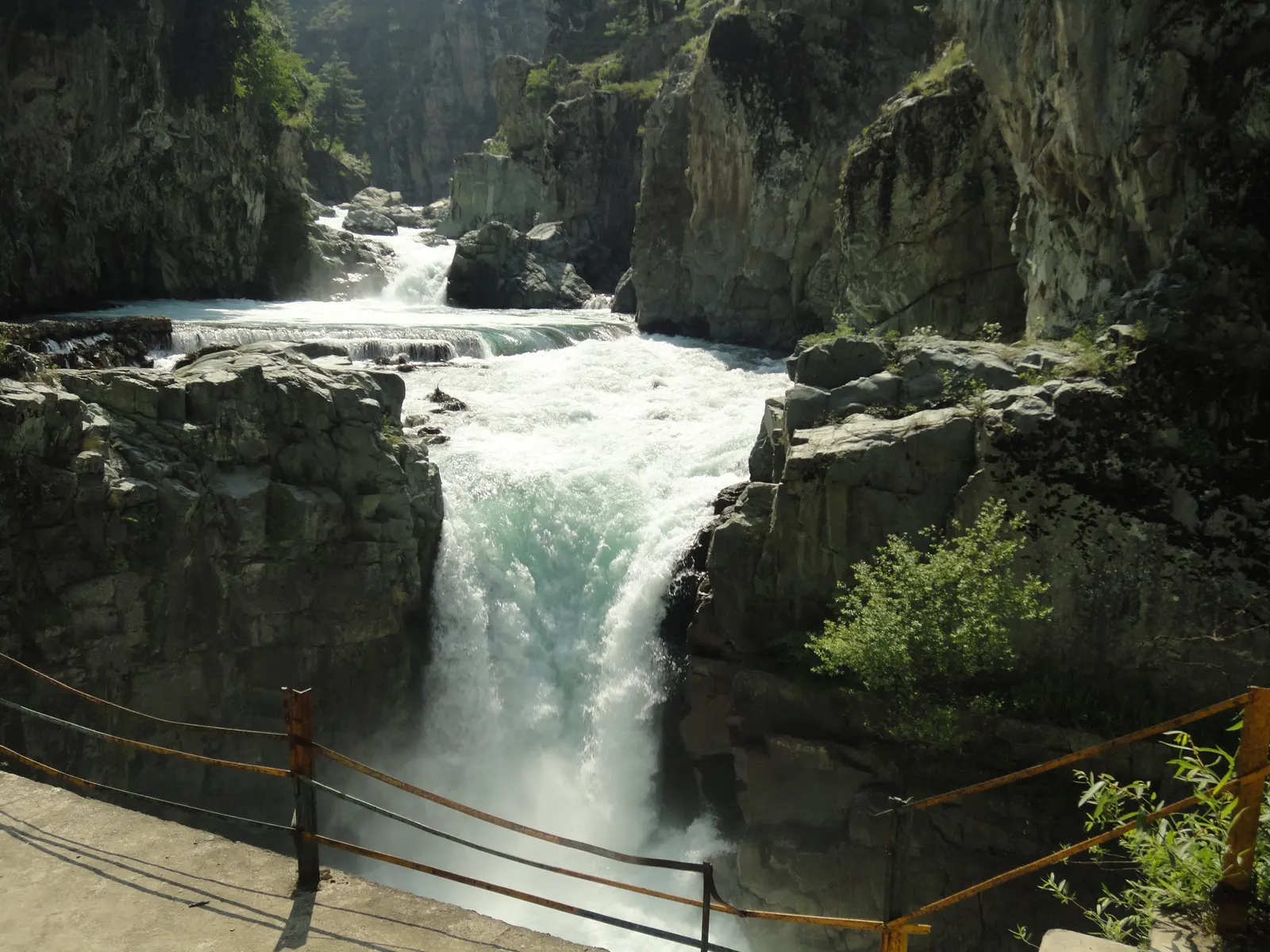
Tucked into the pine-covered foothills of southern Kashmir, Aharbal is one of the region's most dramatic waterfalls — and one of its most underrated. The Veshaw River, fed by snowmelt from the high Pir Panjal range, narrows through a rocky channel and then fans out across a wide ledge before dropping roughly 25 metres in a thunderous, foaming sheet. It's this width and volume — not height — that earned Aharbal its popular nickname, the "Niagara Falls of Kashmir."
Unlike Kashmir's better-known valley towns, Aharbal has stayed refreshingly low-key. There's no gondola, no ski lift, no sprawling market — just the roar of falling water, deodar and pine forest climbing the slopes on either side, and a scattering of tea stalls where you can sit and watch the spray catch the light. It makes an easy, rewarding half-day or full-day trip from Srinagar, and pairs naturally with a wider loop through southern Kashmir's less-visited corners — see our full Jammu & Kashmir travel guide for how it fits into a longer itinerary.
For travellers who've already done the Gulmarg-Pahalgam- Sonamarg circuit, Aharbal is exactly the kind of quieter, photogenic detour worth adding — much like the meadows at Yusmarg and Doodhpathri, it rewards travellers willing to go a little further off the standard route.
💧 Aharbal at a Glance
Best Time to Visit Aharbal Waterfall
The falls run year-round, but the volume and character of the water — and how easy the approach road is — change quite a bit with the season.
Snowmelt from the Pir Panjal feeds the Veshaw at its fullest, and the falls are at their loudest and widest. Surrounding forest is fresh and green.
Occasional rain keeps flow strong and the forest at its most vivid green, though paths near the falls get muddier and more slippery.
Flow tapers off from peak levels but stays impressive, with the surrounding pine and deodar forest turning golden-brown — a quieter, photogenic window.
Edges of the falls can ice over dramatically in a hard winter, but the approach road sees snow and can be slow or briefly closed after heavy falls.
Our pick: May and early June, right when snowmelt is peaking — this is when Aharbal most earns its "Niagara" nickname, with the widest, loudest sheet of water you'll see all year.
How to Reach Aharbal
Aharbal sits about 75 km southwest of Srinagar, reached via Kulgam town — there's no rail or air option directly here, so road travel is the only way in.
- From Srinagar (self-drive or cab): The most common route runs via Pulwama and Kulgam, taking roughly 2 to 2.5 hours depending on traffic and road conditions. Cabs are easily arranged through hotels or houseboat owners in Srinagar.
- Via Kulgam town: Aharbal lies about 22 km from Kulgam, the district headquarters — a good reference point if you're combining the trip with other stops in the district.
- By shared transport: Shared cabs and buses run from Srinagar to Kulgam, from where local shared vehicles continue on to Aharbal — a slower, budget-friendly option but with less flexibility on timing.
- Road condition: The route is mostly paved and in reasonable condition, though the final stretch narrows through forest and village roads — a comfortable drive in a regular sedan outside heavy winter snow.
The Falls Experience
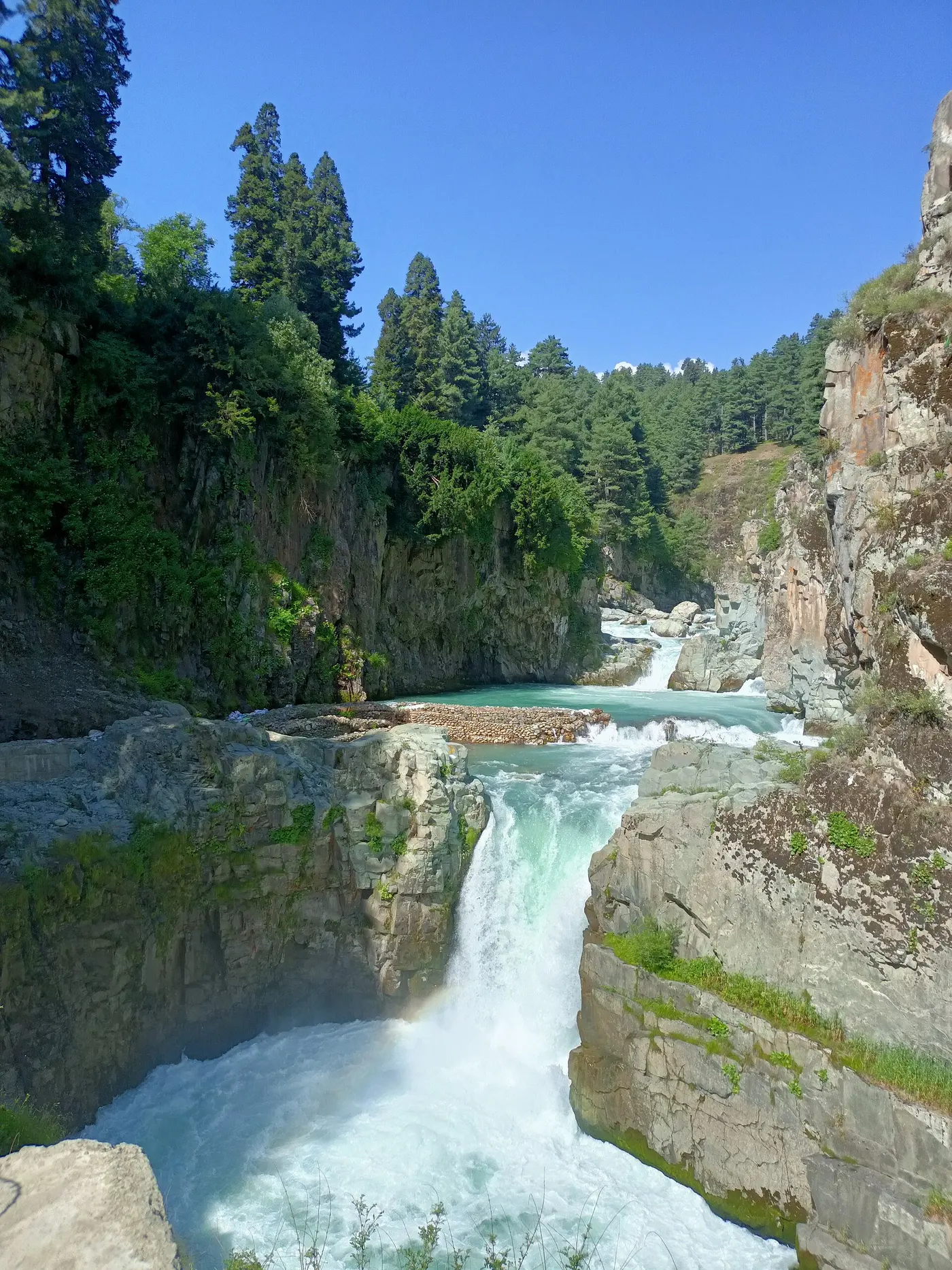
From the parking area, it's a short, easy walk down to the main viewing points — nothing that requires trekking gear or real fitness, which is part of why Aharbal works so well as a family day trip. Paved and stone paths run along the Veshaw River, with railings at the closest viewpoints where the spray from the falls drifts across visitors on a windy day.
- Main viewpoint: Directly opposite the widest section of the falls — the best spot for the classic wide-angle shot that shows off why the "Niagara" comparison stuck.
- Riverside walk: A short trail follows the Veshaw upstream and downstream from the falls, through pine forest that stays cool even on warm summer days.
- Photography spots: Early morning and late afternoon light works best, with the sun angled low enough to catch the mist rising off the falls without harsh overhead glare.
- Old hydel infrastructure: Aharbal was once the site of one of Kashmir's earliest hydroelectric projects, and remnants of old channel work are still visible near the falls — a small point of local history worth asking a guide about.
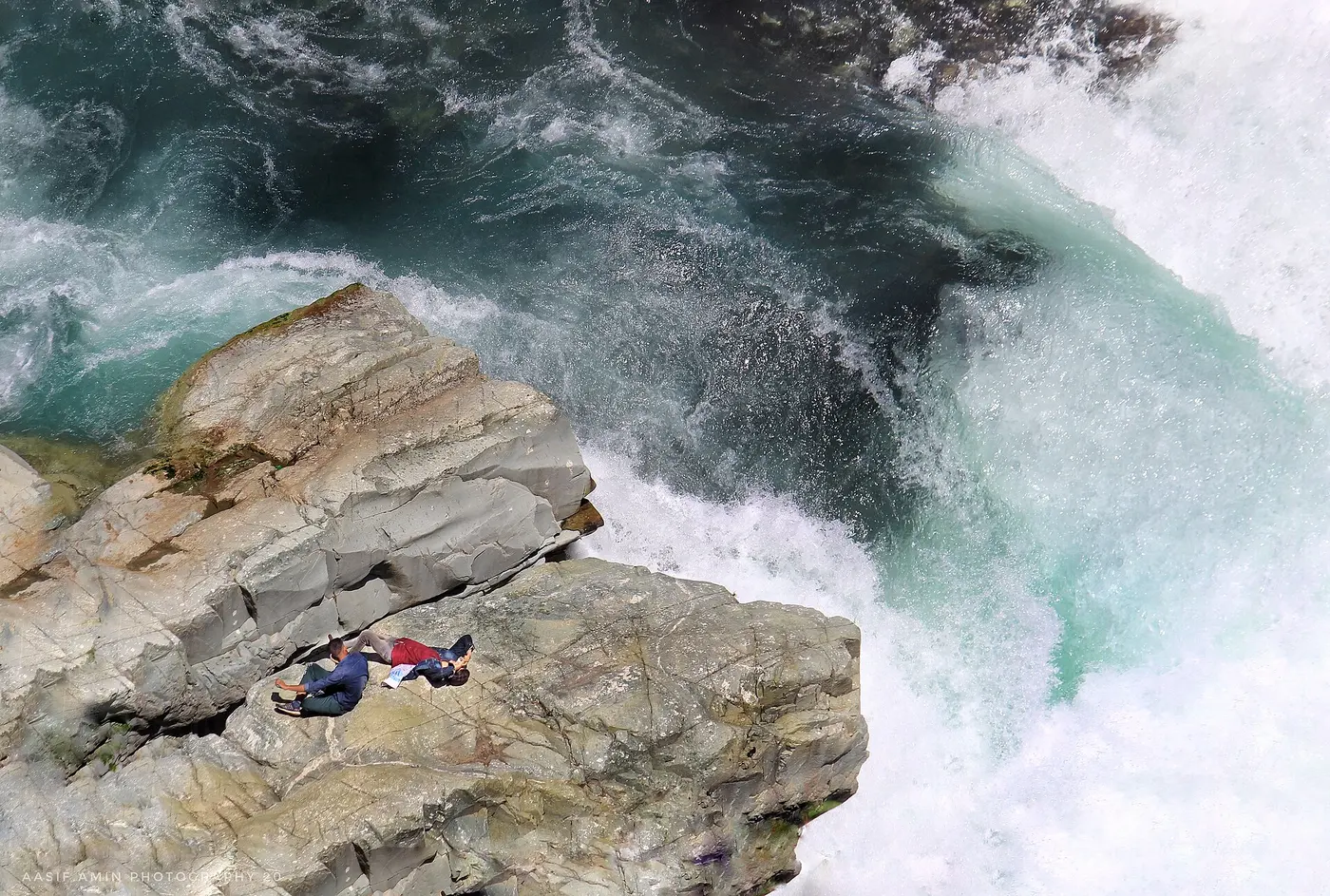
The rocks closest to the water are perpetually wet and genuinely slippery — this is the one place at Aharbal where visitors get hurt, almost always from climbing past railings for a closer photo. Stick to the marked paths and you'll get essentially the same view without the risk.
Beyond Aharbal: Kounsarnag Lake
For serious trekkers, Aharbal is more than a day-trip waterfall — it's also the traditional starting point for the trek to Kounsarnag, a striking high-altitude glacial lake at roughly 3,500 metres, cupped by bare rock peaks of the Pir Panjal range.
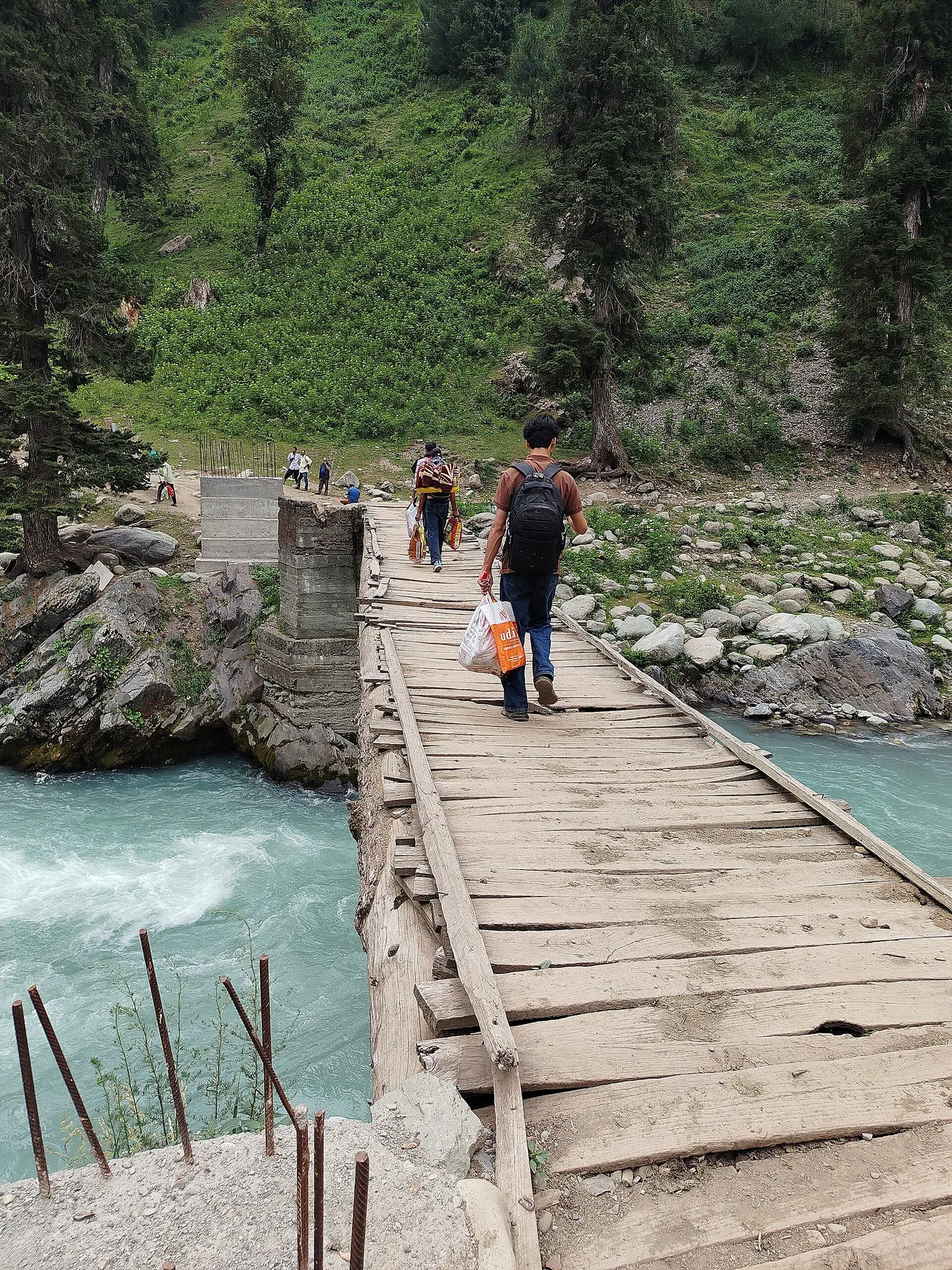
This is not a casual extension of a day trip to the falls. The route to Kounsarnag typically takes 2 to 3 days round trip, covering rugged, largely unmarked terrain with significant altitude gain, and is best attempted with a local guide, proper camping gear, and prior high-altitude trekking experience. Most visitors to Aharbal never attempt it — but for those already planning a Kashmir trekking trip, it's worth knowing that one of the region's most dramatic and least-visited alpine lakes starts right here.
Kulgam District: The Wider Context
Aharbal sits within Kulgam district, a largely agricultural part of southern Kashmir known for saffron and paddy fields rather than tourist infrastructure. This is part of Aharbal's appeal — the drive out passes real Kashmiri village life, orchards, and farmland rather than a string of tourist shops.
Kulgam town itself is a functional district headquarters with basic services — fuel, ATMs, pharmacies, and simple eateries — useful as a stop on the way to or from Aharbal, but not a destination in its own right. Most travellers treat it purely as a waypoint.
Where to Stay
Accommodation directly at Aharbal is genuinely limited — this is the main reason most visitors treat it as a day trip rather than an overnight stop. If you do want to stay closer, options are modest and best booked or confirmed ahead by phone rather than online.
- → J&K Tourism guesthouse/huts (basic, subject to availability)
- → A handful of small local guesthouses in Kulgam town
- → Best booked by phone in advance — limited rooms
- → Dal Lake houseboats — see our Srinagar guide
- → Wide range of hotels near Dal Gate and Boulevard Road
- → Easiest option: day trip out, sleep back in Srinagar
Unless you're combining Aharbal with the Kounsarnag trek, basing yourself in Srinagar and doing Aharbal as a day trip is by far the simplest, most comfortable option.
What to Eat Near Aharbal
Don't expect a restaurant scene — food options right at the falls are a handful of simple tea stalls and dhabas. Plan meals around Srinagar or Kulgam town instead.
- Tea stalls at the falls: Basic Kashmiri noon chai (salted, pink tea) and biscuits, served with a view of the cascade — simple but memorable.
- Roadside dhabas in Kulgam: Straightforward rice-and-curry meals, rajma, and egg dishes — reliable for a lunch stop on the way back.
- Pack from Srinagar: Many day-trippers carry a packed lunch from their houseboat or hotel, since options thin out considerably past Kulgam town.
- Save the Wazwan feast for Srinagar: Kashmir's signature multi-course meat feast is a city dining experience — Aharbal is strictly a nature stop, not a food destination.
Suggested Day-Trip Itinerary from Srinagar
A single, well-paced day is all Aharbal needs — here's how to structure it so you're not rushing the falls or the drive.
Depart Srinagar
- ✓Leave by cab or self-drive via Pulwama–Kulgam route
- ✓Optional short stop in Kulgam town for fuel/snacks
Arrive Aharbal
- ✓Park and walk down to the main viewpoint
- ✓Photos at the wide-angle viewpoint opposite the falls
- ✓Short riverside walk along the Veshaw
Tea Break & Relax
- ✓Noon chai at a stall overlooking the falls
- ✓Time to sit by the water away from the crowd
Depart for Srinagar
- ✓Lunch stop at a dhaba in Kulgam en route
- ✓Drive back, arriving Srinagar by late afternoon
Have an extra day in southern Kashmir? Combine Aharbal with a visit to the meadows at Doodhpathri for a fuller loop through the region's quieter corners.
Budget Breakdown
| Expense | Budget | Mid-Range | Comfort |
|---|---|---|---|
| Round-trip cab from Srinagar | ₹1,800 (shared) | ₹3,000 (private sedan) | ₹4,500 (SUV, full day) |
| Tea/snacks at falls | ₹150 | ₹300 | ₹500 |
| Lunch en route | ₹200 | ₹450 | ₹800 |
| Entry / parking | ₹50 | ₹50 | ₹100 |
| Day-trip total | ₹2,200 | ₹3,800 | ₹5,900 |
* Excludes Srinagar accommodation. Cab hire for the full round trip is the main cost — sharing a cab with other travellers brings this down considerably.
Essential Travel Tips for Aharbal
- Wear proper footwear: Closed, grippy shoes matter more here than at most Kashmir stops — the rocks near the falls stay wet from spray year-round.
- Go early for the best light and fewest crowds: Weekends and peak summer afternoons bring the most visitors — an early start avoids both.
- Carry cash: There are no ATMs or card facilities at Aharbal itself — withdraw what you need in Srinagar or Kulgam before heading out.
- Check the weather before a winter visit: Snowfall can make the approach road slow or briefly impassable — confirm conditions with your driver or hotel before setting out.
- Don't attempt Kounsarnag casually: The trek beyond Aharbal is a genuine multi-day undertaking — only go with proper gear, a guide, and prior high-altitude experience.
- Combine it with a wider loop: Aharbal alone is a half-day stop — pairing it with Yusmarg or a broader southern Kashmir circuit makes better use of the drive out.
✅ Do
- →Stick to marked paths and railings near the falls
- →Start early from Srinagar to beat the midday rush
- →Carry cash — no ATMs at Aharbal itself
- →Wear closed, grippy shoes for the wet rocks
- →Arrange a guide if attempting the Kounsarnag trek
- →Carry a light jacket even in summer for the spray
❌ Don't
- →Climb past railings onto wet rocks for photos
- →Expect restaurants or ATMs right at the falls
- →Plan an overnight stay without confirming rooms ahead
- →Attempt the Kounsarnag trek without a guide or gear
- →Visit right after heavy rain without checking road status
- →Rush the drive — the mountain roads deserve care
Frequently Asked Questions
Why is Aharbal called the "Niagara of Kashmir"?
Aharbal earns the nickname not for its height — the falls drop roughly 25 metres — but for the sheer width and volume of water crashing over the rock face at once. The Veshaw River fans out across a broad ledge before the plunge, so the falls read as a wide curtain of white water rather than a narrow ribbon, which is what visitors associate with Niagara.
How far is Aharbal from Srinagar?
Aharbal is approximately 75 km from Srinagar, reached via Kulgam town on a mix of national highway and district road. The drive takes roughly 2 to 2.5 hours by car under normal conditions, making it a comfortable day trip from Srinagar.
Is Aharbal a day trip from Srinagar?
Yes, Aharbal is almost always visited as a day trip from Srinagar. Overnight accommodation right at the falls is very limited, so most travellers drive out in the morning, spend two to three hours at the falls and surrounding viewpoints, and return to Srinagar the same evening.
What is the best time to visit Aharbal waterfall?
Late spring through early autumn, roughly April to October, is the best window, with May and June offering the strongest flow from snowmelt and post-monsoon months keeping the pine forest around the falls lush and green. Winter visits are possible and dramatic, with parts of the falls partially icing over, but access can be affected by snow on the approach road.
Can you trek to Kounsarnag Lake from Aharbal?
Yes, Aharbal is the traditional starting point for the trek to Kounsarnag, a high-altitude glacial lake at around 3,500 metres. This is a serious multi-day trek over rugged terrain, suited to experienced trekkers with proper gear and, ideally, a local guide — it is not something casual day-trip visitors to the falls attempt.
Is Aharbal safe for families and kids?
Aharbal is family-friendly at the designated viewing points and walking paths, which are set back from the falls and fenced in places. The rocks closer to the water are wet and slippery, so families with young children should stick to marked paths and avoid climbing down toward the spray for photos.
Published by the Kudozz Club editorial team · Last updated · How we research our guides
Want us to plan this trip for you?
Tell Kudozz Club where you want to go and what kind of trip you’re looking for. We’ll build a Aharbal Waterfall and Kashmir itinerary around your dates and budget.
Continue Exploring
View all guides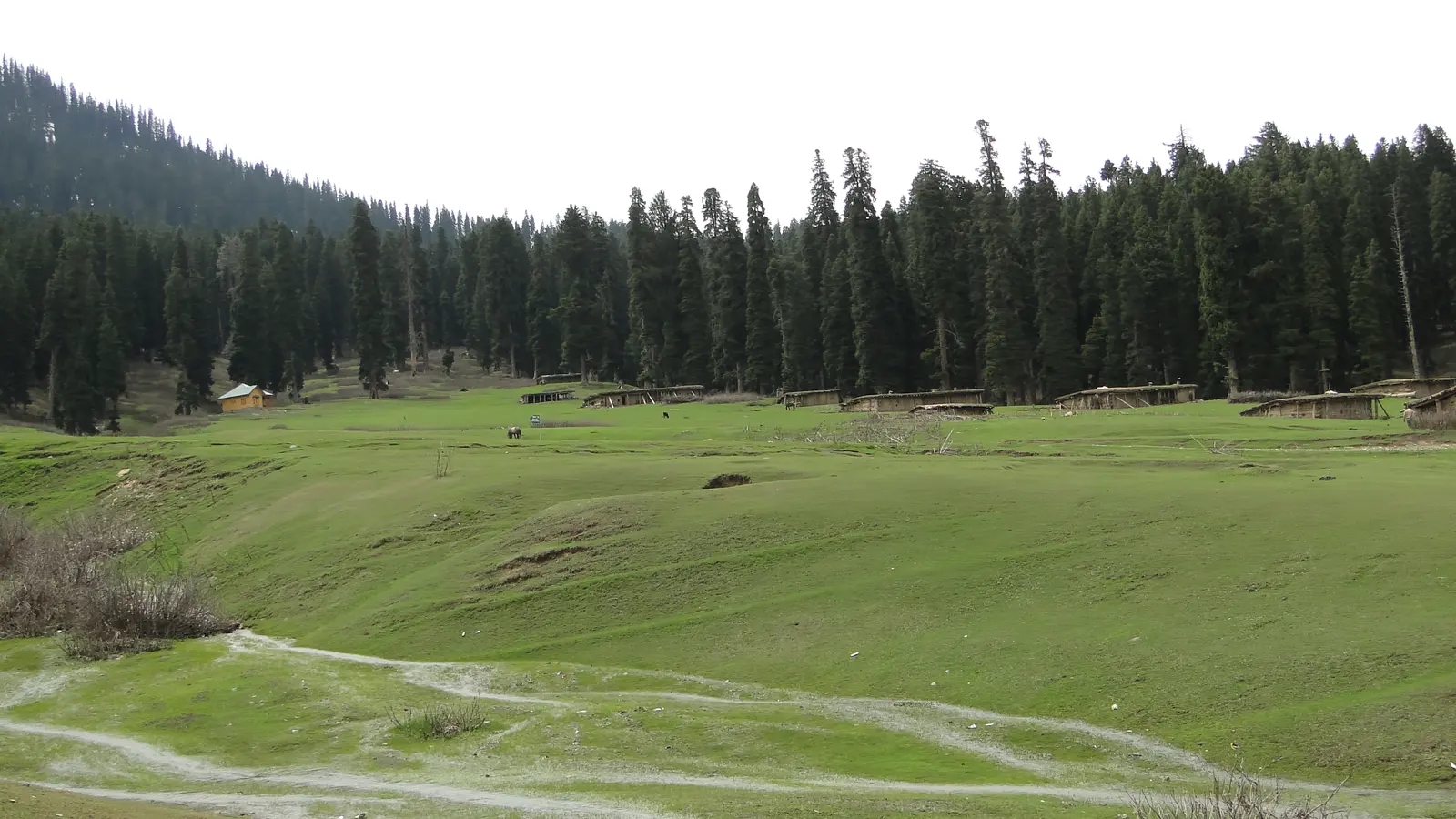 Off-beat
Doodhpathri Travel Guide: Kashmir's Valley of Milk
A rolling green meadow ringed by pine forest, a stream that froths milky-white over its stones, and a fraction of the crowds at Gulmarg — Kashmir's quietest valley, best done as an unhurried day trip from Srinagar.
 Off-beat
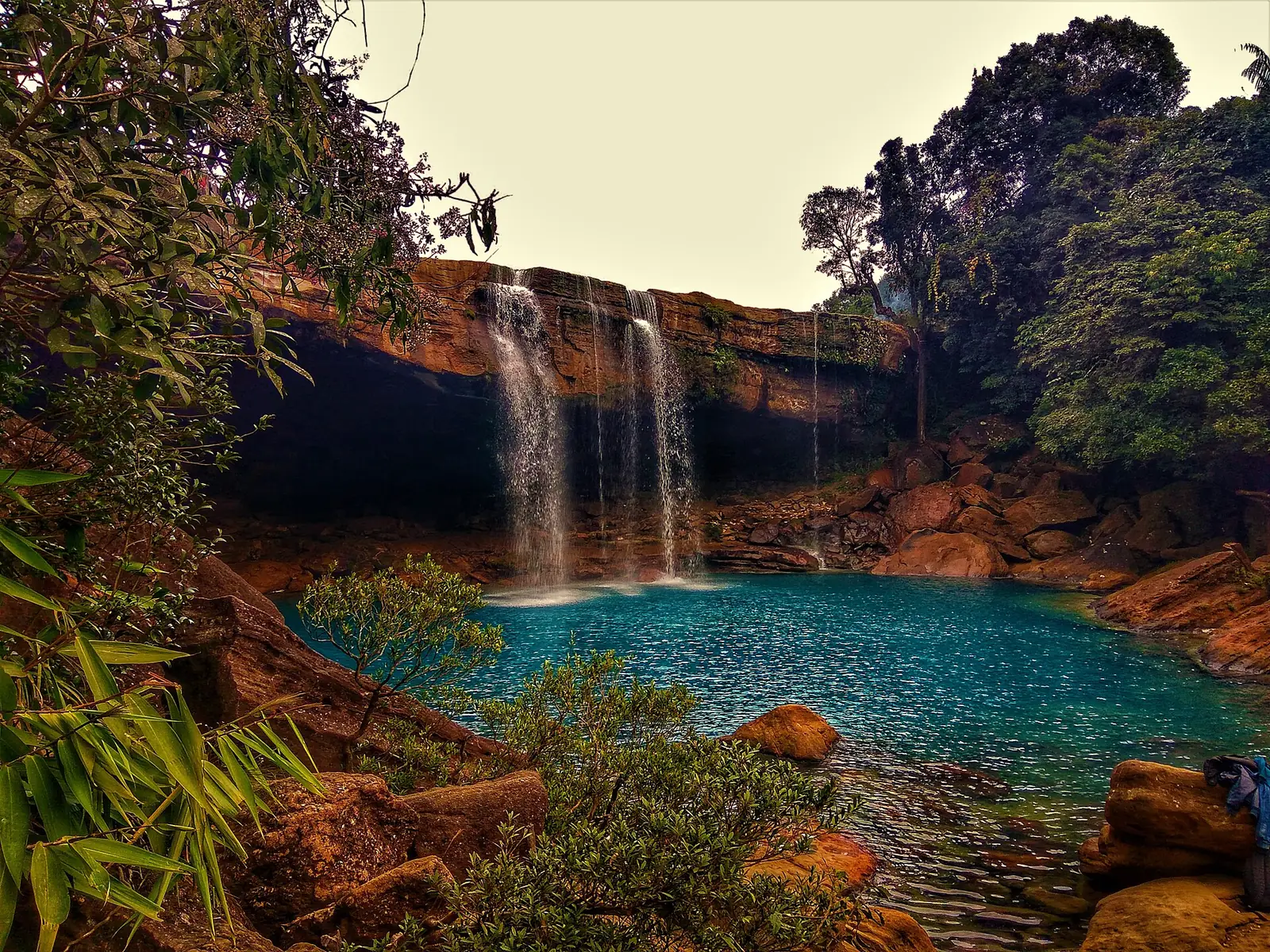
Krang Suri Falls Guide: Best Time & Tips
A vividly turquoise waterfall and natural swimming pool near Jowai — arguably as beautiful as Cherrapunji's famous falls, with a fraction of the crowds.
 Off-beat
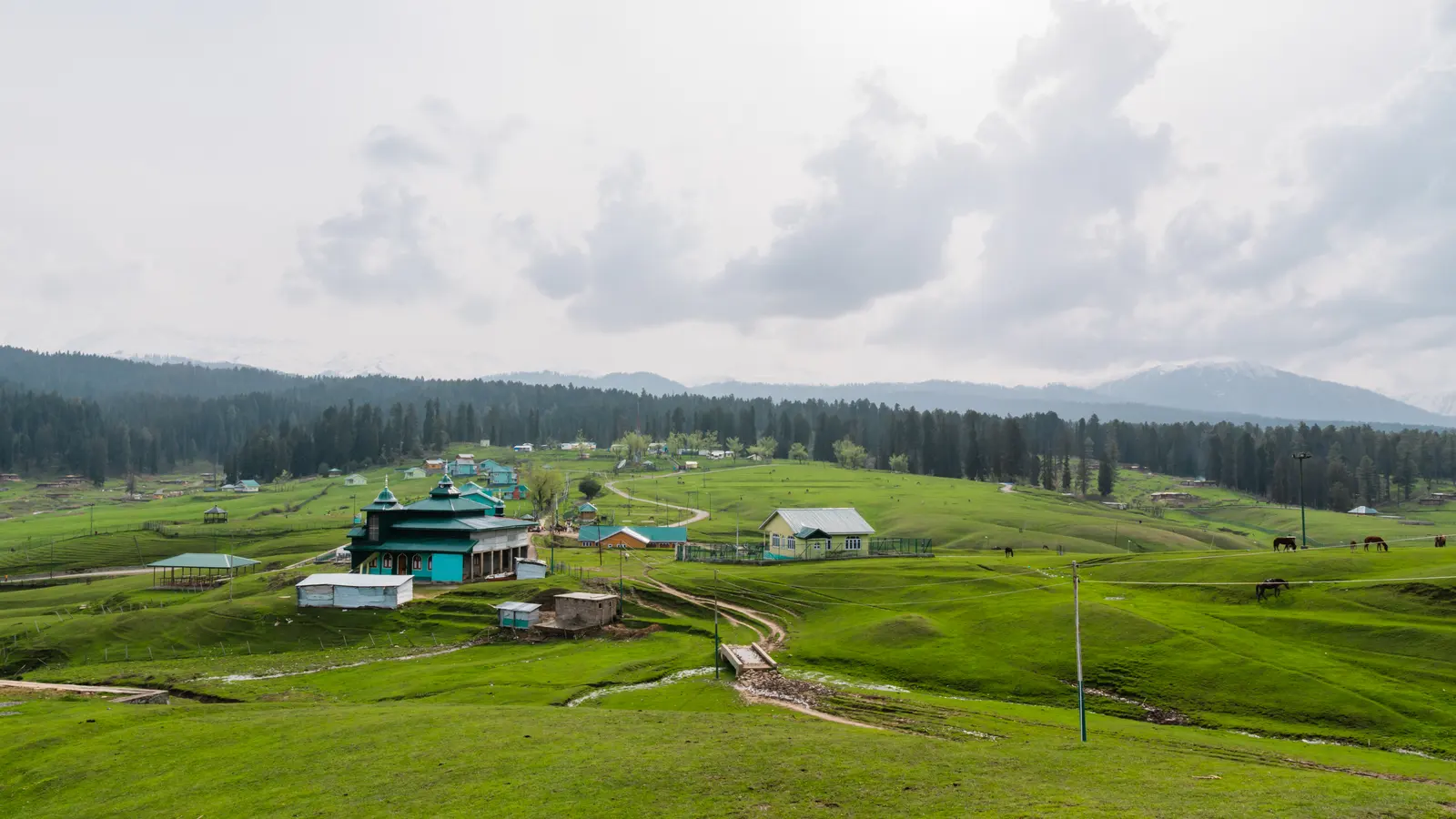
Yusmarg Travel Guide: Meadow of Jesus & Nilnag Lake
A quiet, pine-fringed meadow in Budgam where the crowds thin out — pony rides across open grassland, a glacial lake through the pines, and a Sufi shrine on the way.
 Off-beat
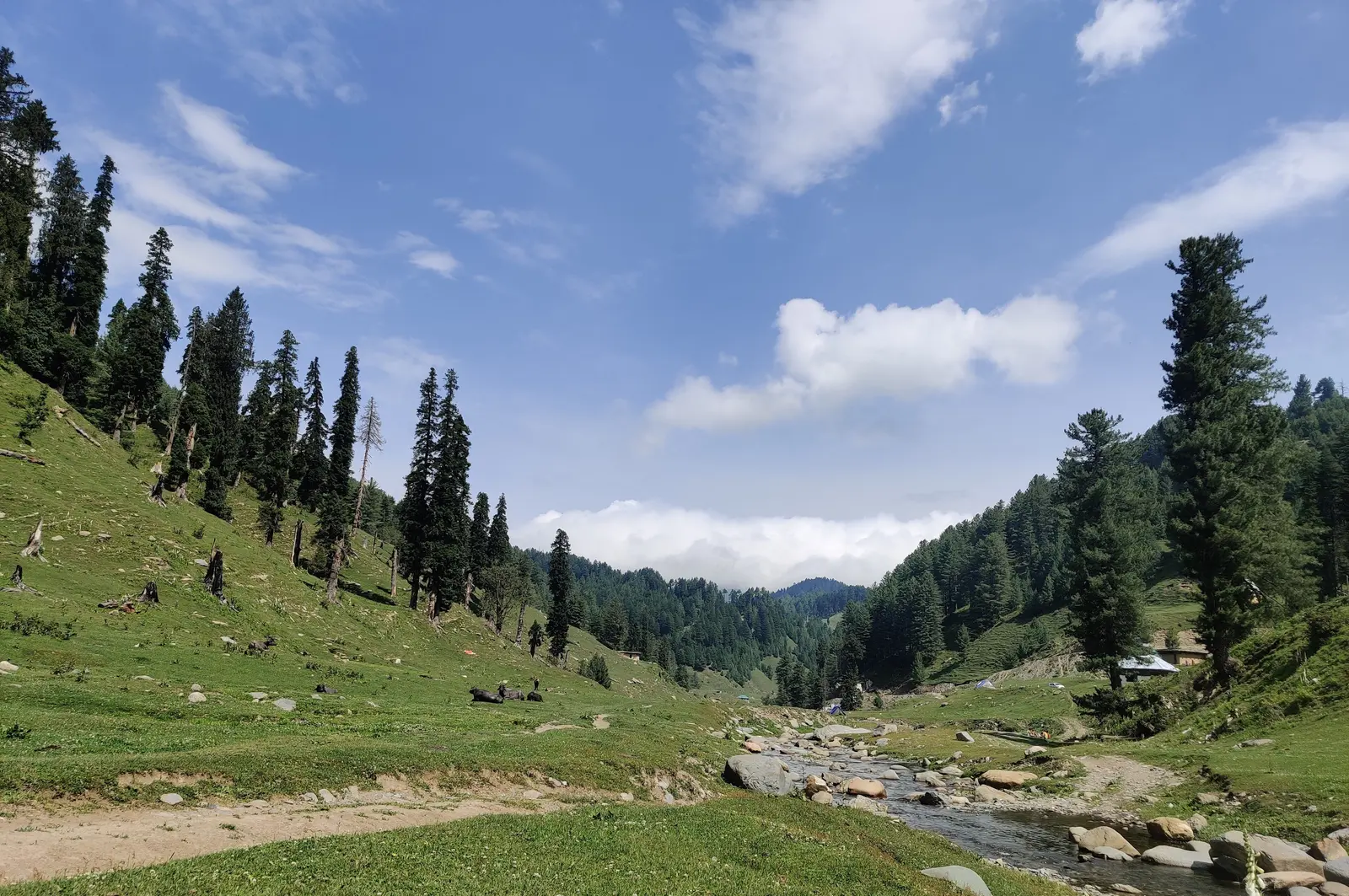
Bhaderwah Travel Guide: J&K's Mini Kashmir
Terraced meadows, glacier-fed valleys, and a snow point toward Chamba — Bhaderwah is the quiet Doda district town locals call Mini Kashmir.