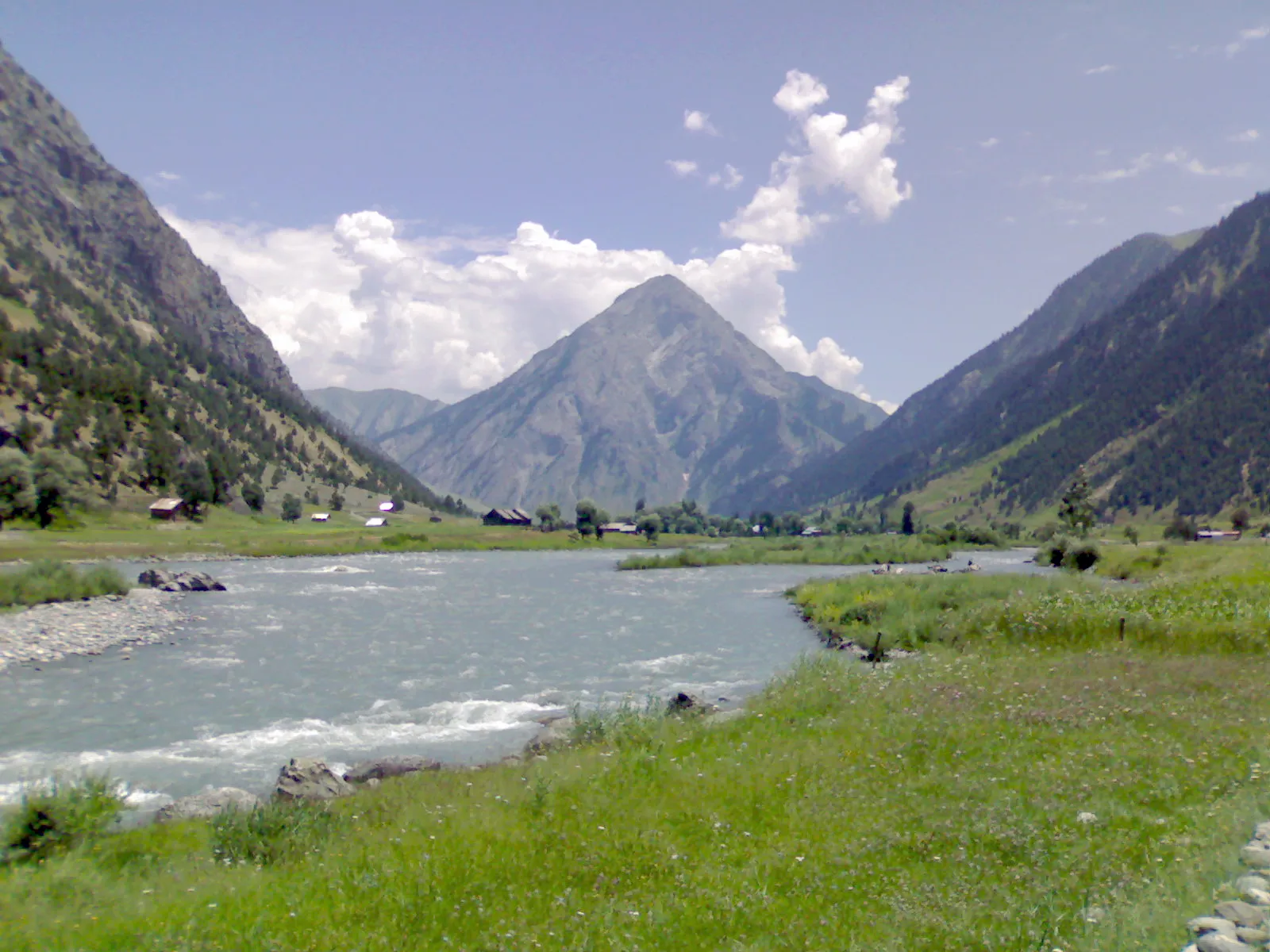
Why Visit Gurez Valley?
Tucked into the far north of Bandipora district, Gurez Valley is one of the last genuinely offbeat corners left in Jammu & Kashmir — a place most travellers in the region have heard of but very few have actually seen. The valley runs along the Kishanganga River, hemmed in by steep mountains on either side, close enough to the Line of Control that its skyline is dotted with Army posts as much as pine forest. For a long stretch of its modern history — through the wars of 1947, 1965, 1971, and the Kargil conflict in 1999 — Gurez was effectively sealed off from civilian travel. It was only opened up to tourists in the years after, and infrastructure here is still catching up to that recent history.
That lag is exactly what makes Gurez worth the detour. This is home to the Dard-Shin community, an ethnic and linguistic group distinct from the Kashmiri-speaking majority of the Valley, with its own language, dress, and wooden village architecture. The scenery leans wilder and less manicured than the Gulmarg–Pahalgam–Sonamarg circuit most visitors run through on a first trip covered in our Jammu & Kashmir travel guide — fewer houseboats and gondolas, more open meadow, glacial river, and a single cone-shaped peak that dominates every view from the valley floor.
None of this comes without trade-offs. Gurez is remote, mobile connectivity is patchy at best, the road in shuts for roughly seven months of the year, and travel here requires a bit more planning — permits, timing, fuel — than a standard Kashmir trip. For travellers willing to put that planning in, though, it delivers something increasingly rare: a Himalayan valley that still feels genuinely quiet.
🏔️ Gurez Valley at a Glance
Love the outdoors? See our guide to valleys in India.
Comparing hill stations? See our guide to hill stations in Jammu and Kashmir.
Best Time to Visit Gurez Valley
Unlike most of Kashmir, Gurez doesn't really have a "least bad" off-season option — the Razdan Pass, the only road connecting the valley to the rest of the Valley, is buried under snow for a large part of the year, and the window for visiting is genuinely narrow.
Razdan Pass reopens and the valley turns green as snowmelt feeds the Kishanganga — an early, less-crowded window, though the road can still be rough right after opening.
Mild days (18–24°C), fully bloomed meadows, and the best odds of clear views of Habba Khatoon Peak. This is when most of Gurez's limited homestay capacity is booked.
Fewer visitors, crisp air, and the valley's grasses turning amber before the first snow — arguably the most photogenic stretch, if you don't mind cooler nights.
Heavy snowfall shuts the Razdan Pass, cutting Gurez off from the rest of Kashmir by road. Not accessible for standard tourism during these months.
Our pick: Mid-July to early September — the road is reliably open, homestays are running at full capacity, and the meadows below Habba Khatoon Peak are at their greenest.
How to Reach Gurez Valley
Srinagar is the practical starting point for Gurez — there's no direct flight or rail option, and the entire journey is by road.
- Srinagar to Bandipora: Roughly 65 km, taking about 2 hours along the northern shore of Wular Lake — a scenic, easy drive on decent roads.
- Bandipora to Dawar (via Razdan Pass): Around 58 km further, climbing over the Razdan Pass (~3,600 m) before dropping into the Gurez valley floor. This stretch is the slow part — narrow, winding, and weather-dependent, taking 3–4 hours on its own.
- Total distance: About 123 km from Srinagar, typically 5–6 hours door to door including the permit checkpost stop.
- Vehicle: Shared Sumos run from Bandipora to Dawar for budget travellers; a private cab/SUV from Srinagar is the more comfortable option and easily arranged through Srinagar hotels or travel agents.
Permits: Indian nationals need to register with a valid photo ID (Aadhaar card, passport, or similar) at an Army/police checkpost along the route — this functions as the entry permit and is normally issued on the spot, with no advance application needed. Foreign nationals have historically faced tighter restrictions on entry to Gurez given its location along the LOC, and should confirm current rules with the district administration or a registered local operator before planning a trip.
Dawar — The Valley's Base
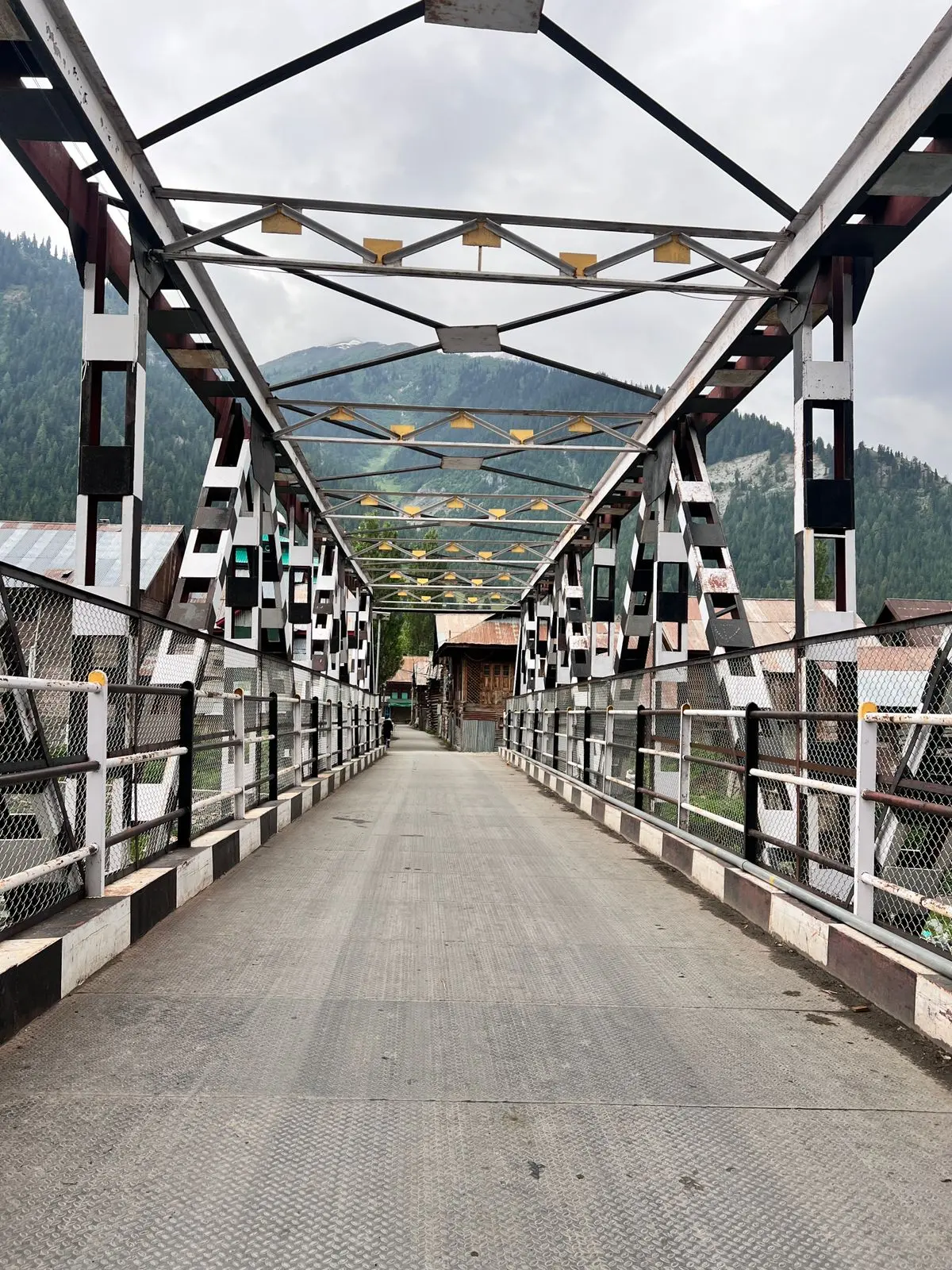
Dawar is the administrative headquarters of Gurez tehsil and the valley's only real town — a scattering of wooden and stone houses along the Kishanganga, with a small market street, a handful of guesthouses, schools, a health centre, and an Army camp. It's small enough to walk end to end in twenty minutes, but it's where almost every visitor to Gurez ends up basing themselves, since it's the only settlement with reliable accommodation and supplies.
- Dawar market: A short stretch of shops selling essentials, tea stalls, and a few general stores — useful for last-minute supplies, though options thin out fast compared to Srinagar.
- Riverside walks: The Kishanganga runs right past town, and short walks along its banks in the early morning or at sunset are one of the simplest, best things to do in Dawar.
- Base for excursions: Dawar is the launch point for the trek toward Habba Khatoon Peak, the drive further up to Tulail Valley, and river-side spots for trout fishing.
Habba Khatoon Peak
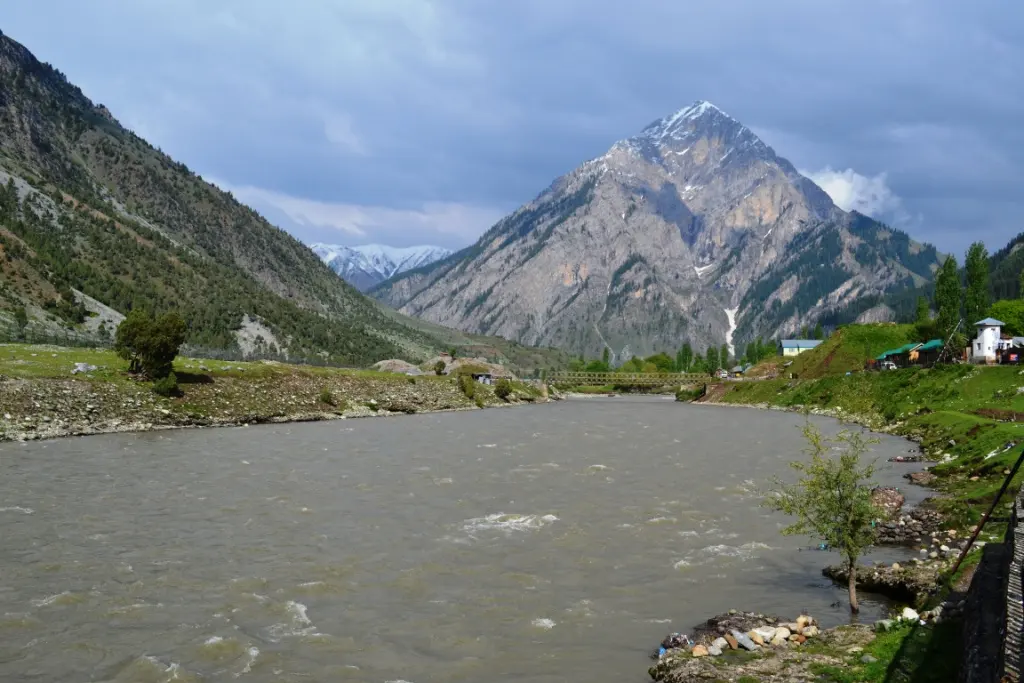
The single most recognisable feature of Gurez Valley is Habba Khatoon Peak, a striking, near-perfect cone of a mountain that rises directly behind Dawar and dominates every photograph taken in the valley. It's named after Habba Khatoon, a 16th- century Kashmiri poetess born Zoon in a village near Pampore, who became queen consort to Yusuf Shah Chak, the last independent ruler of Kashmir before Mughal annexation.
When Akbar's forces took Kashmir and Yusuf Shah Chak was exiled to Bihar, where he later died, Habba Khatoon is said to have wandered the meadows and mountainsides of the Valley composing verses of longing and separation — poetry that is still sung in Kashmir today and is widely credited with shaping the lol style of Kashmiri lyric poetry. The peak's association with her isn't a formal historical record so much as a local legend passed down through generations, but it's told with real affection and respect across the valley, and locals will happily point out the exact silhouette from town.
Reaching the peak itself is a proper trek — a full day's hike up from Dawar through meadow and forest, best attempted with a local guide given the terrain and the valley's sensitive border location. Most visitors are content admiring it from Dawar or walking partway up the lower slopes for closer views without committing to the full ascent.
Kishanganga River & Trout Fishing
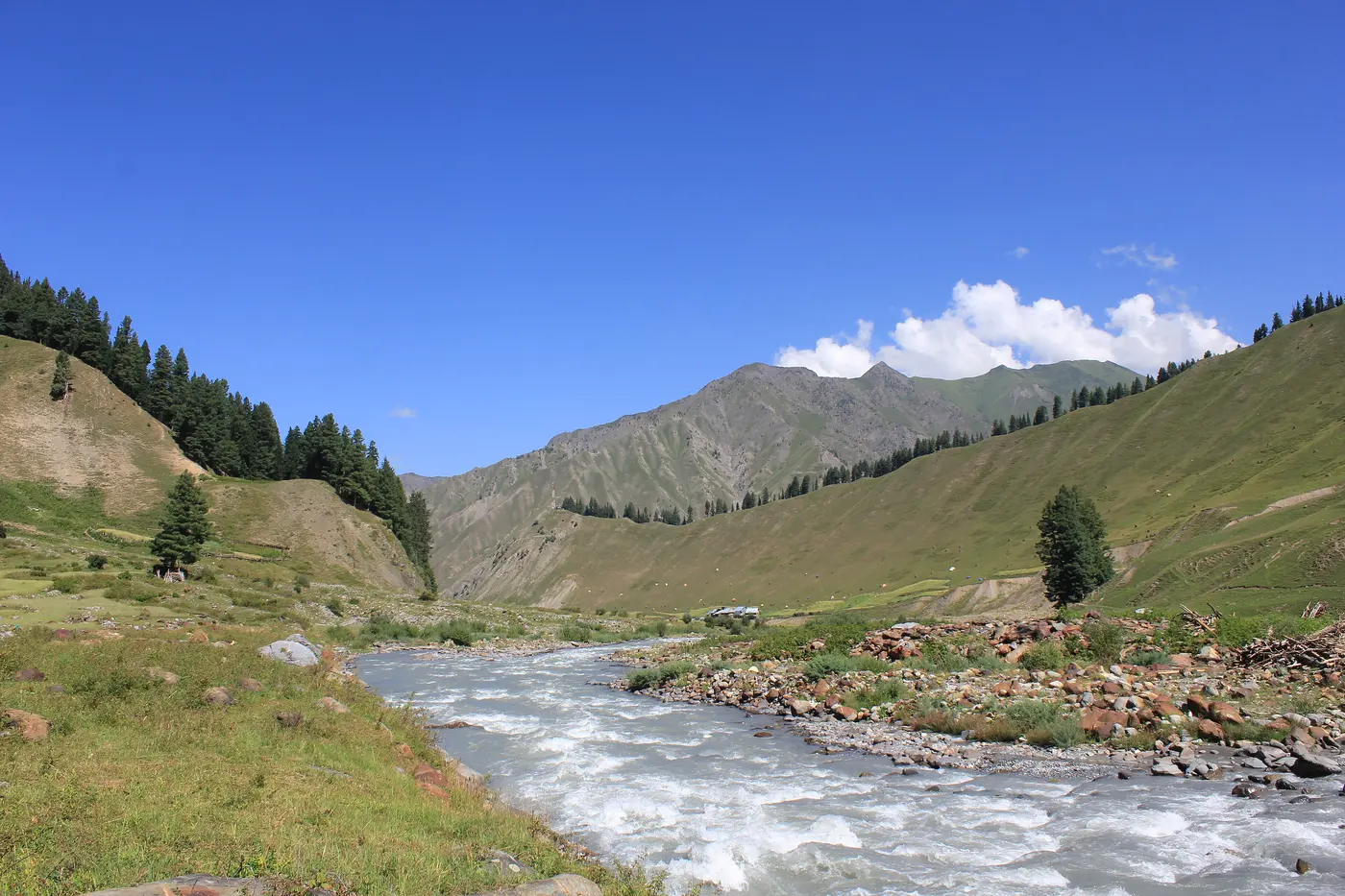
The Kishanganga River — known as the Neelum once it crosses into Pakistan-administered Kashmir downstream — runs the length of Gurez Valley and forms part of the Line of Control boundary in this sector. It's a fast, cold, glacier-fed river, and one of the defining presences in the valley: nearly every village and homestay in Gurez sits within earshot of it.
- Trout fishing: The Kishanganga and its tributary streams are stocked with brown and rainbow trout, and angling permits can be arranged locally through the fisheries department or your homestay host — a genuinely popular activity among the few travellers who make it out here.
- Riverside picnics: Flat grassy banks near Dawar make for easy, unhurried riverside stops — bring your own food, as facilities directly on the banks are minimal.
- Photography: The river valley, framed by pine-covered slopes and the Habba Khatoon cone, is the single most photographed stretch in Gurez, especially in the soft light of early morning.
Tulail Valley
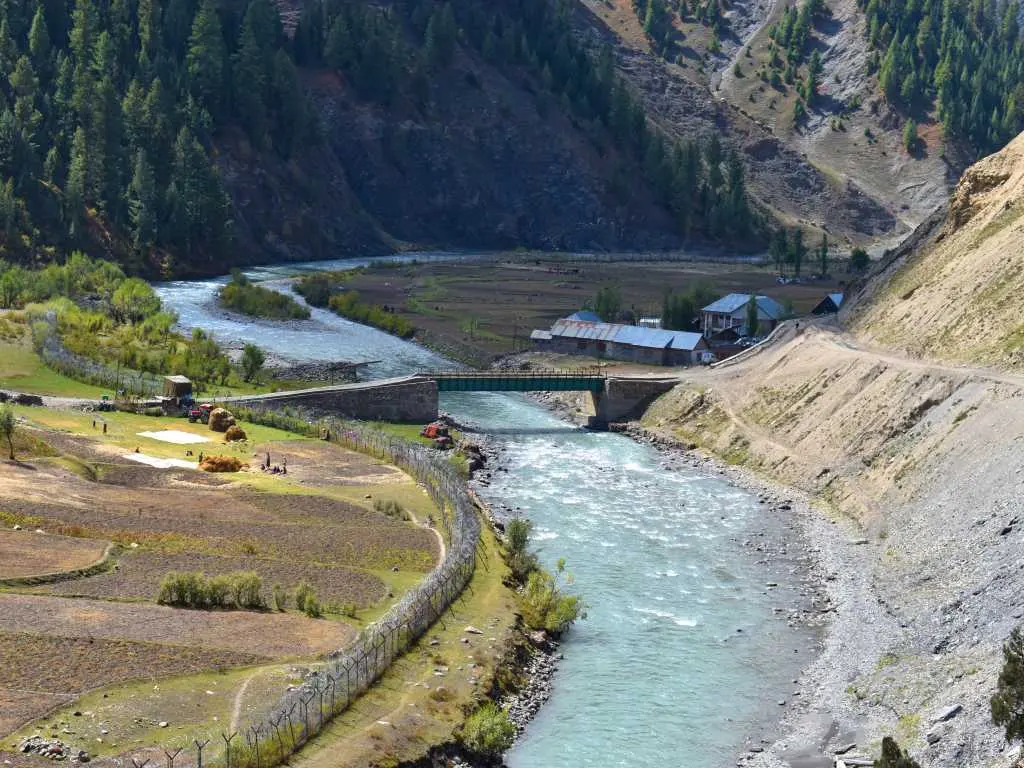
If Gurez itself feels remote, Tulail Valley — a further offshoot beyond Dawar, following the Kishanganga upstream toward villages like Chorwan, Chakwali, and Badoab — is remoter still. This is Gurez's own "offbeat within the offbeat," seeing a small fraction of the (already small) number of visitors who make it to Dawar.
The scenery through Tulail is arguably even more dramatic than the main valley — narrower, wilder, with the river running closer to the road and the mountains pressing in tighter on both sides. Given its proximity to the Line of Control, movement beyond certain points can be restricted or require additional clearance depending on the security situation at the time, so it's worth checking locally in Dawar — through your homestay host or the local police post — before planning a Tulail excursion, rather than assuming free access.
Travellers who do make it up value it precisely because it strips away even Dawar's modest tourist infrastructure — it's a good pairing with a valley like Doodhpathri on a different trip, if what you're chasing across Kashmir is quiet, unpolished meadow and river scenery over marquee sights.
Dard-Shin Culture & People
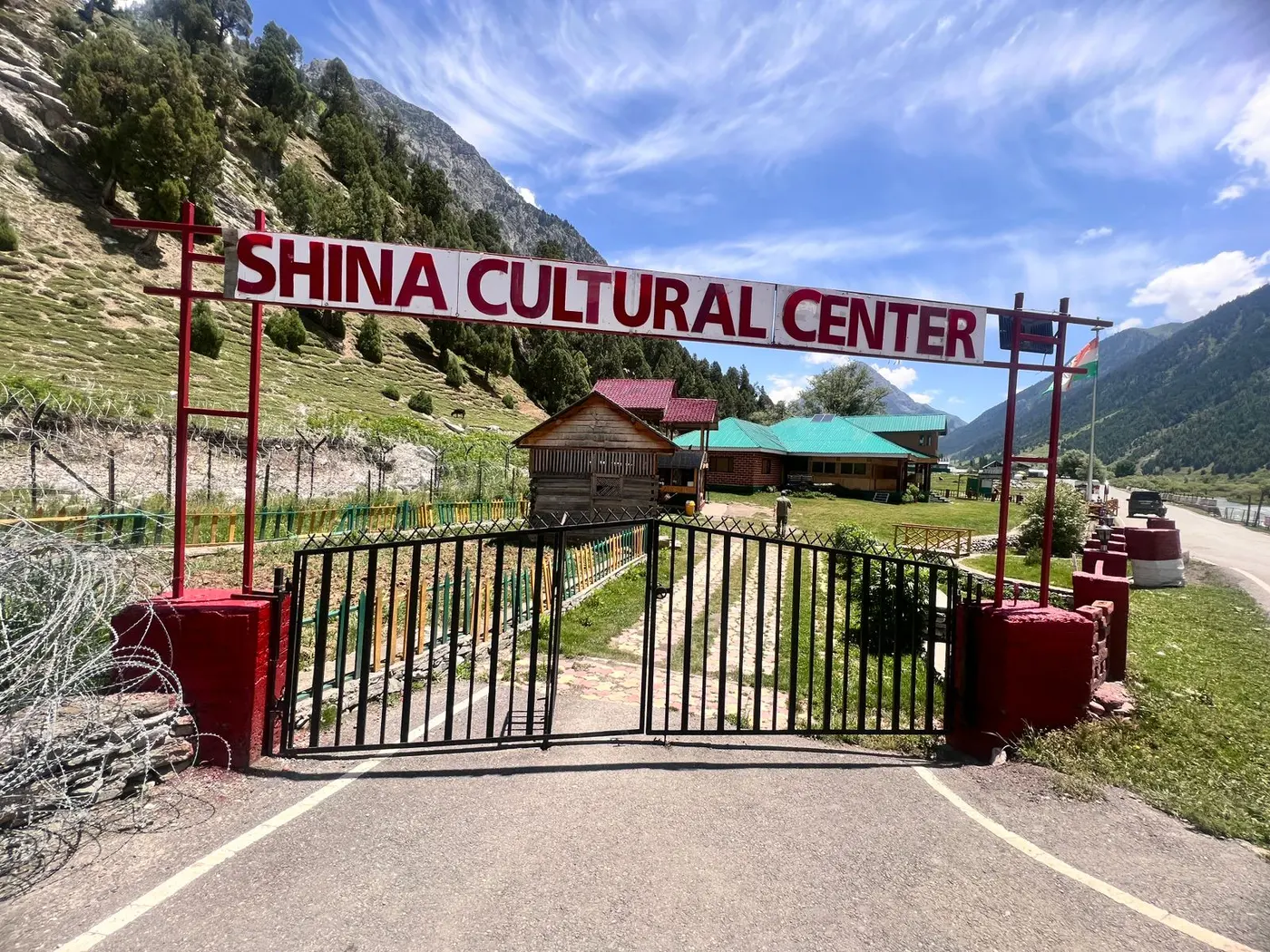
Gurez is home to the Dard-Shin community, an ethnic and linguistic group distinct from the Kashmiri-speaking majority elsewhere in the Valley. They speak Shina, a language unrelated to Kashmiri, and trace cultural roots shared with Dard communities across the border in Gilgit-Baltistan and in Ladakh's Dras and Dah-Hanu areas — a reminder that this stretch of the Himalaya has ethnic and linguistic continuities that run straight through a modern political boundary.
- Language: Shina is the everyday language in Gurez villages, though most residents also speak Kashmiri, Urdu, and basic Hindi — communication is rarely an issue for domestic visitors.
- Architecture: Traditional Gurez homes use timber-and-stone construction suited to heavy snow loads, distinct in style from houses further south in the Kashmir Valley.
- Way of life: Agriculture, livestock rearing, and — increasingly — small-scale tourism form the backbone of the local economy, alongside a significant Army presence given the valley's location.
- Respect and sensitivity: This is a militarised border region as much as a scenic one — travel here with the same courtesy and restraint you'd bring to any community living under those conditions, and let locals set the tone for how much they want to engage.
Where to Stay in Gurez Valley
Accommodation in Gurez is limited and simple by design — this is homestay and guesthouse territory, not a hotel market, and it's worth adjusting expectations accordingly.
- → Local family homestays, Dawar
- → Village homestays, Tulail side
- → Simple, home-cooked meals usually included
- → J&K Tourism guesthouse, Dawar
- → Private guesthouses near the market
- → Basic rooms, limited hot water/electricity
Book ahead where you can, but don't expect an online booking ecosystem here — most Gurez homestays are arranged by phone through your Srinagar hotel, a local operator, or directly once you're in Bandipora. Cash is essential, as card payments are unreliable to nonexistent this far out.
What to Eat in Gurez Valley
Food in Gurez is simple, homestyle, and shaped by what's locally available rather than restaurant menus — most meals here happen inside a homestay kitchen, not a market eatery.
- Fresh trout: Pan-fried river trout, often caught the same day, is the valley's signature dish where available — simple preparation, excellent flavour.
- Local dairy: Fresh milk, butter, and yogurt from valley livestock feature heavily in homestay meals — noticeably richer than what's typically available in Srinagar.
- Rice and lentil staples: Simple rice, dal, and seasonal vegetable preparations form the core of most homestay dinners, usually shared family-style.
- Kahwa and noon chai: Both the sweet, saffron-spiced Kashmiri kahwa and the salty pink noon chai show up here, much as elsewhere in the Valley.
3-Day Gurez Valley Itinerary
Three days is a comfortable, realistic window for Gurez — enough to justify the drive in without rushing, while respecting how much of the trip is genuinely spent on the road.
Srinagar to Dawar via Razdan Pass
- ✓Early departure from Srinagar (6–7 AM)
- ✓Permit checkpost near Bandipora
- ✓Cross Razdan Pass, photo stops at the top
- ✓Arrive Dawar by afternoon, settle into homestay
Dawar & Habba Khatoon Views
- ✓Morning walk along the Kishanganga River
- ✓Explore Dawar market and village lanes
- ✓Short hike toward the lower Habba Khatoon slopes
- ✓Evening: trout dinner and tea with your host family
Tulail Valley (or Rest) & Return
- ✓Morning excursion toward Tulail Valley (permission-dependent)
- ✓Alternative: relaxed morning in Dawar and riverside photography
- ✓Depart Dawar by early afternoon
- ✓Cross Razdan Pass back to Bandipora, onward to Srinagar
Budget Breakdown
| Expense | Budget | Mid-Range |
|---|---|---|
| Accommodation/night | ₹800 | ₹3,000 |
| Food/day (homestay) | ₹500 | ₹900 |
| Srinagar–Gurez cab (round trip) | ₹4,500 (shared Sumo) | ₹9,000 (private SUV) |
| Local excursions/fishing permit | ₹300 | ₹800 |
| Daily total | ₹1,600 | ₹4,700 |
| 3-Day trip total (incl. transport) | ₹9,300 | ₹18,600 |
* Excludes travel to Srinagar. The Srinagar–Gurez round trip is typically the largest single cost given the distance and limited public transport options in the valley.
Essential Travel Tips for Gurez Valley
- Carry a valid photo ID: Aadhaar card or passport is needed at the entry checkpost — don't travel to Gurez without one.
- Carry enough cash: ATMs are scarce and unreliable beyond Bandipora, and card payments are not widely accepted in Dawar — withdraw what you need before leaving Srinagar or Bandipora.
- Expect limited connectivity: Mobile network coverage is patchy through much of the valley, with only intermittent signal in Dawar — let people know you'll be largely unreachable for a couple of days.
- Respect the military presence: Avoid photographing Army checkposts, camps, or installations, and follow instructions from personnel at checkpoints without argument — this is standard practice in any border-sensitive area.
- Confirm Tulail access locally: Don't assume free movement beyond Dawar — check current restrictions with your homestay host or the local police post before heading toward Tulail Valley.
- Pack for cold nights year-round: Even in peak summer, Gurez's altitude means nights can drop well below what Srinagar experiences — carry warm layers regardless of when you visit.
✅ Do
- →Carry a valid photo ID for the entry checkpost
- →Withdraw sufficient cash before Bandipora
- →Start the Razdan Pass crossing early in the day
- →Book homestays ahead by phone where possible
- →Respect Army checkposts and follow instructions
- →Pack warm layers even for a summer visit
❌ Don't
- →Rely on cards or ATMs beyond Bandipora
- →Photograph checkposts or military installations
- →Assume free access to Tulail Valley without checking
- →Travel without confirming the pass is currently open
- →Expect restaurant-style dining beyond homestay meals
- →Rush the Razdan Pass crossing in poor visibility
Frequently Asked Questions
Is Gurez Valley safe to visit?
Yes, Gurez Valley is open to domestic tourists and sees a steady, growing flow of visitors every summer. It sits close to the Line of Control and has a visible Army presence, which in practice makes it one of the more closely monitored — and orderly — regions to travel in. As with any border area, it's worth checking current advisories before you travel and avoiding photography near checkposts and military installations.
Do I need a permit for Gurez Valley?
Indian nationals need to register at an Army/police checkpost along the route from Bandipora and carry a valid government-issued photo ID such as an Aadhaar card or passport — this functions as an entry permit and is usually issued on the spot. Foreign nationals typically require prior permission and should confirm current rules with the district administration before planning a visit.
How far is Gurez Valley from Srinagar?
Gurez Valley is roughly 123 km from Srinagar, travelling via Bandipora and over the Razdan Pass. The drive takes about 5–6 hours depending on road and weather conditions, and is best started early in the morning to cross the pass before afternoon cloud cover sets in.
Is Gurez Valley open in winter?
No. The Razdan Pass, the only road access into the valley, is buried under heavy snow from roughly November to May and is closed for the season. Gurez is effectively cut off from the rest of Kashmir by road during these months, and the visiting window for tourists is limited to June through September.
What is Gurez Valley famous for?
Gurez Valley is best known for the cone-shaped Habba Khatoon Peak, named after the 16th-century Kashmiri poetess-queen; the Kishanganga River, prized for trout fishing and dramatic scenery; its distinct Dard-Shin ethnic community and Shina language; and its remoteness — the valley was closed to civilian tourism for decades because of its location along the Line of Control.
What language do people speak in Gurez Valley?
Most residents of Gurez belong to the Dard-Shin community and speak Shina, a distinct language unrelated to Kashmiri. Many locals also speak Kashmiri, Urdu, and basic Hindi, so communication is rarely a problem for domestic visitors.
How many days are enough for Gurez Valley?
Two to three days is a comfortable window — enough time for the scenic drive in, a day exploring Dawar and the base of Habba Khatoon Peak, a look at the Kishanganga River, and a short excursion toward Tulail Valley if road conditions and permissions allow, before the drive back over Razdan Pass.
Published by the Kudozz Club editorial team · Last updated · How we research our guides
Want us to plan this trip for you?
Tell Kudozz Club where you want to go and what kind of trip you’re looking for. We’ll build a Gurez Valley and Kashmir itinerary around your dates and budget.
Continue Exploring
View all guides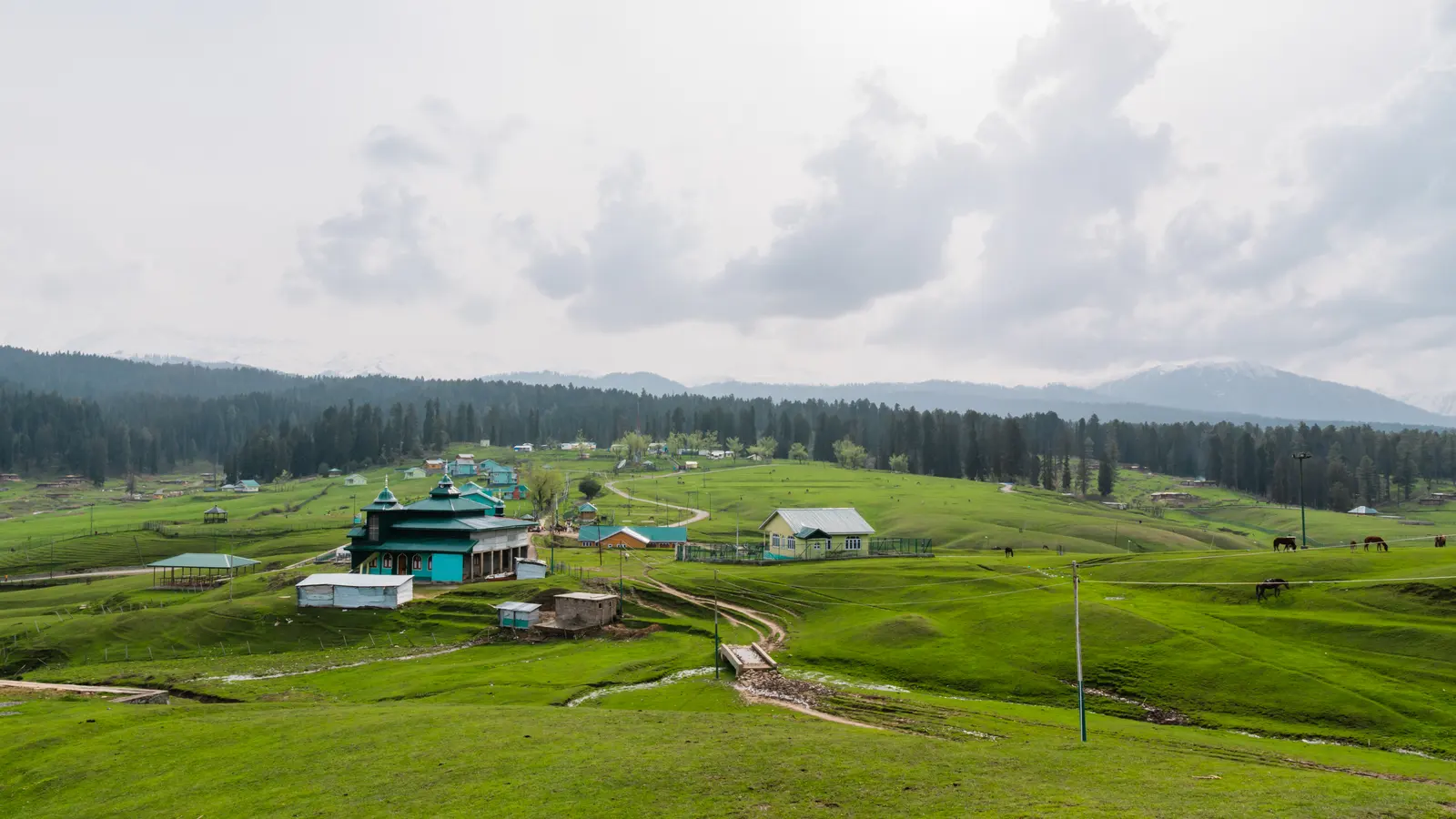 Off-beat
Yusmarg Travel Guide: Meadow of Jesus & Nilnag Lake
A quiet, pine-fringed meadow in Budgam where the crowds thin out — pony rides across open grassland, a glacial lake through the pines, and a Sufi shrine on the way.
 Off-beat
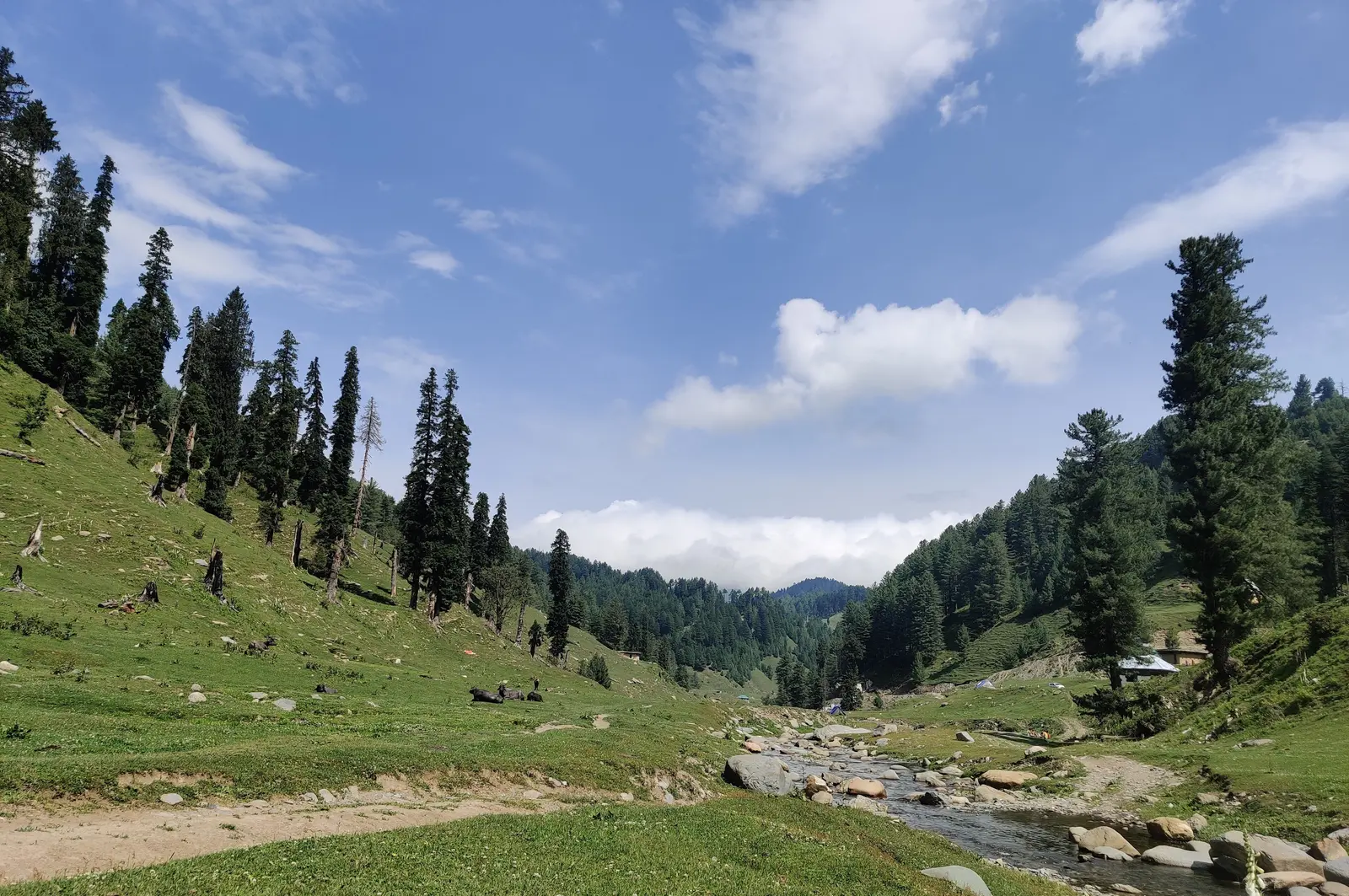
Bhaderwah Travel Guide: J&K's Mini Kashmir
Terraced meadows, glacier-fed valleys, and a snow point toward Chamba — Bhaderwah is the quiet Doda district town locals call Mini Kashmir.
 Off-beat
Aharbal Waterfall Travel Guide: Kashmir's Niagara
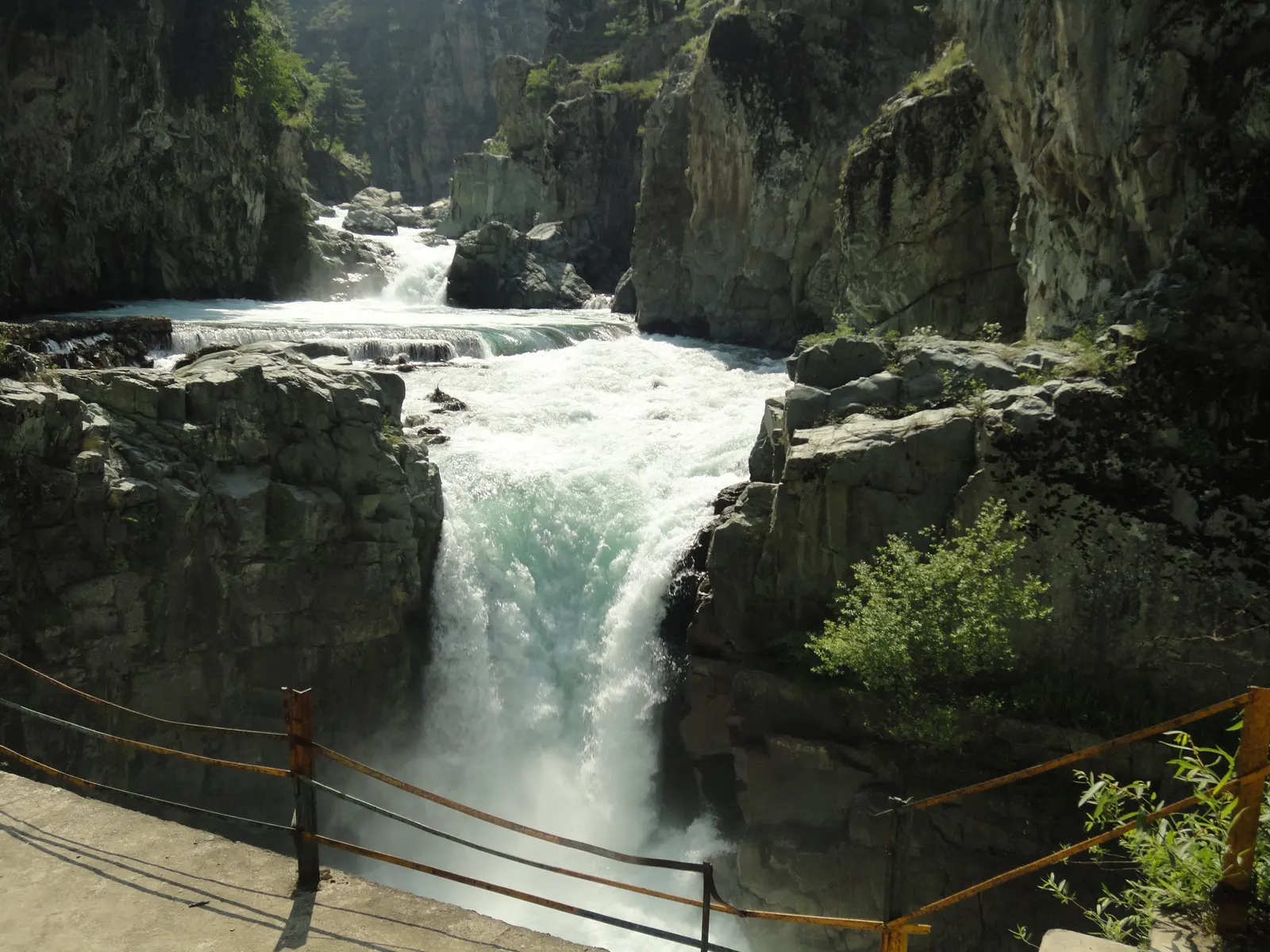
A wide, roaring curtain of water on the Veshaw River, framed by pine forest — Aharbal is the waterfall Kashmiris proudly call their own Niagara.
 Off-beat
Doodhpathri Travel Guide: Kashmir's Valley of Milk
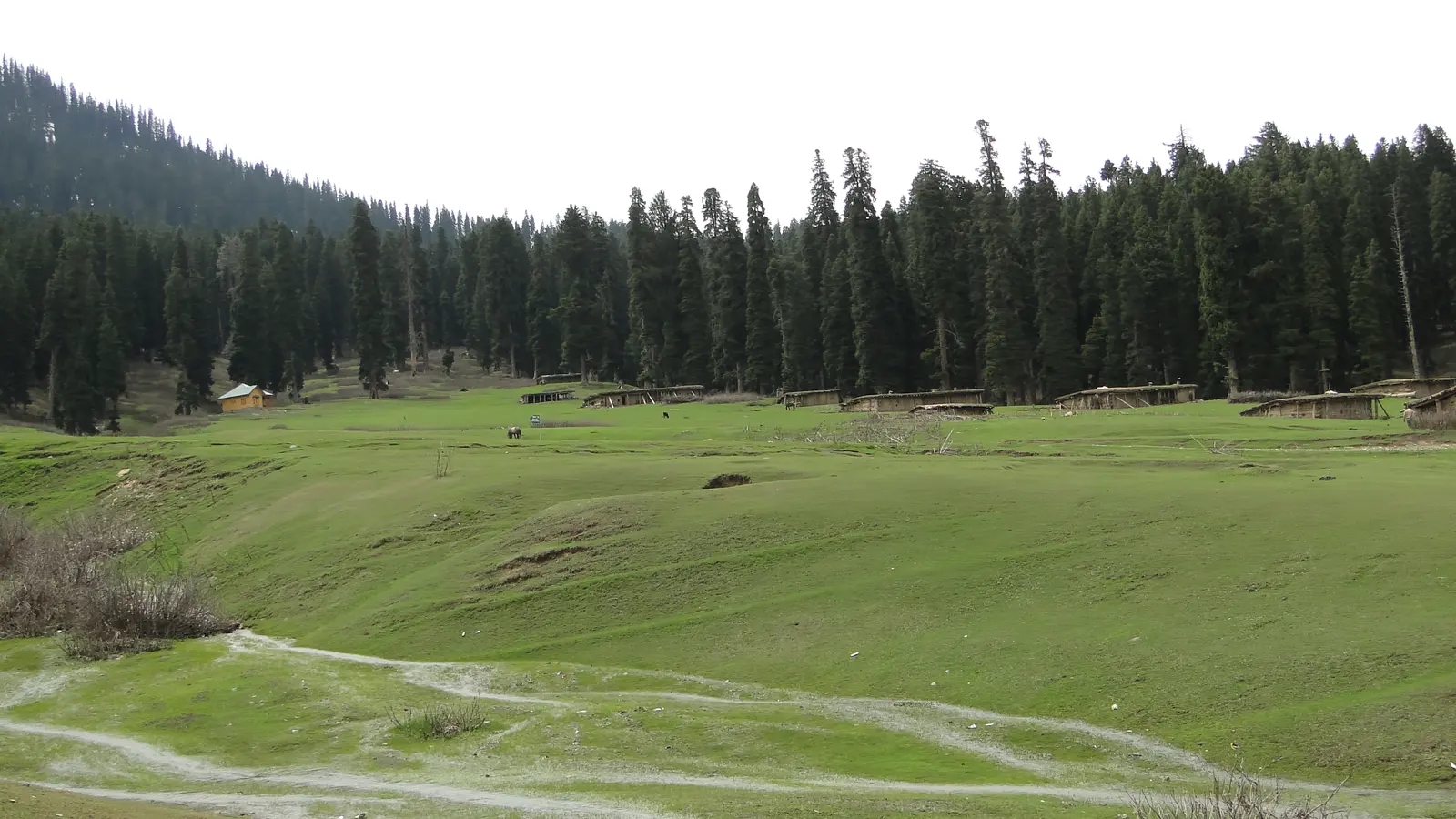
A rolling green meadow ringed by pine forest, a stream that froths milky-white over its stones, and a fraction of the crowds at Gulmarg — Kashmir's quietest valley, best done as an unhurried day trip from Srinagar.