Why Visit Jammu?
Sitting on the banks of the Tawi River at roughly 305 metres elevation, Jammu has earned the nickname "City of Temples" for good reason — the skyline is punctuated by hundreds of shrines, their gold and white spires visible from almost every part of the old city. It's also the winter capital of the Jammu & Kashmir Union Territory (Srinagar takes over as summer capital once the snow closes in up north), which gives Jammu a settled, year-round civic identity that's easy to underestimate if you only think of it as a stopover.
For most travellers, that's exactly what Jammu becomes — a stopover. It's the last major city before Katra and the Vaishno Devi shrine, and the gateway through which most road and rail traffic into the Kashmir valley passes. If you're planning the wider Jammu & Kashmir circuit — Srinagar's Dal Lake, Gulmarg's slopes, Pahalgam's pine forests — Jammu is very likely where your trip begins or ends. Treating it as a one-night layover misses a city with genuine heritage weight: a 300-year-old temple complex, a fort with panoramic river views, a crumbling palace that once housed the Dogra royal family, and a distinct regional cuisine that rarely gets mentioned alongside Kashmiri Wazwan.
Give Jammu even a single unhurried day and it earns its place on the itinerary in its own right — not just as the place you change transport on the way to somewhere else.
🛕 Jammu at a Glance
Looking for activities and experiences? See our guide to the best things to do in Jammu.
Best Time to Visit Jammu
Jammu sits in the plains at the foot of the Shivalik hills, so unlike Srinagar or Gulmarg, its climate is much closer to North Indian plains weather — hot summers, a monsoon, and genuinely cold winter mornings.
Pleasant days (15–25°C) and cool nights make this the ideal window for temple visits, fort walks, and exploring the old city on foot.
Jammu takes over as J&K's official seat of government through winter — cold mornings (sometimes near freezing) but clear, sunny midday weather.
Temperatures regularly climb past 38–40°C in the plains around Jammu — outdoor sightseeing becomes uncomfortable except early morning or evening.
Humid with periodic heavy showers; temples and indoor sights remain accessible, but this is also peak Amarnath Yatra and Vaishno Devi crowd season via Jammu.
Our pick: October through March. Temple visits and old-city walking are far more comfortable in cool weather, and this window also lines up with the calmer months for onward travel to Katra or Patnitop.
How to Reach Jammu
Jammu is one of the best-connected cities in the region — it's the primary road, rail, and air gateway for the entire Jammu & Kashmir Union Territory.
- By Air: Jammu Airport (IXJ) has direct flights from Delhi, Mumbai, Chandigarh, and several other major cities. It's a compact, efficient airport roughly 8 km from the city centre.
- By Train: Jammu Tawi railway station is one of North India's major railheads, with direct trains from Delhi, Mumbai, Kolkata, Bangalore, and Ahmedabad. It's also the terminus most pilgrims use before continuing to Katra by road or the Vande Bharat / connecting train services.
- By Road: Jammu sits directly on NH44, the national highway that runs from Delhi all the way north to Srinagar. Delhi to Jammu by road is roughly 580 km (10-12 hours); Jammu to Srinagar continues another ~270 km (7-8 hours) via Patnitop and the Jawahar Tunnel.
Top Temples & Heritage Sites in Jammu
This is where Jammu's "City of Temples" reputation actually plays out — a cluster of shrines, caves, and one genuinely dramatic riverside fort, most of them walkable from each other in the old city.
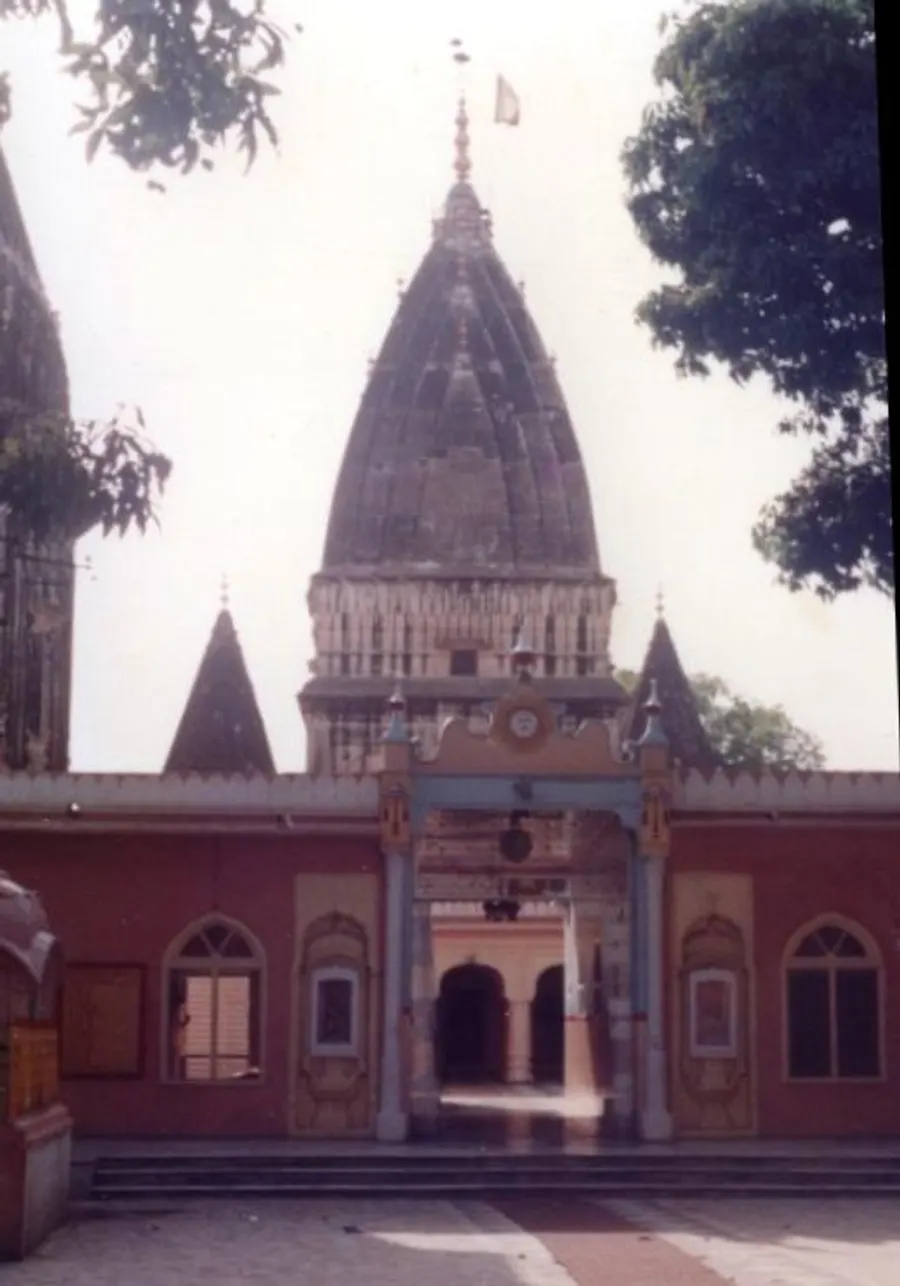
- Raghunath Temple Complex: Built in the mid-19th century under Maharaja Ranbir Singh, this is Jammu's most important temple — a complex of seven interconnected shrines dedicated to Lord Rama, with interiors covered in gold leaf. It sits right in the heart of the city and anchors the surrounding market area.
- Ranbireshwar Temple: One of the largest Shiva temples in North India, known for its twelve crystal lingams and a massive central lingam over 7 feet tall — a quieter, less crowded counterpart to Raghunath.
- Peer Kho Cave Temple: A natural cave shrine on the banks of the Tawi River, dedicated to Jamboo Lochan, the sage believed to have founded the city. The setting — descending into a cool cave beside flowing water — is as memorable as the shrine itself.
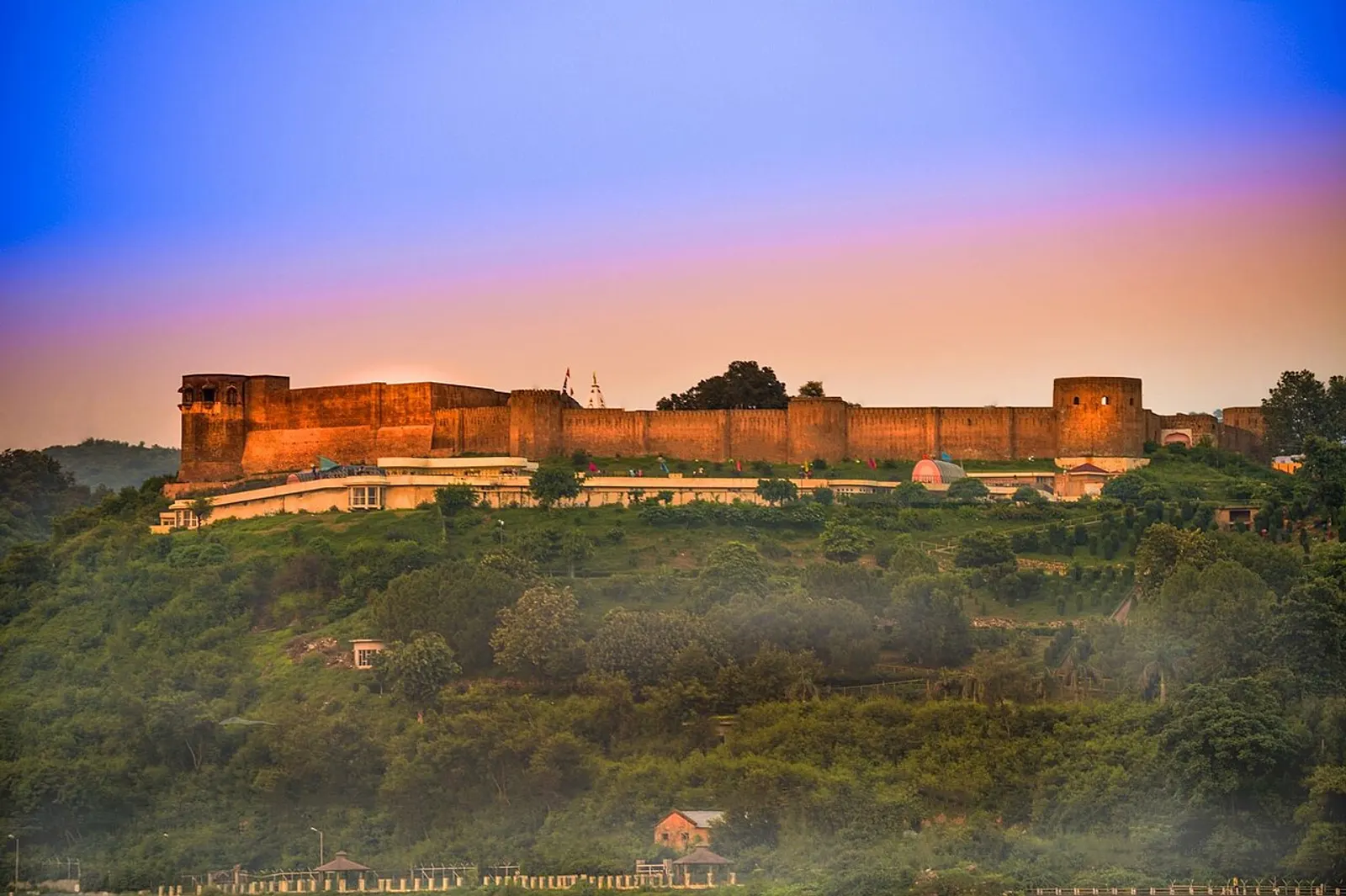
- Bahu Fort & Mahamaya Temple: Perched on a rocky cliff above the Tawi, Bahu Fort is believed to be Jammu's oldest structure, with origins dating back over 3,000 years (though the current form is much later). Inside its walls sits the Bahu Mahamaya Temple, one of the region's most-visited Kali shrines, and the terraced Bagh-e-Bahu gardens outside offer some of the best sunset views over the river and city.
- Amar Mahal Palace & Museum: A French-château-style palace built in red sandstone in the late 19th century, once home to the Dogra royal family. It now houses a museum with a solid-gold throne, royal portraits, and a research library — worth an hour even if palaces aren't usually your thing.
Mubarak Mandi Palace Complex
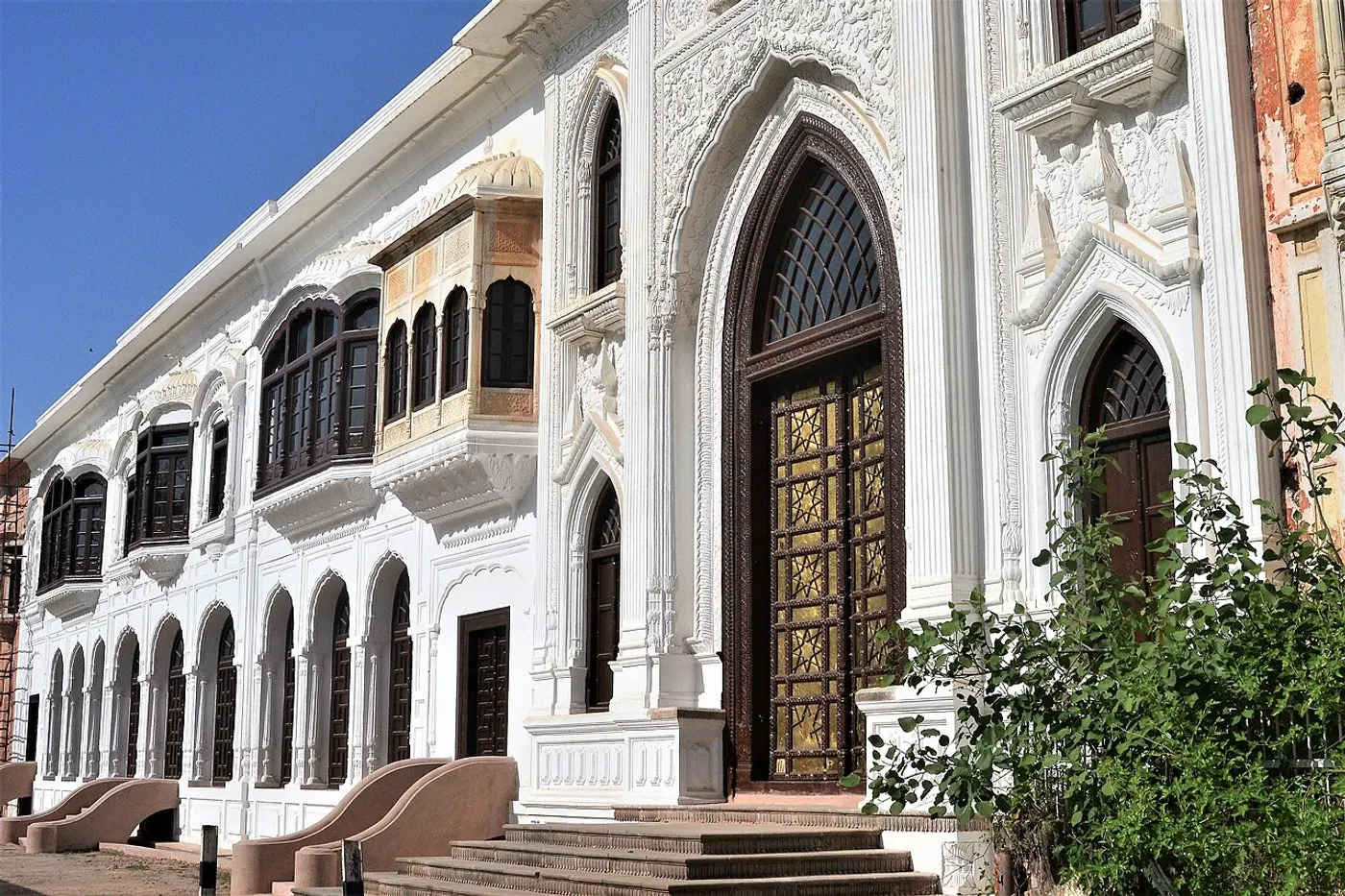
Once the seat of the Dogra dynasty and the administrative heart of the princely state of Jammu & Kashmir, Mubarak Mandi Palace is a sprawling complex blending Rajasthani, Mughal, and European architectural styles built up over more than a century. Much of it fell into disrepair after the royal family relocated and a 1971 fire damaged parts of the structure, but restoration work has steadily brought sections back — the Pink Hall and Sheesh Mahal (Hall of Mirrors) in particular are worth seeking out.
Walking through Mubarak Mandi today is as much about the faded grandeur as the restored parts — cracked sandstone facades next to freshly plastered courtyards, with the old city's narrow lanes pressing right up against the palace walls. It's a short walk from Raghunath Temple, making the two an easy pairing for a morning in the old city.
Tawi River & Gummat Area
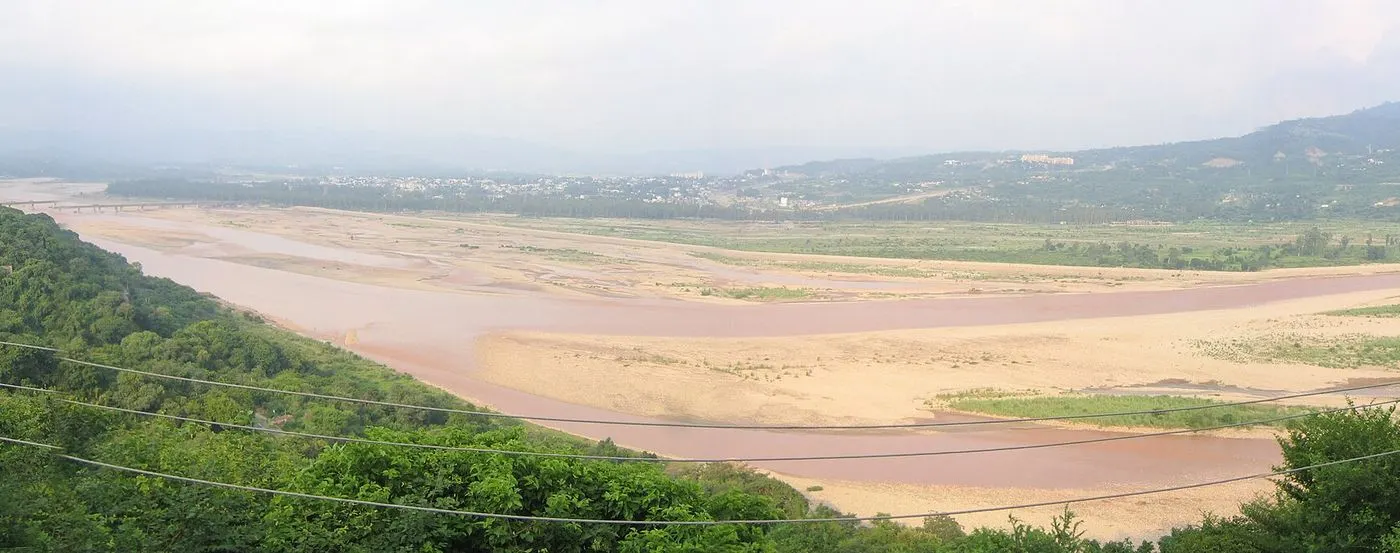
The Tawi River is Jammu's defining geography — the old city sits on its northern bank, with Bahu Fort and the newer residential areas across on the southern side. Several bridges connect the two halves, and the riverfront itself has been developed with walking promenades in recent years.
- Gummat area: A central old-city neighbourhood near the clock tower, useful as an orientation point and lined with some of Jammu's oldest shops and eateries.
- Tawi riverfront: Best experienced at dawn or dusk, when the ghats along the water fill with locals for evening walks, and the temple spires of the old city catch the light across the river.
- Panjtirthi: A cluster of small shrines and bathing ghats along the Tawi, less visited by tourists but a good spot to see local ritual life up close.
Jammu as the Gateway to Katra & Patnitop
Jammu's role as a transit hub is inseparable from its identity as a destination, and most visitors will end up passing through it on the way somewhere else.
- Katra & Vaishno Devi: Roughly 45-50 km and a 1.5-2 hour drive from Jammu, Katra is the base town for the Vaishno Devi shrine — one of India's most-visited pilgrimage sites. Many travellers base themselves in Jammu the night before or after the yatra; read the full Katra travel guide for registration, trek options, and where to stay.
- Patnitop: A hill station roughly 110 km north of Jammu on NH44, popular for its pine forests, cooler climate, and as a stopover en route to Srinagar. See the Patnitop travel guide if you're breaking up the Jammu-Srinagar drive.
- Srinagar & the Kashmir valley: The full NH44 drive from Jammu to Srinagar takes 7-8 hours through the Jawahar Tunnel — see the Srinagar travel guide for what awaits at the other end, from Dal Lake houseboats to the Mughal Gardens.
Local Markets & Dogra Cuisine
Jammu's markets sit shoulder-to-shoulder with its temples in the old city, and the food culture here — rooted in Dogra tradition — is distinct from both Kashmiri Wazwan to the north and Punjabi cuisine to the south.
- Raghunath Bazaar: The main market surrounding the temple complex — good for local handicrafts, dry fruits, and basmati rice, a Jammu region specialty.
- Bahu Plaza: A newer commercial hub with more modern shopping alongside street food stalls, popular with locals in the evening.
- Old city lanes near Gummat: Narrow streets packed with sweet shops, tea stalls, and small eateries serving Dogra staples at low prices — the best place to try the local food rather than restaurant versions of it.
Where to Stay in Jammu
As a major transit and pilgrim city, Jammu has accommodation options across every price band, concentrated mainly around the railway station and the Gandhi Nagar / Trikuta Nagar areas.
- → Hotels near Jammu Tawi station
- → Dharamshalas & pilgrim rest houses
- → Budget guesthouses, Gandhi Nagar
- → Hotel K C Residency
- → Fortune Inn Riviera
- → Hotels along Residency Road
- → Radisson Jammu
- → Hotel Highland Park
- → Lemon Tree Hotel, Jammu
If you're catching an early train to Katra or a flight from IXJ, book a hotel within walking distance of the station or airport rather than deep in the old city — it saves real time on early departures.
What to Eat in Jammu — Dogra Cuisine
Dogra cuisine is built around simple, mildly spiced vegetarian and dairy-based dishes — a noticeable contrast to the richer, meat-forward Wazwan of the Kashmir valley further north.
- Kalari: A semi-hard, fried Dogra cheese often called the "Kashmiri mozzarella" — served as a snack or stuffed into a kulcha (kalari kulcha is a Jammu breakfast staple).
- Rajma Chawal: Jammu's red kidney beans, grown in the region's hill terraces, are considered some of the best in North India — the local rajma-chawal is a genuinely different experience from the standard version elsewhere.
- Ambal: A traditional Dogra pumpkin curry cooked with tamarind and jaggery for a sweet-and-sour flavour, usually served at festive meals and weddings.
- Khatta Meat: A tangy, tomato and pomegranate-seasoned mutton curry — one of the few well-known non-vegetarian Dogra dishes.
- Patisa & other sweets: Jammu's old city sweet shops are known for patisa, a flaky sugar confection, alongside more common North Indian sweets.
Suggested 1-2 Day Jammu Itinerary
Jammu's core sights are compact enough to cover in a single focused day, with a second day allowing for a slower pace and a side trip toward Katra or Patnitop.
Temples, Fort & Old City
- ✓Morning: Raghunath Temple complex & Raghunath Bazaar
- ✓Late morning: Ranbireshwar Temple, Mubarak Mandi Palace
- ✓Afternoon: Peer Kho Cave Temple by the river
- ✓Evening: Bahu Fort & Mahamaya Temple for sunset
Amar Mahal, Markets & Onward Travel
- ✓Morning: Amar Mahal Palace & Museum
- ✓Late morning: Tawi riverfront walk, Panjtirthi ghats
- ✓Afternoon: Bahu Plaza shopping and local food
- ✓Evening: Depart toward Katra or Patnitop
Budget Breakdown
| Expense | Budget | Mid-Range | Luxury |
|---|---|---|---|
| Accommodation/night | ₹1,000 | ₹3,500 | ₹10,000 |
| Food/day | ₹400 | ₹1,000 | ₹2,200 |
| Local transport / auto-rickshaws | ₹300 | ₹800 | ₹1,800 |
| Temple donations & sightseeing | ₹300 | ₹600 | ₹1,200 |
| Daily total | ₹2,000 | ₹5,900 | ₹15,200 |
| 2-Day trip total | ₹4,000 | ₹11,800 | ₹30,400 |
* Excludes flights/train to Jammu Tawi or IXJ. Most temple visits are free, though hill-shrine helicopter or pony services (not needed within Jammu city itself) can add significant cost if bundled with a Vaishno Devi trip.
Essential Travel Tips for Jammu
- Start temple visits early: Raghunath Temple and Bahu Fort both get busy with local visitors by mid-morning — an early start means shorter queues and cooler walking weather.
- Dress modestly for temples: Shoulders and knees covered is expected at all major shrines; footwear is removed before entering most temple complexes.
- Use Jammu as a Katra base: Hotels in Jammu are generally better value than Katra during peak pilgrim season — the 1.5-2 hour transfer is easy by shared cab or train.
- Carry cash for the old city: Many small shops and eateries around Raghunath Bazaar and Gummat still operate cash-only.
- Pack layers for winter visits: Jammu's role as winter capital means genuinely cold mornings from December to February, even though days warm up considerably by afternoon.
- Plan around summer heat: April-June afternoons regularly cross 38-40°C — schedule outdoor sightseeing for morning or evening if visiting in this window.
✅ Do
- →Visit Bahu Fort an hour before sunset
- →Try kalari kulcha and rajma-chawal from a local eatery
- →Base yourself in Jammu for a Vaishno Devi trip
- →Carry cash for old-city markets and small shrines
- →Dress modestly when visiting temple complexes
- →Start sightseeing early to beat both crowds and heat
❌ Don't
- →Treat Jammu as only a Vaishno Devi layover
- →Visit outdoor sights during peak summer afternoons
- →Skip Mubarak Mandi assuming it's fully closed
- →Rely solely on cards outside major hotels
- →Rush Amar Mahal — the museum deserves a full hour
- →Forget warm layers on a winter visit
Frequently Asked Questions
How many days are enough to visit Jammu?
One full day covers Jammu's core sights comfortably — Raghunath Temple, Bahu Fort, and Mubarak Mandi. Two days lets you add Amar Mahal, the Peer Kho cave shrine, and unhurried time in the old-city markets. Most travellers treat Jammu as a 1-2 night stop before continuing to Katra or Srinagar.
What is Jammu famous for?
Jammu is best known as the 'City of Temples' for its hundreds of shrines, most famously the gold-topped Raghunath Temple complex. It also serves as the winter capital of the Jammu & Kashmir Union Territory, a major railhead at Jammu Tawi, and the principal gateway city for pilgrims heading to Vaishno Devi in nearby Katra.
Is Jammu safe for tourists?
Yes, Jammu city sees heavy pilgrim and tourist traffic year-round and has a well-established, secure tourism infrastructure. Standard travel precautions apply — keep valuables secure in crowded temple areas and markets — but Jammu itself is considered one of the calmer, more settled cities in the region.
What is the distance between Jammu and Katra?
Katra, the base town for the Vaishno Devi shrine, is roughly 45-50 km from Jammu city — about a 1.5 to 2-hour drive along NH44. Shared taxis, buses, and trains all run frequently between the two, making Jammu a convenient overnight base before or after the yatra.
Is Jammu worth visiting apart from Vaishno Devi?
Yes. Beyond being a pilgrimage gateway, Jammu has genuine heritage appeal in its own right — the Raghunath and Ranbireshwar temples, Bahu Fort's riverside gardens, the crumbling grandeur of Mubarak Mandi Palace, and a distinct Dogra food culture that's easy to miss if you treat the city as a mere stopover.
What is the best time to visit Jammu?
October to March is the best window, with pleasant to mildly cold days ideal for sightseeing and temple visits. Summers (April-June) turn hot and humid in the plains around Jammu, often exceeding 40°C, while the winter months bring genuinely cold mornings befitting the city's status as J&K's winter capital.
Can Jammu be combined with a Kashmir valley trip?
Yes, and it's the most common way travellers experience both. Jammu connects to Srinagar by road via NH44 (about 8-9 hours) or by air, and many itineraries pair a day or two in Jammu with Patnitop en route, before continuing north into the Kashmir valley.
Published by the Kudozz Club editorial team · Last updated · How we research our guides
Want us to plan this trip for you?
Tell Kudozz Club where you want to go and what kind of trip you’re looking for. We’ll build a Jammu and Kashmir itinerary around your dates and budget.
Continue Exploring
View all guidesThings to DoThings to Do in Jammu: Temples, Dogra Palaces & the Road to Vaishno Devi
Things to do in Jammu: Raghunath Temple, Bahu Fort and Bagh-e-Bahu, Mubarak Mandi Palace, Amar Mahal Museum, Peer Kho and Ranbireshwar temples, Dogra food, Mansar and Surinsar lakes, and trips to Vaishno Devi and Shiv Khori.
 Heritage
Katra & Vaishno Devi Yatra Guide: Route, Tips & Stay
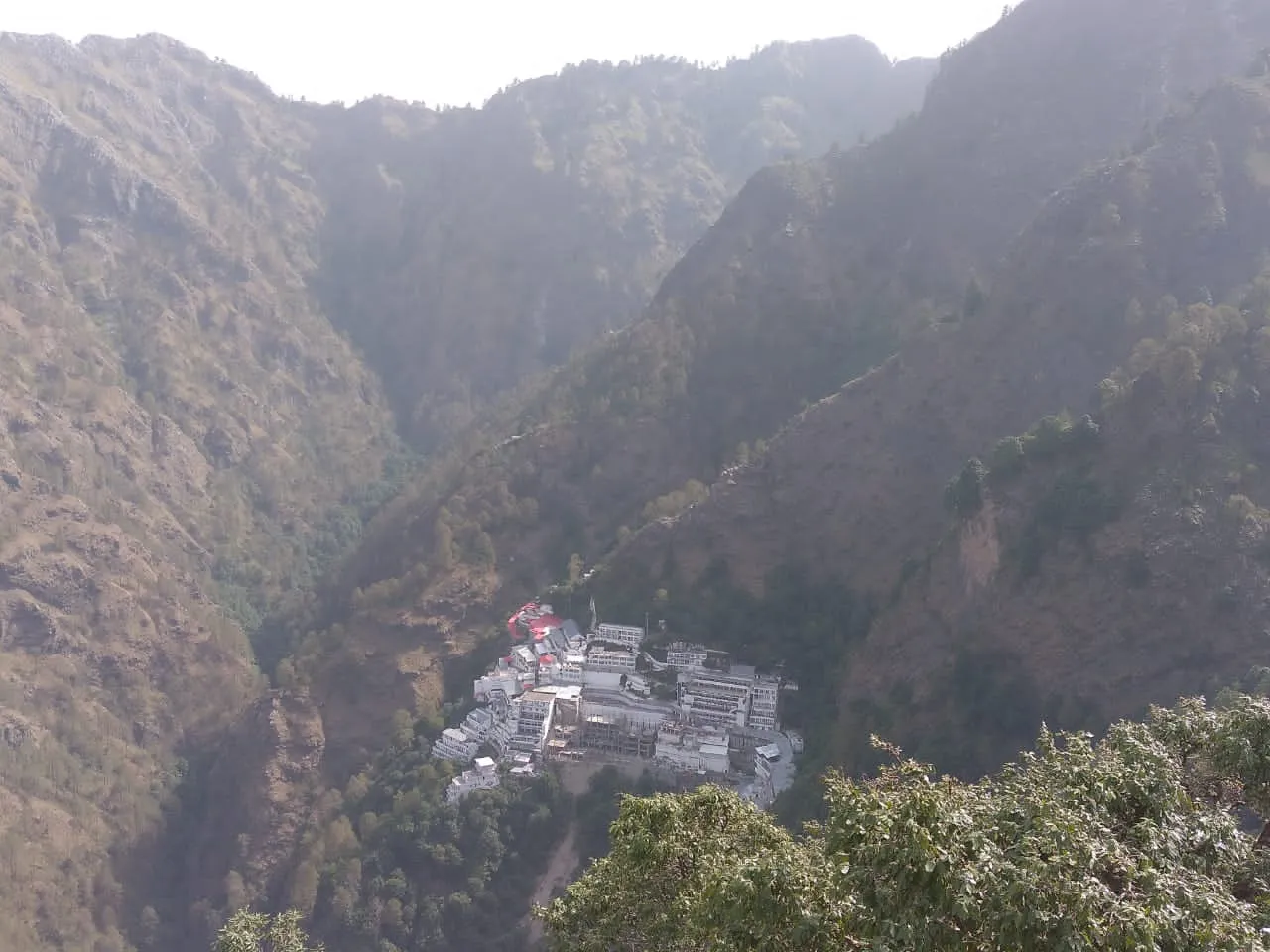
The complete gateway-town guide to the Vaishno Devi Yatra — the 13 km trek from Katra to Bhawan, registration, helicopter booking, and where to rest before the climb.
 Spiritual Tourism
Spiritual Tourism in Jammu and Kashmir: Vaishno Devi, Amarnath and Hazratbal
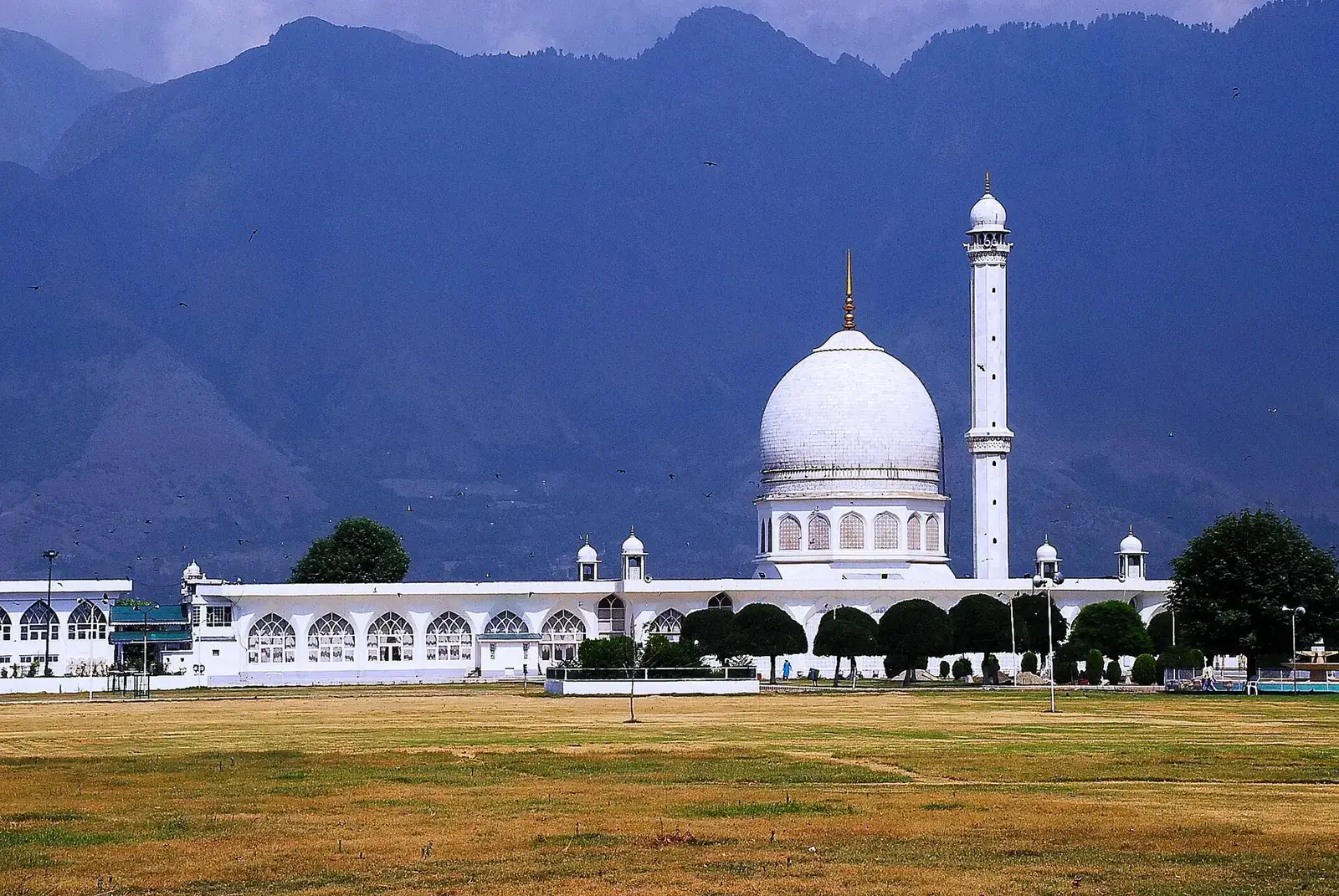
A guide to spiritual tourism in Jammu and Kashmir: the Vaishno Devi yatra from Katra, the summer Amarnath Yatra and its registration, Shiv Khori and Jammu's Raghunath temple, Kheer Bhawani and the Shankaracharya temple in Kashmir, the Hazratbal Shrine, Makhdoom Sahib and Charar-e-Sharif, with bookings, seasons and safety.
 Spiritual Tourism
Best Pilgrimage Places in India: Holy Sites of Every Faith
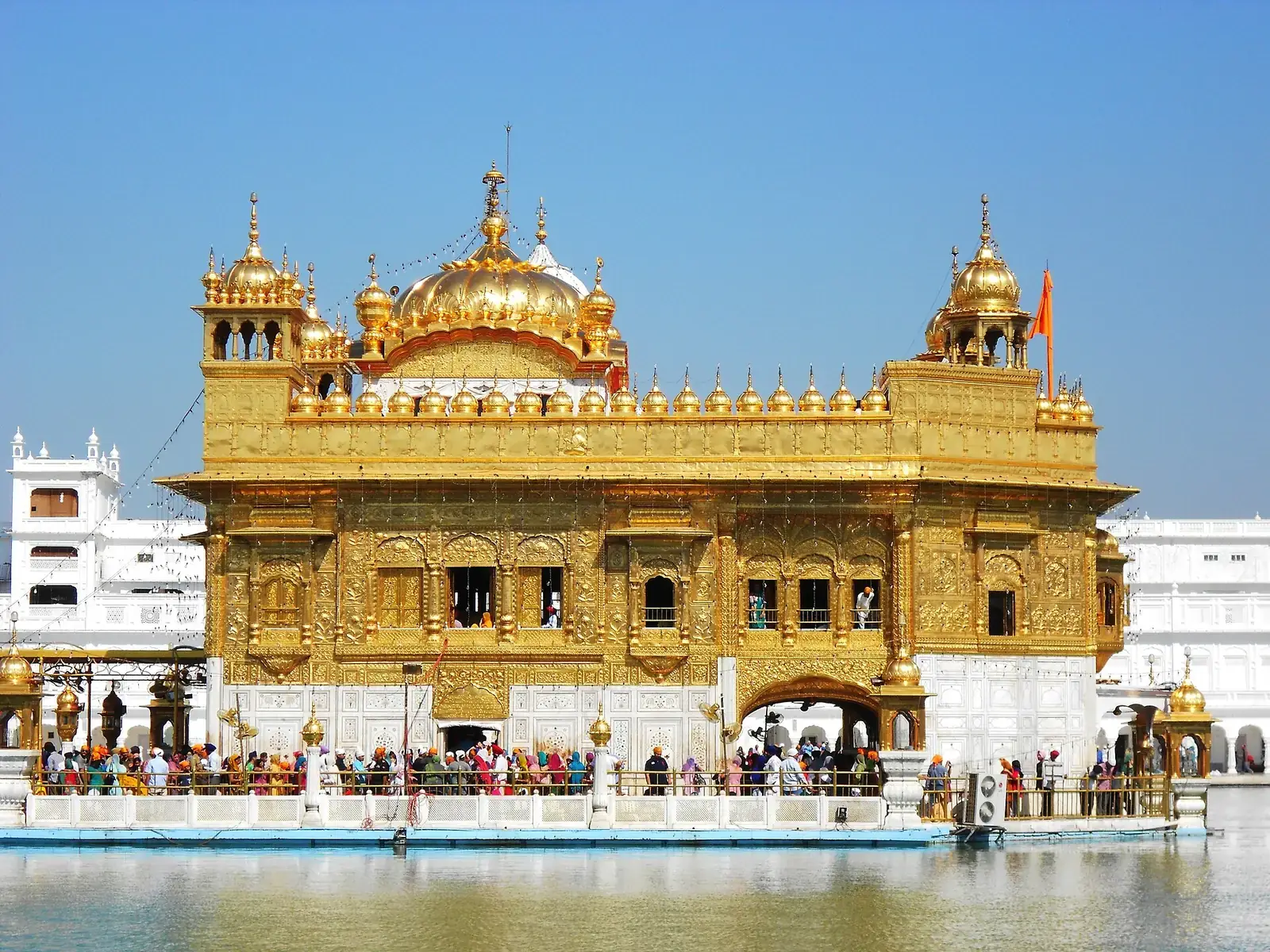
A guide to India's most important pilgrimage places across faiths: Hindu sites such as Varanasi, Tirumala, Vaishno Devi, the Char Dham and Jyotirlingas; the Golden Temple and Hemkund Sahib; Bodh Gaya and Sarnath; Palitana and Sammed Shikharji; Ajmer and Nizamuddin; Velankanni and Old Goa, with seasons, booking notes and how to choose.