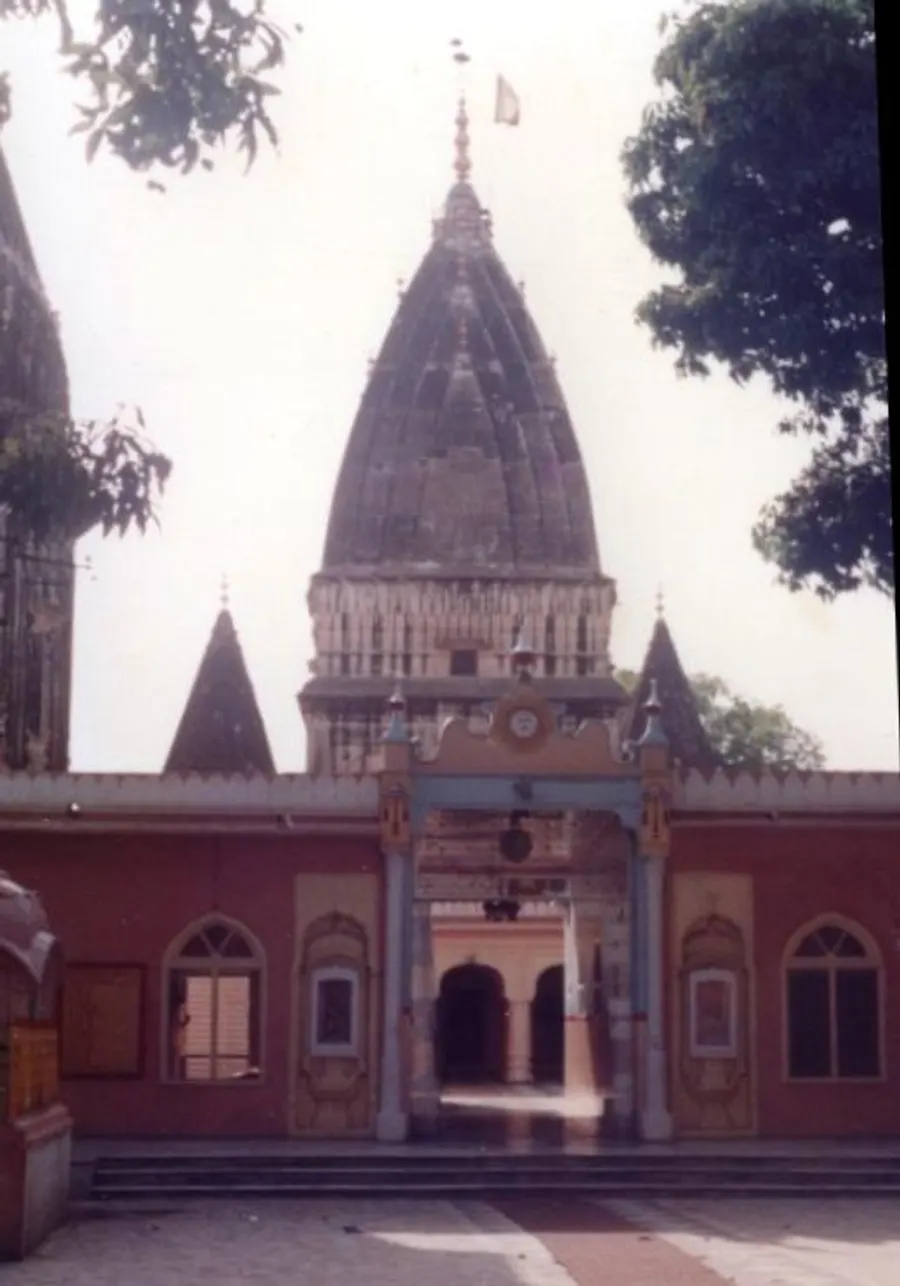
Jammu, on the Tawi river where the plains meet the Shivalik hills, is the winter capital of Jammu and Kashmir and the largest city of the Jammu region. It was the capital of the Dogra dynasty, whose rulers built its main temples and palaces in the 19th century, and it is often called the city of temples.
Most travellers pass through Jammu on the way to the Vaishno Devi shrine near Katra, but the city is worth a day of its own. The things to do in Jammu include the Raghunath Temple complex, Bahu Fort above the Tawi, the Mubarak Mandi and Amar Mahal palaces, cave temples and Dogra food. Mansar and Surinsar lakes make pleasant half-day trips.
One day covers the main sights; two days adds the palaces and a lake. October to March is the most comfortable time; summers are very hot.
For how to get there, when to go and where to stay, see our Jammu travel guide.
Quick answer: best things to do in Jammu
- Visit the Raghunath Temple complex
- See Bahu Fort and the Bawe Wali Mata temple
- Walk in Bagh-e-Bahu gardens above the Tawi
- Tour the Amar Mahal Palace Museum
- See the Mubarak Mandi palace complex
- Visit the Peer Kho cave temple and Ranbireshwar Temple
- Eat Dogra food: kalari, rajma and khatta meat
- Take a trip to Mansar and Surinsar lakes
- Continue to Vaishno Devi via Katra
Temples
Visit the Raghunath Temple
The Raghunath Temple, begun by Maharaja Gulab Singh and completed by his son Ranbir Singh in the mid-19th century, is one of the largest temple complexes in North India. It is dedicated to Rama, and its seven shrines hold a remarkable number of lingams and saligrams. The gilded spires and the bazaar around it are the heart of old Jammu.
Security is tight: phones, cameras and bags usually have to be deposited in lockers outside.
- Time needed
- 1 hour
- Good for
- Pilgrims, history lovers
- Good to know
- Deposit phones and bags outside
See the Ranbireshwar Temple
The Ranbireshwar Temple, built by Maharaja Ranbir Singh in 1883, is dedicated to Shiva and has a tall central lingam and many smaller crystal lingams. It is near the Secretariat on Shalimar Road.
- Time needed
- 30 minutes
Visit Peer Kho cave temple
Peer Kho, on the banks of the Tawi, is a cave temple with a naturally formed lingam. Legend links it to Jambavan of the Ramayana. The cave and the river views make it a peaceful stop.
- Time needed
- 45 minutes
Forts and palaces
See Bahu Fort and Bawe Wali Mata
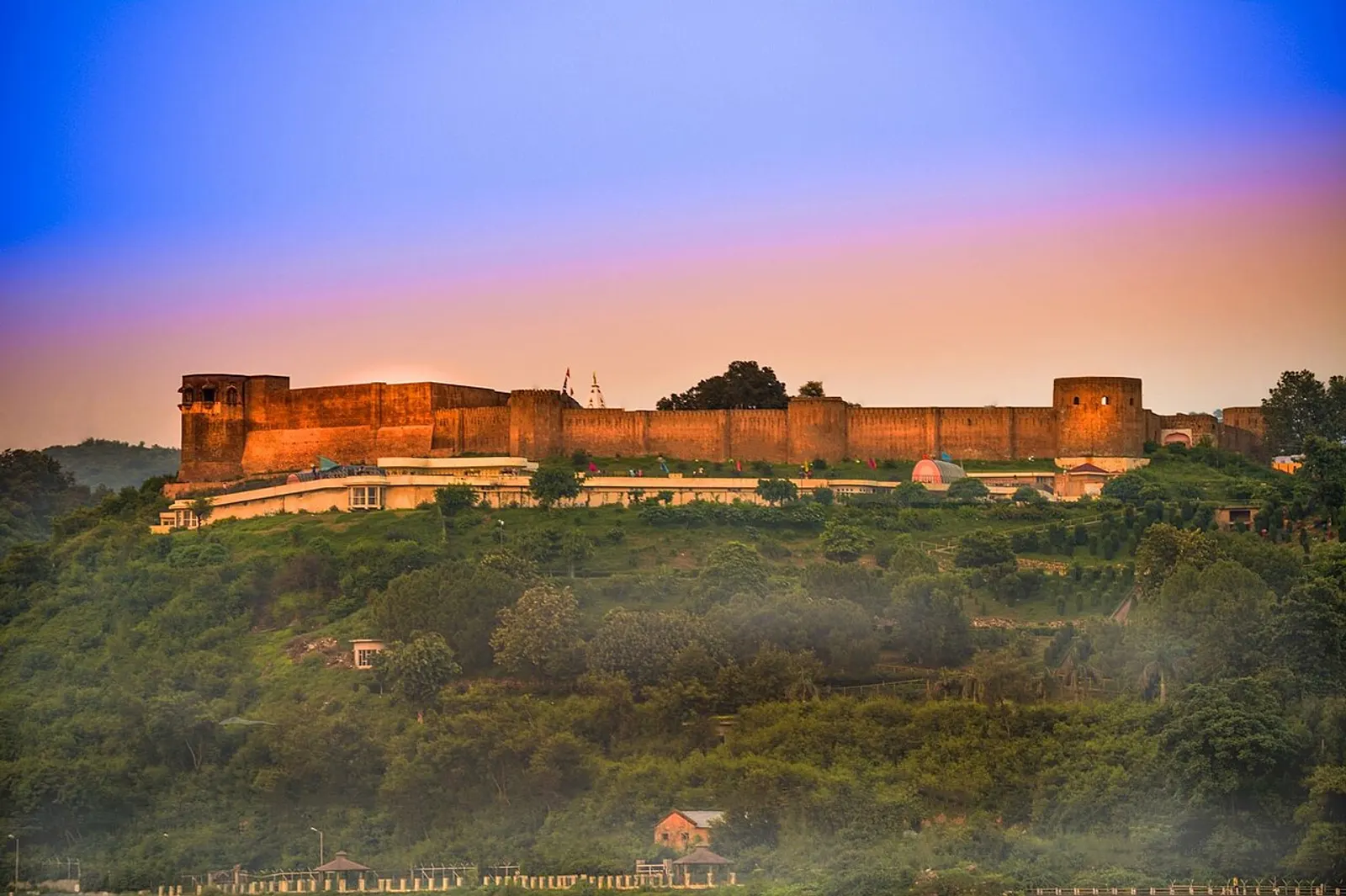
Bahu Fort, on a rocky outcrop on the left bank of the Tawi, is one of the oldest structures in Jammu. Inside is the Bawe Wali Mata temple dedicated to Kali, which is especially crowded on Tuesdays and Sundays and during Navratri.
Below the fort, Bagh-e-Bahu is a terraced garden with fountains and views across the river to the city, and it has an aquarium popular with families.
- Time needed
- 2 hours
- Best time
- Late afternoon to sunset
- Good for
- Families, pilgrims
Tour Amar Mahal Palace Museum
Amar Mahal, a red sandstone palace built in the 1890s for Raja Amar Singh in the style of a French chateau, overlooks the Tawi. It is now a museum with Pahari miniature paintings, a library and a golden throne said to weigh about 120 kg of gold. Check opening days; it is closed on certain days of the week.
- Time needed
- 1.5 hours
- Good for
- Art and history lovers
See Mubarak Mandi
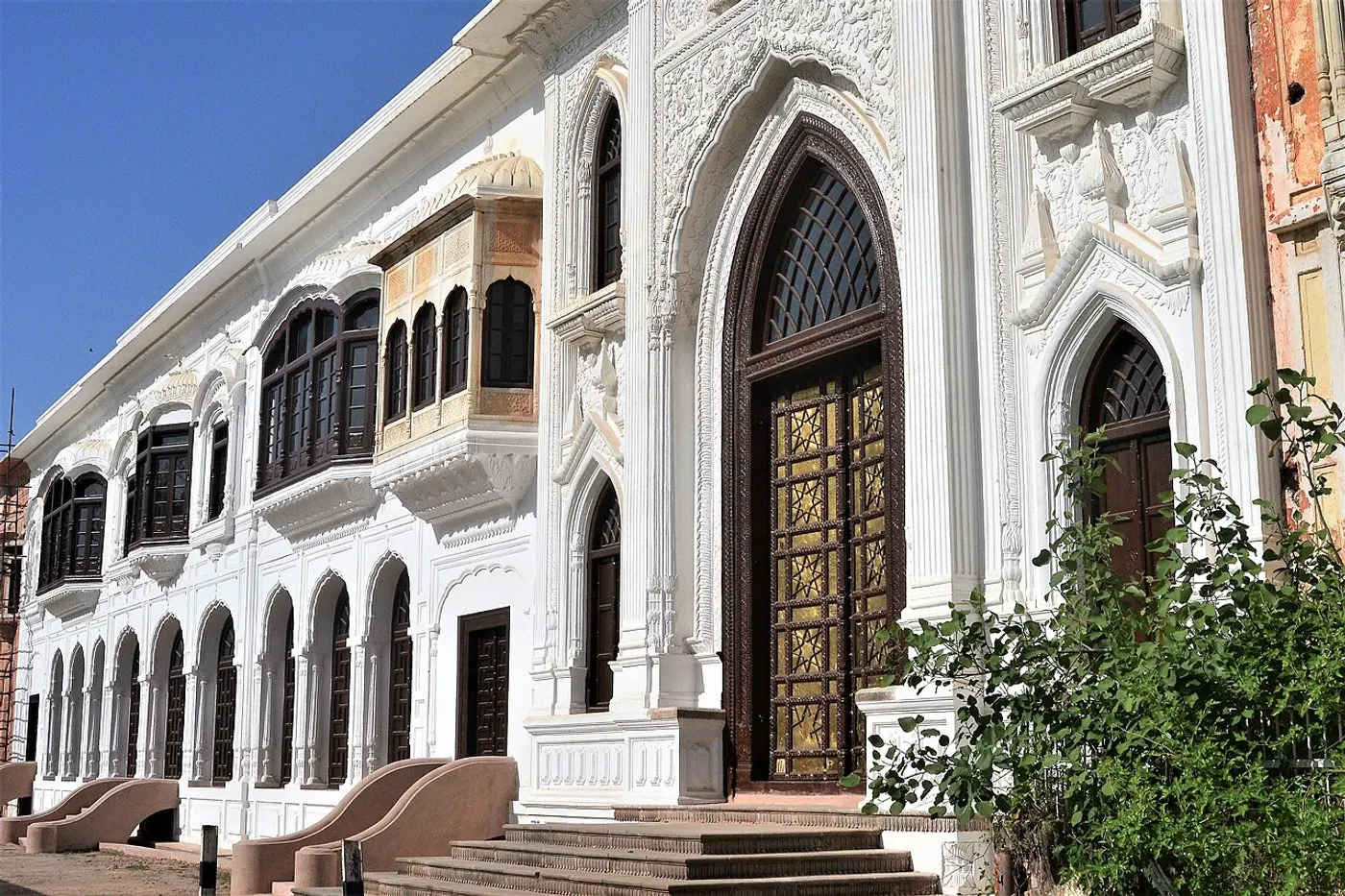
The Mubarak Mandi complex was the royal residence of the Dogra rulers from the early 19th century, a mix of Rajasthani, Mughal and European styles. Parts of it are being restored after years of neglect, and the Dogra Art Museum has been housed in its Pink Hall. It is a striking place to walk through, though some sections may be closed for work.
- Time needed
- 1 hour
- Good to know
- Parts under restoration
Food and day trips
Eat Dogra food
Jammu's food is quite different from Kashmiri cuisine. Try kalari (a local cheese, pan-fried and served in a kulcha), rajma chawal made with Bhaderwah rajma, khatta meat (mutton in a sour sauce), ambal (sweet-sour pumpkin) and auriya (a mustard-flavoured yoghurt dish). Sweets shops in the old city sell patisa and other treats.
- Good for
- Food lovers
Visit Mansar and Surinsar lakes
Mansar Lake, about 60 km from Jammu, is ringed by forested hills and has temples on its banks, including shrines linked to the serpent deity Sheshnag. Surinsar, a smaller lake nearby, is quieter. Both have boating and walking paths and make an easy half-day trip.
- Time needed
- Half a day
- Good for
- Families
Go to Vaishno Devi
The Vaishno Devi shrine, one of the most visited pilgrimage sites in India, is reached from Katra, about 50 km from Jammu. The trek to the Bhawan is about 12 km each way, with ponies, palkis, battery cars on part of the route and helicopter services to Sanjichhat. Registration is required.
- Time needed
- 1–2 days
- Good for
- Pilgrims, families
See Shiv Khori
Shiv Khori, in Reasi district about three to four hours from Jammu, is a long natural cave with a lingam formed inside. The walk from Ransoo to the cave is about 3 km. It is busy around Mahashivratri.
- Time needed
- Full day
Things to do in Jammu by type of traveller
Pilgrims: Visit Raghunath Temple and Bawe Wali Mata before continuing to Katra for Vaishno Devi, and add Shiv Khori if time allows.
Families: Bagh-e-Bahu's gardens and aquarium, Mansar Lake and the palace museum make a good day.
Culture lovers: Amar Mahal's Pahari paintings, Mubarak Mandi and Dogra food in the old city.
What to do in Jammu with one day
Visit the Raghunath Temple in the morning and walk through Raghunath Bazaar. Drive to Amar Mahal Palace Museum, then have a Dogra lunch. In the afternoon, see Peer Kho, and finish at Bahu Fort and Bagh-e-Bahu for sunset over the Tawi.
Practical tips for Jammu
- Jammu Tawi is a major railway station and Jammu has an airport; Katra has its own station for Vaishno Devi.
- Summers (April to June) are very hot; plan sightseeing for mornings and evenings.
- Most temples ban phones, cameras and leather items; use lockers.
- Prepaid SIM cards from other states do not work in J&K; carry a postpaid connection.
Plan the rest of your Jammu trip
Jammu things to do: FAQs
What are the best things to do in Jammu?
Visit Raghunath Temple, Bahu Fort and Bagh-e-Bahu, Amar Mahal Palace Museum, Mubarak Mandi, Peer Kho and Ranbireshwar temples, eat Dogra food, and take trips to Mansar Lake, Vaishno Devi and Shiv Khori.
How far is Vaishno Devi from Jammu?
Katra, the base town, is about 50 km from Jammu. The trek from Katra to the shrine is about 12 km.
How many days are enough for Jammu?
One day for the city; two to three days with Vaishno Devi.
What is the best time to visit Jammu?
October to March. Summers are very hot, and the monsoon brings heavy rain.
Things to do near Jammu
- Katra: the base for Vaishno Devi
- Things to do in Patnitop: pine meadows about three hours north
- Bhaderwah: a green valley known as mini Kashmir
- Things to do in Amritsar: about four to five hours south
More things to do in Jammu & Kashmir
Published by the Kudozz Club editorial team · Last updated · How we research our guides
Want us to plan this trip for you?
Tell Kudozz Club where you want to go and what kind of trip you’re looking for. We’ll build a Jammu and Kashmir itinerary around your dates and budget.
Continue Exploring
View all guides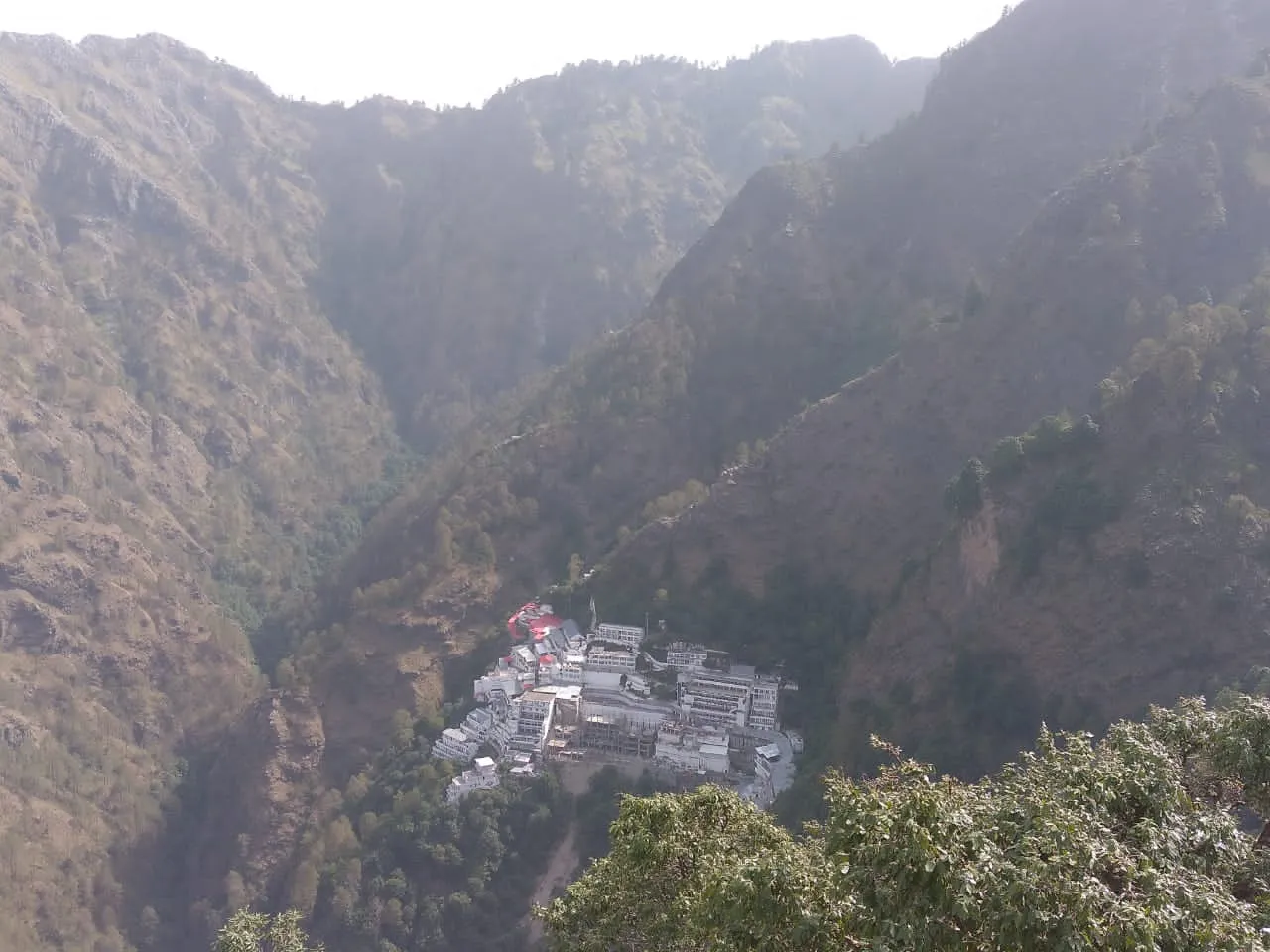 Heritage
Katra & Vaishno Devi Yatra Guide: Route, Tips & Stay
The complete gateway-town guide to the Vaishno Devi Yatra — the 13 km trek from Katra to Bhawan, registration, helicopter booking, and where to rest before the climb.
 Spiritual Tourism
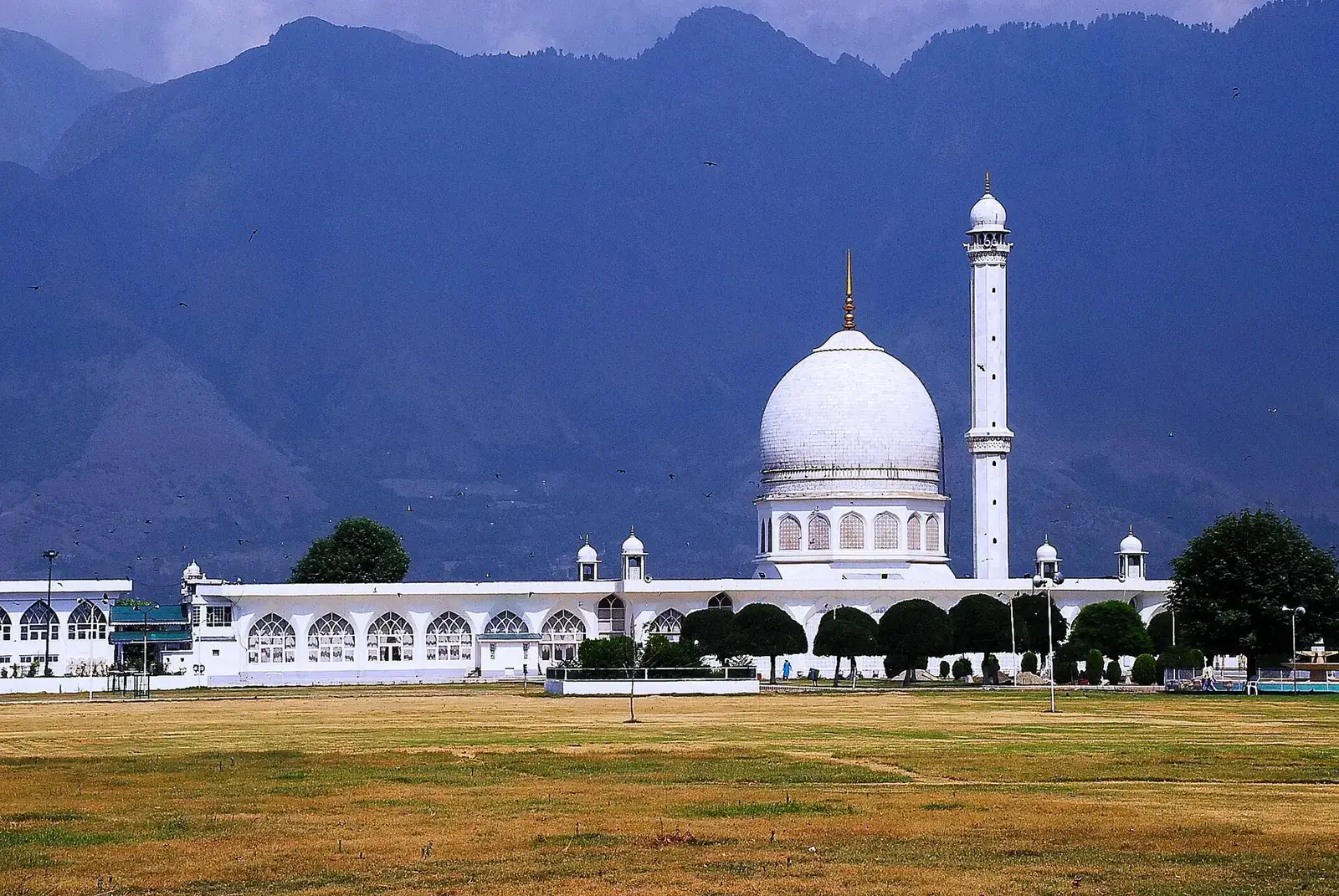
Spiritual Tourism in Jammu and Kashmir: Vaishno Devi, Amarnath and Hazratbal
A guide to spiritual tourism in Jammu and Kashmir: the Vaishno Devi yatra from Katra, the summer Amarnath Yatra and its registration, Shiv Khori and Jammu's Raghunath temple, Kheer Bhawani and the Shankaracharya temple in Kashmir, the Hazratbal Shrine, Makhdoom Sahib and Charar-e-Sharif, with bookings, seasons and safety.
 Spiritual Tourism
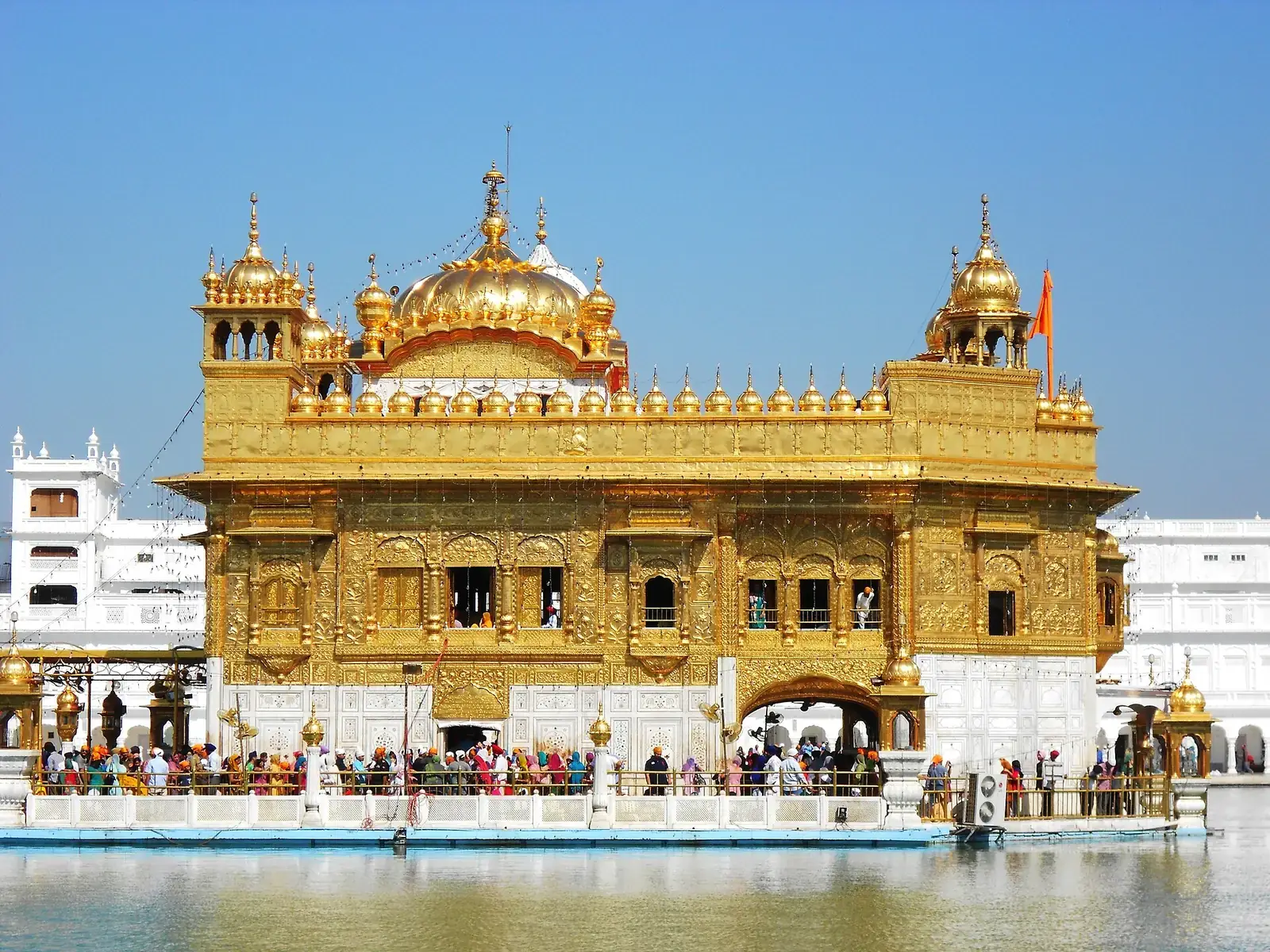
Best Pilgrimage Places in India: Holy Sites of Every Faith
A guide to India's most important pilgrimage places across faiths: Hindu sites such as Varanasi, Tirumala, Vaishno Devi, the Char Dham and Jyotirlingas; the Golden Temple and Hemkund Sahib; Bodh Gaya and Sarnath; Palitana and Sammed Shikharji; Ajmer and Nizamuddin; Velankanni and Old Goa, with seasons, booking notes and how to choose.
 Heritage & Culture
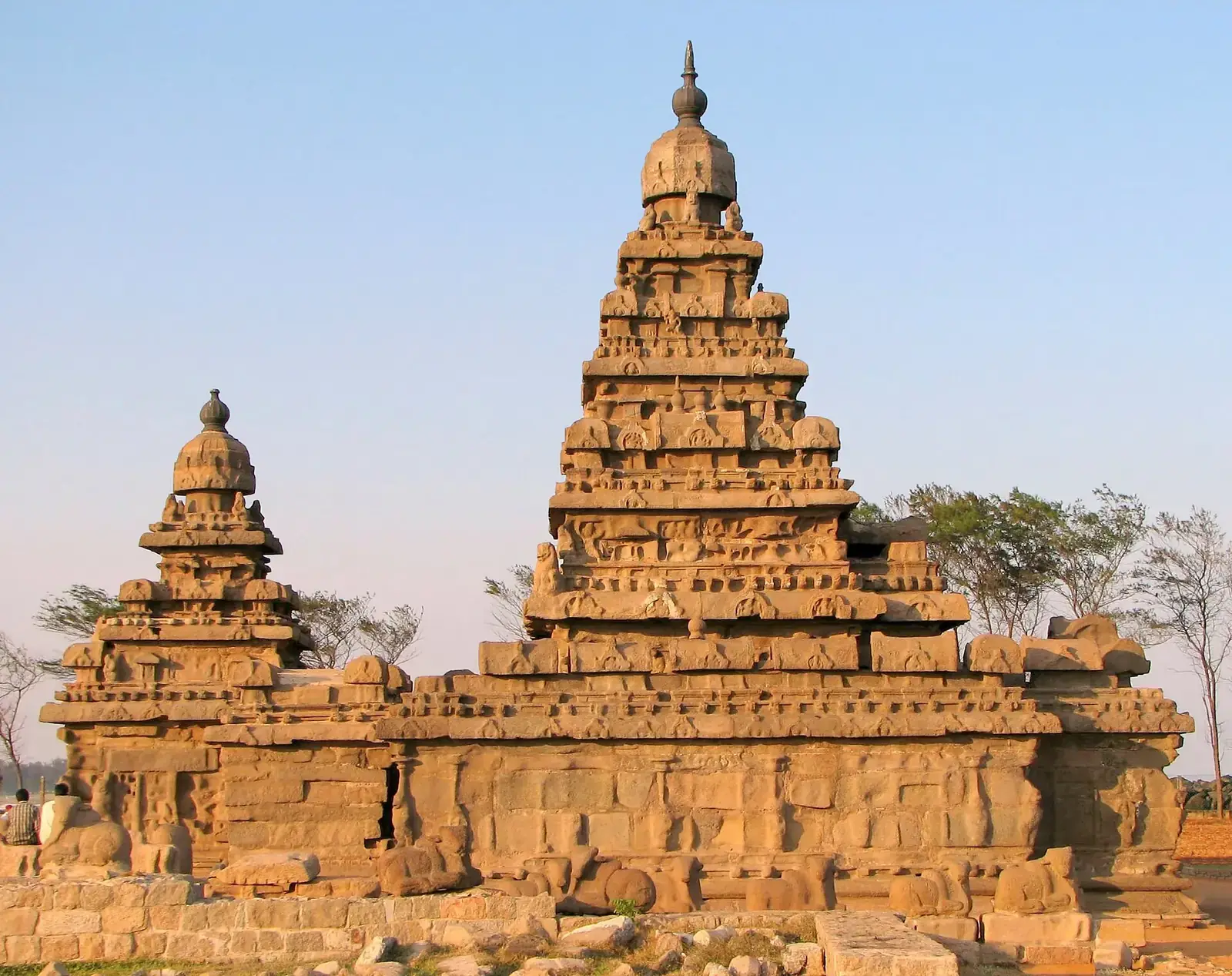
South India Heritage Itinerary: Karnataka and Tamil Nadu
A South India heritage itinerary in two loops: eight days in Tamil Nadu through Chennai, Mahabalipuram, Kanchipuram, Puducherry, Thanjavur and the Great Living Chola Temples, Chettinad and Madurai; and eight days in Karnataka through Mysuru, the Hoysala temples of Belur and Halebidu, Hampi, and Badami, Aihole and Pattadakal, with travel times and ways to combine them.