Amritsar, in Punjab near the Pakistan border, was founded in the 16th century around a sacred pool by the fourth Sikh Guru, Guru Ram Das. The Harmandir Sahib, or Golden Temple, built in the middle of that pool, is the holiest shrine of Sikhism and one of the most visited places in India. Its upper storeys were covered in gold under Maharaja Ranjit Singh in the early 19th century.
The best things to do in Amritsar start at the Golden Temple, ideally more than once: at dawn, during the day for the langar and at night for the closing ceremony. Around it are Jallianwala Bagh, the Partition Museum and the old city's lanes. In the late afternoon, the flag-lowering ceremony at the Attari–Wagah border draws crowds. And the food, from kulchas to lassi, is reason enough to come.
Two days is ideal. October to March is the most comfortable time; summers are very hot.
For how to get there, when to go and where to stay, see our Amritsar travel guide.
Quick answer: best things to do in Amritsar
- Visit the Golden Temple at dawn and at night
- Eat at the langar and volunteer in the kitchen
- Watch the Palki Sahib ceremony
- See Jallianwala Bagh
- Visit the Partition Museum
- Watch the Attari–Wagah border ceremony
- Explore Gobindgarh Fort
- See Ram Bagh and the Maharaja Ranjit Singh Panorama
- Visit Durgiana Temple
- Eat Amritsari kulcha, lassi and fish
Want a day-by-day plan? Follow our Panj Takht yatra itinerary.
Going by road? See our guide to food road trips in India.
Interested in the history? See our guide to India's heritage cities.
Planning a pilgrimage? See our guide to Sikh pilgrimage in India.
The Golden Temple
Visit the Golden Temple at different times
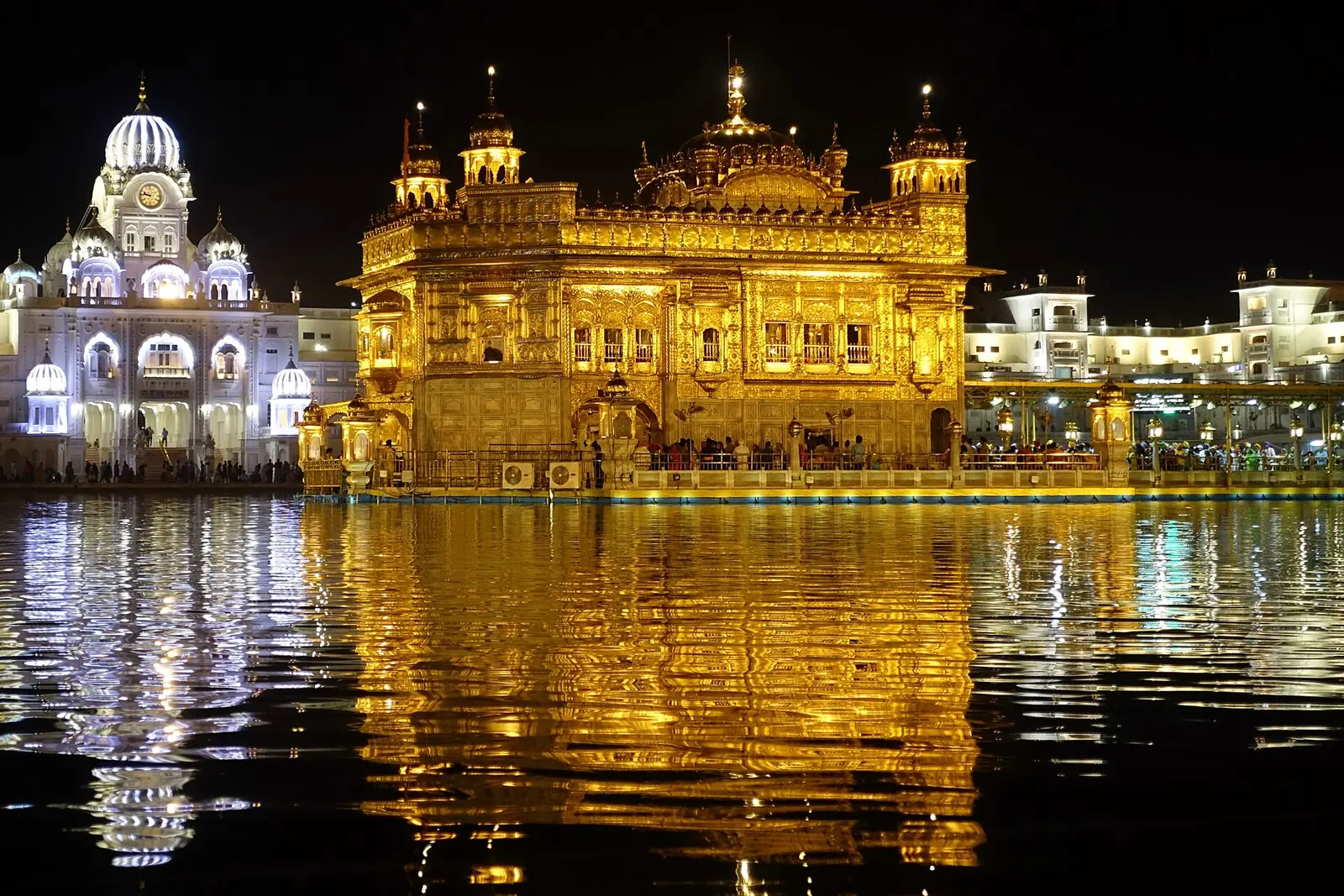
The Harmandir Sahib is open around the clock to people of all faiths. Walk the marble parikrama around the sarovar, cross the causeway to the golden shrine and listen to continuous gurbani kirtan. Dawn is calm and luminous, midday is busy and festive, and at night the gold glows over the water.
Cover your head (scarves are provided), remove your shoes and socks at the shoe counters, wash your feet at the entrance and avoid tobacco and alcohol.
- Time needed
- 2–3 hours per visit
- Best time
- Pre-dawn and late evening
- Good for
- Everyone
Eat at the langar
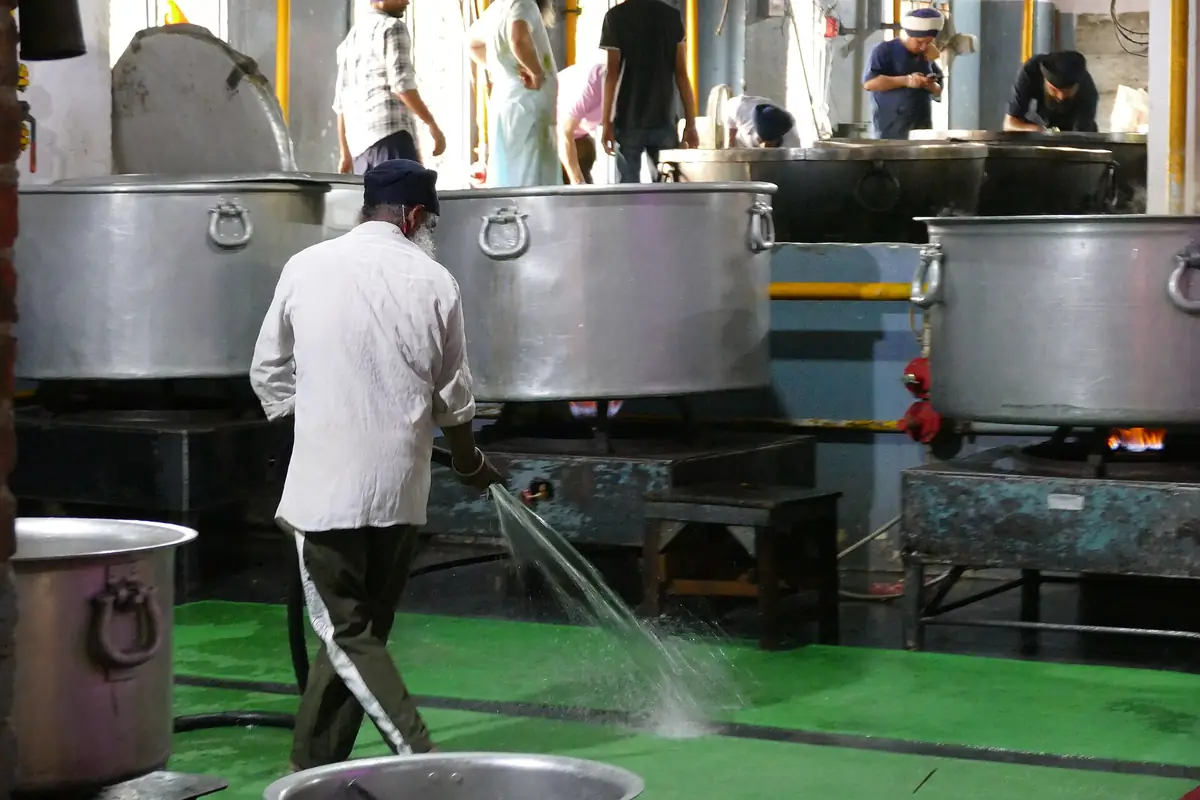
The Guru Ka Langar serves free vegetarian meals to tens of thousands of people every day, all seated together on the floor regardless of religion or status. The kitchens are run largely by volunteers. You can join to help roll rotis, peel vegetables or wash plates, a humbling and memorable experience.
- Good for
- Everyone
- Good to know
- Free; volunteers welcome
Watch the Palki Sahib ceremony
Every night, the Guru Granth Sahib is carried in a palanquin from the Harmandir Sahib to the Akal Takht in the Sukhasan ceremony, with devotees taking turns to carry the palki. It returns in the early morning Prakash ceremony. Timings change with the season; ask at the information office.
- Best time
- Late night and pre-dawn
See the Akal Takht and the museum
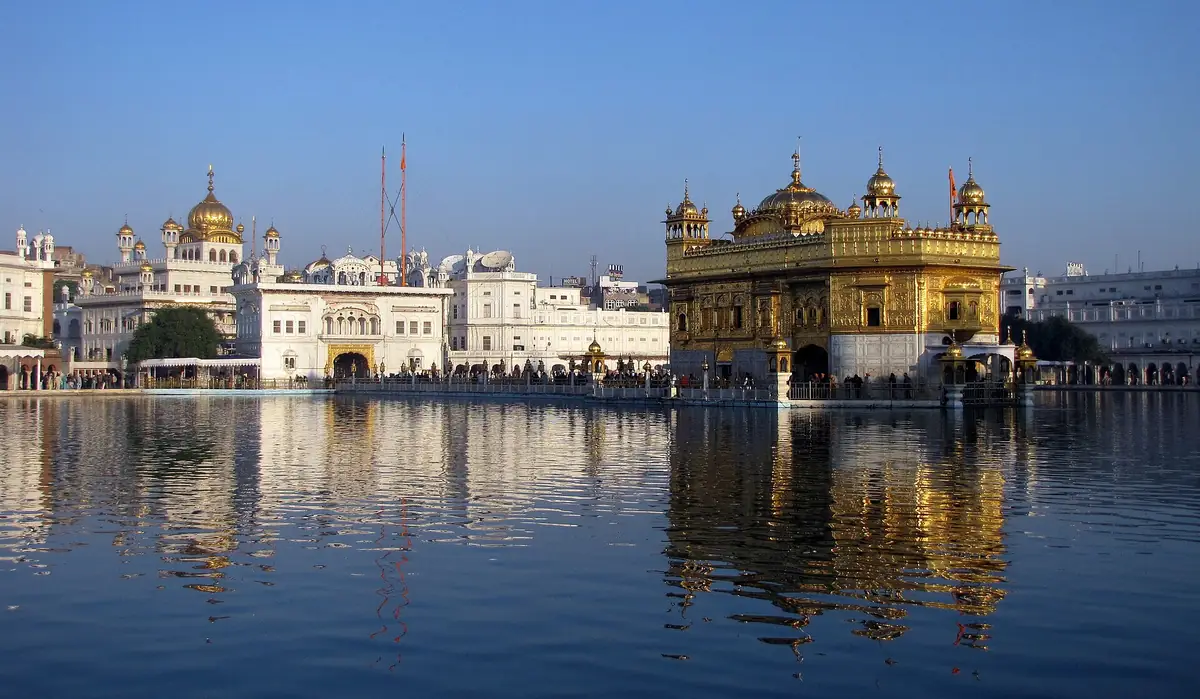
The Akal Takht, facing the Harmandir Sahib, is the highest seat of temporal authority in Sikhism. The Central Sikh Museum in the complex has paintings and artefacts from Sikh history.
History
See Jallianwala Bagh
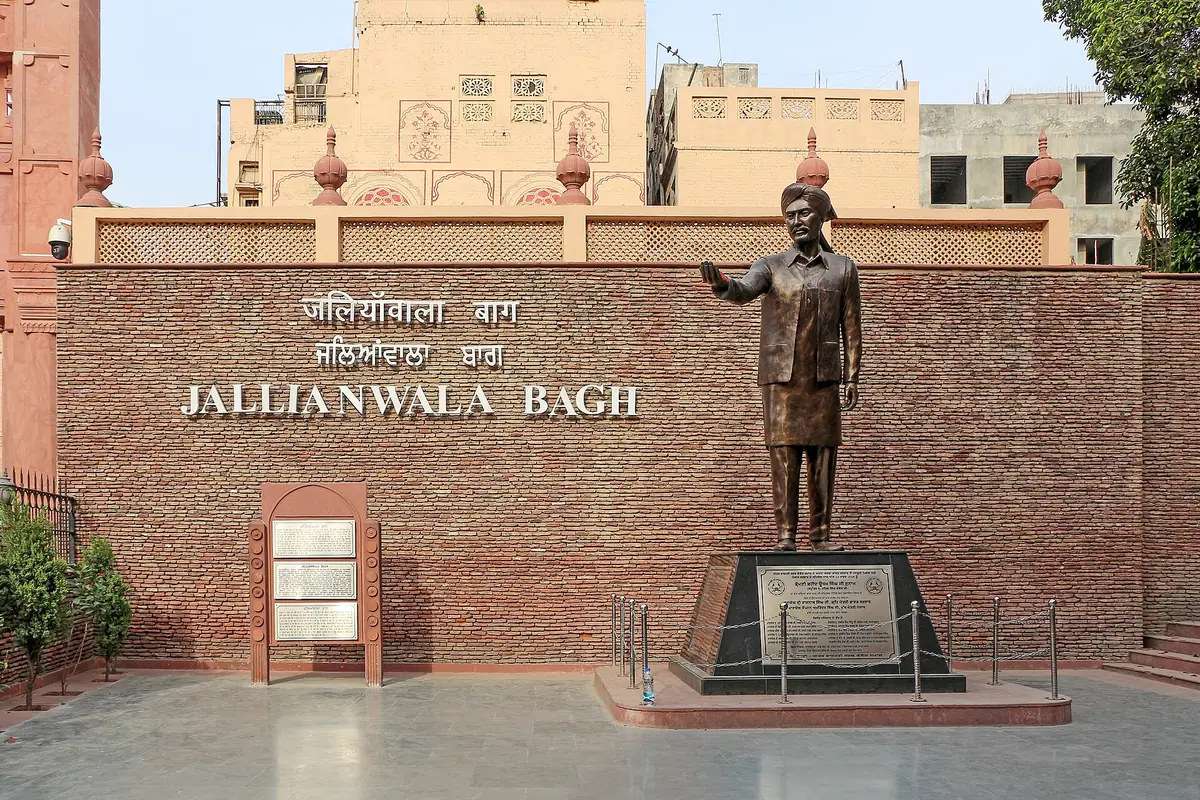
Jallianwala Bagh, a short walk from the Golden Temple, is where British troops under General Dyer fired on an unarmed crowd on 13 April 1919, killing hundreds. The memorial garden preserves bullet marks on the walls and the well into which people jumped. Galleries tell the story of the massacre.
- Time needed
- 1 hour
Visit the Partition Museum
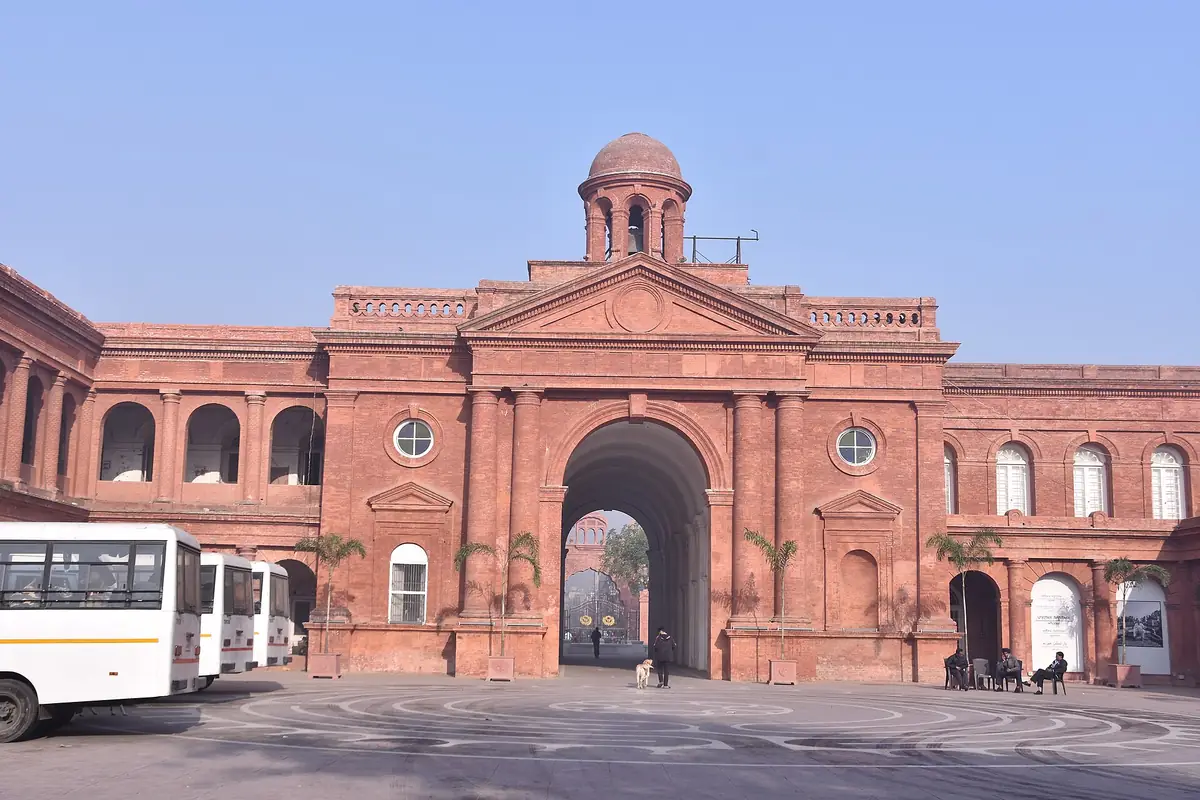
The Partition Museum, opened in 2017 in the restored Town Hall, tells the story of the 1947 Partition of India through oral histories, letters, photographs and objects donated by families. It is deeply moving; allow at least two hours. It is closed on Mondays.
- Time needed
- 2 hours
- Good to know
- Closed on Mondays
Explore Gobindgarh Fort
Gobindgarh Fort, strengthened by Maharaja Ranjit Singh, was used by the army for decades and has been opened to the public as a heritage attraction with museums, performances and a light show in the evening.
- Time needed
- 2 hours
See Ram Bagh and the Panorama
Ram Bagh was the summer palace garden of Maharaja Ranjit Singh. The Maharaja Ranjit Singh Panorama nearby uses a large painted panorama to tell the story of his battles and life.
The border, temples and food
Watch the Attari–Wagah ceremony
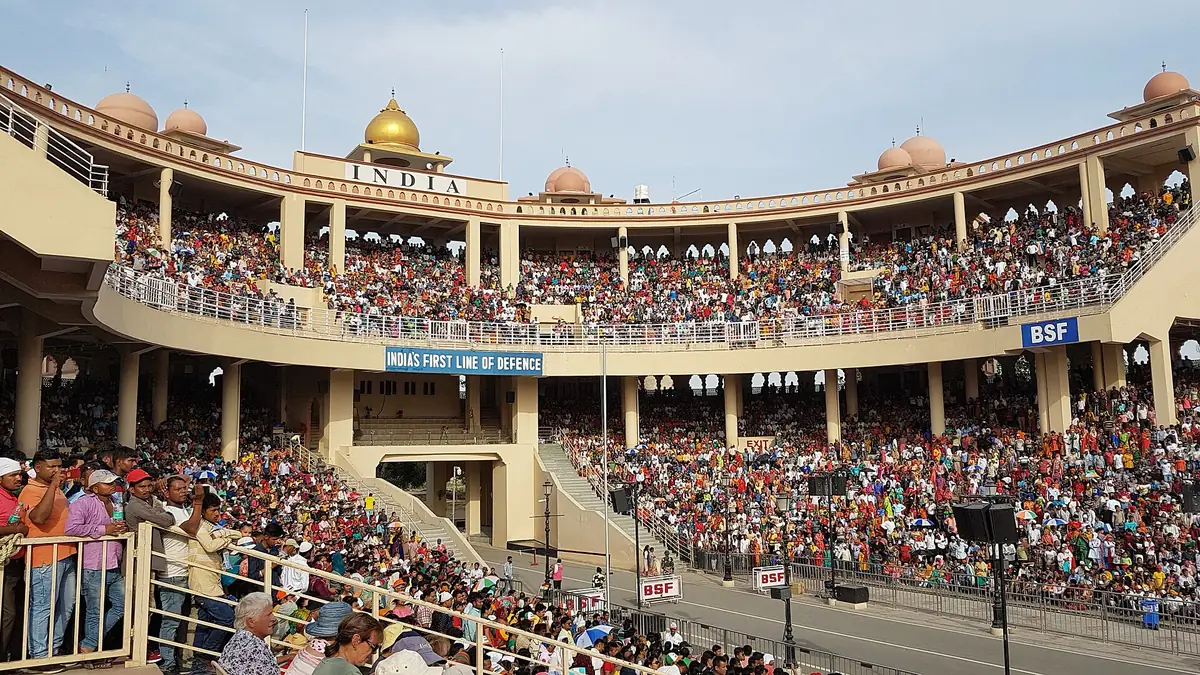
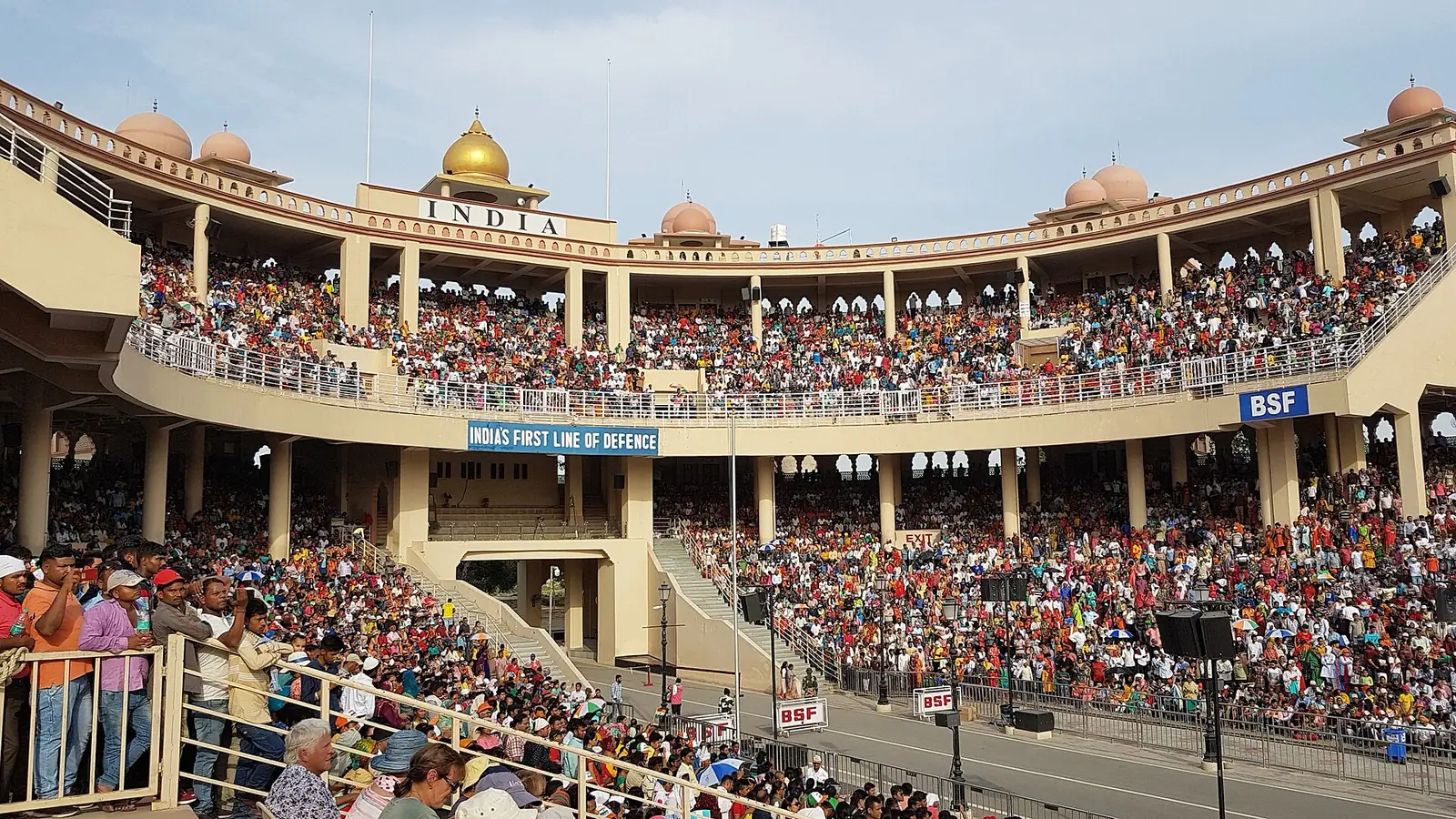
Every evening before sunset, the Border Security Force and the Pakistan Rangers perform a flag-lowering ceremony at the Attari–Wagah border, about 30 km from Amritsar, with high kicks, stamping and patriotic crowds on both sides. Arrive early to get a good seat, carry ID and do not bring bags.
- Time needed
- Half a day including travel
- Best time
- Arrive two hours before sunset
- Good to know
- Carry ID; no bags
Visit Durgiana Temple
The Durgiana Temple, also called the Lakshmi Narayan Temple, is a Hindu temple built in a style similar to the Golden Temple, set in the middle of a tank. It is an important pilgrimage site and peaceful in the evening.
- Time needed
- 45 minutes
Walk the heritage street
The pedestrian heritage street leading to the Golden Temple, with its restored façades and statues, links Town Hall to the temple complex. The old city's bazaars around it are full of shops selling phulkari embroidery, juttis and papads.
- Best time
- Evening
Eat Amritsari food
Amritsar is one of India's great food cities. Try Amritsari kulcha (a crisp stuffed bread) with chhole for breakfast, thick lassi, Amritsari fried fish, chicken tikka, and phirni or kulfi for dessert. The dhabas around the old city have served some of these dishes for decades.
- Good for
- Food lovers
Around Amritsar and festivals
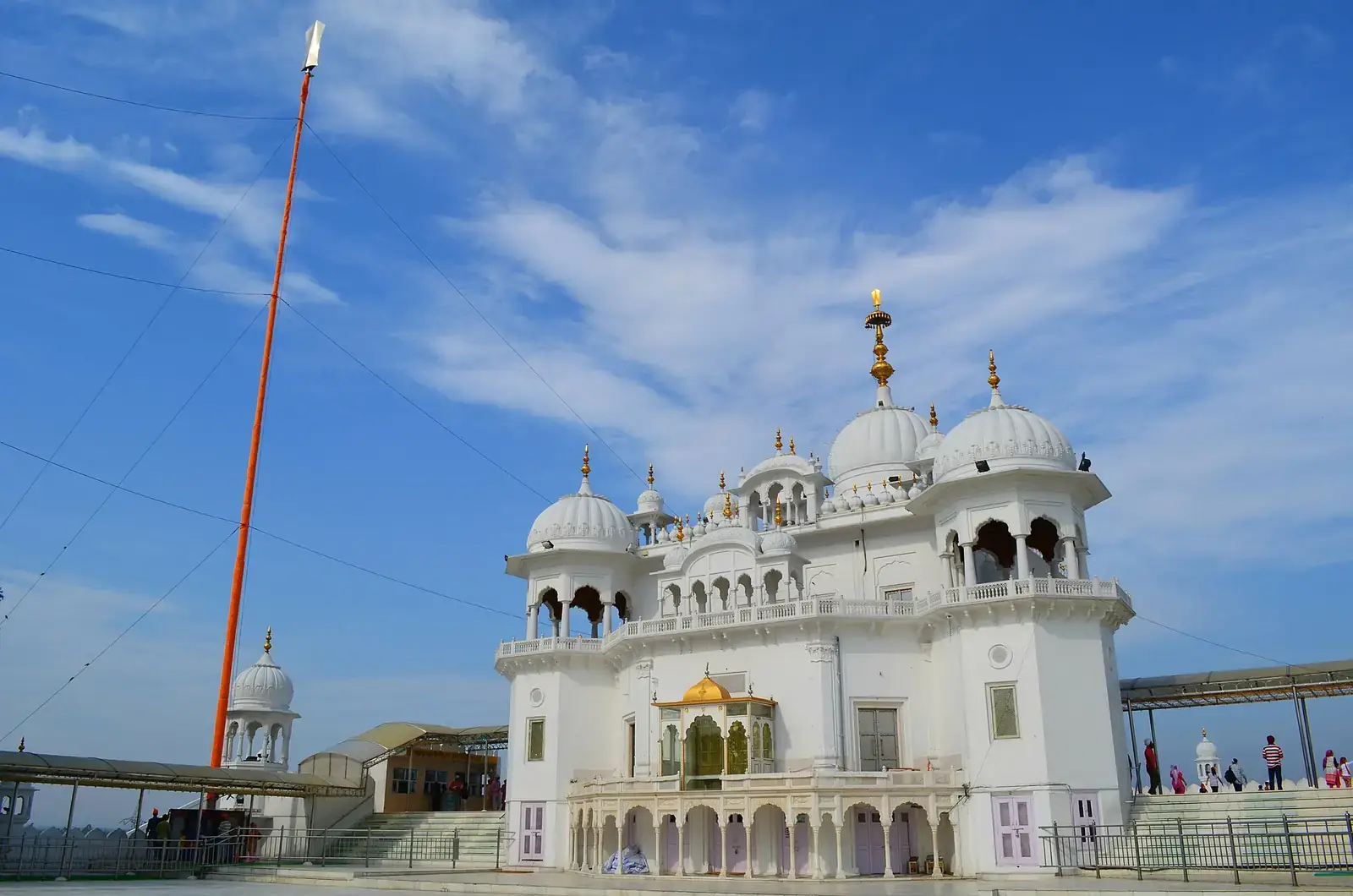
Visit Tarn Taran Sahib
Tarn Taran, about 25 km from Amritsar, was founded by Guru Arjan Dev and has one of the largest sarovars of any gurdwara. It is far quieter than the Golden Temple and makes a peaceful half-day trip.
- Time needed
- Half a day
See village life at a living museum
Several heritage villages and living museums on the outskirts of Amritsar recreate rural Punjabi life, with mud houses, charpoys, folk music, bhangra and home-style food. They are popular with families and groups; quality varies, so check recent reviews.
- Good for
- Families, groups
Be there for Gurpurab or Diwali
The Golden Temple is especially beautiful on Guru Nanak's birth anniversary (Gurpurab, usually in November) and on Diwali, which Sikhs mark as Bandi Chhor Divas, when the complex is lit with lamps and fireworks. Baisakhi in April is also celebrated with great energy. Expect very large crowds.
- Best time
- Gurpurab, Diwali and Baisakhi
Visit Khalsa College
Khalsa College, founded in 1892, is a striking Indo-Saracenic building on the Grand Trunk Road. Its façade can be seen from the grounds and has appeared in several films.
Things to do in Amritsar by type of traveller
Pilgrims: The Golden Temple at dawn and night, the Palki Sahib ceremony, langar seva and a visit to Tarn Taran Sahib.
Families: Golden Temple, Wagah ceremony and Gobindgarh Fort's shows work well with children.
History lovers: Jallianwala Bagh, the Partition Museum and Gobindgarh Fort together tell a powerful story.
What to do in Amritsar with one day
Visit the Golden Temple before dawn and stay for breakfast at the langar. Walk to Jallianwala Bagh and the Partition Museum, then have kulchas for lunch. Drive to the Attari–Wagah border for the evening ceremony and return for the Golden Temple at night.
Practical tips for Amritsar
- Amritsar has an international airport and a major railway station with fast trains from Delhi.
- Leave bags and valuables at your hotel on the Wagah trip; bags are not allowed.
- Dress modestly and keep your head covered in gurudwaras.
- Summers are very hot; plan outdoor visits for early morning and evening.
Plan the rest of your Amritsar trip
Amritsar things to do: FAQs
What are the best things to do in Amritsar?
Visit the Golden Temple at dawn and night, eat at the langar, see Jallianwala Bagh and the Partition Museum, watch the Wagah border ceremony, explore Gobindgarh Fort and eat Amritsari food.
What time is the Wagah border ceremony?
It takes place every day just before sunset, so the time changes through the year. Arrive about two hours early.
How many days are enough for Amritsar?
Two days is ideal; one full day covers the essentials.
Can non-Sikhs visit the Golden Temple?
Yes. It is open to people of all faiths, 24 hours a day. Cover your head, remove your shoes and follow the etiquette.
Things to do near Amritsar
- Tarn Taran: a historic gurudwara with a large sarovar
- Kapurthala: a French-style palace and Moorish mosque
- Things to do in Dharamshala: the hills, about five hours away
- Things to do in Chandigarh: the planned capital
More things to do in Punjab
Published by the Kudozz Club editorial team · Last updated · How we research our guides
Want us to plan this trip for you?
Tell Kudozz Club where you want to go and what kind of trip you’re looking for. We’ll build a Amritsar and Punjab itinerary around your dates and budget.
Continue Exploring
View all guides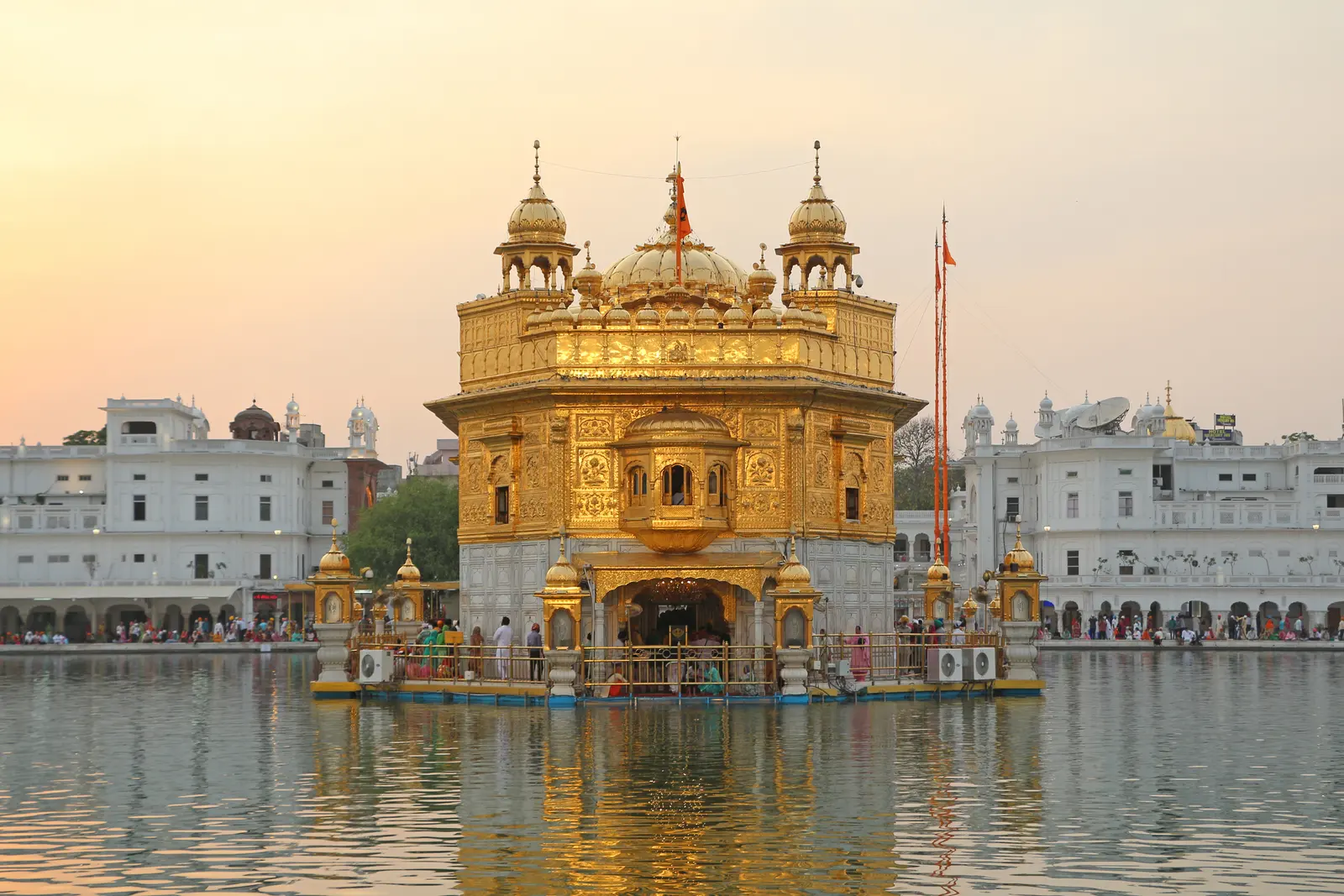 Destination Guide
Punjab Travel Guide: Golden Temple, Amritsar & Wagah Border
A temple that shimmers gold over a sacred pool, a nightly border ceremony full of pageantry, and food that shaped how the rest of India eats — the complete guide to Punjab.
 Heritage
Wagah Border Guide: Beating Retreat Ceremony
High-kicking marches, roaring crowds on both sides of a closed border, and a nightly flag-lowering ceremony unlike anything else in the world — the complete Wagah Border guide.
 Heritage
Golden Temple Guide: Timings, Langar & Tips
Sikhism's holiest shrine, a free kitchen feeding tens of thousands daily regardless of faith, and a sarovar that gives Amritsar its name — the complete Golden Temple guide.
 Spiritual Tourism
Sikh Pilgrimage in India: Historic Gurdwaras and Takhts
A guide to Sikh pilgrimage and heritage in India: the Golden Temple and Amritsar's gurdwaras, the Panj Takht, Anandpur Sahib, Fatehgarh Sahib, Sultanpur Lodhi and the Kartarpur corridor, Delhi's historic gurdwaras, Hemkund Sahib, gurdwara etiquette, langar, festivals and suggested routes.