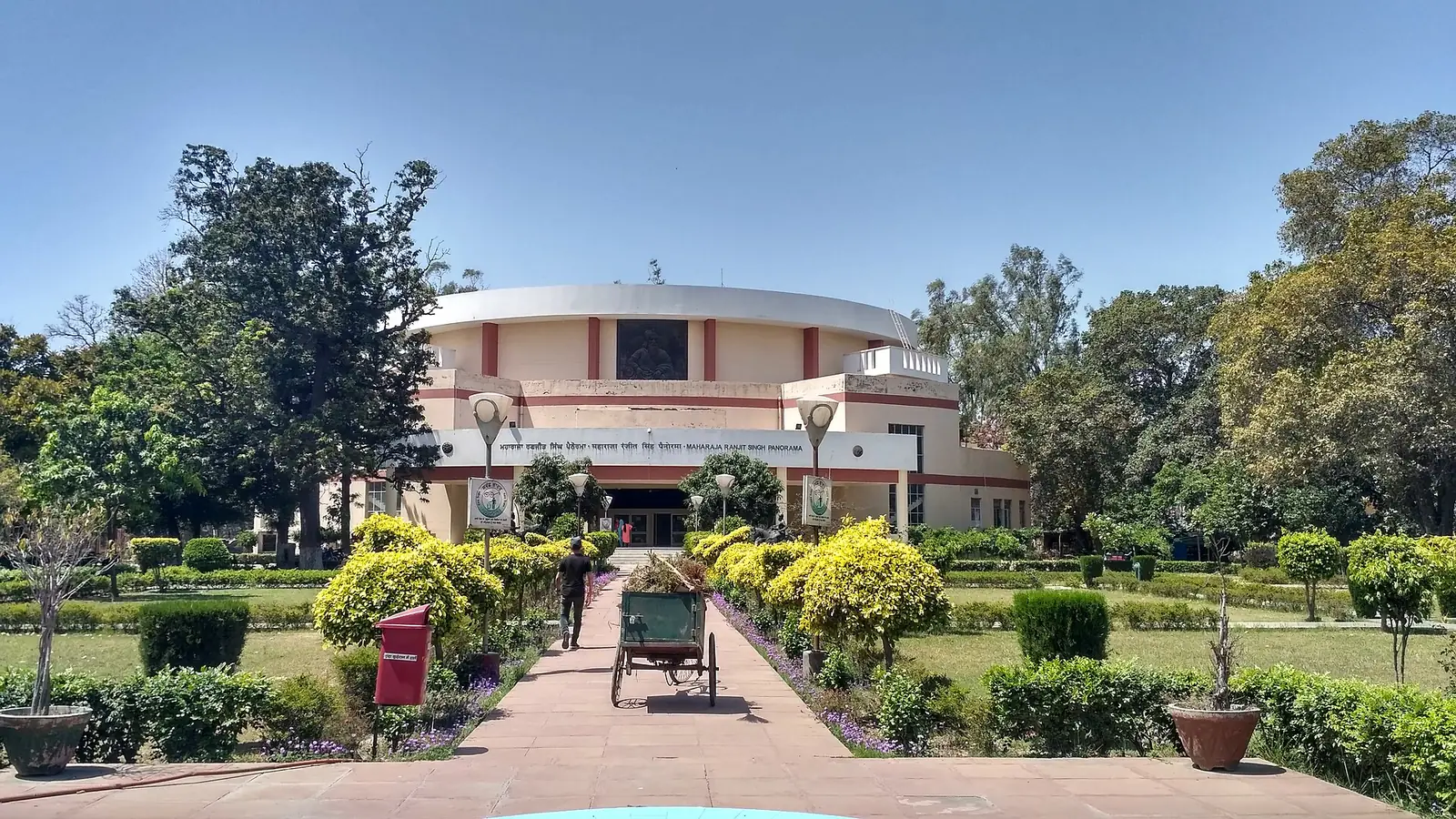
A City Built Around a Shrine
Amritsar was founded in 1577 by Guru Ram Das, the fourth Sikh Guru, around the sacred pool that gives the city its name — Amrit Sarovar, the "pool of nectar." Today the city is inseparable from the Golden Temple (Sri Harmandir Sahib) that rises from that pool, Sikhism's holiest shrine and one of the most moving places to visit in India regardless of faith. See our dedicated deep dive at the Golden Temple guide for everything you need to know before visiting.
But Amritsar's history runs deeper than a single shrine. Jallianwala Bagh, a short walk from the temple, is the site of the 1919 massacre in which British troops fired on an unarmed gathering — now a quiet, sobering memorial garden. The Partition Museum, dedicated to the human history of 1947, is one of very few museums anywhere built specifically around that history, and is often overlooked by visitors focused only on the temple.
Roughly 30 km away, the daily Wagah Border ceremony draws its own crowds — see our full guide at the Wagah Border guide. And through all of it runs a food culture — kulcha, lassi, Amritsari fish — that has made this city a culinary pilgrimage in its own right.
🛕 Amritsar at a Glance
Looking for activities and experiences? See our guide to the best things to do in Amritsar.
Want a day-by-day plan? Follow our Panj Takht yatra itinerary.
Going by road? See our guide to food road trips in India.
Interested in the history? See our guide to India's heritage cities.
Planning a pilgrimage? See our guide to Sikh pilgrimage in India.
Best Time to Visit Amritsar
Punjab has a continental climate with sharp seasonal swings — timing matters for comfortable old-city walking.
Cool, comfortable, and clear — ideal for the old city, the Wagah ceremony, and long evenings around the Golden Temple.
Punjab's summer brings intense, dry heat that makes extended outdoor sightseeing genuinely difficult.
Rain brings relief from the heat but adds humidity; sightseeing is still possible with some flexibility.
If timing allows, combine with the vivid Hola Mohalla festival at nearby Anandpur Sahib.
Our pick: October to March — cool, comfortable conditions for the old city, Jallianwala Bagh, and the late-afternoon trip out to Wagah.
How to Reach Amritsar
- By Air: Sri Guru Ram Dass Jee International Airport (ATQ) has domestic and select international connections.
- By Rail: Amritsar Junction is a major rail hub with direct trains from Delhi, Chandigarh, and most major North Indian cities.
- By Road: Well connected by national highway from Delhi (~450 km) and Chandigarh (~230 km).
Golden Temple, Jallianwala Bagh & More
Golden Temple
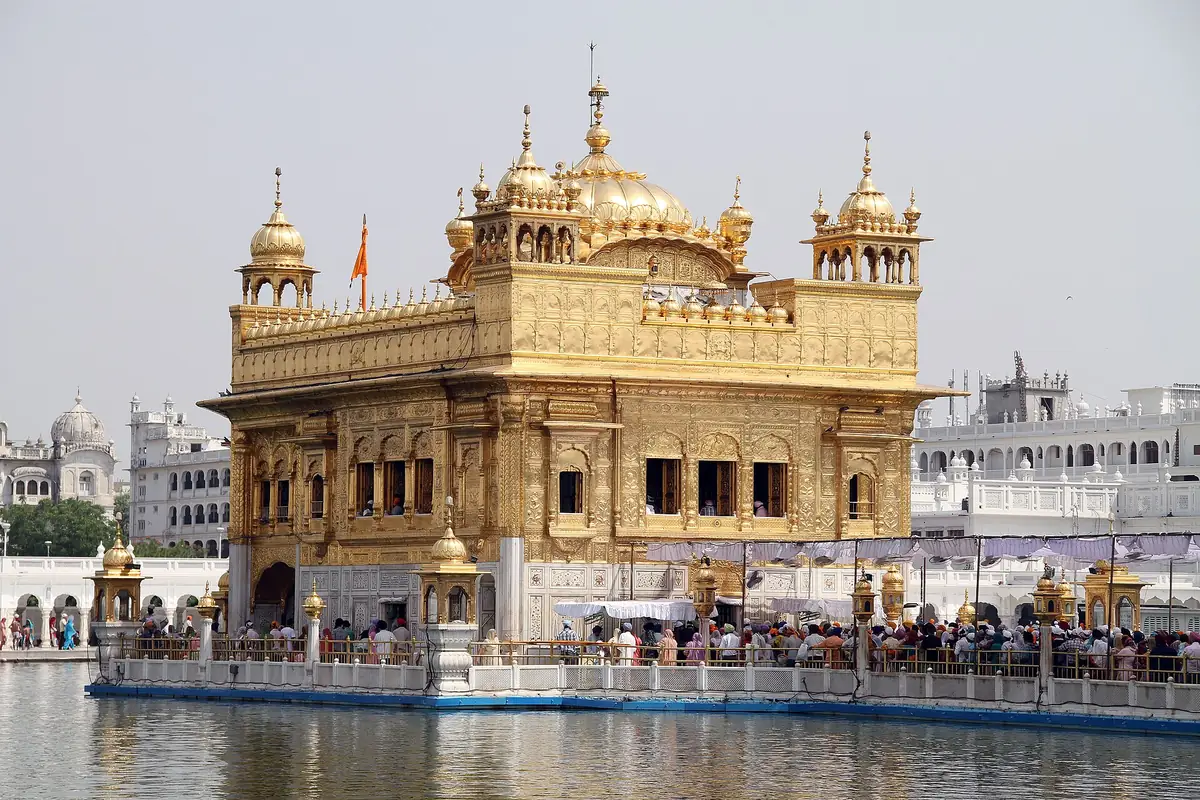
The city's spiritual and geographic centre — see our full Golden Temple guide for timings, etiquette, and the langar experience.
Jallianwala Bagh
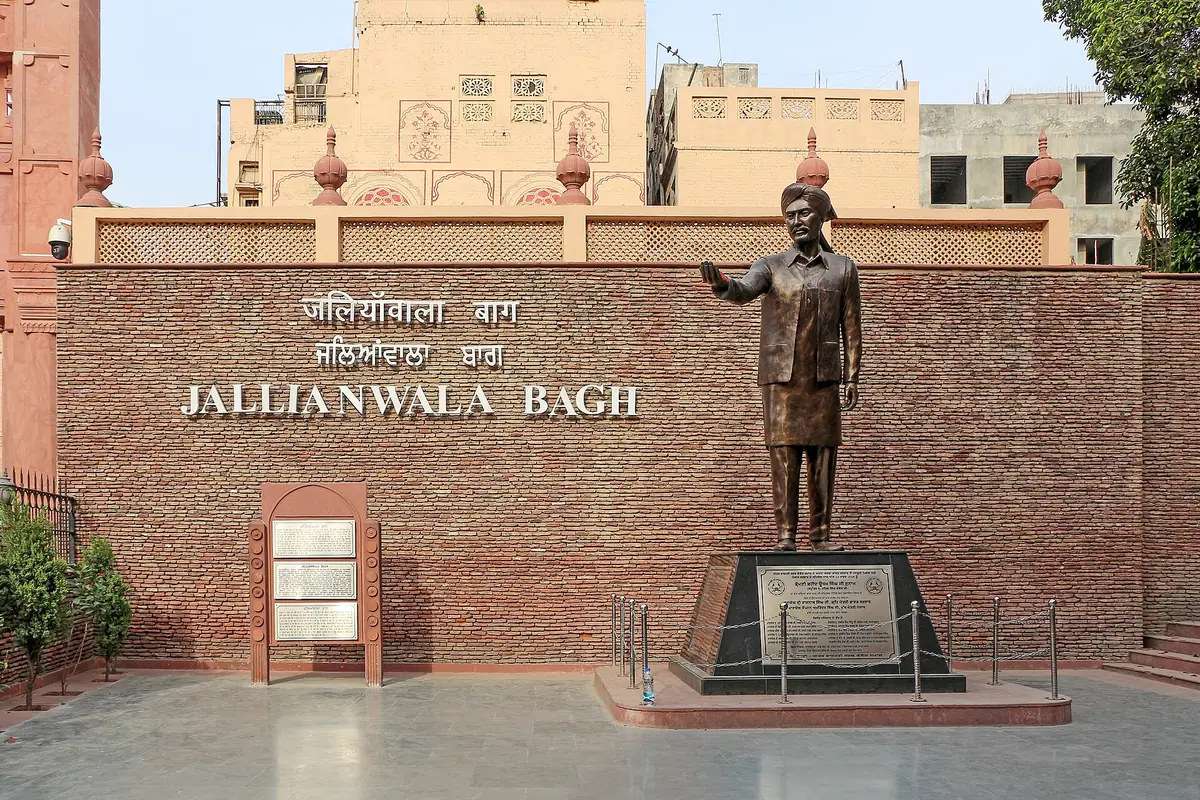
A short walk from the Golden Temple, this memorial garden marks the site of the 1919 massacre — a quiet, sobering stop that adds essential historical context to a visit.
Partition Museum
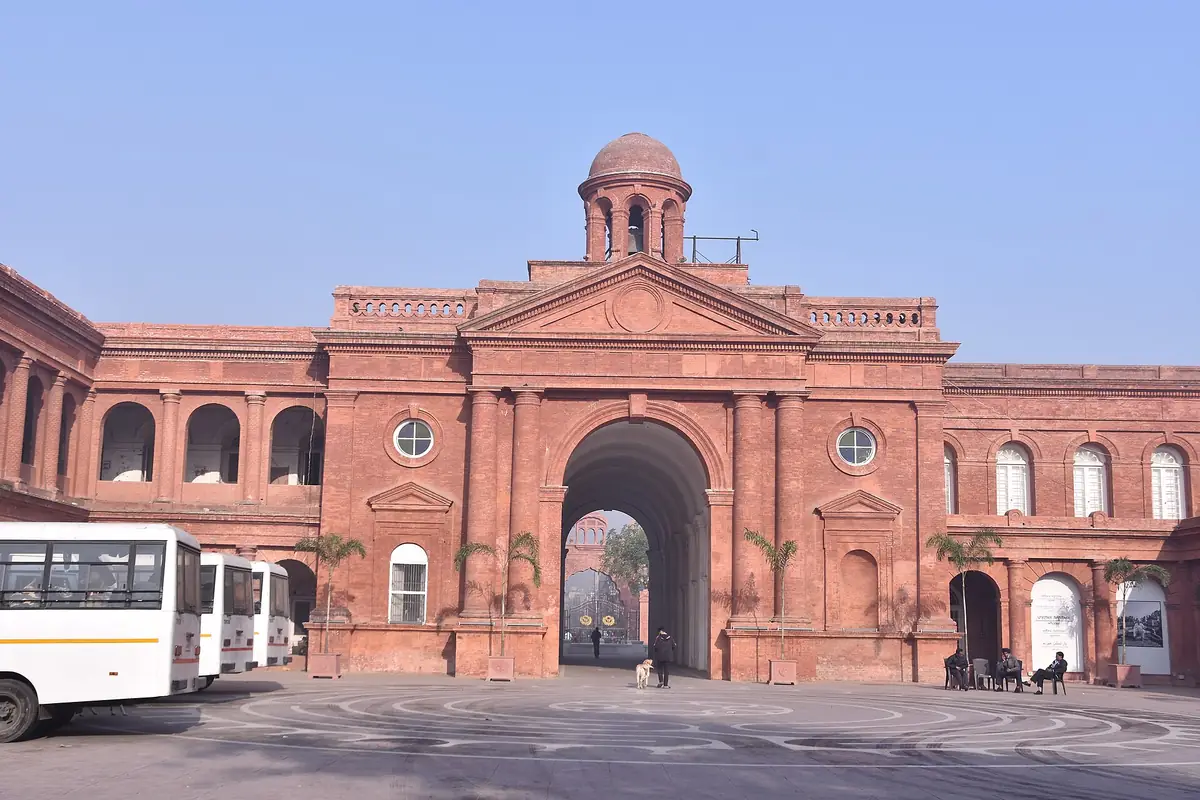
One of very few museums anywhere dedicated specifically to the human history of the 1947 Partition, told through personal testimonies and artifacts. Genuinely worth the visit, and often overlooked.
Gobindgarh Fort & Ram Bagh
Gobindgarh Fort offers light shows and heritage exhibits within a restored 18th-century fort, while Ram Bagh's gardens make a pleasant, unhurried stop.
Wagah Border
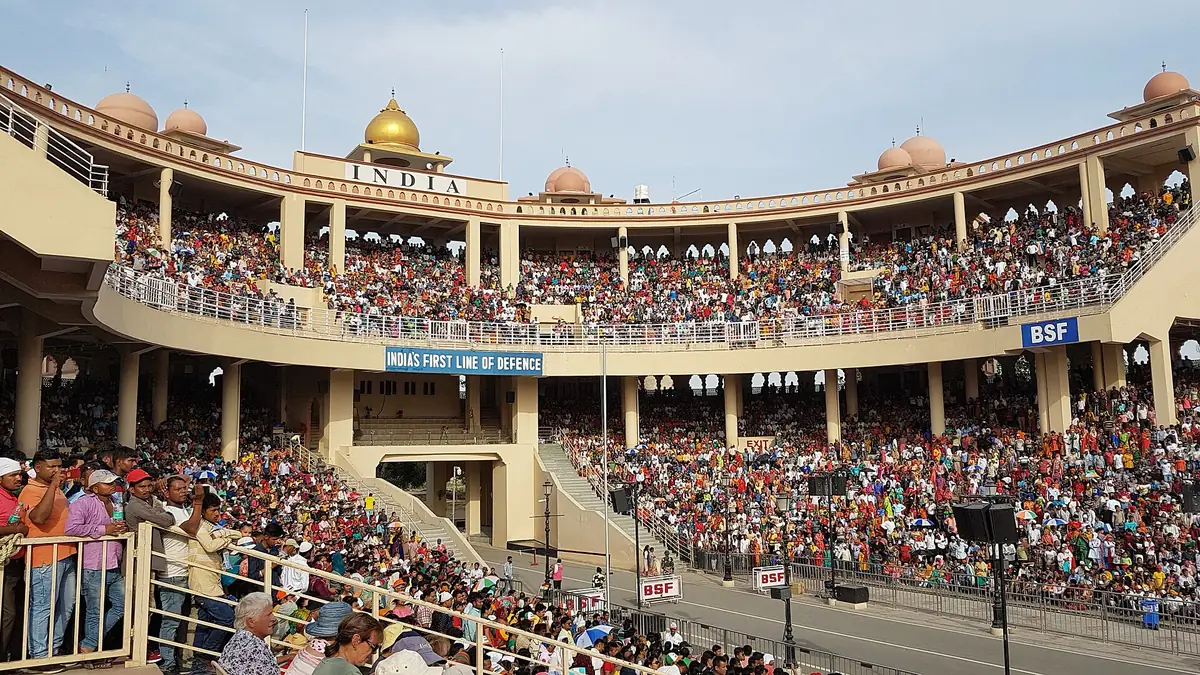
Roughly 30 km from the city, the daily Beating Retreat ceremony is a spirited, theatrical must-see — see our full Wagah Border guide.
Where to Stay in Amritsar
Staying near the Golden Temple puts everything walkable within reach and lets you experience the temple's quieter early-morning and late-night hours easily.
- → Guesthouses near the Golden Temple
- → Free/low-cost pilgrim lodging (Sarai)
- → Budget hotels, old city
- → Boutique hotels, near the temple
- → Business hotels, Ranjit Avenue
- → Heritage-style guesthouses
- → Premium hotels overlooking the temple
- → International chain hotels
- → Full-service luxury properties
2-Day Amritsar Visit Plan
Golden Temple & History
- ✓Early-morning visit to the Golden Temple
- ✓Jallianwala Bagh and the Partition Museum
- ✓Evening: return to the temple when it's lit and quieter
Old City & Wagah Border
- ✓Morning: old-city food trail and Gobindgarh Fort
- ✓Afternoon: drive to Wagah Border
- ✓Evening: Beating Retreat ceremony
What to Eat in Amritsar
- Amritsari Kulcha: A stuffed, tandoor-baked bread — usually served with chole and a generous dollop of butter — that is the city's signature dish.
- Lassi: A properly thick, creamy Punjabi lassi, often served in old-city establishments that have been perfecting it for generations.
- Amritsari Fish: Spiced, batter-fried freshwater fish — a distinctive local specialty worth seeking out.
- Langar at the Golden Temple: The free community kitchen serves a simple, wholesome meal to all visitors — an experience in itself, not just food.
Budget Breakdown
| Expense | Budget | Mid-Range | Luxury |
|---|---|---|---|
| Accommodation/night | ₹1,200 | ₹3,500 | ₹9,000 |
| Food/day | ₹300 | ₹1,000 | ₹2,500 |
| Local transport/day | ₹300 | ₹700 | ₹1,800 |
| Wagah Border trip (round trip) | ₹600 | ₹1,200 | ₹2,500 |
| Daily total | ₹2,400 | ₹6,400 | ₹15,800 |
* The Golden Temple itself is free to visit — donations are welcomed but never required.
Essential Tips for Visiting Amritsar
- Cover your head at the Golden Temple: A scarf or cloth is required — one is provided free at the entrance if you don't have your own.
- Allocate a full evening for Wagah: Travel time plus the ceremony itself makes this a half-day commitment, not a quick stop.
- Don't skip the Partition Museum: It's often overlooked by visitors focused only on the temple, but genuinely worth the time.
- Visit the temple at night: It's open 24 hours and is noticeably quieter and, many say, even more beautiful after dark.
- Try food at old-city institutions: Amritsar's best kulcha and lassi tend to come from long-running local spots rather than tourist-facing restaurants.
✅ Do
- →Cover your head and remove shoes at the Golden Temple
- →Visit the temple early morning or late at night
- →Set aside real time for the Partition Museum
- →Try Amritsari kulcha and lassi at an old-city spot
- →Arrive early at Wagah Border for a good viewing spot
- →Consider joining langar sewa for a genuine experience
❌ Don't
- →Bring alcohol, tobacco, or meat into the Golden Temple complex
- →Rush the Golden Temple into a quick photo stop
- →Arrive late for Wagah Border and miss a good seat
- →Skip the Partition Museum thinking it's a minor stop
- →Visit in peak summer without planning around the heat
- →Expect the Golden Temple's inner sanctum to allow all photography
Frequently Asked Questions
How many days do I need for Amritsar?
Two days is a comfortable minimum — one for the Golden Temple, Jallianwala Bagh, and the Partition Museum, and a second built around the Wagah Border ceremony in the late afternoon combined with a slower morning of old-city food and shopping.
Is Amritsar a day trip from Chandigarh or Delhi, or worth staying overnight?
It's technically possible as a very long day trip from Chandigarh, but Amritsar rewards an overnight stay — the Golden Temple is genuinely at its best early morning or late at night, and rushing it to catch a same-day return does the city a disservice.
What is the best time to visit Amritsar?
October to March is the clear pick, with comfortable daytime temperatures for walking the old city. Punjab's summer (Apr-Jun) brings intense, dry heat that makes extended outdoor sightseeing genuinely difficult.
Is a Wagah Border visit included in a typical Amritsar trip?
Yes, it's one of the most popular add-ons — most visitors combine a day of Amritsar city sightseeing with a late-afternoon trip out to Wagah for the evening Beating Retreat ceremony, roughly 45 minutes to an hour each way.
What food must I try in Amritsar?
Amritsari kulcha (a stuffed, tandoor-baked bread, usually served with chole and a dollop of butter), a properly thick Punjabi lassi, and Amritsari fish (spiced, batter-fried freshwater fish) are the three dishes most associated with the city — all worth seeking out at old-city institutions rather than tourist-facing restaurants.
Is the Partition Museum worth visiting?
Yes, genuinely — it's one of very few museums anywhere dedicated specifically to the human history of the 1947 Partition, told through personal testimonies and artifacts rather than a dry historical timeline, and it's often overlooked by visitors focused only on the Golden Temple.
Published by the Kudozz Club editorial team · Last updated · How we research our guides
Want us to plan this trip for you?
Tell Kudozz Club where you want to go and what kind of trip you’re looking for. We’ll build a Amritsar and Punjab itinerary around your dates and budget.
Continue Exploring
View all guides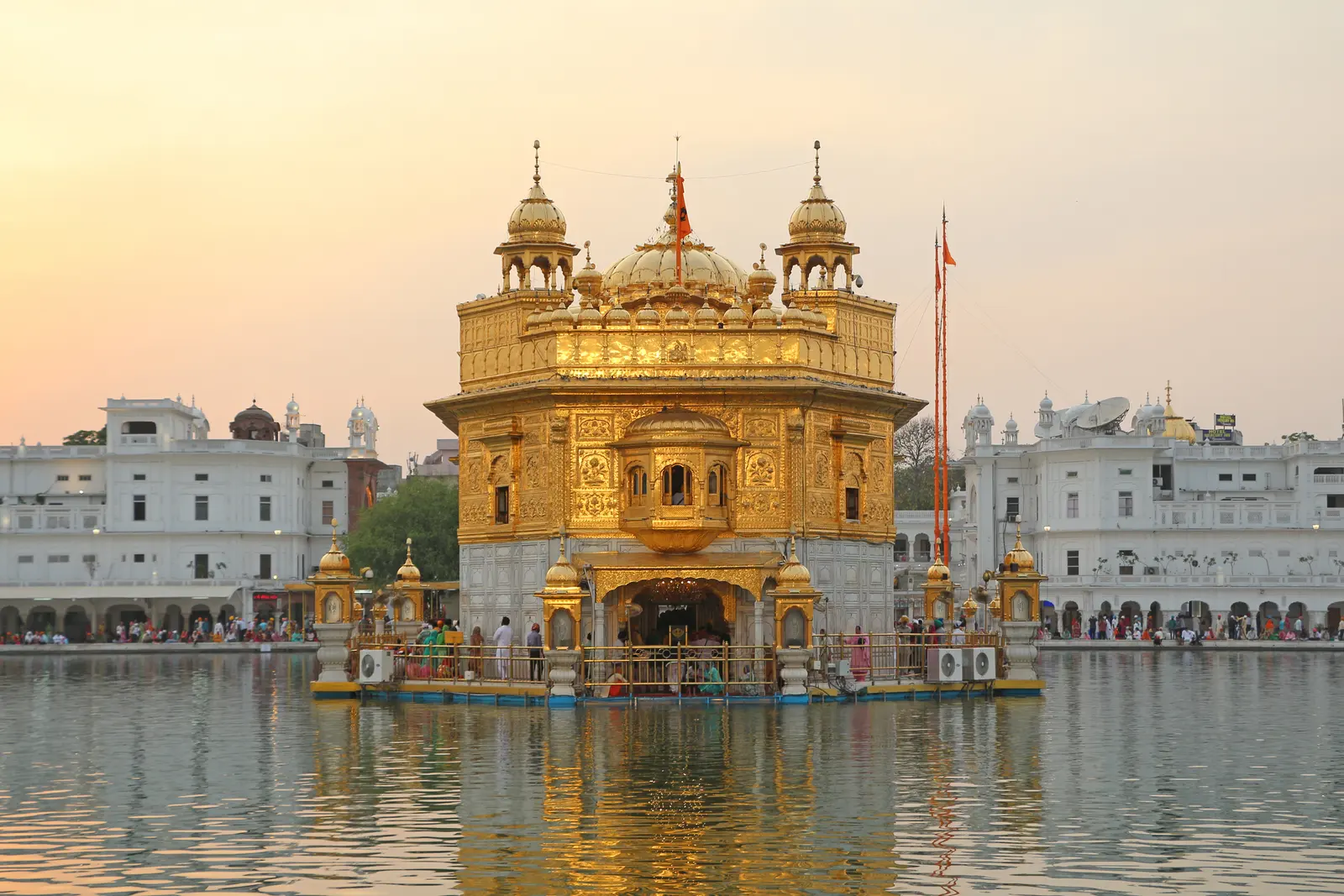 Destination Guide
Punjab Travel Guide: Golden Temple, Amritsar & Wagah Border
A temple that shimmers gold over a sacred pool, a nightly border ceremony full of pageantry, and food that shaped how the rest of India eats — the complete guide to Punjab.
 Heritage
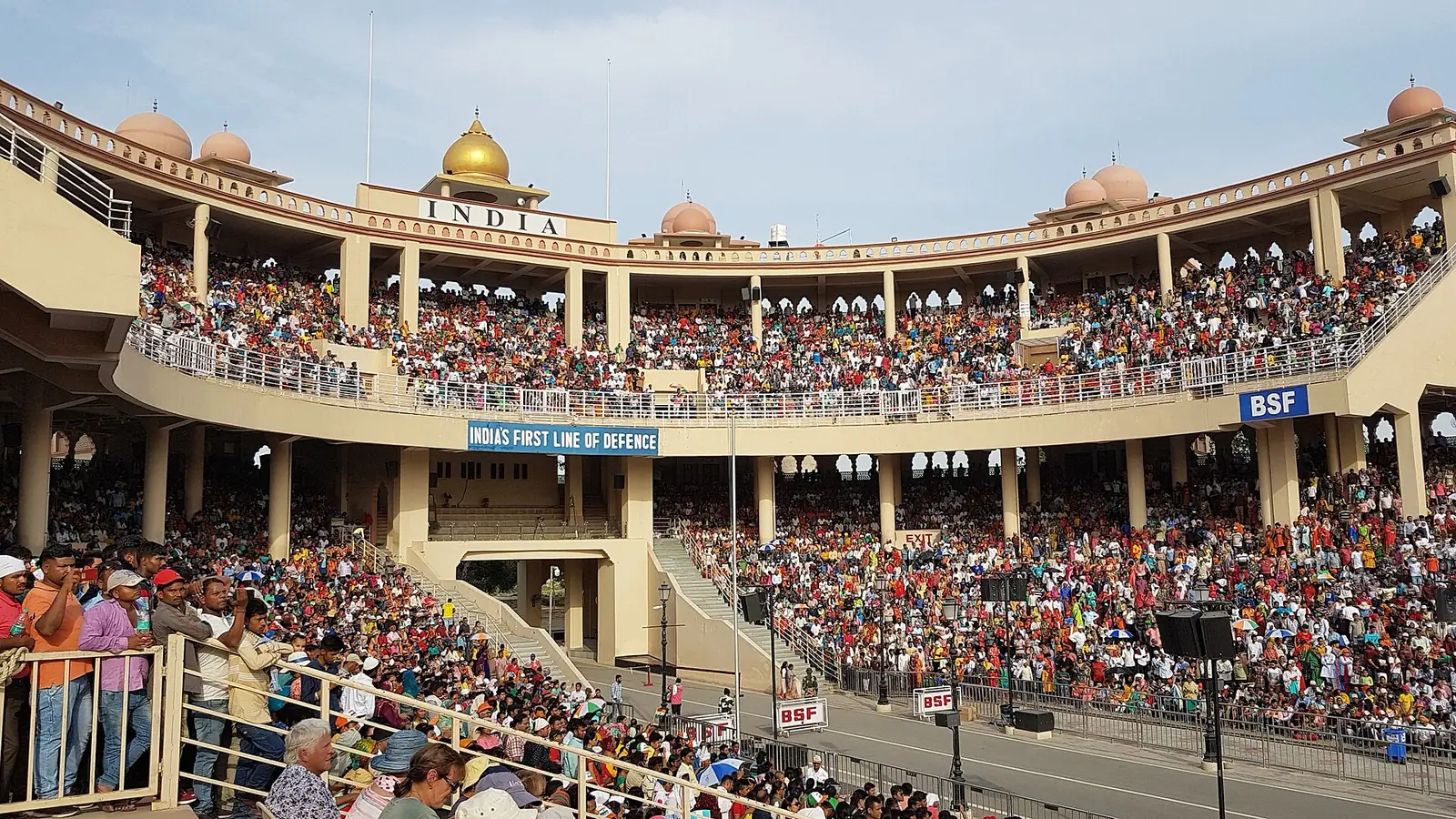
Wagah Border Guide: Beating Retreat Ceremony
High-kicking marches, roaring crowds on both sides of a closed border, and a nightly flag-lowering ceremony unlike anything else in the world — the complete Wagah Border guide.
 Heritage
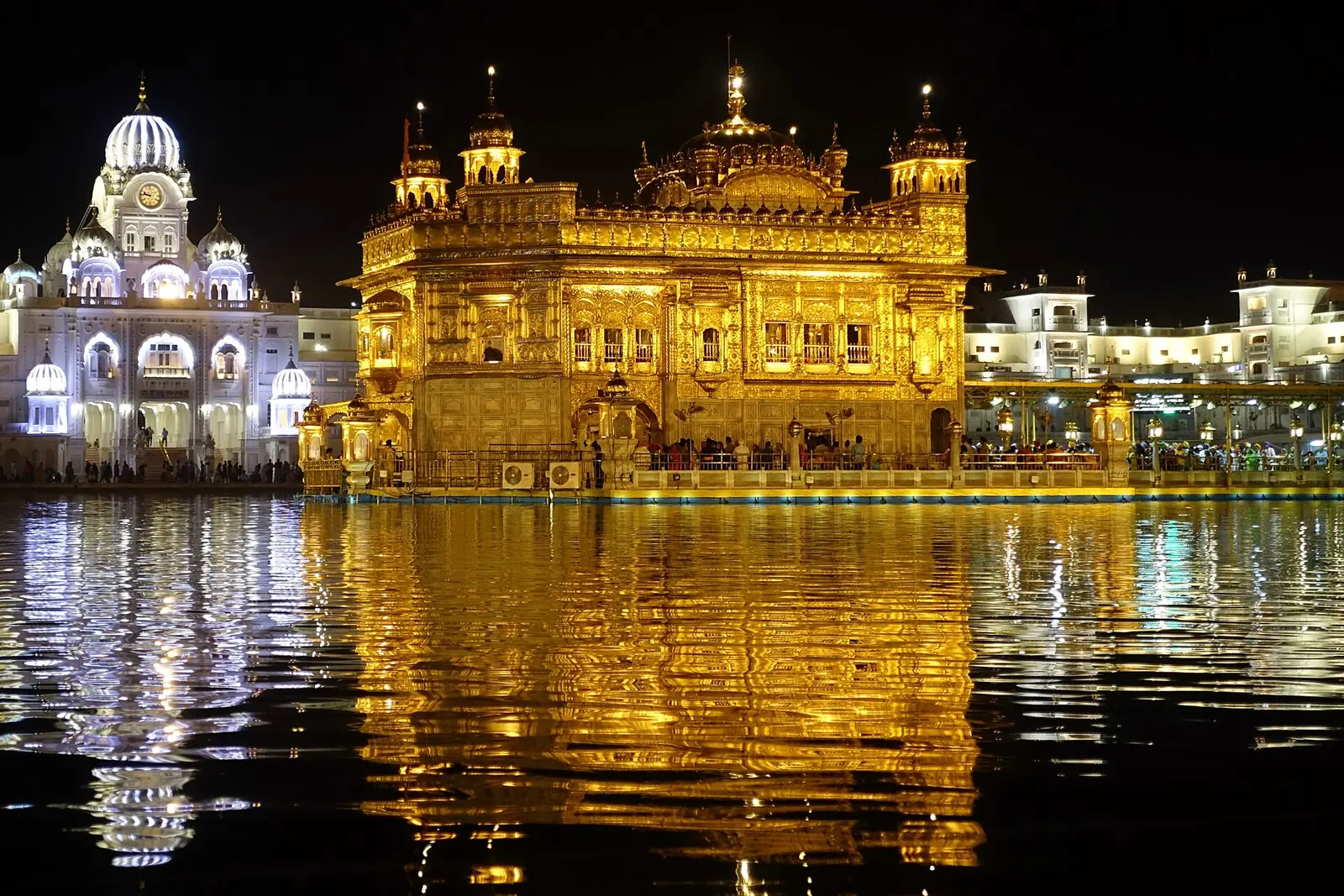
Golden Temple Guide: Timings, Langar & Tips
Sikhism's holiest shrine, a free kitchen feeding tens of thousands daily regardless of faith, and a sarovar that gives Amritsar its name — the complete Golden Temple guide.
Things to DoThings to Do in Amritsar: The Golden Temple, Wagah Border & Punjabi Food
Things to do in Amritsar: the Golden Temple at dawn and night, the langar, Jallianwala Bagh, the Partition Museum, the Wagah–Attari ceremony, Gobindgarh Fort, Ram Bagh, Durgiana Temple, the heritage street and kulchas, lassi and Amritsari fish.