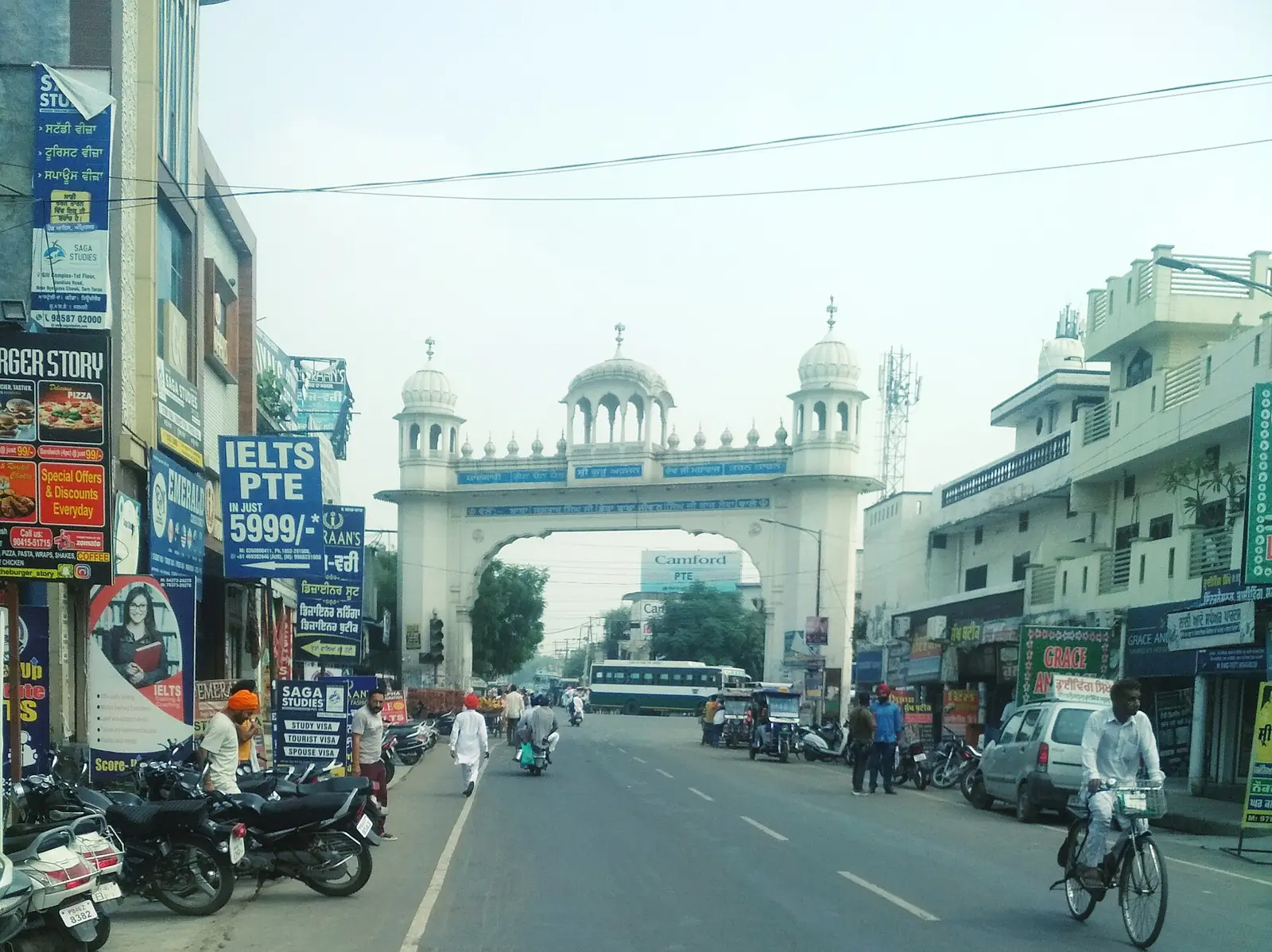
The Largest Sarovar in Sikhism
Tarn Taran is home to Sri Darbar Sahib Tarn Taran, founded by Guru Arjan Dev, and notable for having the largest sarovar (sacred pool) of any Sikh gurdwara — larger even than the Golden Temple's sarovar in nearby Amritsar, a genuinely distinctive superlative worth knowing before you visit.
Historically, the site was also known as a place of healing and pilgrimage, with some historical accounts associating it with people seeking relief from various ailments in earlier centuries — a layer of history that adds to the site's deep local significance.
Sitting close to Amritsar, Tarn Taran makes an easy and worthwhile addition to an Amritsar-based itinerary for anyone interested in Sikh heritage beyond the Golden Temple alone.
🛕 Tarn Taran at a Glance
Planning a pilgrimage? See our guide to Sikh pilgrimage in India.
Best Time to Visit Tarn Taran
As with the rest of Punjab, comfort varies considerably across the year.
Cool, comfortable weather for visiting the gurdwara and walking around the sarovar.
Punjab's summer heat makes midday visits uncomfortable; early morning or evening is better.
Intermittent rain and high humidity; the sarovar looks especially full and reflective in this season.
Major Sikh festival days bring a livelier, more devotional atmosphere, along with larger crowds.
Our pick: October to March — comfortable weather for a relaxed visit and a walk around the sarovar.
How to Reach Tarn Taran
- By road from Amritsar: Roughly 25 km, about a 40-minute drive — the most common route.
- By rail: Tarn Taran has its own railway station on the Amritsar line.
- By road from other Punjab cities: Well connected by highway to the wider Majha region.
The Gurdwara & Sarovar
Sri Darbar Sahib Tarn Taran
The gurdwara itself, founded by Guru Arjan Dev, is a significant site within the wider network of major Sikh shrines in the Amritsar region — quieter and less crowded than the Golden Temple, but no less meaningful.
The Sarovar
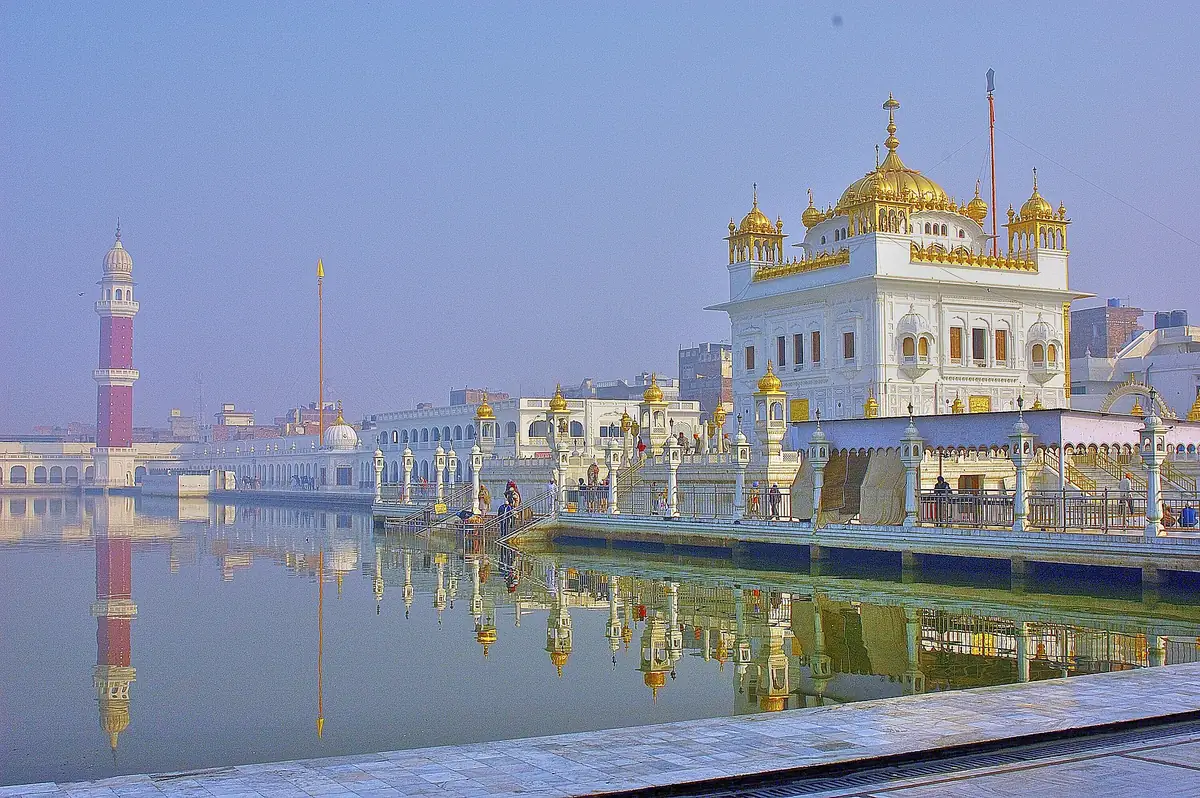
The sacred pool surrounding the gurdwara is the largest of any Sikh shrine, and its scale is genuinely striking in person — a slow walk around its perimeter is a fitting way to take it in.
Historical Significance
The site's historical association with healing and pilgrimage adds another layer to its story, reflecting centuries of devotion beyond its architectural scale.
Where to Stay Near Tarn Taran
Day trip from Amritsar is the norm — Tarn Taran has limited dedicated tourist accommodation.
- → Gurdwara guesthouse (sarai)
- → Donation-based accommodation
- → Community dining (langar) included
- → Local guesthouses in town
- → Basic hotels near the station
- → Base yourself in Amritsar
- → Return same day after visiting
Suggested Visit Plan (Half Day)
Drive & Darshan
- ✓Drive from Amritsar (~40 minutes)
- ✓Darshan at Sri Darbar Sahib Tarn Taran
- ✓Walk the sarovar perimeter
Return or Continue
- ✓Langar if timing allows
- ✓Return to Amritsar for the afternoon
- ✓Or continue onward within Punjab
Where to Eat in Tarn Taran
- Langar at the gurdwara: A free community meal, open to all visitors — a meaningful part of a gurdwara visit.
- Local dhabas: Simple Punjabi meals in the town centre.
- Amritsar: The far larger food scene back in Amritsar is easy to enjoy on either end of the trip.
Budget Breakdown
| Expense | Budget | Mid-Range | Comfort |
|---|---|---|---|
| Car hire from Amritsar (round trip) | ₹1,200 | ₹2,000 | ₹3,000 |
| Food/day | Free (langar) | ₹400 | ₹900 |
| Local transport | ₹100 | ₹300 | ₹600 |
| Entry fees | Free | Free | Free |
* Entry to the gurdwara is free; car hire from Amritsar is the main cost for a half-day trip.
Essential Tips for Visiting Tarn Taran
- Cover your head: Required at the gurdwara, as at any Sikh shrine.
- Remove footwear: Footwear counters are available at the entrance.
- Combine with the Golden Temple: The contrast in scale between the two sarovars makes for a memorable pairing.
- Visit with the same respect as any major gurdwara: Tarn Taran deserves the same reverence as more famous Sikh shrines.
✅ Do
- →Cover your head and remove footwear
- →Walk the full perimeter of the sarovar
- →Combine with a Golden Temple visit
- →Try the langar if timing allows
- →Dress modestly throughout the visit
- →Ask staff about photography rules near the sanctum
❌ Don't
- →Skip head covering or footwear removal
- →Expect Golden Temple-level crowds or infrastructure
- →Rush the visit — take time by the sarovar
- →Forget it's a short, easy add-on from Amritsar
- →Wear leather items into the gurdwara premises
- →Overlook the site's historical healing associations
Frequently Asked Questions
Why is Tarn Taran's sarovar notable?
Sri Darbar Sahib Tarn Taran has the largest sarovar (sacred pool) of any Sikh gurdwara — larger even than the Golden Temple's sarovar in nearby Amritsar, a genuinely distinctive claim to fame.
How far is Tarn Taran from Amritsar?
It's a short drive, roughly 25 km, making it easy to combine with an Amritsar-based Punjab trip.
Is Tarn Taran Sahib a day trip?
Yes — most visitors treat it as a half-day addition to an Amritsar itinerary rather than an overnight destination.
What is the historical significance of the site?
The gurdwara was founded by Guru Arjan Dev, and historically the site was also known as a place of healing and pilgrimage, with historical accounts associating it with people seeking relief from various ailments in earlier centuries.
What is the visiting etiquette?
The same as any gurdwara: cover your head, remove footwear before entering, and dress modestly. Photography rules can vary near the sanctum, so follow local signage and staff guidance.
Published by the Kudozz Club editorial team · Last updated · How we research our guides
Want us to plan this trip for you?
Tell Kudozz Club where you want to go and what kind of trip you’re looking for. We’ll build a Tarn Taran Sahib and Punjab itinerary around your dates and budget.
Continue Exploring
View all guides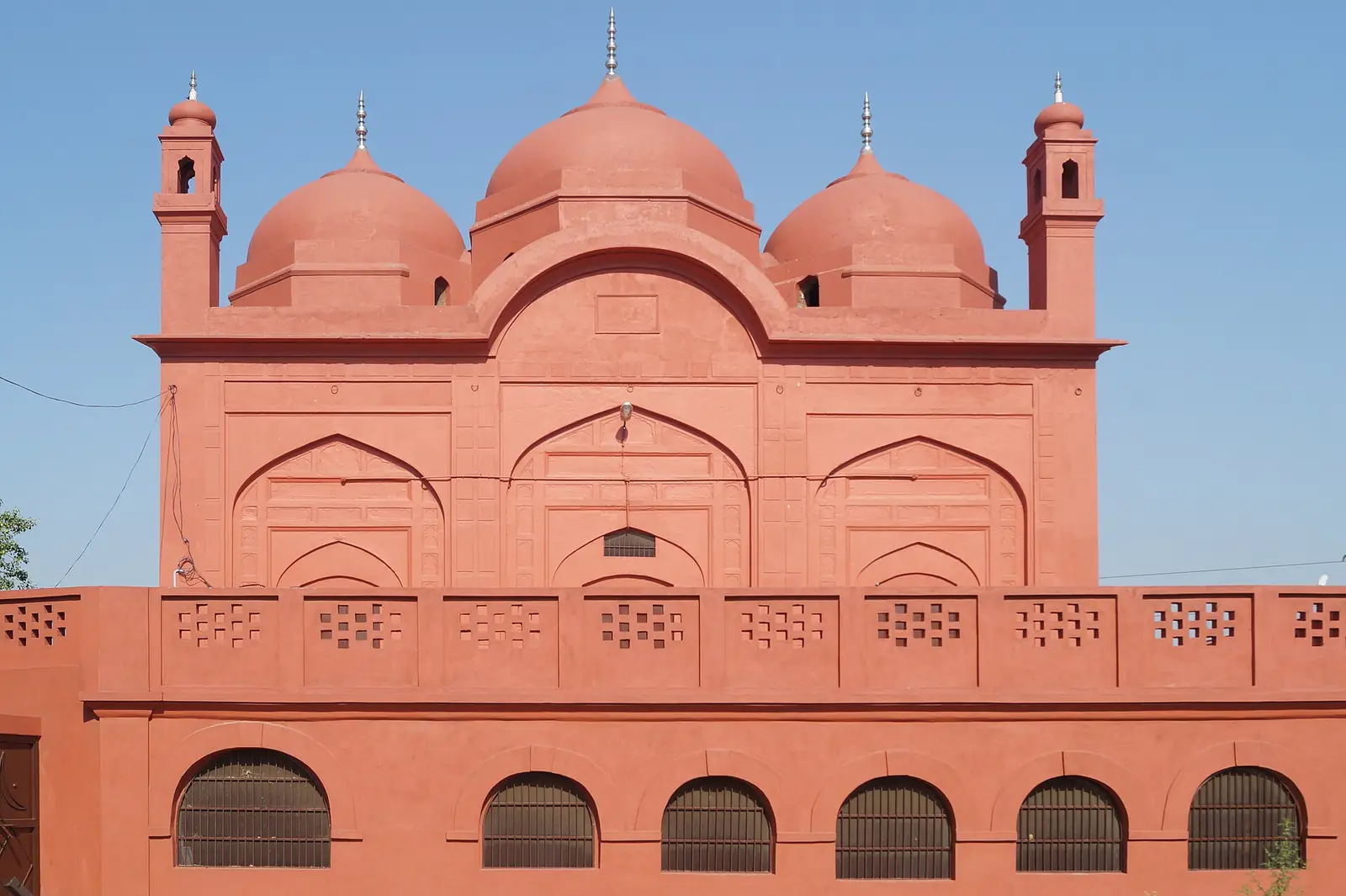 Heritage
Fatehgarh Sahib Guide: History & Tips
One of the most solemn sites in Sikh history, marking the martyrdom of Guru Gobind Singh's two youngest sons — the complete Fatehgarh Sahib guide.
 Heritage
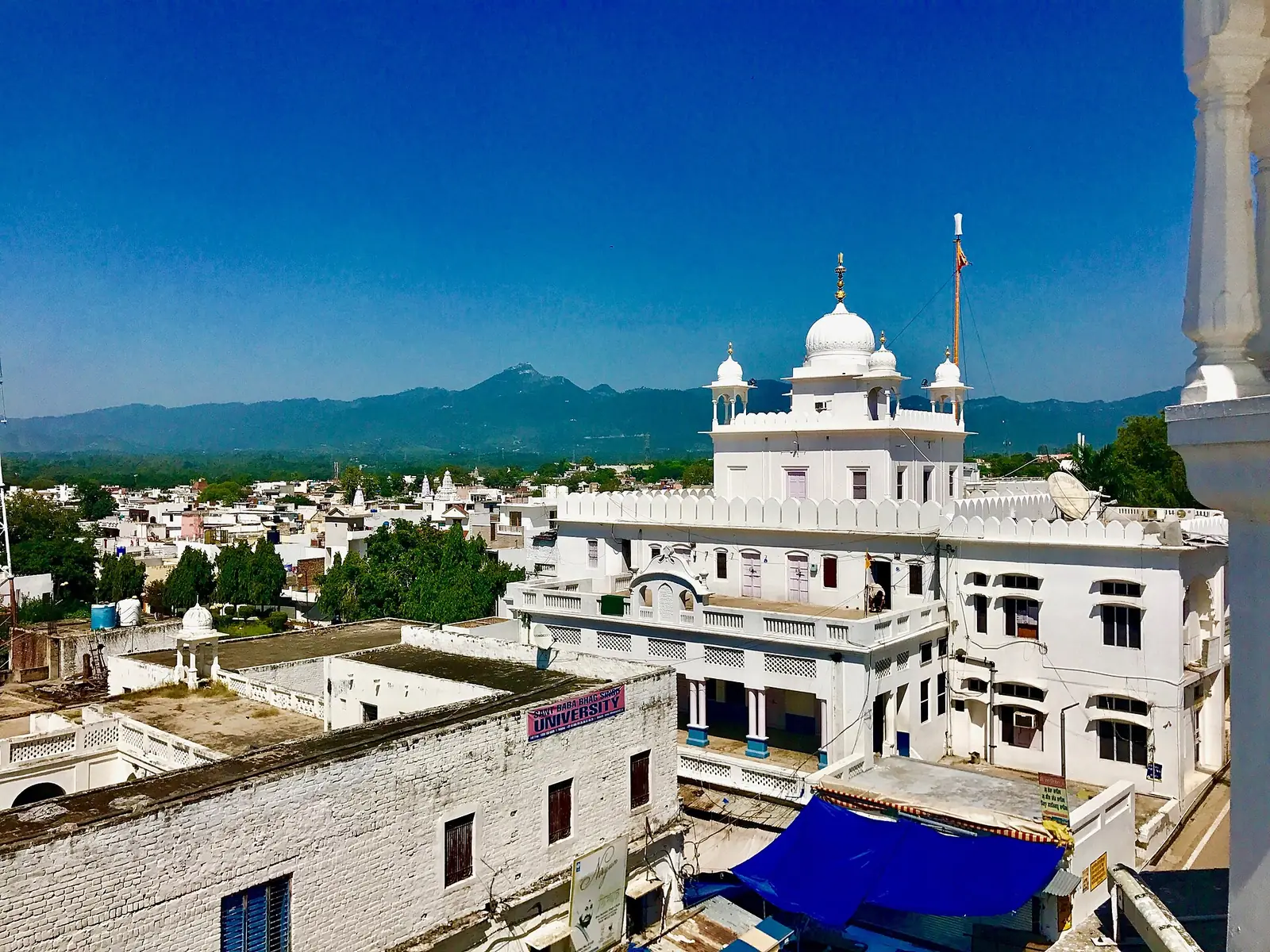
Anandpur Sahib Guide: Birthplace of the Khalsa
The Shivalik foothills town where Guru Gobind Singh founded the Khalsa in 1699 — one of the five Takhts of Sikhism, and the complete guide to visiting it.
 Heritage
Bathinda Travel Guide: Qila Mubarak & History
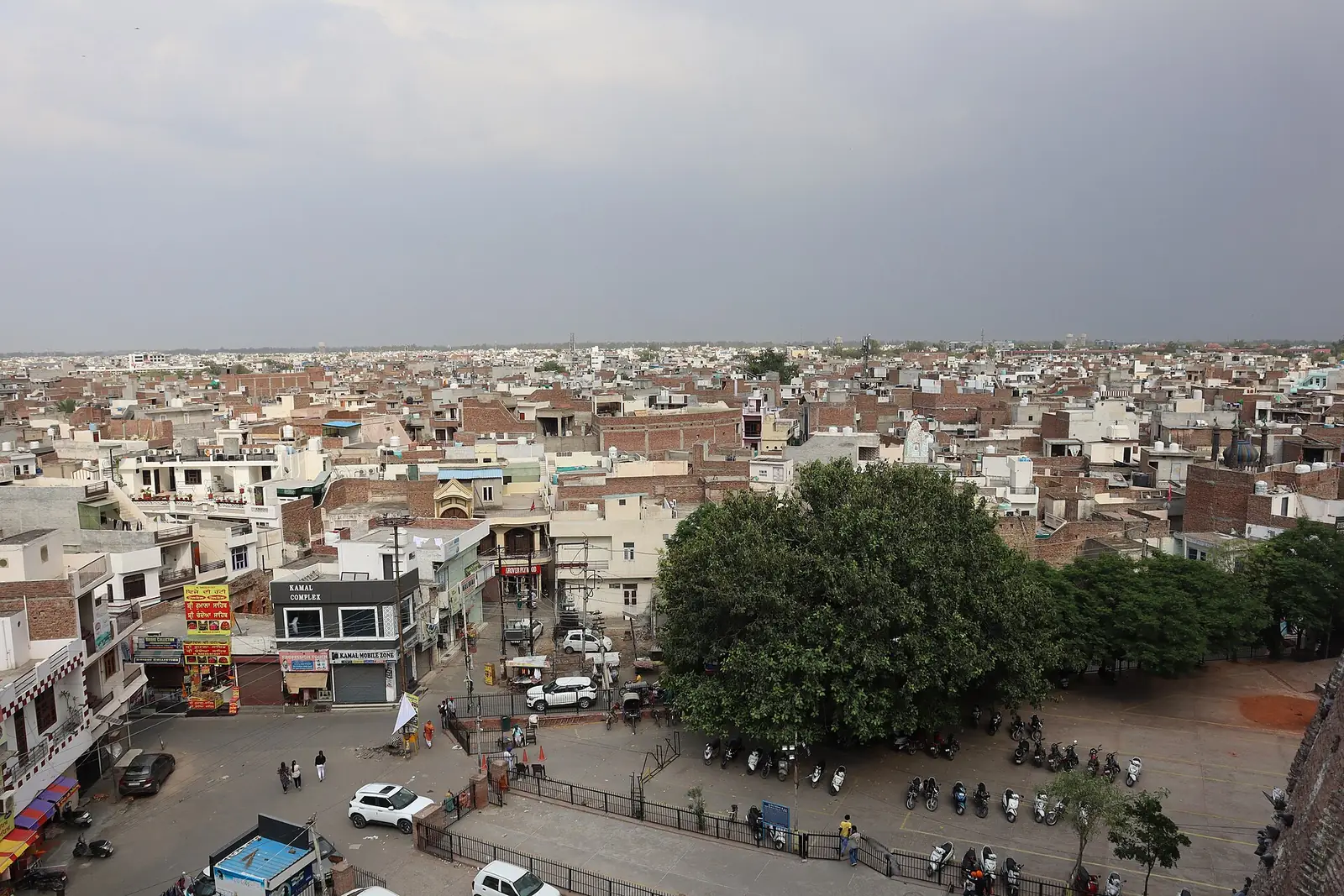
An ancient fort linked to Razia Sultana, the only woman to rule the Delhi Sultanate — the honest guide to one of Punjab's oldest, least-touristed cities.
 Heritage
Patiala Travel Guide: Qila Mubarak & Tips
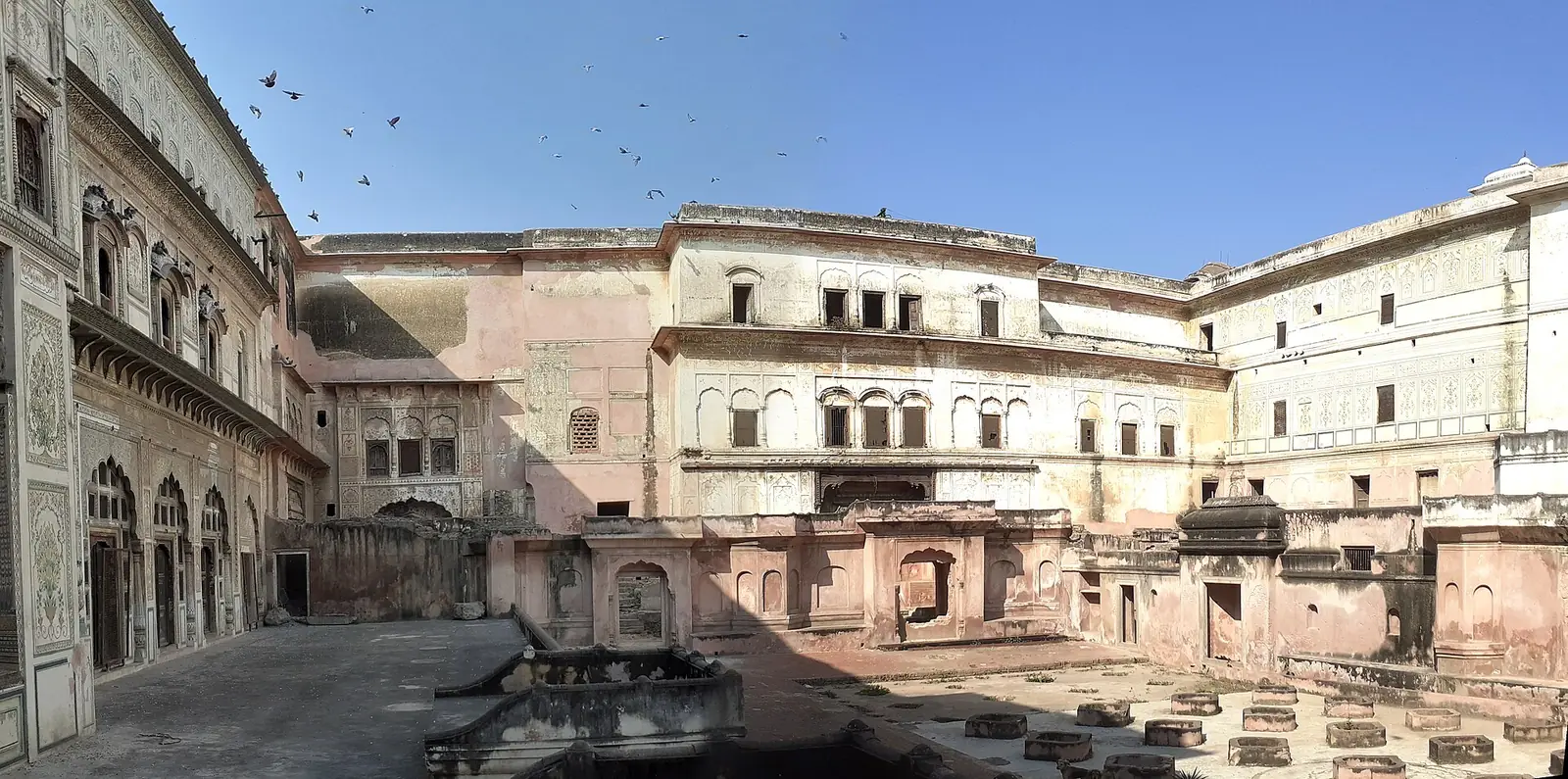
A royal fort that gave India two lasting cultural exports — the Patiala peg and the Patiala salwar — the complete guide to Punjab's former princely capital.