Sikhism's Holiest Shrine
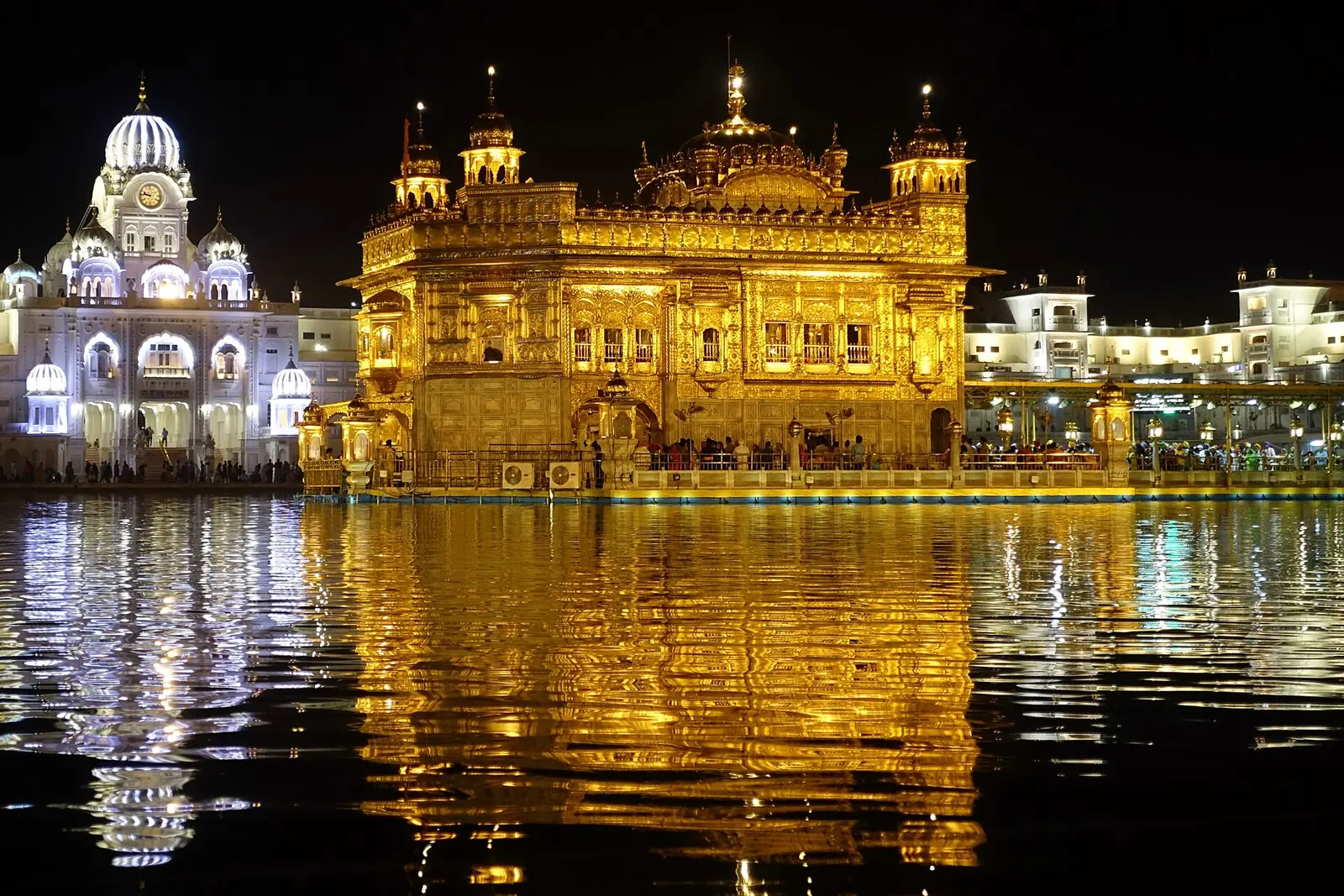
The Golden Temple (Sri Harmandir Sahib), in the heart of Amritsar, is the holiest Gurdwara in Sikhism. Its upper floors are plated in gold — an addition made in the early 19th century under Maharaja Ranjit Singh — giving the temple its famous shimmering appearance, especially striking when reflected in the surrounding Amrit Sarovar, the sacred "pool of nectar" that gives Amritsar its name.
One of the temple's most remarkable features is its langar — a free community kitchen serving simple, wholesome meals to every visitor regardless of religion, caste, or background, running continuously and feeding tens of thousands of people daily. It's among the largest free community kitchens in the world, and genuinely one of the most moving things a visitor can experience here — not a footnote, but a core part of what makes a visit unforgettable.
The complex is open 24 hours a day. For the wider city around it, see our Amritsar travel guide.
🛕 Golden Temple at a Glance
Planning a pilgrimage? See our guide to Sikh pilgrimage in India.
Best Time to Visit the Golden Temple
Since the complex is open 24 hours, timing here is less about season and more about time of day — and, to a lesser extent, avoiding Punjab's peak summer heat for comfortable travel to and from Amritsar.
Quiet, contemplative, and cool — many devotees come at dawn, and the temple feels genuinely different from its midday crowds.
The temple is beautifully lit and noticeably less crowded — a distinctive advantage of its 24-hour opening that many visitors miss.
The most crowded window, especially on weekends and holidays — still worthwhile, just expect queues.
Comfortable weather for walking the wider city around your temple visits.
Our pick: Early morning or late at night — the temple at its quietest, most contemplative best.
How to Reach the Golden Temple
- Within Amritsar: The temple sits in the heart of the old city, walkable from most old-city accommodation.
- From the airport/railway station: A short auto-rickshaw or taxi ride, typically 15-25 minutes depending on traffic.
The Temple, the Sarovar & the Langar
The Sanctum & Parikrama
Devotees circumambulate the Amrit Sarovar along a marble walkway (the parikrama) before crossing a causeway to the gold-plated sanctum itself, where continuous recitation of Sikh scripture takes place.
Langar — The Free Community Kitchen
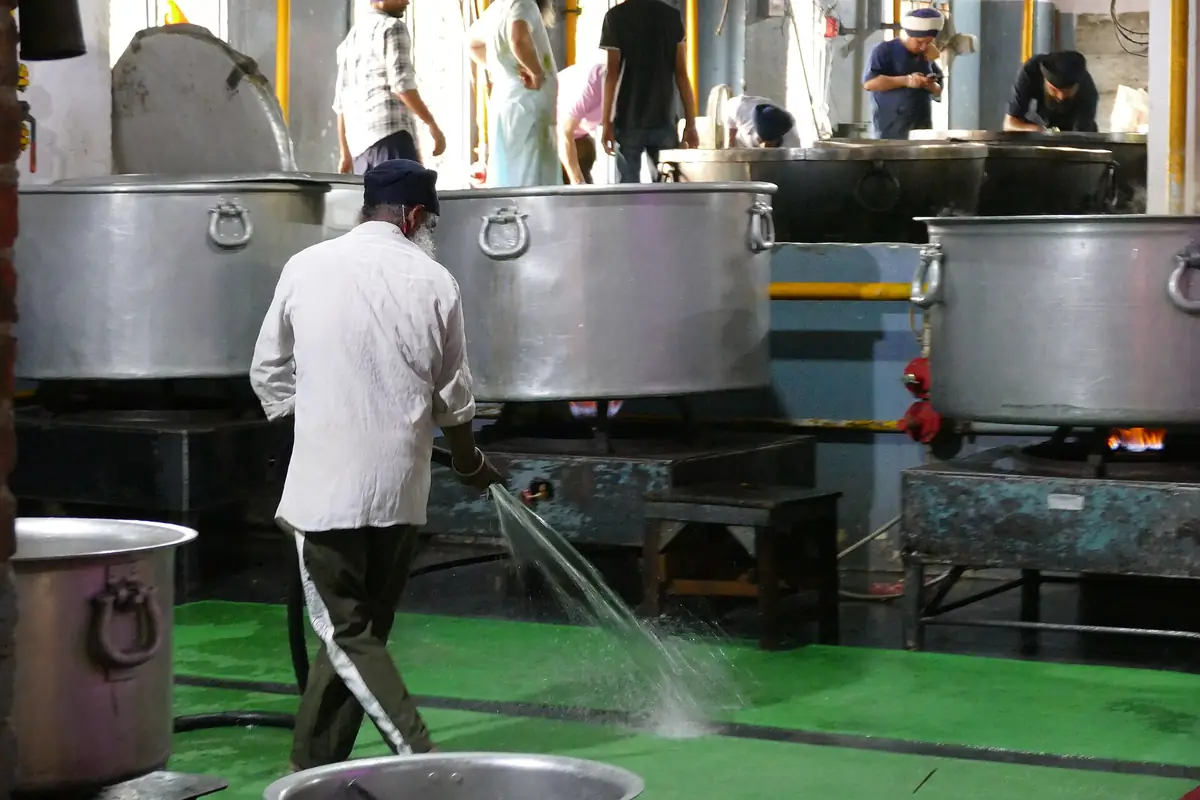
Langar operates continuously, serving simple vegetarian meals to all visitors. Many travelers choose to volunteer (sewa) — helping serve food, wash dishes, or clean the dining hall — a genuinely welcomed and often moving way to participate rather than just observe.
Akal Takht
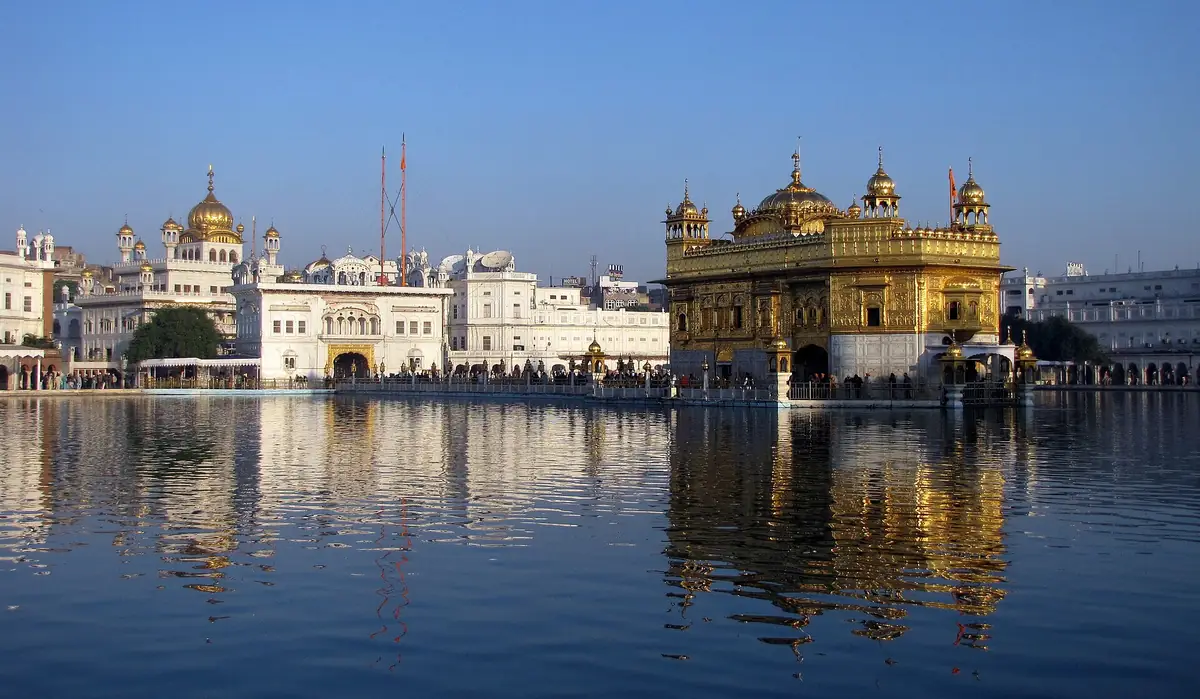
Standing adjacent to the main shrine, the Akal Takht is the seat of Sikh temporal authority — one of the complex's most significant structures beyond the golden sanctum itself.
Central Sikh Museum
Located within the complex, this museum documents Sikh history through paintings and artifacts — a worthwhile stop for context before or after visiting the sanctum.
Where to Stay Near the Golden Temple
In keeping with the Sikh tradition of hospitality, free or low-cost pilgrim accommodation (sarai) is available near the complex, alongside a full range of standard hotels.
- → Free pilgrim lodging (Sarai), temple complex
- → Budget guesthouses, old city
- → Simple hotels near the entrance
- → Boutique hotels overlooking the temple
- → Business hotels, walking distance
- → Heritage-style guesthouses
- → Premium hotels with temple views
- → International chain properties
- → Full-service luxury stays
Suggested Visit Plan
Allow at least half a day — more if you plan to participate in langar sewa.
Early Visit
- ✓Arrive before sunrise for the quietest darshan
- ✓Walk the parikrama around the Amrit Sarovar
- ✓Cross to the sanctum for darshan
Langar & Museum
- ✓Eat at the langar, or volunteer for sewa
- ✓Visit the Central Sikh Museum
- ✓See the Akal Takht
Return After Dark
- ✓Return in the evening for the illuminated temple
- ✓Enjoy the quieter, more contemplative atmosphere
The Langar Experience
- What's served: A simple, wholesome vegetarian meal — typically dal, roti, rice, and a vegetable dish — served to every visitor without distinction.
- How it works: Visitors sit in long rows on the floor and are served by volunteers; you simply join the line and take a seat.
- Volunteering (sewa): Helping serve food, wash dishes, or prepare ingredients is genuinely welcomed and open to all visitors — ask a volunteer how to join in.
Budget Breakdown
| Item | Cost |
|---|---|
| Entry / darshan | Free |
| Langar meal | Free |
| Head covering (if not carrying your own) | Free, provided at entrance |
| Donation (optional) | As you wish |
| Local transport to/from | ₹100–₹300 |
* Entry and all core experiences are free, in keeping with Sikh principles. Donations are welcomed but never required.
Essential Tips & Etiquette
- Cover your head: Required for all visitors — a scarf is provided free at the entrance if you don't have one.
- Remove shoes and wash feet: Required before entering — free shoe storage is available at the entrance.
- Avoid alcohol, tobacco, and meat: Not permitted within the complex, out of respect for its sanctity.
- Follow photography guidance: General photography is fine in most areas, but restrictions apply in certain inner sanctum areas — follow posted signage.
- Visit at an off-peak hour: Early morning or late night for a quieter, more contemplative experience.
✅ Do
- →Cover your head before entering
- →Remove your shoes and wash your feet
- →Try the langar meal, or volunteer for sewa
- →Visit early morning or late at night for fewer crowds
- →Follow the flow of the parikrama respectfully
- →Carry a scarf of your own for convenience
❌ Don't
- →Bring alcohol, tobacco, or meat into the complex
- →Enter without covering your head
- →Photograph in areas where it's restricted
- →Rush through as a quick photo stop
- →Expect to pay for entry, langar, or darshan
- →Wear revealing clothing
Frequently Asked Questions
Do I need to cover my head, and are head coverings provided?
Yes — all visitors, regardless of gender or religion, must cover their head before entering the complex. Scarves are provided free at the entrance if you don't have your own, though carrying a simple scarf is a good idea.
Is entry to the Golden Temple free?
Yes, entry, darshan, and the langar meal are all completely free, in keeping with core Sikh principles. Donations are welcomed but never required or expected.
What is langar, and can visitors help serve it?
Langar is the temple's free community kitchen, serving simple vegetarian meals to all visitors regardless of religion, caste, or background — among the largest free community kitchens in the world, feeding tens of thousands daily. Many visitors choose to volunteer (sewa) in the kitchen or dining hall, and this is genuinely welcomed.
What is the best time of day to visit?
The complex is open 24 hours, and early morning or late night are the quietest, most contemplative times to visit — noticeably less crowded than the daytime, and many say even more beautiful when lit at night.
Is photography allowed inside the Golden Temple?
General photography is allowed in most outer areas, but restrictions apply in certain inner sanctum areas — follow posted signage and staff guidance, and be respectful of the space's sanctity regardless of what's technically permitted.
What should I avoid bringing into the complex?
Alcohol, tobacco, and meat are not permitted within the complex, in line with Sikh principles observed at the shrine. Shoes must be removed and feet washed before entering.
Published by the Kudozz Club editorial team · Last updated · How we research our guides
Want us to plan this trip for you?
Tell Kudozz Club where you want to go and what kind of trip you’re looking for. We’ll build a Golden Temple and Punjab itinerary around your dates and budget.
Continue Exploring
View all guides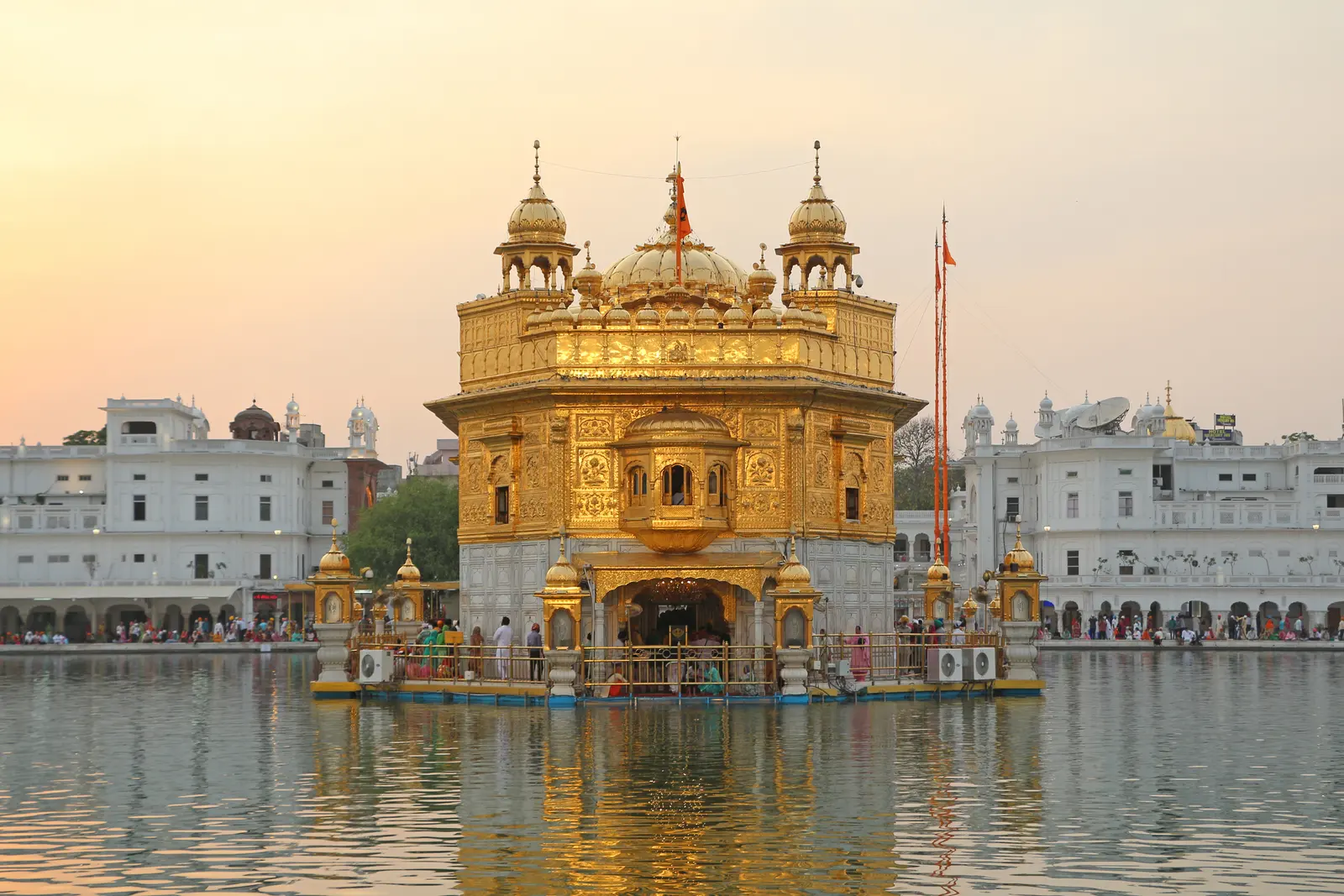 Destination Guide
Punjab Travel Guide: Golden Temple, Amritsar & Wagah Border
A temple that shimmers gold over a sacred pool, a nightly border ceremony full of pageantry, and food that shaped how the rest of India eats — the complete guide to Punjab.
 Destination Guide
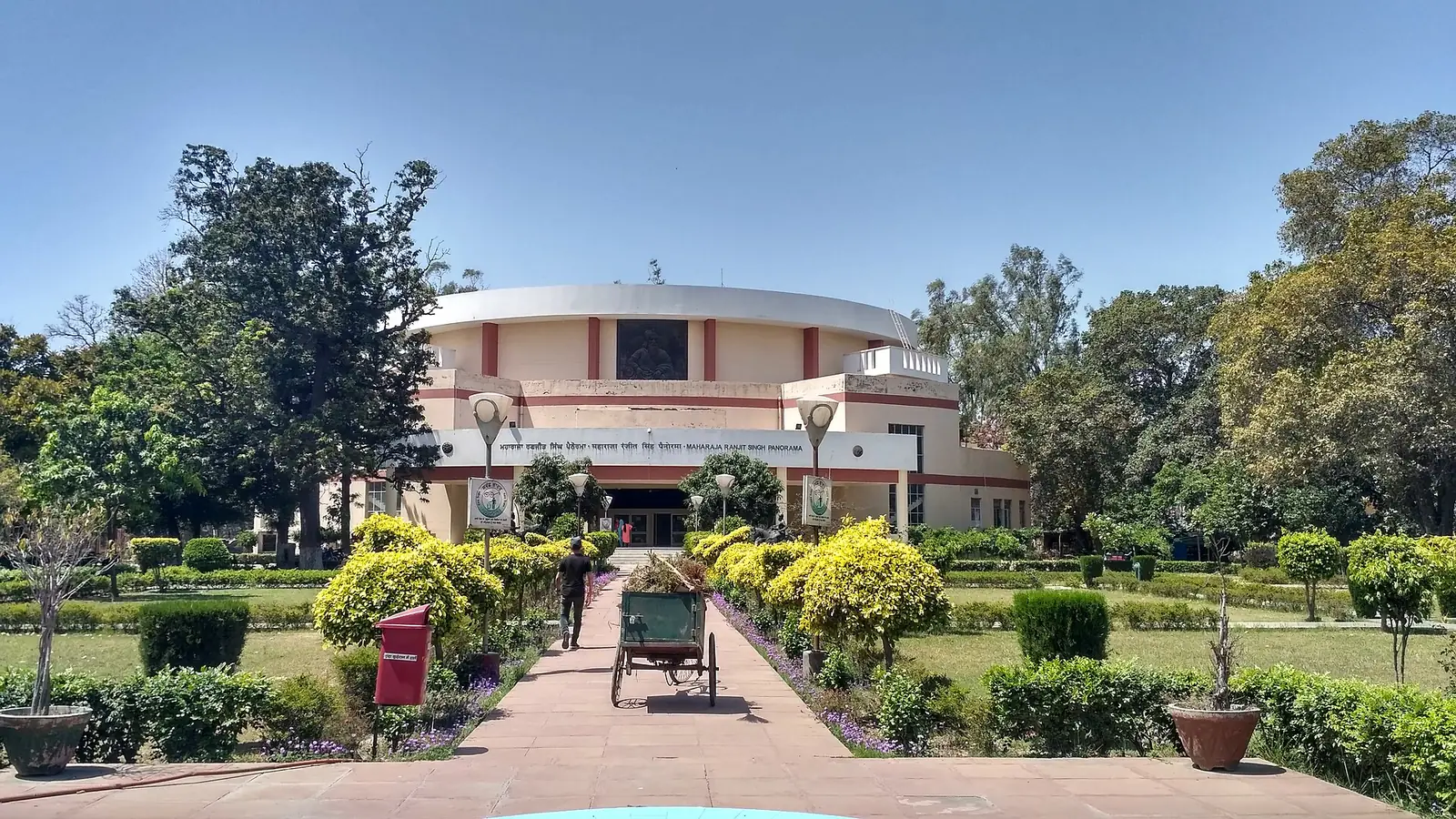
Amritsar Travel Guide: Golden Temple & Food
A shimmering gold shrine, a memorial garden that changed the course of Indian history, and kulchas that draw pilgrims and food lovers alike — the complete Amritsar guide.
 Heritage
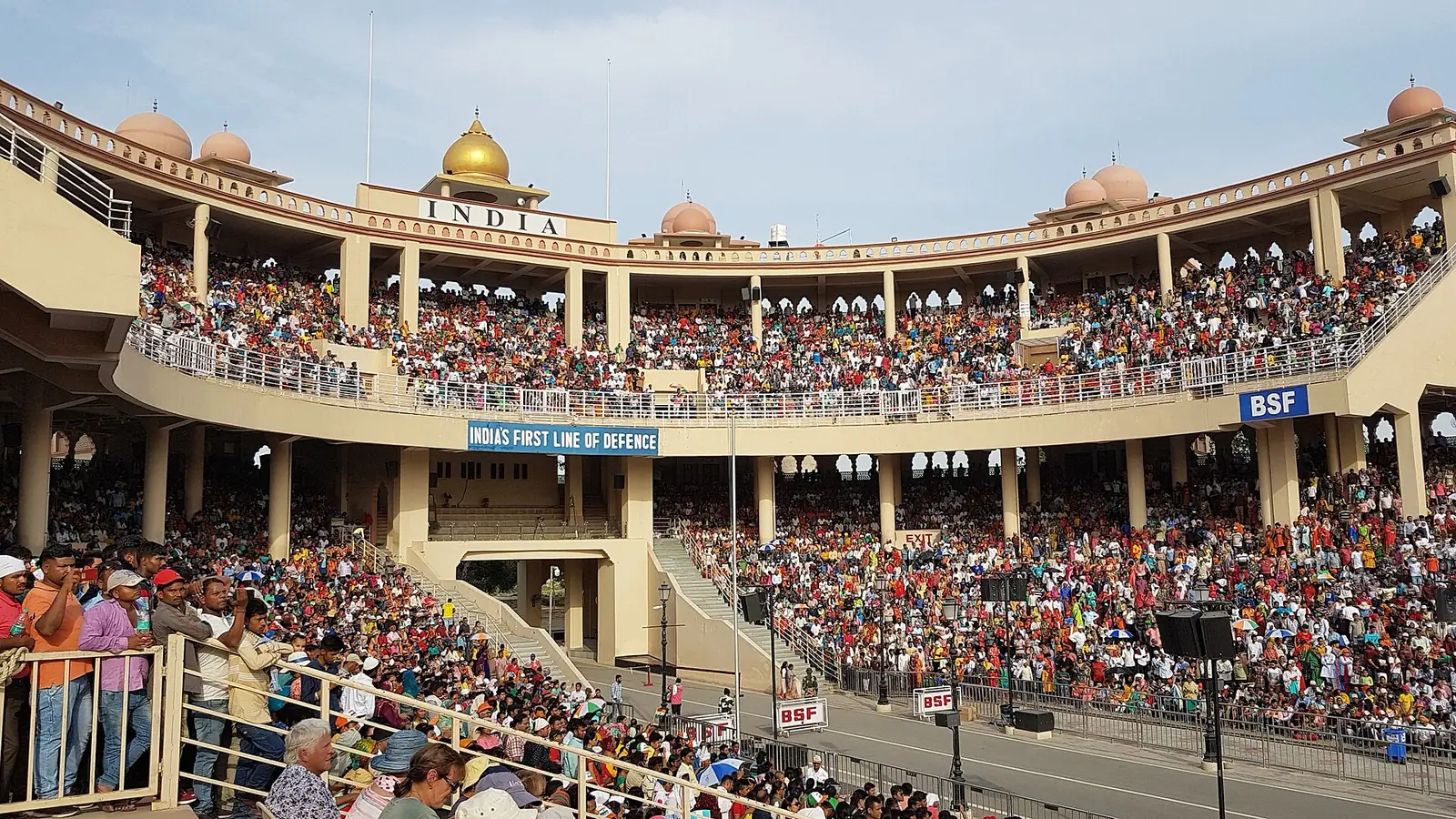
Wagah Border Guide: Beating Retreat Ceremony
High-kicking marches, roaring crowds on both sides of a closed border, and a nightly flag-lowering ceremony unlike anything else in the world — the complete Wagah Border guide.
 Things to Do
Things to Do in Amritsar: The Golden Temple, Wagah Border & Punjabi Food
Things to do in Amritsar: the Golden Temple at dawn and night, the langar, Jallianwala Bagh, the Partition Museum, the Wagah–Attari ceremony, Gobindgarh Fort, Ram Bagh, Durgiana Temple, the heritage street and kulchas, lassi and Amritsari fish.