Why Punjab?
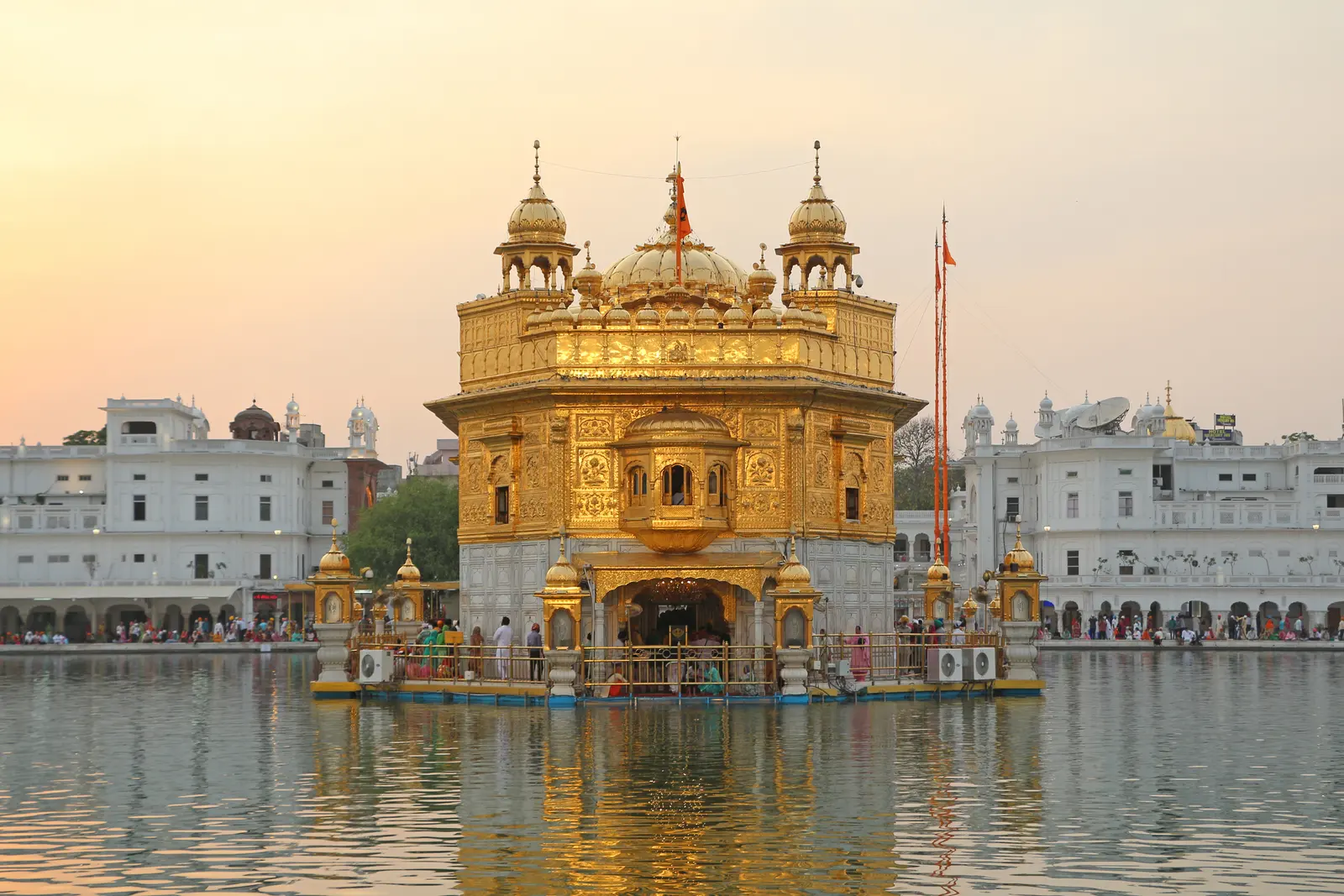
Known as the "Land of Five Rivers," Punjab is home to Sikhism's holiest shrine, the site of one of the darkest chapters of India's colonial history, and a border ceremony that's become one of the country's most theatrical daily spectacles.
At the centre of it all is Amritsar and the Golden Temple — a genuinely moving place to visit regardless of faith, open 24 hours a day and running the world's largest free community kitchen, feeding over 100,000 people daily.
Beyond Amritsar, Punjab rewards travellers with warm, direct hospitality, mustard-yellow fields in winter, and a food culture — tandoori, butter chicken, lassi, sarson da saag — that has quietly become the default idea of "Indian food" for much of the world.
🛕 Punjab at a Glance
Planning a pilgrimage? See our guide to Sikh pilgrimage in India.
Best Time to Visit Punjab
Punjab's plains climate is similar to Delhi's — sharp seasonal extremes that make timing genuinely matter.
Cool, comfortable days (8–25°C) make the Golden Temple's marble parikrama and a Wagah Border evening genuinely pleasant — mustard fields bloom in winter too.
Amritsar regularly crosses 42°C. The Golden Temple's marble gets scorching underfoot — visit only early morning or evening in this window.
Heat breaks noticeably with the monsoon, and Punjab's farmland turns a vivid green — a quieter, less crowded time to visit.
Rural Punjab's fields turn bright yellow with mustard bloom — a good window to combine Amritsar with a countryside detour.
Our pick: November to February — comfortable temperatures, mustard fields in bloom, and the best conditions for both the Golden Temple and an evening at Wagah.
How to Reach Punjab
- By Air: Sri Guru Ram Dass Jee International Airport (ATQ) in Amritsar has direct domestic and international connections, including several flights from the UK, Canada and the Gulf given the sizeable Punjabi diaspora.
- By Rail: Amritsar Junction is well connected to Delhi (~6 hrs) and other major North Indian cities.
- By Road: Amritsar is roughly 6-7 hours from Delhi by road, and about 5 hours from Chandigarh — a common add-on to a North India trip.
Amritsar: The Golden Temple
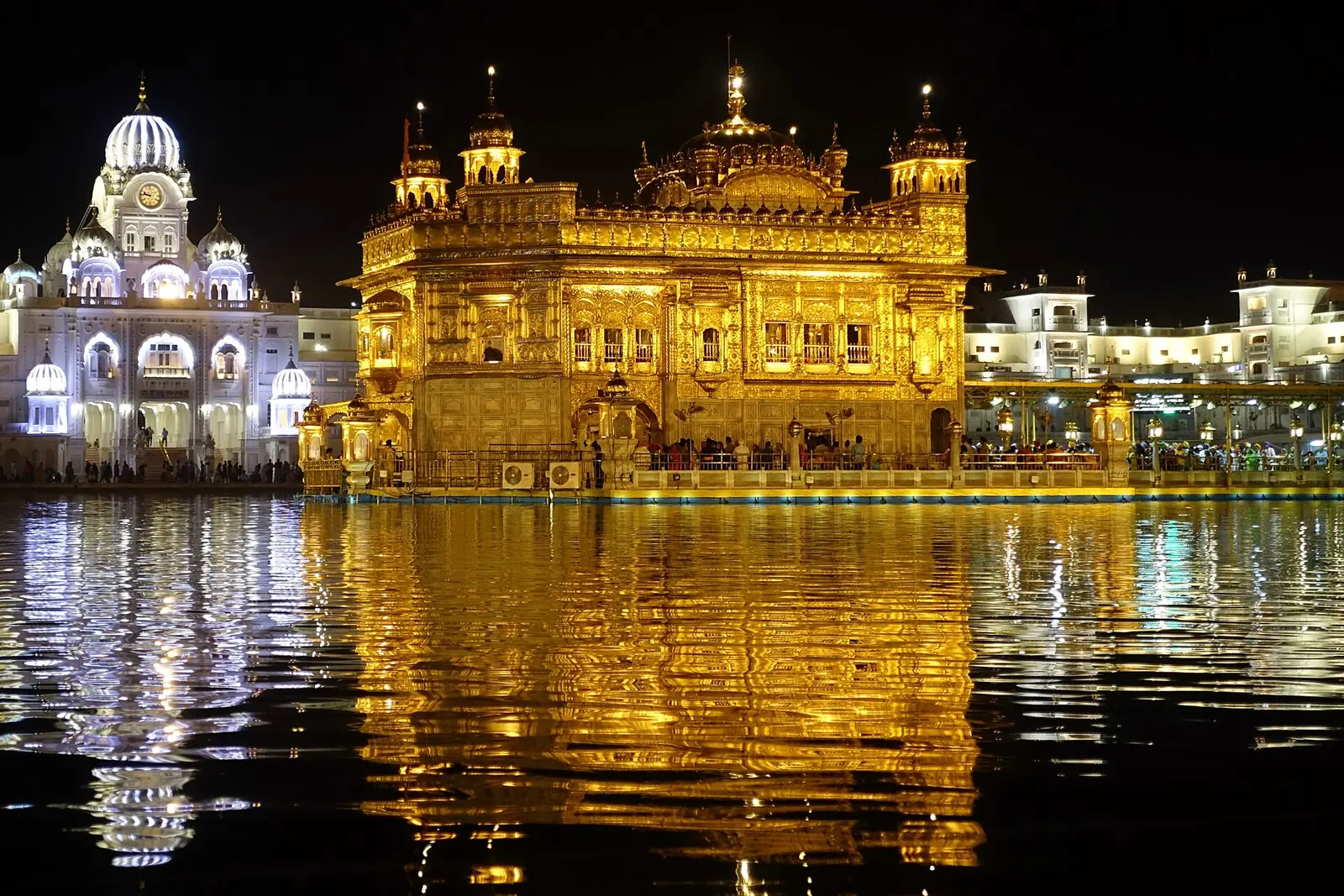
Sikhism's holiest site, the Golden Temple (Sri Harmandir Sahib), sits at the centre of a sacred pool (the Amrit Sarovar) in the heart of Amritsar's old city — open 24 hours and free to all visitors, regardless of religion.
- Golden Temple visit: Best experienced at dawn or late evening, when it's quieter and the lighting on the gold-plated dome is most striking — allow at least 2-3 hours.
- Langar (community kitchen): The temple serves free vegetarian meals to over 100,000 people daily, prepared and served largely by volunteers — participating is a genuinely humbling experience open to everyone.
- Jallianwala Bagh: A short walk from the Golden Temple, the site of the 1919 massacre where British troops fired on an unarmed crowd — now a memorial garden with a museum documenting the event.
- Partition Museum: A moving, well- curated museum documenting the 1947 Partition of India, housed in Amritsar's Town Hall.
- Amritsar's old city bazaars: Narrow lanes around the Golden Temple packed with food stalls, textile shops, and traditional Punjabi juttis (footwear).
The Wagah Border Ceremony
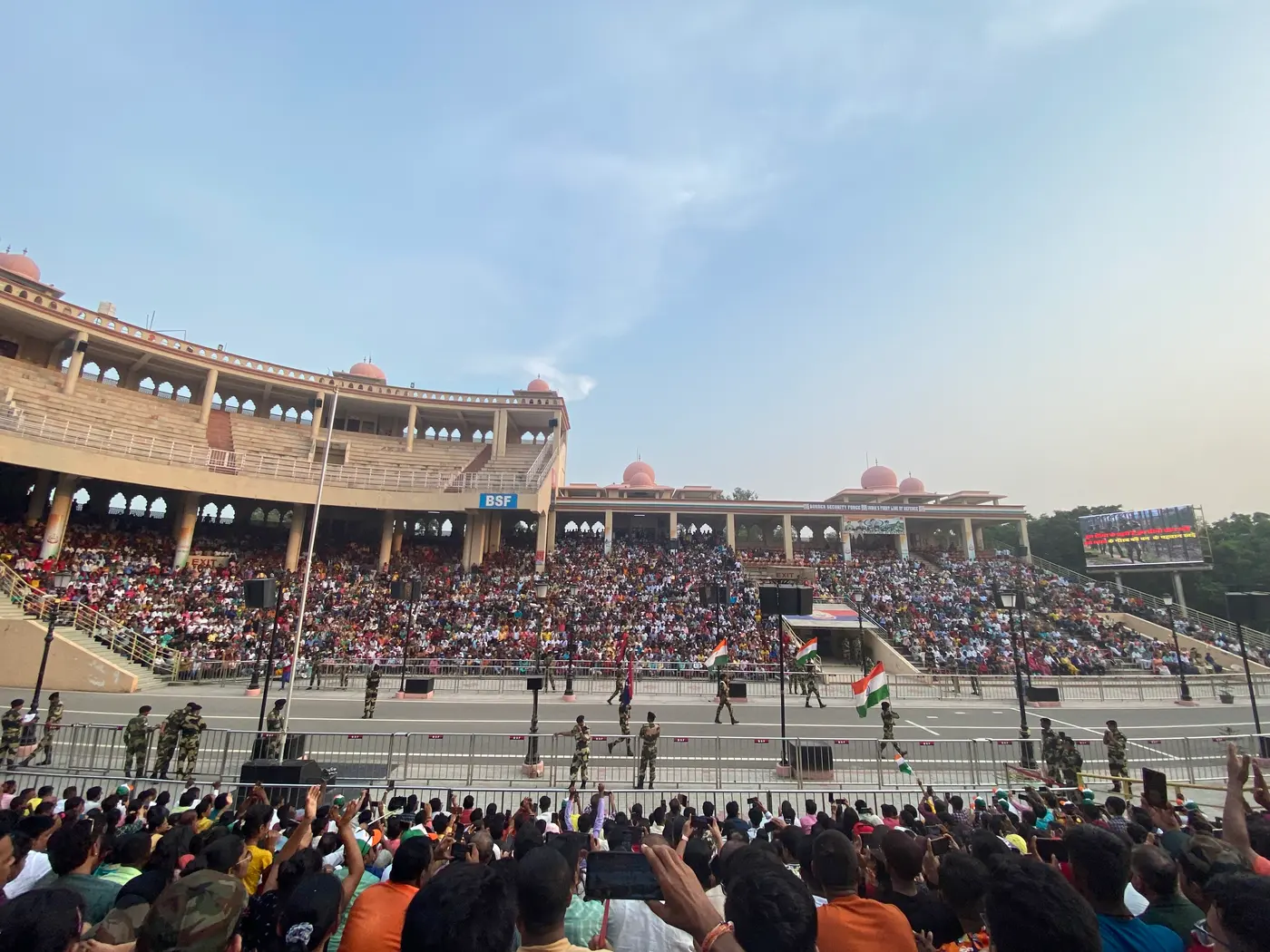
Roughly 28 km from Amritsar, the Wagah Border is one of the few official land crossings between India and Pakistan, and hosts a nightly flag-lowering ceremony that's become one of India's most-watched border spectacles.
- The ceremony: Border guards from both sides perform an elaborate, high-kicking marching routine to a backdrop of patriotic music and chanting crowds — genuinely one of a kind.
- Arrive early: The grandstands fill up fast, especially on weekends — arrive at least 90 minutes before the scheduled start (around sunset) to get a decent seat.
- Security: Expect thorough security checks and restrictions on bags and electronics — travel light for this trip.
Patiala & Anandpur Sahib
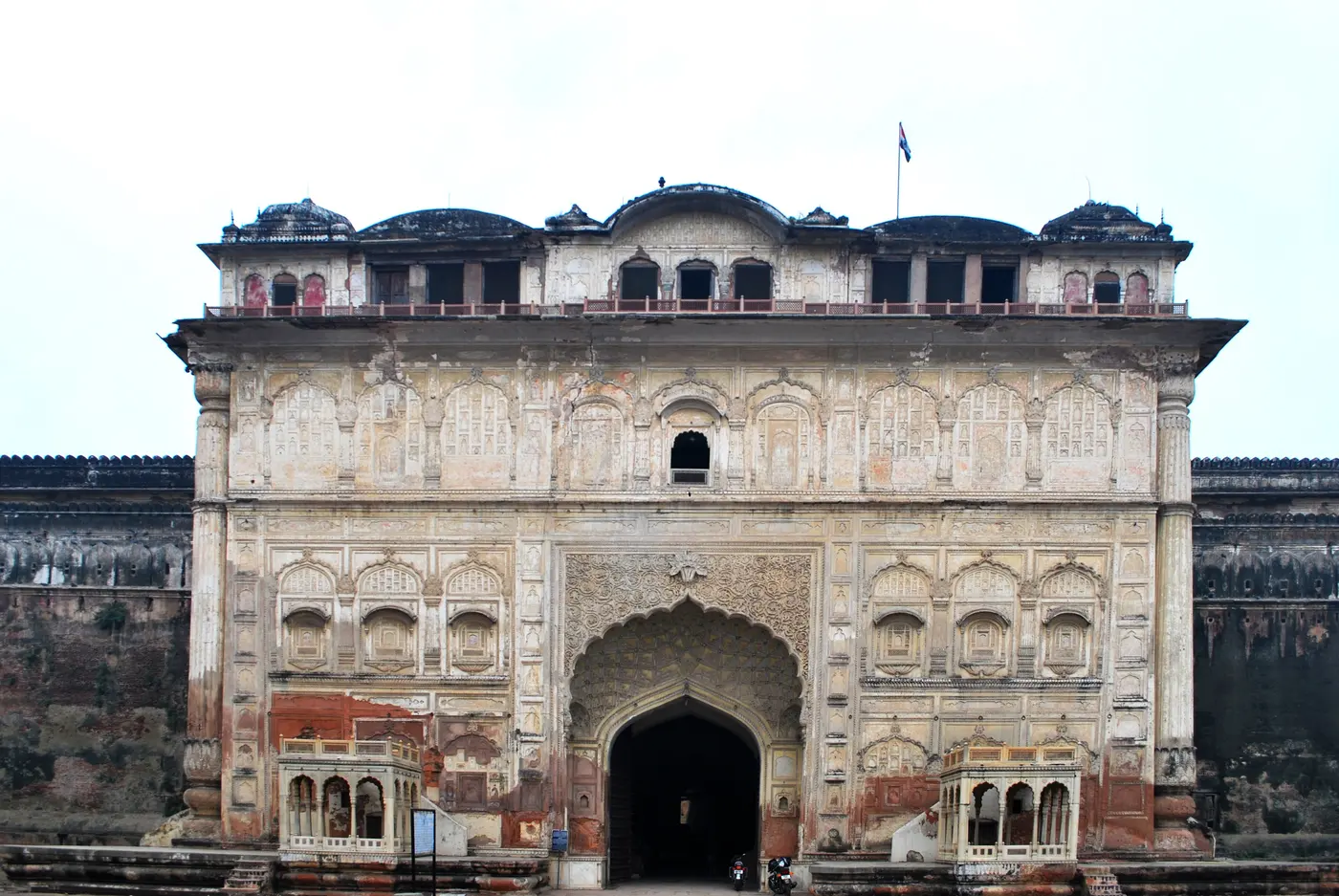
- Patiala: Once a princely state, known for the Qila Mubarak fort complex, the ornate Sheesh Mahal, and its association with the Patiala peg (a generous whisky measure) and traditional Patiala salwar.
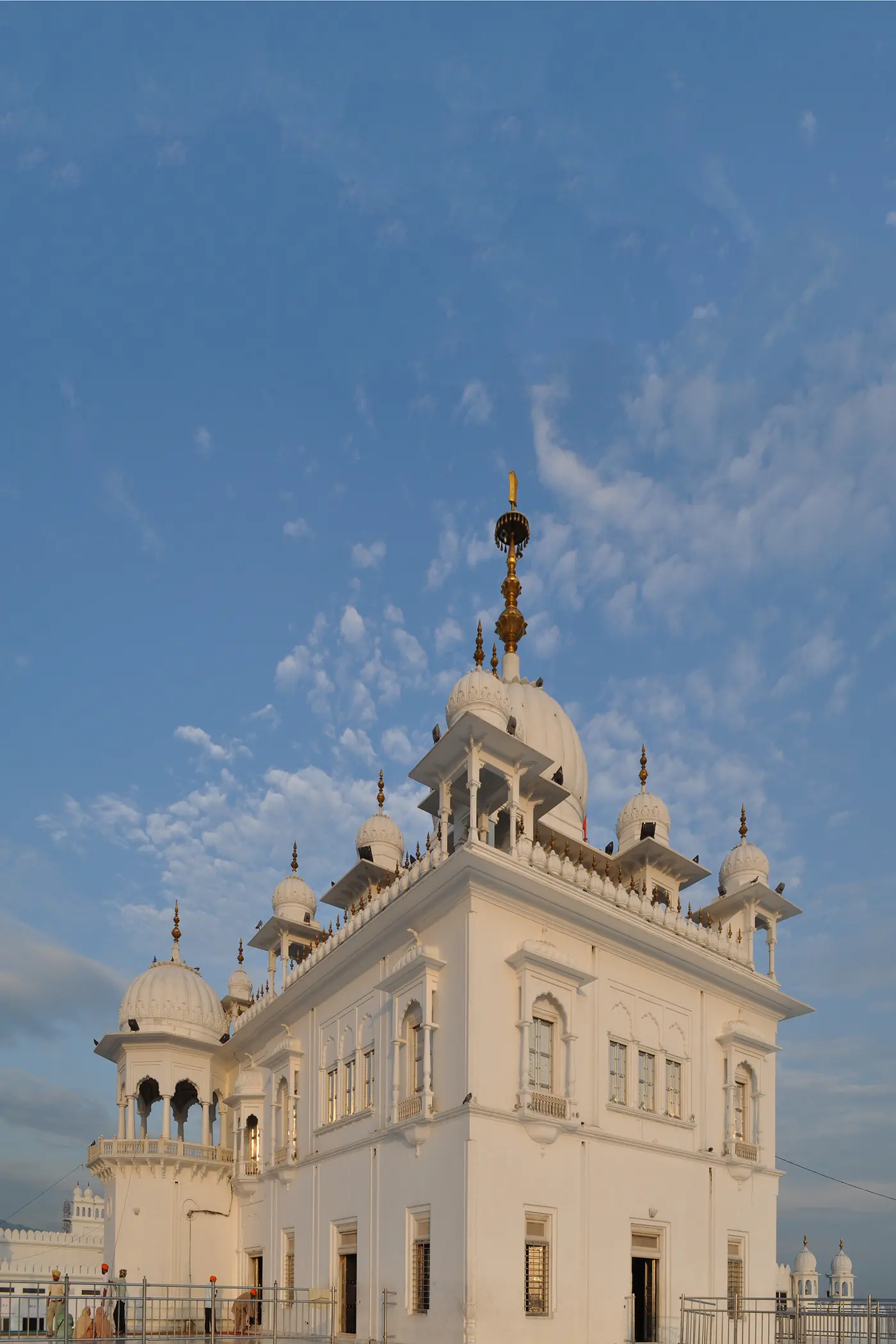
- Anandpur Sahib: One of Sikhism's most sacred sites, birthplace of the Khalsa — home to the striking Virasat-e-Khalsa museum, which documents Sikh history through immersive exhibits.
Rural Punjab & Farm Stays
Punjab's countryside — famously the breadbasket of India — offers a genuinely different side of the state from Amritsar's temple circuit.
- Farm stays: Several working farms near Amritsar and rural Punjab offer overnight stays, tractor rides, and a taste of authentic Punjabi village life.
- Mustard fields: Winter turns much of rural Punjab bright yellow with mustard bloom — a striking, easy day-trip detour from Amritsar.
- Bhangra performances: Traditional Punjabi folk dance, often part of organised farm-stay or cultural evening experiences.
Where to Stay
Amritsar has excellent accommodation across all budgets, with the biggest advantage going to stays within walking distance of the Golden Temple.
- → Golden Temple's own free/donation guesthouses
- → Budget hotels near the Golden Temple
- → Backpacker hostels, Amritsar
- → Hotels within walking distance of the Golden Temple
- → Business hotels, central Amritsar
- → Heritage haveli stays, Patiala
- → Taj Swarna, Amritsar
- → Hyatt Regency Amritsar
- → Premium farm-stay resorts near Amritsar
The Golden Temple complex itself offers simple free or donation-based guesthouse accommodation to all visitors — a genuinely unique option worth considering for at least one night.
What to Eat in Punjab
- Amritsari Kulcha: A stuffed, flaky leavened bread cooked in a tandoor, typically served with chole (spiced chickpeas) — Amritsar's signature dish.
- Langar at the Golden Temple: A simple but memorable dal-roti-sabzi meal, prepared and served by volunteers around the clock — an essential experience regardless of dietary preference.
- Sarson da Saag & Makki di Roti: A classic Punjabi winter dish — mustard greens curry with cornbread, best in the December–February window.
- Lassi: A thick, creamy yoghurt drink, served both sweet and salted — Amritsar's old city has several legendary lassi shops.
- Butter Chicken & Dal Makhani: Both dishes trace their origins to Punjab, and are best tried here in their original form rather than the more familiar restaurant versions found elsewhere.
- Amritsari Fish: Battered and fried freshwater fish, a distinctive Punjabi street food specialty worth seeking out.
3-Day Punjab Itinerary
Three days is a comfortable minimum to properly cover Amritsar and the Wagah Border without rushing.
Golden Temple & Old City
- ✓Arrive, early evening Golden Temple visit
- ✓Participate in langar
- ✓Old city bazaar walk, dinner at a local dhaba
History & Wagah Border
- ✓Morning: Golden Temple at sunrise
- ✓Jallianwala Bagh, Partition Museum
- ✓Evening: Wagah Border ceremony
Countryside or Anandpur Sahib
- ✓Rural Punjab farm-stay day trip, or
- ✓Day trip to Anandpur Sahib and Virasat-e-Khalsa museum
- ✓Departure
Budget Breakdown
| Expense | Budget | Mid-Range | Luxury |
|---|---|---|---|
| Accommodation/night | ₹1,000 | ₹3,800 | ₹12,000 |
| Food/day | ₹400 | ₹1,000 | ₹2,500 |
| Local transport/day | ₹300 | ₹700 | ₹1,800 |
| Activities/day | ₹200 | ₹500 | ₹1,200 |
| Daily total | ₹1,900 | ₹6,000 | ₹17,500 |
| 3-Day trip total | ₹5,700 | ₹18,000 | ₹52,500 |
* Excludes travel to Amritsar. The Golden Temple and langar are entirely free — donations are optional.
Essential Travel Tips for Punjab
- Cover your head at the Golden Temple: Mandatory for all visitors, regardless of religion or gender — carry a scarf or use the ones provided.
- Remove shoes and wash feet before entering: Standard temple etiquette, with designated shoe-storage and foot-washing areas at the entrance.
- No alcohol, tobacco, or non-vegetarian food near the temple: Respect these restrictions within and immediately around the Golden Temple complex.
- Arrive early for Wagah Border: Seats fill up fast, especially on weekends — 90 minutes ahead is a safe buffer.
- Try the langar respectfully: Sit on the floor as directed, eat what's served without waste, and follow the flow of volunteers — it's a genuinely moving experience if approached with respect.
- Carry cash for old-city shopping: Card acceptance is inconsistent in Amritsar's narrow bazaar lanes.
✅ Do
- →Cover your head throughout the Golden Temple complex
- →Visit the Golden Temple at dawn or late evening
- →Participate respectfully in the langar
- →Arrive early for the Wagah Border ceremony
- →Try Amritsari kulcha and lassi in the old city
- →Carry cash for bazaar shopping
❌ Don't
- →Bring alcohol, tobacco, or non-veg food near the temple
- →Skip a head covering inside the Golden Temple complex
- →Arrive at Wagah Border right before the ceremony starts
- →Rush the marble parikrama barefoot at midday in summer
- →Waste food at the langar
- →Rely on cards in Amritsar's old city bazaars
Places to Explore in Punjab
Every Punjab guide on Kudozz Club, in one place — 14 destinations covered so far, from cities and towns to individual attractions. Use this index to plan beyond the highlights above.
Frequently Asked Questions
How many days do I need for a Punjab trip?
Three days is a comfortable minimum to properly cover Amritsar and the Wagah Border without rushing, as outlined in our suggested itinerary. Add an extra day or two if you want to include Patiala, Anandpur Sahib, or a rural farm-stay detour.
What is the best time to visit Punjab?
November to February is the best window — cool, comfortable temperatures (8–25°C), mustard fields in bloom, and the most pleasant conditions for both the Golden Temple's marble parikrama and an evening at Wagah. April to June brings extreme heat, often crossing 42°C in Amritsar.
How do I reach Amritsar from Delhi?
Amritsar is roughly 6-7 hours from Delhi by road, or about 6 hours by rail via Amritsar Junction. Sri Guru Ram Dass Jee International Airport (ATQ) in Amritsar also has direct domestic connections, so flying in is the fastest option if you're short on time.
Is the Golden Temple free to visit?
Yes. The Golden Temple is open 24 hours and free to all visitors regardless of religion, and its langar (community kitchen) serves free vegetarian meals to over 100,000 people daily — donations are entirely optional.
What time should I arrive for the Wagah Border ceremony?
Arrive at least 90 minutes before the scheduled start (around sunset) — the grandstands fill up fast, especially on weekends. Expect thorough security checks and restrictions on bags and electronics, so travel light.
What is the budget for a Punjab trip?
A budget traveller can expect a daily total of around ₹1,900, a mid-range trip around ₹6,000/day, and a luxury trip around ₹17,500/day, covering accommodation, food, local transport, and activities — excluding travel to Amritsar itself.
Is Punjab worth visiting?
Yes — the Golden Temple's Amrit Sarovar, the nightly theatre of the Wagah Border ceremony, and a food culture that shaped how much of India eats (butter chicken, dal makhani, Amritsari kulcha) make Punjab a genuinely rewarding trip beyond its temple circuit.
Published by the Kudozz Club editorial team · Last updated · How we research our guides
Want us to plan this trip for you?
Tell Kudozz Club where you want to go and what kind of trip you’re looking for. We’ll build a Punjab itinerary around your dates and budget.
Continue Exploring
View all guides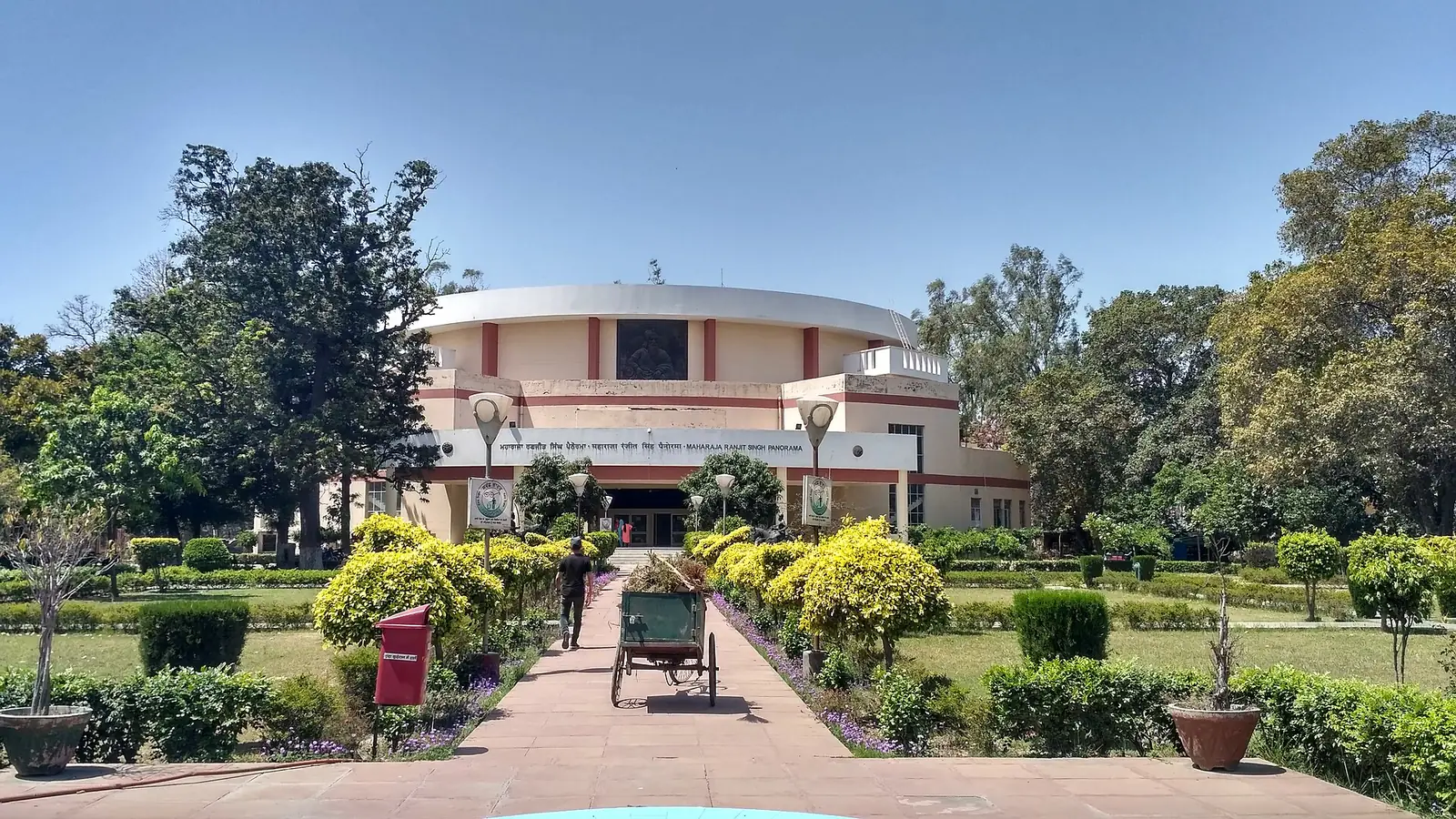 Destination Guide
Amritsar Travel Guide: Golden Temple & Food
A shimmering gold shrine, a memorial garden that changed the course of Indian history, and kulchas that draw pilgrims and food lovers alike — the complete Amritsar guide.
 Heritage
Golden Temple Guide: Timings, Langar & Tips
Sikhism's holiest shrine, a free kitchen feeding tens of thousands daily regardless of faith, and a sarovar that gives Amritsar its name — the complete Golden Temple guide.
 Spiritual Tourism
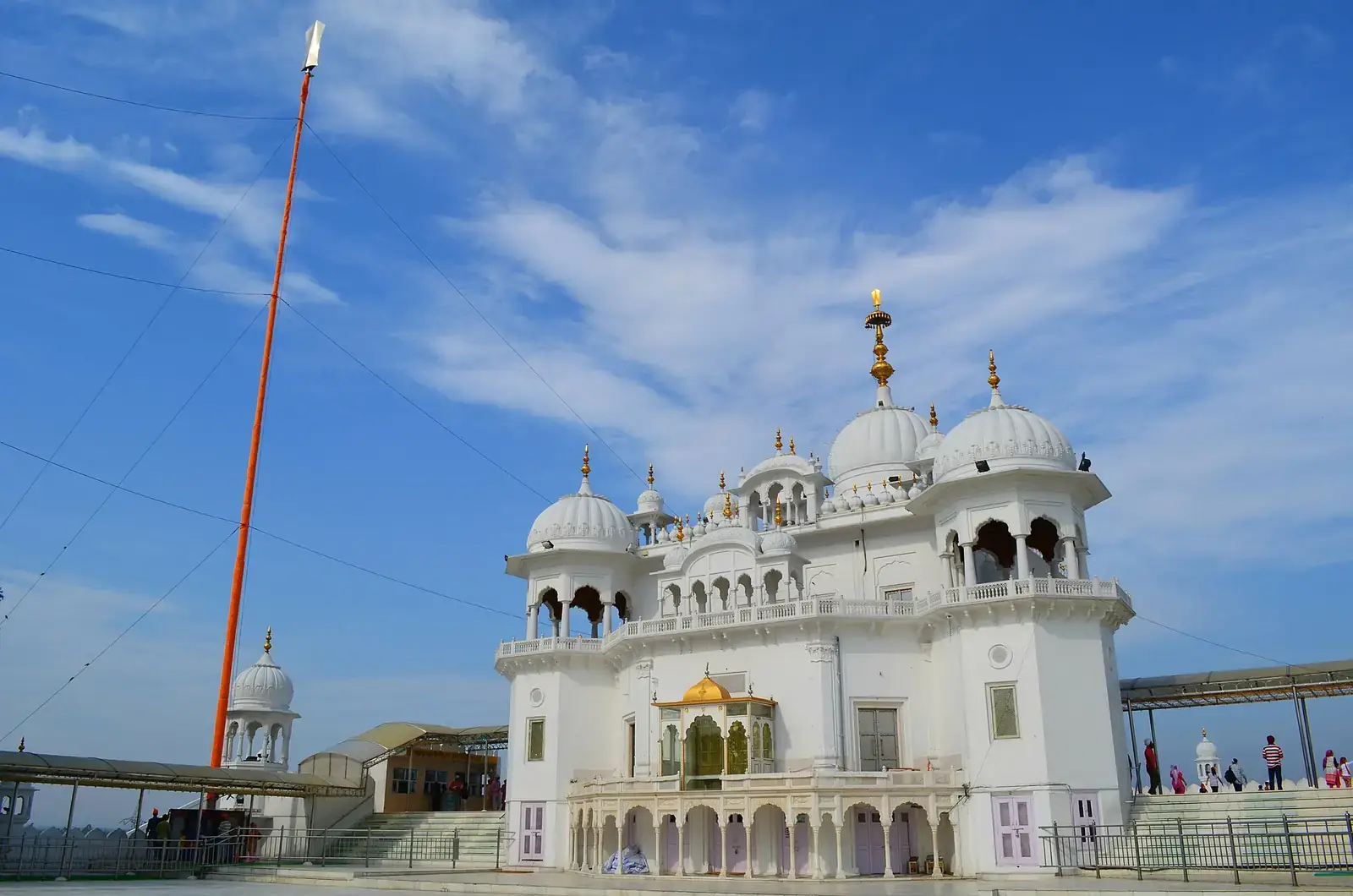
Sikh Pilgrimage in India: Historic Gurdwaras and Takhts
A guide to Sikh pilgrimage and heritage in India: the Golden Temple and Amritsar's gurdwaras, the Panj Takht, Anandpur Sahib, Fatehgarh Sahib, Sultanpur Lodhi and the Kartarpur corridor, Delhi's historic gurdwaras, Hemkund Sahib, gurdwara etiquette, langar, festivals and suggested routes.
Things to DoThings to Do in Amritsar: The Golden Temple, Wagah Border & Punjabi Food
Things to do in Amritsar: the Golden Temple at dawn and night, the langar, Jallianwala Bagh, the Partition Museum, the Wagah–Attari ceremony, Gobindgarh Fort, Ram Bagh, Durgiana Temple, the heritage street and kulchas, lassi and Amritsari fish.