Punjab's Blackbuck Country
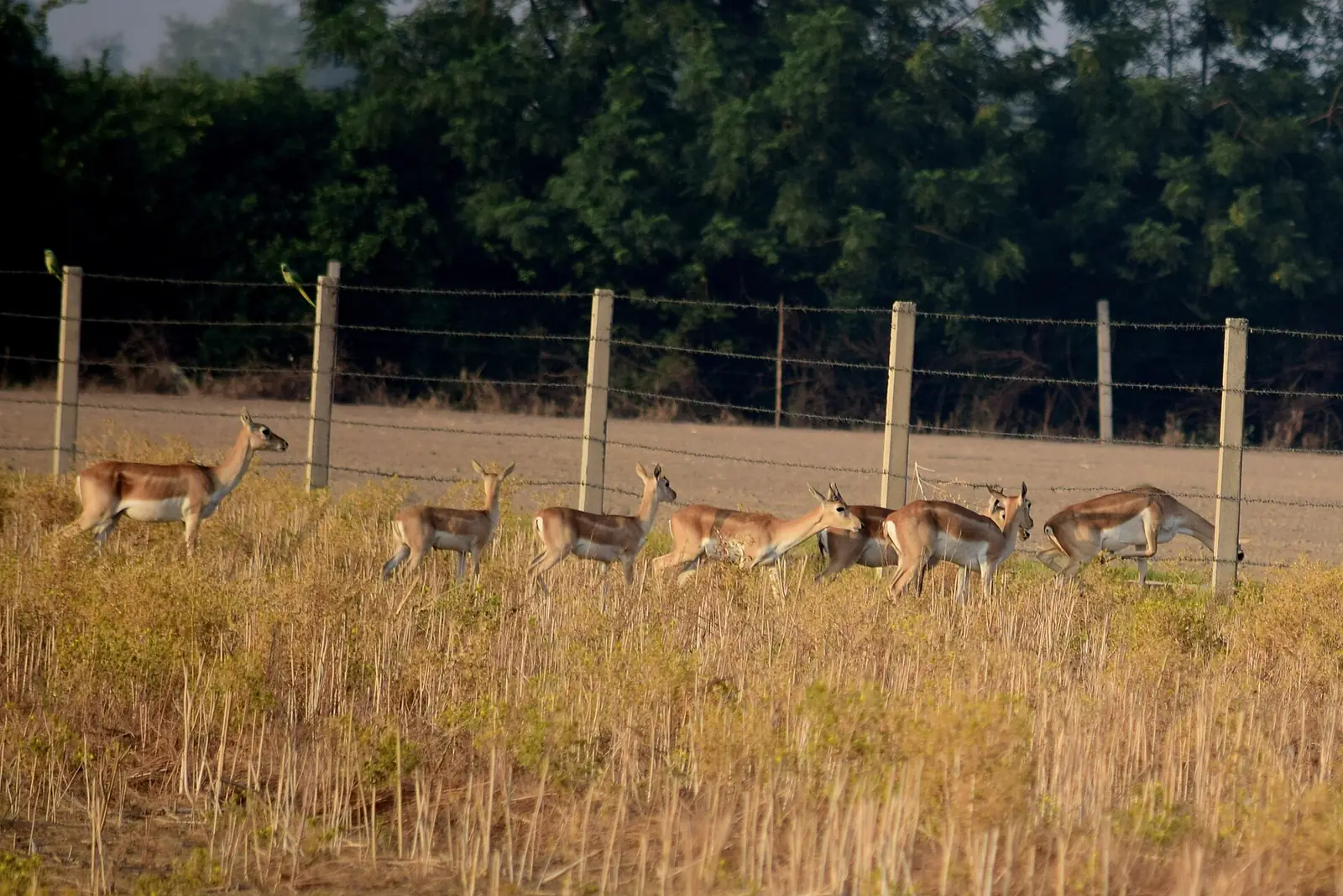
Abohar, in Fazilka district near the Rajasthan border, is home to the Abohar Wildlife Sanctuary — notable for one of the highest blackbuck population densities found anywhere in India outside a dedicated deer park. It's a genuinely distinctive wildlife claim to fame for a Punjab destination, a state rarely associated with wildlife tourism.
That makes Abohar a somewhat under-the-radar stop, rarely featured on standard Punjab itineraries built around Amritsar and the Golden Temple. It appeals specifically to travelers interested in wildlife who want something genuinely different.
The surrounding economy is heavily agricultural, and kinnow — a mandarin-orange hybrid citrus fruit — is a major local crop. Abohar and the wider Fazilka district are among India's leading kinnow-growing areas, adding a distinctive local flavor (literally) to a visit.
🦌 Abohar at a Glance
Best Time to Visit Abohar
Punjab's extreme summer heat and the sanctuary's open grassland terrain both make timing matter for a comfortable, rewarding visit.
Comfortable temperatures and good daylight wildlife activity make this the most rewarding window for blackbuck sightings.
Punjab's plains get genuinely brutal in this window, with little shade across the sanctuary's open grassland.
The grassland turns lush green, but rain can make tracks difficult and reduce visibility for wildlife spotting.
Local kinnow orchards are at their most productive, a good window to combine the sanctuary with an orchard stop.
Our pick: October to March — comfortable weather for early-morning wildlife viewing, with December-January adding the bonus of kinnow harvest season.
How to Reach Abohar
Abohar sits in Fazilka district near the Rajasthan border, some distance from Punjab's main Amritsar-Chandigarh tourist circuit — plan it as a standalone side trip rather than an easy add-on.
- By road: The most practical way in, connected to other Punjab cities and to nearby Rajasthan border towns by regular road links.
- By rail: Abohar has its own railway station with connections to major Punjab and North Indian cities.
Sanctuary & Kinnow Orchards
Abohar Wildlife Sanctuary
The sanctuary's claim to fame is its blackbuck density — among the highest found anywhere in India outside a dedicated deer park. Early mornings offer the best chance of good sightings, with the antelope active across the open grassland before the day heats up.
Kinnow Orchards
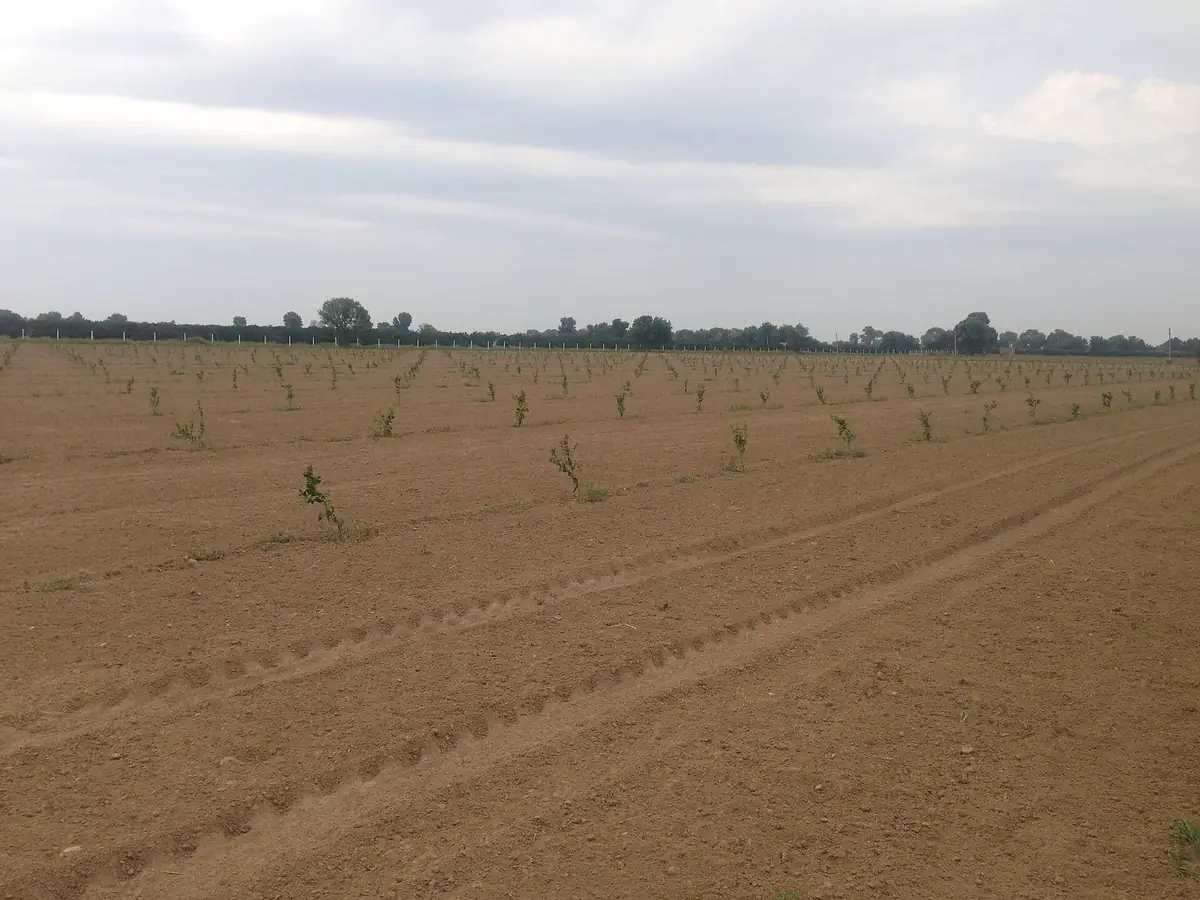
Fazilka district is one of India's leading kinnow-growing regions. Visiting an orchard during harvest season (roughly December-January) adds a distinctive agricultural dimension to a trip otherwise focused on the sanctuary.
Where to Stay
Dedicated tourist accommodation right in Abohar is limited — most visitors treat this as a day trip from a larger nearby town or city rather than an overnight stay.
- → Basic local guesthouses
- → Simple lodges near the railway station
- → Highway hotels
- → Standard business hotels
- → Highway hotel chains
- → Better-appointed local hotels
- → Few options at this level
- → Consider a nearby larger city instead
- → Day trip is the realistic plan
Most visitors day-trip Abohar rather than staying overnight — dedicated tourist infrastructure here is genuinely limited.
Suggested Visit Plan (1 Day)
Wildlife Sanctuary
- ✓Early arrival for peak blackbuck activity
- ✓Slow walk/drive through the grassland
- ✓Photography in good early light
Kinnow Country
- ✓Visit a local kinnow orchard (season permitting)
- ✓Sample fresh kinnow and local produce
- ✓Depart for onward travel
What to Eat at Abohar
- Kinnow products: Fresh kinnow and kinnow-based products (juice, marmalade) are a genuine local specialty worth seeking out in season.
- Punjabi staples: Standard Punjabi dhaba fare — parathas, dal, lassi — is available across the town.
Budget Breakdown
| Expense | Budget | Mid-Range | Luxury |
|---|---|---|---|
| Local transport/day | ₹300 | ₹700 | ₹1,500 |
| Food/day | ₹300 | ₹700 | ₹1,500 |
| Sanctuary entry | ₹50 | ₹50 | ₹50 |
| Kinnow/local produce | ₹200 | ₹400 | ₹800 |
* Figures are per person, per day, and exclude travel to Abohar itself.
Essential Tips for Visiting Abohar
- Go early morning: The best chance of good blackbuck sightings is in the first hours after sunrise, before the heat sets in.
- Set realistic expectations: This is a genuinely offbeat stop — tourist infrastructure is limited compared to Punjab's religious and heritage circuit.
- Time it for kinnow season if possible: December-January adds a worthwhile orchard visit to the trip.
- Avoid peak summer: April-June heat on Punjab's open plains is genuinely difficult for outdoor wildlife viewing.
✅ Do
- →Arrive early for the best wildlife activity
- →Combine with a kinnow orchard visit in season
- →Keep expectations realistic about infrastructure
- →Carry water and sun protection
- →Treat it as a dedicated side trip, not an add-on
❌ Don't
- →Expect Amritsar-level tourist infrastructure
- →Visit during peak summer heat
- →Plan a same-day trip combined with Amritsar
- →Skip early-morning timing for the sanctuary
- →Expect abundant luxury accommodation
Frequently Asked Questions
What makes Abohar's blackbuck population notable?
The Abohar Wildlife Sanctuary has one of the highest blackbuck population densities found anywhere in India outside a dedicated deer park — a genuinely distinctive wildlife claim for a state not typically associated with wildlife tourism.
Is Abohar a day trip?
Yes, for most visitors. Dedicated tourist accommodation is limited, so the sanctuary and a look at the local kinnow orchards are realistically covered as a day trip from a larger nearby town or city.
How far is Abohar from other Punjab cities?
Abohar sits in Fazilka district near the Rajasthan border, some distance from Punjab's main Amritsar-Chandigarh circuit — plan it as a standalone side trip rather than an easy add-on to a standard Punjab itinerary.
What is the best time for wildlife viewing?
October to March, when temperatures are comfortable and animals are more active during daylight hours. Early morning offers the best chance of good blackbuck sightings.
What is kinnow and why is it associated with this region?
Kinnow is a mandarin-orange hybrid citrus fruit, and Abohar and the surrounding Fazilka district are among India's leading kinnow-growing areas — a distinctive local agricultural and culinary detail worth building into a visit if timing allows.
Published by the Kudozz Club editorial team · Last updated · How we research our guides
Want us to plan this trip for you?
Tell Kudozz Club where you want to go and what kind of trip you’re looking for. We’ll build a Abohar and Punjab itinerary around your dates and budget.
Continue Exploring
View all guides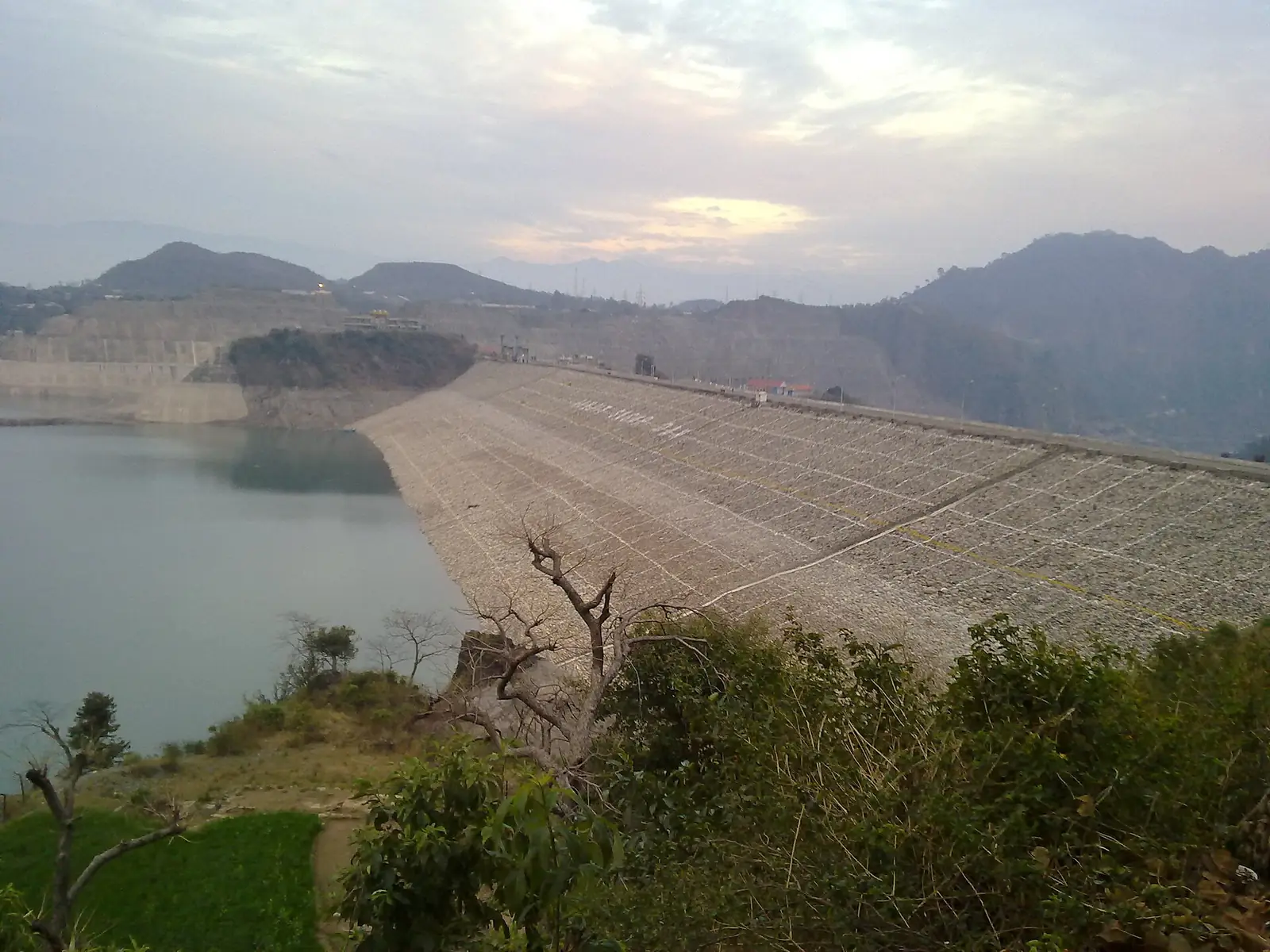 Off-beat
Ranjit Sagar Dam Guide: Best Time & Tips
A hill-backed reservoir on the Ravi river near the Punjab-J&K border — one of the state's quietest, most scenic departures from its flat agricultural plains.
 Off-beat
Ajodhya Hills Travel Guide: Trekking & Tribal Culture
Complete Ajodhya Hills guide — Bamni Falls, Turga Falls, Murguma Dam, Marble Lake, trekking trails, Chhau dance heritage, how to reach from Purulia, and a full visit plan.
 Off-beat
Kannauj Travel Guide: India's Perfume Capital
Known as Ittar Nagri — the deg-bhapka attar tradition, working perfume workshops, and Kannauj's deep history as Harsha's 7th-century capital.
 Off-beat
Lachung Travel Guide: Gateway to Yumthang
A river-confluence village in North Sikkim, apple orchards, and the essential overnight base before an early-morning run into Yumthang Valley.