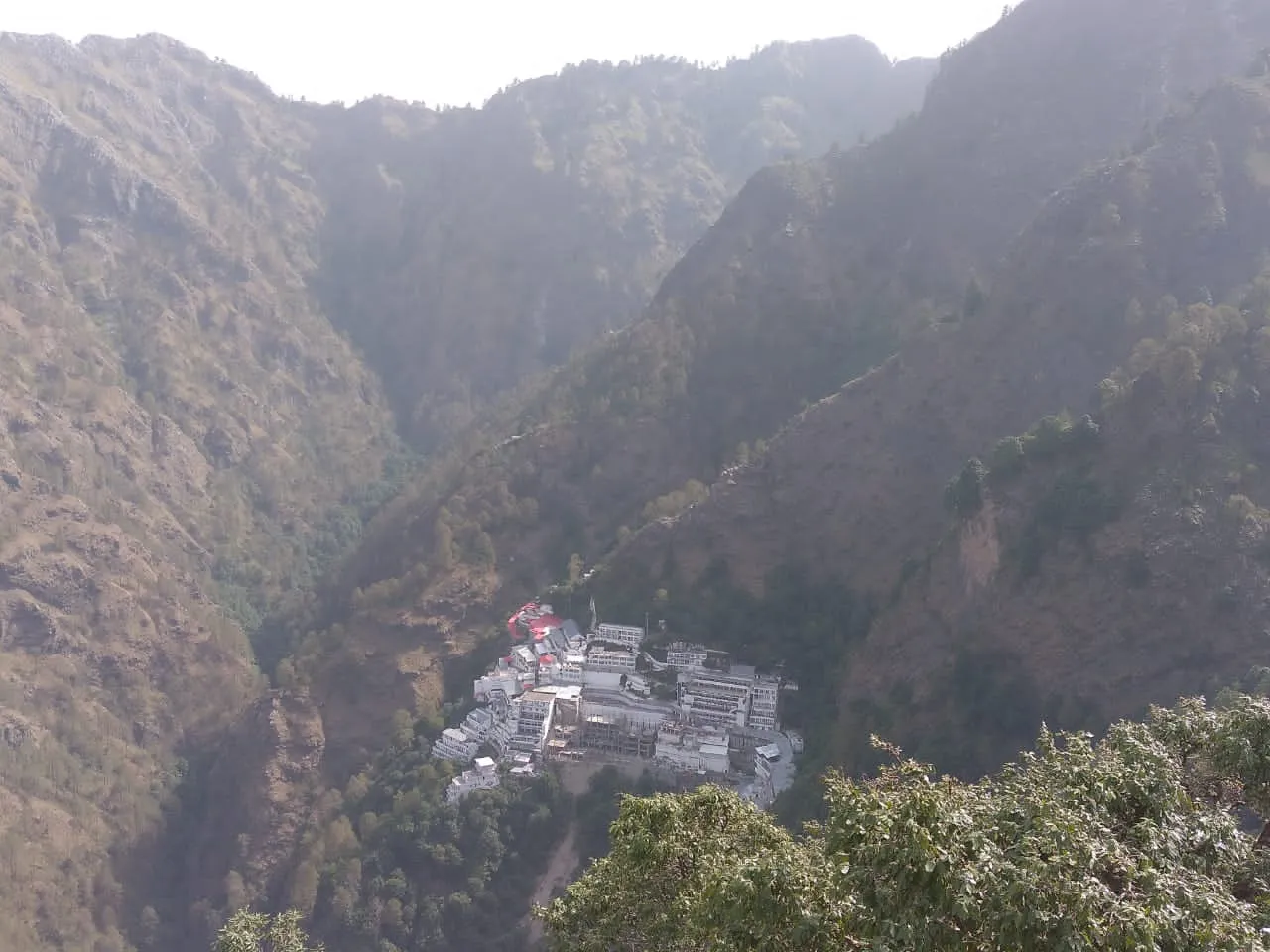
Katra: Gateway to the Vaishno Devi Yatra
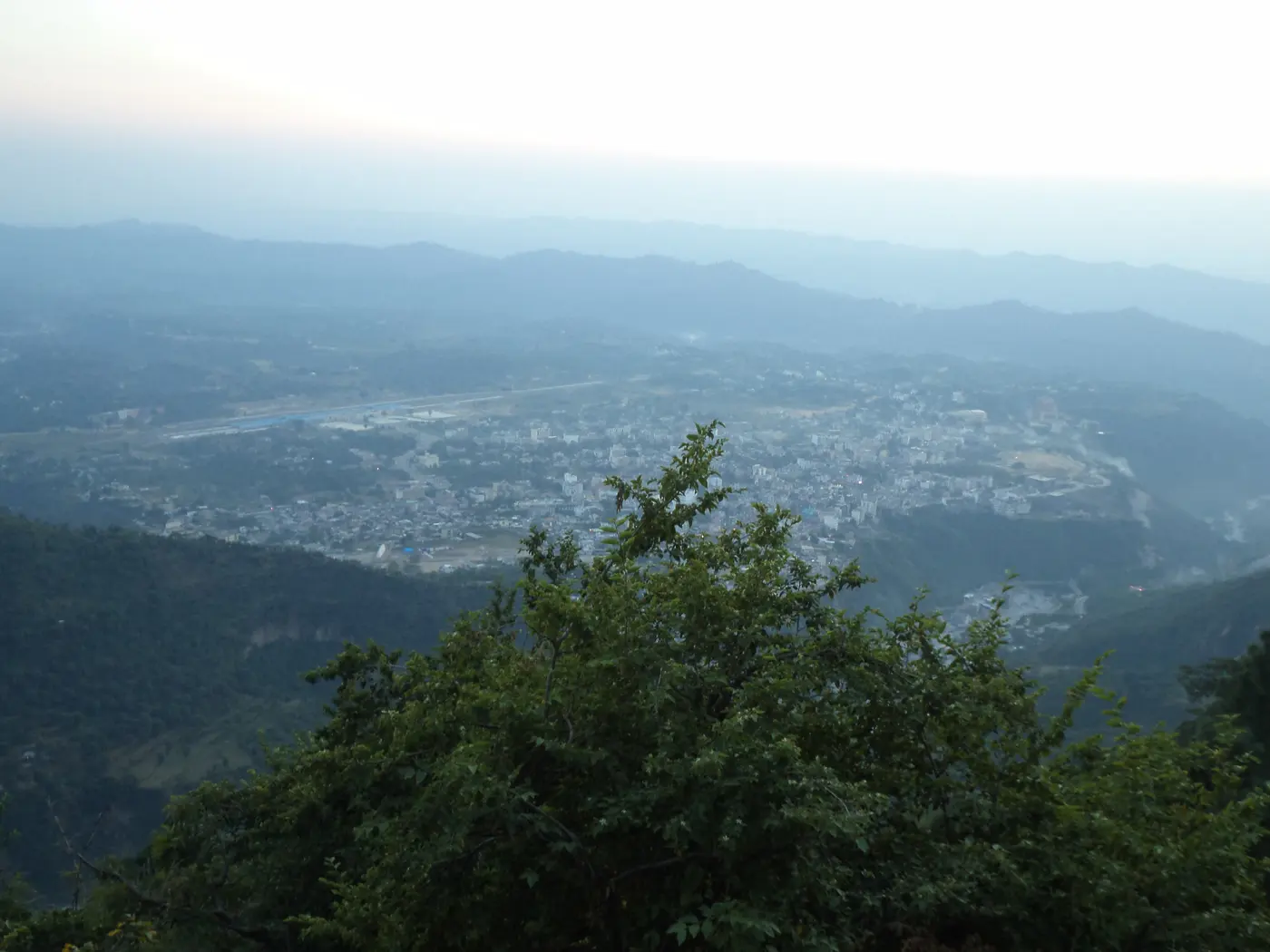
Katra is a small town in the Reasi district of Jammu & Kashmir that exists, almost entirely, for one purpose: it is the base camp for the Vaishno Devi Yatra, the pilgrimage to one of India's most visited and most revered Hindu shrines. Every year, millions of pilgrims pass through Katra's markets and registration counters on their way up into the Trikuta Hills to seek darshan of Mata Vaishno Devi — making it, by sheer footfall, one of the busiest pilgrimage towns anywhere in the country.
The town itself sits at roughly 870 metres (2,850 ft) above sea level, ringed by forested hills, with a single main road — Tarakote Marg — that funnels everyone from the bus stand and railway station toward the Banganga checkpoint where the actual trek begins. Everything in Katra, from its hotel density to its purely vegetarian food culture, is organised around the rhythm of yatris arriving, resting, registering, and setting off before dawn.
This guide covers the practical logistics in detail — the registration process, the trek route itself, helicopter booking, where to stay, and a full FAQ answering the questions most pilgrims search for before they travel. Whatever your plan — a day trip up and back, an overnight stay at Bhawan, or a helicopter shortcut — the goal here is to help you arrive prepared.
🛕 Katra at a Glance
Planning a pilgrimage? See our guide to spiritual places in Jammu and Kashmir.
Best Time to Visit Katra & Vaishno Devi
The shrine operates year-round and darshan is never "closed" — but the experience of the yatra changes substantially with the season, mostly because of crowd volume rather than weather.
The first of the year's two Navratri festivals draws enormous crowds and multi-hour darshan queues. Go only if the festival dates are part of the plan; otherwise avoid this window.
School-holiday family crowds push numbers up, and Katra town itself gets genuinely hot by midday. The trek is more comfortable in the cooler early-morning hours.
Rain makes sections of the paved track slippery and occasionally triggers short closures for landslide clearance. Crowds thin out noticeably, which some pilgrims prefer.
Sharad Navratri (Sep–Oct) brings a second crowd peak; once it passes, November through February is cool, clear, and comfortable for trekking, aside from New Year's Eve crowds.
Our pick: Late November to February, on a weekday. The weather is crisp rather than brutally cold at Katra's elevation, the two Navratri crowd surges are well behind or ahead, and queue times at Bhawan drop dramatically compared to peak season.
How to Reach Katra
Katra is well connected for a town of its size, almost entirely because of yatra traffic — road and rail links into it are better maintained than most comparable towns in the region.
- By Road from Jammu: Katra is approximately 48 km from Jammu, roughly 1.5–2 hours by taxi or bus on a well-surfaced highway. Shared sumos, private cabs, and JKSRTC buses all run this route frequently through the day.
- By Train: The Shri Mata Vaishno Devi Katra railway station sits right at the edge of town and is directly connected to Delhi and other major cities, including Vande Bharat services — arguably the easiest way in for long-distance travellers, since it avoids the Jammu road transfer entirely.
- By Air: The nearest airport is Jammu (Jammu Airport), about 50 km from Katra, with regular flights from Delhi, Mumbai, and other metros. From the airport, taxis to Katra take roughly the same 1.5–2 hours as from Jammu city.
The Vaishno Devi Yatra Route from Katra
The climb from Katra to the shrine (referred to throughout as Bhawan) covers roughly 13 km one-way on the main paved track, gaining altitude to around 5,200 ft at the shrine itself. It's a steady, well-maintained uphill walk rather than a technical trek — no climbing gear or prior trekking experience is needed — but the distance and gradient still make it a genuine physical undertaking.
Registration: The Yatra Parchi
Before starting the trek, every pilgrim must obtain a Yatra Parchi (registration slip) — this is free, mandatory, and checked at the Banganga checkpoint just past the edge of town. It can be collected two ways:
- Online, in advance: Through the Shri Mata Vaishno Devi Shrine Board's official yatra registration portal — the far more convenient option, since it skips the physical counter queue in Katra.
- In person at Katra: Registration counters near the bus stand and along Tarakote Marg issue same-day slips; expect a longer wait here during Navratri or weekends.
A valid photo ID is required at the time of registration, and the slip carries a QR/RFID code that's scanned at checkpoints along the route — carry it (physical or digital) for the entire yatra, not just at the start.
The Route: Banganga to Bhawan
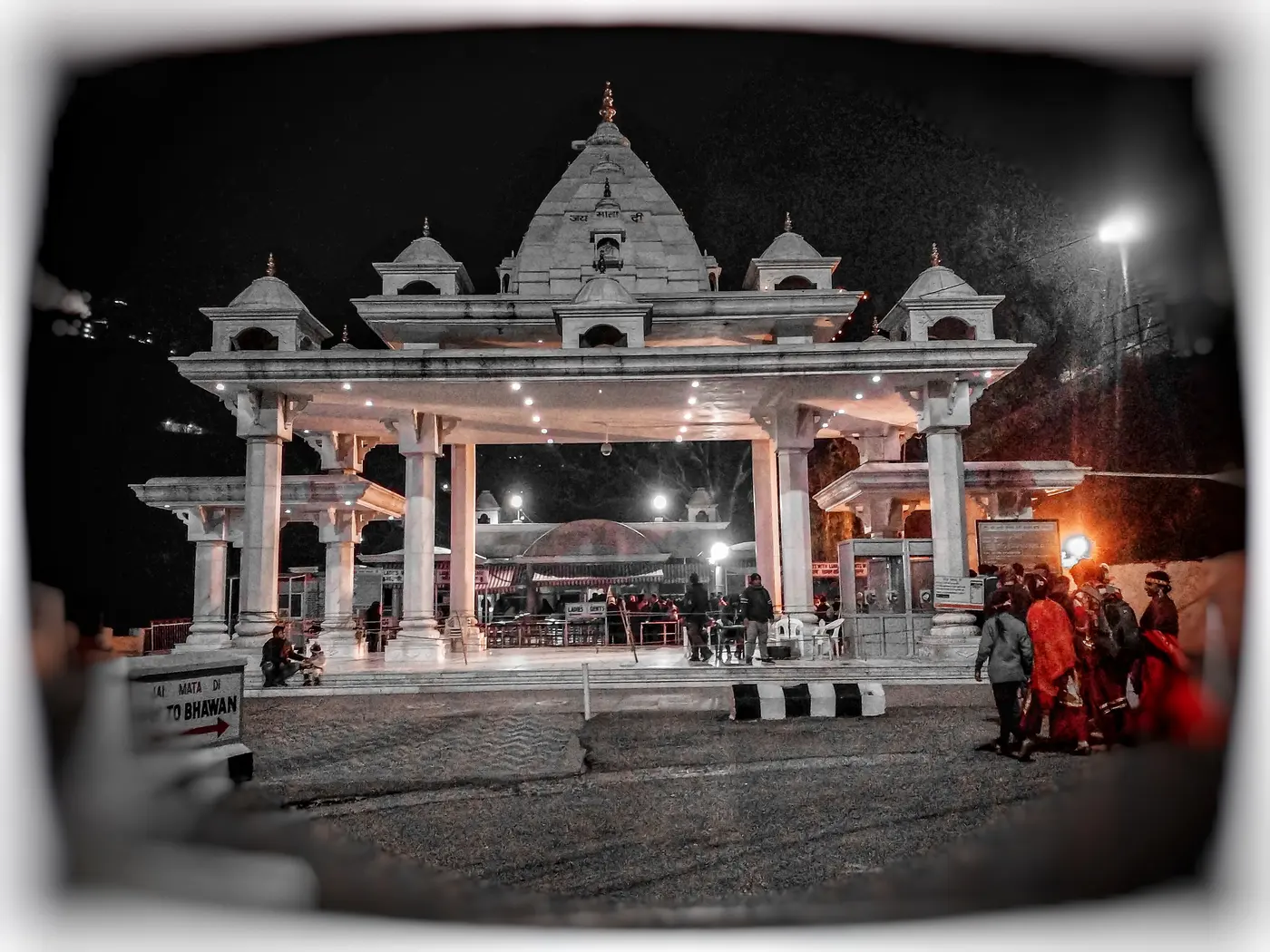
The trek begins at Banganga, a holy stream about a kilometre from central Katra, where the first checkpoint scans your Yatra Parchi. From there, the paved track climbs gradually through the Trikuta Hills:
- Banganga to Ardhkuwari (~6 km): The first, gentler half of the climb. Ardhkuwari is a cave shrine roughly at the route's midpoint, tied to an episode from the Vaishno Devi legend, and the most popular rest stop — food stalls, washrooms, and drinking water are all available here.
- Ardhkuwari to Bhawan (~7 km): The steeper second half, climbing toward the shrine complex itself. This stretch is where most pilgrims slow down, and where pony, palki, and battery car services become especially useful.
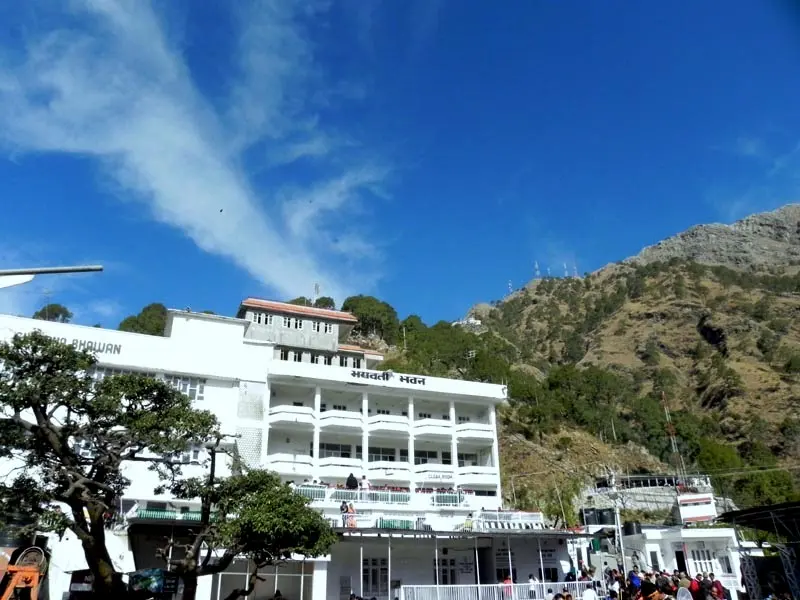
Trek Options: Walk, Pony, Palki, or Battery Car
- Walking: The most common choice. Most walkers cover the 13 km in 5–9 hours including rest stops; fit, fast trekkers can do it in under 5 hours.
- Pony (horse): Licensed pony operators cover most of the route for a fee, useful for those with limited walking stamina. Rates are fixed and posted at official stands — avoid unlicensed operators soliciting off the main track.
- Palki (palanquin): A carried litter option, generally the most expensive, and well suited to elderly pilgrims or anyone unable to walk or ride.
- Battery-operated vehicles: Electric cars cover the initial stretch from Katra toward Ardhkuwari on a separate track, a useful way to save energy for the steeper second half.
Helicopter Service to Vaishno Devi
For pilgrims who can't or don't want to walk the full trek, a helicopter service runs from a helipad in Katra to Sanjichhat, a helipad roughly 2.5 km from Bhawan — cutting the vast majority of the climb down to a short, manageable walk or a battery car ride from Sanjichhat to the shrine.
- Booking: Tickets are sold through the official Shrine Board-authorised booking system, both online in advance and at Katra counters, though advance online booking is strongly recommended — demand regularly outstrips seats, especially on weekends and around Navratri.
- Cost: Fares are typically in the ₹1,000–₹1,300 per person, one-way range (subject to change), making a round trip a few thousand rupees per person — a meaningful cost, but a common trade-off for elderly travellers or those short on time.
- Weather dependency: Flights are suspended in poor visibility or high winds, which is common during monsoon — always keep a walking or pony/palki backup plan if you're on a tight schedule.
- ID requirement: A valid photo ID and your booking confirmation are required at check-in, similar to a domestic flight.
Note that the helicopter doesn't eliminate walking entirely — the stretch from Sanjichhat to Bhawan still involves a short uphill walk, pony, or palki, so it isn't a fully door-to-door solution for anyone with serious mobility limitations.
Bhairon Temple
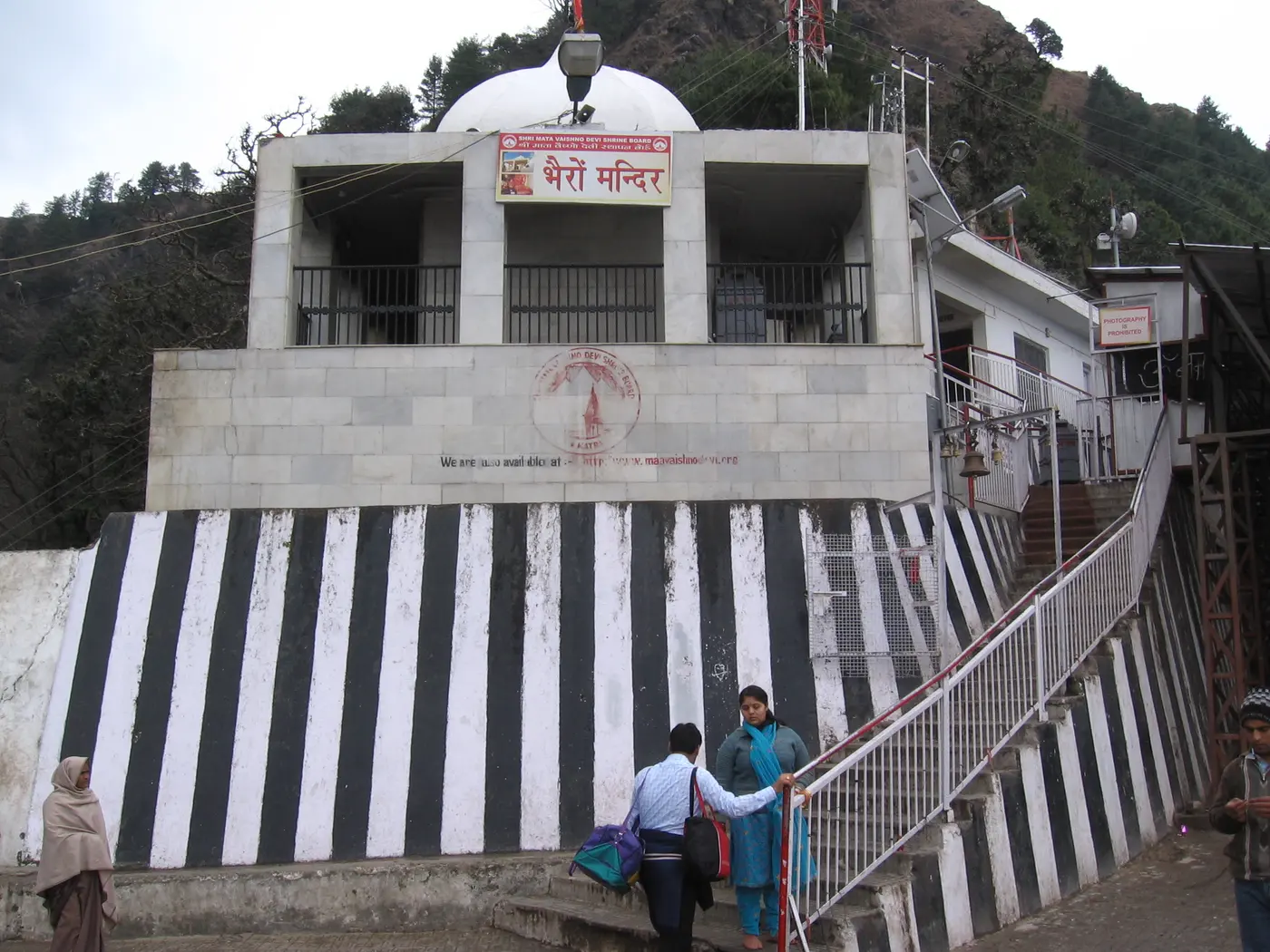
Traditionally, a visit to Bhairon Temple is considered to complete the Vaishno Devi darshan — many pilgrims consider the yatra incomplete without it. The temple sits about 2.5 km beyond Bhawan, connected by a walking track as well as a ropeway (the Bhairon Ropeway) for those who'd rather skip the additional climb after already reaching the main shrine.
Most pilgrims visit Bhairon Temple either right after their Bhawan darshan or on the way back down, since it sits slightly off the direct return path. Budget an additional 1.5–2 hours round trip if walking, or roughly 20–30 minutes each way by ropeway.
Where to Stay
Katra has one of the highest hotel densities of any small town in India, almost entirely built around yatra traffic — but pilgrims doing an overnight yatra also have the option of staying right up at Bhawan.
- → Guesthouses along Tarakote Marg
- → Dharamshalas & yatri niwas
- → Budget hotels near the bus stand
- → Hotel Asia Vaishnodevi, Katra
- → Fortune Riviera, Katra
- → Hotels along the Banganga road
- → Vivanta Katra – Vaishno Devi
- → Radisson resort-style properties
- → Larger full-service hotels, Katra
Staying Overnight at Bhawan
For pilgrims doing the yatra over two days, the Shrine Board operates dormitories and retiring rooms directly at Bhawan (such as the Niharika complex), bookable through the official Shrine Board system alongside your Yatra Parchi. These fill quickly during Navratri — book them at the same time you register, not as an afterthought.
Most first-time pilgrims underestimate how early Katra's hotels fill up around Navratri — book at least a few weeks ahead if your dates fall anywhere near either festival window.
What to Eat in Katra
Katra is a strictly pure-vegetarian town — no meat, egg, or alcohol is served anywhere within it, in keeping with its status as a pilgrimage centre. Food here is simple, wholesome, and built for pilgrims refuelling before or after a long climb.
- Rajma Chawal: The single most common meal in Katra's dhabas — kidney bean curry over rice, cheap, filling, and available almost everywhere.
- Kaladi Cheese: A local Jammu region specialty — a semi-soft cheese, usually pan-fried and served with roti, worth seeking out at dedicated restaurants.
- Langar & Bhandaras: Free community meals, organised by charitable trusts, are served at several points along the trek route and in Katra itself — a genuine part of the yatra experience, not just a budget option.
- Tea & snack stalls on the route: Small stalls dot the entire Banganga-to-Bhawan track, selling tea, biscuits, Maggi, and light snacks — useful for quick energy stops without needing to carry much food yourself.
Preparing for the Trek
The Vaishno Devi trek doesn't require athletic fitness, but a little preparation makes a real difference in how much you enjoy the climb rather than merely surviving it.
- Footwear: Broken-in, comfortable walking or sports shoes — not new shoes, not sandals. Blisters are the single most common reason pilgrims cut their pace short.
- Hydration: Carry a refillable water bottle; stalls and water points along the route make refilling easy, so there's no need to carry more than 1–1.5 litres at a time.
- Pace yourself: Short, frequent breaks beat a few long ones — walk at a conversational pace rather than pushing hard early and burning out before Ardhkuwari.
- Light luggage: Cloak rooms/luggage counters near Banganga let you leave heavy bags behind — carry only a small daypack up the trek.
- Warm layer for early starts: Pre-dawn temperatures on the track are noticeably cooler than Katra town, even outside winter — a light jacket for the first hour is worth carrying.
- Know your limits: There's no shame in switching to pony, palki, or a battery car partway if you're struggling — all are available at multiple points along the route, not just at the start.
Suggested Yatra-Day Timeline
Most pilgrims complete the yatra as a single, long day — here's a realistic timeline for a walking trip up and back, which you can compress considerably with pony/palki or the helicopter.
Wake & Prepare in Katra
- ✓Light breakfast, fill water bottle
- ✓Confirm Yatra Parchi (or collect if not pre-booked)
- ✓Leave heavy luggage at a cloak room near Banganga
Start the Trek at Banganga
- ✓Parchi checked at the Banganga checkpoint
- ✓Steady walking pace, short breaks every hour
- ✓Cooler pre-dawn temperatures, thinner crowds
Ardhkuwari (Halfway Point)
- ✓Rest stop, refill water, light snack
- ✓Optional visit to the Ardhkuwari cave shrine
- ✓Second, steeper half of the climb begins
Arrival at Bhawan
- ✓Join the darshan queue (timing varies with crowd)
- ✓Darshan of Mata Vaishno Devi
- ✓Rest and eat near the Bhawan complex
Bhairon Temple & Descent
- ✓Walk or ropeway to Bhairon Temple (2.5 km)
- ✓Begin the descent to Katra, or overnight at Bhawan
- ✓Evening arrival back in Katra if descending same day
* Many pilgrims instead stay overnight at Bhawan and join the pre-dawn darshan queue the next morning, when waits are typically shortest — either approach works well.
Budget Breakdown
Yatra Parchi registration is free, and the trek itself costs nothing beyond food and optional transport — most of your budget goes toward accommodation, meals, and whichever trek option (pony, palki, battery car, or helicopter) you choose.
| Expense | Budget | Mid-Range | Luxury |
|---|---|---|---|
| Accommodation/night | ₹1,000 | ₹3,500 | ₹12,000 |
| Food/day | ₹400 | ₹900 | ₹2,000 |
| Trek option (one-way) | Walk – free | Pony/palki ₹1,200–₹2,500 | Helicopter ₹1,000–₹1,300 |
| Local transport (Jammu–Katra) | ₹150 | ₹600 | ₹1,800 |
| Daily total (approx.) | ₹1,500 | ₹5,000 | ₹15,800 |
* Registration (Yatra Parchi) is free. Helicopter and pony/palki rates fluctuate seasonally — always confirm current rates on the official Shrine Board portal before booking.
Essential Tips for the Vaishno Devi Yatra
- Carry a valid photo ID at all times:Required for Yatra Parchi registration, checkpoint scans, and helicopter check-in — carry the original, not just a photocopy.
- Register online before travelling:Pre-booking your Yatra Parchi through the official portal saves significant time versus queuing at Katra counters, especially in peak season.
- Use the luggage cloak rooms: Facilities near Banganga let you leave heavy bags safely — trek with only a light daypack.
- Book helicopter seats well in advance:They sell out quickly, particularly on weekends and around both Navratri periods.
- Plan extra time for elderly or young pilgrims: Pony, palki, and battery cars make the yatra accessible to most ages, but build in a slower pace and more rest stops than you would for a solo, fit trekker.
- Check the weather before a monsoon trip:Rain can make the paved track slippery and occasionally triggers short closures — carry a light rain layer during July–September.
✅ Do
- →Register for your Yatra Parchi online in advance
- →Start the trek before sunrise for cooler weather
- →Wear broken-in, comfortable walking shoes
- →Use official luggage cloak rooms near Banganga
- →Book helicopter or overnight Bhawan stays early
- →Carry your original photo ID throughout the yatra
❌ Don't
- →Start the trek without a valid Yatra Parchi
- →Rely solely on unlicensed pony/palki operators
- →Underestimate hotel demand during Navratri
- →Skip the pre-dawn start if avoiding crowds matters
- →Expect meat, egg, or alcohol anywhere in Katra
- →Push through pain instead of switching transport
Frequently Asked Questions
How many kms is Vaishno Devi from Katra?
The Vaishno Devi shrine (Bhawan) is approximately 13 km from Katra by the main trekking track, starting at the Banganga checkpoint just outside town. Ardhkuwari, the customary halfway stop, is roughly 6 km in. A shorter, steeper track exists but the main paved route is what almost all yatris and pony/palki operators use.
Is helicopter booking necessary for Vaishno Devi?
No, it isn't necessary — the majority of pilgrims still walk. But it's a popular option for elderly travellers, young children, or anyone short on time, since it cuts the climb down to a short walk from Sanjichhat. Seats are limited and demand is high, so book online well in advance, especially around Navratri and weekends.
How long does the Vaishno Devi trek take?
Most walkers take 5 to 9 hours one way at a comfortable pace with rest stops, depending on fitness and crowd levels. Fit, fast trekkers can do it in under 5 hours. Pony and palki cover the distance somewhat faster, typically 4 to 6 hours, though queues at Banganga can add time on peak days.
Can senior citizens do the Vaishno Devi Yatra?
Yes, and it's done every day by pilgrims well into their seventies and eighties. Pony, palki (palanquin), battery-operated vehicles for the initial stretch, and helicopter service all make the yatra accessible without a full walking trek. We'd still recommend a basic fitness check with a doctor beforehand and an early, unhurried start.
What is the best time to visit Vaishno Devi to avoid crowds?
Weekdays outside the two Navratri festival periods (roughly late March–April and September–October) see noticeably thinner crowds and shorter darshan queues. Late monsoon (early September) and January–February, cold as they are, are generally the quietest windows of the year.
Is registration mandatory for Vaishno Devi Yatra?
Yes. A free Yatra Parchi (registration slip) is mandatory for every pilgrim and is checked at the Banganga checkpoint before the trek begins. It can be obtained online in advance through the Shrine Board's official portal or in person at registration counters in Katra, and requires a valid photo ID.
What is Ardhkuwari and do I need to stop there?
Ardhkuwari is a cave shrine roughly halfway along the route, associated with an episode from the Mata Vaishno Devi legend, and a popular rest point with food stalls and washrooms. Stopping isn't compulsory, but most pilgrims pause here to eat, refill water, and break the climb into two halves.
Can the Vaishno Devi Yatra be completed in a single day?
Yes — most pilgrims go up and return to Katra the same day, often starting before dawn to reach Bhawan by mid-morning. An overnight stay at Bhawan is also common among those who want to join the early-morning darshan queue when it's shortest, before descending or flying back down the next day.
Published by the Kudozz Club editorial team · Last updated · How we research our guides
Want us to plan this trip for you?
Tell Kudozz Club where you want to go and what kind of trip you’re looking for. We’ll build a Katra and Kashmir itinerary around your dates and budget.
Continue Exploring
View all guides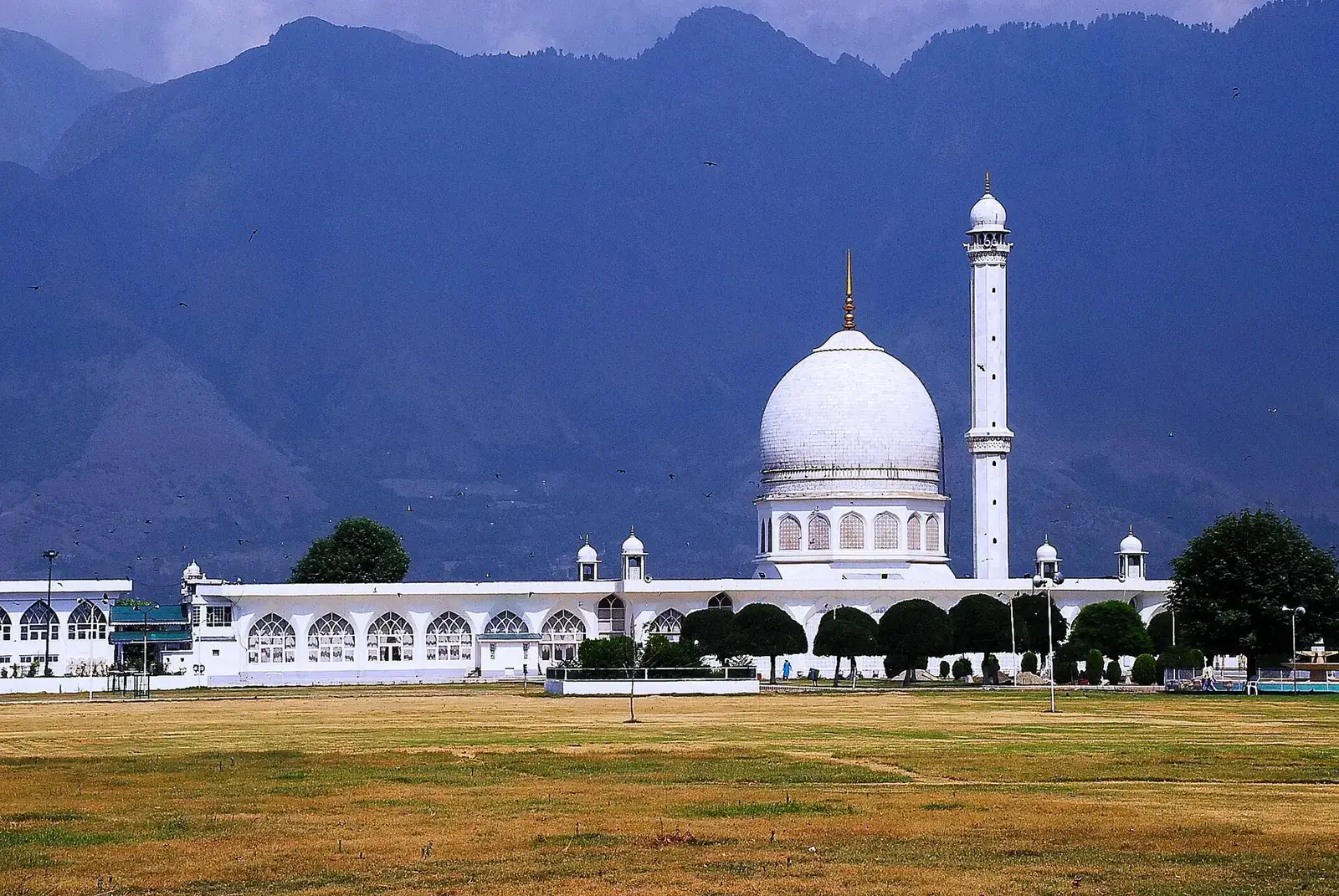 Spiritual Tourism
Spiritual Tourism in Jammu and Kashmir: Vaishno Devi, Amarnath and Hazratbal
A guide to spiritual tourism in Jammu and Kashmir: the Vaishno Devi yatra from Katra, the summer Amarnath Yatra and its registration, Shiv Khori and Jammu's Raghunath temple, Kheer Bhawani and the Shankaracharya temple in Kashmir, the Hazratbal Shrine, Makhdoom Sahib and Charar-e-Sharif, with bookings, seasons and safety.
 Heritage
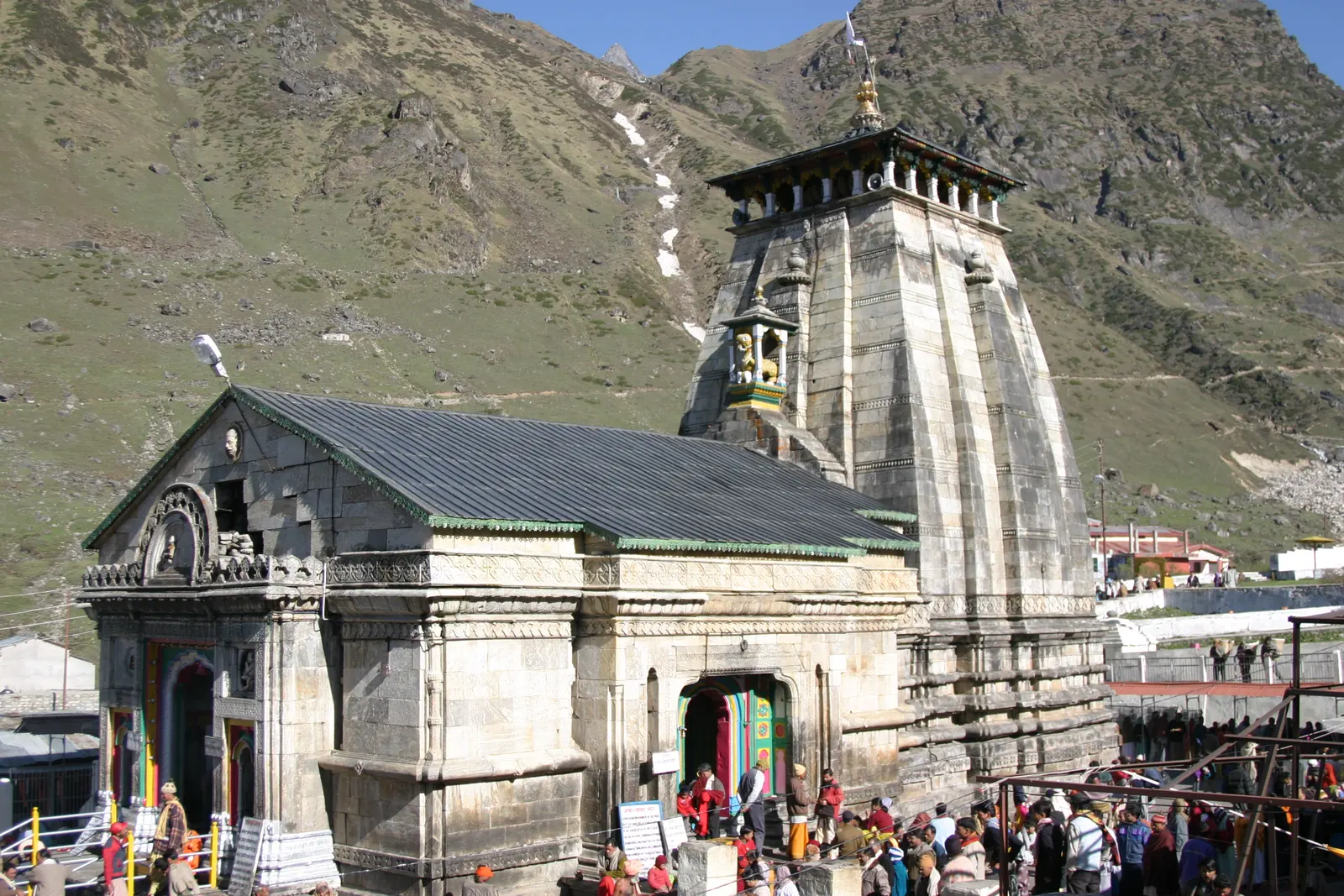
Kedarnath Travel Guide: Trek, Yatra & Helicopter Tips
Complete Kedarnath guide — the Gaurikund/Sonprayag trek route, helicopter shuttle booking, temple opening dates, Bhairav Temple, Vasuki Tal, where to stay, and a full yatra plan.
 Heritage
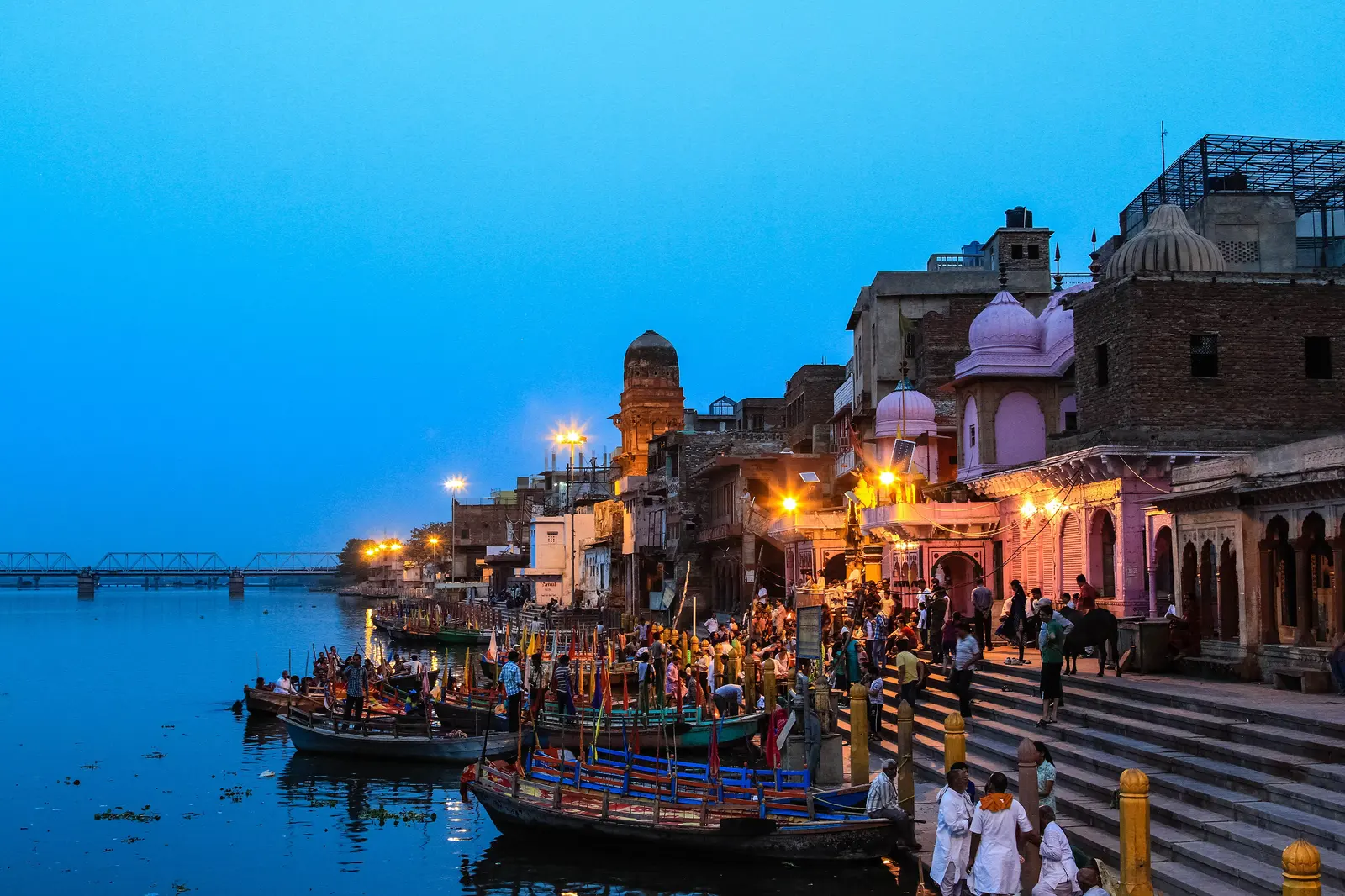
Mathura Travel Guide: Krishna Janmabhoomi & Temples
Complete Mathura guide to Krishna Janmabhoomi Temple, Vishram Ghat's evening aarti, Dwarkadhish Temple, and the gateway to the wider Braj region.
 Heritage
Gangasagar Travel Guide: Mela, Temple & How to Reach
Complete Gangasagar guide — Sagar Island, Kapil Muni Temple, the massive Gangasagar Mela at Makar Sankranti, how to reach via Kakdwip, and where to stay.