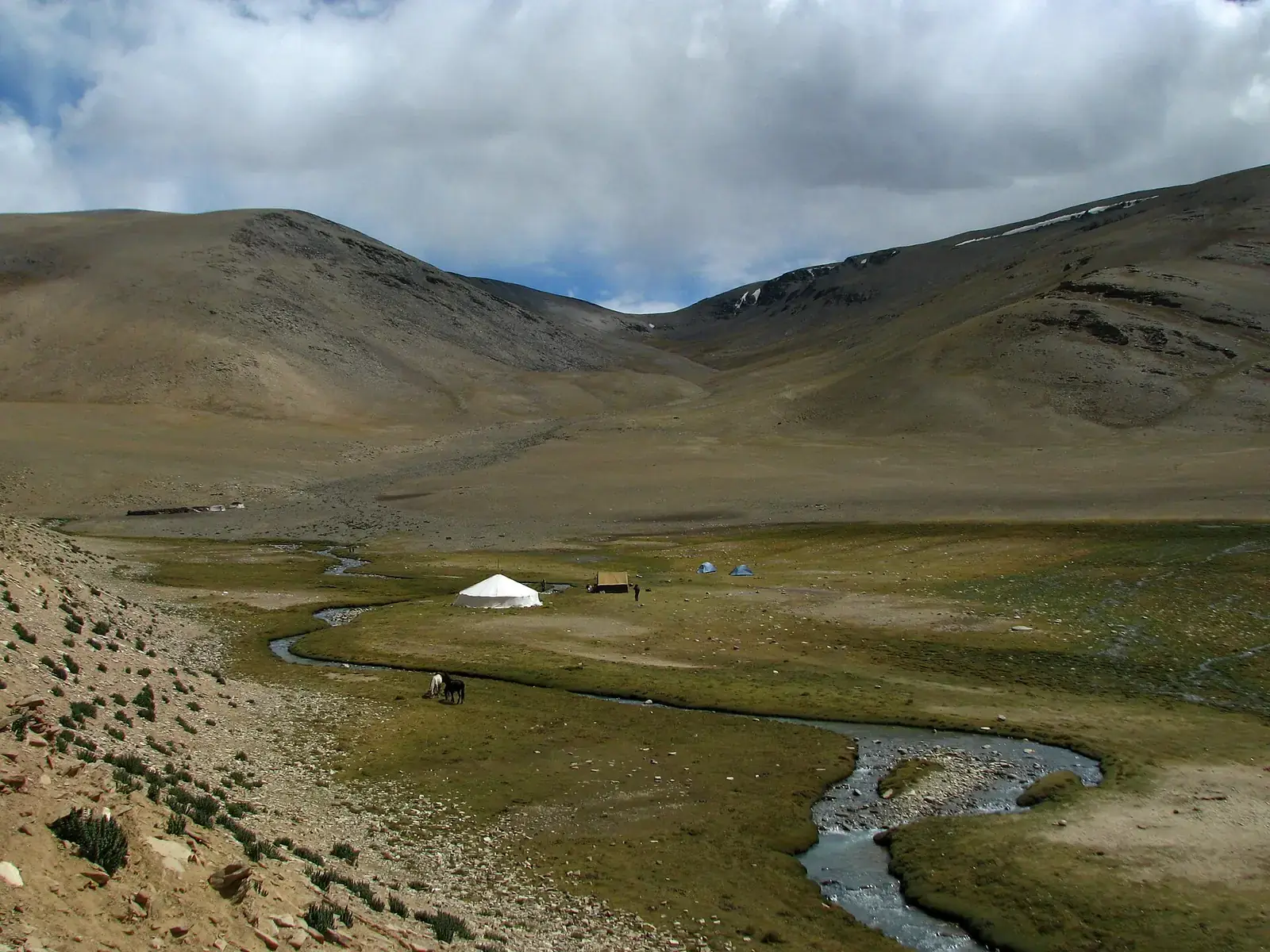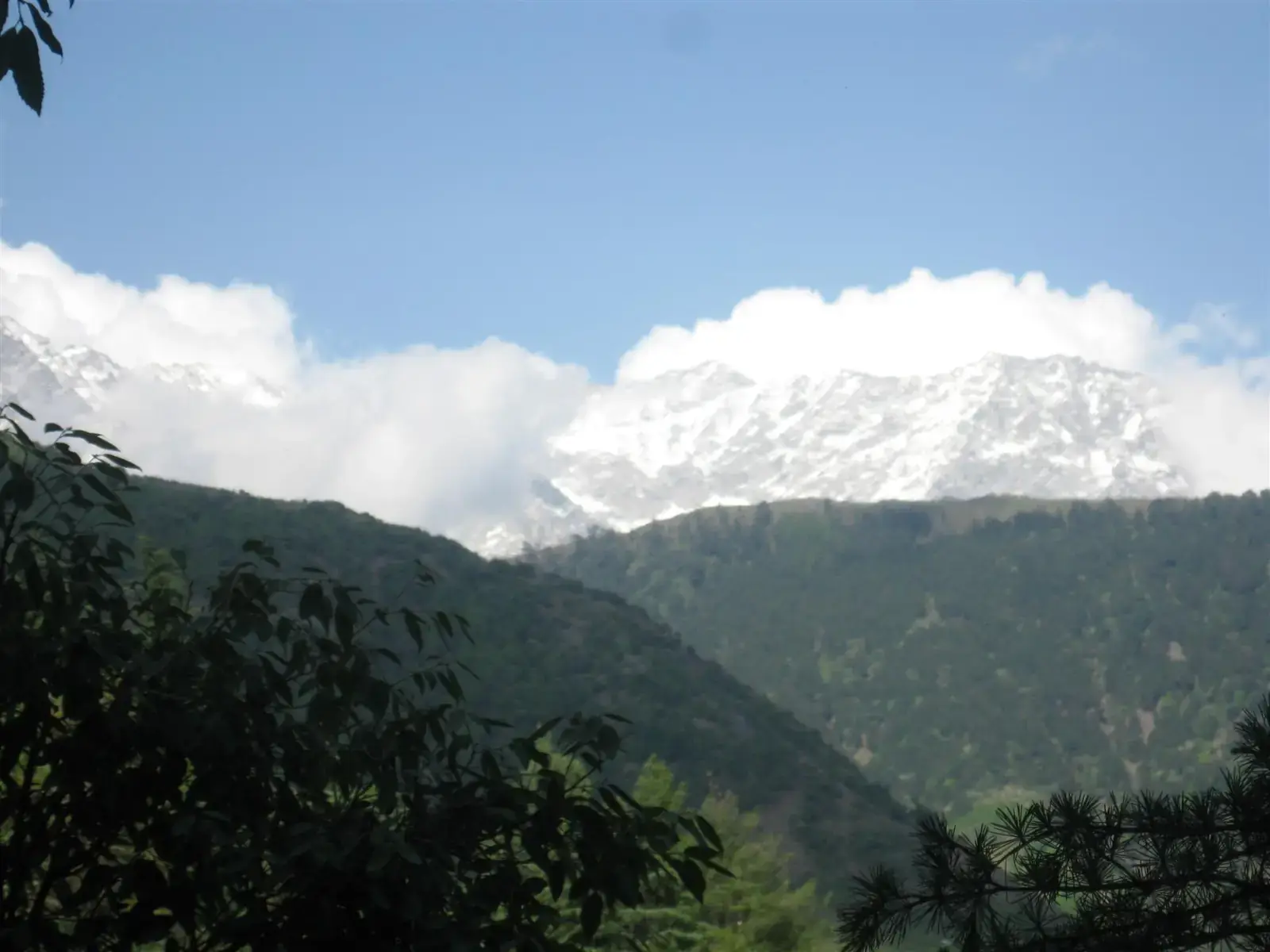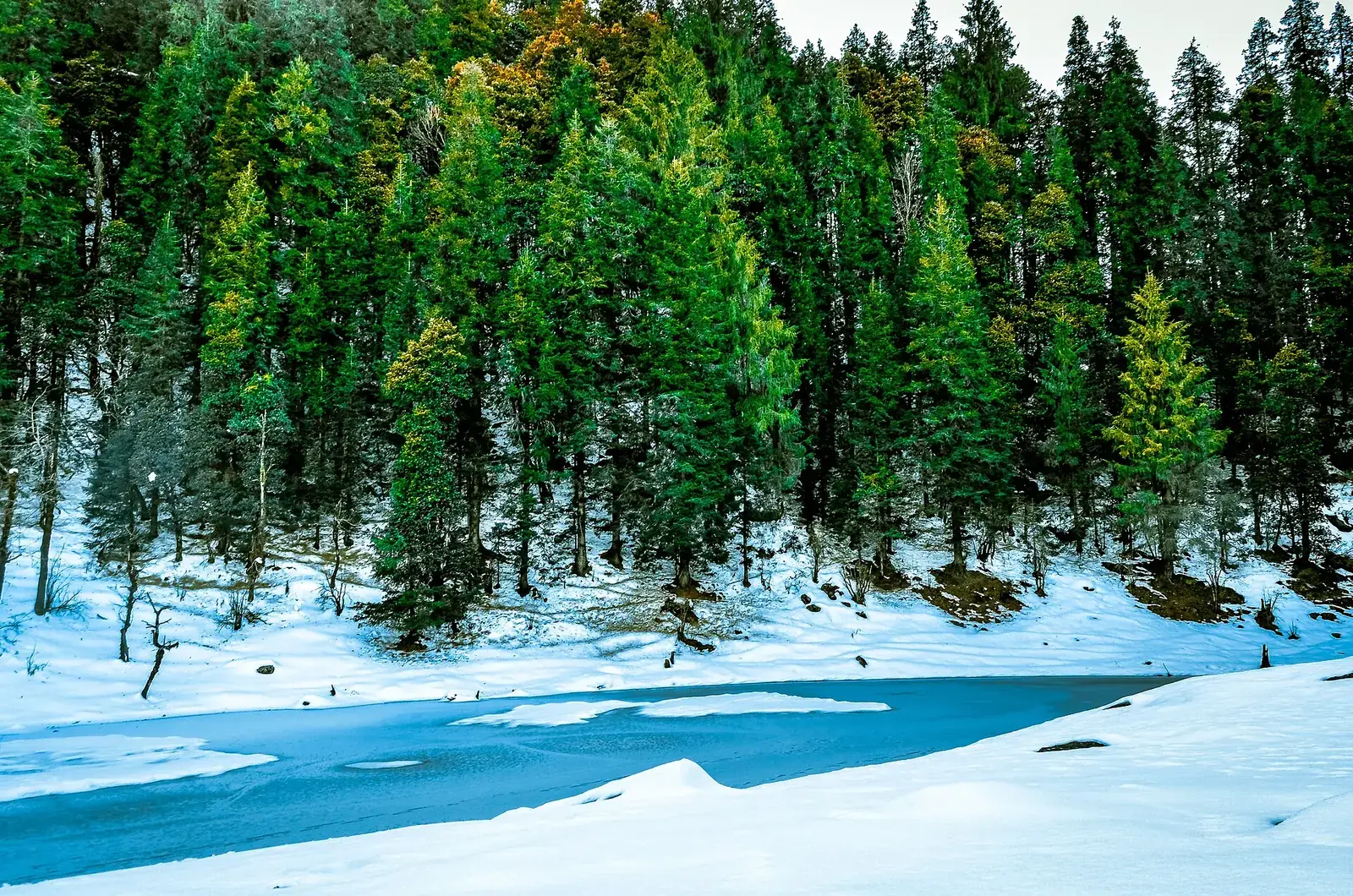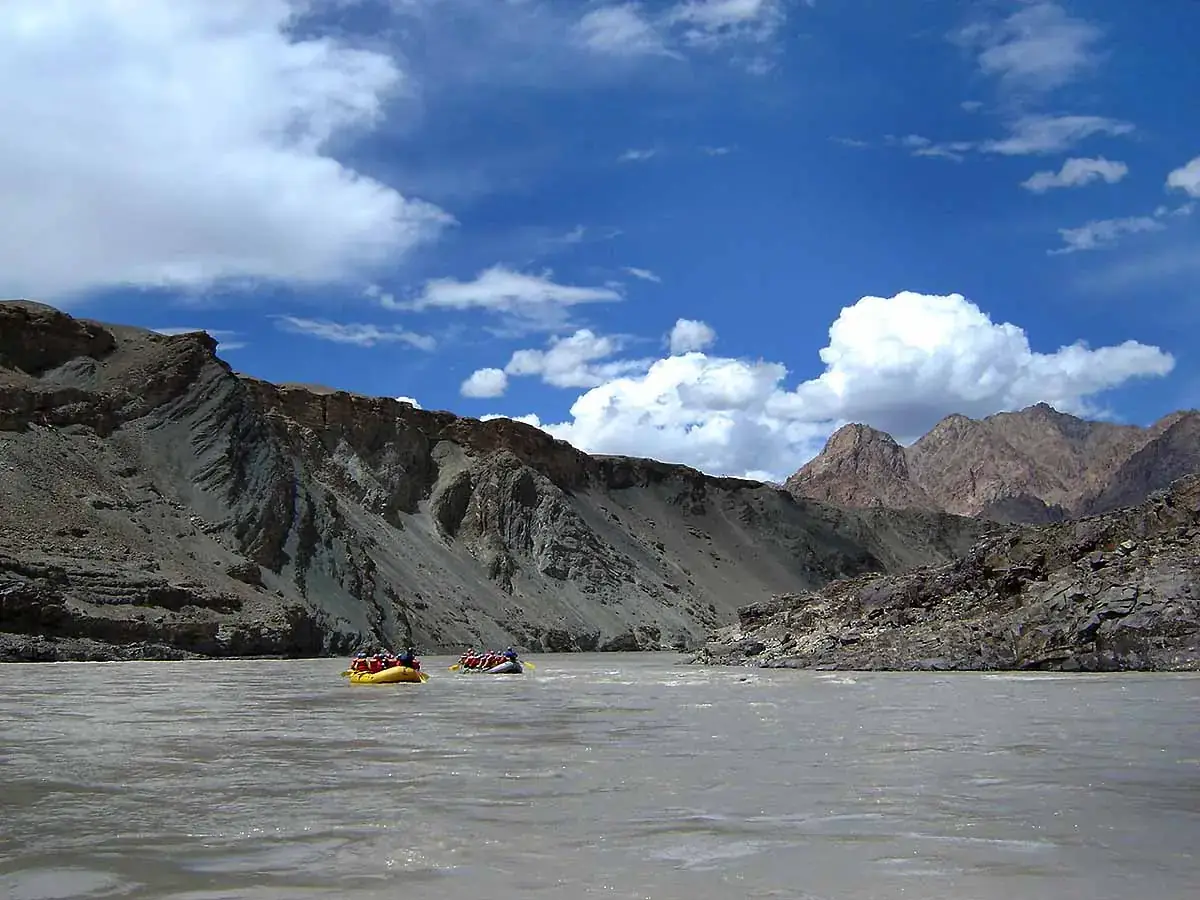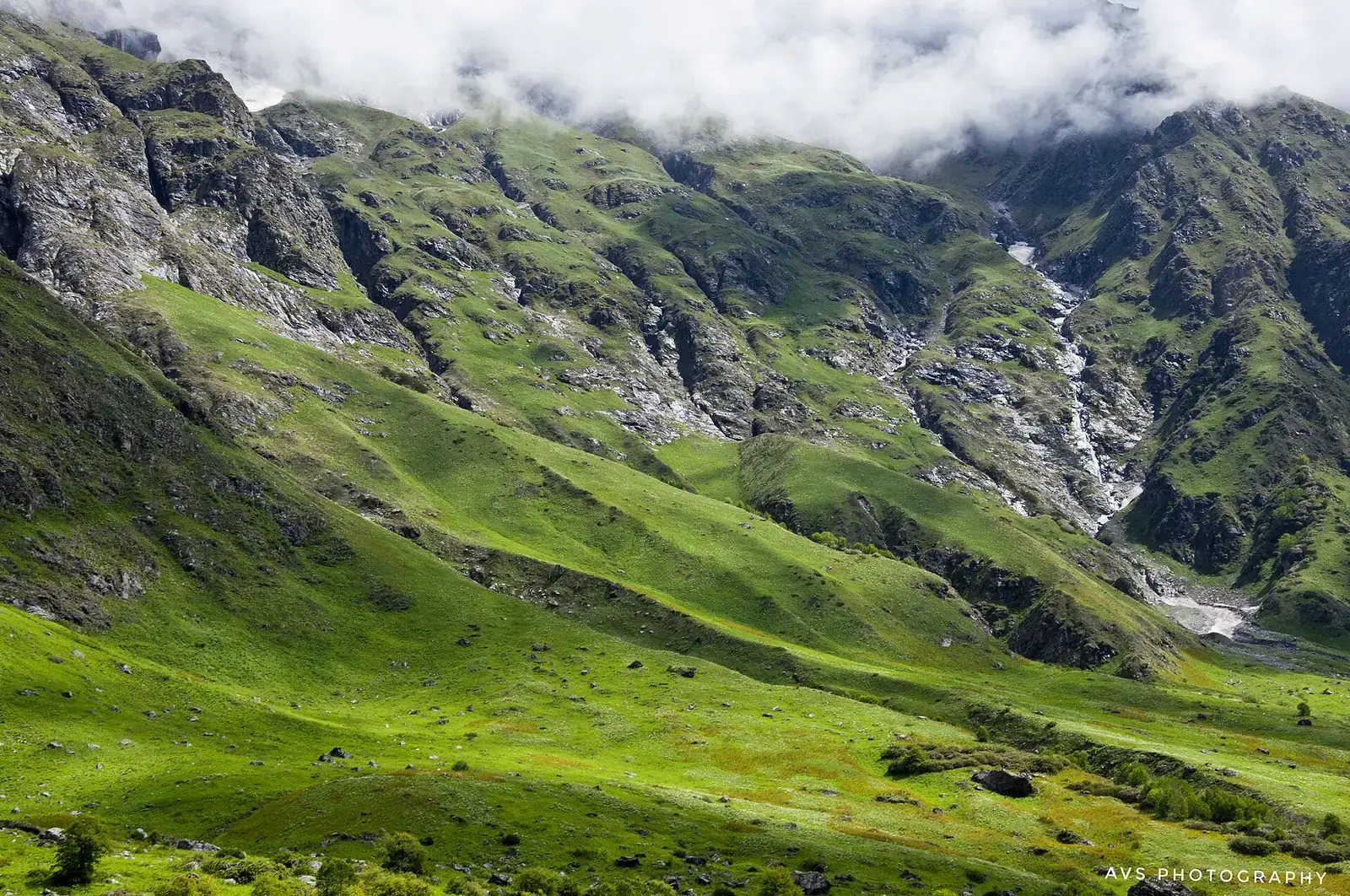
The south-west monsoon reaches most of India in June and lasts until about September. It brings heavy rain, landslides and swollen rivers to the Western Ghats and the southern slopes of the Himalaya. At the same time, valleys behind the main Himalayan range, such as Ladakh, Spiti and Lahaul, stay in a rain shadow and receive little rain, which makes July and August their main trekking season.
The rains also bring out India's flower valleys and turn the forts and cliffs of the Sahyadris in Maharashtra an intense green. This guide covers where to trek in the monsoon and how to do it safely.
Quick answer
The best monsoon treks in India are in rain-shadow regions such as Ladakh (Markha Valley), Kashmir (Kashmir Great Lakes, Tarsar Marsar) and Lahaul (Hampta Pass), plus the Valley of Flowers in Uttarakhand, which blooms in July and August. In Maharashtra, Sahyadri treks such as Harishchandragad, Rajmachi and Kalsubai are greenest in the rains. Check weather and road alerts, avoid swollen streams and respect local closures.
Key takeaways
- Ladakh, Spiti and Lahaul lie in the Himalayan rain shadow and are best trekked in July and August.
- Kashmir Great Lakes and Tarsar Marsar run from about July to September with only occasional rain.
- The Valley of Flowers is at its peak in July and August, but roads to Govindghat are landslide-prone.
- Sahyadri treks near Mumbai and Pune are greenest in the monsoon but slippery; local authorities close risky spots.
- Avoid crossing swollen streams and trekking on days with heavy rain alerts.
Rain-shadow treks in the Himalaya
Markha Valley, Ladakh
A classic Ladakh trek through Hemis National Park, with nights in villages or camps and a crossing of Kongmaru La above 5,000 metres. July and August are ideal, but acclimatise in Leh first.
- Difficulty
- Moderate to challenging
- Duration
- 6 to 8 days
- Best time
- June to September
Kashmir Great Lakes, Jammu and Kashmir
The Kashmir valley gets little of the monsoon's force, so July to September is the season for this lake trek from near Sonamarg to Naranag. Expect some rain and cold nights.
- Difficulty
- Moderate
- Duration
- 7 to 8 days
- Best time
- July to September
Tarsar Marsar, Jammu and Kashmir
From Aru near Pahalgam, a shorter lake trek to the twin lakes of Tarsar and Marsar through wide meadows.
- Difficulty
- Moderate
- Duration
- 6 to 7 days
- Best time
- July to September
Hampta Pass, Himachal Pradesh
The trek starts on the wetter Kullu side near Manali, but the pass drops into Lahaul, which is in the rain shadow. It is one of the most popular monsoon treks in India.
- Difficulty
- Moderate
- Duration
- 4 to 5 days
- Best time
- June to September
Spiti Valley walks
Short walks and treks around Kaza, Kibber, Langza and the Pin Valley are possible in July and August, when Spiti's roads are open. Parts of the route in from Kinnaur or Manali can be hit by landslides.
- Difficulty
- Easy to moderate
- Best time
- June to September
Flower treks
Valley of Flowers and Hemkund Sahib, Uttarakhand
Part of the Nanda Devi and Valley of Flowers National Parks World Heritage Site, the valley fills with flowers from about July to August. The trail from Govindghat to Ghangaria and on into the valley is well made, but the road from Rishikesh to Govindghat can be blocked by landslides for hours or days.
- Difficulty
- Moderate
- Duration
- 4 to 6 days
- Best time
- July to August for flowers
Dzukou Valley, Nagaland
The valley's hills are covered in grass and dwarf bamboo, and the Dzukou lily blooms in early summer. Trails are muddy in the monsoon but short.
- Difficulty
- Easy to moderate
- Duration
- 2 days
- Best time
- June to September for greenery and flowers
Monsoon treks in the Sahyadris
In Maharashtra, the monsoon is peak trekking season. Clouds sit on the forts, waterfalls pour off the cliffs and the hills turn bright green. Treks are short, but trails are muddy and rock steps are slippery.
Harishchandragad
An old hill fort with caves, a temple and the Konkan Kada cliff, reached by several routes from villages such as Khireshwar and Pachnai.
- Difficulty
- Moderate
- Duration
- 1 to 2 days
Rajmachi
Twin forts above Lonavala, reached on a long, gentle walk or a steeper climb from Kondivade. Famous for fireflies just before the monsoon, in May and early June.
- Difficulty
- Easy to moderate
- Duration
- 1 to 2 days
Kalsubai
The highest peak in Maharashtra, at about 1,646 metres, with iron ladders on the steeper sections. Very windy and misty in the monsoon.
- Difficulty
- Moderate
- Duration
- 1 day
Lohagad and Visapur
Two forts near Malavli, easy to reach from Mumbai and Pune, and good first monsoon treks.
- Difficulty
- Easy
- Duration
- Half a day to 1 day
Local authorities often restrict access to waterfalls, cliffs and some forts during heavy rain, and have closed spots after drownings and falls. Follow these orders and avoid the most crowded weekends.
Where not to trek in the monsoon
Most treks on the southern slopes of the Himalaya in Uttarakhand, Himachal Pradesh, Sikkim and the North East are best avoided from about July to mid-September, because of landslides, leeches, river crossings and cloud that hides the views. Karnataka and Kerala forest departments close many trails in the heaviest rain.
Safety
- Check India Meteorological Department alerts and local news before setting out, and cancel on red-alert days.
- Do not cross streams in spate; wait for the water to drop or turn back.
- Avoid standing under waterfalls and near cliff edges; rocks are loose and slippery.
- Wear shoes with deep lugs, and carry a rain jacket and pack cover.
- Salt, leech socks or insect repellent help with leeches in forest trails.
- Build buffer days into Himalayan trips for road closures.
What to pack
- A rain jacket and a poncho for your pack
- Quick-dry clothes and a spare set in a dry bag
- Shoes with deep grip (not new ones)
- Leech socks and salt
- A waterproof phone pouch
- A headlamp; clouds make evenings dark early
Plan the trip
FAQs
Which treks can I do in the monsoon in India?
Rain-shadow treks in Ladakh, Kashmir and Lahaul (such as Markha Valley, Kashmir Great Lakes and Hampta Pass), the Valley of Flowers, and Sahyadri treks in Maharashtra.
Is the Valley of Flowers open in the monsoon?
Yes. It opens around June and the flowers peak in July and August, but landslides on the roads can delay travel.
Is it safe to trek in the monsoon?
It can be, if you choose the right region, check alerts, avoid swollen streams and cliff edges, and follow local restrictions.
Which are the best monsoon treks near Mumbai?
Harishchandragad, Rajmachi, Kalsubai, Lohagad and Visapur are popular, depending on your fitness.
Why is Ladakh good for trekking in the monsoon?
Ladakh lies in the rain shadow of the Himalaya and receives very little monsoon rain, so July and August are its main trekking months.