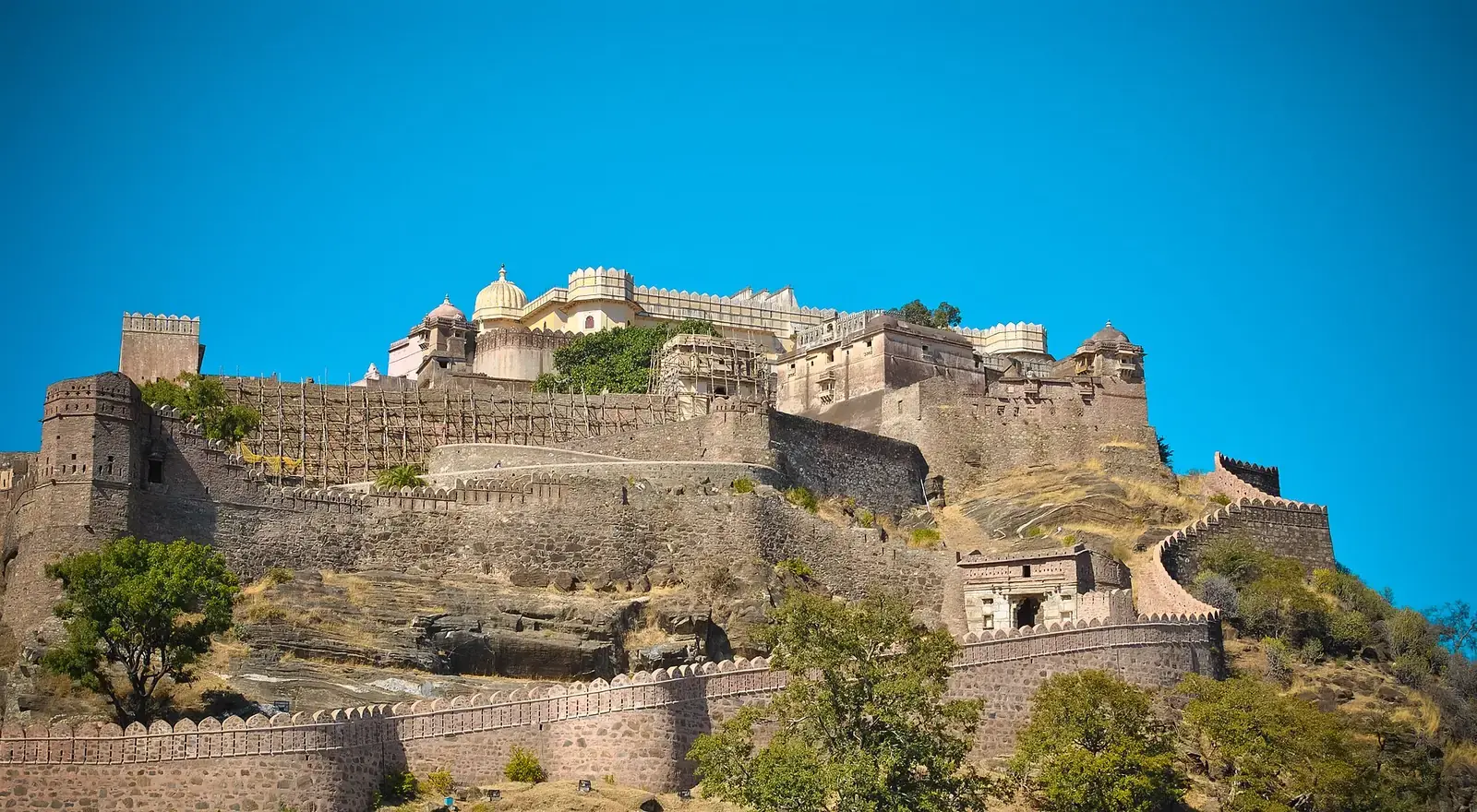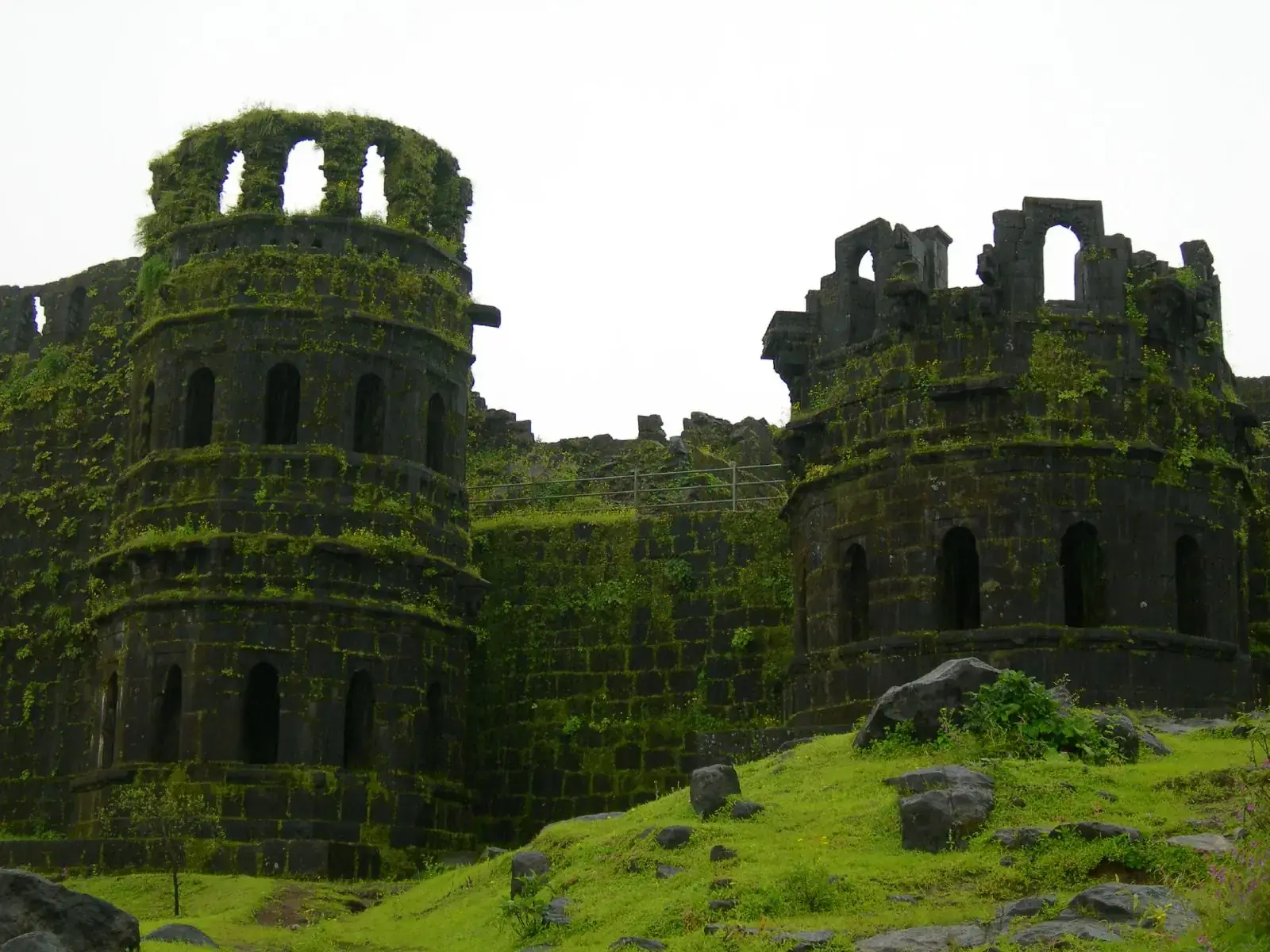
The Western Ghats (Sahyadri) of Maharashtra are dotted with hundreds of forts, many built or strengthened by the Marathas under Chhatrapati Shivaji Maharaj and his successors in the 17th and 18th centuries. Hill forts guarded passes and trade routes; sea forts protected the Konkan coast.
In July 2025 UNESCO inscribed the Maratha Military Landscapes of India, twelve forts that together show this defensive system: eleven in Maharashtra and Gingee in Tamil Nadu. Many other forts, such as Sinhagad, Daulatabad and Murud-Janjira, are just as popular with visitors.
Quick answer
The Maratha Military Landscapes of India, inscribed by UNESCO in 2025, are twelve forts: Salher, Shivneri, Lohagad, Khanderi, Raigad, Rajgad, Pratapgad, Suvarnadurg, Panhala, Vijaydurg and Sindhudurg in Maharashtra, and Gingee in Tamil Nadu. Raigad (with a ropeway), Shivneri, Sinhagad and Lohagad are easy to reach from Pune or Mumbai. Many are visited as treks, best from July to February.
Key takeaways
- Twelve Maratha forts were inscribed together by UNESCO in July 2025.
- Raigad was Shivaji Maharaj's capital, where he was crowned in 1674; a ropeway runs to the top.
- Shivneri, near Junnar, is Shivaji Maharaj's birthplace.
- Sindhudurg and other sea forts are reached by boat in fair weather.
- Monsoon treks are popular but slippery; go with experienced groups.
The twelve UNESCO forts
| Fort | Type | Near |
|---|---|---|
| Salher | Hill fort | Nashik district |
| Shivneri | Hill fort | Junnar, Pune district |
| Lohagad | Hill fort | Lonavala |
| Khanderi | Island fort | Off Alibaug |
| Raigad | Hill fort | Mahad, Raigad district |
| Rajgad | Hill fort | Pune district |
| Pratapgad | Hill fort | Mahabaleshwar |
| Suvarnadurg | Island fort | Harnai, Dapoli |
| Panhala | Hill fort | Kolhapur |
| Vijaydurg | Coastal fort | Sindhudurg district |
| Sindhudurg | Island fort | Malvan |
| Gingee | Hill forts | Villupuram district, Tamil Nadu |
Highlights
Raigad
Shivaji Maharaj's capital, where he was crowned in 1674; the ruins of the royal court, market street and his samadhi. A ropeway reaches the top.
- Near
- Mahad; about 130 km from Pune
Shivneri
The fort where Shivaji Maharaj was born in 1630, above Junnar, with a shrine to the goddess Shivai.
Pratapgad
Near Mahabaleshwar, where Shivaji Maharaj met and killed Afzal Khan in 1659.
Sindhudurg
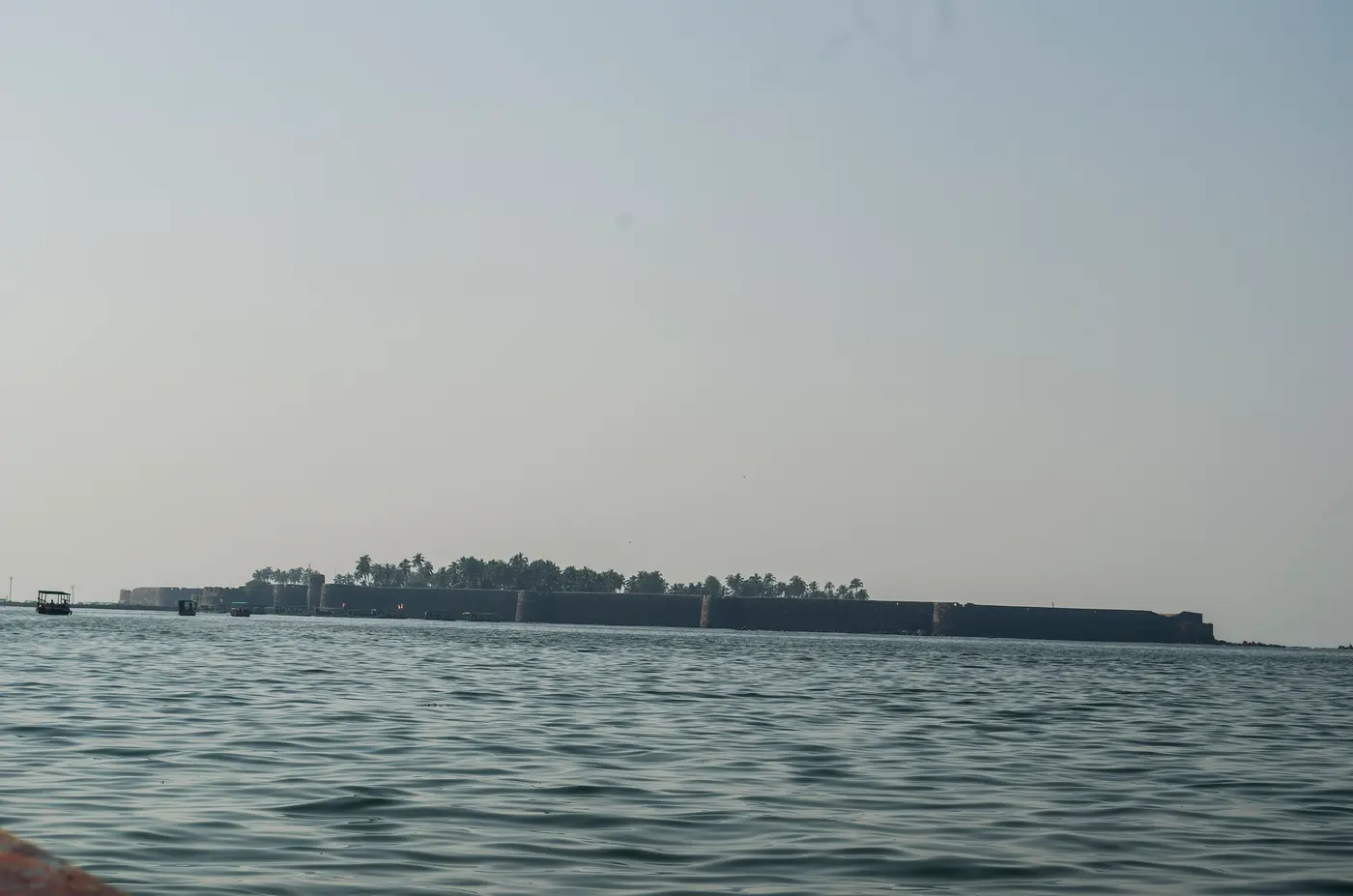
An island fort off Malvan, built in the 1660s, reached by boat from the Malvan jetty.
Other famous forts
- Sinhagad near Pune, known for the battle of 1670 and a popular short climb.
- Daulatabad (Devagiri) near Chhatrapati Sambhajinagar, with its tall Chand Minar and defensive maze.
- Murud-Janjira, the island fortress of the Siddis, reached by sailboat from Rajapuri.
- Harishchandragad and Rajmachi, favourite trekking forts.
Daulatabad and Sinhagad
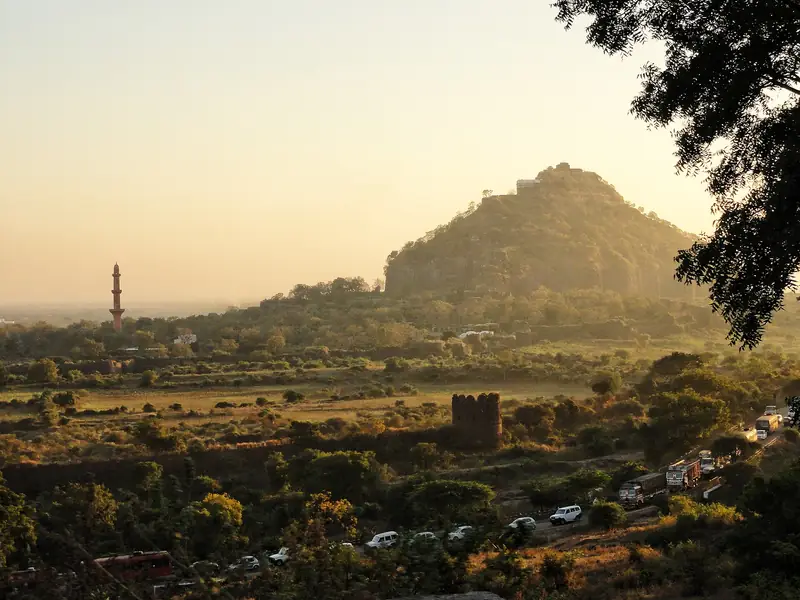
Two easy-to-reach forts.
Easy forts from Pune and Mumbai
| Fort | From | Effort |
|---|---|---|
| Sinhagad | Pune (about 35 km) | Road to near the top; short walk |
| Lohagad | Lonavala | Steps; about an hour's climb |
| Raigad | Pune or Mumbai | Ropeway or a long flight of steps |
| Shivneri | Pune (about 95 km) | Steps with several gateways |
| Pratapgad | Mahabaleshwar | Road to the base; short climb |
Longer treks such as Salher, Rajgad and Harishchandragad need a full day and some fitness.
The Maratha defence system
The Maratha forts worked as a network. Hill forts on the Sahyadri watched over passes and trade routes, while coastal and island forts such as Sindhudurg, Vijaydurg, Suvarnadurg and Khanderi supported a navy that controlled much of the Konkan coast in the 17th and 18th centuries. Many forts predate the Marathas and were captured, rebuilt and extended, which is why you see layers of construction.
Visiting the sea forts
- Sindhudurg: boats from the Malvan jetty in fair weather; the fort has a small temple and freshwater wells.
- Murud-Janjira: sailboats from Rajapuri jetty; not a UNESCO site but one of the best-preserved island forts.
- Suvarnadurg: seen from Harnai beach; boat access depends on the tide and weather.
- Khanderi: off Alibaug; access is limited, so check locally before planning.
Fort festivals
Shivaji Jayanti (officially 19 February, with some groups following the Hindu calendar date) and the anniversary of the coronation at Raigad draw large crowds to the forts. These are moving to see, but trails and parking get very busy; go on another day if you want quiet.
When to go
- July to September: the Sahyadri are green and misty; trails are slippery and some are closed after heavy rain.
- October to February: clear views and comfortable trekking.
- March to May: hot; start climbs at dawn.
- Sea forts: boats generally do not run in the monsoon.
Safety
- Timings, closures and tickets are set by the ASI, state departments or trusts and change from time to time; check official sources before you go.
- Trek with experienced groups in the monsoon and check trail advisories; several forts restrict access after heavy rain.
- Carry water and start early.
- Respect these as sites of historical and cultural importance.
What to pack
- Trekking shoes with grip
- Rain jacket in the monsoon
- Water and snacks
- Torch for early starts
Want to explore India's heritage on a route built around you?
FAQs
Which forts are in the Maratha Military Landscapes?
Salher, Shivneri, Lohagad, Khanderi, Raigad, Rajgad, Pratapgad, Suvarnadurg, Panhala, Vijaydurg, Sindhudurg and Gingee.
When were the Maratha forts inscribed by UNESCO?
In July 2025, as India's 44th World Heritage Site.
Where was Shivaji Maharaj born?
At Shivneri Fort, near Junnar, in 1630.
Is there a ropeway at Raigad?
Yes, a ropeway runs to the top of Raigad.
When is the best time to visit Maharashtra's forts?
October to February for clear weather; the monsoon is beautiful but slippery.