Why Pune?
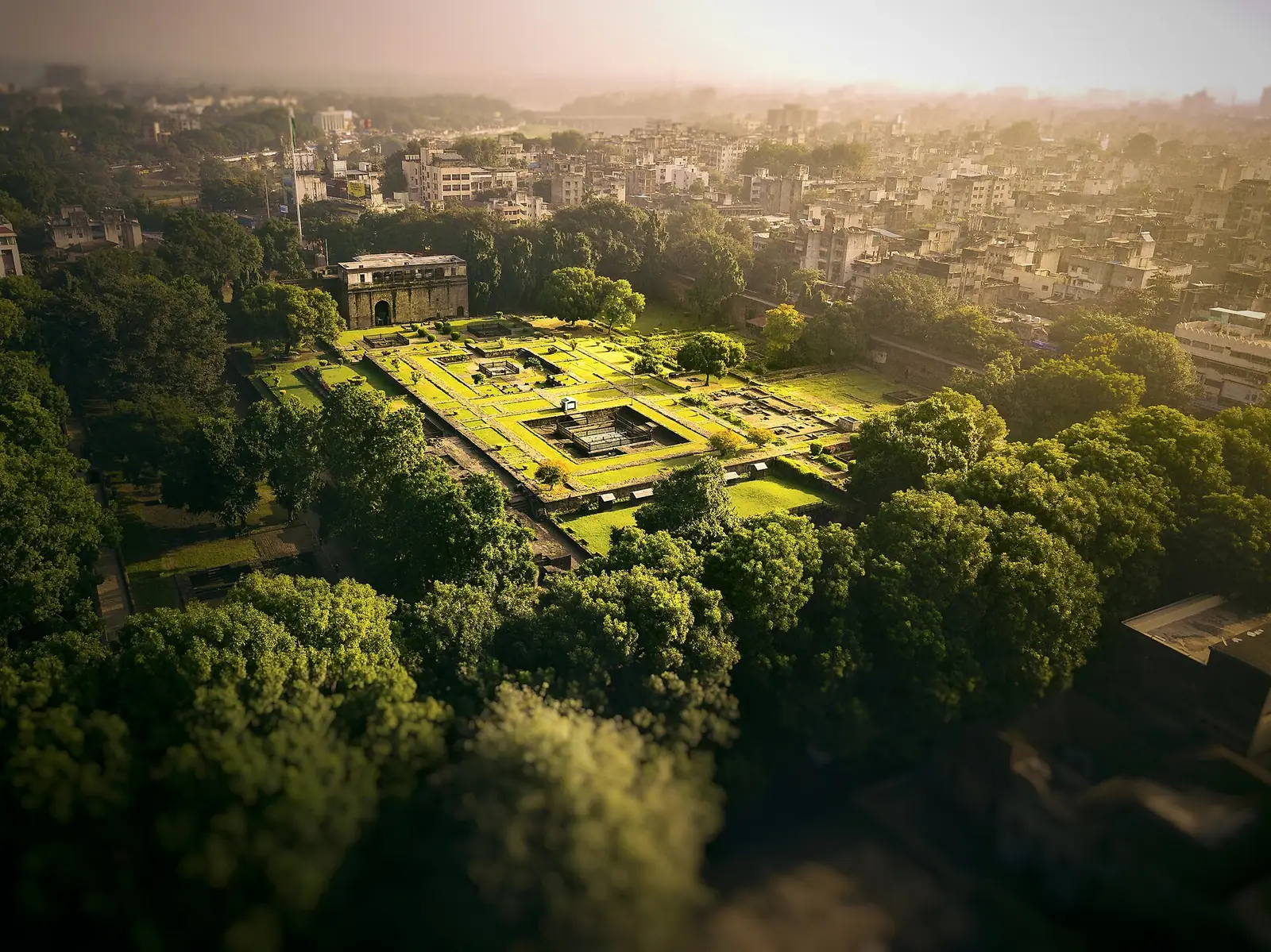
Pune carries two identities at once — it was the seat of the Peshwas, the prime ministers who ran the Maratha empire at its 18th-century peak, and today it's one of India's fastest-growing education and IT cities. That combination gives Pune a rare mix: genuine Maratha-era heritage sites within city limits, a huge student population that keeps its food and café scene lively, and a ring of hill forts within easy day-trip distance.
Compared to Mumbai, Pune moves at a noticeably calmer pace, with wider streets, more greenery, and a food culture built around misal pav and other Maharashtrian staples rather than beach-side street food. It's an easy add-on to a Lonavala or Mahabaleshwar trip, or a standalone city break in its own right.
🏯 Pune at a Glance
Looking for activities and experiences? See our guide to the best things to do in Pune.
Interested in the history? See our guide to forts in Maharashtra.
Best Time to Visit Pune
Cool, dry weather (12–28°C), ideal for fort climbs and long heritage walks around the old city.
Temperatures climb past 35°C, making midday sightseeing uncomfortable — plan around early mornings and evenings.
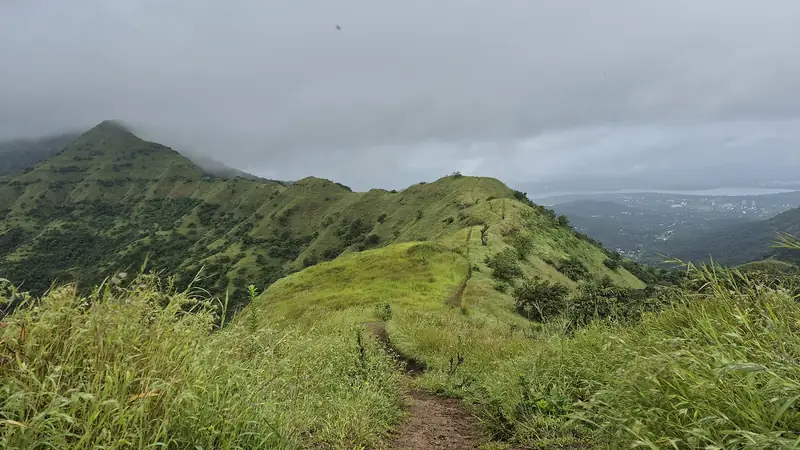
Green hills and misty fort views draw plenty of weekend trekkers to Sinhagad despite the rain.
Our pick: November to January for the most comfortable citywide sightseeing weather.
How to Reach Pune
- By Air: Pune International Airport (PNQ) connects to most major Indian cities and select international routes.
- By Train: Pune Junction is a major railway hub with direct trains from across the country, including frequent services to and from Mumbai.
- By Road: The Mumbai-Pune Expressway makes the drive from Mumbai (~150 km) around 3 hours; Pune is also well-connected to Nashik, Kolhapur, and other Maharashtra cities.
Top Attractions in Pune
- Shaniwar Wada: The fortified 18th-century palace that was the seat of the Peshwa rulers — now partly in ruins after a fire, but its grand gate and walls still convey its former scale.
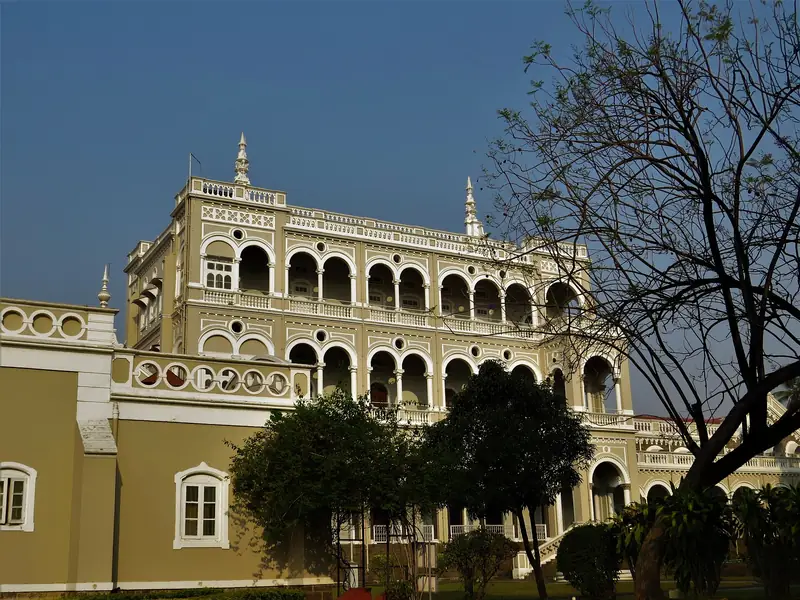
- Aga Khan Palace: A grand 1890s palace that later served as a detention site for Mahatma Gandhi and Kasturba Gandhi — today a memorial to India's freedom struggle.
- Sinhagad Fort: A hilltop fort roughly 25 km from the city, reachable by a moderate trek or a drive most of the way up, famous for its Maratha-era history and panoramic views.
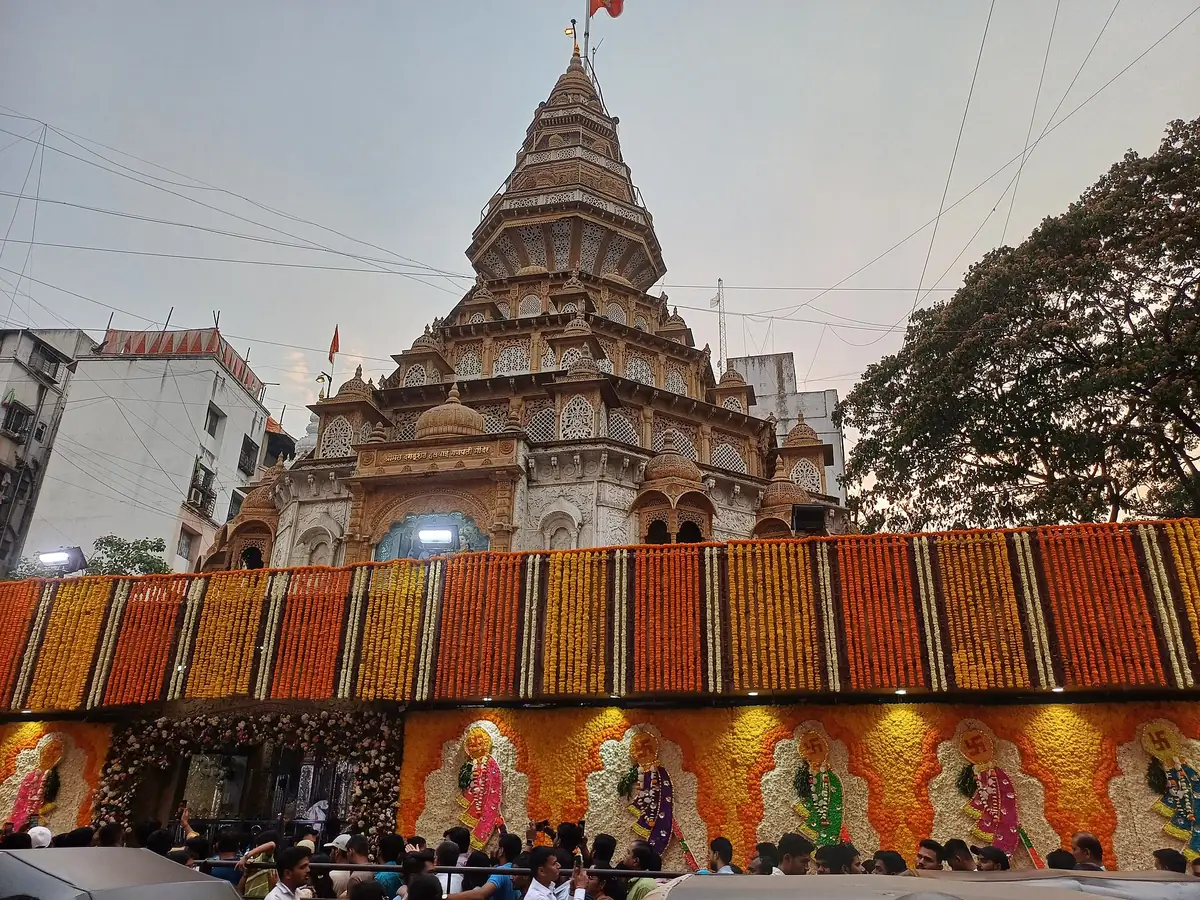
- Dagdusheth Halwai Ganpati Temple: One of Pune's most visited temples, known for its elaborately decorated Ganesh idol and lively atmosphere, especially during Ganesh Chaturthi.
- Pataleshwar Cave Temple: A small 8th-century rock-cut Shiva temple carved directly into basalt rock, tucked away in the middle of the city.
- Parvati Hill Temple: A hilltop temple complex offering panoramic city views, reached by a short flight of steps.
- Koregaon Park: Pune's most fashionable neighbourhood, known for its cafes, restaurants, and nightlife.
Where to Stay
- → Hostels near FC Road
- → Budget hotels, Camp area
- → Business hotels, Koregaon Park
- → Serviced apartments, Kalyani Nagar
- → 5-star hotels, Koregaon Park
- → Premium business hotels, Kharadi
What to Eat in Pune
- Misal Pav: Pune's signature dish — a spicy sprouted-lentil curry topped with farsan, served with bread rolls, found at legendary local joints across the city.
- Bakarwadi: A tightly rolled, sweet-and-spicy snack that's one of Pune's most famous edible souvenirs.
- Mastani: A thick, decadent milkshake topped with ice cream and dry fruits — a Pune specialty best had at the shops around Deccan Gymkhana.
- Irani Cafes & German Bakery: Old-school cafes serving bun maska, chai, and continental snacks, popular with Pune's large student population.
2-Day Pune Itinerary
Heritage Pune
- ✓Morning: Shaniwar Wada
- ✓Aga Khan Palace
- ✓Dagdusheth Ganpati Temple
- ✓Evening: Koregaon Park cafes
Sinhagad Fort & Old City
- ✓Morning: Sinhagad Fort
- ✓Afternoon: Pataleshwar Cave Temple and Parvati Hill
- ✓Evening: FC Road/JM Road shopping and food
Budget Breakdown
| Expense | Budget | Mid-Range | Luxury |
|---|---|---|---|
| Accommodation/night | ₹900 | ₹3,500 | ₹12,000 |
| Food/day | ₹400 | ₹900 | ₹2,200 |
| Local transport per day | ₹200 | ₹600 | ₹1,800 |
| Entry fees/activities | ₹200 | ₹500 | ₹1,200 |
| Daily total | ₹1,700 | ₹5,500 | ₹17,200 |
| 2-Day trip total | ₹3,400 | ₹11,000 | ₹34,400 |
* Excludes transport to the region.
Essential Travel Tips
- Start Sinhagad early: Beat the heat and the weekend crowds by beginning the fort trek in the morning.
- Traffic builds through the day: Pune's roads get congested, especially around IT corridors — factor this into your timing.
- Try local joints over chains: Pune's misal pav scene is best experienced at long-running local establishments rather than restaurant chains.
- Combine with nearby hill stations: Pune is a convenient base for day trips to Lonavala or a longer trip to Mahabaleshwar.
✅ Do
- →Visit Shaniwar Wada with some background on Peshwa history for context
- →Climb Sinhagad early to avoid the midday heat
- →Try misal pav at a well-established local joint
- →Spend an evening in Koregaon Park's cafe scene
- →Use Pune as a base for Lonavala day trips
❌ Don't
- →Attempt Sinhagad in the midday heat during summer
- →Underestimate Pune's traffic when planning your day
- →Skip Aga Khan Palace's freedom-struggle history
- →Rush the old city heritage walk
- →Expect Mumbai-style beach or coastal attractions here
Frequently Asked Questions
How many days do I need in Pune?
Two days covers the main heritage sites and a fort visit comfortably. Add a third day if you want to explore Koregaon Park's cafe scene or take a day trip to nearby Lonavala.
What is the best time to visit Pune?
October to February is the most comfortable window, with cool, dry weather ideal for fort visits like Sinhagad. Monsoon (June–September) is scenic and popular for weekend fort treks despite the rain.
How do I reach Pune?
Pune International Airport (PNQ) has good domestic connectivity, Pune Junction is a major railway hub, and the Mumbai-Pune Expressway makes the drive from Mumbai around 3 hours.
Is Sinhagad Fort worth visiting?
Yes — it's one of the most popular fort visits near Pune, reachable by a manageable trek or a drive most of the way up, with panoramic Sahyadri views and stalls selling the fort's famous pithla-bhakri and kanda bhaji.
What is Pune famous for?
Pune is known as the cultural capital of Maharashtra and a major education and IT hub, alongside its Maratha empire history — Shaniwar Wada was the seat of the Peshwas who once ruled much of India.
What is the budget for a trip to Pune?
A budget traveller can manage on roughly ₹1,500 a day, a mid-range trip runs closer to ₹4,000 a day, and upscale stays can run ₹9,000+ a day, excluding transport to the city.
Published by the Kudozz Club editorial team · Last updated · How we research our guides
Want us to plan this trip for you?
Tell Kudozz Club where you want to go and what kind of trip you’re looking for. We’ll build a Pune and Maharashtra itinerary around your dates and budget.
Continue Exploring
View all guidesThings to DoThings to Do in Pune: Peshwa Heritage, Hill Forts, Food & Monsoon Escapes
Things to do in Pune: Shaniwar Wada, Aga Khan Palace, Dagdusheth Ganpati, the Raja Dinkar Kelkar Museum, Parvati Hill, Pataleshwar caves, Sinhagad and other forts, Ganeshotsav, misal pav, Koregaon Park cafés, and day trips to Lonavala and Bhimashankar.
 Destination Guide
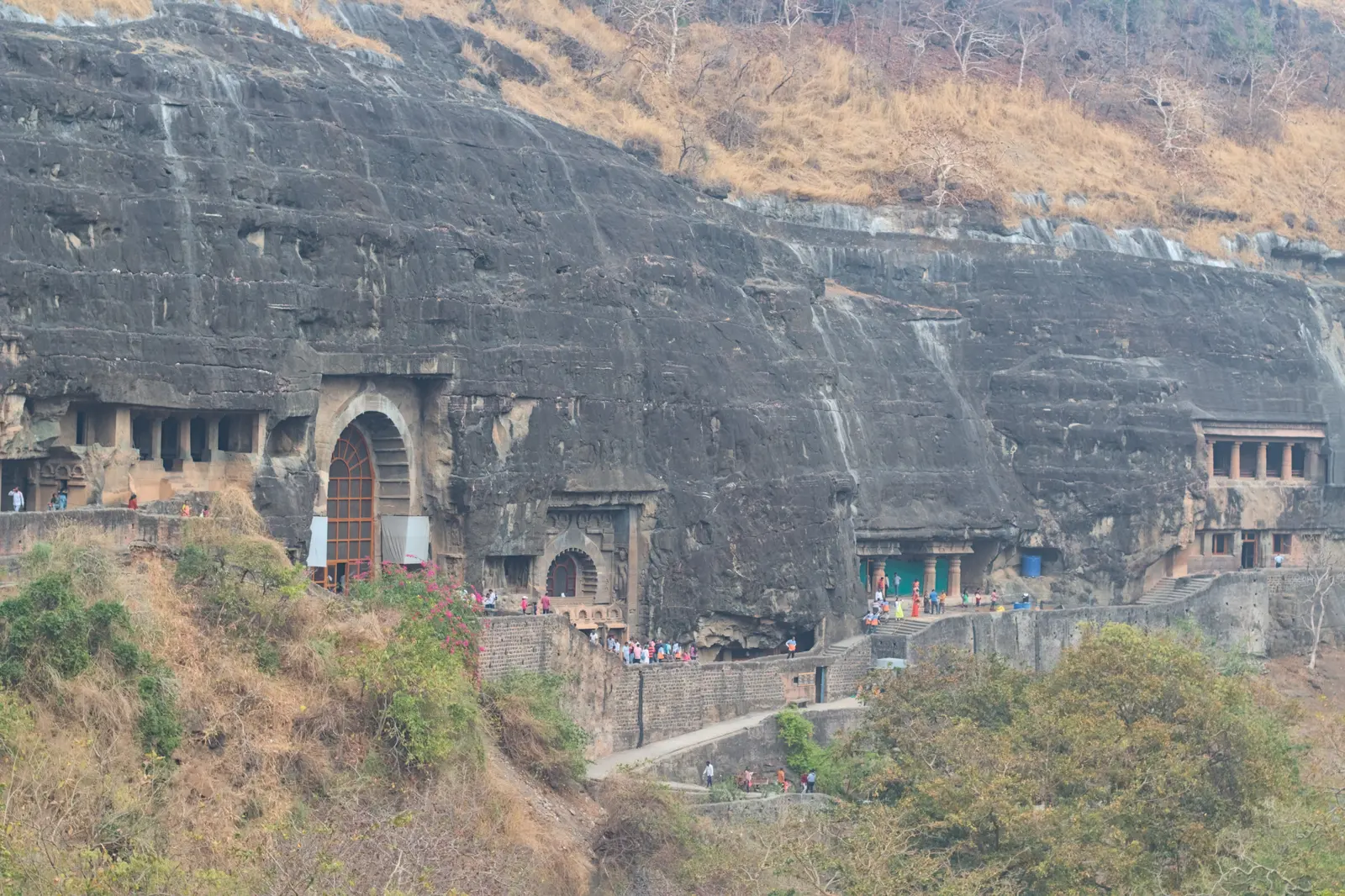
Maharashtra Travel Guide: Mumbai, Ajanta-Ellora & Konkan Coast
A city that never sleeps, 2,000-year-old rock-cut cave temples, and a coastline dotted with sea forts and fishing villages — the complete guide to Maharashtra.
 Destination Guide
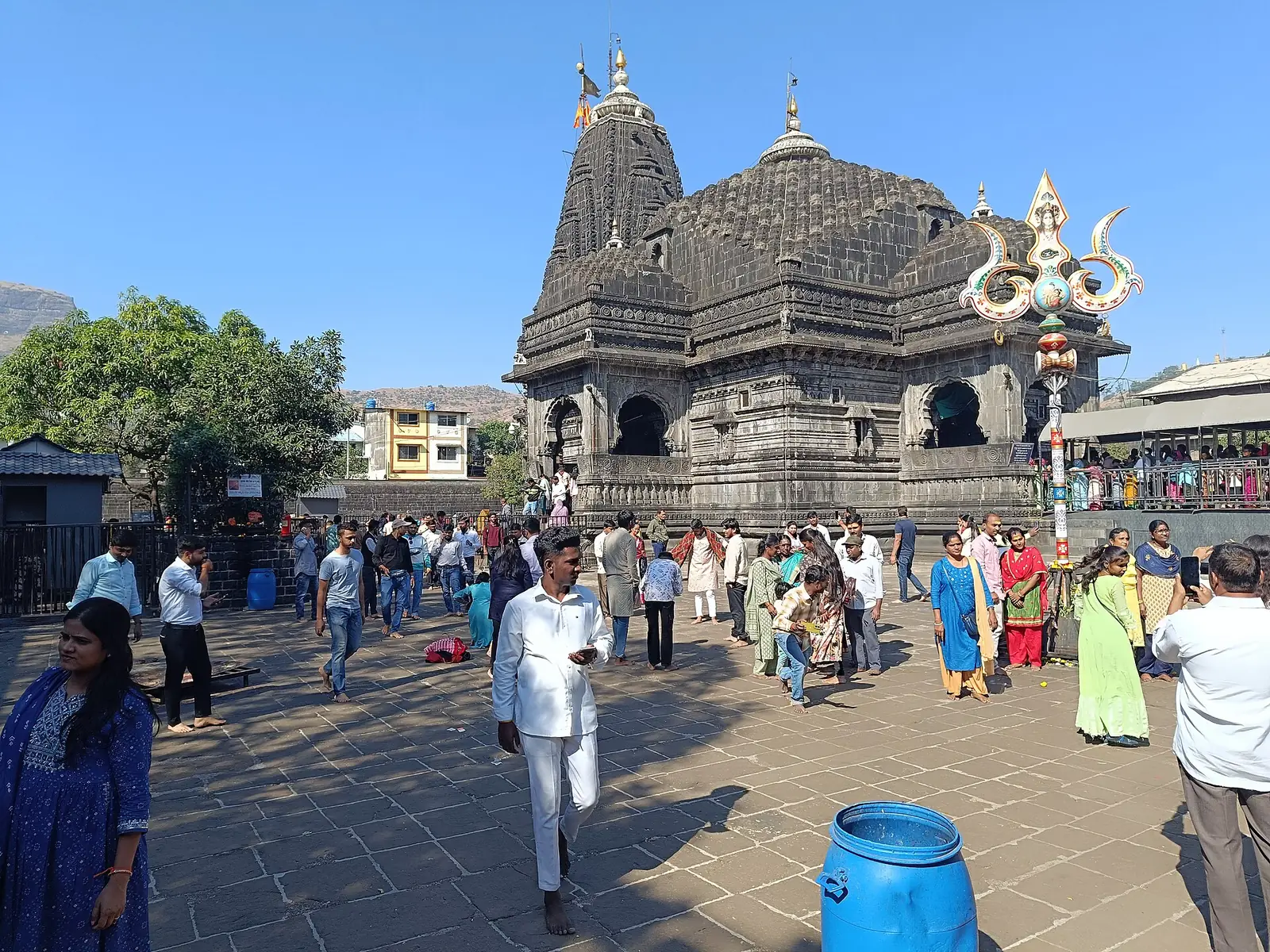
Nashik Travel Guide: Vineyards, Temples & Godavari Ghats
India's wine capital, a riverside pilgrimage town on the Godavari, and the vineyards drawing weekend crowds from Mumbai and Pune — the complete guide to Nashik.
 Destination Guide
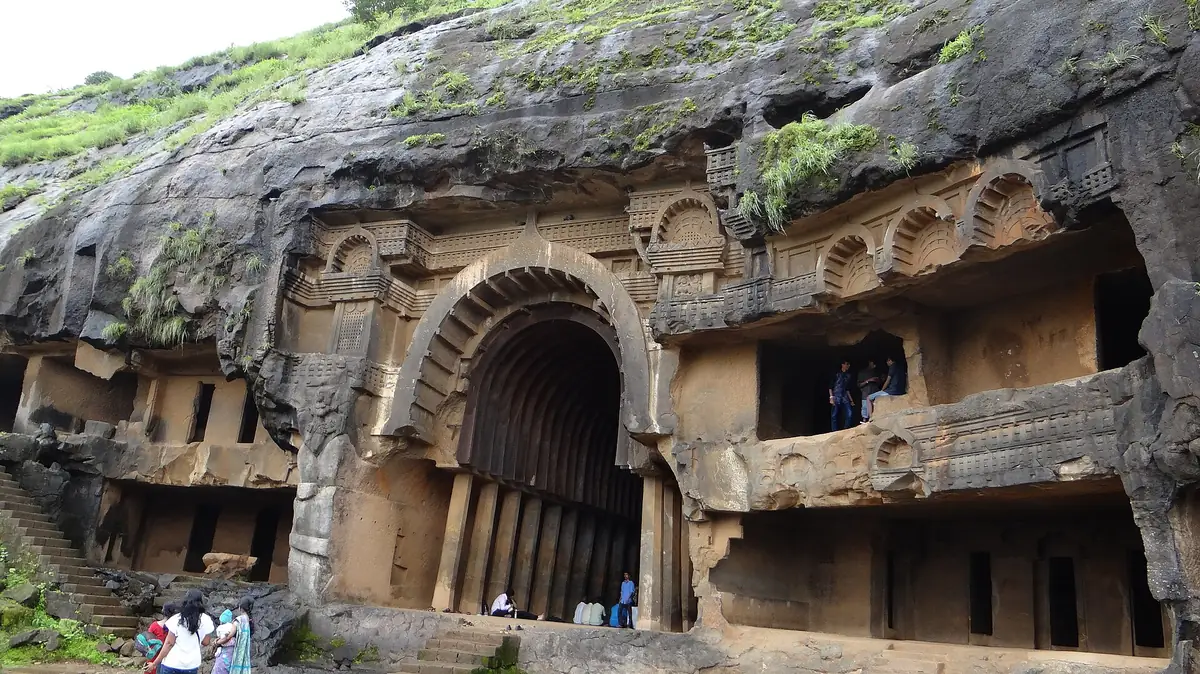
Lonavala Travel Guide: Waterfalls, Caves & Monsoon Getaway
Mist-wrapped ghats two hours from Mumbai and Pune, 2,000-year-old rock-cut caves, and waterfalls that roar to life every monsoon — the complete guide to Lonavala.