Why Maharashtra?
India's second-most populous state and economic powerhouse, Maharashtra is often seen purely through the lens of Mumbai — but the state stretches from a fort-studded Konkan coastline in the west to the Deccan plateau's ancient cave temples in the east, with the cool hill stations of the Sahyadri range in between.
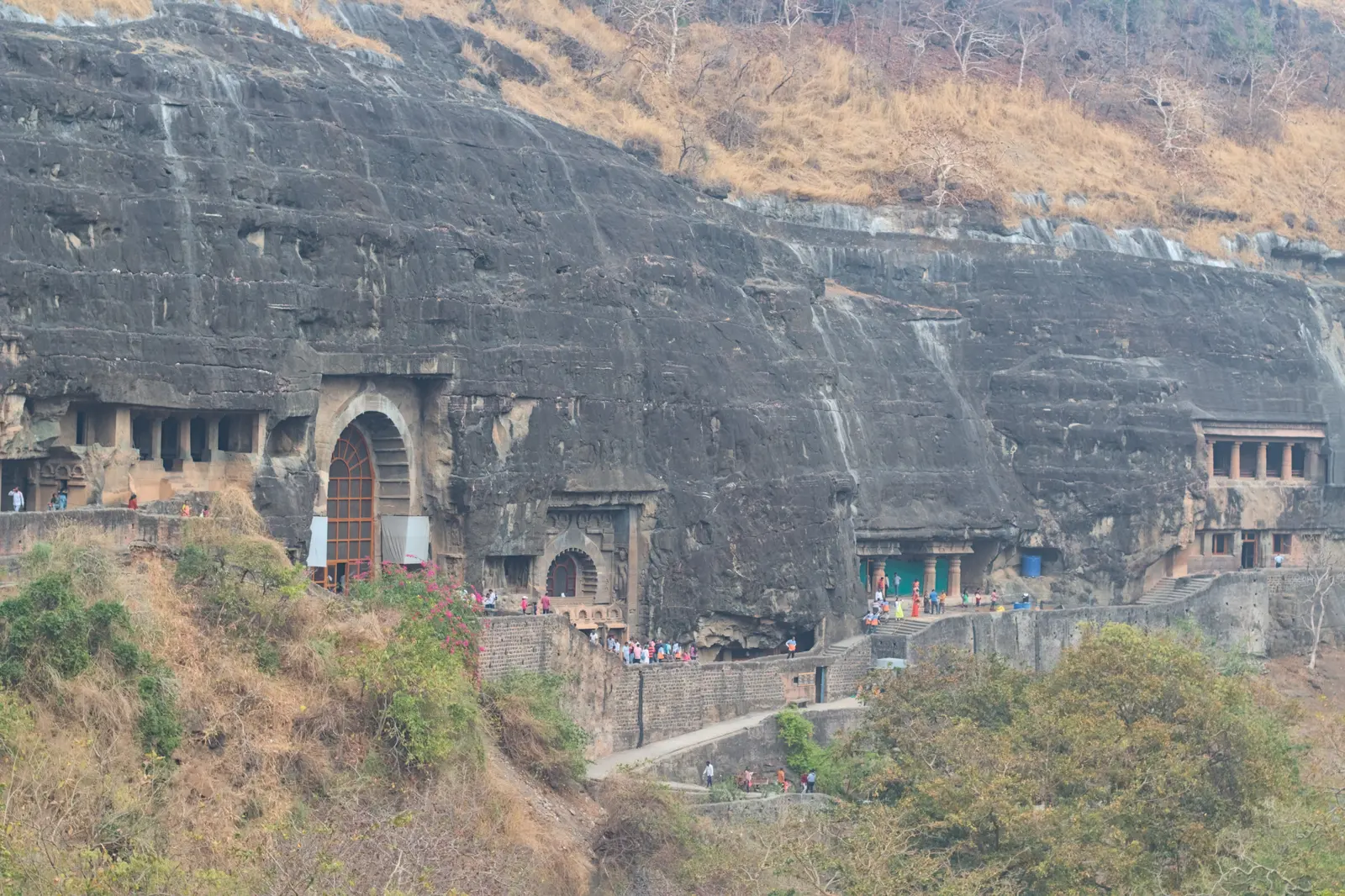
Mumbai itself is worth several days on its own — colonial-era architecture, Bollywood energy, and street food culture that rivals anywhere in India. But the real depth of Maharashtra's history is at Ajanta and Ellora, UNESCO World Heritage cave complexes carved directly into rock over centuries, among the finest ancient architecture anywhere in the world.
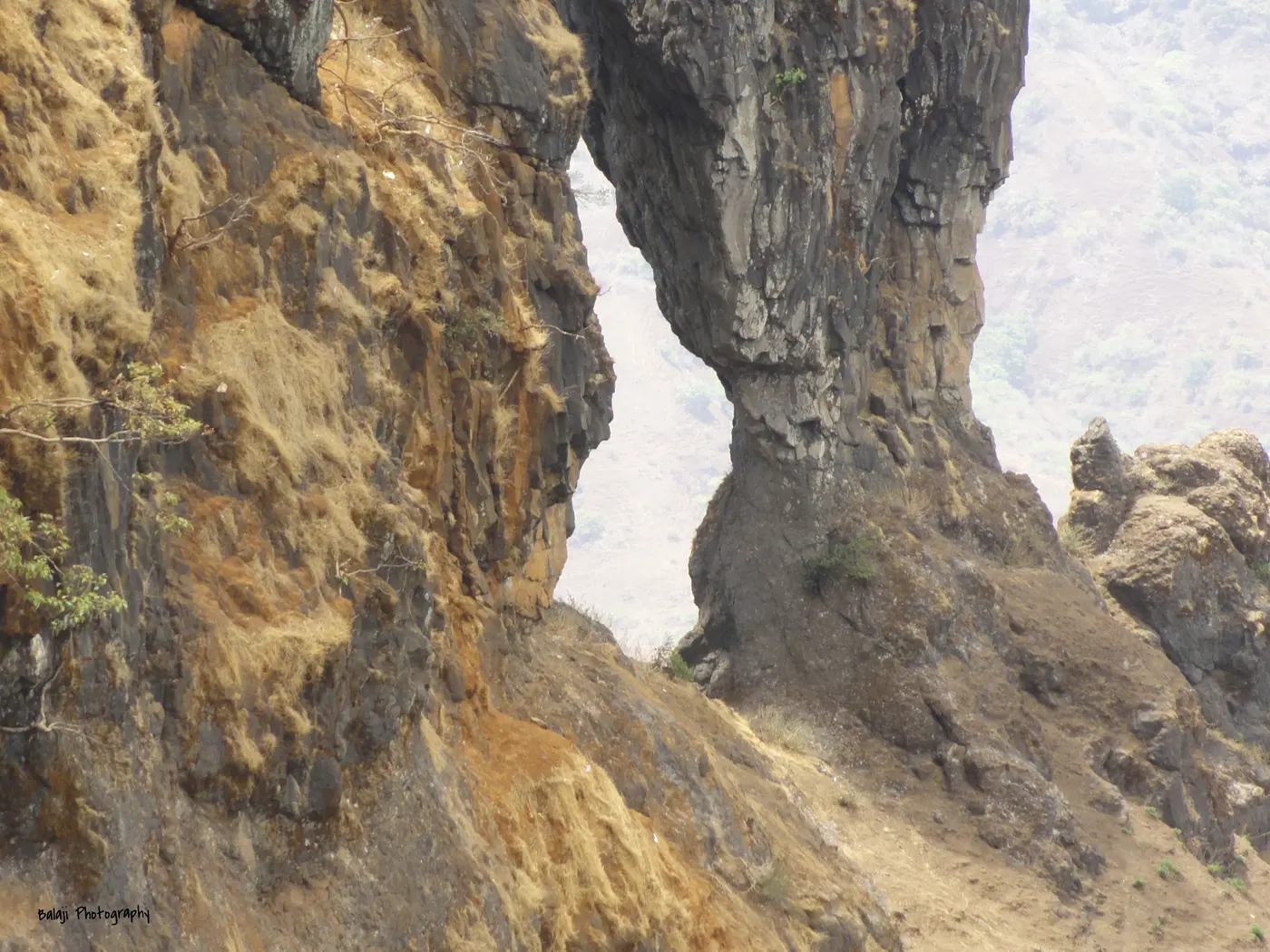
Add in monsoon-famous hill stations like Lonavala and Mahabaleshwar, and a Konkan coast lined with sea forts like Sindhudurg and quiet beach towns like Ganpatipule, and Maharashtra covers an unusually wide range of travel experiences within one state.
🏛️ Maharashtra at a Glance
Interested in the history? See our guide to heritage in Maharashtra.
Planning a pilgrimage? See our guide to spiritual places in Maharashtra.
Planning a wildlife trip? See our guide to wildlife tourism in Maharashtra.
Planning a beach holiday? Explore our guide to the best beaches in Maharashtra.
Best Time to Visit Maharashtra
Maharashtra's diverse geography means different regions have different ideal windows — but for a first trip covering multiple areas, winter is the safest bet.
Cool, dry, and pleasant (15–30°C) — ideal for Mumbai sightseeing, Ajanta-Ellora, and coastal towns alike.
Inland areas and the Deccan plateau get genuinely hot — early morning sightseeing at Ajanta-Ellora is essential.
Heavy rainfall statewide, but this is exactly when Lonavala, Mahabaleshwar, and Matheran are at their greenest and most popular.
Mumbai and much of Maharashtra celebrate Ganesh Chaturthi with huge public processions — an incredible cultural experience if timed right.
Our pick: November to February for a first trip covering Mumbai, Ajanta-Ellora, and the coast — but if hill stations and waterfalls are the priority, the monsoon months are genuinely the better call.
How to Reach Maharashtra
- By Air: Chhatrapati Shivaji Maharaj International Airport (BOM) in Mumbai is one of India's busiest, with direct flights from across the world and every major Indian city.
- By Rail: Mumbai is a major rail hub with extensive connections nationwide; Aurangabad (for Ajanta-Ellora) and Pune are also well connected.
- By Road: An extensive expressway and highway network connects Mumbai to Pune, the Konkan coast, and neighboring states.
Mumbai: Gateway of India & Marine Drive
India's financial and entertainment capital rewards at least 2–3 days of proper exploring, blending colonial architecture with relentless modern energy.
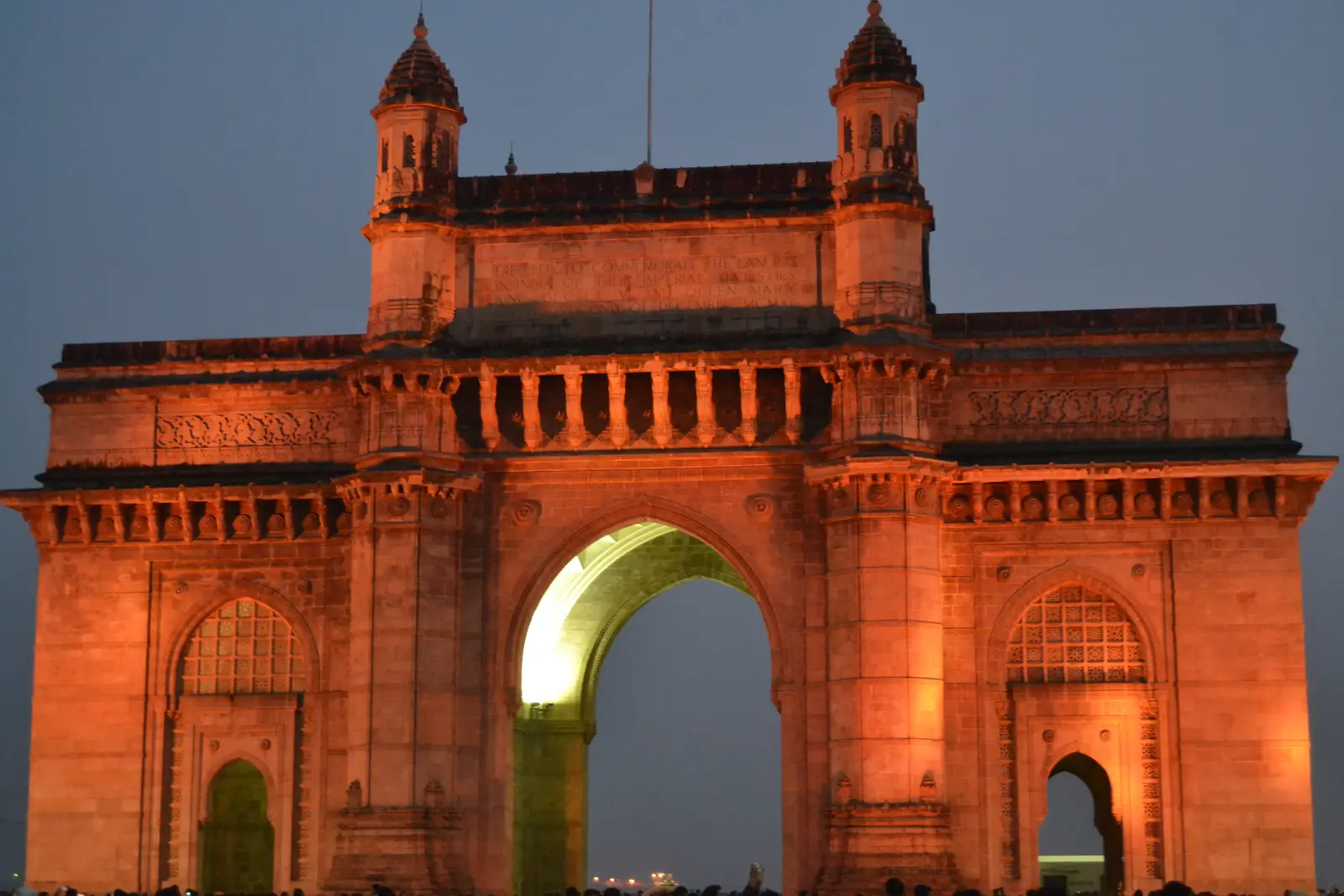
- Gateway of India & Elephanta Caves: Mumbai's most iconic monument, and the launch point for a short ferry to Elephanta Island's rock-cut Shiva temple caves.
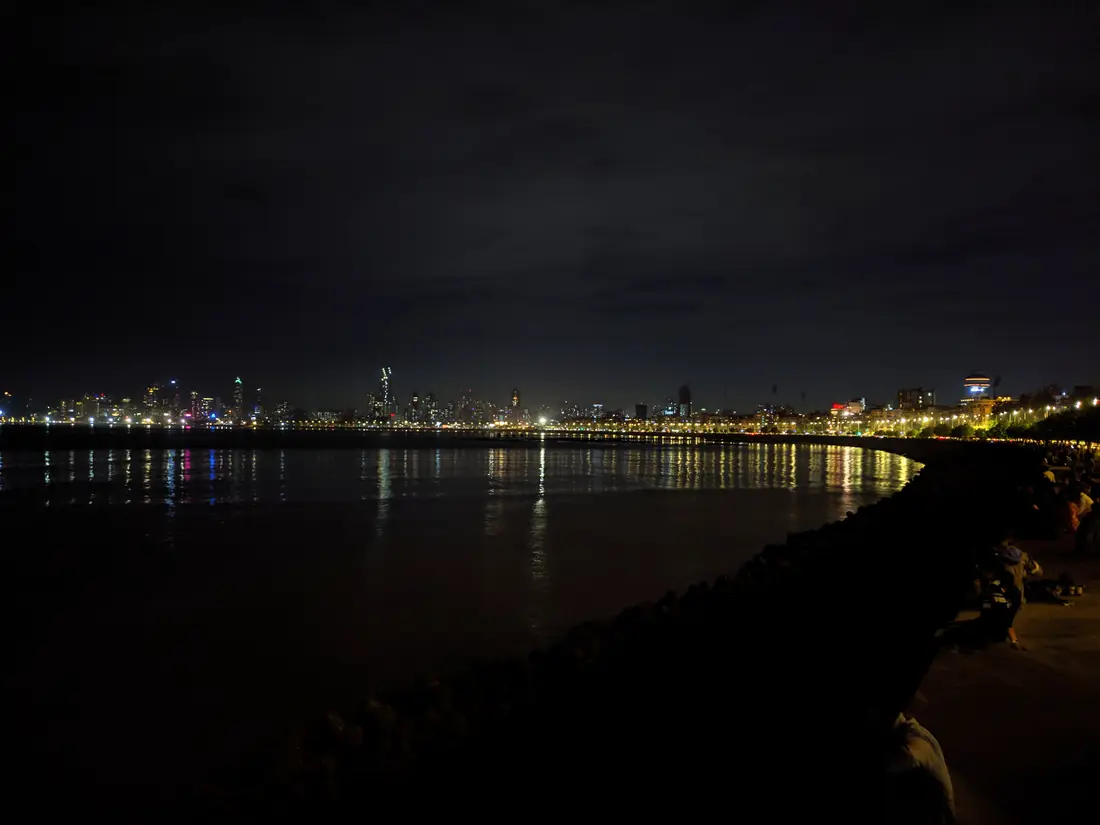
- Marine Drive: The city's famous curved promenade along the Arabian Sea — best experienced at sunset.
- Chhatrapati Shivaji Maharaj Terminus: A UNESCO World Heritage railway station and one of Mumbai's grandest examples of Victorian Gothic architecture.
- Colaba Causeway & Bandra: Mumbai's best shopping streets and café culture, respectively — good for an evening of wandering.
Ajanta & Ellora Caves
Near Aurangabad, Ajanta and Ellora are two of the most significant ancient monument complexes in the world, both UNESCO World Heritage Sites, carved directly out of basalt rock cliffs over several centuries.
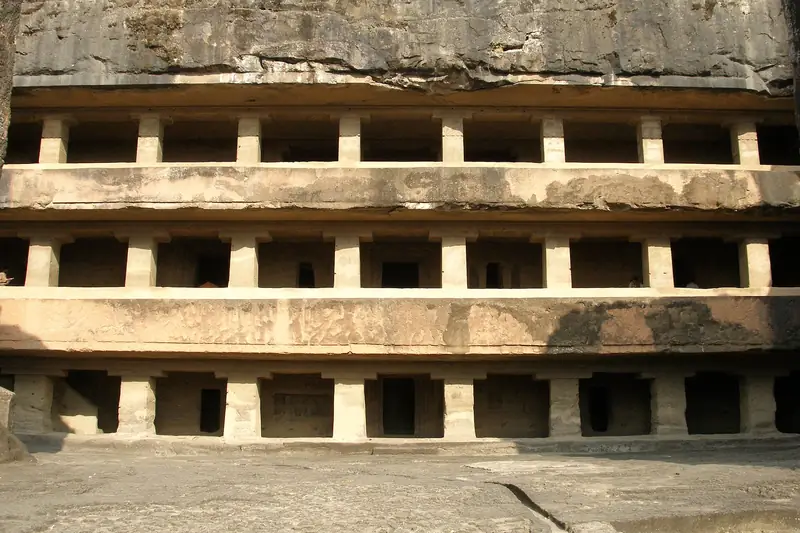
- Ajanta Caves: 30 Buddhist rock-cut caves dating from the 2nd century BCE, famous for intricate paintings and sculptures that are among the finest surviving examples of ancient Indian art.
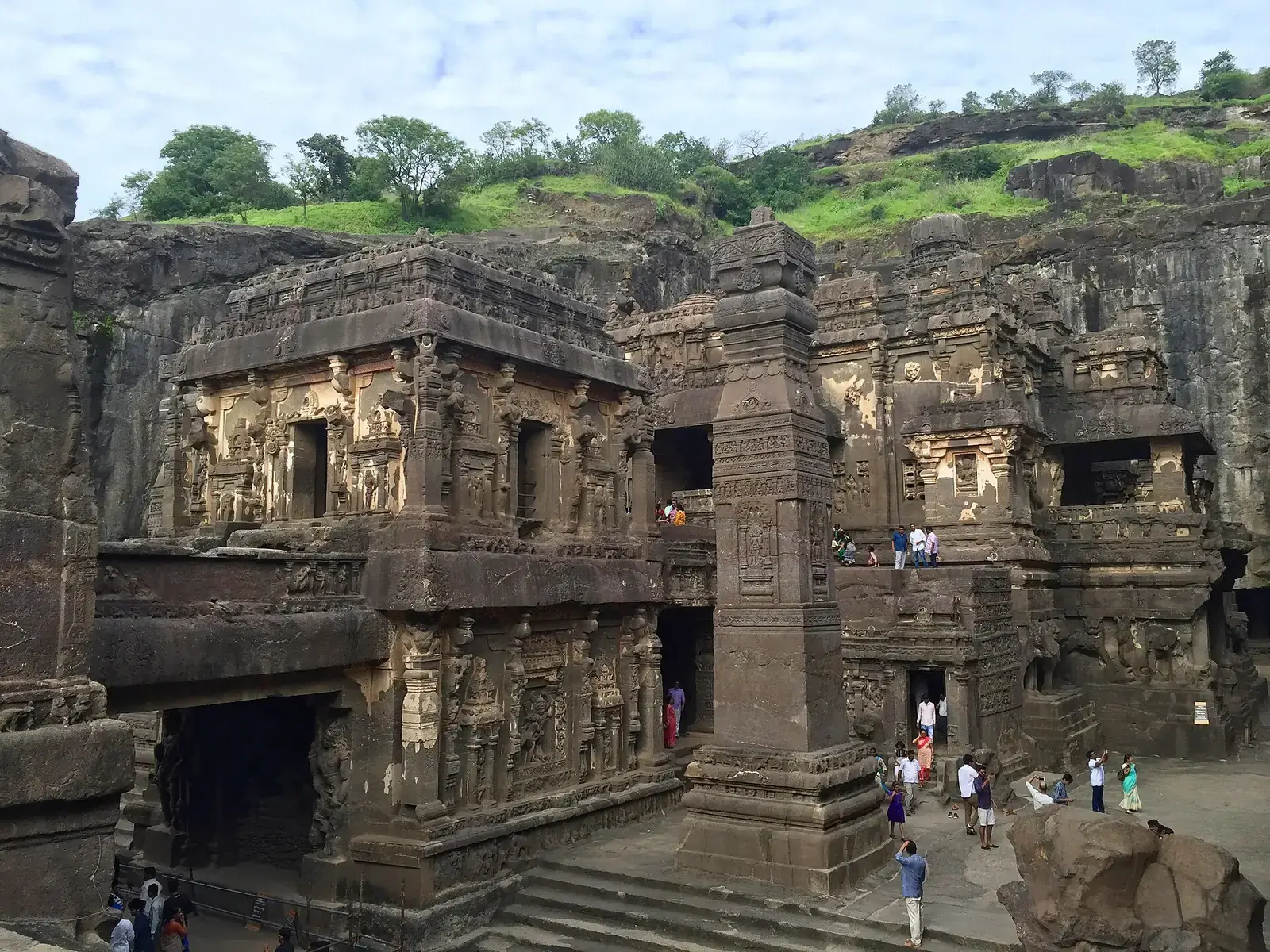
- Ellora Caves: 34 caves representing Buddhist, Hindu, and Jain traditions side by side, including the Kailasa Temple — a single monolithic structure carved from one rock, one of the largest such structures on earth.
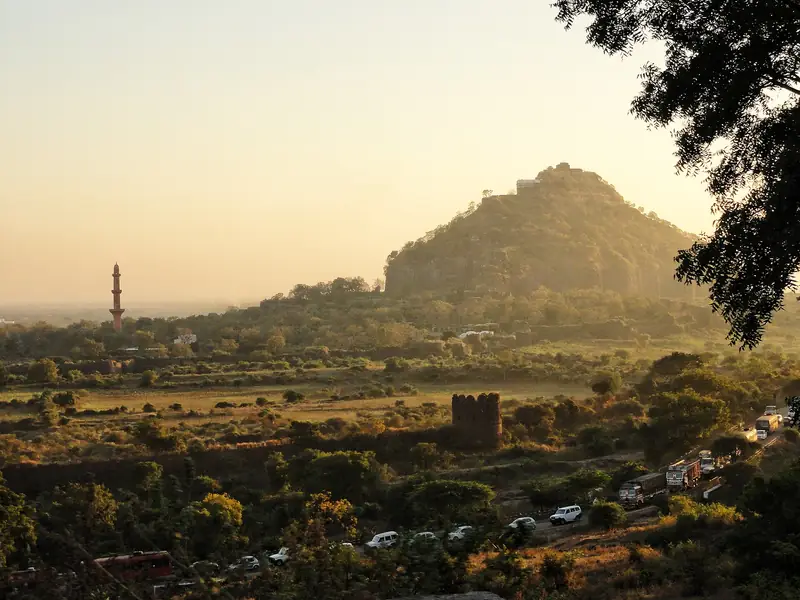
- Daulatabad Fort: A formidable hilltop fortress en route between the two cave complexes, worth a stop for its ingenious medieval defenses.
Lonavala, Mahabaleshwar & Matheran
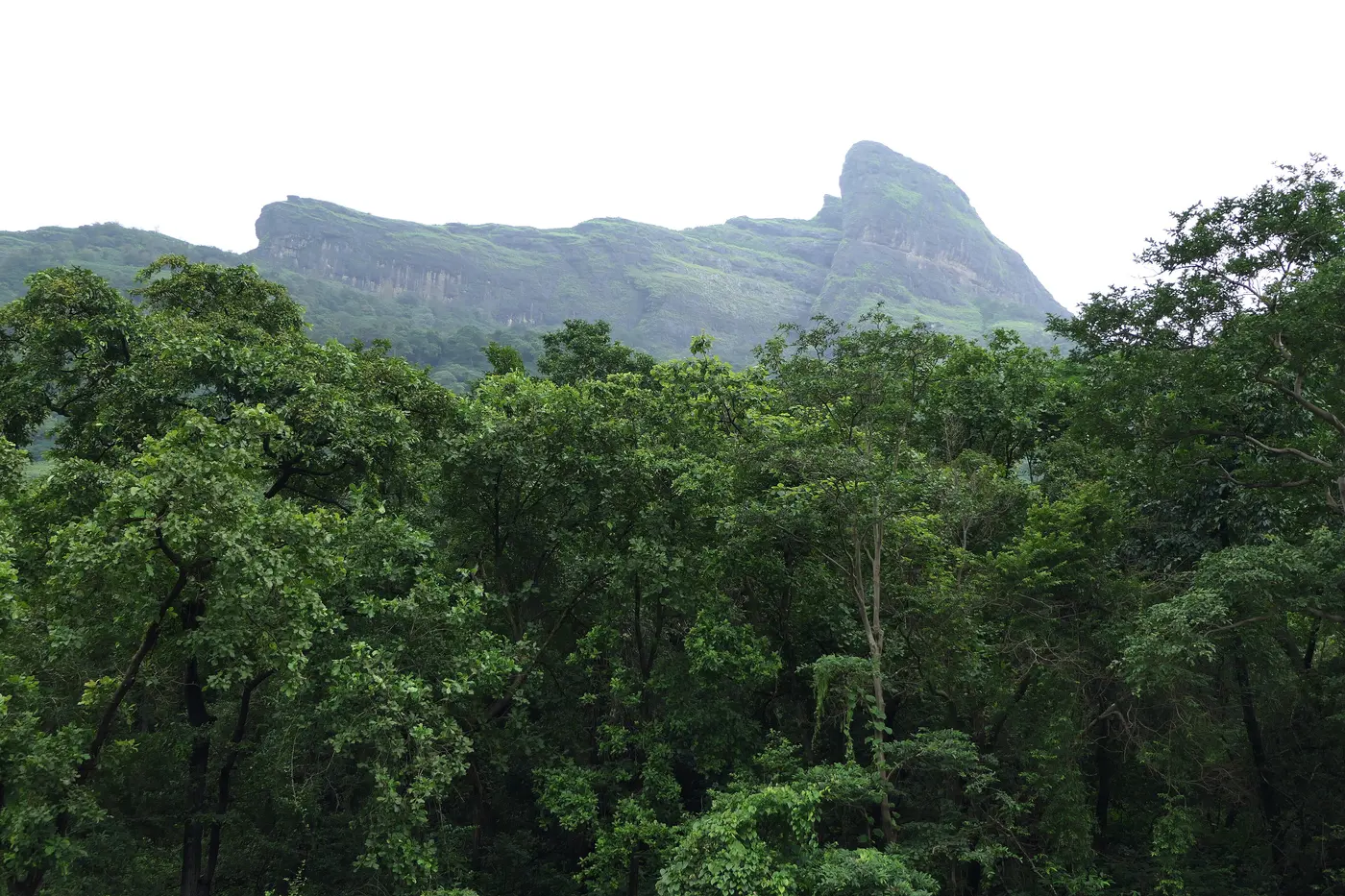
The Sahyadri range gives Maharashtra a string of accessible hill stations, especially popular as weekend getaways from Mumbai and Pune.
- Lonavala & Khandala: The closest hill station to Mumbai and Pune, famous for waterfalls, forts like Lohagad and Rajmachi, and chikki (a local sweet).
- Mahabaleshwar: Known for strawberry farms, viewpoints over the Western Ghats, and boating on Venna Lake — a classic colonial-era hill retreat.
- Matheran: India's only automobile-free hill station, reached by a toy train or on foot/horse — genuinely quiet and pollution-free.
The Konkan Coast
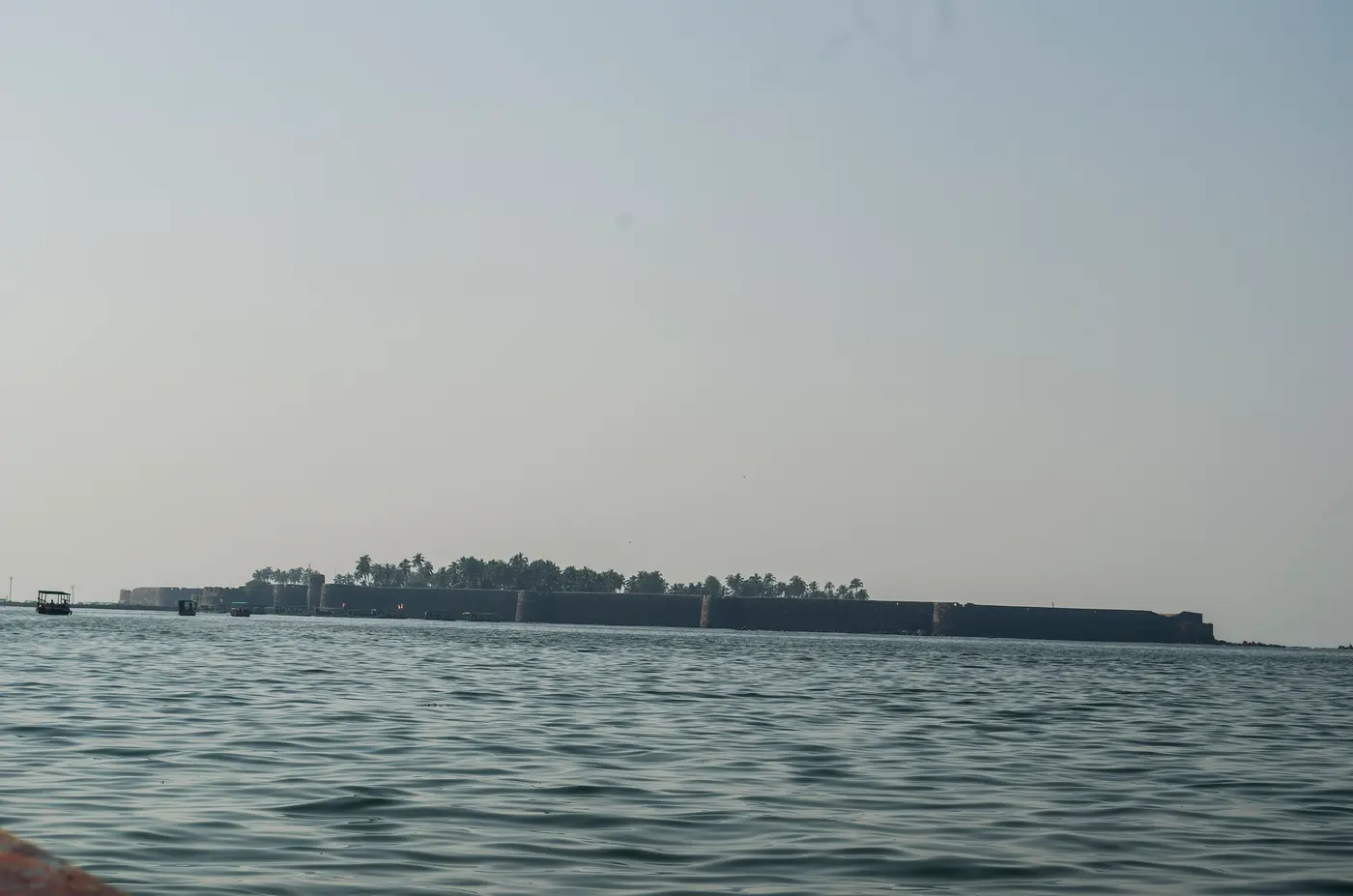
South of Mumbai, Maharashtra's Konkan coast runs quieter and less commercial than neighboring Goa — a string of sea forts, fishing villages, and beach towns worth slowing down for.
- Alibaug: The most accessible Konkan getaway from Mumbai, with beaches and the offshore Kolaba Fort, reachable at low tide on foot.
- Ganpatipule: A quiet beach town centered on an ancient Ganpati temple, popular for its calm, uncrowded shoreline.
- Sindhudurg Fort: A 17th-century sea fort built by Chhatrapati Shivaji Maharaj, sitting on its own island off Malvan — reachable by boat.
Where to Stay
Given Maharashtra's spread, accommodation strategy depends heavily on which regions you're covering — plan to base yourself in 3–4 distinct hubs rather than one central location.
- → Hostels, South Mumbai
- → Budget hotels, Aurangabad
- → Guesthouses, Ganpatipule
- → Business hotels, Mumbai/Pune
- → Resorts, Lonavala/Mahabaleshwar
- → Beach resorts, Alibaug
- → Taj Mahal Palace, Mumbai
- → Luxury resorts, Mahabaleshwar
- → Premium beach villas, Alibaug
Base yourself separately in Mumbai, Aurangabad (for Ajanta-Ellora), and either a hill station or the coast — trying to day-trip everything from one city adds unnecessary travel time.
What to Eat in Maharashtra
- Vada Pav & Misal Pav: Mumbai's iconic street food — a spiced potato fritter in a bun, and a spicy sprouted-lentil curry, both eaten everywhere from street stalls to restaurants.
- Puran Poli: A sweet flatbread stuffed with jaggery and lentils, a Maharashtrian festival staple.
- Malvani seafood: The Konkan coast's cuisine leans heavily on coconut, kokum, and fresh seafood — try the Malvani fish curry along the coast.
- Kolhapuri cuisine: Known for its intensely spicy mutton and chicken curries, a distinct regional specialty worth seeking out.
7-Day Maharashtra Itinerary
Seven days is a reasonable minimum to combine Mumbai, Ajanta-Ellora, and either a hill station or coastal stretch without excessive rushing.
Mumbai
- ✓Gateway of India, Elephanta Caves
- ✓Marine Drive, CSMT, Colaba Causeway
- ✓Bandra café and street food crawl
Ajanta & Ellora
- ✓Travel to Aurangabad
- ✓Full day at Ellora Caves
- ✓Full day at Ajanta Caves
Lonavala
- ✓Travel to Lonavala via Pune
- ✓Lohagad Fort and local waterfalls
- ✓Evening chikki shopping
Alibaug / Konkan Coast
- ✓Ferry or drive to Alibaug
- ✓Kolaba Fort, beach time
- ✓Departure from Mumbai
Budget Breakdown
| Expense | Budget | Mid-Range | Luxury |
|---|---|---|---|
| Accommodation/night | ₹1,300 | ₹4,000 | ₹10,000 |
| Food/day | ₹500 | ₹1,200 | ₹2,800 |
| Local transport/day | ₹500 | ₹1,300 | ₹3,000 |
| Activities/day | ₹350 | ₹900 | ₹2,000 |
| Daily total | ₹2,650 | ₹7,400 | ₹17,800 |
| 7-Day trip total | ₹18,550 | ₹51,800 | ₹124,600 |
* Excludes flights to Mumbai. Mumbai accommodation costs run notably higher than the rest of the state — budget accordingly if spending multiple nights there.
Essential Travel Tips for Maharashtra
- Use Mumbai's local trains wisely: Fast and cheap, but extremely crowded at rush hour — avoid peak commute times if traveling with luggage.
- Book Ajanta-Ellora transport in advance: A car with driver from Aurangabad is far more efficient than relying on local buses for both sites.
- Check cave complex closing days: Ajanta and Ellora are typically closed on different weekdays — confirm current schedules before planning your two days there.
- Time hill stations around the monsoon carefully: Lonavala and Mahabaleshwar are spectacular in monsoon but can see landslide-related road closures — check conditions before driving up.
- Book Mumbai hotels early for festival season: Rates spike significantly around Ganesh Chaturthi and New Year.
- Check Alibaug ferry/tide timings: Kolaba Fort is only accessible on foot at low tide — time your visit accordingly.
✅ Do
- →Hire a car with driver for Ajanta-Ellora
- →Book Mumbai hotels early around festival season
- →Try Malvani seafood along the Konkan coast
- →Check cave complex weekly closing days ahead
- →Time Alibaug's Kolaba Fort visit to low tide
- →Carry a rain jacket if visiting hill stations in monsoon
❌ Don't
- →Take Mumbai local trains with luggage at rush hour
- →Try to cover Ajanta and Ellora in a single day
- →Drive hill-station roads in monsoon without checking conditions
- →Skip advance booking for Mumbai hotels in festival season
- →Assume both cave complexes are open the same days
- →Underestimate Mumbai's traffic when planning timings
Places to Explore in Maharashtra
Every Maharashtra guide on Kudozz Club, in one place — 16 destinations covered so far, from cities and towns to individual attractions. Use this index to plan beyond the highlights above.
Frequently Asked Questions
How many days do I need for Maharashtra?
Seven days is a reasonable minimum to combine Mumbai, Ajanta-Ellora, and either a hill station or coastal stretch without excessive rushing, as covered in our suggested itinerary. With less time, focus on Mumbai and Ajanta-Ellora, since both are genuinely worth 2-3 days on their own.
What is the best time to visit Maharashtra?
October to February is the best overall window — cool, dry, and pleasant (15–30°C), ideal for Mumbai sightseeing, Ajanta-Ellora, and coastal towns alike. If hill stations and waterfalls are the priority, the monsoon months (June–September) are genuinely the better call, when Lonavala, Mahabaleshwar, and Matheran are at their greenest.
How do I reach Mumbai?
Chhatrapati Shivaji Maharaj International Airport (BOM) in Mumbai is one of India's busiest, with direct flights from across the world and every major Indian city. Mumbai is also a major rail hub with extensive nationwide connections, and an extensive expressway network connects it to Pune, the Konkan coast, and neighboring states.
Is Mumbai safe for solo travellers?
Mumbai is generally considered one of India's safer major cities for solo travellers, though the usual big-city precautions apply. The main practical challenge is Mumbai's extremely crowded local trains at rush hour — avoid peak commute times if traveling with luggage, and stick to well-lit, populated areas at night as anywhere.
What is the budget for a Maharashtra trip?
A budget traveller can expect a daily total of around ₹2,650, a mid-range trip around ₹7,400/day, and a luxury trip around ₹17,800/day, based on accommodation, food, local transport, and activities. Mumbai accommodation costs run notably higher than the rest of the state, so budget accordingly if spending multiple nights there.
Are Ajanta and Ellora caves worth visiting?
Yes — both are UNESCO World Heritage Sites carved directly out of basalt rock cliffs over centuries. Ajanta's 30 Buddhist caves are famous for intricate paintings and sculptures, while Ellora's 34 caves include the Kailasa Temple, a single monolithic structure carved from one rock. Visit them on separate days, since each needs 3–4 hours minimum to do justice.
What is the Konkan coast known for?
South of Mumbai, the Konkan coast runs quieter and less commercial than neighboring Goa, with a string of sea forts, fishing villages, and beach towns. Highlights covered in this guide include Alibaug's Kolaba Fort, the quiet beach town of Ganpatipule, and Sindhudurg Fort, a 17th-century sea fort built by Chhatrapati Shivaji Maharaj on its own island off Malvan.
Published by the Kudozz Club editorial team · Last updated · How we research our guides
Want us to plan this trip for you?
Tell Kudozz Club where you want to go and what kind of trip you’re looking for. We’ll build a Maharashtra itinerary around your dates and budget.
Continue Exploring
View all guidesDestination GuideMumbai Travel Guide: Gateway of India, Marine Drive & Bollywood
Colonial-era monuments beside the Arabian Sea, a promenade lit up every evening as the Queen's Necklace, and the beating heart of Indian cinema — the complete guide to Mumbai.
 Heritage & Culture
Heritage Tourism in Maharashtra: Caves, Forts and Mumbai's Architecture
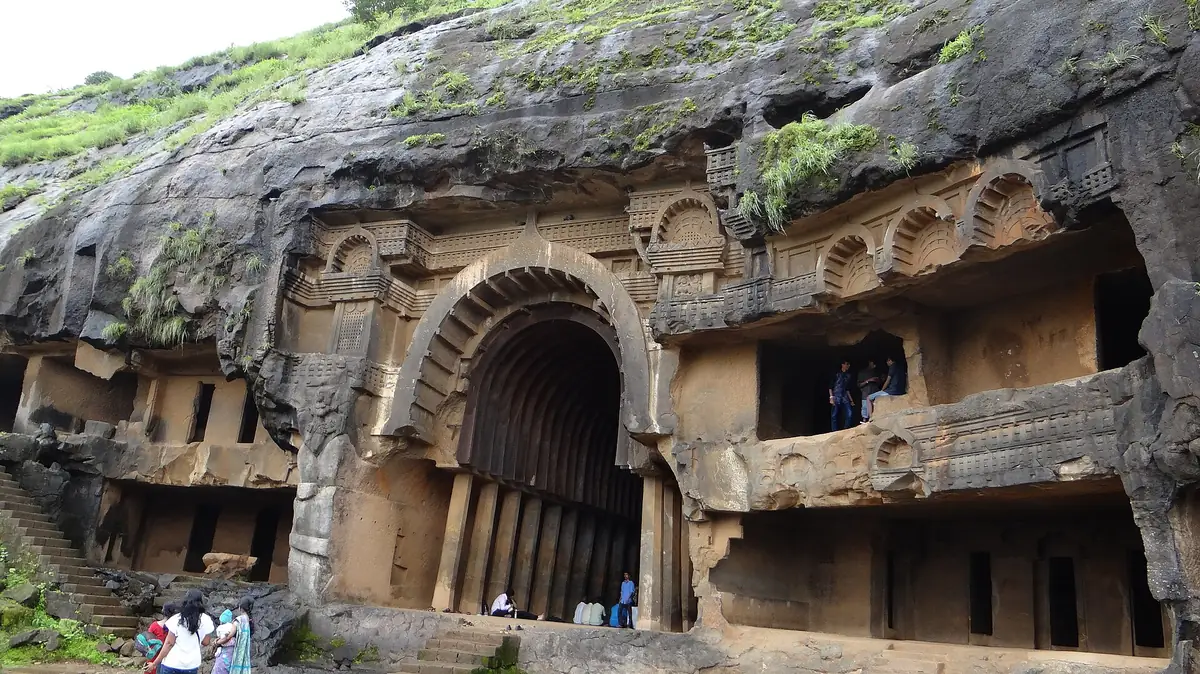
A guide to heritage tourism in Maharashtra: its six UNESCO cultural sites (Ajanta, Ellora, Elephanta, Chhatrapati Shivaji Maharaj Terminus, Mumbai's Victorian Gothic and Art Deco Ensembles, and the Maratha Military Landscapes), other caves and forts, Chhatrapati Sambhajinagar and Pune, Paithani and Warli, Ganeshotsav and Lavani, and how to plan a route.
 Things to Do
Things to Do in Mumbai: Heritage, Sea Faces, Street Food & Island Caves
Things to do in Mumbai: the Gateway of India and Colaba, Elephanta Caves, CSMT and the Art Deco sea front, Marine Drive at sunset, Kala Ghoda's museums and galleries, Haji Ali and Siddhivinayak, Banganga, Bandra, Sanjay Gandhi National Park and Kanheri caves, and street food.
 Destination Guide
Lonavala Travel Guide: Waterfalls, Caves & Monsoon Getaway
Mist-wrapped ghats two hours from Mumbai and Pune, 2,000-year-old rock-cut caves, and waterfalls that roar to life every monsoon — the complete guide to Lonavala.