Why Mumbai?
Mumbai is India's financial capital and its most-populous city, built on a set of reclaimed islands on the Arabian Sea — a fact you can still feel in the way the sea presses right up against South Mumbai's grand colonial-era buildings. Between the Gateway of India, Marine Drive, and the sprawl of Bollywood studios further north, it's a city that manages to be both India's most cosmopolitan metro and one of its most traditional at the same time.
First-time visitors are often surprised by how walkable South Mumbai is, how quickly the character shifts neighborhood to neighborhood, and how central street food is to daily life here — this guide covers the sights, the food, and the practical realities of getting around a very large, very busy city.
🌆 Mumbai at a Glance
Looking for activities and experiences? See our guide to the best things to do in Mumbai.
Interested in the history? See our guide to the Elephanta Caves.
Planning a beach holiday? Explore our guide to beach trips from Mumbai.
Best Time to Visit Mumbai
Warm, dry, and relatively low humidity by Mumbai standards — ideal for long walking days and outdoor sightseeing.
Temperatures and humidity both climb, making midday sightseeing tiring — plan indoor activities and museum visits for the afternoons.
Dramatic skies and lush parks, but heavy rain can disrupt trains and roads. Build extra slack into any monsoon itinerary.
Rains taper off, humidity is still noticeable, but the city is far less crowded with tourists than the peak winter months.
Our pick: December to February — the most reliably pleasant stretch for walking South Mumbai and taking the Elephanta ferry without weather-related delays.
How to Reach Mumbai
- By Air: Chhatrapati Shivaji Maharaj International Airport (BOM) is one of India's busiest, with extensive domestic and international connections.
- By Train: Mumbai is a major national rail hub, with Chhatrapati Shivaji Maharaj Terminus (CSMT), Mumbai Central, and Bandra Terminus among its key stations for long-distance travel.
- By Road: Well connected via NH48 (to Pune/Bangalore) and NH66 (Konkan coastal route), though city traffic can add significant time to any road journey in or out.
Top Things to Do in Mumbai
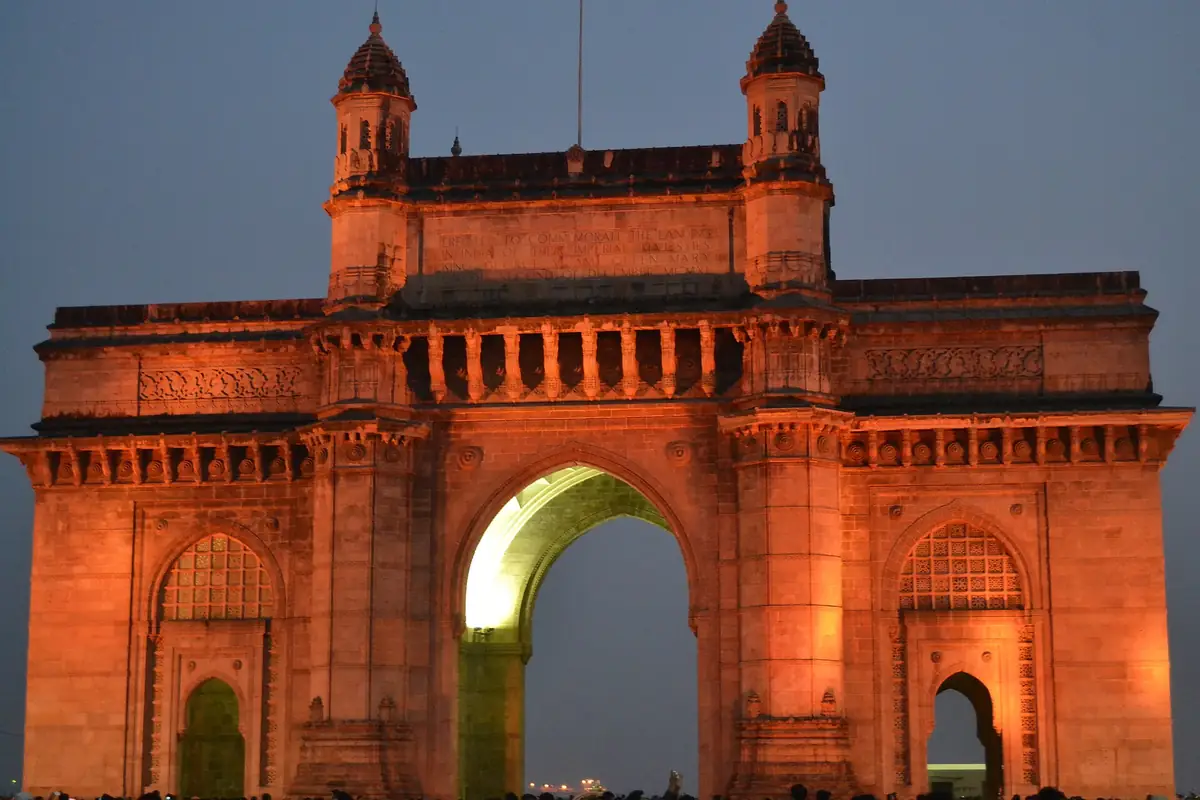
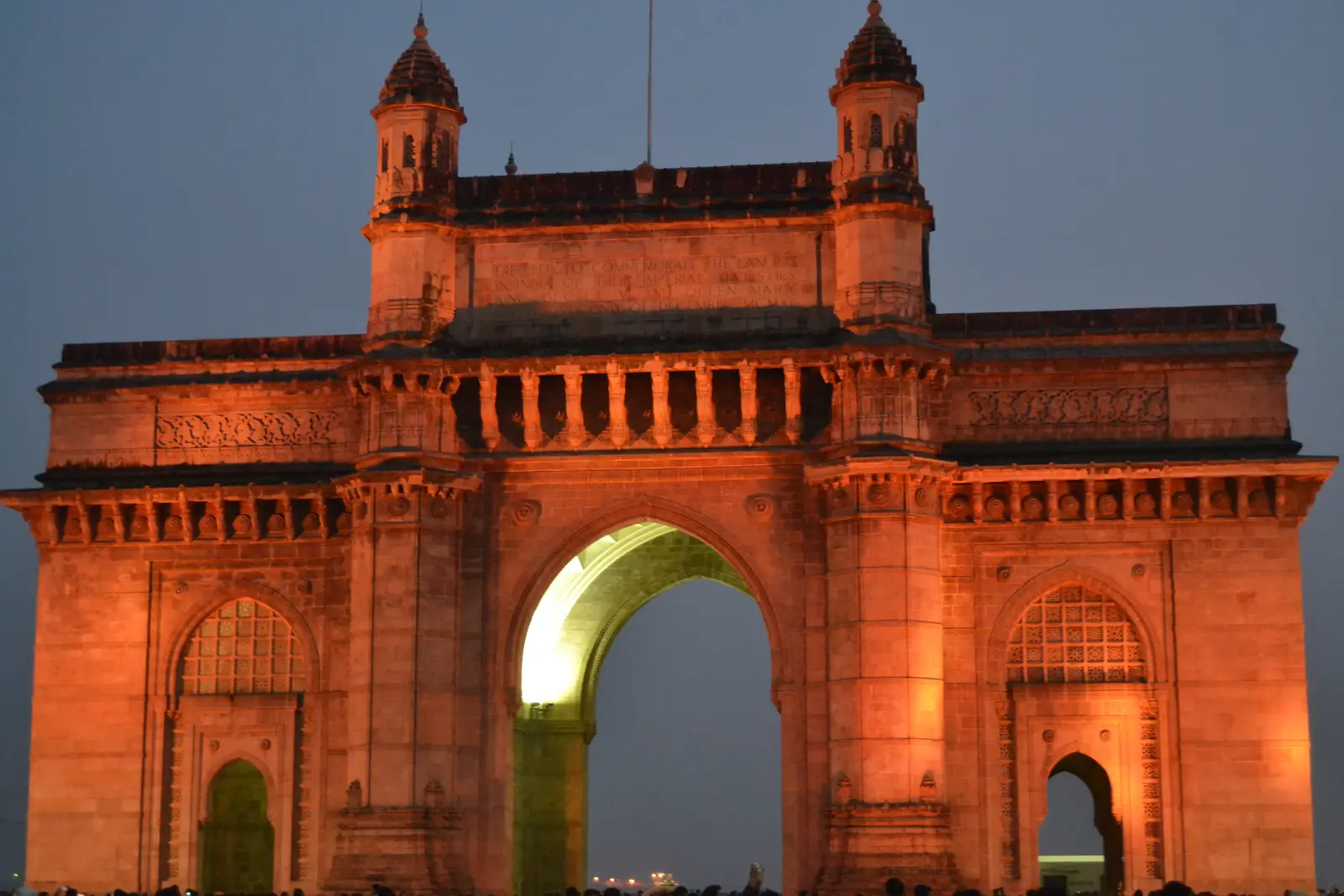
- Gateway of India: Mumbai's most iconic monument, built to commemorate a royal visit in the early 20th century, now the departure point for Elephanta Caves ferries.
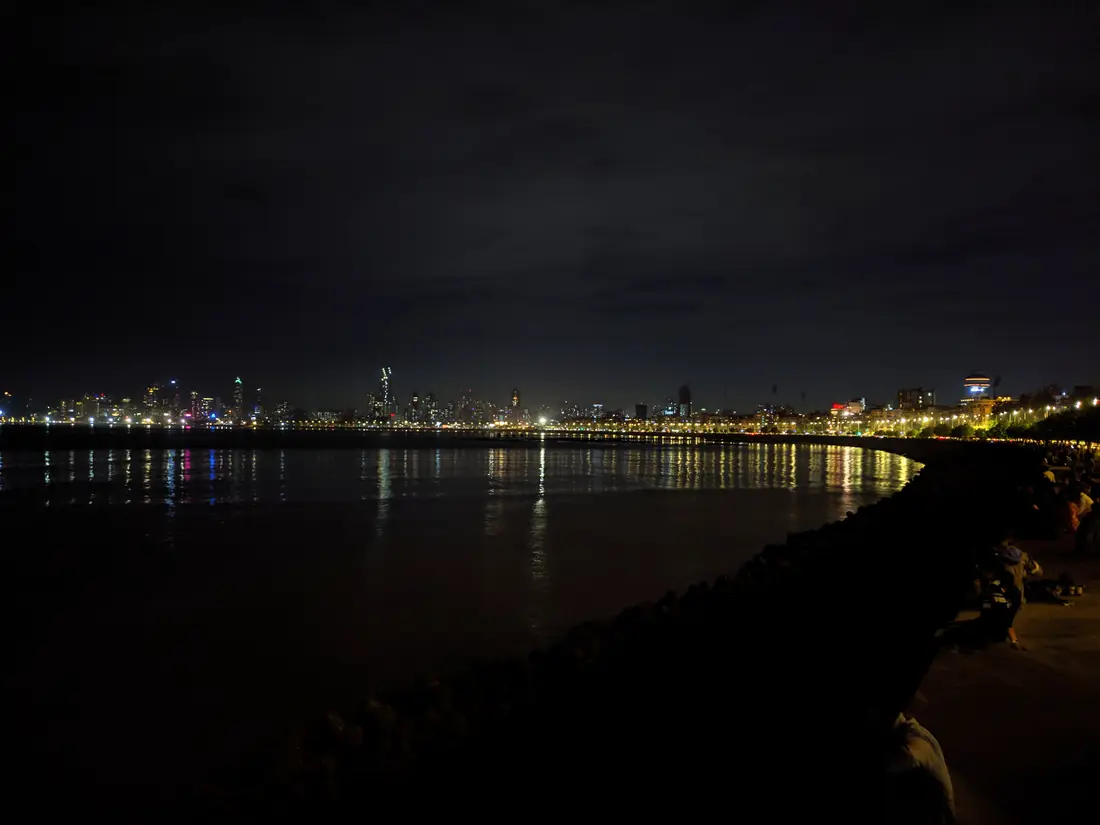
- Marine Drive: A sweeping seafront promenade nicknamed the "Queen's Necklace" for the way its streetlights curve along the bay after dark — best experienced at sunset.
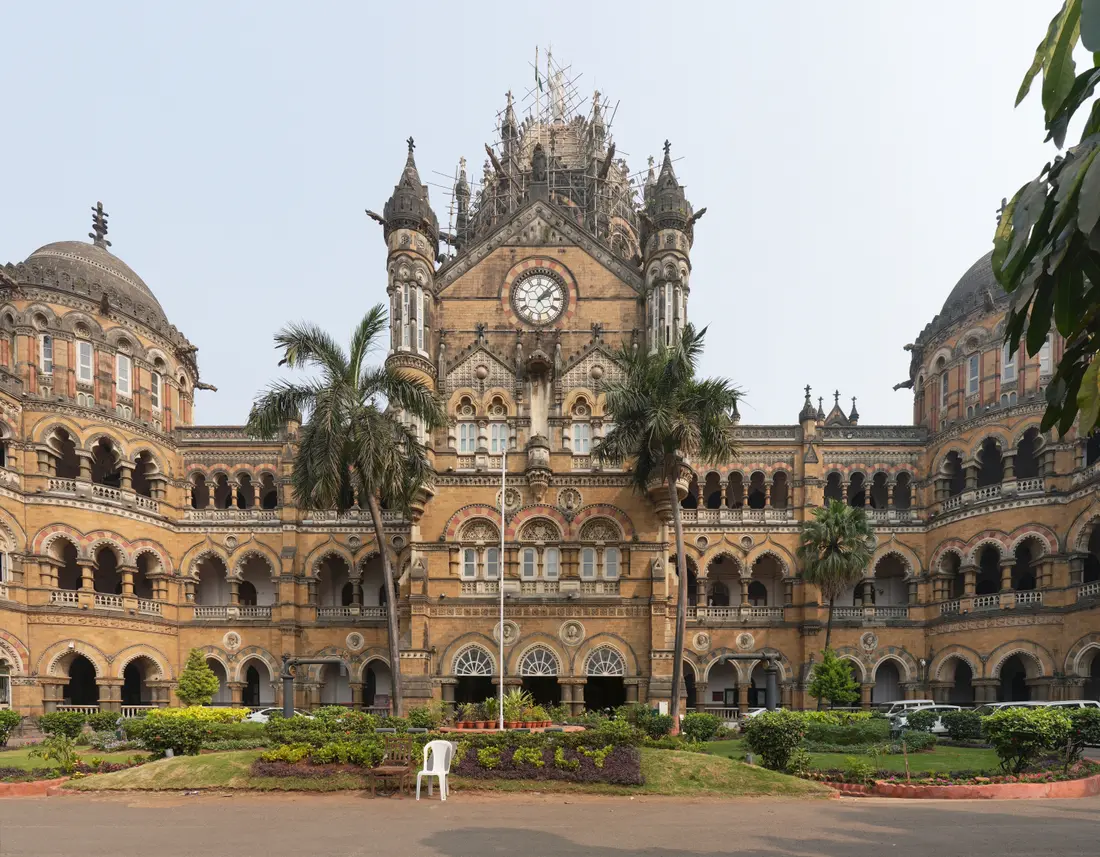
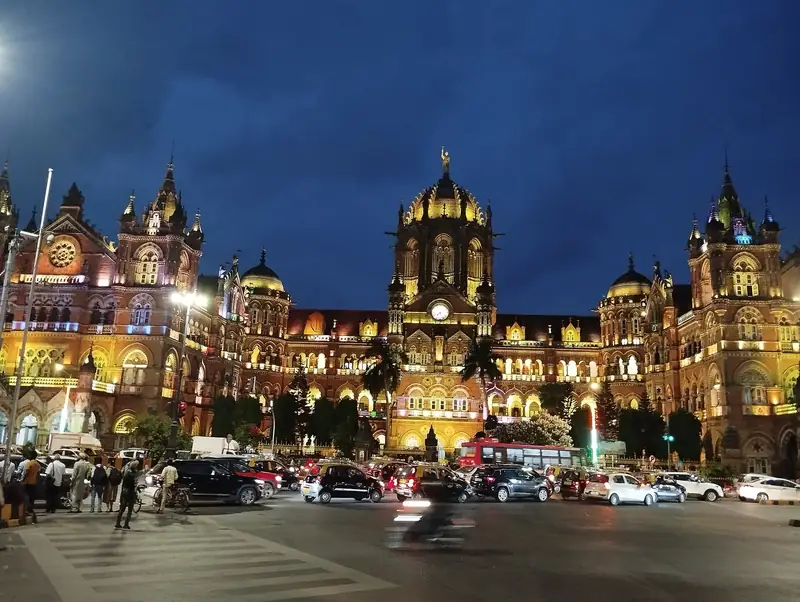
- Chhatrapati Shivaji Maharaj Terminus (CSMT): A UNESCO World Heritage-listed Victorian Gothic railway station, still fully functional and one of the city's architectural highlights.
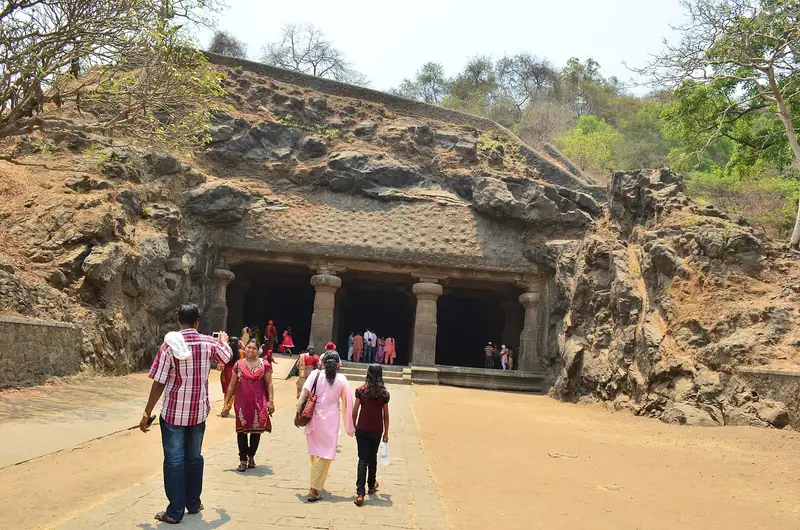
- Elephanta Caves: UNESCO-listed rock-cut cave temples on an island reached by a roughly hour-long ferry from the Gateway of India, dedicated primarily to Shiva.
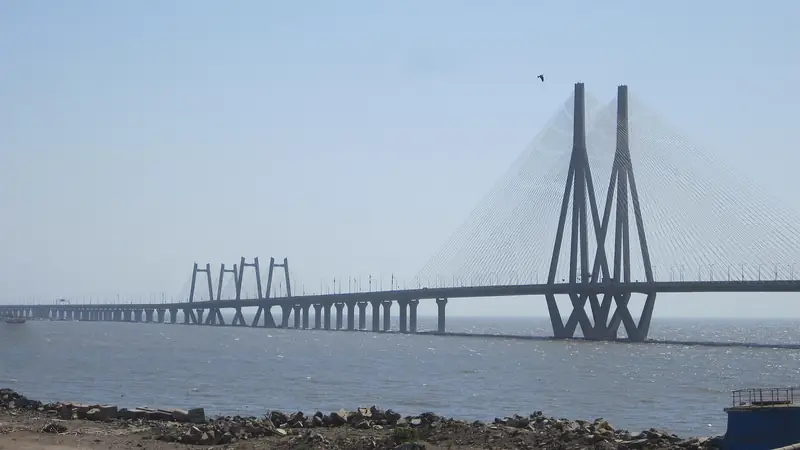
- Bandra (Bandstand & Carter Road): A seafront promenade in the western suburbs popular for evening walks, celebrity-spotting near Bandra Bandstand, and a strong café scene.
- Haji Ali Dargah: A mosque and tomb built on an islet, connected to the mainland by a causeway that's submerged at high tide.
- Colaba Causeway & Kala Ghoda: Mumbai's classic shopping strip and its art-and-heritage precinct, both walkable from the Gateway of India.
- Film City / Bollywood studio tours: Various operators run tours through Mumbai's film production hub for a look at how Bollywood movies get made.
Where to Stay in Mumbai
South Mumbai (Colaba/Fort) suits first-timers focused on heritage sights; Bandra suits those who want a more contemporary, café-dense base.
- → Hostels in Colaba
- → Budget hotels near CSMT
- → Guesthouses in Bandra
- → Business hotels, Fort/Colaba
- → Boutique stays, Bandra
- → Chain hotels near the airport
- → Iconic sea-facing hotels near the Gateway
- → 5-star hotels, Bandra Kurla Complex
- → Heritage luxury properties, Colaba
First-time visitors get the most value staying in Colaba — walkable to the Gateway of India, Marine Drive, and Kala Ghoda, with the Elephanta ferry right on your doorstep.
What to Eat in Mumbai
- Vada Pav: Mumbai's iconic street-food snack — a spiced potato fritter in a bun — sold everywhere from railway platforms to dedicated stalls.
- Pav Bhaji: A buttery mashed-vegetable curry served with soft bread rolls, a Mumbai street-food institution best had at a busy local stall.
- Bhel Puri & Sev Puri: Tangy, crunchy chaat classics, especially good at Chowpatty and Juhu Beach in the evenings.
- Bombay Sandwich: A layered, chutney-packed vegetable sandwich, a distinctly Mumbai street-food invention.
- Irani cafés: Century-old Parsi/Irani cafés serving bun-maska and chai — a genuinely atmospheric slice of old Mumbai, concentrated in South Mumbai.
3-Day Mumbai Itinerary
South Mumbai Heritage
- ✓Morning: Gateway of India and Colaba
- ✓Midday: Kala Ghoda and CSMT
- ✓Afternoon: Crawford Market
- ✓Evening: Marine Drive at sunset
Elephanta Caves & Markets
- ✓Morning: Ferry to Elephanta Caves
- ✓Afternoon: Return, explore Haji Ali Dargah
- ✓Evening: Chowpatty Beach chaat
Bandra & Suburbs
- ✓Morning: Bandra Bandstand and Mount Mary
- ✓Midday: Carter Road cafés
- ✓Afternoon: Optional Bollywood studio tour
- ✓Evening: Juhu Beach
Budget Breakdown
| Expense | Budget | Mid-Range | Luxury |
|---|---|---|---|
| Accommodation/night | ₹1,400 | ₹4,500 | ₹18,000 |
| Food/day | ₹500 | ₹1,200 | ₹3,000 |
| Local transport per day | ₹150 | ₹600 | ₹2,000 |
| Elephanta Caves ferry + entry | ₹250 | ₹250 | ₹500 |
| Daily total | ₹2,200 | ₹5,500 | ₹15,000+ |
| 3-Day trip total | ₹6,600 | ₹16,500 | ₹40,000+ |
* Excludes flights/trains to Mumbai. Mumbai is India's most expensive major city for accommodation.
Essential Travel Tips for Mumbai
- Avoid rush-hour local trains with luggage: They get genuinely packed between roughly 8–11 AM and 5:30–8:30 PM.
- Check monsoon weather warnings if visiting Jun–Sep: Heavy rain can flood low-lying areas and disrupt both trains and roads.
- Distances between areas are deceptively long: South Mumbai to Bandra/Juhu can take an hour or more in traffic — plan your day around geography, not just a wish list.
- Book the Elephanta ferry early in the day: The last return ferries leave in the late afternoon, and queues build up on weekends.
- Keep valuables secure in crowds: Petty theft risk rises in crowded trains and markets like Colaba Causeway.
✅ Do
- →Walk South Mumbai's heritage core — it's genuinely compact
- →Take the Elephanta ferry early to avoid afternoon queues
- →Try street food at busy, high-turnover stalls
- →Watch sunset at Marine Drive at least once
- →Plan cross-city trips around rush-hour timing
❌ Don't
- →Take crowded local trains with heavy luggage during rush hour
- →Underestimate travel time between South Mumbai and the suburbs
- →Ignore monsoon weather warnings if visiting in season
- →Leave the Elephanta ferry visit for late afternoon
- →Carry excessive valuables in crowded markets
Frequently Asked Questions
How many days do I need in Mumbai?
Three days covers the essentials well — South Mumbai's heritage core, Bandra and the western suburbs, and a half-day for Elephanta Caves. Add extra days if you want to explore Bollywood studio tours or Sanjay Gandhi National Park in more depth.
What is the best time to visit Mumbai?
November to February is best — warm but not oppressively humid, with almost no rain. March–May gets very hot and humid, and the monsoon (June–September) brings heavy, sometimes disruptive rain, though the city has its own monsoon charm for some travellers.
How do I get around Mumbai?
Local trains are the fastest way to cover long distances but get extremely crowded during rush hour (roughly 8–11 AM and 5:30–8:30 PM) — avoid these windows if carrying luggage. Autos and cabs (including app-based ones) work well for shorter, cross-locality trips; the Metro is expanding and increasingly useful too.
Is Mumbai safe for travellers?
Mumbai is generally considered one of India's safer big cities for travellers, including solo women, with a visible, constant flow of people even late at night in most central areas. As anywhere, stay alert in crowded spaces and during the monsoon when flooding can disrupt travel plans.
How do I reach Elephanta Caves?
Ferries to Elephanta Island leave regularly from the Gateway of India, taking about an hour each way. The caves themselves are a short walk or toy-train ride up from the jetty, and the round trip including time at the caves typically takes half a day.
What is the budget for a trip to Mumbai?
Mumbai is India's most expensive city — a budget traveller can manage roughly ₹2,200 a day (hostels, street food, trains), a mid-range trip runs closer to ₹5,500 a day, and a luxury stay can run ₹15,000+ a day. A 3-day trip totals roughly ₹6,600 on a budget and ₹16,500 mid-range, excluding flights or trains to the city.
Should I visit Mumbai during the monsoon?
It's possible and the city has genuine monsoon charm — lush parks, dramatic skies over Marine Drive — but heavy rain can cause local flooding and disrupt trains and roads. If you go, build slack into your itinerary and check weather warnings daily.
Published by the Kudozz Club editorial team · Last updated · How we research our guides
Want us to plan this trip for you?
Tell Kudozz Club where you want to go and what kind of trip you’re looking for. We’ll build a Mumbai and Maharashtra itinerary around your dates and budget.
Continue Exploring
View all guides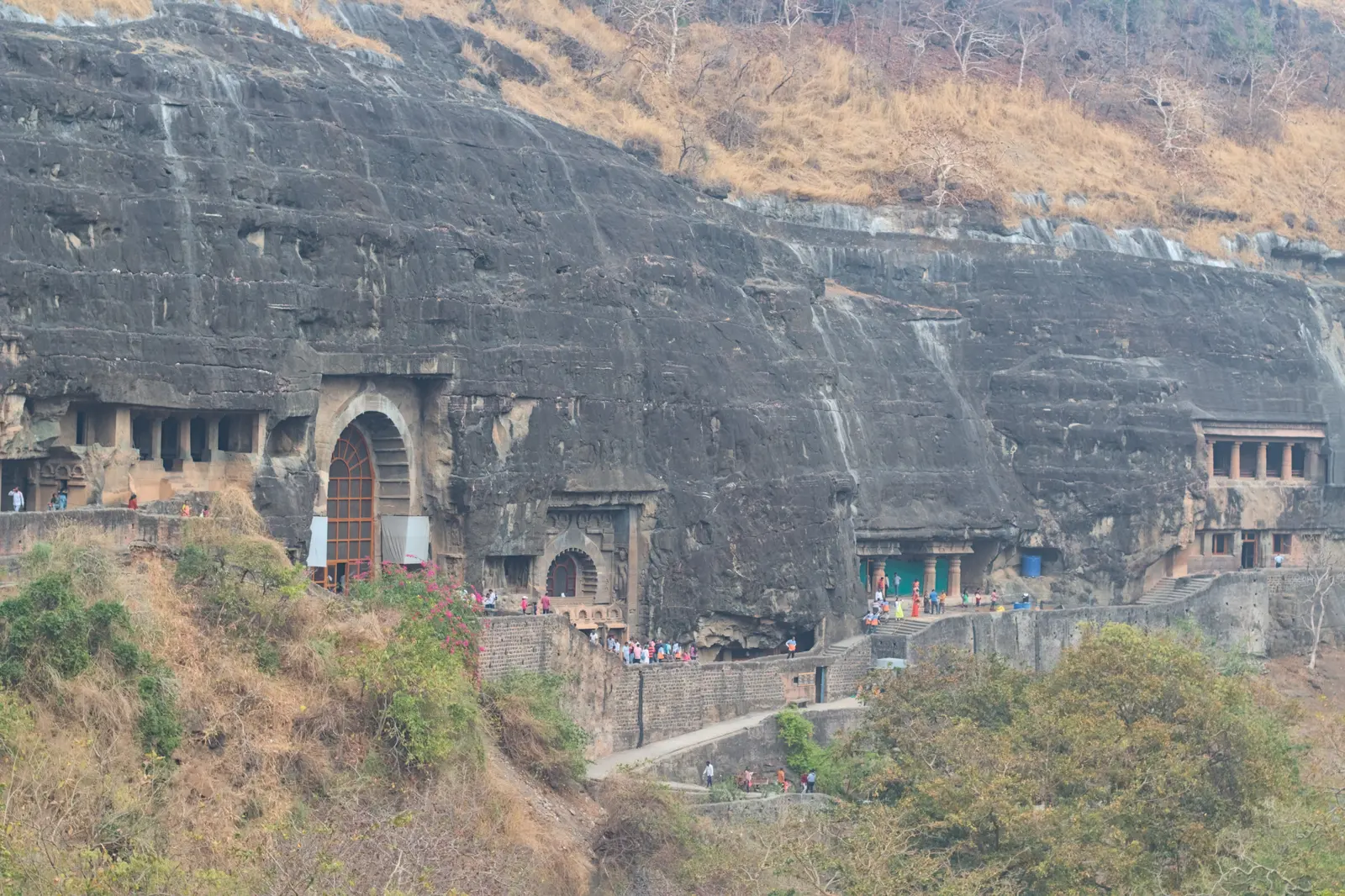 Destination Guide
Maharashtra Travel Guide: Mumbai, Ajanta-Ellora & Konkan Coast
A city that never sleeps, 2,000-year-old rock-cut cave temples, and a coastline dotted with sea forts and fishing villages — the complete guide to Maharashtra.
 Things to Do
Things to Do in Mumbai: Heritage, Sea Faces, Street Food & Island Caves
Things to do in Mumbai: the Gateway of India and Colaba, Elephanta Caves, CSMT and the Art Deco sea front, Marine Drive at sunset, Kala Ghoda's museums and galleries, Haji Ali and Siddhivinayak, Banganga, Bandra, Sanjay Gandhi National Park and Kanheri caves, and street food.
 Heritage & Culture
Heritage Tourism in Maharashtra: Caves, Forts and Mumbai's Architecture
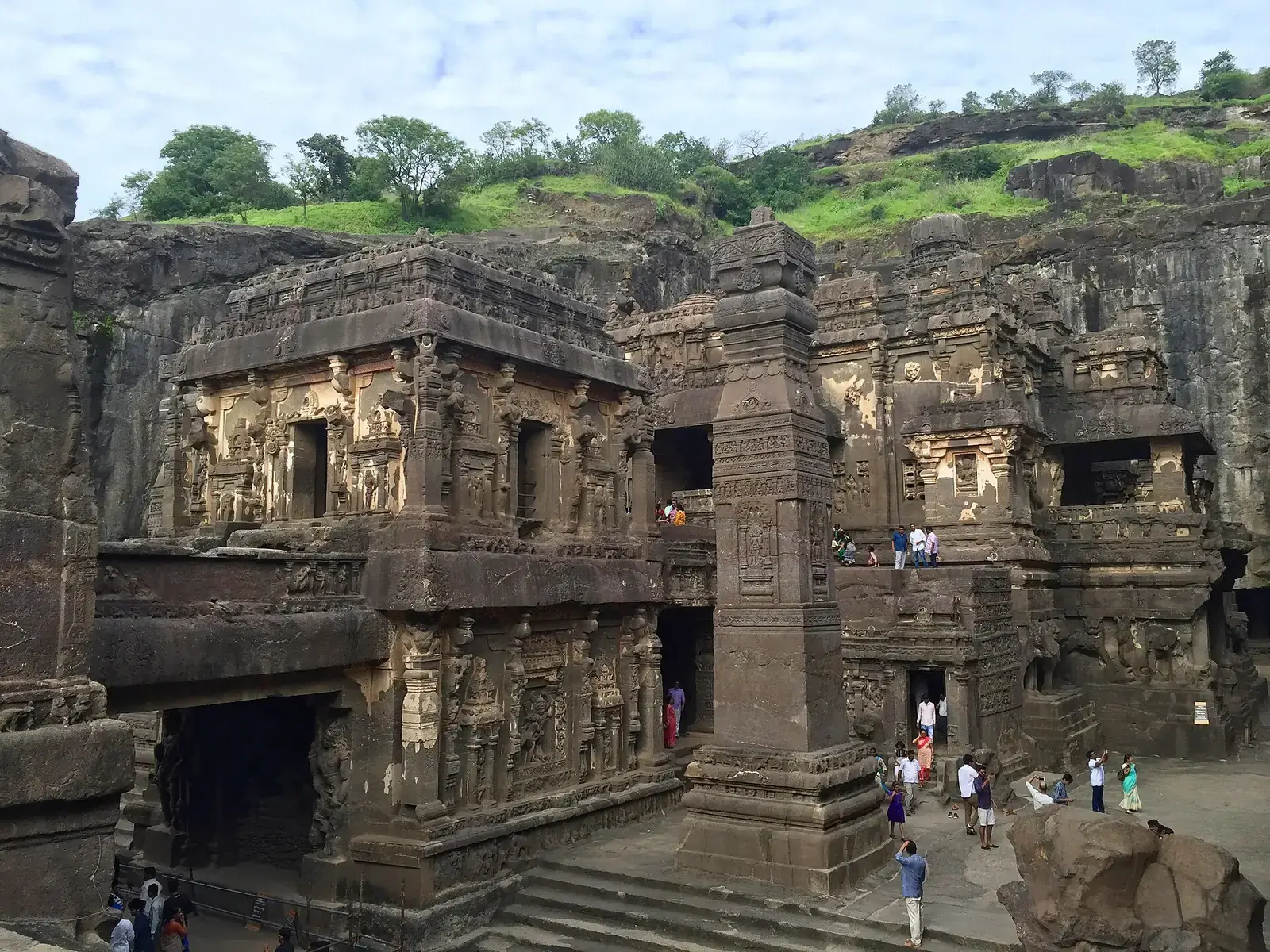
A guide to heritage tourism in Maharashtra: its six UNESCO cultural sites (Ajanta, Ellora, Elephanta, Chhatrapati Shivaji Maharaj Terminus, Mumbai's Victorian Gothic and Art Deco Ensembles, and the Maratha Military Landscapes), other caves and forts, Chhatrapati Sambhajinagar and Pune, Paithani and Warli, Ganeshotsav and Lavani, and how to plan a route.
 Destination Guide
Lonavala Travel Guide: Waterfalls, Caves & Monsoon Getaway
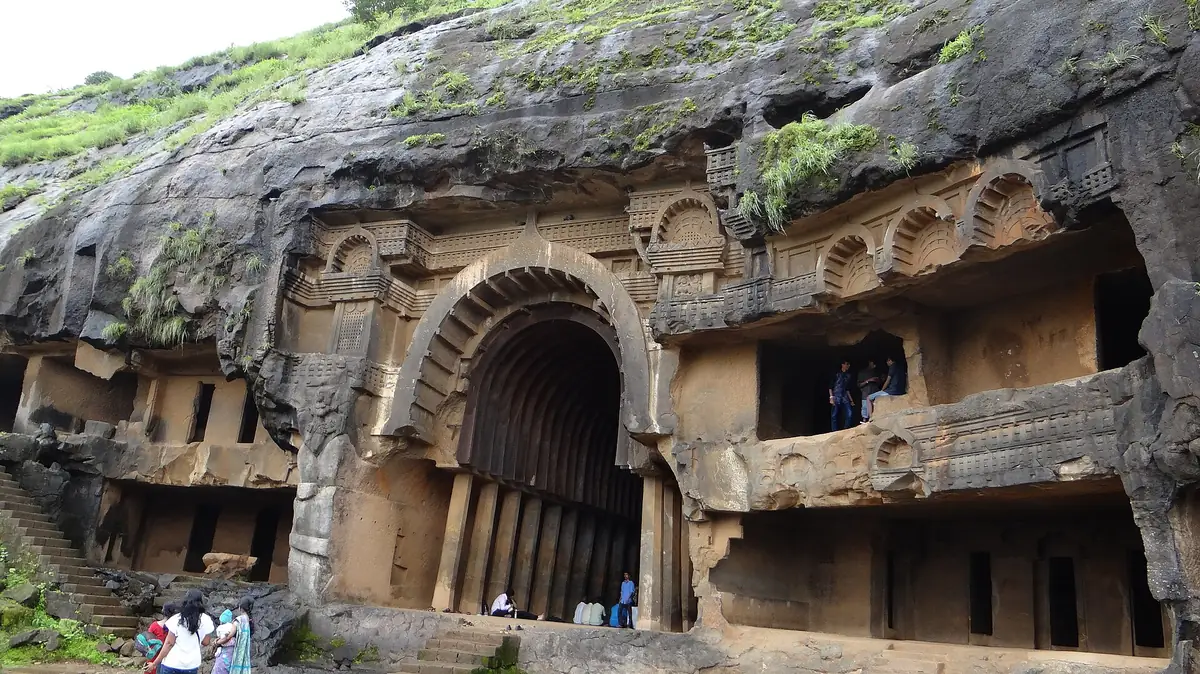
Mist-wrapped ghats two hours from Mumbai and Pune, 2,000-year-old rock-cut caves, and waterfalls that roar to life every monsoon — the complete guide to Lonavala.