
Why Shirdi?
A small Maharashtra town became one of India's most visited pilgrimage destinations because of one man: Sai Baba, a saint who lived and taught in Shirdi for decades until his passing in 1918, and whose teachings drew — and continue to draw — devotees across Hindu and Muslim traditions alike. The Sai Baba Samadhi Mandir, built over his resting place, now receives an extraordinary number of pilgrims every single day of the year, not just on festival dates.
What makes Shirdi distinct from many other Indian pilgrimage towns is how tightly organised the entire visitor experience is — the Sai Baba Sansthan Trust runs the temple complex, accommodation, and much of the town's infrastructure, which means darshan, even at its busiest, generally moves in an orderly, well-managed system rather than an unstructured crowd.
🙏 Shirdi at a Glance
Planning a pilgrimage? See our guide to pilgrimage trips from Mumbai.
Best Time to Visit Shirdi
The temple operates and draws pilgrims year-round, so "best time" here is more about weather comfort and crowd avoidance than seasonal closures.
Cool, comfortable temperatures make standing in the darshan queue far more bearable than the summer months.
High heat makes long outdoor queue waits genuinely tough. Early morning visits are strongly recommended in this window.
Regardless of season, visiting on a weekday — outside major festival dates — is the most reliable way to shorten your wait.
Ram Navami, Guru Purnima, and Dussehra bring dramatically larger crowds and much longer darshan waits — plan accordingly.
How to Reach Shirdi
- By Air: Shirdi Airport (SAG) has direct flights from Mumbai, Hyderabad, and Delhi — the fastest way in.
- By Train: Sainagar Shirdi railway station is well connected across Maharashtra and beyond.
- By Road: About 180 km (roughly 4 hours) from Mumbai and 90 km from Nashik, with an extensive MSRTC and private bus network from across the state.
Key Sites & Darshan
- Sai Baba Samadhi Mandir: The central shrine and the reason nearly everyone visits — built over Sai Baba's resting place, drawing devotees across religious lines.
- Dwarkamai: The mosque where Sai Baba lived for years and maintained a sacred fire (dhuni) that is still tended today — one of the most spiritually significant spots in town.
- Chavadi: An alternate resting place used by Sai Baba on alternate nights during his life, now a small shrine in its own right.
- Lendi Baug: A garden Sai Baba himself tended, offering a quieter, more contemplative stop after the main queue.
- Sai Heritage Village: A museum-style attraction recreating the era and setting of Sai Baba's life, useful for context before or after darshan.
- Shani Shingnapur: About 70 km away, famous for a temple in a village where homes traditionally have no doors — a popular combined day trip from Shirdi.
Where to Stay in Shirdi
- → Sai Baba Sansthan Trust dharamshala rooms
- → Budget lodges near the temple complex
- → Basic private hotels on the temple road
- → Trust's premium accommodation blocks
- → Private mid-range hotels near the bus stand
- → Family-run guesthouses
- → Upscale hotel chains on the outskirts
- → Resort-style properties toward Kopargaon
Book Sai Baba Sansthan Trust accommodation directly through official channels well ahead of your trip — it's the most affordable option and the closest to the temple complex.
What to Eat in Shirdi
- Prasadalaya meals: The Trust runs a large dining hall (Prasadalaya) serving simple, affordable vegetarian meals to pilgrims — a genuinely worthwhile experience beyond just the food.
- Local Maharashtrian thalis: Simple vegetarian thalis are widely available at eateries around the temple road.
- Street snacks: Vada pav and basic chaat stalls cluster near the bus stand and main pilgrim routes.
1-2 Day Shirdi Itinerary
Darshan & Core Sites
- ✓Early morning: Sai Baba Samadhi Mandir darshan
- ✓Visit Dwarkamai and Chavadi
- ✓Afternoon: Lendi Baug and Sai Heritage Village
- ✓Evening aarti (timing varies — check locally)
Shani Shingnapur Day Trip
- ✓Morning drive to Shani Shingnapur (~70 km)
- ✓Visit the temple and the famous doorless village
- ✓Return to Shirdi by afternoon
- ✓Departure
Budget Breakdown
| Expense | Budget | Mid-Range | Luxury |
|---|---|---|---|
| Accommodation/night | ₹500 | ₹2,200 | ₹7,500 |
| Food/day | ₹200 | ₹700 | ₹1,800 |
| Local transport/day | ₹200 | ₹600 | ₹1,500 |
| Darshan/donations | ₹0 – 300 | ₹500 – 1,000 | ₹1,000+ |
| Daily total | ₹900 – ₹1,200 | ₹4,000 | ₹11,800 |
| 1-Day trip total | ₹1,200 | ₹4,000 | ₹11,800 |
* Excludes travel to Shirdi. VIP/Sheghar darshan pass fees vary — confirm current rates with the Trust before you go.
Essential Travel Tips for Shirdi
- Visit on a weekday if possible: The single biggest factor in a shorter queue wait, regardless of season.
- Dress modestly: Covered shoulders and knees, and check current guidance on leather items in temple areas.
- Book Trust accommodation early: It's the most affordable option and fills up fast, especially on weekends and festival dates.
- Use the cloakroom/locker facilities: For shoes and any restricted items before entering the temple complex.
- Carry small bags only: Large bags are typically not allowed near the shrine.
- Combine with Shani Shingnapur: A natural add-on for a two-day trip if you have the time.
✅ Do
- →Visit on a weekday for shorter queues
- →Dress modestly throughout the temple complex
- →Book Trust accommodation well in advance
- →Try a meal at the Prasadalaya
- →Carry only small bags into the shrine area
- →Check current darshan timings before you travel
❌ Don't
- →Plan a first-time visit on a major festival date without expecting long waits
- →Wear casual beachwear-style clothing
- →Carry large bags into the shrine area
- →Assume walk-in accommodation on a weekend
- →Skip checking current darshan pass details beforehand
Frequently Asked Questions
How long is the darshan queue at Shirdi?
It varies enormously by day and season — a quiet weekday morning can mean a wait of under an hour, while weekends and festival days like Ram Navami, Guru Purnima, and Dussehra can mean several hours in line. The Sai Baba Sansthan Trust also offers paid VIP/Sheghar darshan passes that reduce wait time — check current details at the Trust's counters or website before you go.
How many days do I need for a Shirdi trip?
One full day is enough for darshan and the core sites (Dwarkamai, Chavadi, Lendi Baug) if you arrive early. Many pilgrims extend to two days to combine it with a visit to Shani Shingnapur, about 70 km away.
How do I reach Shirdi?
Shirdi Airport (SAG) has direct flights from Mumbai, Hyderabad, and Delhi. Sainagar Shirdi railway station is well connected across Maharashtra. By road it's roughly 180 km (about 4 hours) from Mumbai and 90 km from Nashik, with an extensive MSRTC and private bus network serving the town from across the state.
What is the best time to visit Shirdi?
October to March offers the most comfortable weather for standing in queues and walking between sites. The temple itself draws pilgrims year-round, so weekday visits — regardless of season — are the more reliable way to avoid the biggest crowds.
Is there affordable accommodation in Shirdi?
Yes — the Sai Baba Sansthan Trust runs its own dharamshala-style accommodation at multiple price points alongside a wide range of private hotels, from budget lodges to more upscale properties. Trust accommodation books out fast on weekends and festival dates, so reserve well in advance.
What should I know about Shirdi's dress code?
Modest clothing covering shoulders and knees is expected. Local custom in some temple areas also discourages carrying leather items inside — check current guidance at the entrance and use the cloakroom/locker facilities provided.
What is the budget for a trip to Shirdi?
A budget pilgrim using Trust accommodation and local food can manage on roughly ₹800–₹1,200 a day, while a mid-range private-hotel stay runs closer to ₹2,500–₹3,500 a day, excluding travel to Shirdi.
Published by the Kudozz Club editorial team · Last updated · How we research our guides
Want us to plan this trip for you?
Tell Kudozz Club where you want to go and what kind of trip you’re looking for. We’ll build a Shirdi and Maharashtra itinerary around your dates and budget.
Continue Exploring
View all guides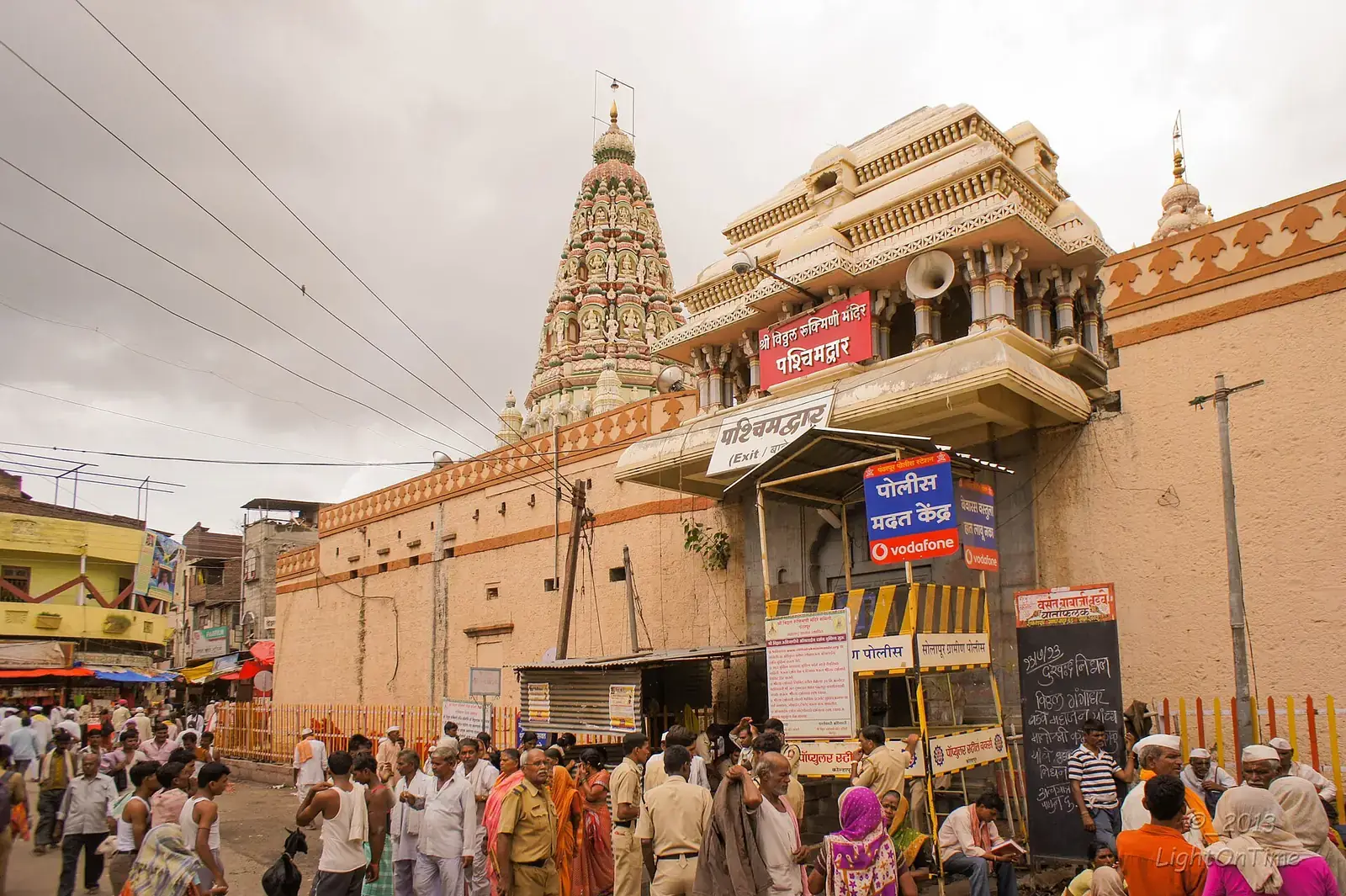 Spiritual Tourism
Spiritual Tourism in Maharashtra: Jyotirlingas, Shirdi, Pandharpur and Ashtavinayak
A guide to spiritual tourism in Maharashtra: the Jyotirlingas of Trimbakeshwar, Bhimashankar and Grishneshwar, Sai Baba's Shirdi, Pandharpur and the Ashadhi Wari, the Ashtavinayak Ganesh temples, Mahalaxmi at Kolhapur, Tulja Bhavani, Siddhivinayak, Hazur Sahib at Nanded, Deekshabhoomi and Vipassana at Igatpuri, festivals, routes and seasons.
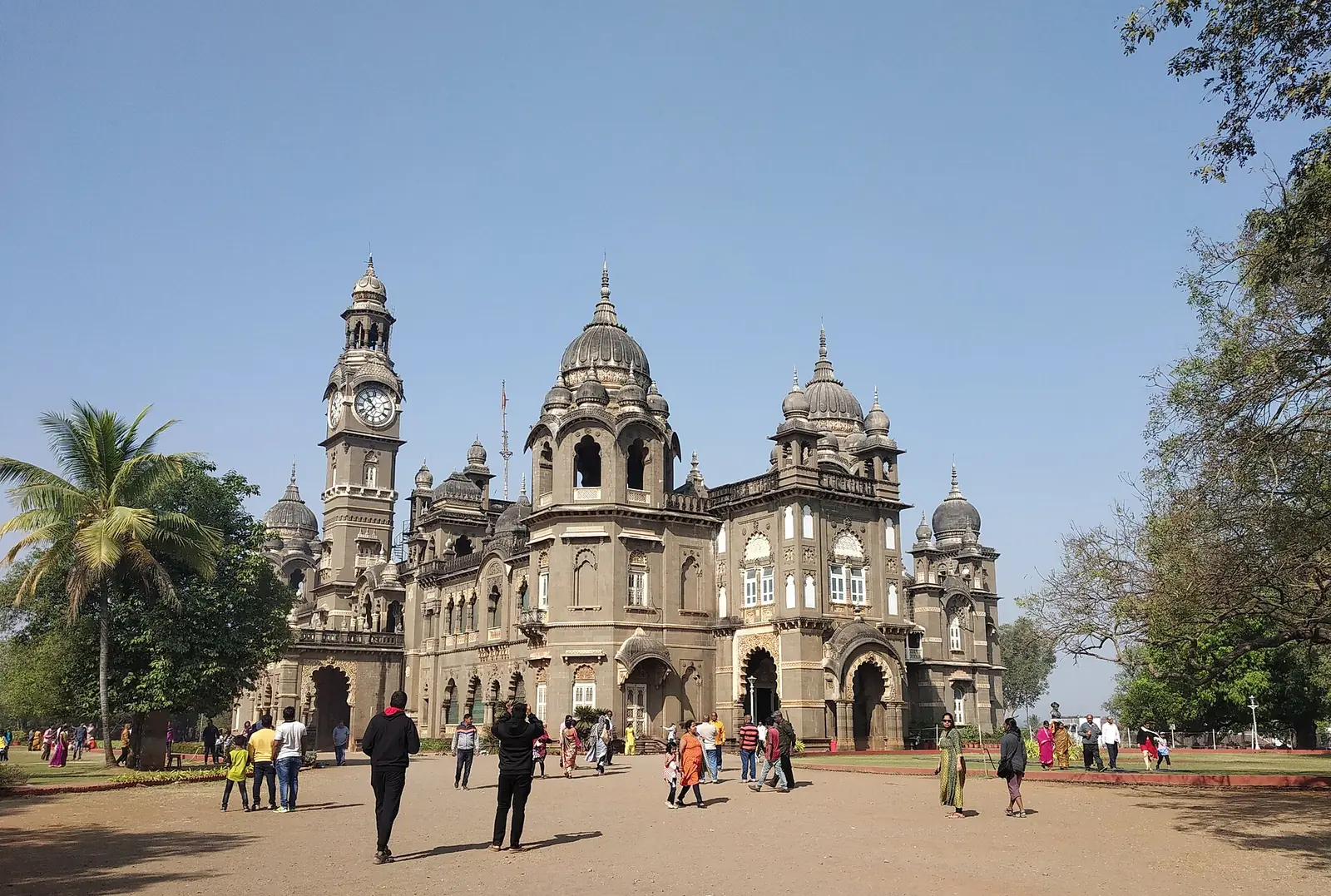 Heritage
Kolhapur Travel Guide: Mahalaxmi Temple, Palace & Kolhapuri Food
A Shakti Peeth temple city, a New Palace built by an English architect, and the fieriest thali in Maharashtra — the complete guide to Kolhapur.
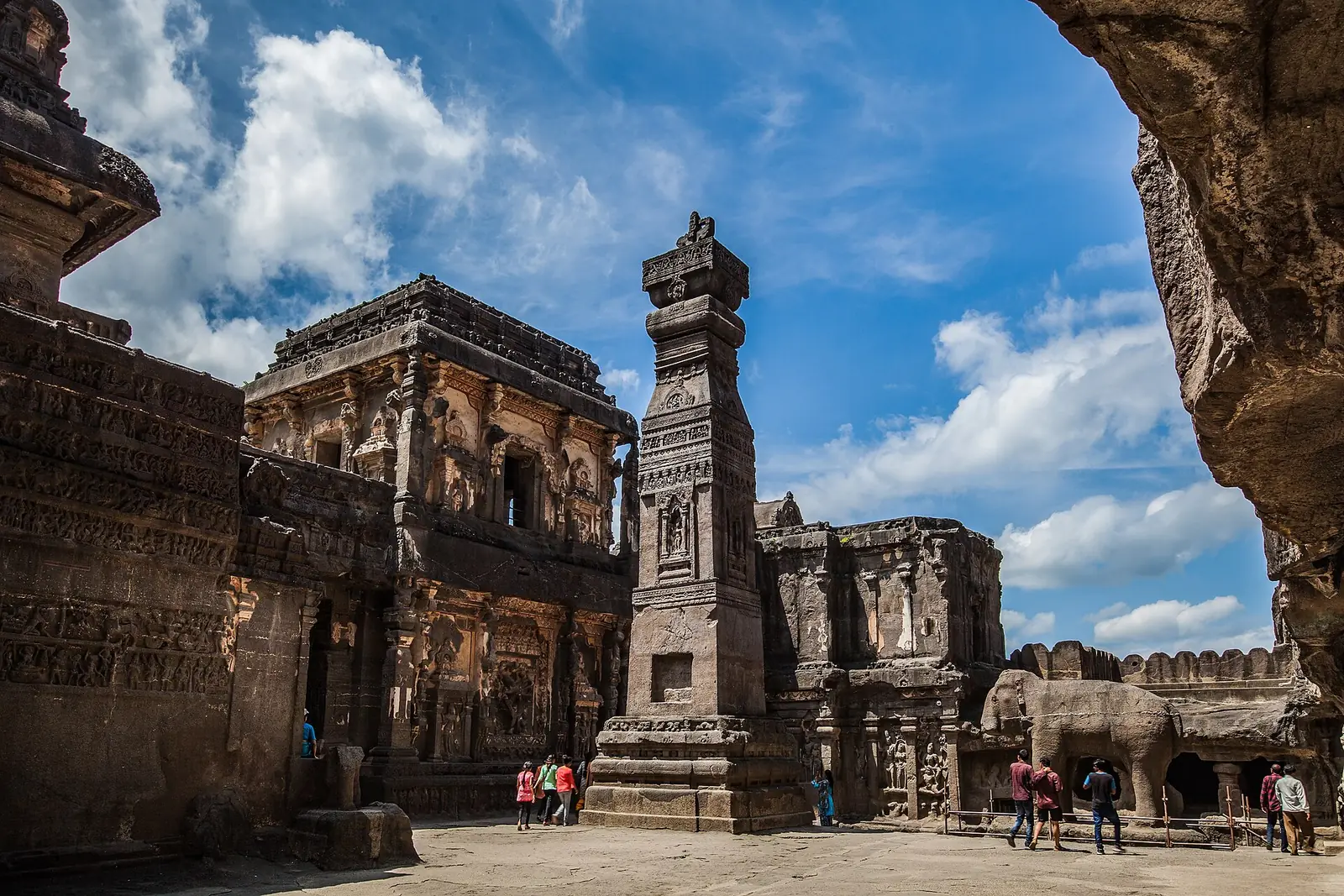 Heritage
Ajanta & Ellora Caves Travel Guide: History, Timings & Tips
Buddhist cave paintings 2,000 years old and a temple carved downward out of a single basalt cliff — the complete guide to India's two greatest rock-cut wonders.
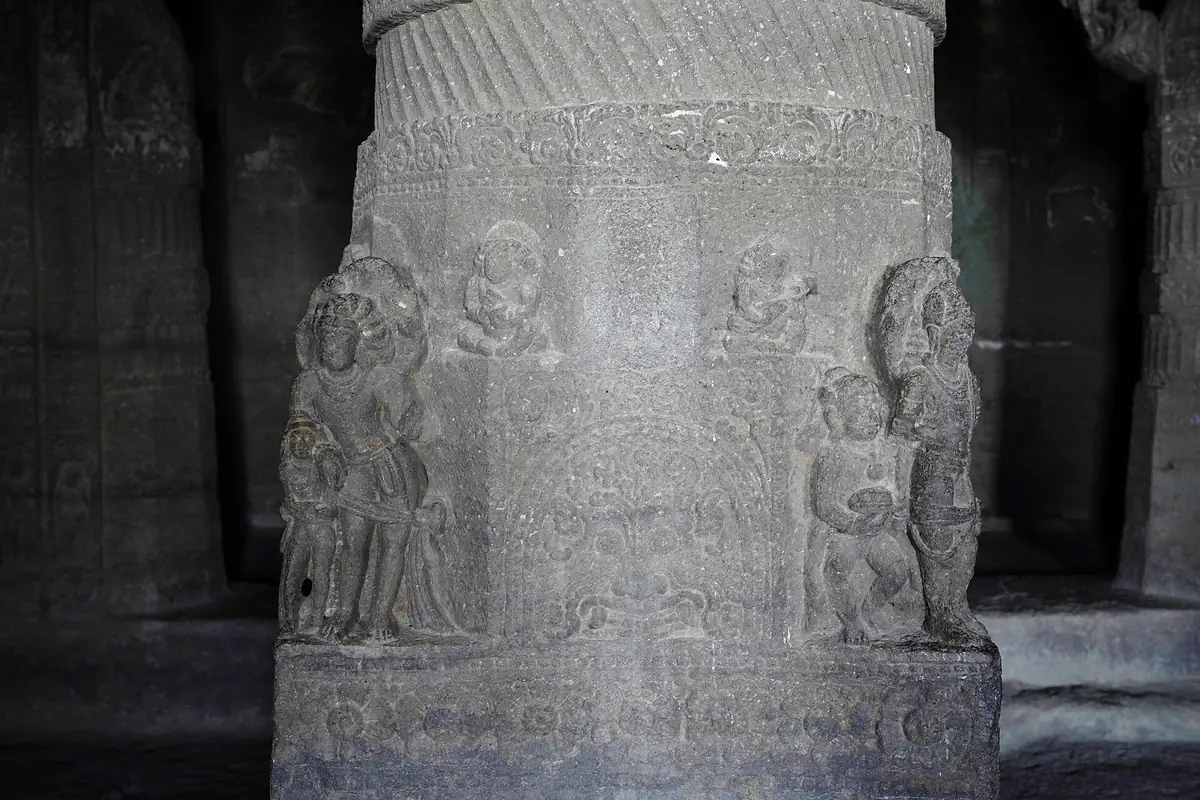 Heritage
Chhatrapati Sambhajinagar Travel Guide: Bibi Ka Maqbara & Forts
A Mughal-era 'mini Taj Mahal', the hilltop Daulatabad Fort, and the gateway to Ajanta and Ellora — the complete guide to Chhatrapati Sambhajinagar (Aurangabad).