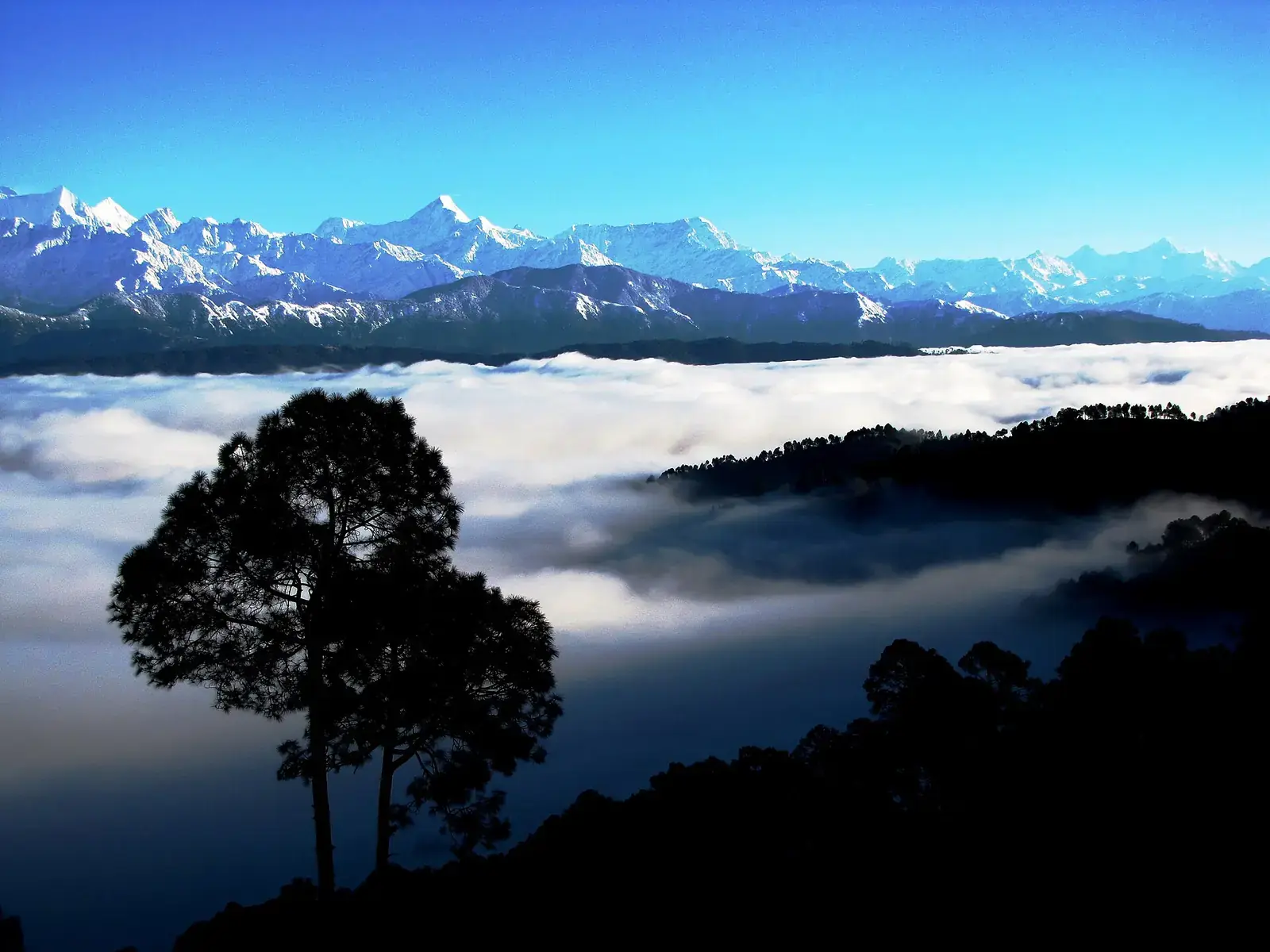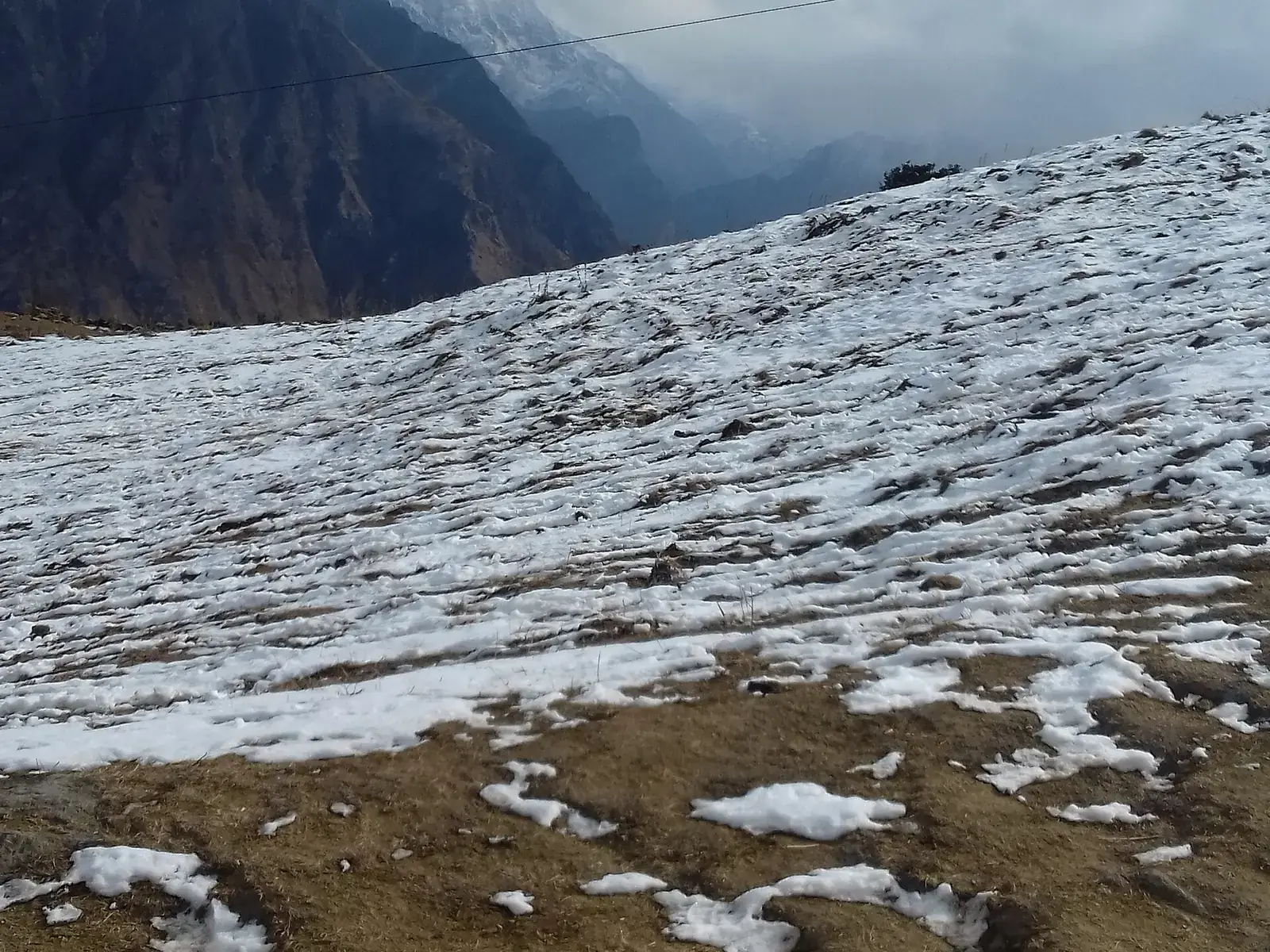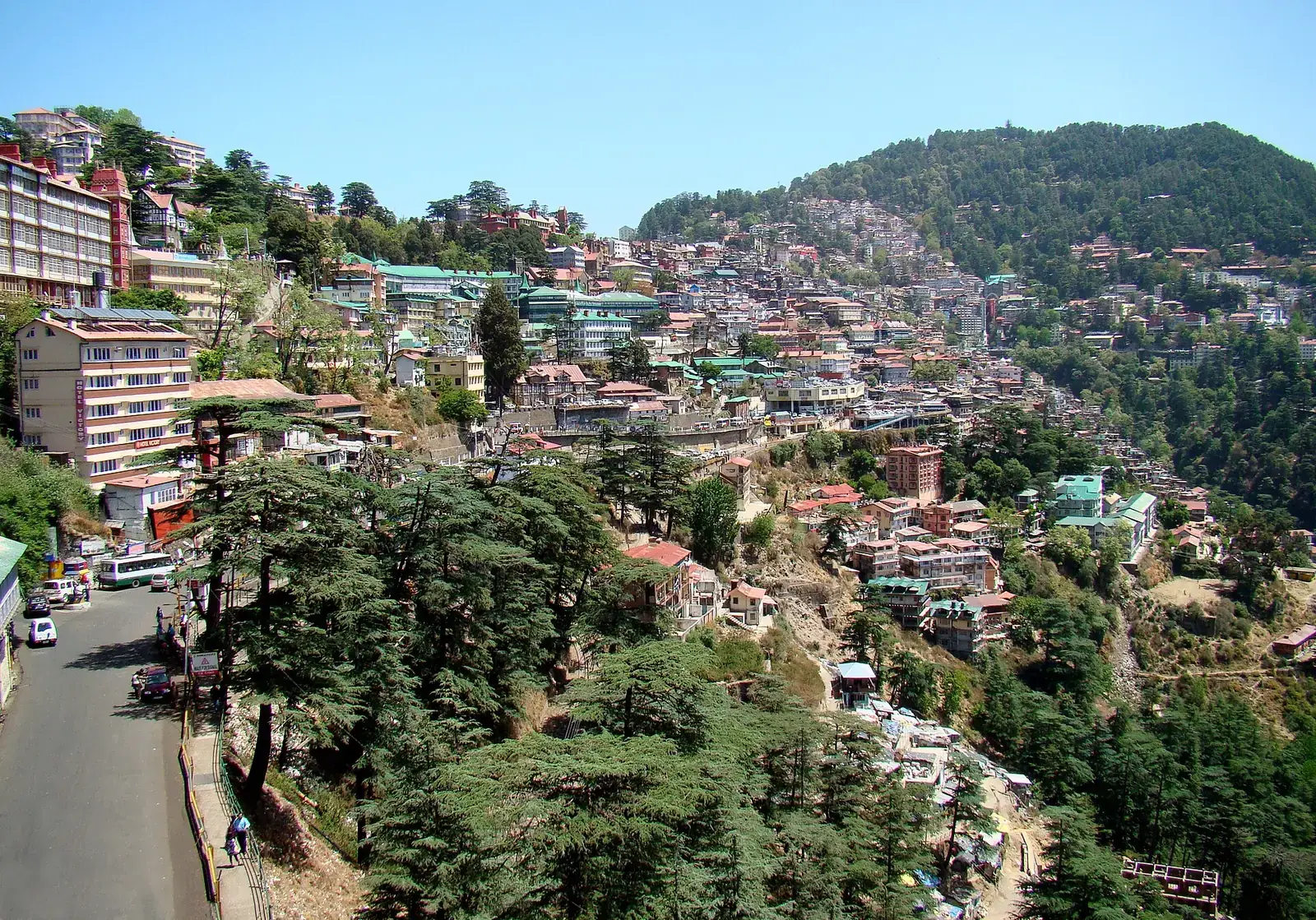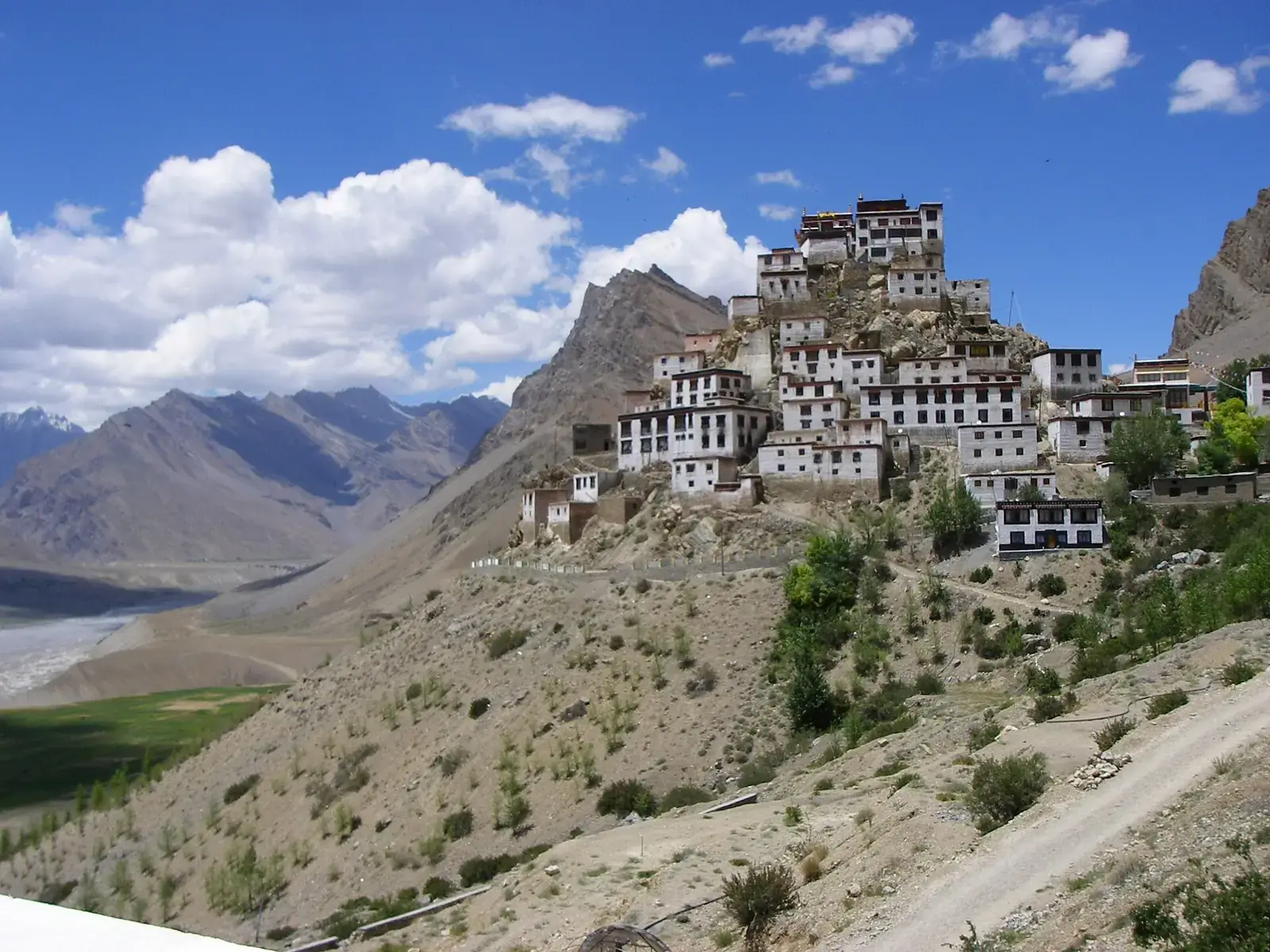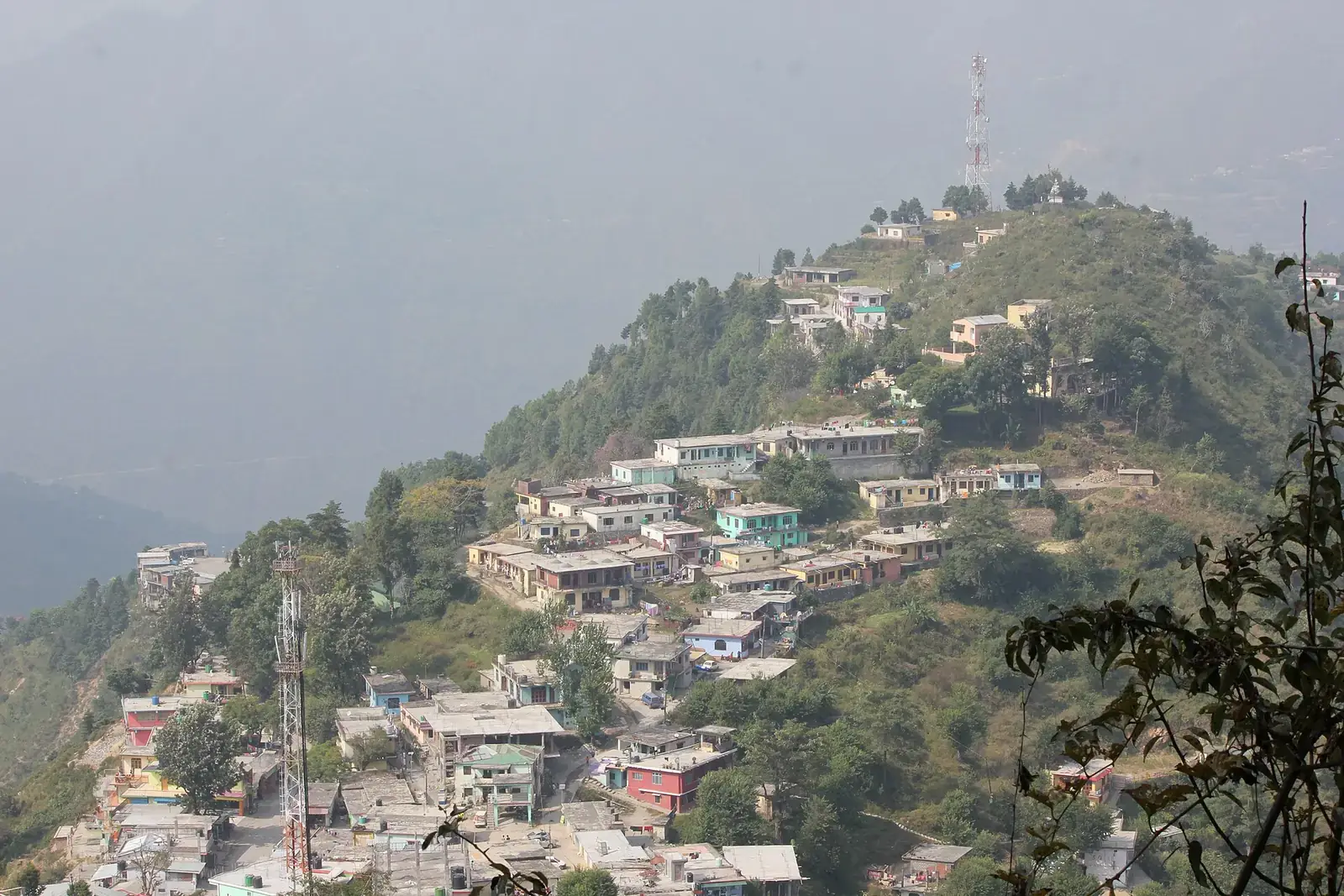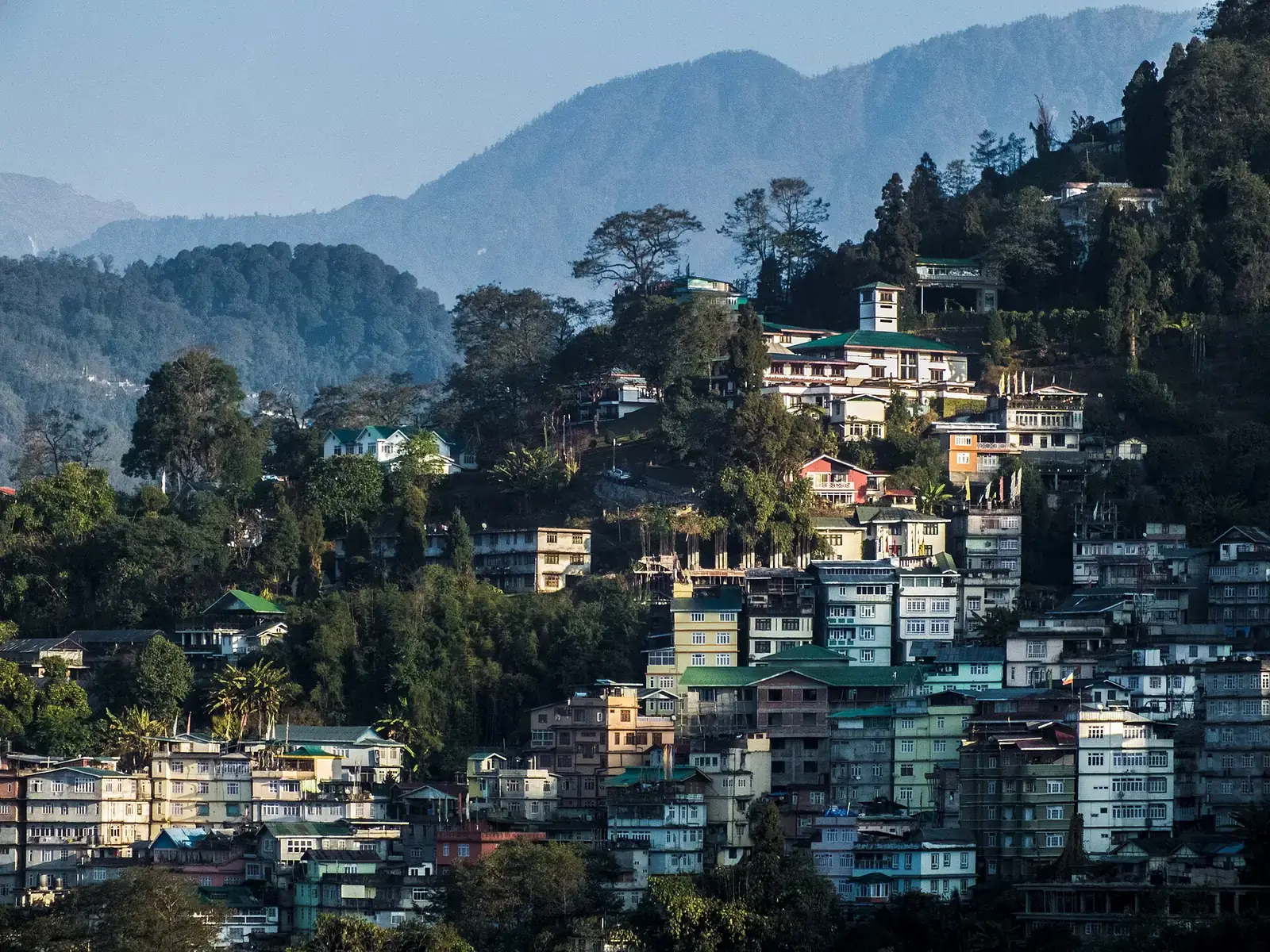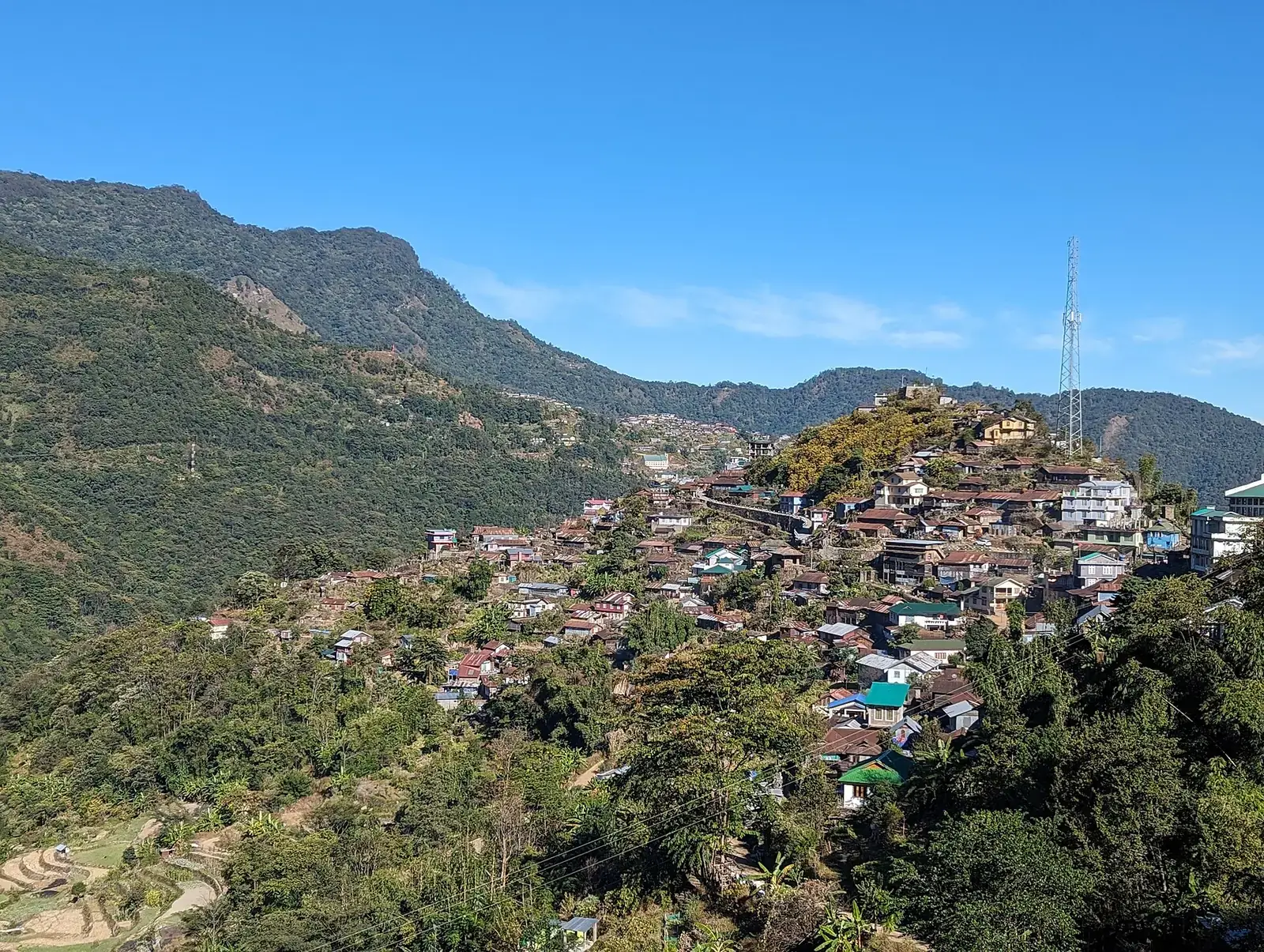
Many Indian hill stations were built for a few thousand summer residents and now receive millions of visitors a year. Traffic jams, water shortages, waste and unplanned building are common problems, and fragile high-altitude valleys feel the pressure even more.
Travelling responsibly is mostly about small, practical choices: when you go, how you get around, where you stay and what you leave behind.
Quick answer
To travel responsibly in India's mountains, avoid peak weekends where possible, use shared transport or park only in designated areas, carry a reusable bottle and bring your waste back down, save water, stay on trails and keep a distance from wildlife, acclimatise gradually at altitude, follow permits and local rules, dress and behave respectfully at sacred sites, ask before photographing people, and choose local homestays and guides.
Key takeaways
- Travel off-peak and midweek to ease pressure on crowded towns.
- Carry a reusable bottle and take non-biodegradable waste back with you.
- Park only in designated areas; illegal parking blocks narrow hill roads.
- Acclimatise gradually above about 3,000 m and descend if symptoms worsen.
- Support local homestays, guides and producers.
Waste and plastic
- Carry a reusable water bottle and refill where safe; many hotels and cafés offer refills.
- Take chips packets, bottles and wrappers back to town, or home.
- Several hill states and districts restrict single-use plastics; follow local rules.
- Never burn rubbish, and do not leave food waste on trails, where it attracts animals.
Traffic, parking and roads
- Use trains, buses and shared taxis where possible.
- Park only in designated lots; many towns restrict cars on the Mall and in the old town.
- Give way to uphill traffic and avoid stopping on narrow bends for photos.
- Respect vehicle caps and permits, such as those for Rohtang Pass.
Water and resources
Many hill towns face water shortages in peak season. Take shorter showers, reuse towels and switch off heaters and lights when you leave the room. In high, dry places such as Ladakh and Spiti, water is especially scarce.
Wildlife, forests and trails
- Stay on marked trails, and do not pick plants or flowers in protected areas.
- Keep a distance from wildlife, and never feed monkeys or other animals.
- Do not light fires in forests; forest fires are a serious risk in dry months.
- Follow the rules and timings of national parks and sanctuaries.
Altitude
Above about 3,000 m, altitude sickness is a real risk. The general advice is to go up gradually, rest on the first day, drink water, avoid alcohol early on, and descend if symptoms such as a severe headache, breathlessness at rest or confusion appear. People with heart, lung or other health conditions should consult a doctor before travelling high. This is general guidance, not medical advice.
People, culture and sacred sites
- Dress modestly in villages and at temples, monasteries and mosques.
- Walk clockwise around stupas and prayer wheels.
- Ask before photographing people, and respect a no.
- Follow village rules at community-managed sites, such as Meghalaya's root bridges.
- Keep noise down, especially at night in villages and homestays.
Supporting local communities
- Stay in locally owned homestays and guesthouses.
- Hire local guides and drivers.
- Buy local produce and crafts directly from makers.
- Pay fair prices, and do not haggle hard over small amounts.
Drones and permits
Drone use is regulated in India and restricted in many border areas, protected sites and national parks. Check the current rules before flying, and do not fly over people, military areas or wildlife.
Safety
- Mountain roads close or slow down after heavy rain, snow or landslides; check updates and avoid driving after dark.
- Heed local advisories on landslides, avalanches and weather.
- Register with local authorities where required, such as for some treks and border areas.
What to pack
- Reusable bottle and cutlery
- A small bag for rubbish
- Modest clothing
- A scarf for shrines
Want to combine several mountain destinations into one trip?
FAQs
How can I travel responsibly in the hills?
Travel off-peak, use shared transport, carry a reusable bottle, take your waste back, follow local rules and support local businesses.
What is altitude sickness?
Illness caused by going too high too fast; ascend gradually and descend if symptoms worsen, and consult a doctor before high trips.
Are plastic bottles banned in hill stations?
Several hill states and districts restrict single-use plastics; check local rules and carry a reusable bottle.
Can I fly a drone in the mountains?
Drone use is regulated and restricted in many areas; check current rules first.
Why avoid peak season?
Popular towns face traffic, water shortages and waste problems in peak weeks; off-peak travel is kinder and calmer.
Are homestays better than hotels for responsible travel?
Locally owned homestays keep more of the money in the community, but well-run local hotels can be just as good; ask how they handle waste and water.