Why Padum?
Padum will not win any beauty contests against the villages around it. It's a low sprawl of concrete guesthouses, a government hospital, a couple of petrol pumps, and a bazaar strip that empties out by 8 PM — nothing like the postcard monasteries at Karsha or the fairy-tale ruins at Zangla just down the valley. And that is precisely the point. Padum was never meant to be scenic. It was, and still is, a seat of power — the historic capital of the old Zanskari kingdom, and today the administrative headquarters of Zanskar, which was carved out as its own district in 2025 after decades as a remote sub-division of Kargil.
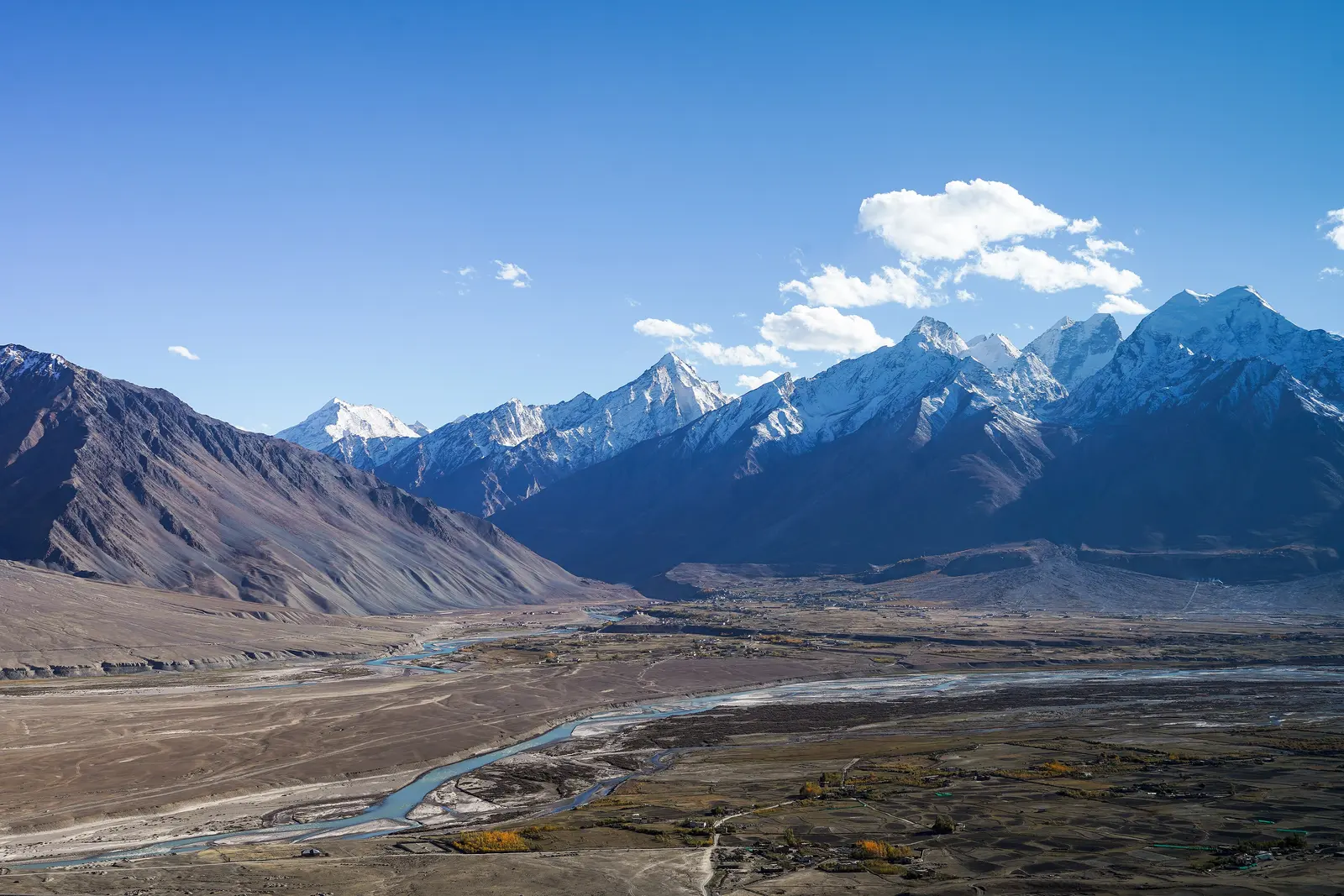
At roughly 3,657 metres, sitting where the Doda and Tsarap rivers meet to form the Lungnak (or Zanskar) River, Padum is the only real town for a hundred kilometres in any direction. It has the valley's only hospital, its only ATM that occasionally has cash, its only functioning fuel pumps, and its only real market — which makes it the base every traveller in Zanskar returns to, whether they came for the monasteries, the royal ruins, or the treks that start where the road simply stops.
What makes Padum genuinely unusual, even by Ladakh's standards, is its people. Unlike most of Buddhist-majority Ladakh, Padum has a substantial Sunni Muslim population — descendants of traders and settlers who came via Kargil and Baltistan generations ago — living alongside Zanskar's Buddhist majority. A mosque and a gompa stand within a short walk of each other in the same small bazaar, and the town's rhythms — market days, festivals, the call to prayer overlapping with monastery horns — reflect that mix in a way found almost nowhere else in the region.
🏔️ Padum at a Glance
Think of Padum not as a destination but as a hub — the way Leh functions for the rest of Ladakh, only smaller, slower, and cut off from the world for most of the year. You come to Padum to resupply, to arrange guides and permits, to sleep in a real bed, and then to head out again — to Karsha, to Zangla, to Phugtal, or onto a trail that won't see a road for another 80 km.
Best Time to Visit Padum
Zanskar's season is even shorter and more binary than the rest of Ladakh. The road link from Kargil is snowbound for most of the year, which means Padum functions as two completely different places depending on when you arrive — a busy little trading town in summer, and a nearly silent, snowbound outpost reachable only on foot in winter.
The Kargil–Padum road reopens (usually early-to-mid June, weather dependent). Pensi La is freshly cleared, meltwater swells the rivers, and some higher trek passes may still hold snow. Fewer travellers, low prices.
Both approach roads are reliably open, barley fields around Padum turn green-gold, monasteries hold their summer festivals, and trekking routes (Padum–Darcha, Phugtal) are at their driest and most accessible.
Crowds thin fast. Days stay clear and mild, nights turn cold. Excellent for photography and for treks without the July–August river-crossing surges. The road can close early if snow arrives ahead of schedule.
The road closes completely by late October and stays shut until the following June. Padum is reachable only by the frozen-river Chadar walk-in (January–February) or, in a genuine emergency, by helicopter. Not for casual travellers.
Our pick: Late July to mid-August. Padum's barley fields are at their greenest against the bare brown hills, both entry routes are dependably open, river crossings on the trekking routes are manageable (though still cold), and you'll catch at least one monastery festival in the surrounding villages.
How to Reach Padum
There is, for most of the year, exactly one way into Padum by vehicle. A second, shorter route from the Leh side is under construction and changing the picture slowly. And in deep winter there's a third option that belongs to serious trekkers only — walking in on the frozen river.
Via Kargil & Pensi La (the classic route)
The standard approach to Padum is the roughly 230-km road from Kargil, running south through Sankoo and the remote hamlet of Rangdum before climbing over Pensi La (around 4,400 m), the gateway pass into Zanskar proper, with the Drang-Drung Glacier — one of Ladakh's largest — visible from the road near the top. From Pensi La the road descends through Zanskar's upper villages before reaching Padum.
- Distance: ~230 km from Kargil
- Duration: 8–10 hours in a single push, or a more comfortable 2 days with an overnight at Rangdum
- Open: Roughly June to October, entirely dependent on snow clearance at Pensi La
- Road condition: Now largely tarred and considerably better than a decade ago, but still narrow, exposed in places, and prone to landslide closures after rain
The New Leh Route (Nimmu–Padum–Darcha)
For decades, reaching Zanskar from Leh meant a long loop back out via Kargil. That's changing. The Nimmu–Padum–Darcha (NPD) road — a strategic all-weather link being built in phases by the Border Roads Organisation — will eventually connect Padum directly to Leh via Nimmu and onward to Darcha in Himachal Pradesh, cutting what is currently a multi-day detour down to a much shorter run and, when fully open through its high-altitude sections, potentially extending Padum's accessible season.
As of now the NPD road is only partially motorable — usable in stretches, still under construction in others, and not yet a reliable substitute for the Kargil route for an ordinary trip. Treat it as a route to watch rather than to plan around; confirm current status locally in Leh or Padum before relying on it, since conditions change season to season.
Winter Walk-in: The Frozen River Route
When the Kargil road is shut, the only way in or out of lower Zanskar has traditionally been on foot — along the frozen surface of the Zanskar River itself. This is the Chadar Trek, walked between roughly January and February, starting near Chilling on the Leh side and following the ice for several days toward Zanskar's villages. It is a genuine expedition — sub -zero temperatures, unstable ice, and a licensed guide are non-negotiable — and it is as much how Zanskaris themselves have historically travelled in winter as it is a trekking product for visitors.
Note that the classic Chadar route runs primarily between Chilling and the villages of central Zanskar (Zangla and around) rather than all the way to Padum itself, but it remains the emblematic image of Zanskar's isolation — and the reason Padum's midsummer bazaar feels, by contrast, so relatively lively.
In Padum Town Itself
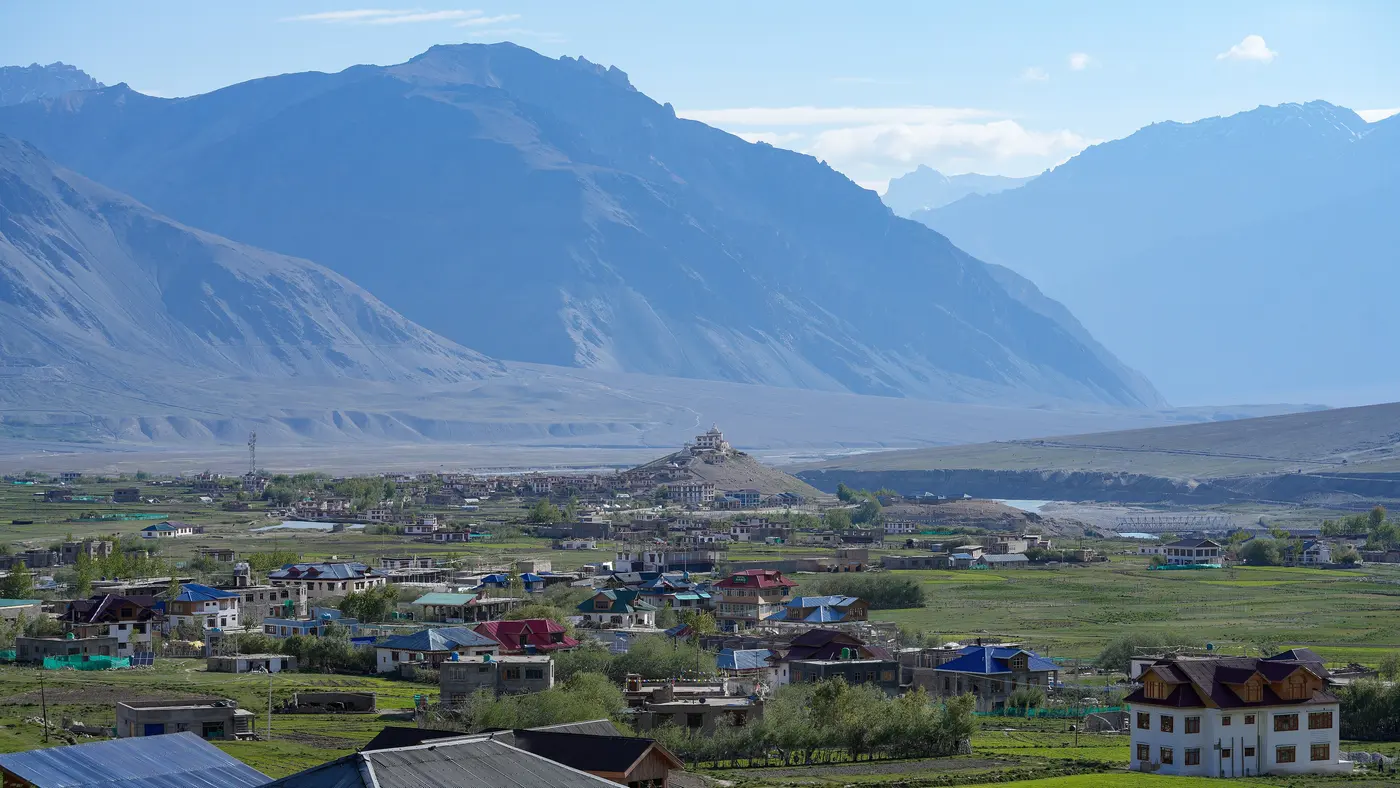
Padum rewards a slow half-day of wandering more than a checklist of sights. It's a working town, not a museum piece, and its charm is in the texture — Ladakhi and Baltistani-influenced faces in the bazaar, trucks being loaded with sacks of barley, schoolkids in the main square, and prayer flags snapping over rooftops that are half concrete, half traditional mud-brick.
- The bazaar: Padum's single commercial street is where the whole valley shops. General stores sell everything from trekking-gear odds and ends to instant noodles and diesel-can spares; a few small restaurants serve thukpa and momos to truck drivers and trekkers alike. It's small — you can walk its length in ten minutes — but it's genuinely the commercial centre of an area larger than some Indian states.
- Padum Fort ruins (Pipiting): On the rocky outcrop above town stand the crumbling remains of an old fort and monastery complex associated with Zanskar's royal past, sometimes referred to locally as Pipiting. There's little formal signage and the ruins are modest compared to Zangla's palace, but the short climb gives the best overview of Padum's setting — the confluence of rivers, the wide gravel plain, and the mountains ringing it on every side.
- Padum Jama Masjid: A functioning mosque near the bazaar, serving the town's sizeable Muslim community — a visible, everyday reminder that Zanskar's religious history is more layered than the monastery-postcard image suggests.
- Padum Gompa & prayer wheels: A modest Buddhist temple within the town itself, used for local worship rather than tourism — worth a respectful look if you're passing, though the valley's major monasteries lie outside town (see excursions below).
- The Lungnak/Doda riverbank: Walk out past the last guesthouses to where the Doda and Tsarap rivers meet, and the sense of Padum as an island of settlement in a vast, empty valley becomes obvious. A good spot for an evening walk once the day's heat (such as it is, at 3,657 m) has faded.
Day Trips & Excursions from Padum
This is where Padum earns its keep as a base. Within an hour or two's drive are some of Zanskar's most important monasteries and its old royal seat — all doable as day trips back to a bed in town.
Karsha Monastery
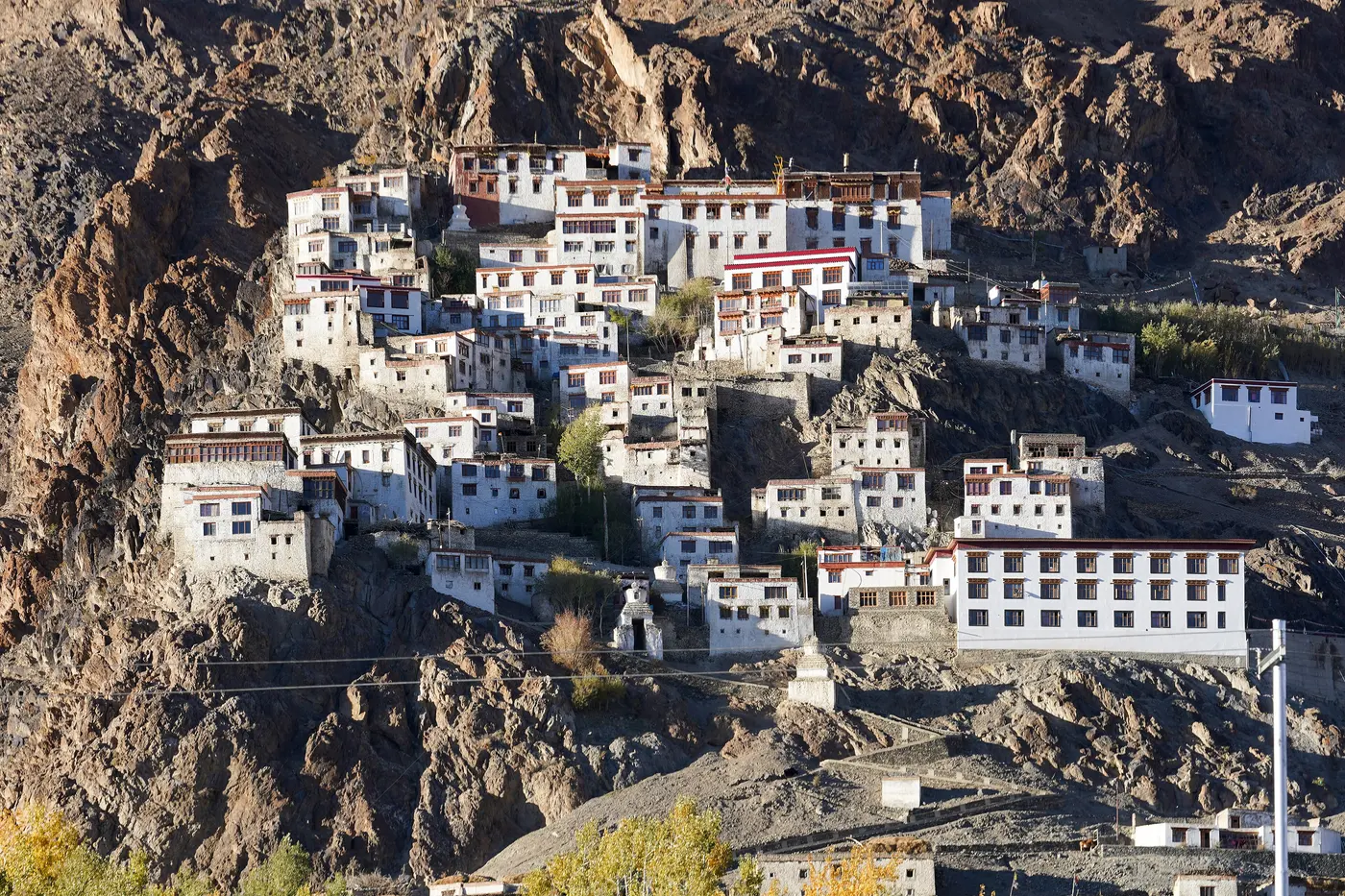
Karsha is Zanskar's largest monastery by a wide margin — a whitewashed cascade of buildings climbing a steep hillside above Karsha village, roughly 10 km from Padum and visible from town on a clear day. Belonging to the Gelugpa (Yellow Hat) order, it houses several hundred monks in season and a set of assembly halls with well-preserved murals. The short but steep walk up through the village to the monastery is worth the effort for the views back across the Padum plain alone.
- Distance from Padum: ~10 km (20–30 min by road)
- Best time: Morning, to catch prayers and softer light on the whitewashed walls
Sani Monastery
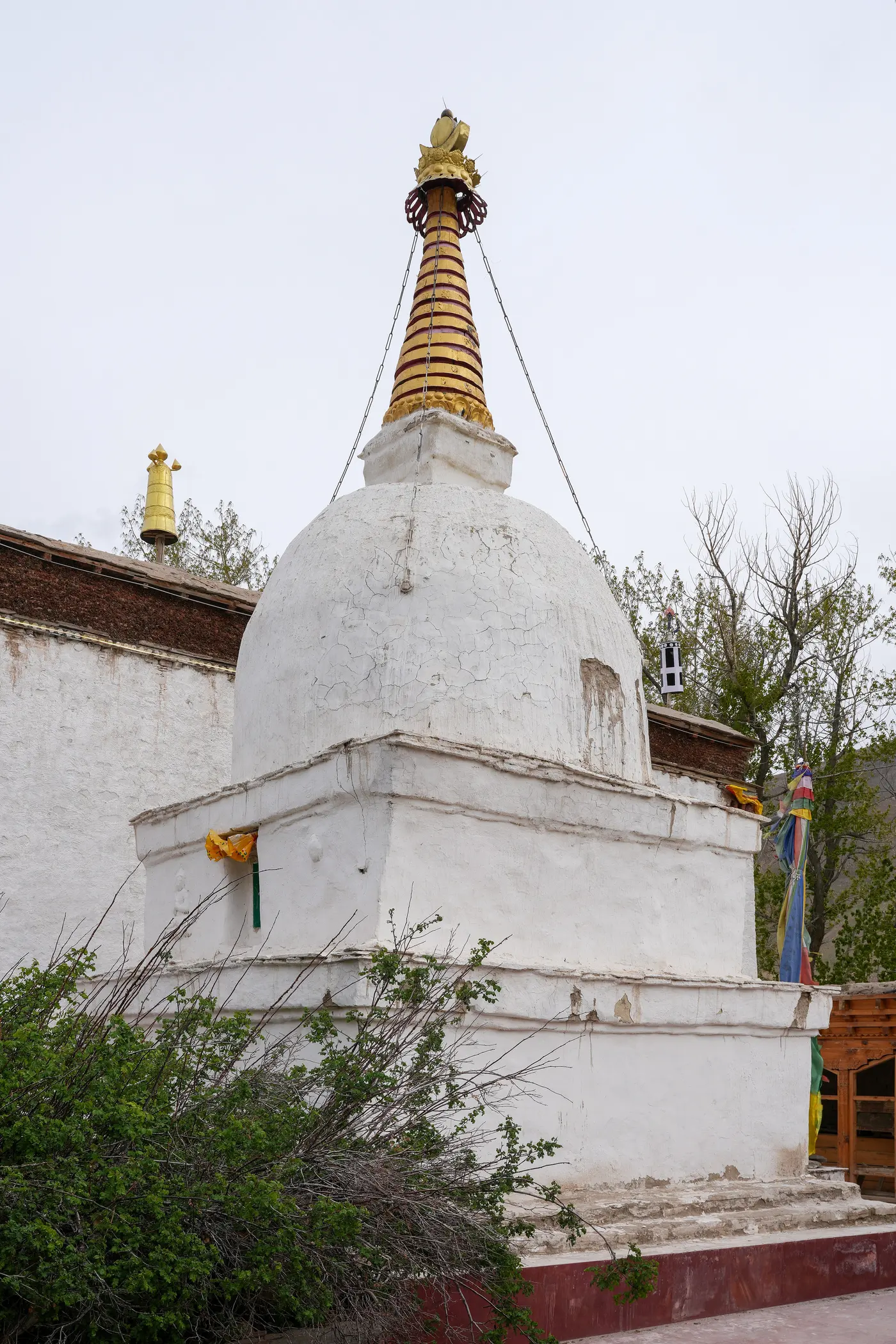
A short drive from Padum, Sani is one of the oldest religious sites in Zanskar and unusual for standing on flat ground rather than a dramatic cliff — most Ladakhi monasteries do the opposite. Its centrepiece is the Kanika Chaitya, a stupa locally attributed to the Kushan-era king Kanishka, which if the attribution holds would make it one of the oldest Buddhist structures in the entire Himalaya. The complex also has a small but atmospheric grove of ancient willow trees and a set of chortens that give it a very different feel from Karsha's dramatic verticality.
- Distance from Padum: ~6 km
- Highlight: Kanika Chaitya stupa and the Sani Nasjal summer festival (masked cham dances), held annually
Stongdey Monastery
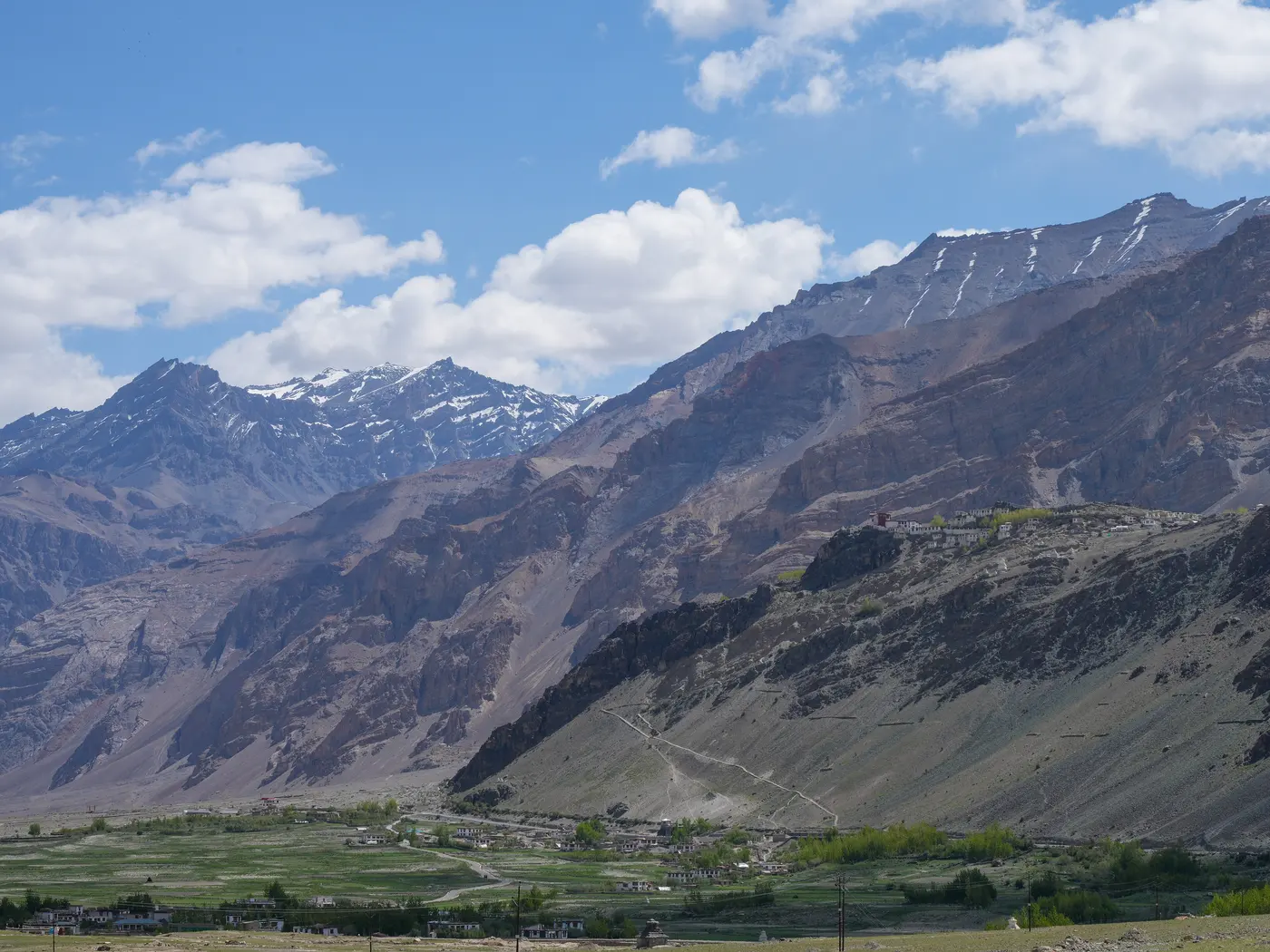
Zanskar's second-largest monastery, Stongdey sits on a high spur roughly 18 km from Padum, its buildings stacked up the hillside with sweeping views down the length of the valley. It receives a fraction of Karsha's visitors despite a comparably rich set of halls and murals, which makes it one of the better choices for travellers who want the monastery experience without the crowds — such as they are, this far from anywhere.
Zangla — Royal Palace & Nunnery
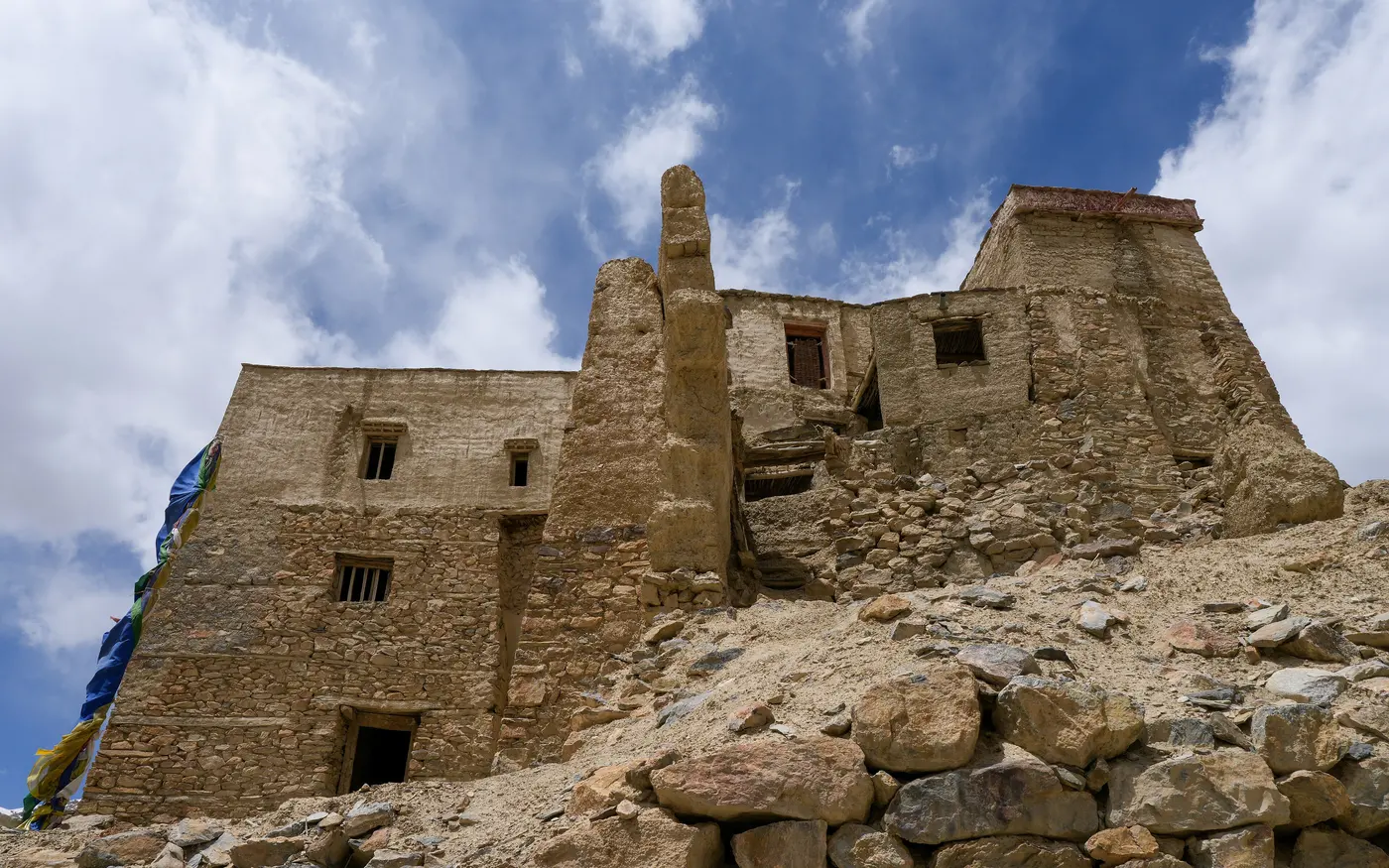
Roughly 35 km down-valley from Padum, Zangla was the seat of one branch of Zanskar's royal family after the old kingdom split between two lines centuries ago (the other seat was at Padum itself). The mud-brick palace, now partly ruined, is famous in scholarly circles as the place where the Hungarian orientalist Alexander Csoma de Kőrös lived and studied Tibetan in the 1820s, compiling the first Tibetan-English dictionary. Above the village, the Zangla nunnery (Dorjidzong) clings to a cliff face and remains an active community of Buddhist nuns — a striking, lesser-visited counterpart to Zanskar's monk-run monasteries.
Zangla is also the usual endpoint (or starting point, depending on direction) for the winter Chadar walk-in, which makes it a place where Zanskar's summer-road identity and its winter-ice identity visibly overlap.
Padum as a Trailhead
More than its monasteries, more than its bazaar, Padum's real significance for most visitors is as the point where the road ends and the walking begins. Several of the Indian Himalaya's most respected treks either start, finish, or resupply here.
Padum–Lamayuru Trek
8–10 DaysOne of Ladakh's classic long-distance treks, crossing remote passes and villages through the Zanskar Range to link up with Lamayuru monastery on the Srinagar–Leh highway. Typically 8–10 days, remote and demanding, with limited resupply — most parties hire local guides and pack animals from Padum.
Padum–Darcha Trek
Classic CrossingThe historic trade route south over Shingo La (around 5,090 m) into Lahaul, Himachal Pradesh, ending at Darcha on the Manali–Leh highway. A high, classic crossing between two very different Himalayan cultures, usually walked in 7–9 days.
Phugtal Monastery Trek
Most PopularThe most popular short trek from Padum — a 2–3 day round trip (via jeep to Purne, then on foot) to the extraordinary 12th-century cave monastery of Phugtal, built directly into a cliff face above the Lungnak River. Padum is the essential resupply and guide-hiring point before setting out.
Padum has a small but genuine trekking-support infrastructure — guides, pack-pony operators, and a couple of gear-rental shops in the bazaar — but it is nowhere near as deep a bench as Leh's. Arrange guides and animals a day or two ahead rather than assuming same-day availability, especially in peak August.
Where to Stay in Padum
Accommodation in Padum is simple by design — this is a logistics town, not a resort destination. Expect clean, basic rooms rather than boutique comforts, and book ahead in July–August when trekking groups fill up the handful of decent guesthouses fast.
- → Family-run guesthouses in the bazaar
- → Dormitory rooms attached to trekking outfitters
- → Basic homestays in Karsha or Sani village
- → Small private hotels near the bazaar
- → Guesthouses with attached bathrooms & solar hot water
- → Tourist bungalow-style rooms (seasonal)
- → Riverside camping near the Doda-Tsarap confluence
- → Trek-support camps organised via local operators
- → Carry your own gear — rental options are limited
What to Eat in Padum
Don't expect variety — Padum's food scene exists to fuel travellers and locals through long days at altitude, not to impress. That said, what's on offer is honest, warming, and, after a day on the road from Kargil, deeply welcome.
- Skyu & Thukpa: The valley's staples — thick hand-pinched dough in a vegetable or meat broth (skyu), or Tibetan-style noodle soup (thukpa). Every small eatery in the bazaar does a version of each.
- Momos: Steamed or fried dumplings, usually vegetable or potato-filled, sold hot at bazaar-front stalls.
- Tsampa & butter tea: Roasted barley flour mixed with salted, yak-butter tea — the traditional Zanskari staple, and the fastest way to warm up after a cold morning excursion.
- Chang: A mildly fermented local barley beer, offered informally in villages around Padum (Karsha, Zangla) rather than sold commercially — accept it graciously if offered as hospitality.
- Dhaba-style dal-rice: The reliable fallback at most of Padum's small restaurants, especially useful if you're trek-bound the next day and want something simple.
- Bring your own snacks: Beyond basic biscuits and instant noodles, the bazaar's general stores stock little in the way of trekking food — carry energy bars, dry fruit, and electrolyte mixes from Leh or Kargil before arriving.
Budget Breakdown for Padum
| Expense | Budget | Mid-Range | Comfort |
|---|---|---|---|
| Accommodation/night | ₹500 | ₹1,800 | ₹2,800 |
| Food/day | ₹350 | ₹700 | ₹1,200 |
| Local taxi (Karsha/Sani/Zangla combined) | ₹1,500 | ₹2,500 | ₹4,000 |
| Kargil–Padum shared taxi/bus (one-way) | ₹600 | ₹1,200 | ₹5,000 (private) |
| Trek guide + pack pony (per day) | ₹1,800 | ₹2,500 | ₹3,500 |
| Daily total in Padum (approx) | ₹1,200 | ₹2,800 | ₹5,500 |
* Excludes the Leh/Kargil-side transport to reach the starting point, and any multi-day trek costs beyond the per-day guide/pony rate above.
Essential Travel Tips for Padum
- Connectivity is minimal: Mobile coverage in Padum is limited to BSNL and occasionally Airtel, and it's patchy even in town — expect none at all once you're out at Karsha, Zangla, or on any trek. Tell people your plans before you leave phone range.
- Cash before you arrive: Padum has a single ATM (typically SBI) that is unreliable and frequently out of cash or out of service entirely. Withdraw everything you'll need in Kargil or Leh before setting out — there is no backup plan in Padum itself.
- Fuel up religiously: Padum has the only dependable fuel pumps in Zanskar. Fill up on arrival and again before any onward drive toward Kargil, Rangdum, or the villages further down-valley — there is nothing reliable in between.
- Check road status before committing: Pensi La and the road through Rangdum can close with little notice after snow or landslide, even in the official "open" season. Confirm current status in Kargil before departing, and build a spare day into your itinerary.
- Permits and paperwork: Indian nationals generally do not need special permits to visit Padum and the core Zanskar Valley, but some routes closer to sensitive border areas can be subject to change, and foreign nationals should confirm current requirements in Kargil or Leh before travelling — regulations here shift more often than the guidebooks keep up with.
- Book guides and ponies ahead in season: Padum's trekking-support capacity is real but limited. In peak July–August, same-day arrangements for Phugtal or longer treks can fall through — contact a local operator a few days in advance where possible.
- Pack for genuine cold, even in July: Padum sits above 3,650 m and nights stay cool year-round; excursions to Zangla or Stongdey can turn windy and cold fast. Layers, a warm sleeping bag if trekking, and sun protection are all essential at this altitude.
✅ Do
- →Carry all the cash you'll need from Kargil or Leh
- →Fill your fuel tank fully on arrival in Padum
- →Break the Kargil–Padum drive at Rangdum
- →Arrange trek guides/ponies a few days ahead in season
- →Visit the mosque and gompa respectfully — both are active
- →Build a spare day into your plans for road closures
❌ Don't
- →Assume Padum's one ATM will have cash
- →Rely on mobile signal once you leave town
- →Skip fuelling up before heading further down-valley
- →Attempt the winter walk-in without a licensed guide
- →Expect Leh-level trekking infrastructure or gear rental
- →Push through Pensi La in worsening weather
Frequently Asked Questions
How do I reach Padum?
The classic route is the roughly 230-km road from Kargil, running through Sankoo and Rangdum before climbing over Pensi La (around 4,400 m) — typically 8–10 hours in a single push, or 2 days with an overnight at Rangdum. The newer Nimmu–Padum–Darcha (NPD) road from Leh is only partially motorable so far and isn't yet a reliable substitute for an ordinary trip.
What is the best time to visit Padum?
Late July to mid-August is our pick — both entry roads are dependably open, Padum's barley fields are at their greenest, river crossings on the trekking routes are manageable, and you'll likely catch a monastery festival in the surrounding villages. The Kargil–Padum road is typically open from June to October, and closes completely by late October until the following June.
Is Padum worth visiting?
Padum isn't scenic in the postcard sense — it's a working administrative town rather than a monastery village. But it's the essential base for Zanskar: the only place with a hospital, functioning fuel pumps, and a real market, and the gateway to Karsha, Sani, Stongdey, and Zangla monasteries, plus some of the Himalaya's most respected treks.
What is the budget for a trip to Padum?
A daily budget in Padum runs roughly ₹1,200 on a tight budget, ₹2,800 mid-range, or ₹5,500 for more comfort, covering accommodation, food, and local taxi hire to Karsha, Sani, and Zangla combined. This excludes the Leh/Kargil-side transport to reach Padum and any multi-day trek costs beyond the per-day guide/pony rate.
Can Padum be visited in winter?
Not by road — the Kargil–Padum road closes completely by late October and stays shut until June. In winter, the traditional way in or out of lower Zanskar is the Chadar Trek, walking along the frozen Zanskar River between roughly January and February with a licensed guide, though the classic Chadar route runs mainly between Chilling and central Zanskar rather than all the way to Padum itself.
What treks start from Padum?
Padum is the trailhead for several of the Indian Himalaya's most respected long-distance treks: the 8–10 day Padum–Lamayuru trek through the Zanskar Range, the 7–9 day Padum–Darcha trek over Shingo La into Himachal Pradesh, and the more popular 2–3 day Phugtal Monastery trek to the 12th-century cave monastery built into a cliff above the Lungnak River.
Do I need a permit to visit Padum and Zanskar?
Indian nationals generally do not need special permits to visit Padum and the core Zanskar Valley, though some routes closer to sensitive border areas can be subject to change. Foreign nationals should confirm current requirements in Kargil or Leh before travelling, since regulations here shift more often than guidebooks keep up with.
Published by the Kudozz Club editorial team · Last updated · How we research our guides
Want us to plan this trip for you?
Tell Kudozz Club where you want to go and what kind of trip you’re looking for. We’ll build a Padum and Ladakh itinerary around your dates and budget.
Continue Exploring
View all guides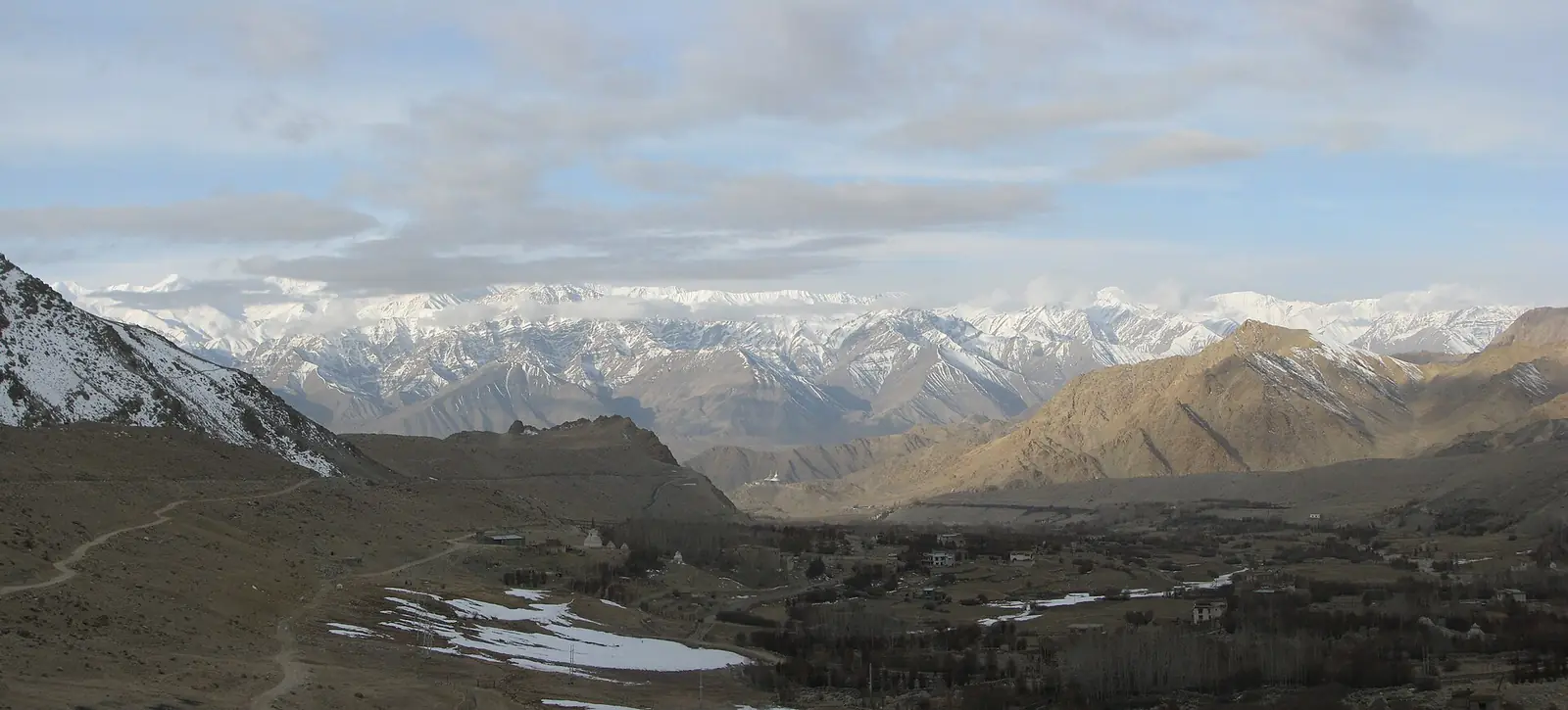 Destination Guide
Leh Travel Guide: Leh Palace, Market, Shanti Stupa & Tips
A whitewashed old town under a ruined nine-storey palace, at 3,524 metres — Leh Palace, the bazaar, Shanti Stupa, and everything you need to explore the capital of Ladakh itself.
 Trekking
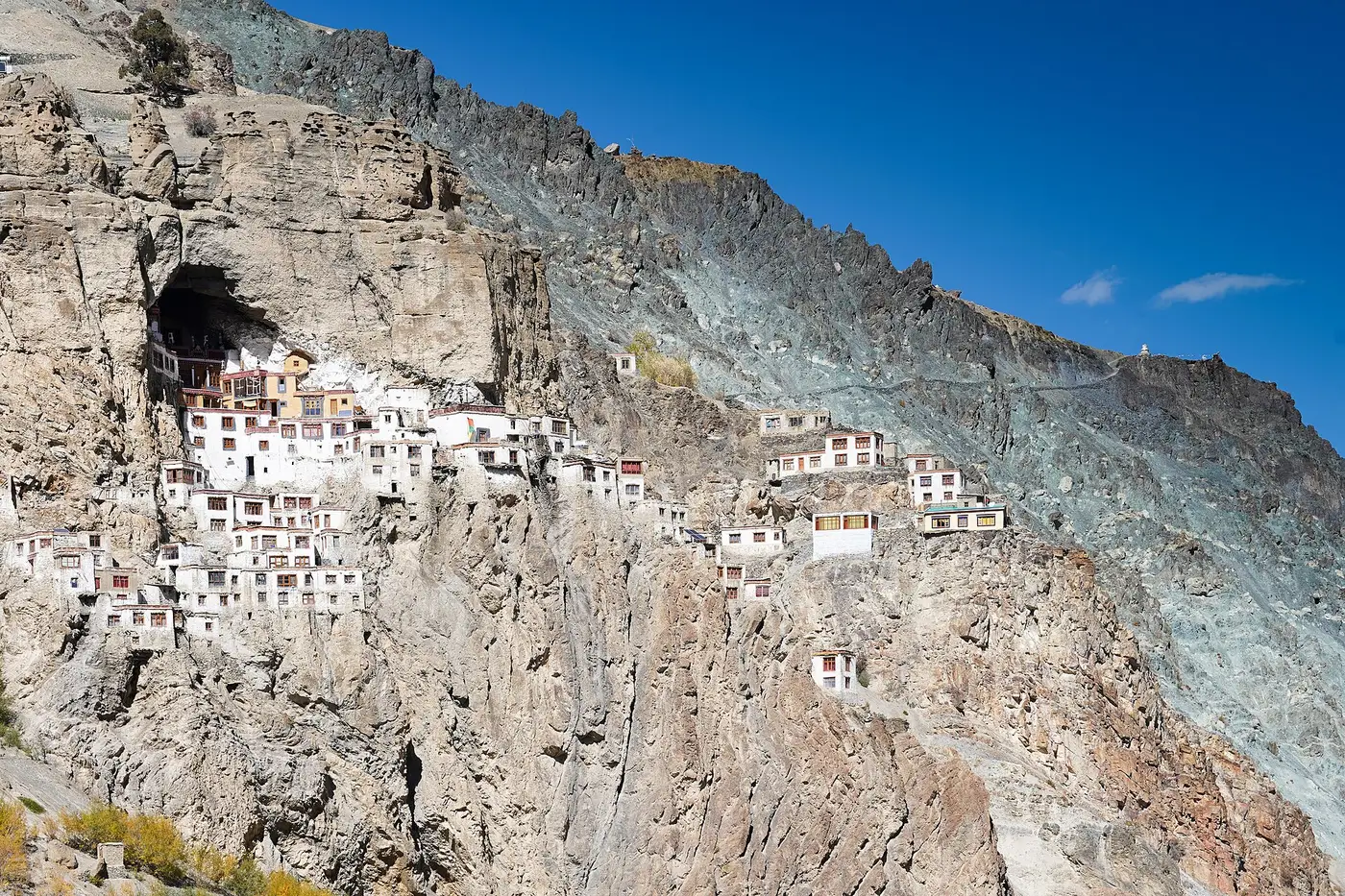
Zanskar Valley Travel Guide: Chadar Trek, Phugtal Monastery & Padum
Cut off from the world for eight months a year by snow, Zanskar is Ladakh's last true frontier — home to the legendary frozen-river Chadar Trek and the cliffside Phugtal Monastery.
 Hill Stations
Best Mountain Destinations in India: Valleys, High Passes and Himalayan Towns
A guide to India's mountain destinations beyond classic hill stations: the high-altitude regions of Ladakh, Spiti and Zanskar, Himalayan valleys such as Kinnaur, Tirthan, Parvati and Lahaul, Uttarakhand's Chopta and Munsiyari, North Sikkim, Tawang and Dzukou, with the right terminology, seasons, permits and how to acclimatise.
 Road Trip
Leh Ladakh Road Trip Guide: Routes, Permits, Passes & Tips
Moonscapes, Buddhist monasteries, and the world's highest motorable passes — a complete 14-day Leh Ladakh road trip guide covering routes, permits, passes and acclimatisation.