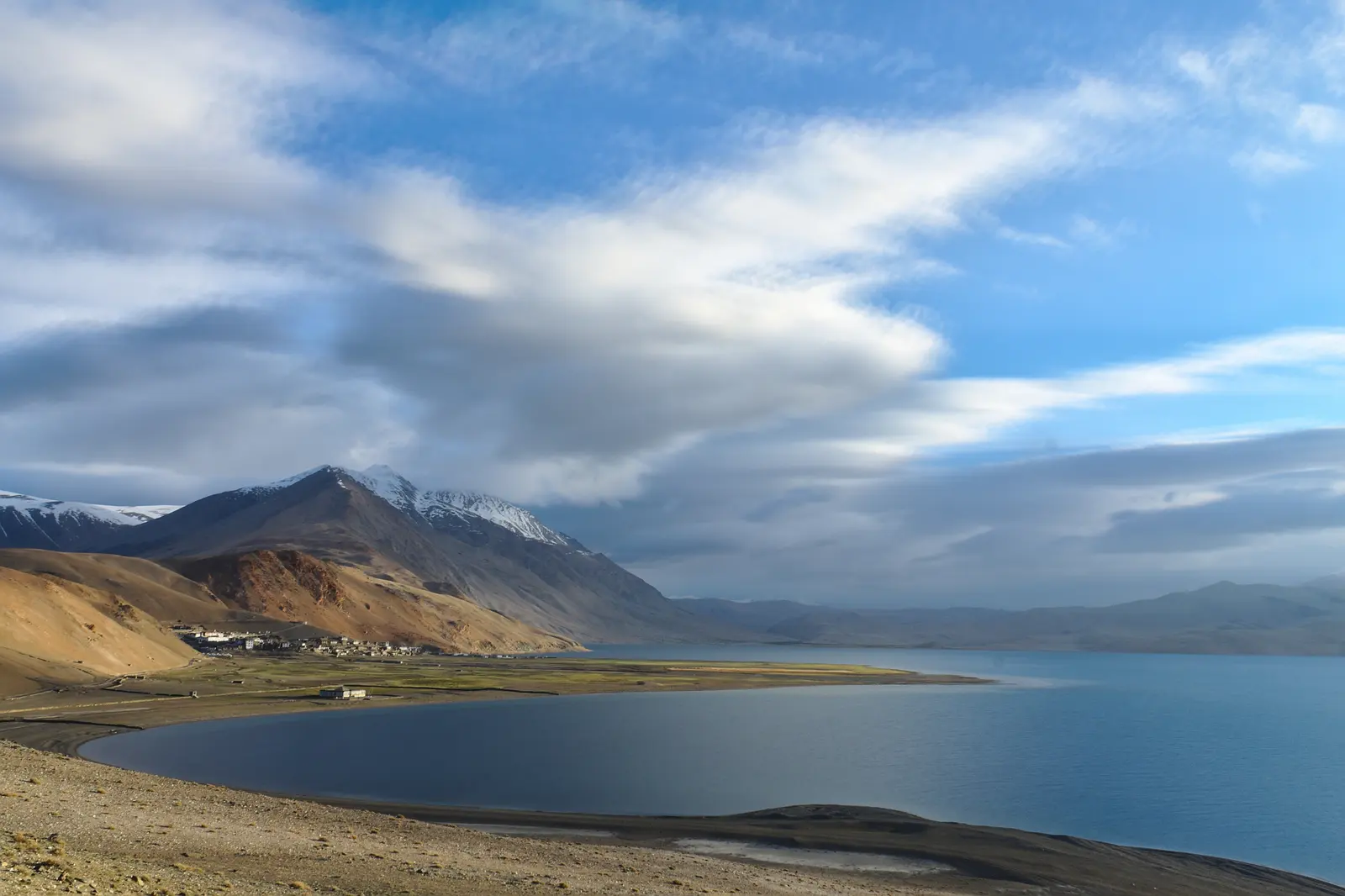
Why Visit Tso Moriri?
Ask any Ladakh regular which lake actually stays with them, and the answer is often not Pangong. It's Tso Moriri — a vast sheet of still, sapphire-blue water sitting at 4,522 metres in the remote Rupshu plateau, the least-visited corner of a region that is already among India's most remote. Unlike Pangong Tso, which stretches across the border into Tibet, Tso Moriri lies entirely within Indian territory — no straining to see "the good part" from a crowded shore, just 19 kilometres of lake framed by bare, ochre-brown mountains and total silence.
Tso Moriri is a designated Ramsar wetland of international importance — one of the highest-altitude wetlands on the Ramsar list anywhere in the world — and forms the core of the Changthang Wildlife Sanctuary. That protected status means development around the lake has stayed minimal: a single village, Korzok, sits on its northwestern shore, and beyond it there is nothing but plateau, water, and sky. For travellers who found Pangong beautiful but overrun, Tso Moriri is the corrective — the same high-altitude drama, a fraction of the footfall.
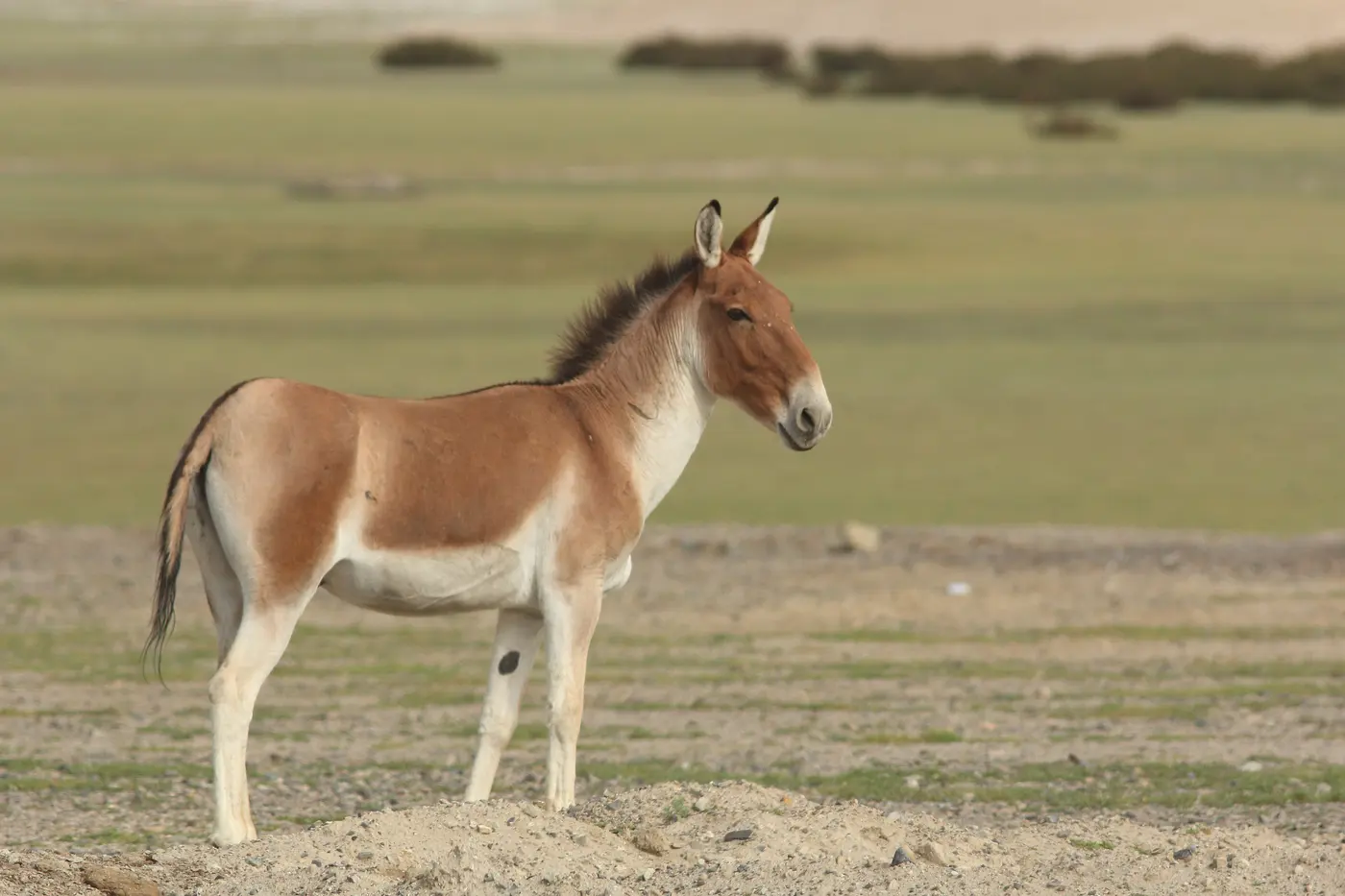
The journey there is part of the reward. The road from Leh climbs through Chumathang's steaming hot springs and onto the open Rupshu plateau, a landscape so stark and huge it feels closer to the Tibetan Changtang than anywhere else in India — herds of kiang (wild ass) galloping across the plains, nomadic Changpa herders grazing pashmina goats, and not much else for hours at a stretch.
🏔️ Tso Moriri at a Glance
Love the outdoors? See our guide to lakes in India.
Best Time to Visit Tso Moriri
Tso Moriri is only realistically accessible for a short window each year. The road from Leh crosses no major snowbound passes, but Korzok itself sits at nearly 4,600 metres, and winter temperatures there are brutal even by Ladakhi standards.
The lake is accessible but nights are still sharply cold (-5°C to 0°C). Migratory birds begin arriving. Few other travellers around — a good window if you're prepared for the cold.
Daytime temperatures are pleasant (10–20°C), the plateau is at its greenest, bar-headed geese and black-necked cranes are nesting, and Korzok's homestays are fully open. Nights still drop near freezing.
Crowds thin further, the plateau grasses turn gold, and the light is extraordinary for photography. Some homestays begin winding down operations toward month-end.
Korzok's homestays largely shut, temperatures fall to -25°C or lower, and the lake partially freezes. Only attempted by hardened expedition travellers with full winter logistics.
Our pick: Mid-to-late August. Migratory bird activity is still strong, the plateau is lush by Rupshu standards, and daytime temperatures at the lake are as comfortable as they get. Avoid weekends immediately following Leh's peak-season crowds funnel south.
How to Reach Tso Moriri
There is no shortcut to Tso Moriri — every route is a full day's drive from Leh, and the lake sees a fraction of the traffic that flows toward Pangong or Nubra. Two approaches are commonly used, and combining them into a loop is the single best way to experience the Rupshu plateau.
Via Chumathang & the Rupshu Plateau
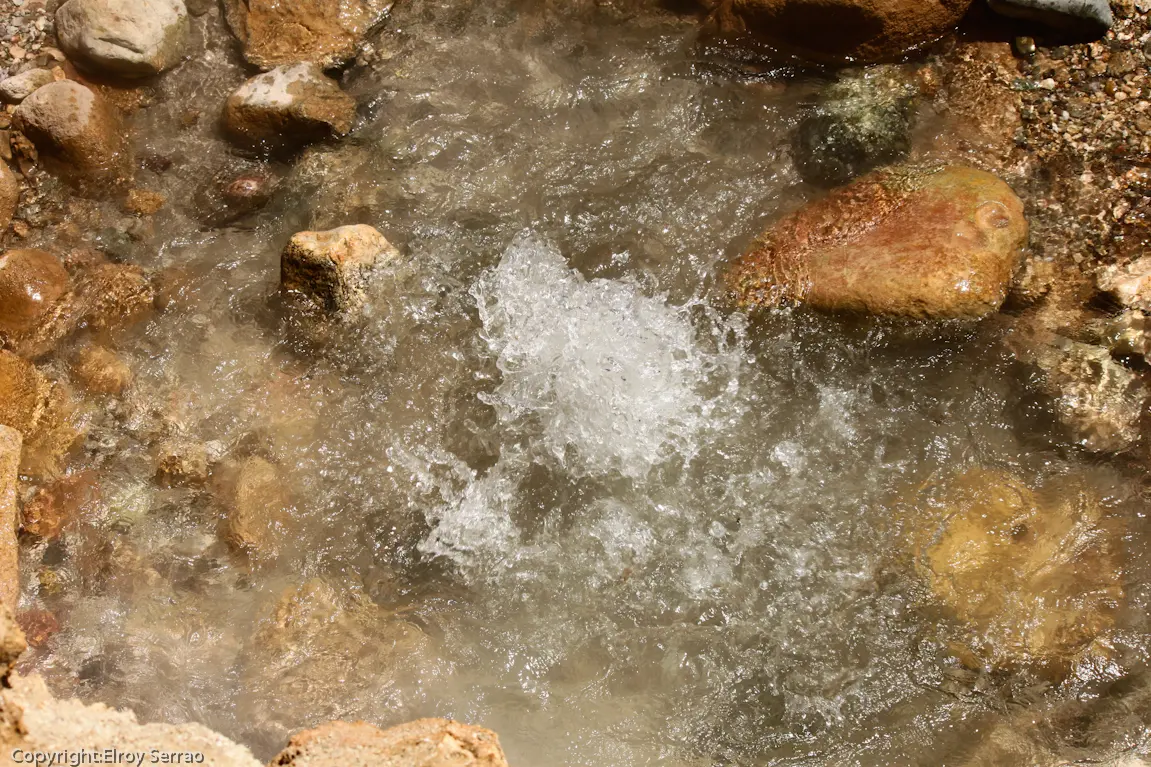
The standard route out of Leh runs south along the Indus Valley through Upshi and Chumathang — a small settlement famous for its natural hot springs, where steaming water pours straight out of the riverbank and locals bathe year-round. Beyond Chumathang, the road climbs onto the open Rupshu plateau and the landscape changes entirely: trees disappear, the valley widens into a vast bowl of brown and gold, and the first glimpses of Tso Moriri's water appear like a mirage after hours of dust.
- Distance: ~220 km from Leh
- Duration: 6–7 hours one-way in a private vehicle
- Road condition: Mostly paved to Chumathang, mixed tarmac and gravel beyond — a high-clearance vehicle is strongly recommended
- Highlights en route: Chumathang hot springs, Mahe Bridge, Sumdo checkpoint, first views of the Rupshu plateau
Via the Tso Kar Loop
A more adventurous option approaches Tso Moriri from the Manali–Leh highway side, via Tso Kar and the high village of Puga — a valley scattered with steaming sulphur vents and borax deposits. This route is longer and rougher but turns the trip into a proper two-lake circuit, letting you see both of Rupshu's great lakes without backtracking.
- Best used as: An exit route back toward the Manali–Leh highway rather than an entry route, or as a loop back to Leh via Puga
- Road condition: Unpaved and rough in stretches — a 4x4 or capable SUV is essential, not optional
- Highlights en route: Puga geothermal valley, Tso Kar's kiang herds, Polokongka La (4,918 m)
There is no public bus service to Tso Moriri and no fuel station between Upshi and Korzok — fill your tank completely in Leh or Upshi before setting out, and carry a spare jerry can if you're on a bike. Shared taxis occasionally run from Leh during peak season, but a private vehicle or an organised tour is by far the most reliable way in.
Permits & Paperwork for Tso Moriri
Tso Moriri sits inside a protected border-adjacent zone, so permits are non-negotiable and checked at the Sumdo checkpoint before the final approach to the lake.
Inner Line Permit (ILP)
Protected Area Permit (PAP)
Wildlife Sanctuary Fee
Korzok Village & Monastery
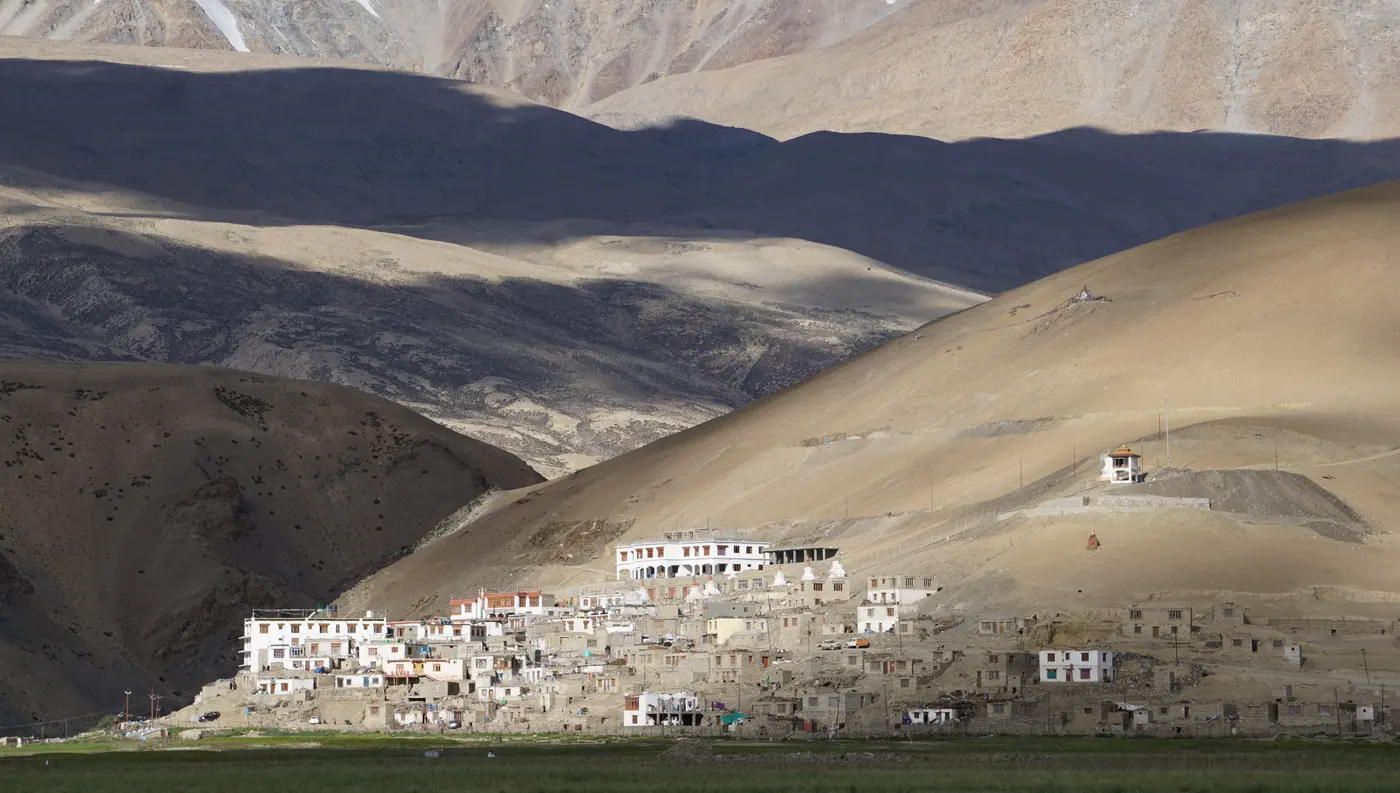
Korzok is the only settlement on Tso Moriri's shore — a scatter of stone-and-mud homes, a handful of homestays, and a small monastery, home to perhaps a few hundred permanent residents plus seasonal Changpa nomad families who pitch their rebo (yak-hair tents) nearby during summer grazing months. At 4,595 metres, it's one of the highest permanently inhabited villages in India.
The Korzok Monastery, belonging to the Drukpa Kagyu lineage, sits on a small rise above the village with the entire lake spread out below it. It's modest compared to Ladakh's grand monasteries like Thiksey or Hemis, but its setting is unmatched — few monasteries anywhere command a view like this. The Korzok Gustor festival, held here in summer, features traditional cham mask dances and draws Changpa herders from across the plateau.
Life in Korzok moves at the pace of the plateau itself. There's a small general store or two, a scattering of homestays, and after dark, near-total silence broken only by wind and the occasional bark of a village dog. It's not a place with much to "do" in the conventional sense — it's a place to sit by the water at dusk and let the scale of the landscape settle in.
Wildlife of the Rupshu Plateau
Tso Moriri's Ramsar status exists because of what lives here. The lake and surrounding Changthang Wildlife Sanctuary support some of the Himalayas' rarest high-altitude species, and even a short visit usually delivers a genuine wildlife encounter.
Black-Necked Crane
Rare & ProtectedOne of the world's rarest cranes and a sacred bird in Tibetan Buddhist tradition. Tso Moriri and Tso Kar are among the very few breeding sites for this species in India. Best spotted in the marshy sections at the lake's northern edge in summer.
Kiang (Tibetan Wild Ass)
Common SightingLarge herds of kiang roam the open Rupshu plateau, often visible galloping alongside the road between Chumathang and Korzok. The world's largest wild ass, and one of the most striking sights on the drive in.
Bar-Headed Goose
Summer NestingFamous for flying over the Himalayas during migration at altitudes exceeding 6,000 metres, bar-headed geese nest on small islets within Tso Moriri in large numbers through the summer breeding season.
Himalayan Marmot
Easy to SpotChubby, curious burrowing rodents that pop up along the roadside and around Korzok, especially in the early morning. Harmless and endlessly photogenic.
Tibetan Gazelle & Snow Leopard
ElusiveThe plateau also supports small populations of Tibetan gazelle, and the surrounding mountains are part of the wider snow leopard range — sightings are rare and mostly a winter phenomenon, but the sanctuary status protects this entire ecosystem.
Tso Kar — The Other Lake
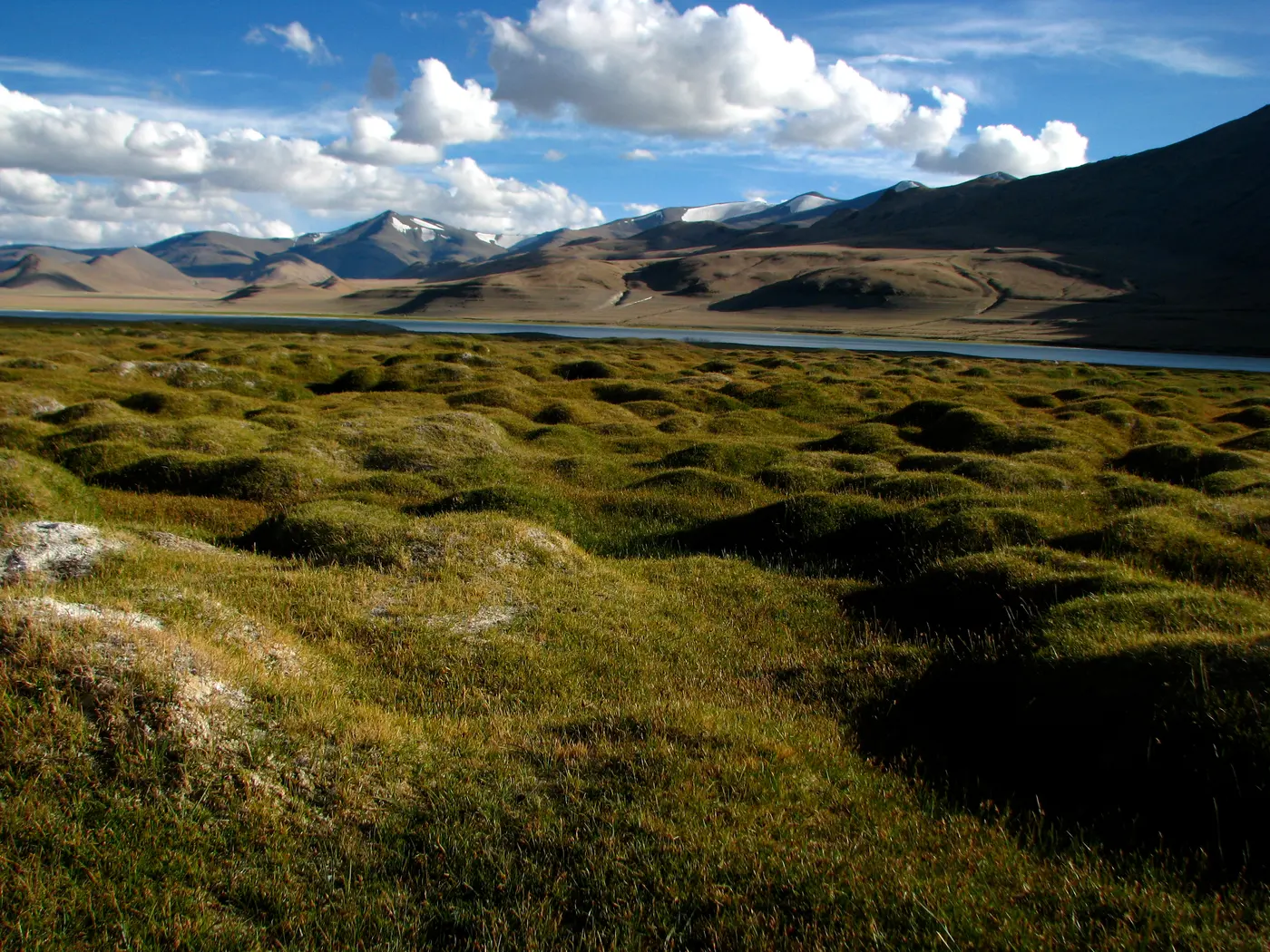
About 75 km northwest of Tso Moriri, over the Polokongka La pass (4,918 m), sits Tso Kar — a smaller, saline "white lake" named for the crust of salt that rings its shore. Where Tso Moriri is deep blue and freshwater, Tso Kar is shallow, pale, and eerily still, with its own resident population of kiang and black-necked cranes.
Tso Kar sees even fewer visitors than Tso Moriri and makes an excellent addition to a Rupshu plateau trip if you're routing back toward the Manali–Leh highway rather than returning the way you came. The small village of Thukje on its shore has a couple of basic homestays, and the Puga geothermal valley en route is worth a stop for its bubbling sulphur vents and borax-crusted ground.
- Distance from Tso Moriri: ~75 km via Polokongka La (2.5–3 hours)
- Best combined with: An exit toward the Manali–Leh highway, or a loop back to Leh via Puga
- Road condition: Unpaved and rough — a 4x4 is essential
Homestays in Korzok
There are no hotels at Tso Moriri — accommodation means either a family-run homestay in Korzok village or a seasonal tented camp, both run through the village's homestay cooperative. This is by design: it keeps tourism revenue with local families and limits development pressure on the fragile wetland ecosystem.
- → Korzok Village Homestay Cooperative
- → Lake View Homestay
- → Changthang Homestay
- → Family-run rooms near the monastery
- → Tso Moriri Eco Camp
- → Nomadic Life Camp
- → Lake-facing tent camps (summer only)
- → Book ahead — very limited beds
Expect basic but warm hospitality: a simple room, thick quilts, shared or basic attached bathrooms, and home-cooked meals of rice, dal, and vegetables — sometimes supplemented with Tibetan staples like thukpa. Electricity is typically solar and limited to a few hours in the evening. There is no reliable mobile network in Korzok, so treat this as genuinely disconnected time.
2-Day Tso Moriri Itinerary
Most visitors combine Tso Moriri with a wider Ladakh loop, but even as a focused side trip from Leh, two full days is the minimum to do it justice — one day each way, with a full day at the lake in between.
Leh → Tso Moriri via Chumathang
- ✓Depart Leh early (by 7 AM) with a full fuel tank
- ✓Stop at Chumathang hot springs for a soak and breakfast
- ✓Cross onto the Rupshu plateau — watch for kiang herds
- ✓Sumdo checkpoint — permit and sanctuary fee check
- ✓Arrive Korzok by afternoon, check into homestay, rest
Tso Moriri Full Day & Return
- ✓Sunrise at the lake shore — the water is stillest at dawn
- ✓Visit Korzok Monastery above the village
- ✓Slow walk along the shore for birdwatching (bring binoculars)
- ✓Late morning: begin return drive to Leh via Chumathang
- ✓Optional: extend to Day 3 and loop out via Tso Kar and Puga
What to Eat at Tso Moriri
Don't expect menus at Tso Moriri — food here is whatever the homestay family cooks that day, almost always simple, hearty, and built for altitude. It's some of the most honest food you'll eat in Ladakh, precisely because there's no tourist infrastructure shaping it.
- Homestay thalis: Rice, dal, a seasonal vegetable curry, and roti — the standard evening meal at almost every Korzok homestay, included in the overnight rate.
- Thukpa: Tibetan noodle soup, often the go-to warming dish on cold Rupshu evenings.
- Butter tea (Gur Gur Chai): Salted yak-butter tea, offered generously in Changpa homes — essential for warmth at 4,500 metres even if the taste takes getting used to.
- Tsampa: Roasted barley flour mixed with butter tea, the traditional high-altitude staple of the Rupshu nomads.
- Carry your own snacks: There are no shops or restaurants beyond Korzok's one or two small general stores. Pack energy bars, dry fruit, glucose biscuits, and electrolyte sachets from Leh before you leave.
Budget Breakdown for Tso Moriri
| Expense | Budget | Mid-Range | Comfort |
|---|---|---|---|
| Homestay/night (incl. meals) | ₹1,200 | ₹1,800 | ₹5,000 (tented camp) |
| Vehicle (shared/private per day) | ₹1,500 | ₹4,000 | ₹7,000 |
| Permits (ILP + sanctuary fee) | ₹150 | ₹150 | ₹150 |
| Snacks & extras | ₹200 | ₹400 | ₹800 |
| 2-day trip total (per person, shared vehicle) | ₹5,500 | ₹9,500 | ₹22,000 |
* Assumes travel from Leh as a base. Costs drop significantly per person when splitting a private vehicle across a group of 4–5.
Essential Travel Tips for Tso Moriri
- Acclimatise in Leh first: Never drive to Tso Moriri as your first stop in Ladakh. Spend at least 2 days acclimatising in Leh (3,524 m) before pushing on to Korzok's 4,595 metres.
- Extreme cold, even in summer: Night temperatures at Korzok can fall near freezing even in July and August. Pack proper thermal layers, a good down jacket, and a warm sleeping bag liner regardless of season.
- No fuel between Upshi and Korzok: Fill your tank completely before leaving Leh or Upshi. There is no petrol pump anywhere on this route.
- No mobile network in Korzok: BSNL has patchy postpaid coverage at best; most networks have none. Inform family or friends of your plans before you lose signal, and treat this as fully disconnected time.
- Limited facilities: There are no ATMs, pharmacies, or proper medical facilities at Tso Moriri. Carry sufficient cash from Leh, a basic medical kit, and any prescription medication you need.
- Respect the wetland: Tso Moriri's Ramsar status protects a genuinely fragile ecosystem. Stay on marked paths near nesting areas, don't approach birds closely, and carry out every piece of plastic you bring in.
✅ Do
- →Acclimatise in Leh for at least 2 days before departing
- →Fill your fuel tank completely before leaving Upshi
- →Carry all ILP copies and ID proof for the Sumdo checkpoint
- →Pack proper thermal layers, even in peak summer
- →Carry sufficient cash — there are no ATMs at the lake
- →Bring binoculars for birdwatching along the marshy shore
- →Book your Korzok homestay a few days ahead in peak season
❌ Don't
- →Drive straight from Leh's airport to Tso Moriri without acclimatising
- →Assume you'll find fuel between Upshi and Korzok — there is none
- →Rely on mobile signal working in Korzok
- →Approach nesting birds or disturb the marshy shoreline
- →Travel without carrying cash — there are zero ATMs at the lake
- →Leave litter or single-use plastic on the shore
- →Underestimate the cold — even summer nights drop near freezing
Frequently Asked Questions
How many days do I need for Tso Moriri?
Two full days is the realistic minimum — one day each way from Leh, with a full day at the lake in between for the Korzok Monastery, birdwatching along the shore, and simply sitting with the view. Adding a third day to exit via Tso Kar and Puga turns it into a fuller Rupshu plateau circuit.
What is the best time to visit Tso Moriri?
Mid-to-late August is the pick — migratory bird activity is still strong, the plateau is at its lushest by Rupshu standards, and daytime temperatures at the lake are as comfortable as they get. The lake is really only accessible from May through September; October to April is effectively closed, with temperatures falling to -25°C or lower.
How do I reach Tso Moriri from Leh?
There's no shortcut — every route is a full day's drive, roughly 220 km and 6–7 hours one-way via Upshi and Chumathang. A more adventurous route approaches from the Manali–Leh highway side via Tso Kar and Puga. There's no public bus service, so a private vehicle or organised tour is the reliable way in.
Do I need a permit to visit Tso Moriri?
Yes. All Indian nationals need an Inner Line Permit (ILP), obtainable online or at the DC Office in Leh, checked at the Sumdo checkpoint. Foreign nationals additionally need a Protected Area Permit (PAP), arranged through a registered Leh-based tour operator, and must travel with a licensed guide. There's also a small Wildlife Sanctuary entry fee.
Is Tso Moriri better than Pangong Tso?
They're different experiences rather than strictly better or worse — Tso Moriri lies entirely within Indian territory (unlike Pangong, which stretches into Tibet) and sees a fraction of the tourist footfall, offering the same high-altitude drama with far more solitude, plus a genuine wildlife draw as a Ramsar wetland and Changthang Wildlife Sanctuary core zone.
What is the budget for a Tso Moriri trip?
A 2-day trip runs roughly ₹5,500 per person on a budget level (shared vehicle) up to ₹22,000 on a more comfortable level, covering homestay accommodation, vehicle hire, permits, and food. Costs drop significantly when splitting a private vehicle across a group of 4–5.
Where do I stay at Tso Moriri?
There are no hotels — accommodation means a family-run homestay in Korzok village (₹1,200–₹2,000/night, usually including meals) or a seasonal tented camp (₹2,500–₹5,000/night), both run through the village's homestay cooperative to keep tourism revenue with local families.
Published by the Kudozz Club editorial team · Last updated · How we research our guides
Want us to plan this trip for you?
Tell Kudozz Club where you want to go and what kind of trip you’re looking for. We’ll build a Tso Moriri and Ladakh itinerary around your dates and budget.
Continue Exploring
View all guides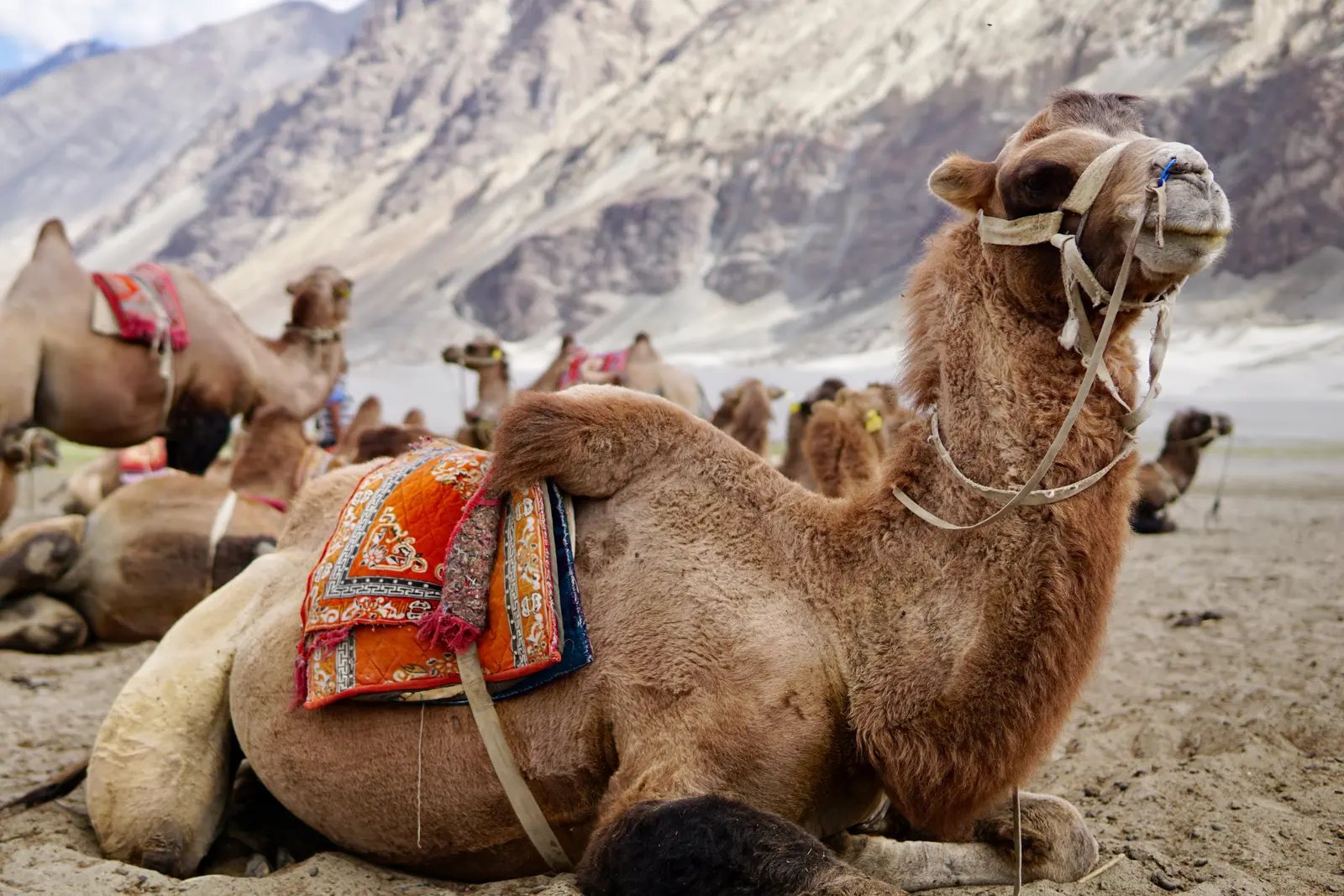 Off-beat
Nubra Valley Travel Guide: Sand Dunes, Camels & Cold Desert
Cross the world's second-highest motorable pass into a valley where sand dunes meet snow peaks, Bactrian camels roam ancient Silk Route trails, and a 32-metre Buddha watches over the Shyok River.
 Off-beat
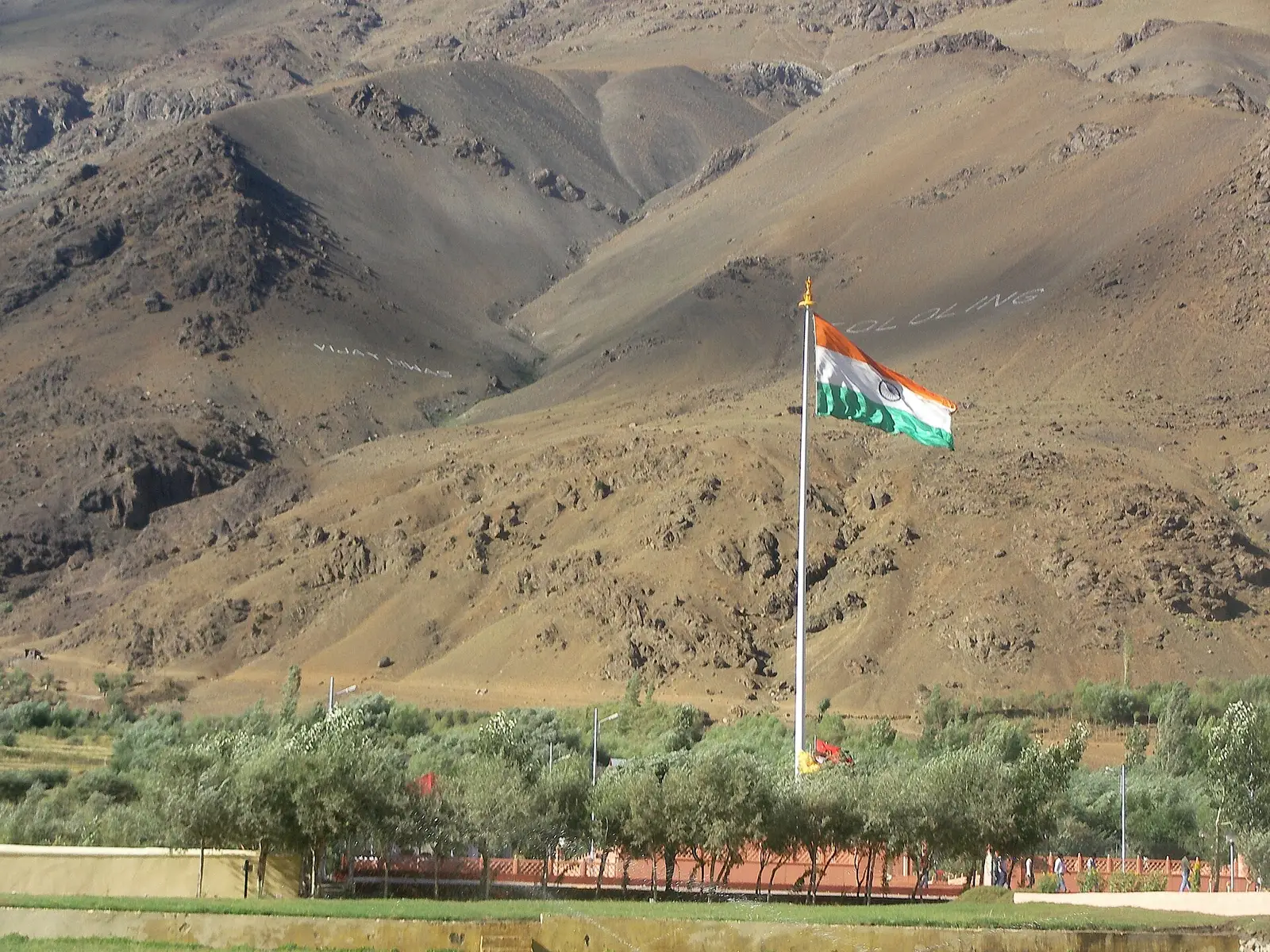
Drass Travel Guide: Kargil War Memorial & the Gateway to Ladakh
The second-coldest inhabited place on Earth, and the town that stands quietly at the foot of the Kargil War Memorial — a stopover on the Srinagar-Leh highway you won't forget.
 Off-beat
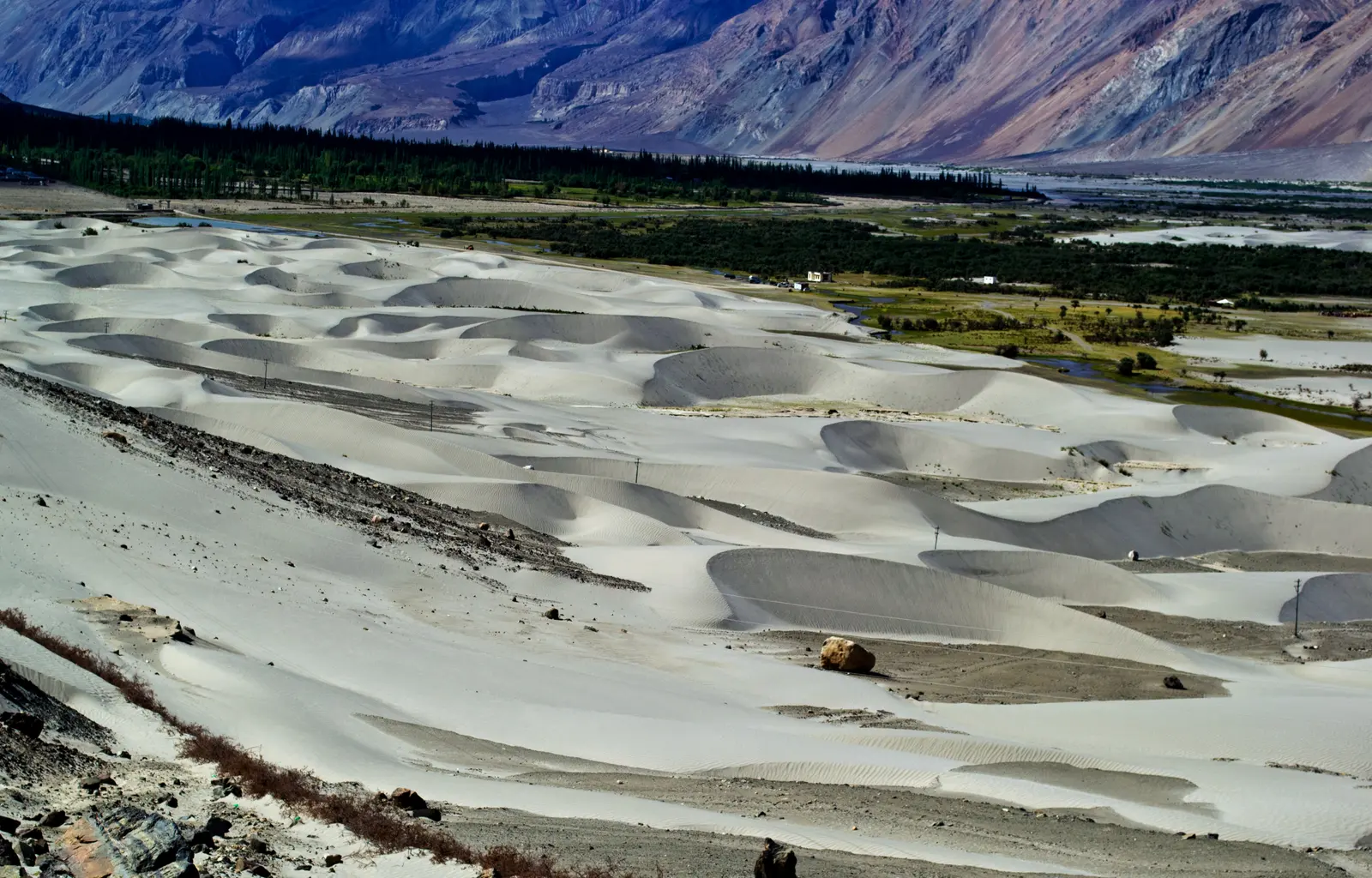
Hunder Travel Guide: Nubra Valley's Sand Dunes & Camel Safari
Silver sand dunes, double-humped Bactrian camels, and snow peaks rising from a cold desert — Hunder in Nubra Valley is Ladakh's strangest, most beautiful contradiction.
 Off-beat
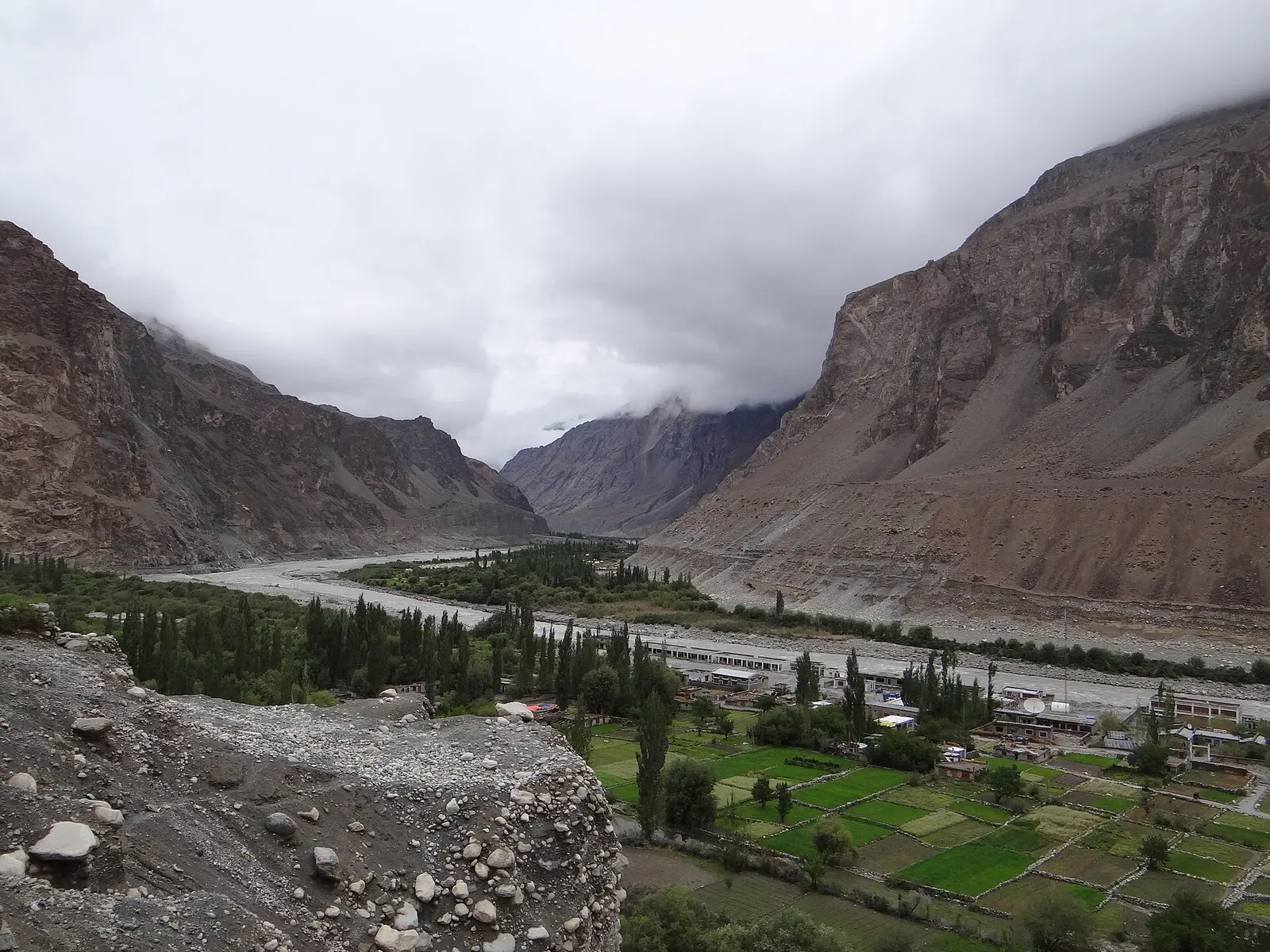
Turtuk Travel Guide: Ladakh's Last Balti Village Before the LOC
A Balti village of stone houses and apricot orchards on the Shyok River, under Pakistani control until 1971 and closed to outsiders until 2010 — Turtuk is unlike anywhere else in Ladakh.