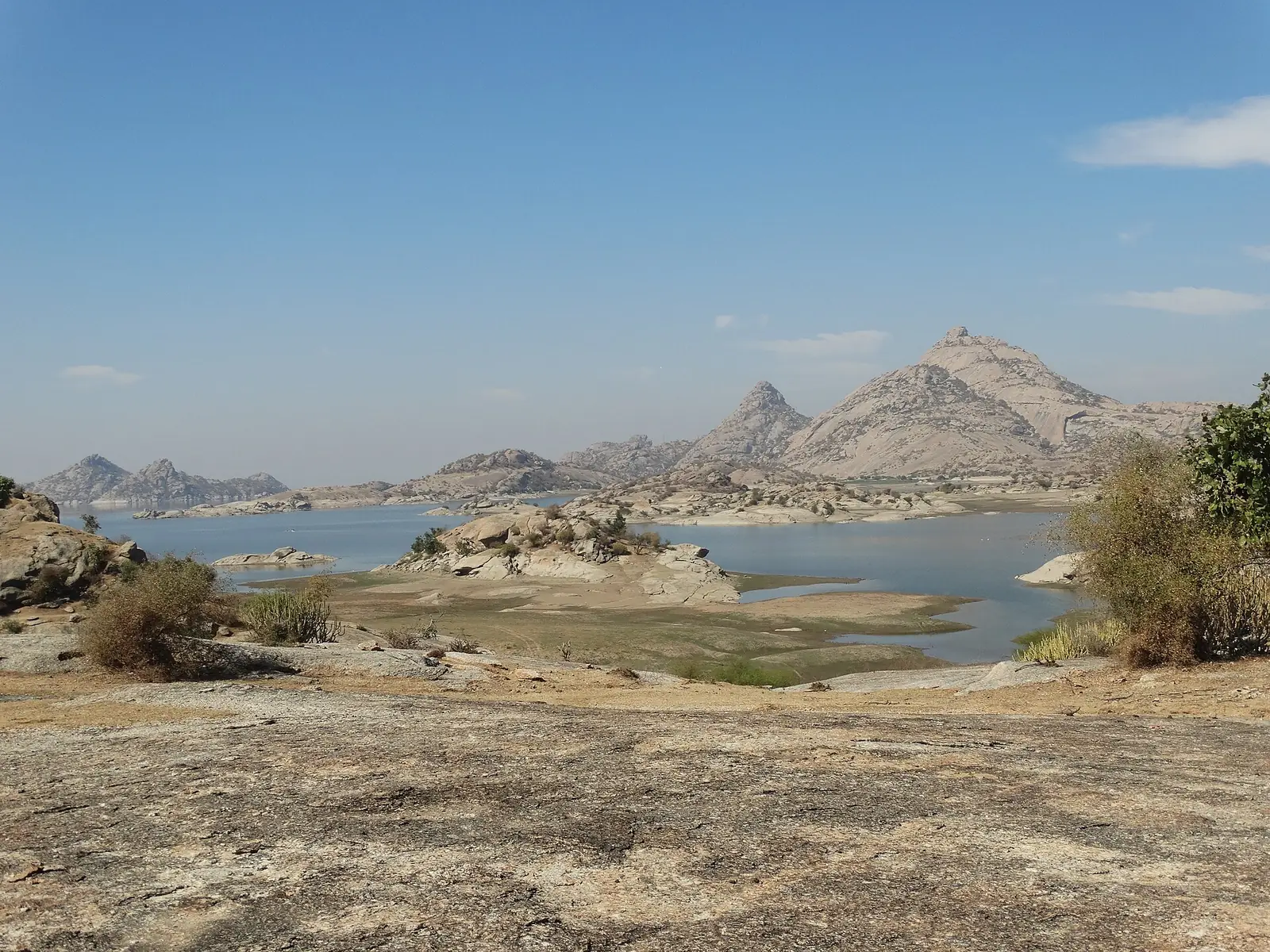
Where Leopards & Shepherds Coexist
Jawai, centred on the Jawai Dam in Pali district, tells a genuinely distinctive wildlife story: a population of leopards living among the region's granite hills in relatively close proximity to local Rabari shepherd communities — largely without the intense man-animal conflict framing often associated with leopards elsewhere in India.
Leopard safaris here run on private and community land rather than within a formal national park boundary, an important distinction from parks like Ranthambore — sightings happen among rocky outcrops rather than dense forest.
The Jawai Dam and its reservoir also support notable birdlife and crocodiles, and a visit to a Rabari village to learn about their pastoral way of life is a common complement to the safaris.
🐆 Jawai at a Glance
Planning a wildlife trip? See our guide to leopard safaris in India.
Best Time to Visit Jawai
Cooler months make both the safaris and the granite terrain far more comfortable to explore.
Cooler temperatures make dawn and dusk safari drives genuinely comfortable, the most reliable window for a Jawai visit.
Extreme heat on the exposed granite hills makes safaris more punishing, though still operational for those prepared for it.
The Jawai Dam fills and the hills turn green, but safari access and comfort can both be affected by rain.
The coolest, most pleasant stretch of the season, with soft early-morning light ideal for photography on the granite hills.
Our pick: December to January — the coolest, most comfortable window for both safaris and photography on the granite hills.
How to Reach Jawai
- By road from Udaipur: Roughly 3-4 hours — see our Udaipur travel guide for combining the two.
- By road from Jodhpur: Also roughly 3-4 hours, making Jawai a natural stop between the two cities.
- By rail: Falna is the nearest railway station, with onward road transfer arranged by most camps and lodges.
Leopard Safaris & Rabari Villages
Leopard Safaris
Run on private and community land rather than within a formal national park, safaris here move through rocky granite outcrops rather than dense forest — a genuinely different safari experience from a jeep drive through a tiger reserve.
Jawai Dam
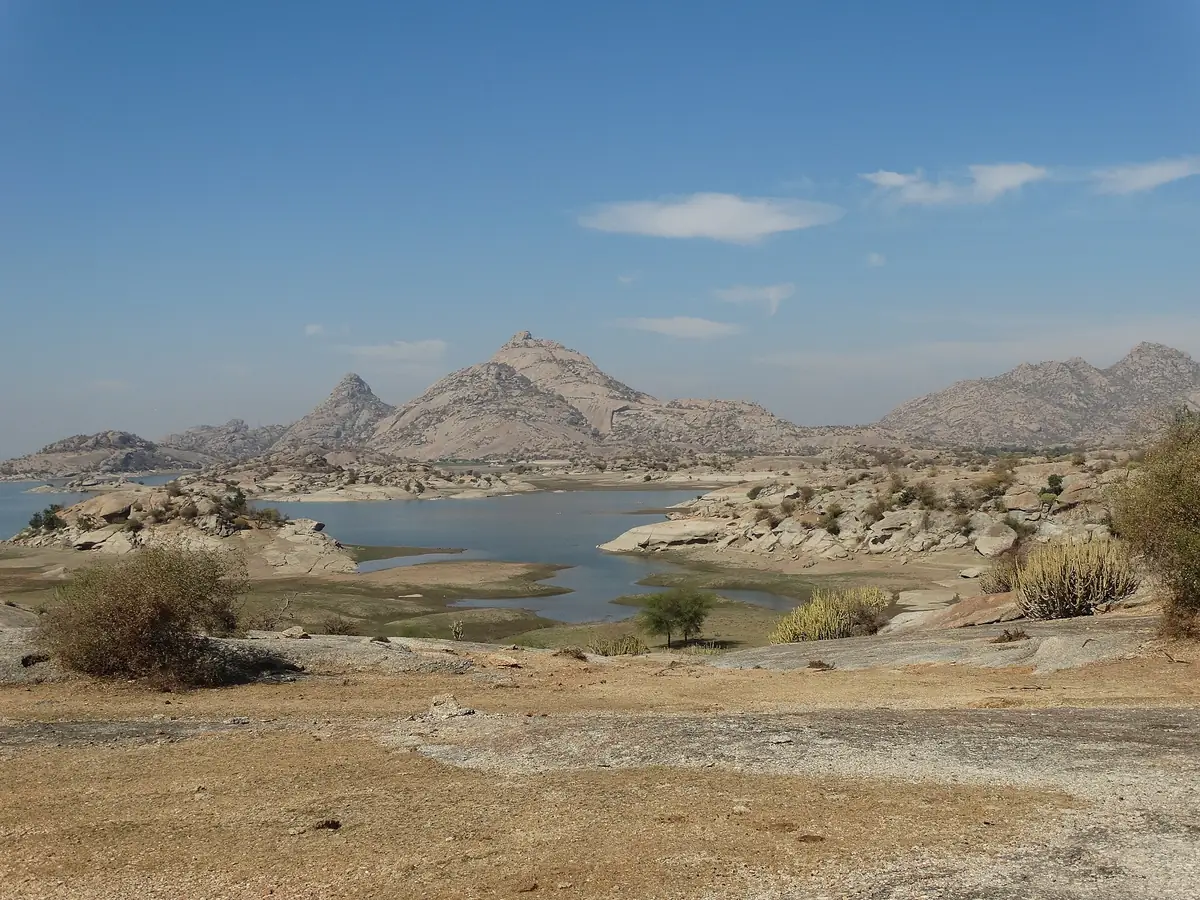
The dam and its reservoir support notable birdlife and crocodiles, and offer a scenic counterpoint to the surrounding hills.
Rabari Village Visits
Visiting a Rabari village and learning about their pastoral way of life is a common complement to the leopard safaris, best done respectfully and ideally with a local guide.
Where to Stay Near Jawai
Several boutique wilderness camps and lodges in the area cater specifically to the leopard-safari niche, generally at a higher price point than standard tiger-reserve stays.
- → Simple guesthouses, Falna/Sumerpur
- → Basic homestays nearby
- → Off-peak lodge rates
- → Mid-tier wilderness camps
- → Tented safari lodges
- → Half-board packages
- → Premium boutique wilderness camps
- → All-inclusive safari packages
- → Private guided experiences
Jawai is honestly a premium-positioned destination — most of its best stays sit toward the mid-to-luxury end, reflecting the specialized, lower-volume nature of the experience.
Suggested Visit Plan (2 Days)
Arrival & Evening Safari
- ✓Arrive from Udaipur or Jodhpur, check in
- ✓Evening leopard safari
- ✓Dinner at the camp
Morning Safari & Village Visit
- ✓Early-morning leopard safari
- ✓Visit a Rabari village
- ✓Afternoon at the Jawai Dam before departure
Where to Eat Near Jawai
- Camp dining: Most wilderness camps run full-board, serving Rajasthani and continental meals to guests — the main dining option given the limited standalone restaurant scene.
- Nearby towns: Falna and Sumerpur have simple local eateries for a quick meal if needed.
Budget Breakdown
| Expense | Budget | Mid-Range | Luxury |
|---|---|---|---|
| Accommodation/night | ₹4,000 | ₹10,000 | ₹30,000 |
| Safari (per drive) | ₹1,500 | ₹2,500 | Included |
| Food/day | Included | Included | Included |
| Village visit/guide | ₹500 | ₹800 | Included |
* Most mid-to-luxury camps run full-board with safaris included in the nightly rate.
Essential Tips for Visiting Jawai
- Book well ahead: Limited camp capacity means popular stays and dates fill quickly.
- Dawn and dusk are the best safari windows: Leopard activity peaks during these cooler, quieter hours.
- Approach village visits respectfully: Go with a local guide and be mindful of Rabari community life and customs.
- Budget for a premium experience: Jawai tends to run at a higher price point than standard wildlife trips — plan accordingly.
- Combine with Udaipur or Jodhpur: Both are a similar distance away, making Jawai a natural addition to a wider Rajasthan itinerary.
✅ Do
- →Book your camp and safaris well in advance
- →Plan dawn and dusk safaris for best activity
- →Visit a Rabari village with a local guide
- →Budget for a premium wildlife experience
- →Combine with Udaipur or Jodhpur
- →Bring a good zoom lens for photography
❌ Don't
- →Expect a formal national-park experience
- →Book at the last minute in peak season
- →Visit a village without a guide/permission
- →Underestimate the cost compared to other safaris
- →Skip warm layers for early-morning drives
- →Rush the visit — Jawai rewards a slower pace
Frequently Asked Questions
What makes Jawai's leopards different from other reserves?
Jawai's leopards live among granite hills in close proximity to local Rabari shepherd communities, largely without the intense man-animal conflict framing often associated with leopards elsewhere in India. Safaris run on private and community land rather than within a formal national park, so sightings happen among rocky outcrops rather than dense forest.
Is Jawai a national park?
No — unlike Ranthambore or Sariska, Jawai's leopard safaris operate on private and community-owned land around the Jawai Dam, an important distinction that shapes both the experience and the booking process, which typically runs through your lodge or a specialist operator rather than a government portal.
How far is Jawai from Udaipur or Jodhpur?
Roughly 3-4 hours by road from either city, making it a natural stop on a route between the two, or a dedicated 2-day detour.
What is the best time for Jawai leopard safaris?
October to March offers the most comfortable safari conditions, with cooler temperatures for both dawn and dusk drives.
Is Jawai an expensive destination compared to other wildlife trips?
Generally yes — the boutique wilderness camps and lodges catering to this leopard-safari niche tend to sit at a higher price point than standard tiger-reserve stays, reflecting the specialized, lower-volume nature of the experience.
Published by the Kudozz Club editorial team · Last updated · How we research our guides
Want us to plan this trip for you?
Tell Kudozz Club where you want to go and what kind of trip you’re looking for. We’ll build a Jawai and Rajasthan itinerary around your dates and budget.
Continue Exploring
View all guides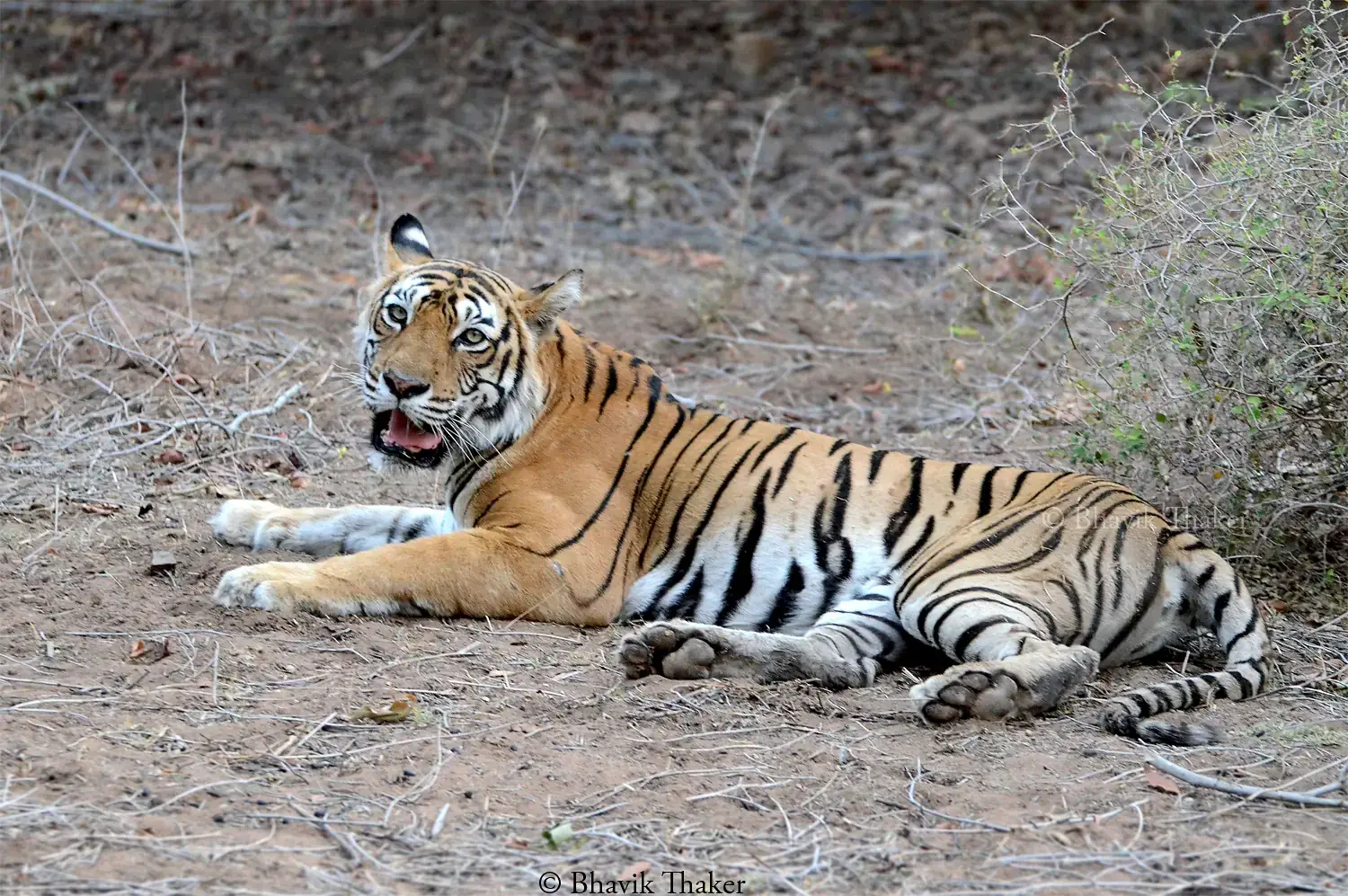 Wildlife Tourism
Wildlife Tourism in Rajasthan: Ranthambore, Sariska, Leopards and Birds
A guide to wildlife tourism in Rajasthan: the tiger reserves of Ranthambore, Sariska and Mukundra Hills, leopards at Jhalana and Jawai, winter birds at Keoladeo and Khichan, the great Indian bustard in the Desert National Park, gharials on the Chambal, blackbuck at Tal Chhapar, seasons and a sample route.
 Wildlife Tourism
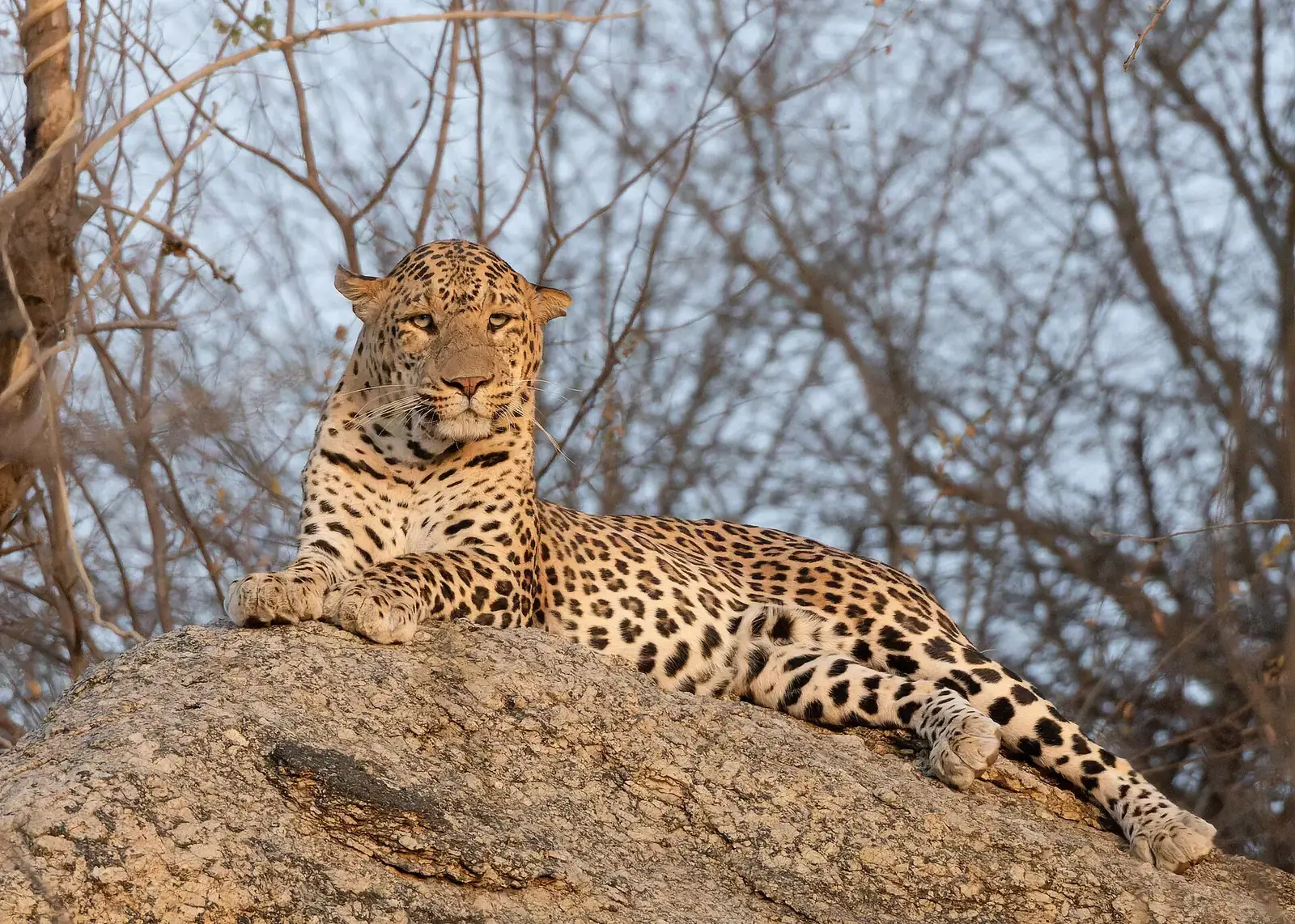
Leopard Safari in India: Jawai, Jhalana, Kabini and More
A guide to leopard safaris in India: the granite hills of Jawai and Bera in Rajasthan, the Jhalana leopard reserve in Jaipur, Kabini and Nagarhole in Karnataka, and tiger reserves where leopards are common, with how the safaris work, seasons, where to stay and tips for better sightings.
 Adventure
Ranthambore Safari Guide: Tigers & Fort
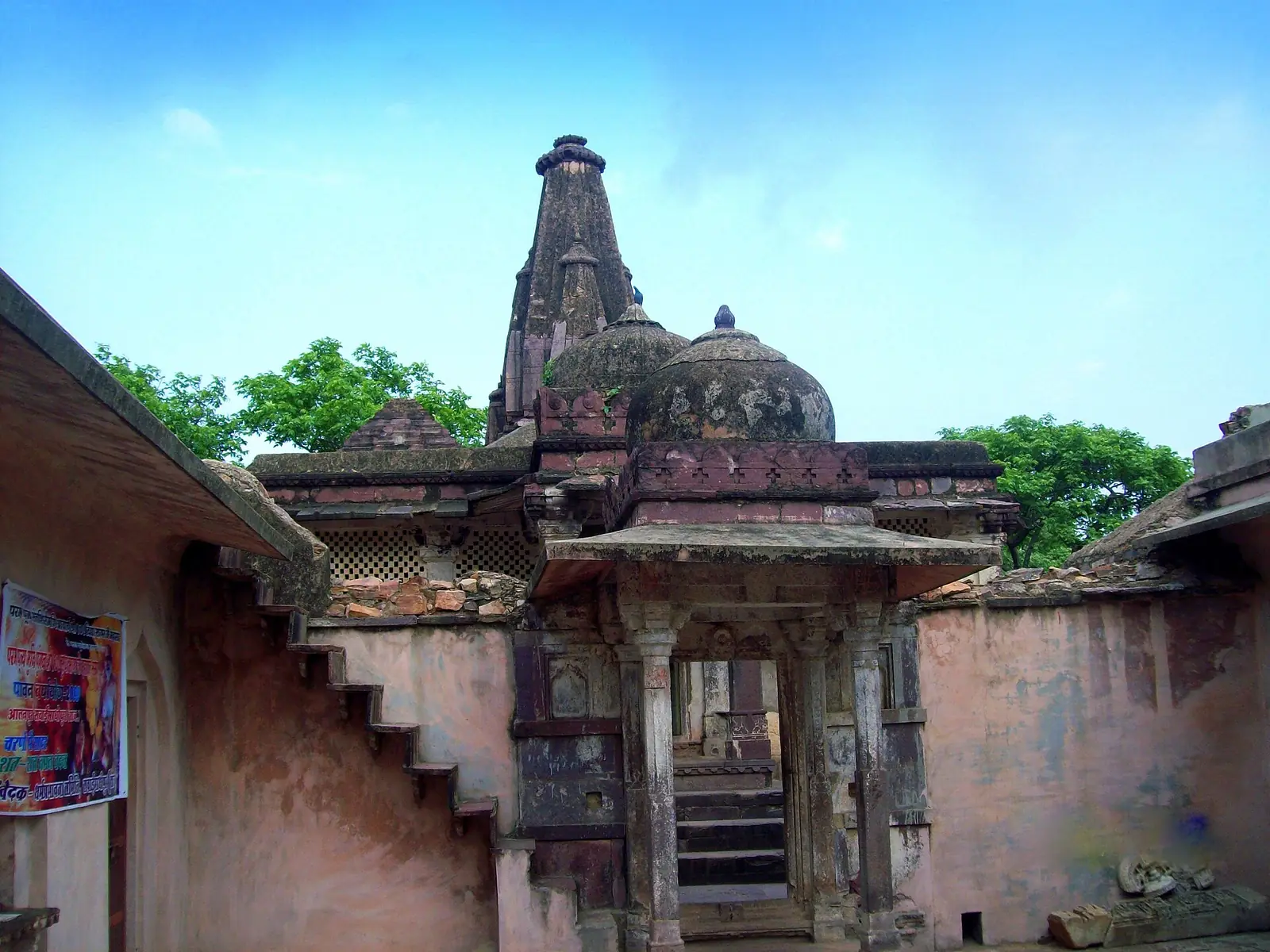
Tigers photographed against the ramparts of a 10th-century fort — one of India's most iconic, and most photogenic, tiger reserves.
 Adventure
Bharatpur Guide: Keoladeo Bird Sanctuary & Tips
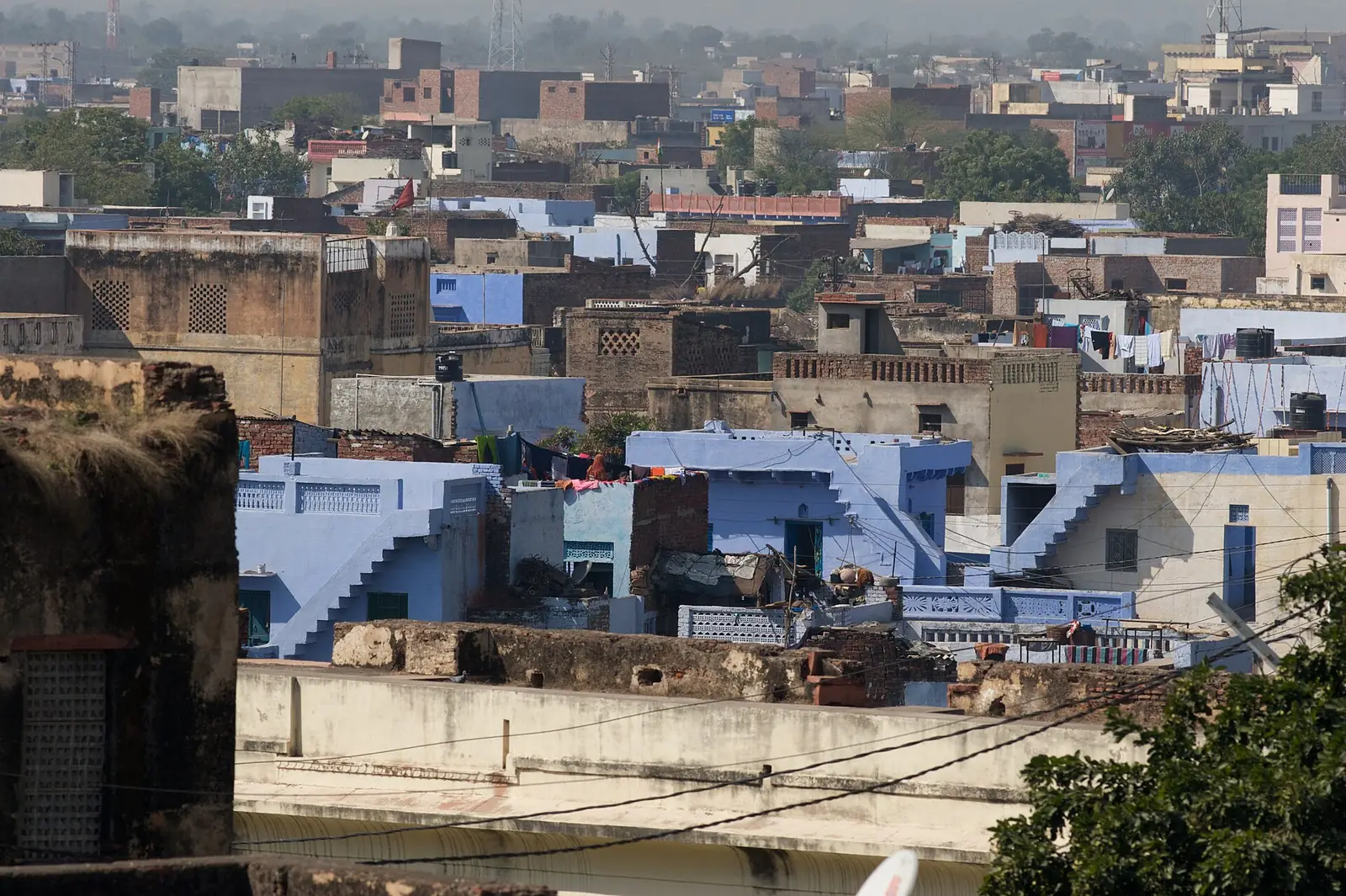
A former royal hunting reserve turned UNESCO-listed wetland, explored by cycle-rickshaw rather than jeep — the complete Bharatpur guide.