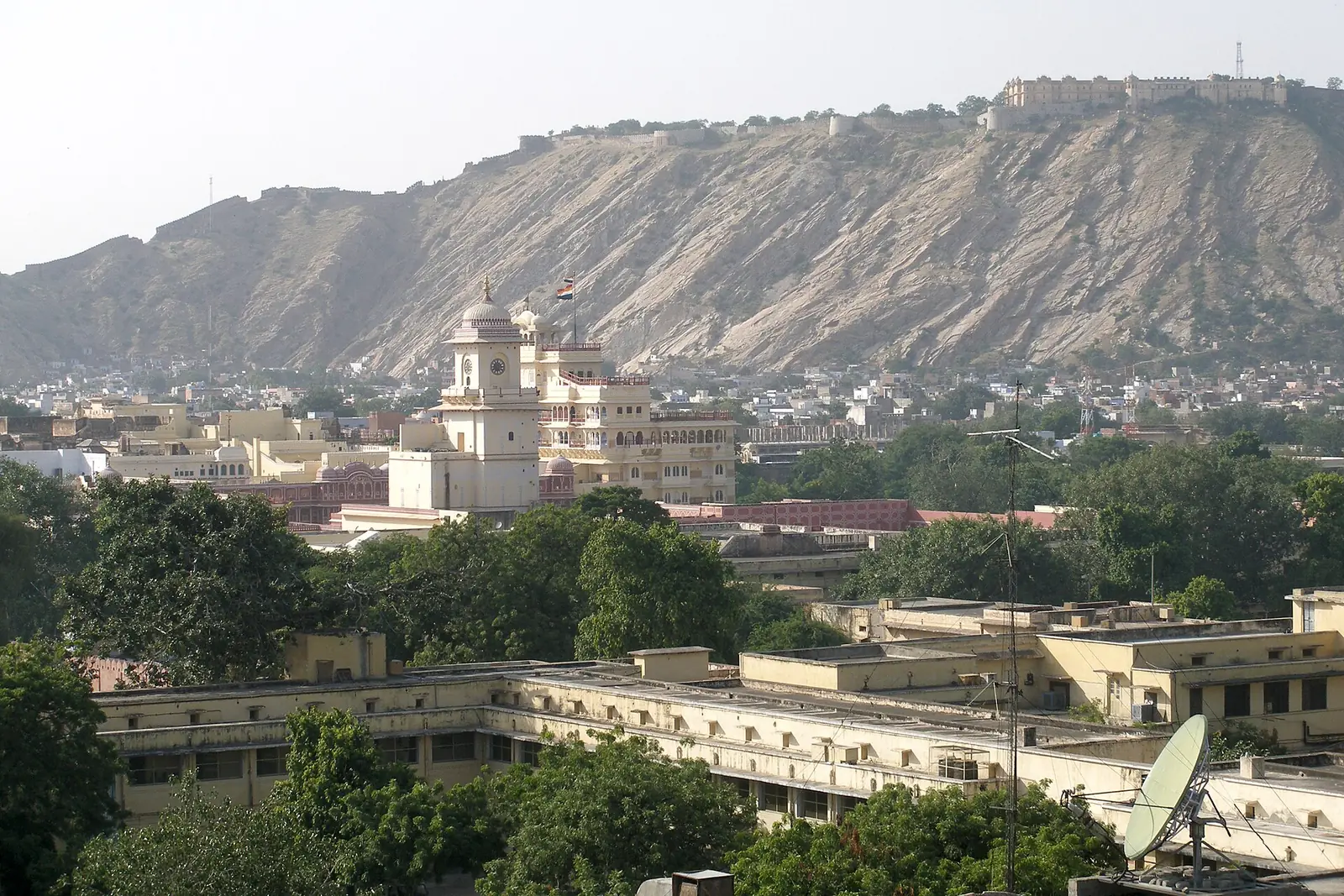
The Pink City
Jaipur, the capital of Rajasthan and the third point of India's classic Golden Triangle circuit alongside Delhi and Agra, is known the world over as the "Pink City." The old city's buildings were painted a distinctive pink-terracotta shade in 1876 for a royal visit by the Prince of Wales, and the color has been maintained by local regulation ever since.
Founded in 1727 by Maharaja Sawai Jai Singh II, Jaipur was one of India's first carefully planned cities, laid out according to Vastu Shastra principles in a grid of wide avenues and market squares — a rarity among Indian cities of its era, most of which grew organically rather than by design.
That planning coexists with genuinely spectacular Rajput architecture: a hilltop fort-palace, a honeycombed sandstone facade, and a working astronomical observatory among the sights that make Jaipur one of India's most rewarding heritage cities.
🏰 Jaipur at a Glance
Looking for activities and experiences? See our guide to the best things to do in Jaipur.
Want a day-by-day plan? Follow the Golden Triangle itinerary (Delhi, Agra and Jaipur).
Going by road? See our guide to the Rajasthan road trip.
Interested in the history? See our guide to visiting Amber Fort.
Best Time to Visit Jaipur
Jaipur sits at the edge of the Thar Desert, so temperature swings between seasons are dramatic — timing matters a great deal for comfortable sightseeing.
Cool, dry, and pleasant days, ideal for walking the forts and old city without heat fatigue.
Daytime temperatures regularly cross 40°C, making fort-hopping genuinely difficult outside early morning and evening.
Rain brings relief from the heat, though showers can be unpredictable and humidity climbs.
Diwali, Teej-adjacent events, and a lively winter market season overlap with the most comfortable weather.
Our pick: October to March — cool, comfortable days that make both the hilltop forts and the old city's markets genuinely enjoyable to explore on foot.
How to Reach Jaipur
- By Air: Jaipur International Airport (JAI) has regular domestic flights from across India and some international connections — the most convenient option for most visitors.
- By Rail: A major junction with frequent trains from Delhi, Agra, and other Rajasthan cities, including fast options that make it an easy add-on to a Delhi-Agra itinerary.
- By Road: Well connected by national highways to Delhi (~280 km), Agra (~240 km), and the rest of Rajasthan, making it the best-connected city in the state.
Forts, Palaces & Observatory
Amber Fort
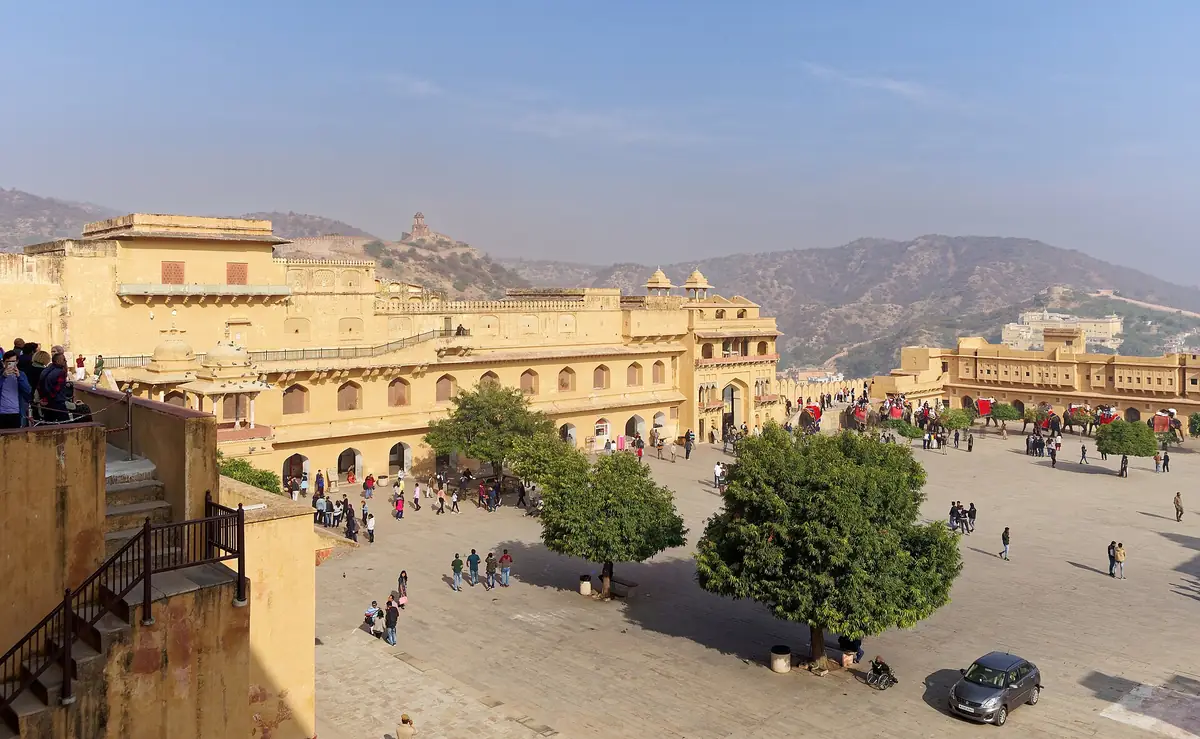
A UNESCO World Heritage Site on a hill just outside the city, Amber Fort (Amer Fort) is Jaipur's marquee attraction — a sprawling fort-palace complex of courtyards, mirrored halls, and ramparted walls, reached by jeep or a walk up the approach road. (Elephant rides are also offered but remain a debated option on animal-welfare grounds — many travelers now prefer the jeep or the walk.)
Hawa Mahal
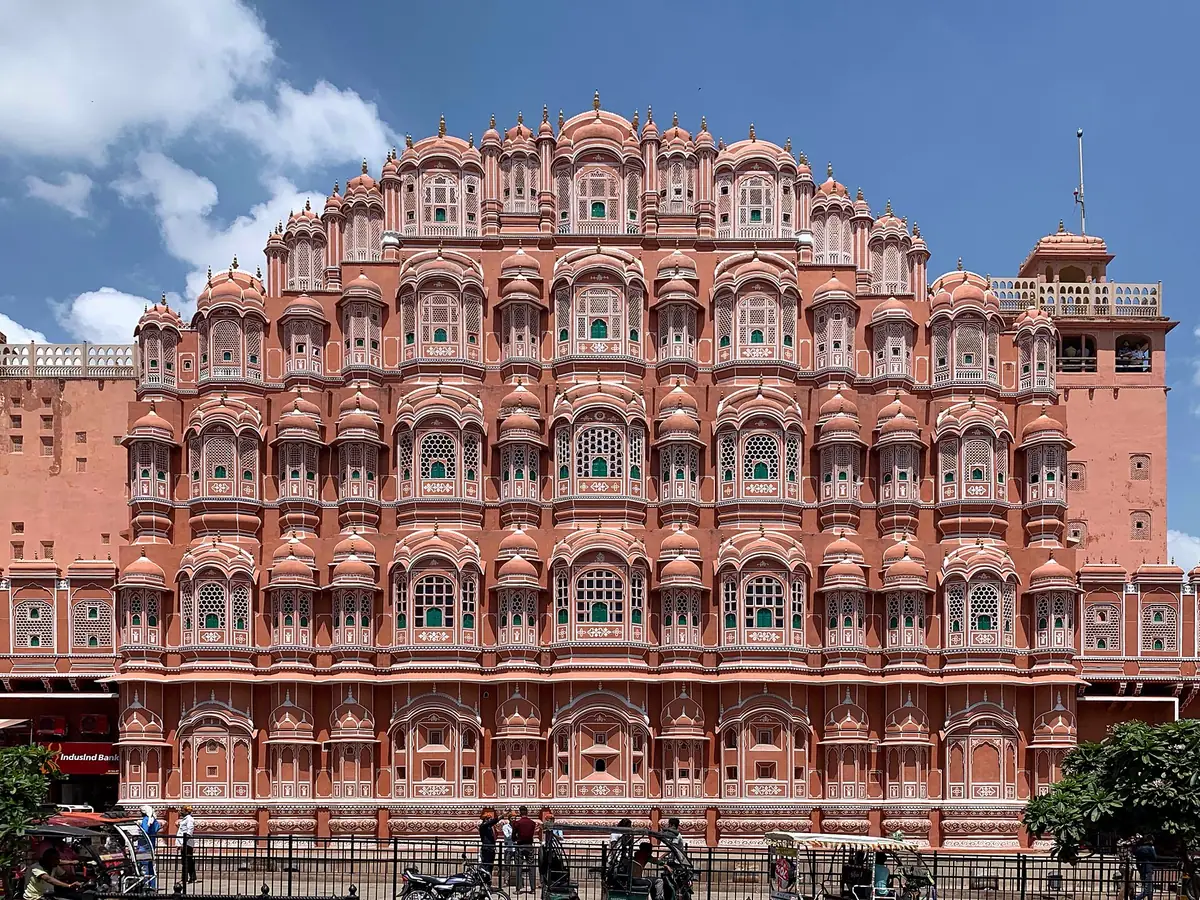
The "Palace of Winds," instantly recognisable for its honeycombed pink sandstone facade of 953 small windows, was built so royal women could observe street life below unseen — one of Jaipur's most photographed landmarks.
City Palace
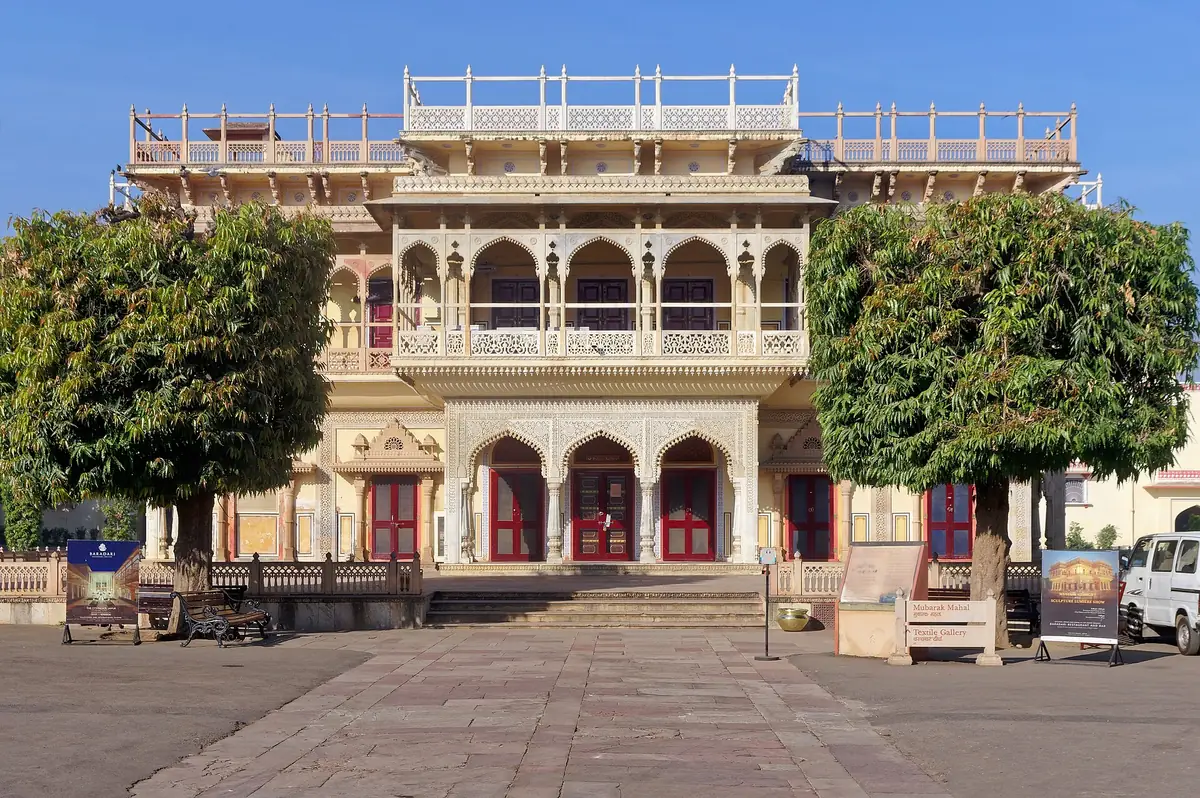
Still partly a royal residence and partly a museum, the City Palace complex mixes Rajput and Mughal architectural styles across courtyards, galleries, and armories.
Jantar Mantar & Jal Mahal
Jantar Mantar, also UNESCO-listed, is a remarkable 18th-century astronomical observatory of monumental stone instruments built by Jai Singh II. Jal Mahal, a striking water palace, appears to float in the middle of Man Sagar Lake, best seen from the lakeside road at sunset.
Nahargarh Fort
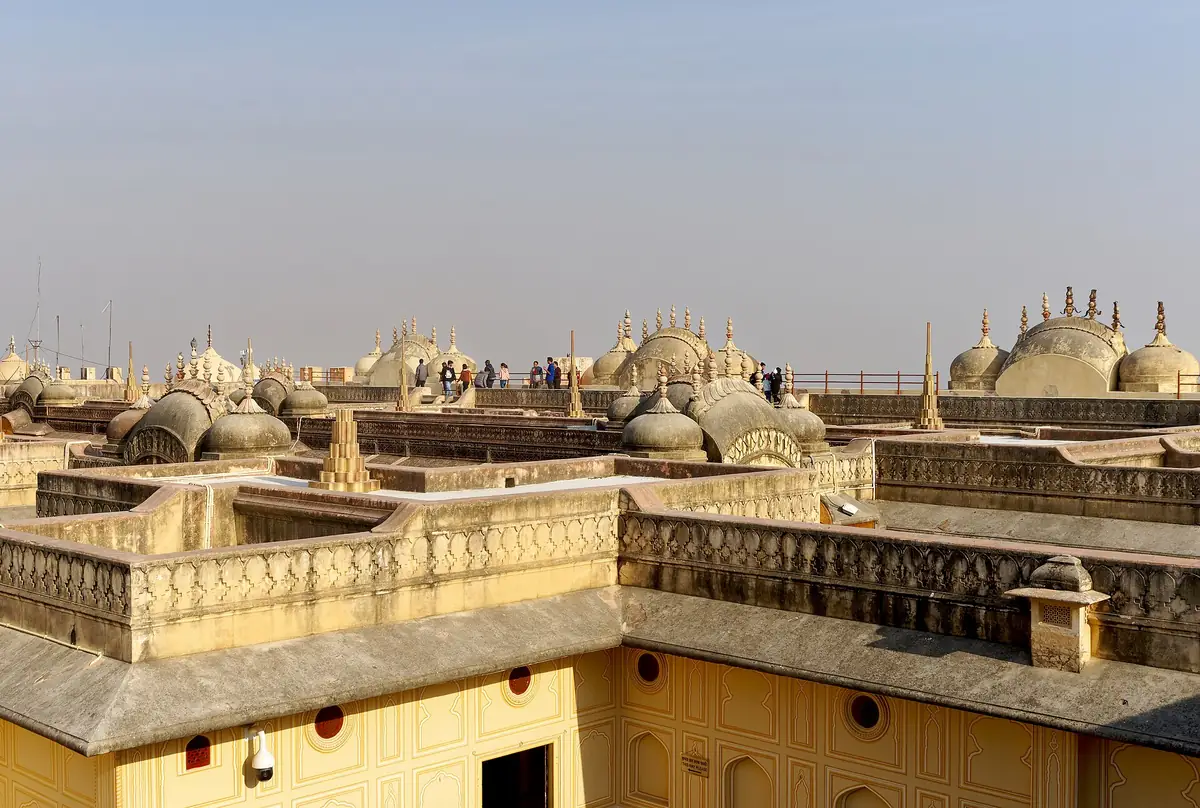
Perched on the Aravalli hills above the city, Nahargarh Fort offers one of Jaipur's best sunset viewpoints, with the whole Pink City spread out below.
Where to Stay in Jaipur
Jaipur has one of Rajasthan's widest accommodation ranges, from budget guesthouses in the old city to grand heritage palace hotels.
- → Guesthouses near Hawa Mahal
- → Backpacker hostels, old city
- → Budget hotels near the station
- → Boutique haveli stays
- → Business hotels, C-Scheme
- → Heritage-style guesthouses
- → Rambagh Palace
- → Fairmont Jaipur
- → Boutique heritage palaces
3-Day Jaipur Visit Plan
Amber Fort & North Jaipur
- ✓Morning at Amber Fort
- ✓Jaigarh Fort above Amber
- ✓Sunset at Nahargarh Fort
Old City Heritage
- ✓Hawa Mahal at sunrise light
- ✓City Palace and Jantar Mantar
- ✓Evening at Johari Bazaar
Jal Mahal & Markets
- ✓Jal Mahal lakeside photo stop
- ✓Bapu Bazaar shopping
- ✓Departure or onward to Pushkar
What to Eat & Shop For
- Rajasthani thali: A full spread of dal baati churma, gatte ki sabzi, and local breads — Jaipur's restaurants do this exceptionally well.
- Kachori and lassi: Street-food staples, best found at old-city stalls that have been operating for generations.
- Gemstones and jewelry: Jaipur is a major global hub for gem cutting and trading — Johari Bazaar is the classic shopping street.
- Block-printed textiles and blue pottery: Distinctive local crafts, widely available across the old city's markets.
Budget Breakdown
| Expense | Budget | Mid-Range | Luxury |
|---|---|---|---|
| Accommodation/night | ₹1,200 | ₹4,000 | ₹15,000 |
| Food/day | ₹500 | ₹1,200 | ₹3,000 |
| Local transport/day | ₹300 | ₹800 | ₹2,000 |
| Entry fees/day | ₹300 | ₹500 | ₹800 |
| Daily total | ₹2,300 | ₹6,500 | ₹20,800 |
| 3-Day trip total | ₹6,900 | ₹19,500 | ₹62,400 |
* Figures are per person, per day, excluding flights into Jaipur.
Essential Travel Tips for Jaipur
- Visit Amber Fort early morning: Beats both the heat and the tour-bus crowds that build up by mid-morning.
- Choose jeep over elephant at Amber Fort: A faster, more comfortable option that avoids the animal-welfare concerns around the elephant rides.
- Bargain respectfully at the bazaars: Haggling is expected at Johari and Bapu Bazaar, but keep it good-natured.
- Carry sun protection year-round: Jaipur's desert-edge climate means strong sun even in the cooler months.
- Book heritage hotels ahead in peak season: The best palace-hotel rooms fill up quickly October through February.
✅ Do
- →Visit Amber Fort early morning
- →Watch sunset from Nahargarh Fort
- →Bargain respectfully at the bazaars
- →Carry sun protection even in winter
- →Try dal baati churma at a proper thali restaurant
- →Book palace hotels ahead in peak season
❌ Don't
- →Visit Amber Fort at midday in summer
- →Accept the first quoted price at markets
- →Skip sun protection assuming winter means mild sun
- →Rush all three forts into a single day
- →Forget to check heritage hotel availability early
- →Ignore the elephant-ride welfare debate
Frequently Asked Questions
How many days do I need for Jaipur?
Two to three days is a comfortable amount — one day for Amber Fort and the Jaigarh/Nahargarh forts above the city, and one to two days for the City Palace, Hawa Mahal, Jantar Mantar, Jal Mahal, and the old city's markets.
What is the best time to visit Jaipur?
October to March is by far the best window, with cool, dry, comfortable days for sightseeing and walking around the forts. April to June brings extreme heat that makes daytime sightseeing genuinely difficult.
How do I reach Jaipur?
Jaipur International Airport has regular domestic and some international flights. It's also a major rail junction with frequent trains from Delhi, Agra, and other Rajasthan cities, and sits on good national highways, making it the best-connected city in Rajasthan.
Is Jaipur a good Golden Triangle stop?
Yes — Jaipur is the third point of India's classic Golden Triangle circuit alongside Delhi and Agra, and is usually the easiest of the three to reach by road or rail from either city, making it a natural addition to a first-time India itinerary.
What should I shop for in Jaipur?
Gemstones and jewelry (Jaipur is a major global hub for gem cutting and trading), block-printed textiles, and the city's distinctive blue pottery are the standout categories — Johari Bazaar and Bapu Bazaar are the classic shopping streets in the old city.
Is Amber Fort worth the elephant or jeep ride up?
The elephant ride is a popular but limited and somewhat controversial option on animal-welfare grounds, and many travelers now prefer the jeep ride or walking up instead — either gets you to the same spectacular fort-palace complex either way.
Published by the Kudozz Club editorial team · Last updated · How we research our guides
Want us to plan this trip for you?
Tell Kudozz Club where you want to go and what kind of trip you’re looking for. We’ll build a Jaipur and Rajasthan itinerary around your dates and budget.
Continue Exploring
View all guides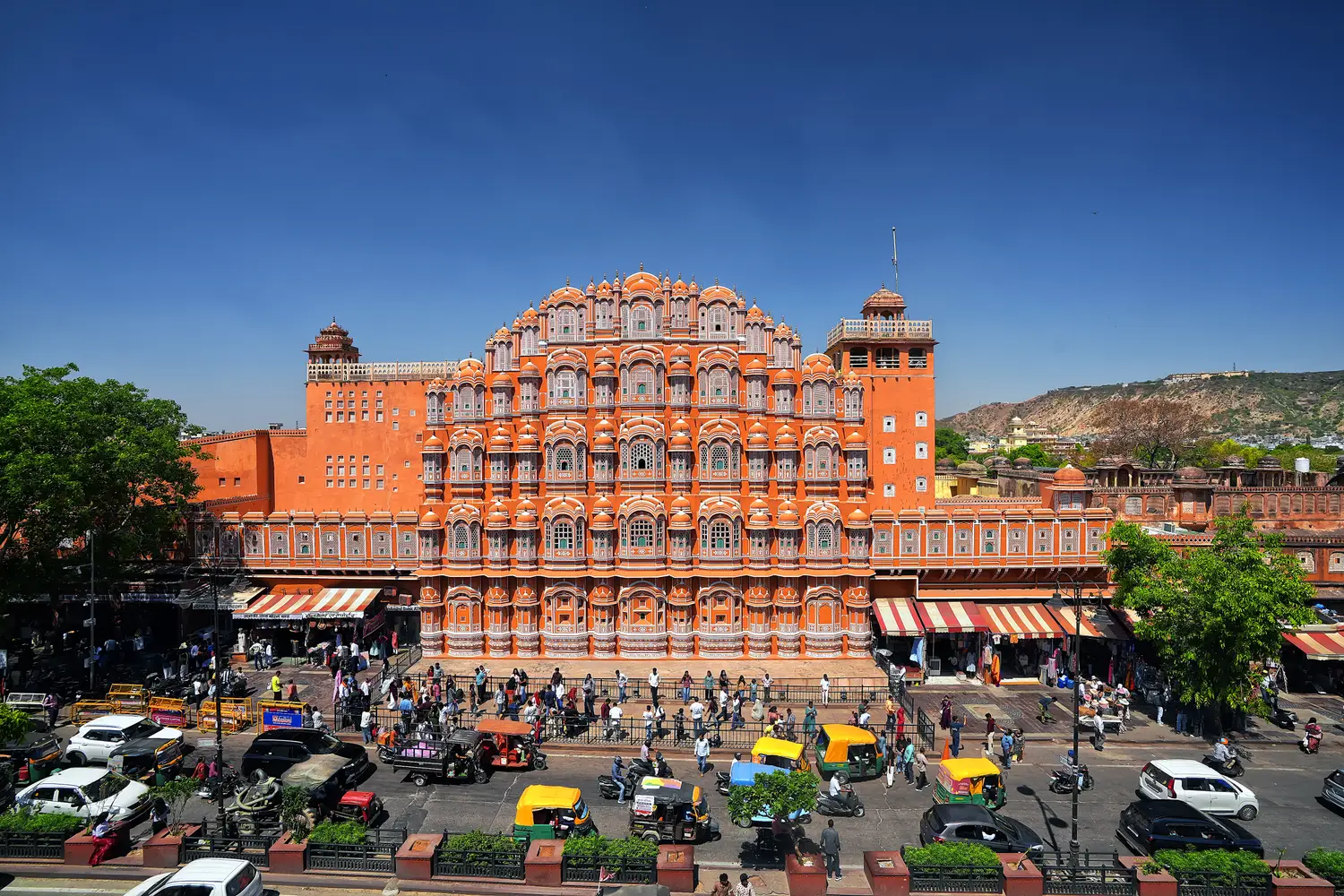 Destination Guide
Rajasthan Travel Guide: Jaipur, Jodhpur & Pushkar Circuit
Pink-walled bazaars, a fort city painted entirely blue, and royal palaces still standing where maharajas built them centuries ago — the complete guide to Rajasthan's classic circuit.
Things to DoThings to Do in Jaipur: Forts, Bazaars, Food & Heritage Experiences
The best things to do in Jaipur, from Amber Fort and Hawa Mahal to bazaar walks, block-printing villages, sunset at Nahargarh and Rajasthani food, with practical tips.
 Heritage & Culture
Amber Fort (Amer Fort), Jaipur: History and Visiting Guide
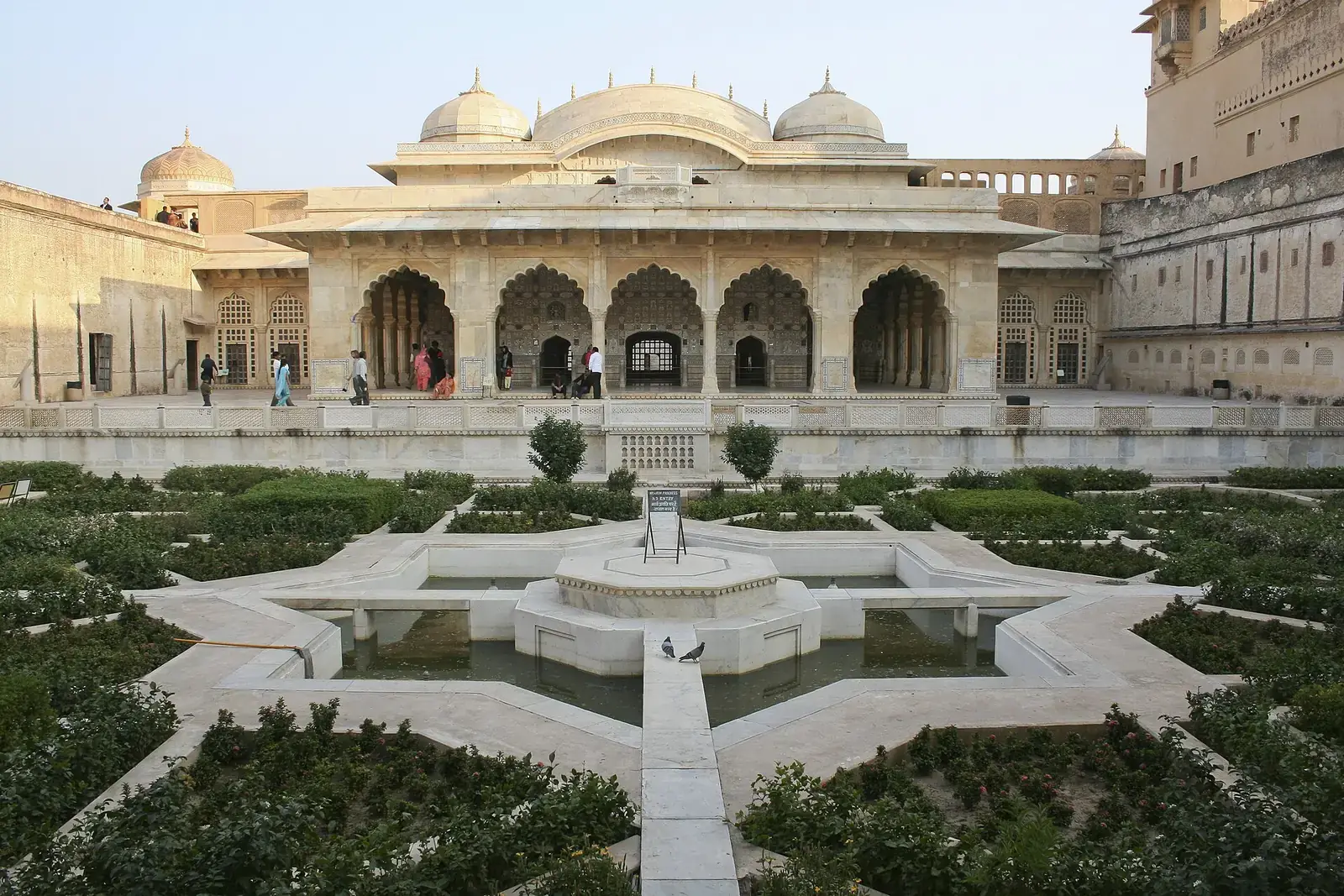
A visitor's guide to Amber (Amer) Fort near Jaipur: commissioned by Raja Man Singh I in 1592 and expanded by later Kachhwaha rulers, part of the UNESCO Hill Forts of Rajasthan, with the Diwan-i-Aam, Ganesh Pol, Sheesh Mahal and zenana, ways up the hill, the evening show, Jaigarh and Nahargarh forts, and practical tips.
 Destination Guide
Mount Abu Travel Guide: Dilwara Temples & Tips
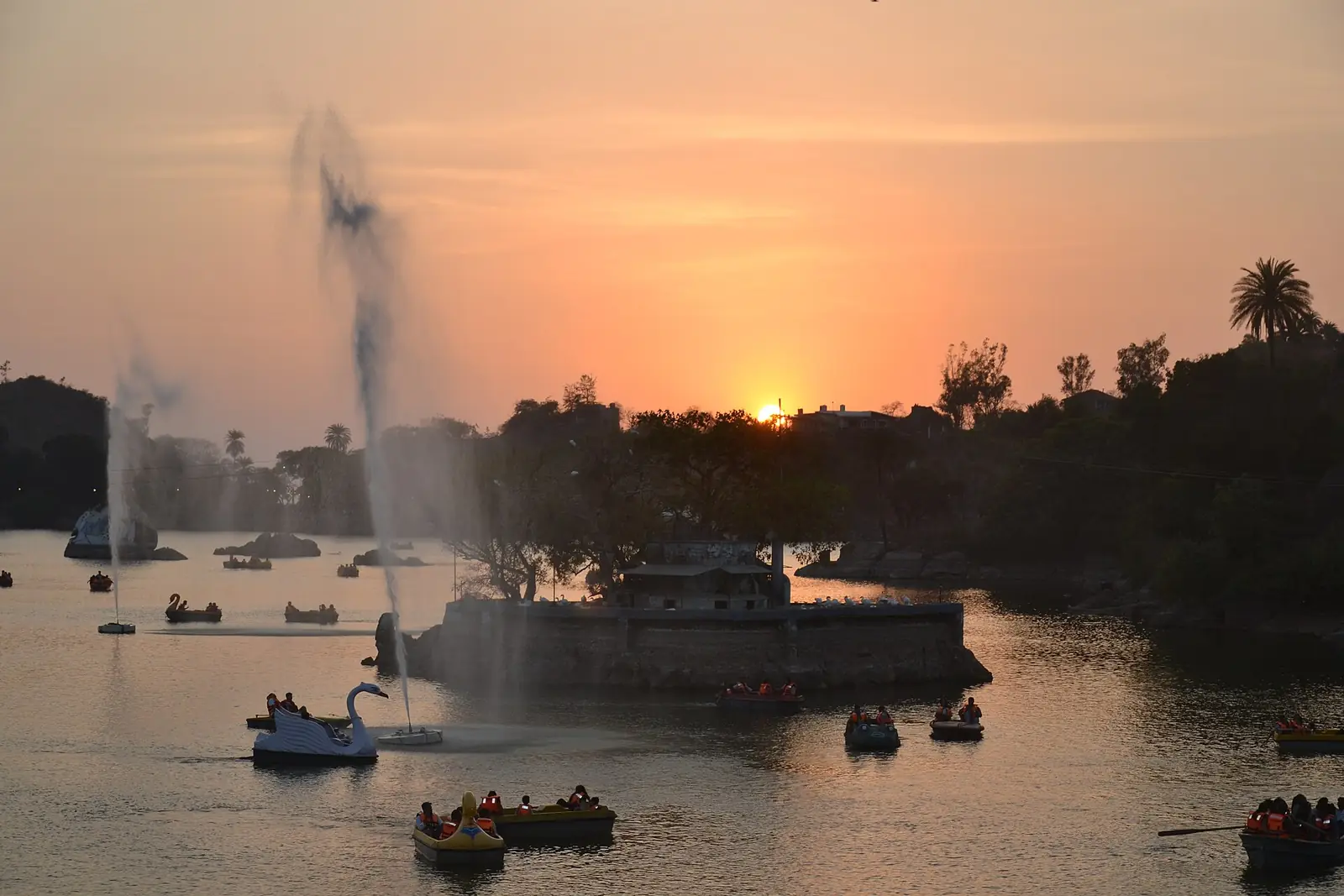
Rajasthan's only hill station, home to marble-carved Jain temples of extraordinary intricacy — the complete Mount Abu guide.