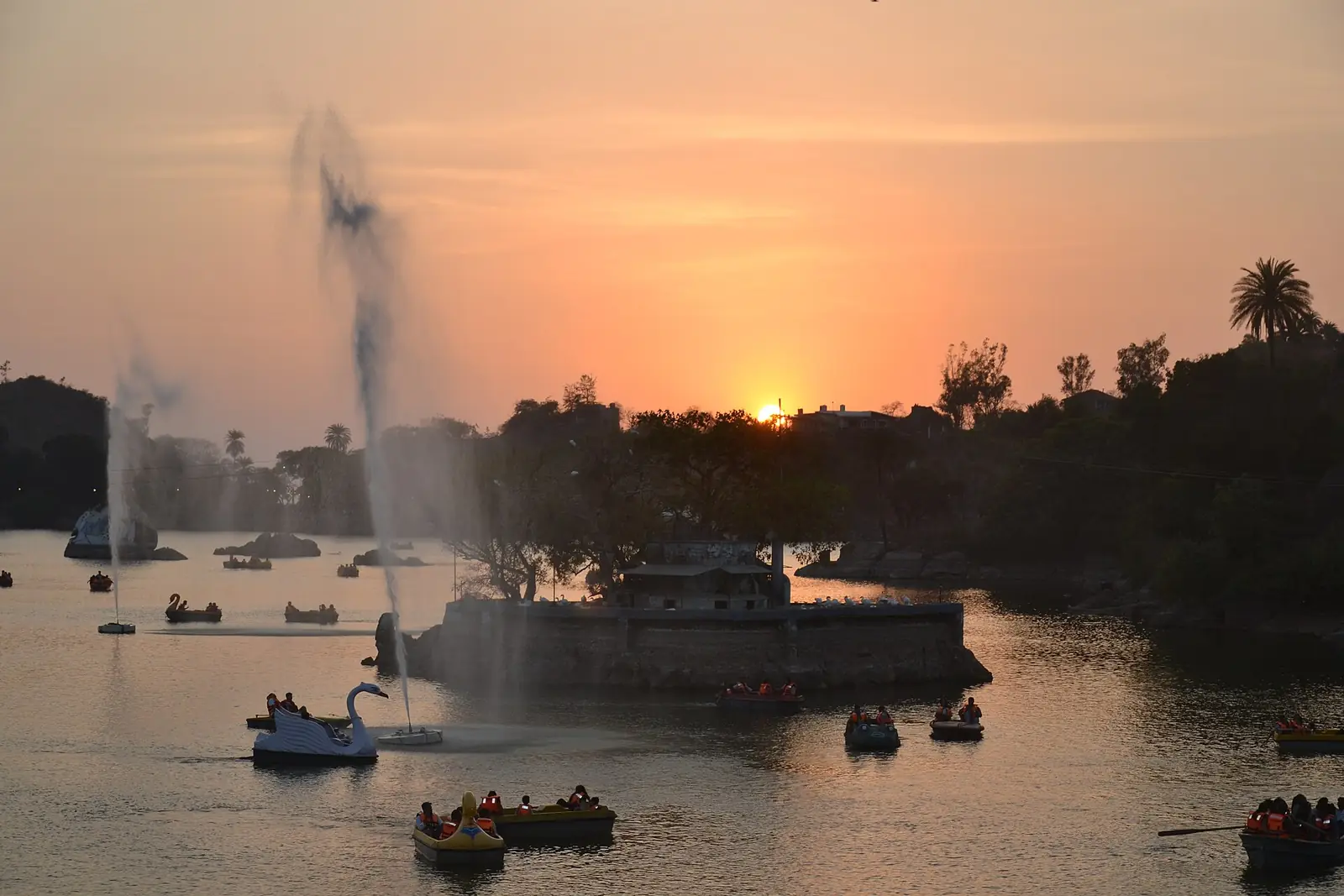
Rajasthan's Only Hill Station
Mount Abu sits in the Aravalli range at roughly 1,220 m — Rajasthan's only hill station, and a genuinely different climate and landscape from the desert plains that define most of the state.
Its centrepiece is the Dilwara Jain Temples, dating from the 11th-13th centuries and considered among the finest examples of Jain temple architecture in India — renowned especially for marble ceiling and pillar carvings of extraordinary intricacy, worth experiencing regardless of religious background.
Around the temples, Nakki Lake, Guru Shikhar, and a surrounding wildlife sanctuary give Mount Abu a cool, unhurried character that makes it a popular escape from the heat elsewhere in Rajasthan.
⛰️ Mount Abu at a Glance
Looking for activities and experiences? See our guide to the best things to do in Mount Abu.
Comparing hill stations? See our guide to hill stations in western and central India.
Planning a pilgrimage? See our guide to the Ranakpur Jain Temple.
Planning a wildlife trip? See our guide to the best wildlife sanctuaries in India.
Best Time to Visit Mount Abu
Mount Abu's appeal is largely about escaping heat — its seasonality runs opposite to much of Rajasthan.
A genuine cool-weather escape from the desert heat baking the rest of Rajasthan during these months — Mount Abu's peak season.
Post-monsoon clarity makes for good views from Guru Shikhar and Sunset Point, with comfortable daytime temperatures.
The hills turn green and misty, though heavy rain can disrupt sightseeing plans.
Genuinely cold at this altitude, occasionally near freezing at night — a light jacket alone won't be enough.
Our pick: March to June — exactly when the rest of Rajasthan is at its hottest, Mount Abu offers a genuinely cool, comfortable escape.
How to Reach Mount Abu
- By road from Udaipur: Roughly 185 km, about a 4-5 hour drive — see our Udaipur travel guide for combining the two.
- By road from Ahmedabad: Roughly 220 km, a popular weekend-trip distance from Gujarat.
- By rail to Abu Road: The nearest railhead, well connected to major cities, with a further drive up the hill to the town itself.
Dilwara Temples & More
Dilwara Jain Temples
Dating from the 11th-13th centuries, these are considered among the finest examples of Jain temple architecture in India, renowned especially for extraordinarily intricate marble ceiling and pillar carvings. Photography is strictly prohibited inside — a firmly enforced rule worth knowing before you go.
Nakki Lake
At the town's centre, popular for boating, and tied to a local legend that it was dug out by gods using their nails ("Nakki" meaning nail).
Guru Shikhar & Sunset Point
Guru Shikhar, a short distance from town, is the highest peak in the Aravalli range and in Rajasthan, offering panoramic views. Sunset Point is a popular evening gathering spot for the same reason.
Mount Abu Wildlife Sanctuary
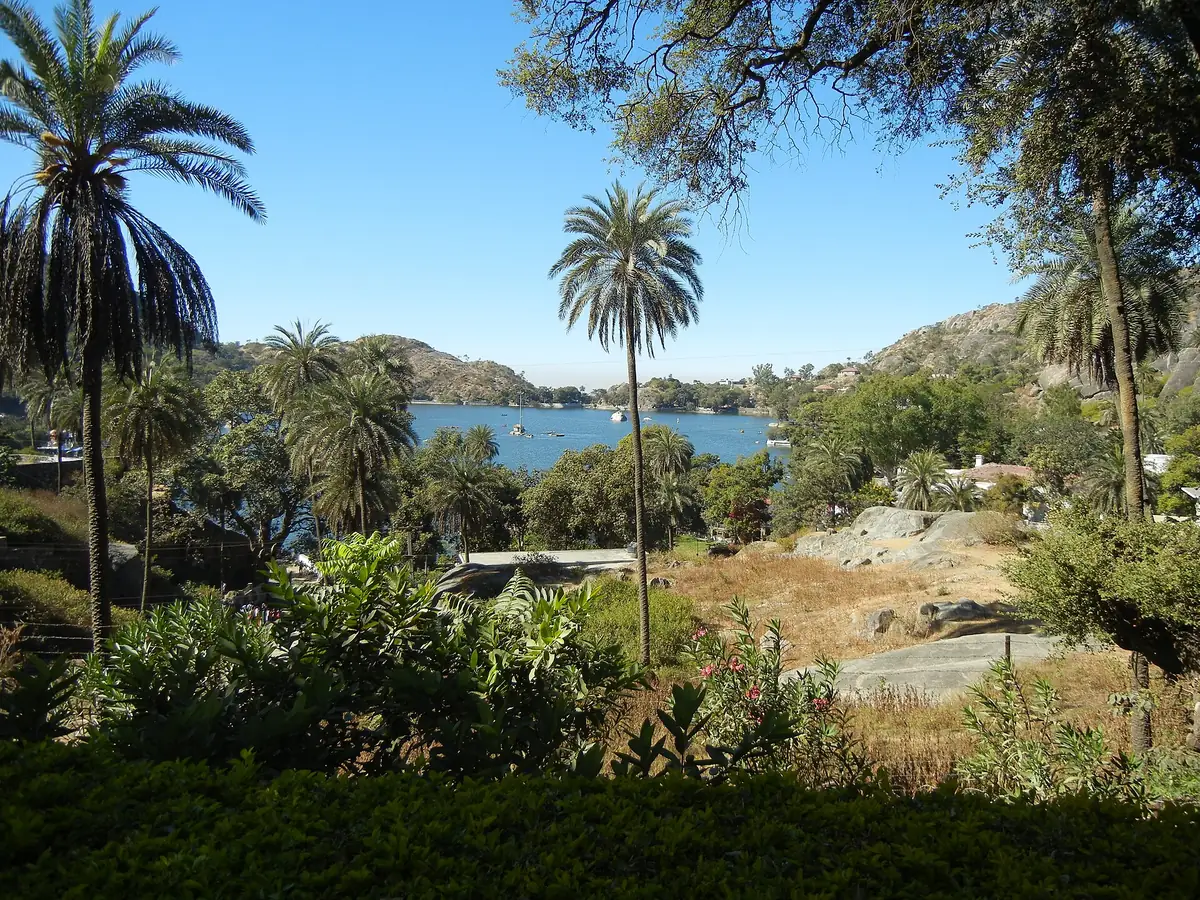
Surrounding much of the town, the sanctuary adds a forested, cooler character — good for a quiet walk away from the more touristy sights.
Where to Stay in Mount Abu
Accommodation is plentiful given its popularity as a weekend and honeymoon destination, from simple lodges to lakeside luxury hotels.
- → Budget guesthouses in town
- → Simple hotels near the bus stand
- → Dormitory/hostel-style stays
- → Hotels near Nakki Lake
- → Boutique hill-view stays
- → Family-run resorts
- → Lakeside luxury hotels
- → Heritage-style resorts
- → Premium honeymoon suites
Suggested Visit Plan (2 Days)
Dilwara Temples & Nakki Lake
- ✓Arrive, check in
- ✓Morning at the Dilwara Jain Temples
- ✓Evening boating and a walk around Nakki Lake
Viewpoints & Nature
- ✓Sunrise or morning visit to Guru Shikhar
- ✓Walk in the Mount Abu Wildlife Sanctuary
- ✓Evening at Sunset Point before departure
Where to Eat in Mount Abu
- Rajasthani thalis: Widely available across town, a good introduction to the state's cuisine.
- Gujarati-influenced food: Given its popularity with Gujarati travelers, several restaurants lean toward Gujarati thalis and sweets.
- Lakeside cafes: Around Nakki Lake, good for a relaxed evening meal or snack.
Budget Breakdown
| Expense | Budget | Mid-Range | Luxury |
|---|---|---|---|
| Accommodation/night | ₹1,500 | ₹4,500 | ₹14,000 |
| Food/day | ₹500 | ₹1,200 | ₹2,500 |
| Local transport/day | ₹300 | ₹700 | ₹1,500 |
| Boating (Nakki Lake) | ₹200 | ₹200 | ₹200 |
* Figures are per person, per day.
Essential Tips for Visiting Mount Abu
- No photography inside Dilwara Temples: A strictly enforced rule — leave cameras/phones put away once inside.
- Dress modestly: Expected at all the temple sites in and around town.
- Book ahead for weekends: A very popular honeymoon and weekend destination — rooms fill quickly.
- Carry warm layers: Even in relatively mild months, evenings at this altitude can turn cool.
- Check Guru Shikhar/Sunset Point timing: Both are best for clear views in the early morning or just before dusk.
✅ Do
- →Visit Dilwara Temples early to avoid crowds
- →Book accommodation ahead for weekends
- →Carry a light jacket even in warmer months
- →Take in the view from Guru Shikhar
- →Try Gujarati-influenced thalis around town
- →Respect the no-photography rule at Dilwara
❌ Don't
- →Try to photograph inside Dilwara Temples
- →Arrive without a booking on a peak weekend
- →Underestimate how cool evenings can get
- →Skip modest dress at temple sites
- →Rush Guru Shikhar — the view rewards patience
- →Expect desert-Rajasthan weather here
Frequently Asked Questions
Why is Mount Abu's climate different from the rest of Rajasthan?
Mount Abu sits in the Aravalli range at roughly 1,220 m, making it Rajasthan's only hill station — a genuinely different climate and landscape from the desert plains that define most of the state. It stays noticeably cooler year-round, and is a popular escape from the heat elsewhere in Rajasthan.
Can you photograph inside the Dilwara Temples?
No — photography is strictly prohibited inside the Dilwara Jain Temples, a rule that's firmly enforced. This is worth knowing before you go so you're not caught off guard; the carvings are worth experiencing in person regardless.
What is the best time to visit Mount Abu?
March to June is the classic window, when Mount Abu offers a genuine cool-weather escape from the desert heat baking the rest of Rajasthan. September to November is also pleasant, with clearer air after the monsoon.
How far is Mount Abu from Udaipur?
Roughly 185 km by road, about a 4-5 hour drive. The nearest railhead is Abu Road, from where it's a further climb up to the hill station itself.
Is Mount Abu a good weekend trip?
Yes — it's a popular weekend and honeymoon destination, especially from Ahmedabad and Udaipur, so book accommodation ahead during peak season and weekends.
What else is there to do besides the Dilwara Temples?
Nakki Lake for boating, Guru Shikhar (the highest peak in the Aravalli range) for panoramic views, Sunset Point for evening gatherings, and the Mount Abu Wildlife Sanctuary surrounding much of the town for a cooler, forested walk.
Published by the Kudozz Club editorial team · Last updated · How we research our guides
Want us to plan this trip for you?
Tell Kudozz Club where you want to go and what kind of trip you’re looking for. We’ll build a Mount Abu and Rajasthan itinerary around your dates and budget.
Continue Exploring
View all guidesThings to DoThings to Do in Mount Abu: Dilwara Temples, Nakki Lake & Aravalli Views
Things to do in Mount Abu, Rajasthan's only hill station: the marble Dilwara Jain temples, boating on Nakki Lake, sunset point, Guru Shikhar, Achalgarh and wildlife walks in the sanctuary.
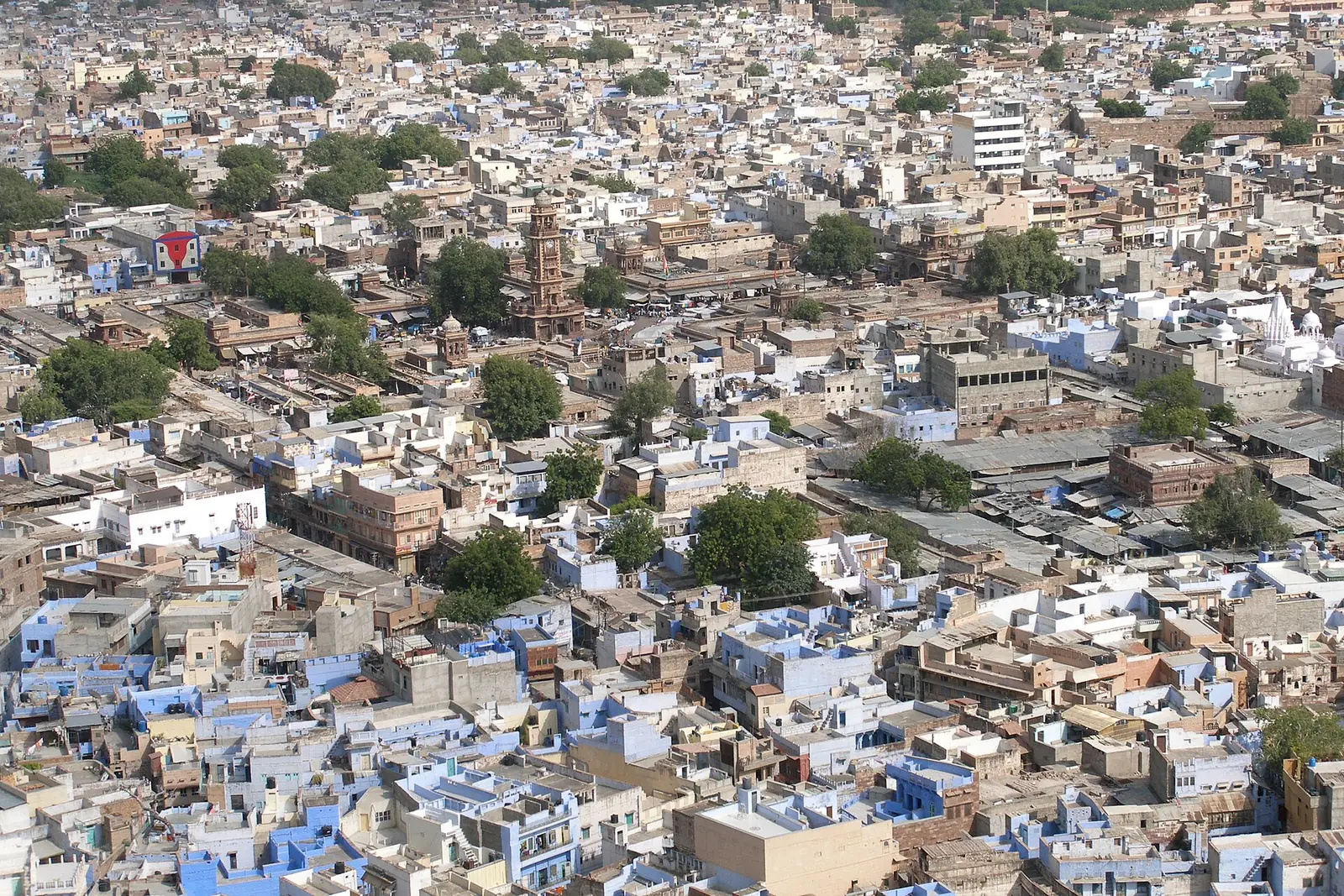 Destination Guide
Jodhpur Travel Guide: Mehrangarh Fort & Blue City
One of India's largest, best-preserved forts rises over a sea of indigo-washed houses — the complete guide to Jodhpur, the Blue City of Marwar.
 Destination Guide
Ooty Travel Guide: Nilgiris, Lakes & Best Time
A colonial-era hill station, a UNESCO toy train, and tea gardens rolling across the Nilgiris — the complete Ooty guide.
 Destination Guide
Kodaikanal Travel Guide: Lake, Views & Tips
A star-shaped lake, ridge-top walks, and a flower that blooms only once every twelve years — the complete guide to the Princess of Hill Stations.