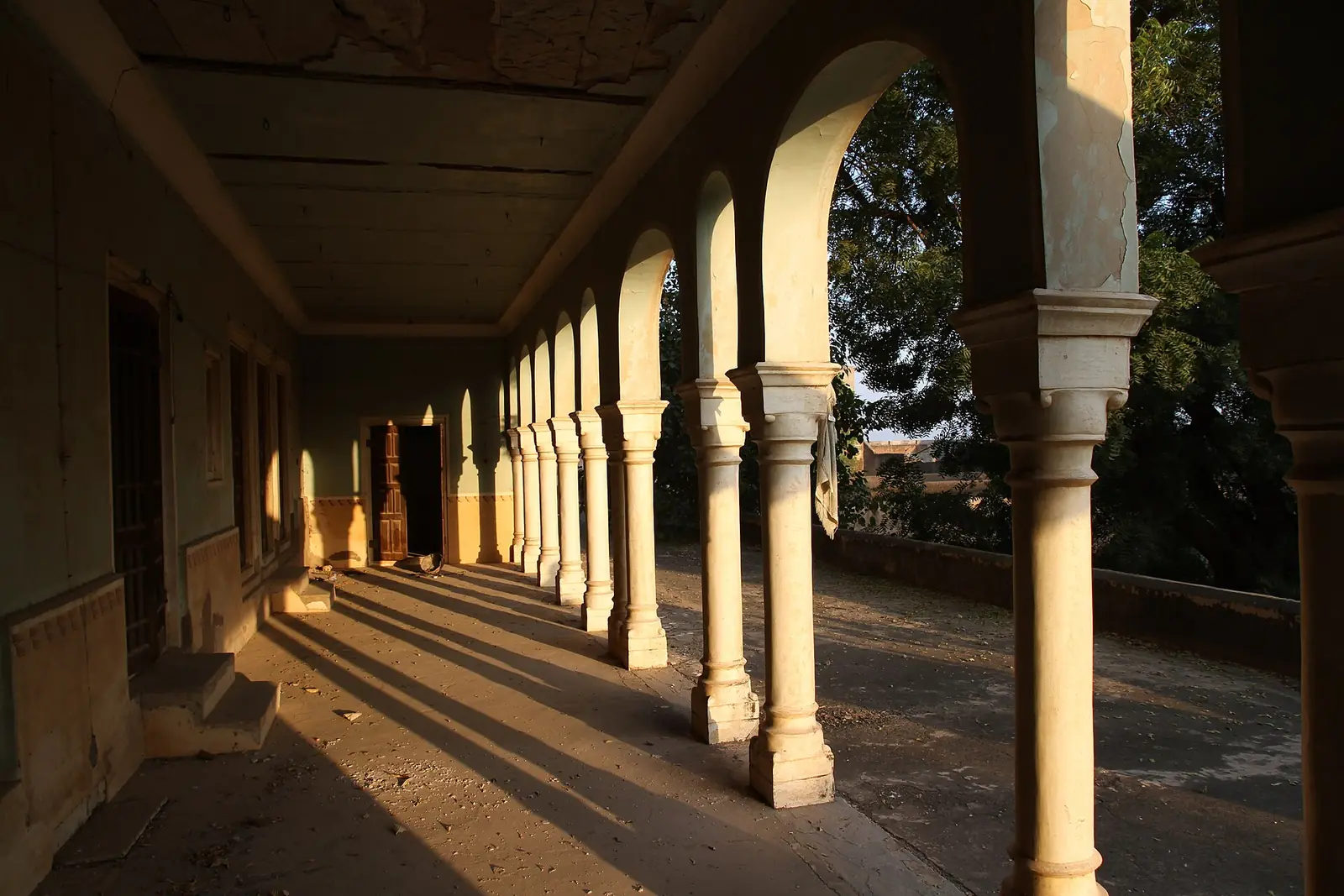
The Open-Air Art Gallery
Mandawa, in the Shekhawati region of northern Rajasthan, is sometimes called the "open-air art gallery of Rajasthan" for its extraordinary concentration of frescoed havelis — grand mansions built and elaborately painted by wealthy 19th and early 20th-century Marwari merchant families who made their fortunes in trade, and later in industry, across India.
Those families competed with each other to build the most impressive family residences back home, and the result is a townscape where nearly every wall of every grand old building carries some kind of mural — from religious and mythological scenes to, notably, contemporary subjects of their era like early trains, cars, and even European figures. Mandawa Fort, now converted into a heritage hotel, sits at the centre of it all.
The wider Shekhawati region — including towns like Nawalgarh and Fatehpur — shares this haveli-fresco tradition, and makes a worthwhile extension for anyone particularly drawn to the art form beyond Mandawa itself.
🎨 Mandawa at a Glance
Going by road? See our guide to the Rajasthan road trip.
Best Time to Visit Mandawa
Like most of desert Rajasthan, comfortable walking weather is the main factor in timing a Mandawa visit.
Cool, dry, and comfortable for the walking and haveli-hopping that a Mandawa visit involves.
Desert heat climbs sharply, making midday haveli walks genuinely uncomfortable.
Some relief from peak heat but humidity rises; not the ideal window for outdoor haveli exploration.
Soft winter light brings out the mural colours particularly well on haveli facades.
Our pick: November to February — comfortable temperatures and the softest light for photographing the murals.
How to Reach Mandawa
- By road from Jaipur: Roughly 3 hours, the most common way in — either as a day trip or an overnight stop en route to Bikaner.
- By rail: The nearest useful railheads are in the wider Shekhawati/Jhunjhunu area, with road transfers to Mandawa itself.
- As part of a Shekhawati circuit: Combine with Nawalgarh and Fatehpur if you want a deeper haveli-fresco tour beyond Mandawa alone.
Havelis, Fort & the Shekhawati Region
Mandawa Fort
Built by the town's founding Thakur family, Mandawa Fort now operates as a heritage hotel, but its exterior and public areas remain a striking centrepiece of the town — worth a stop even if you're not staying there.
Haveli-Hopping
Several notable havelis around town are open to visitors, each showcasing a different range of murals — from Krishna-Radha mythology to processions, and surprisingly modern-for-their-time subjects like steam trains, motor cars, and European figures the original painters had likely only heard described, never seen.
The Wider Shekhawati Region
If the fresco tradition genuinely interests you, Nawalgarh and Fatehpur — both a short drive away — hold their own significant haveli clusters, worth a detour for anyone with an extra day to spare.
Where to Stay in Mandawa
Heritage hotels converted from actual havelis and forts are the real highlight of staying here — a chance to sleep inside the same architecture you've come to see.
- → Simple guesthouses in town
- → Budget heritage-style stays
- → Basic hotels near the main market
- → Converted haveli hotels
- → Mid-tier heritage properties
- → Boutique guesthouses
- → Mandawa Fort heritage hotel
- → Premium heritage haveli stays
- → Full-service heritage resorts
Suggested Visit Plan (1–2 Days)
Arrival & Haveli-Hopping
- ✓Arrive from Jaipur, check in to a heritage stay
- ✓Walk Mandawa Fort and nearby havelis
- ✓Evening in the old market area
Deeper Exploration or Onward
- ✓Visit further havelis with a local guide
- ✓Optional detour to Nawalgarh or Fatehpur
- ✓Continue onward toward Bikaner
Where to Eat in Mandawa
- Heritage hotel dining: Most converted haveli and fort hotels serve proper Rajasthani thalis, often the most reliable option in town.
- Local dhabas: Simple roadside eateries around the main market for everyday Rajasthani fare.
- Rajasthani classics: Dal baati churma, ker sangri, and gatte ki sabzi are all worth seeking out here.
Budget Breakdown
| Expense | Budget | Mid-Range | Luxury |
|---|---|---|---|
| Accommodation/night | ₹1,500 | ₹4,000 | ₹10,000 |
| Food/day | ₹500 | ₹1,200 | ₹2,500 |
| Local guide (per visit) | ₹500 | ₹800 | ₹1,500 |
| Haveli entry fees | ₹50–100 each | ₹50–100 each | ₹50–100 each |
* Figures are per person, per day.
Essential Tips for Visiting Mandawa
- Hire a local guide: The murals reward context — a guide can explain the iconography and history you'd otherwise walk right past.
- Stay in a heritage haveli: The converted-haveli hotels genuinely add to the experience rather than being a gimmick.
- Use it as a Jaipur–Bikaner stop: Mandawa's location makes it a natural overnight break rather than a dedicated round trip.
- Visit in the morning or late afternoon: Soft light brings out the mural colours best and avoids the midday heat for walking between havelis.
✅ Do
- →Hire a guide to explain the mural iconography
- →Stay in a converted haveli or fort hotel
- →Visit multiple havelis to see the range of styles
- →Combine with Nawalgarh or Fatehpur if time allows
- →Photograph facades in soft morning or evening light
- →Treat it as a Jaipur–Bikaner overnight stop
❌ Don't
- →Rush through just one haveli and call it done
- →Visit at peak midday heat between April and June
- →Skip the guide and miss the mural context
- →Expect every haveli to be open or well-maintained
- →Overlook Mandawa Fort itself as just a hotel
- →Plan a same-day round trip from Jaipur if avoidable
Frequently Asked Questions
What is the Shekhawati region famous for?
Shekhawati, in northern Rajasthan, is famous for its extraordinary concentration of frescoed havelis — grand mansions built and painted by wealthy Marwari merchant families in the 19th and early 20th centuries. Mandawa is one of the region's most accessible and best-preserved towns for seeing this art form, alongside neighbours like Nawalgarh and Fatehpur.
How many havelis should I plan to see in Mandawa?
Four to six well-preserved havelis is enough to appreciate the range of mural styles without fatigue — Mandawa has dozens of frescoed buildings, but a handful of the best-maintained ones give a representative sense of the art form in a half-day to full day.
How far is Mandawa from Jaipur?
Roughly 3 hours by road, making it a practical stop either as a day trip from Jaipur or, more comfortably, as an overnight en route to Bikaner.
Is Mandawa worth a dedicated stay or just a stop?
A dedicated one-night stay is worthwhile if you want to properly explore multiple havelis and enjoy a heritage hotel — but Mandawa also works well as a scenic overnight stop between Jaipur and Bikaner rather than a full standalone destination.
Can I stay in a haveli in Mandawa?
Yes — several of the town's grand havelis and Mandawa Fort itself have been converted into heritage hotels, letting you stay inside the same kind of architecture you're there to see.
Do I need a guide to appreciate the murals?
A local guide adds real value here — the murals cover everything from religious scenes to contemporary subjects of their era like early trains and cars, and it's easy to miss the historical context without someone to explain what you're looking at.
Published by the Kudozz Club editorial team · Last updated · How we research our guides
Want us to plan this trip for you?
Tell Kudozz Club where you want to go and what kind of trip you’re looking for. We’ll build a Mandawa and Rajasthan itinerary around your dates and budget.
Continue Exploring
View all guides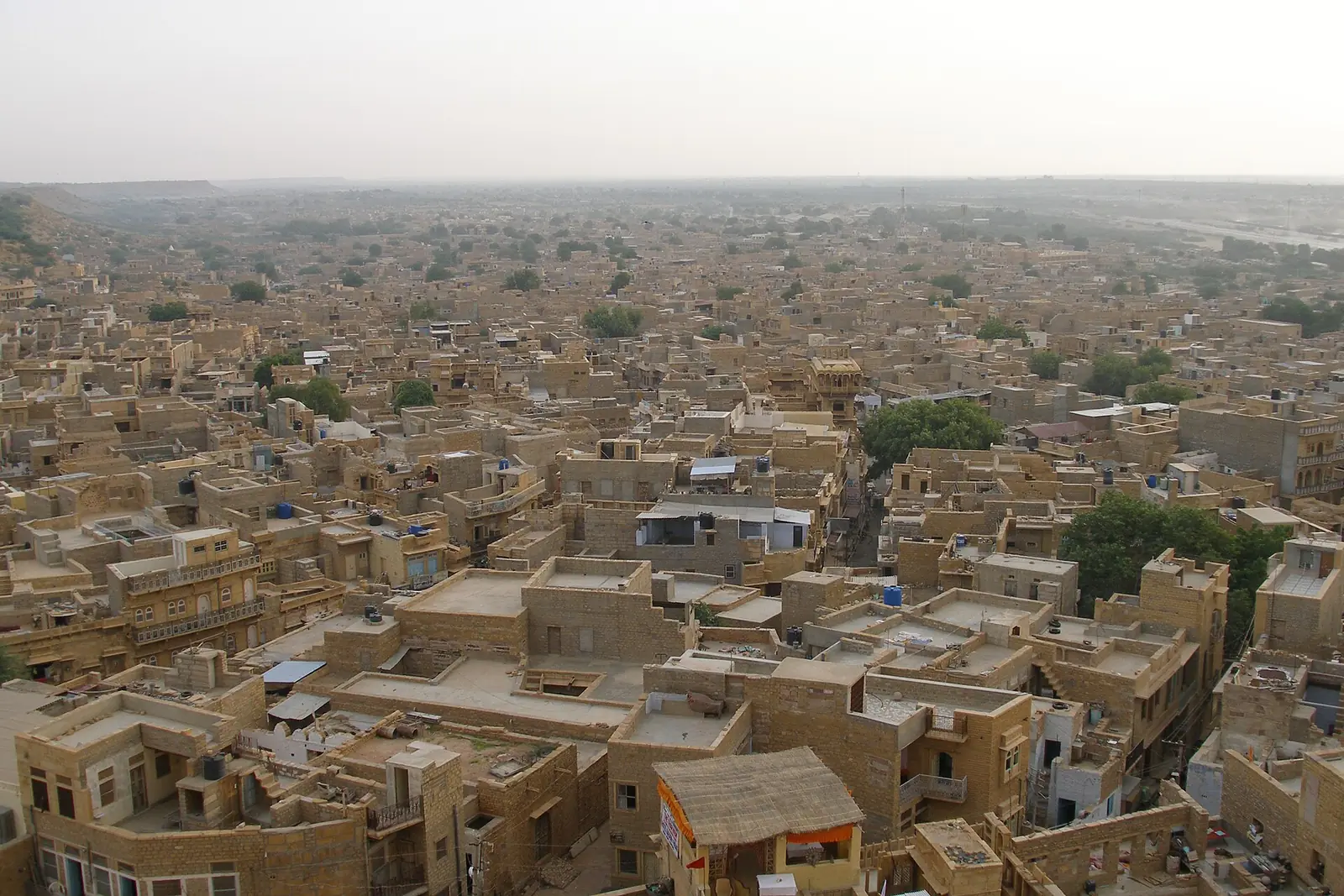 Heritage
Jaisalmer & Thar Desert Travel Guide: Fort, Camel Safari & Tips
A living medieval fort rising from the Thar Desert, camel safaris into the dunes and the most spectacular havelis in Rajasthan — the complete guide to Jaisalmer.
 Heritage
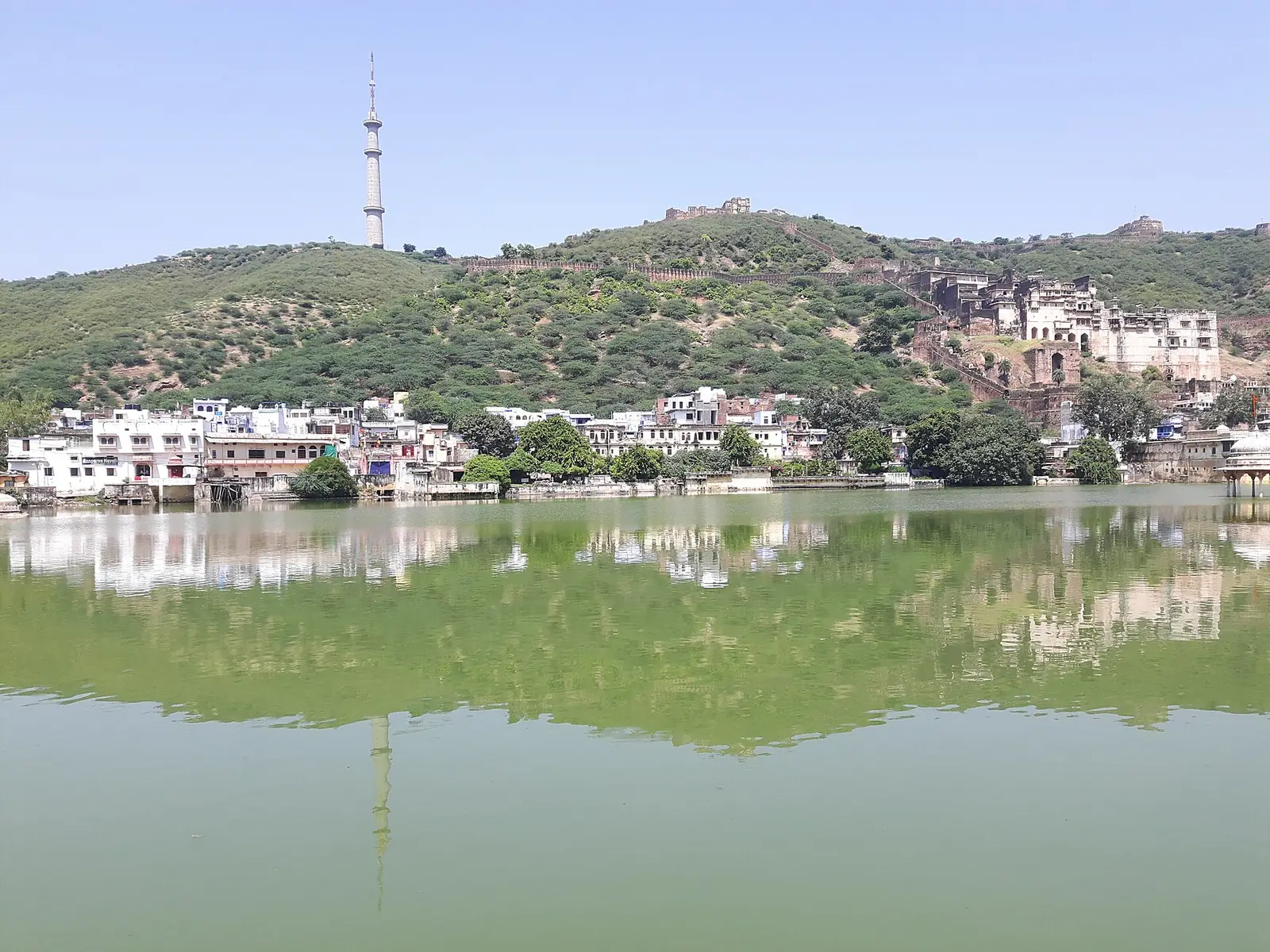
Bundi Travel Guide: Stepwells, Palace & Murals
A palace Kipling called finer than a dream, more ornate stepwells than anywhere else in Rajasthan, and a fraction of Jodhpur's crowds — the complete Bundi guide.
 Heritage
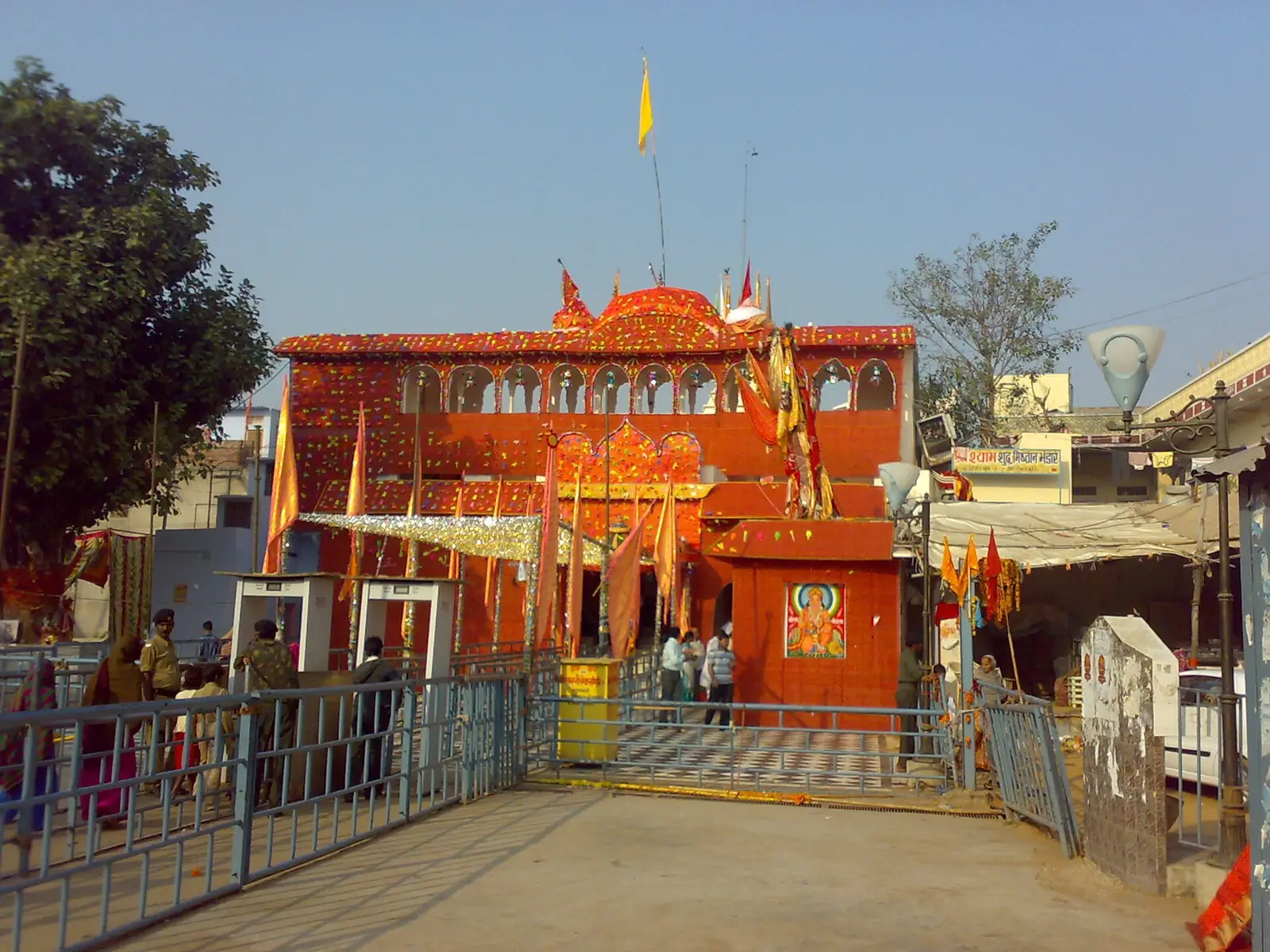
Khatu Shyam Ji Guide: Temple & Best Time
A legend of ultimate sacrifice, waves of devotional song, and one of Rajasthan's most intensely visited pilgrimage towns — the complete Khatu Shyam Ji guide.
 Heritage
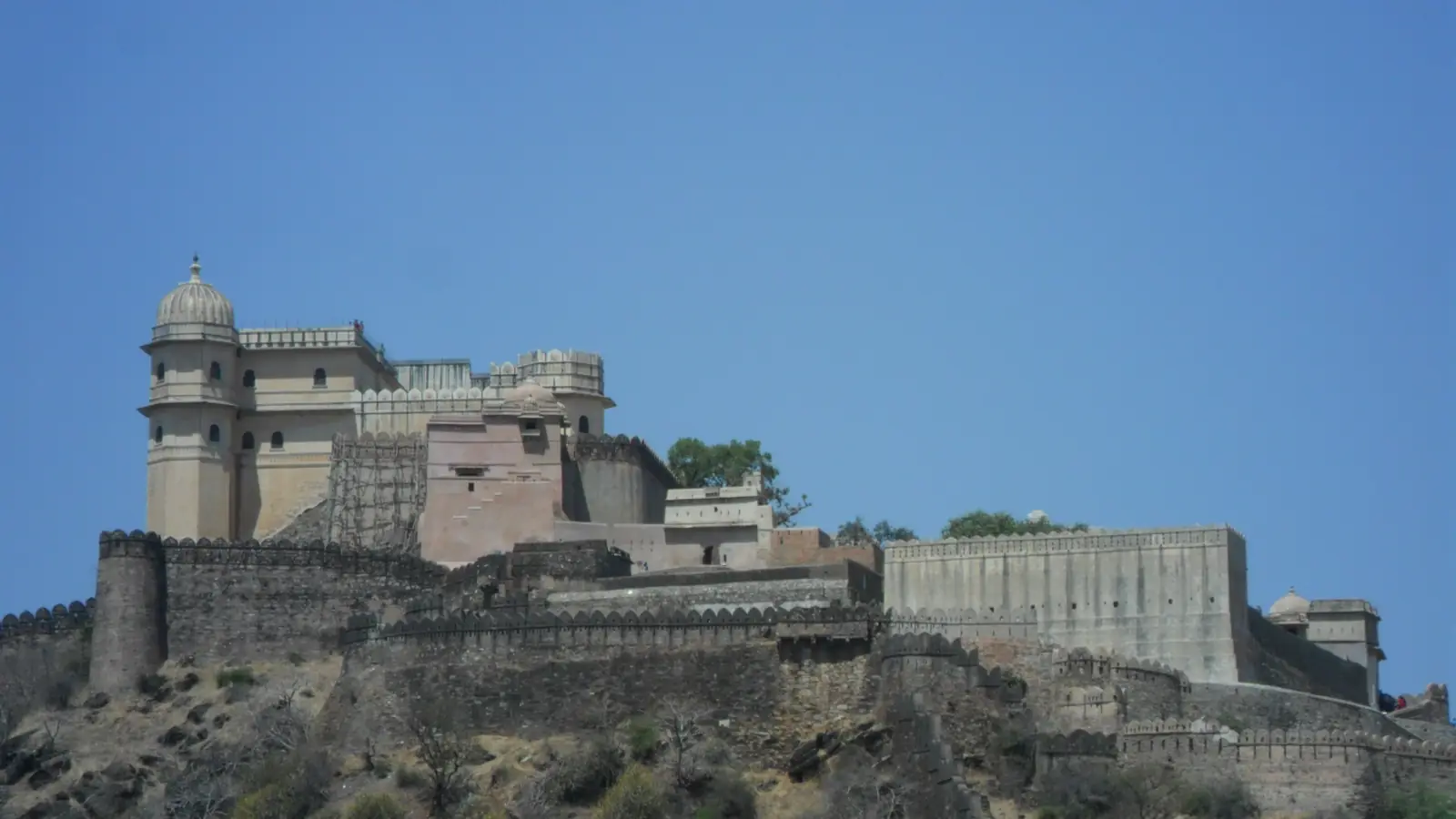
Kumbhalgarh Fort Guide: The Great Wall of India
A 36-km fortified wall across the Aravalli hills, the birthplace of Maharana Pratap, and a wildlife sanctuary at its feet — the complete Kumbhalgarh guide.