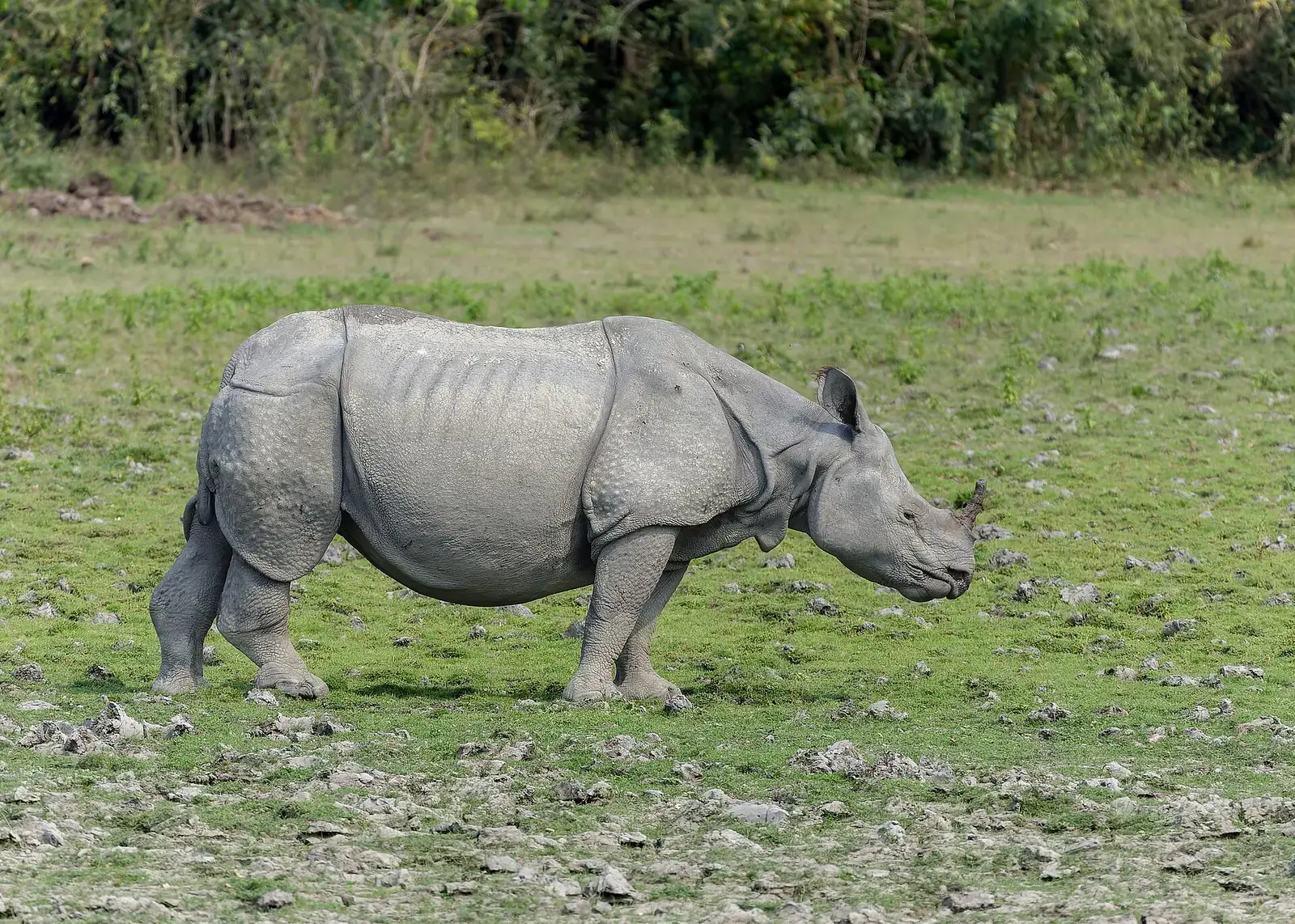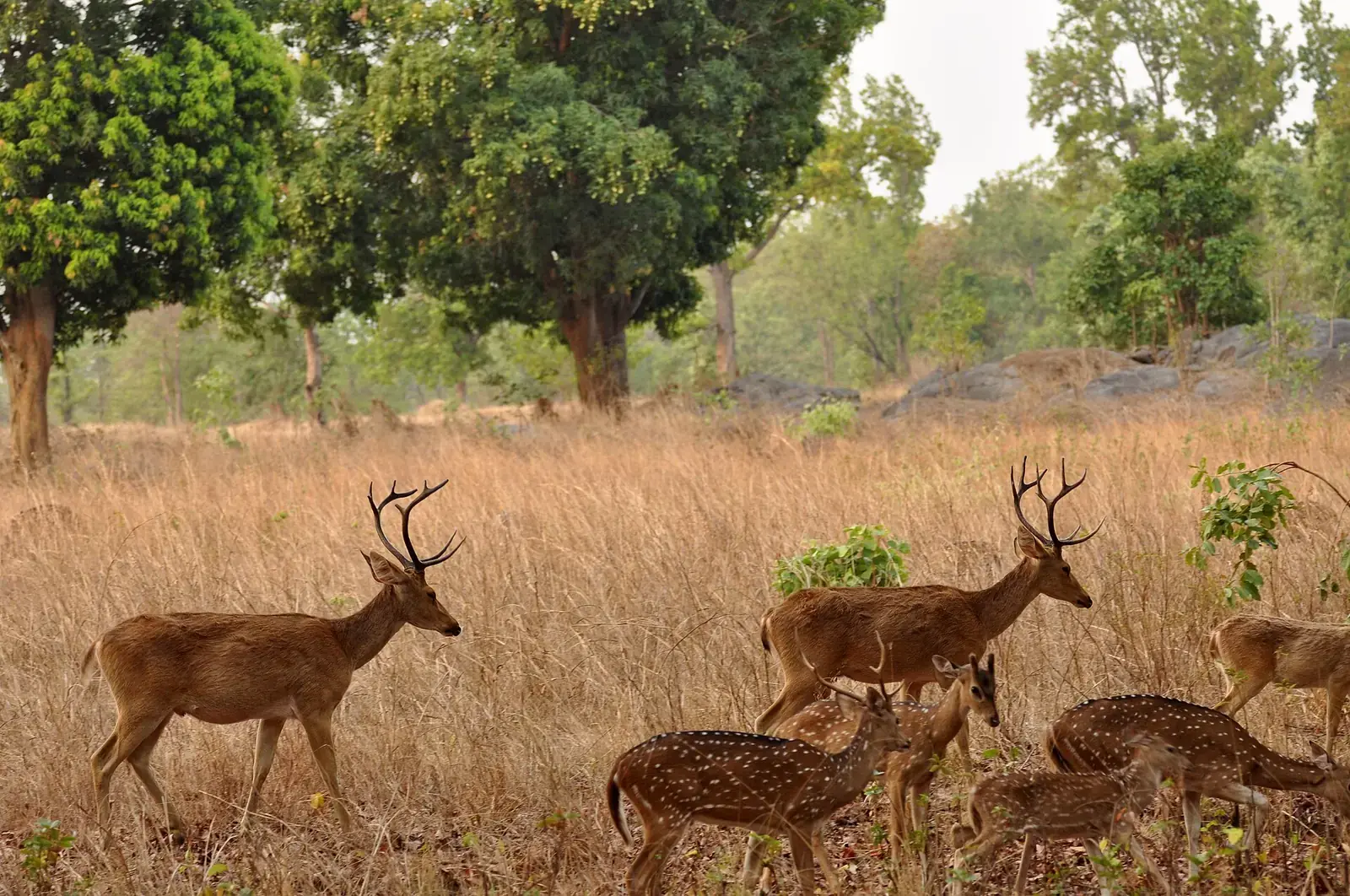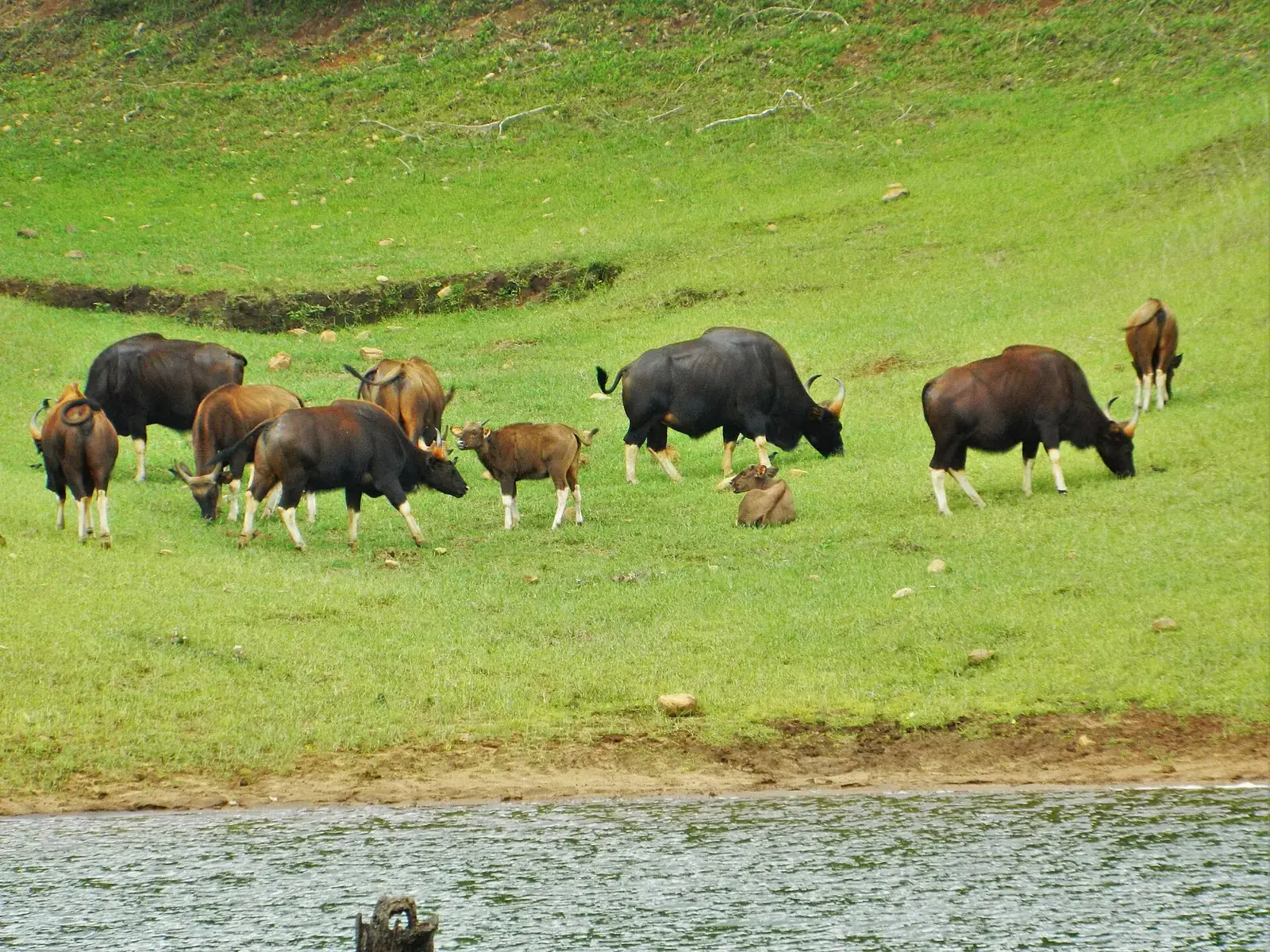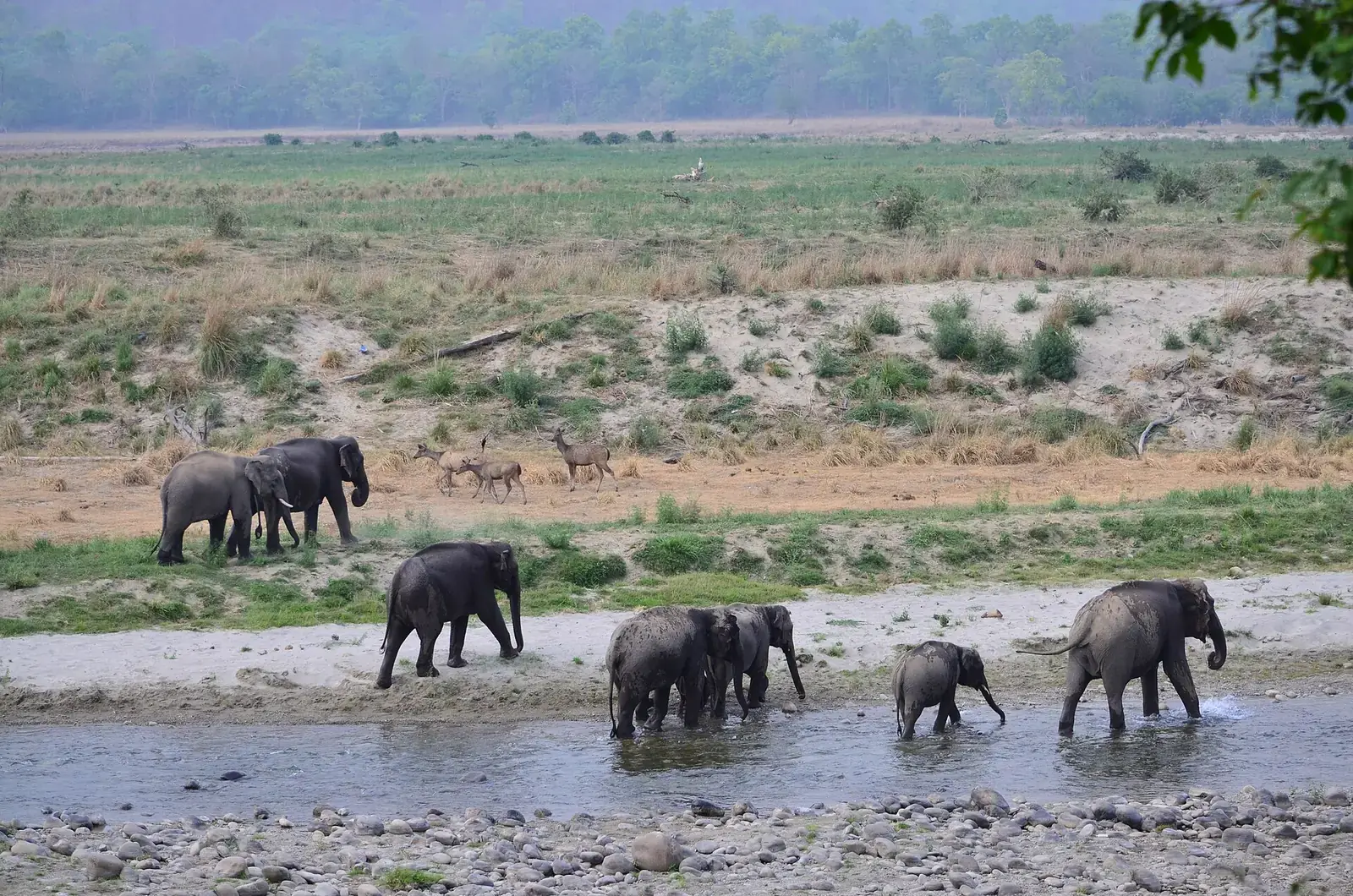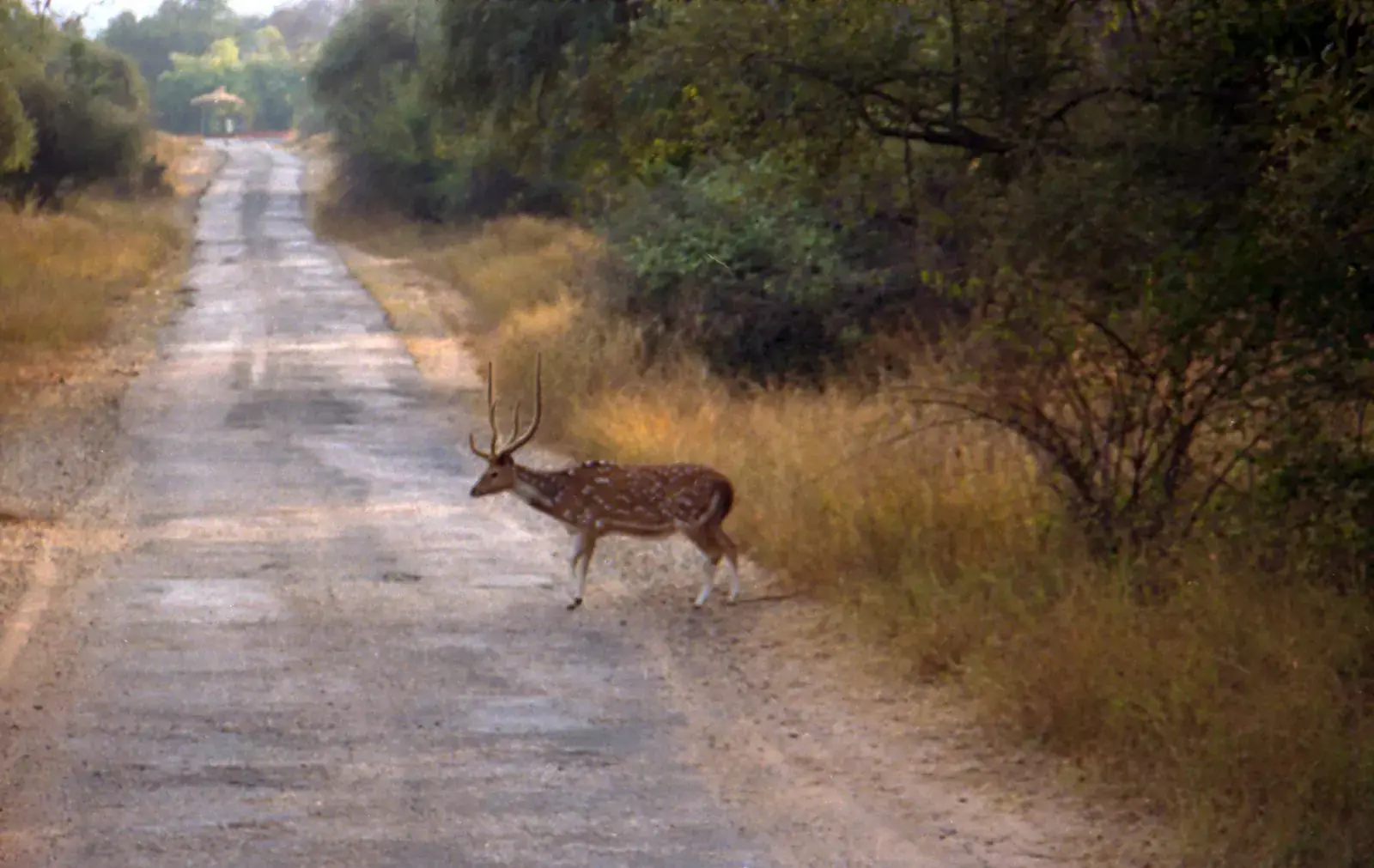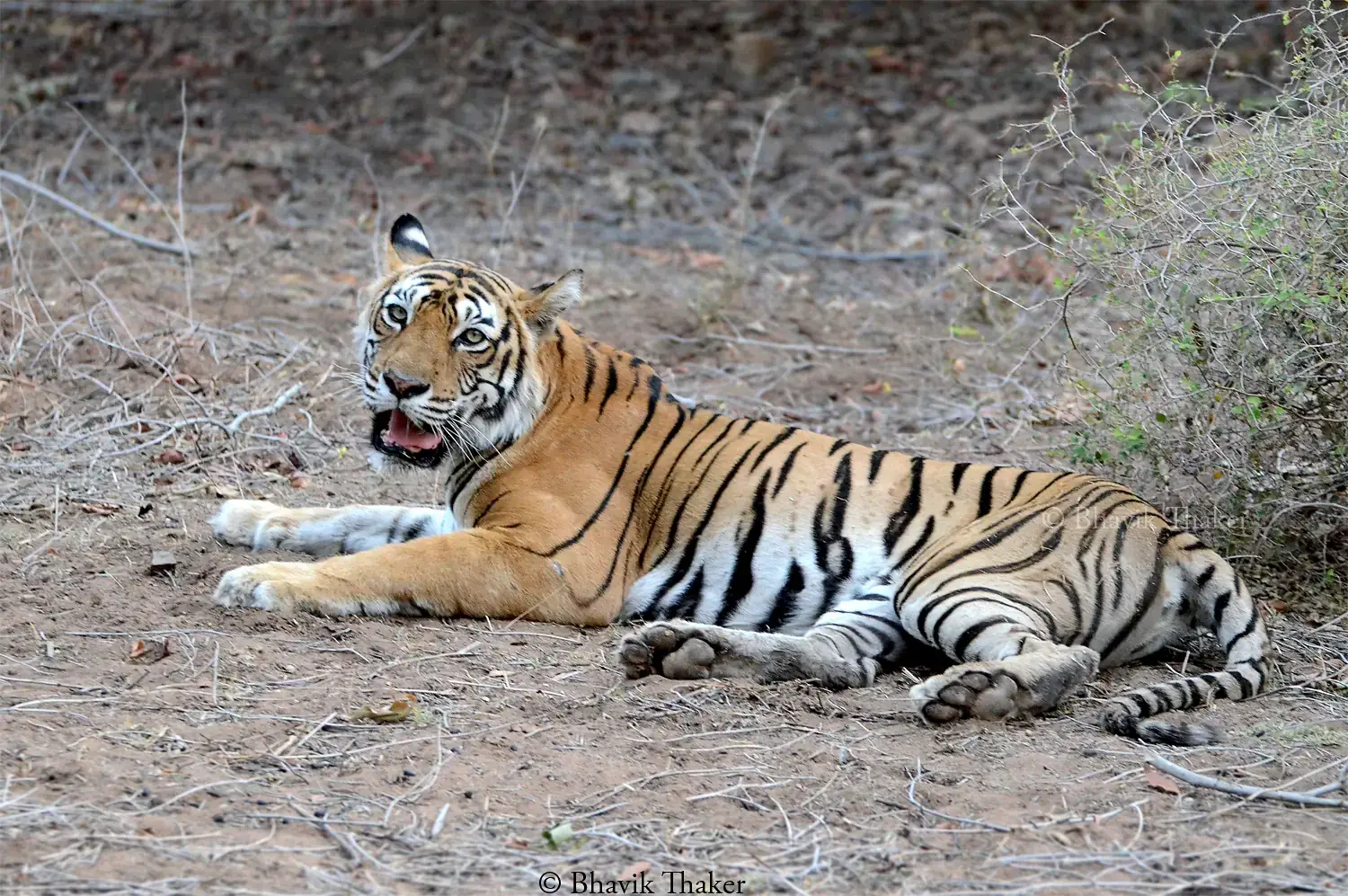
Rajasthan has five tiger reserves: Ranthambore, Sariska, Mukundra Hills, Ramgarh Vishdhari and Dhaulpur-Karauli. Ranthambore is one of India's most visited parks, and Sariska is the closest tiger reserve to Delhi.
Beyond tigers, the state has leopards living near people at Jhalana and Jawai, a world-famous bird wetland at Keoladeo, desert wildlife such as the critically endangered great Indian bustard, and gharials and dolphins on the Chambal river. Most of it fits easily into a trip around Jaipur, Udaipur or Jodhpur.
Quick answer
The main wildlife destinations in Rajasthan are Ranthambore and Sariska for tigers, Jhalana (Jaipur) and Jawai for leopards, Keoladeo National Park in Bharatpur for winter birds, the Desert National Park near Jaisalmer for the great Indian bustard, and the National Chambal Sanctuary for gharials. October to March is the most comfortable season; tiger sightings often improve from April to June.
Key takeaways
- Rajasthan has five tiger reserves; Ranthambore and Sariska are the most visited.
- Jhalana and Jawai are among India's best places to see leopards.
- Keoladeo is a UNESCO site and a national park, best from November to February.
- Tiger reserve cores close from 1 July to 30 September.
- Winter is best for birds and comfort; summer for tiger sightings.
Wildlife places in Rajasthan
| Place | Status | Known for | Nearest city |
|---|---|---|---|
| Ranthambore | National park and tiger reserve | Tigers, lakes, fort | Sawai Madhopur |
| Sariska | Tiger reserve | Tigers (reintroduced), forts | Alwar |
| Jhalana | Reserved forest with leopard safaris | Leopards | Jaipur |
| Jawai | Hills and farmland, not a national park | Leopards, Rabari herders | Pali, between Udaipur and Jodhpur |
| Keoladeo | National park, UNESCO site | Winter birds | Bharatpur |
| Desert National Park | National park | Great Indian bustard, desert birds | Jaisalmer |
| National Chambal Sanctuary | Sanctuary | Gharials, dolphins | Dholpur, Kota |
| Tal Chhapar | Sanctuary | Blackbuck, raptors | Churu |
Highlights
Ranthambore
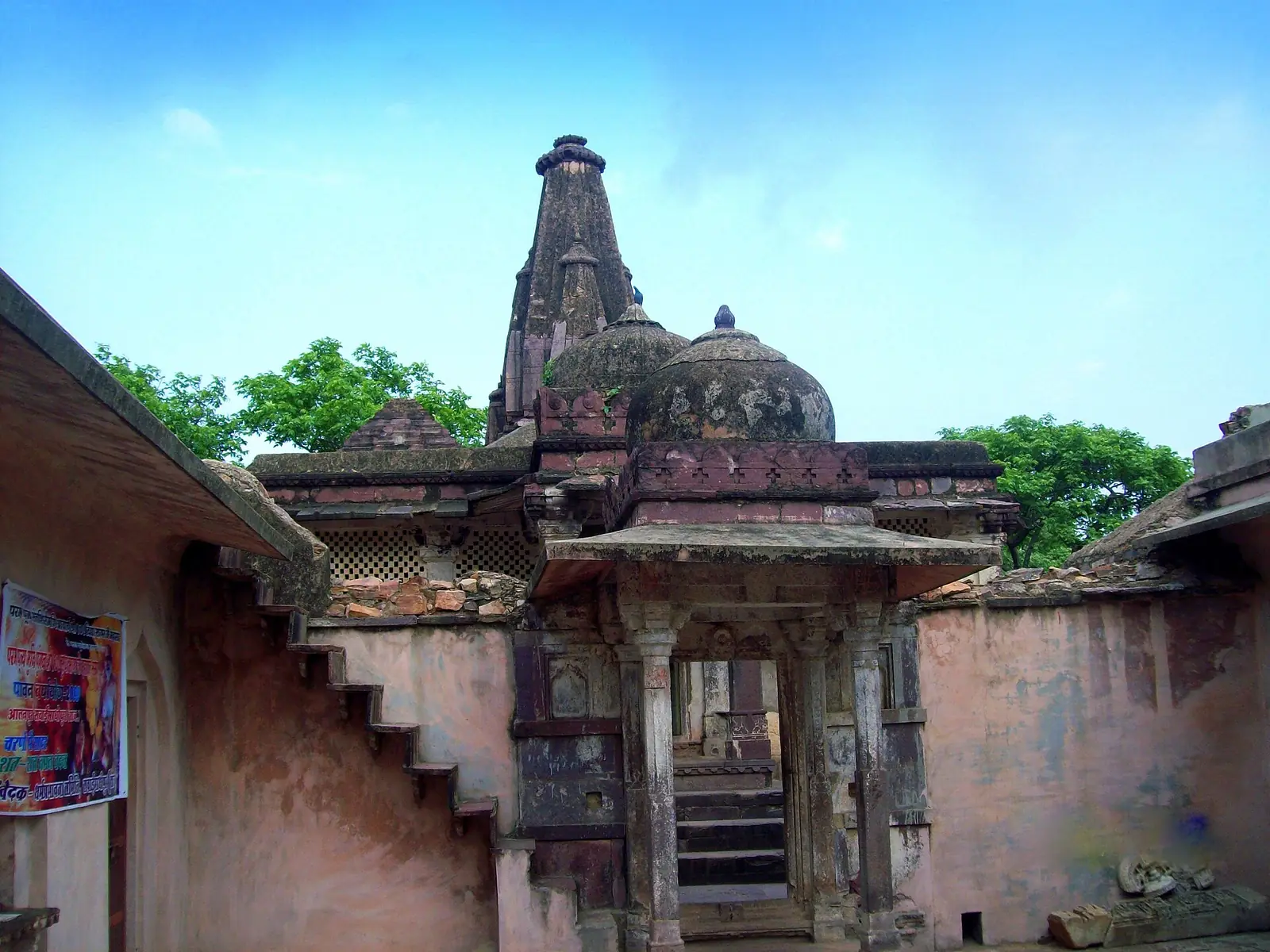
Tigers in dry forest around lakes and a 10th-century fort. Zones are allotted by the booking system; book early for winter weekends.
Sariska
About four hours from Delhi, with tigers brought from Ranthambore and heritage inside the reserve.
Leopards at Jhalana and Jawai
Jhalana offers safaris inside Jaipur; Jawai's leopards live on granite hills near villages.
Keoladeo and Khichan
Keoladeo for ducks, storks and raptors; Khichan village near Phalodi for thousands of demoiselle cranes in winter.
The desert and the Chambal
The Desert National Park for bustards, sandgrouse and chinkara; the Chambal for boat trips among gharials.
Where to stay
- Ranthambore: lodges and resorts along the Ranthambore road in Sawai Madhopur, from simple hotels to luxury camps.
- Sariska: hotels near Sariska gate, or heritage palaces in the Alwar area.
- Jawai: a small number of lodges and tented camps among the hills; book early for winter.
- Bharatpur: guesthouses and hotels close to the Keoladeo gate, useful for dawn starts.
- Jaisalmer: stay in town or in desert camps for the Desert National Park.
Tips for wildlife in Rajasthan
- Book Ranthambore permits as early as possible for October to March weekends and holidays.
- Pair wildlife with heritage: Ranthambore fort, Kumbhalgarh's walls near Jawai, or Bhangarh near Sariska.
- Visit Keoladeo early in the morning, when birds are most active and the light is soft.
- Keep clear of great Indian bustard breeding areas and follow guides' instructions in the desert.
When to go
| Months | What to expect |
|---|---|
| October to February | Comfortable; birds at Keoladeo and Khichan |
| March to June | Hot; animals at water, good tiger sightings |
| July to September | Tiger reserve cores closed; some buffer routes |
A sample wildlife route
| Days | Plan |
|---|---|
| 1 to 2 | Jaipur: Jhalana leopard safari and the city |
| 3 to 5 | Ranthambore: four or five drives |
| 6 to 7 | Bharatpur: Keoladeo by rickshaw and on foot (in winter) |
| Alternative | Udaipur to Jawai for two nights, then Kumbhalgarh |
Safety
- Sightings are never guaranteed; plan several drives and enjoy the forest itself.
- Stay in the vehicle on safaris and follow your guide.
- Book permits only through official forest department portals or trusted operators.
- Never feed animals or leave litter in a park.
- Carry water and sun protection; Rajasthan's summer heat is intense.
What to pack
- Warm layers for winter mornings
- Hat, sunscreen and water
- Binoculars
- Neutral clothes
Ready to plan your wildlife escape?
FAQs
Which is the best wildlife sanctuary in Rajasthan?
Ranthambore National Park is the best known for tigers; Keoladeo for birds and Jawai for leopards.
How many tiger reserves are there in Rajasthan?
Five: Ranthambore, Sariska, Mukundra Hills, Ramgarh Vishdhari and Dhaulpur-Karauli.
When is Ranthambore closed?
Core zones close from 1 July to 30 September.
Where can I see leopards in Rajasthan?
At Jhalana in Jaipur and at Jawai in Pali district.
How many days do I need for Ranthambore?
Two nights with three or four drives is a good minimum; add a night in Jaipur or Bharatpur for leopards or birds.
Where can I see the great Indian bustard?
In the Desert National Park near Jaisalmer, though the bird is critically endangered and rarely seen.