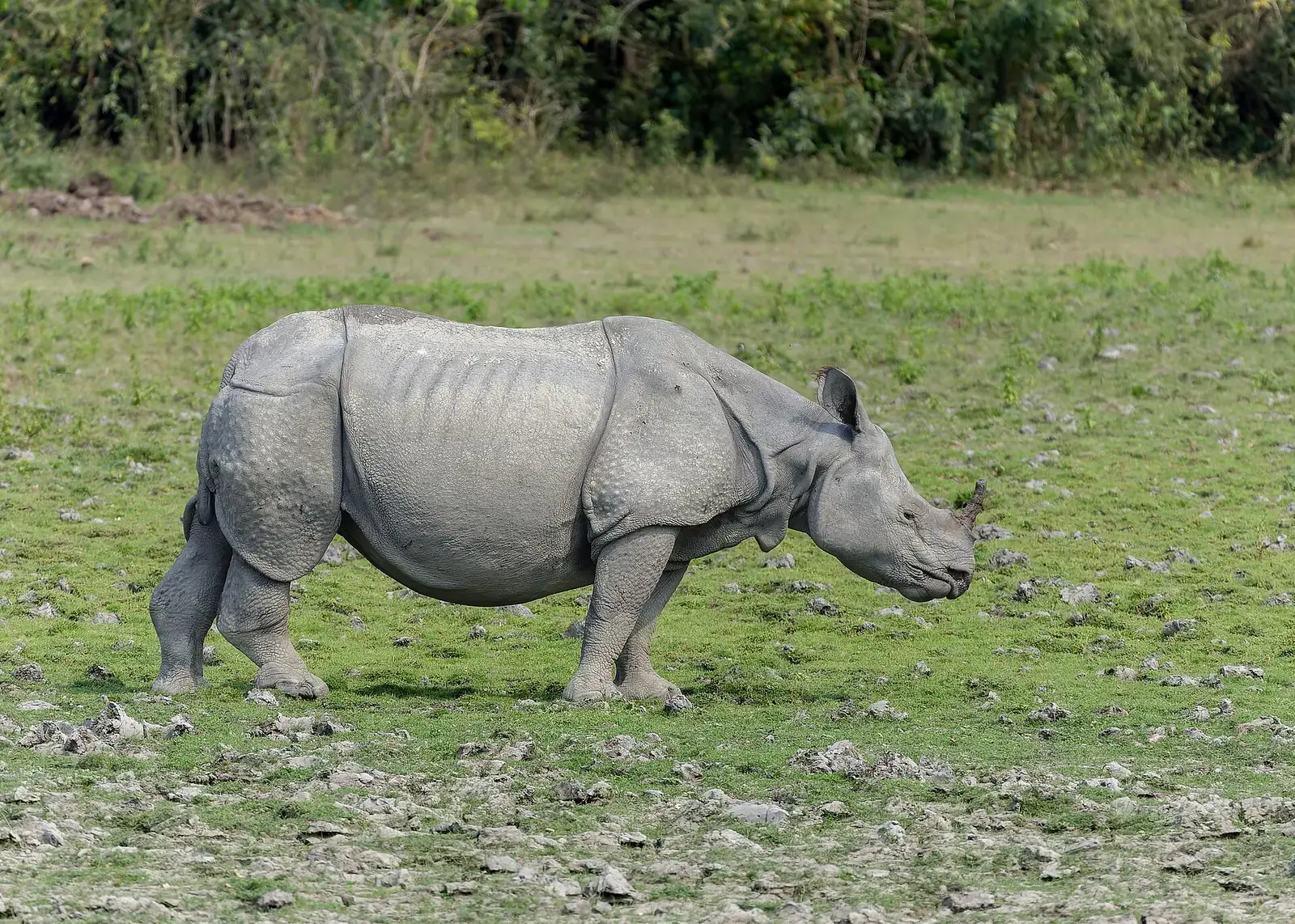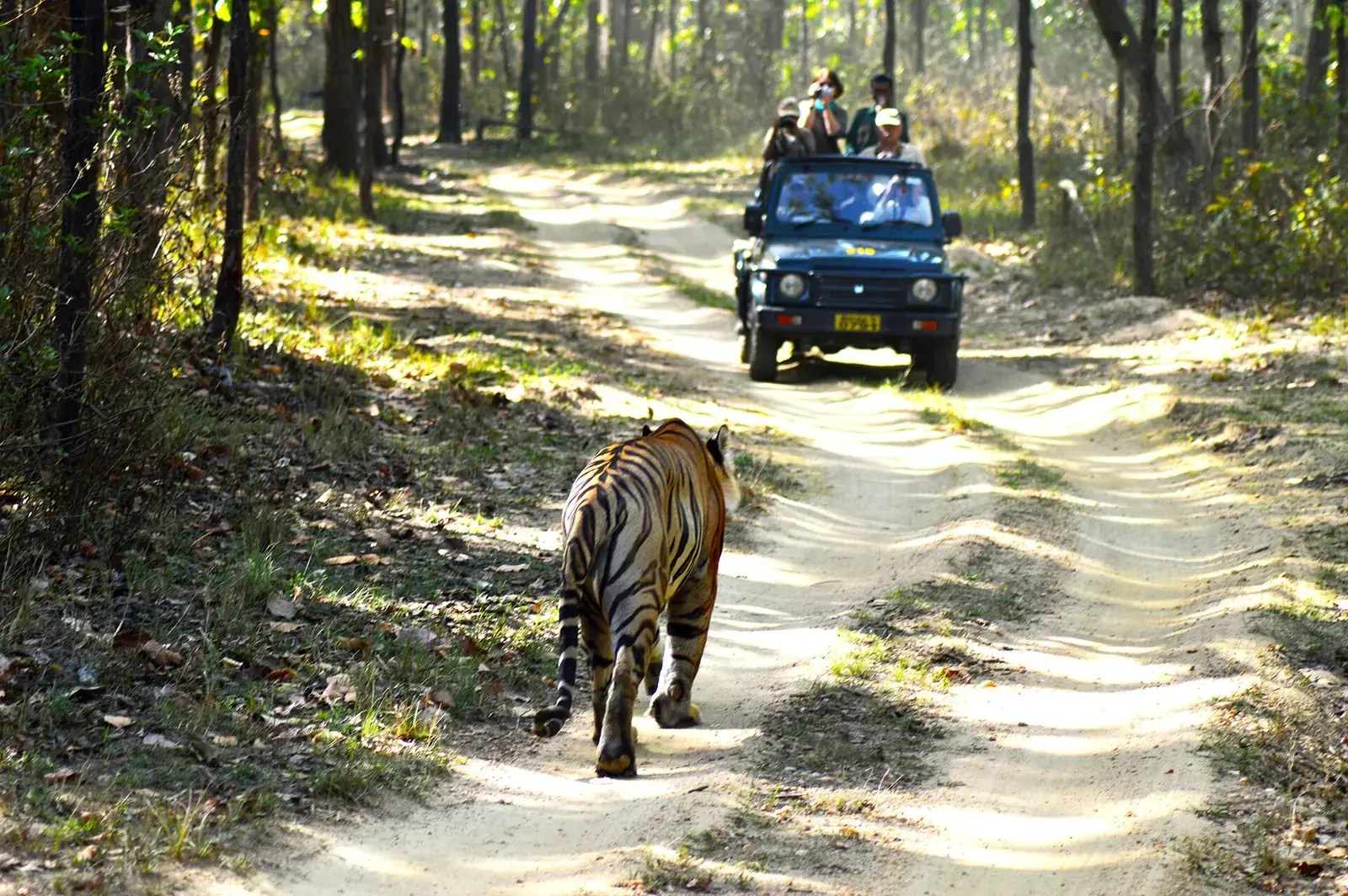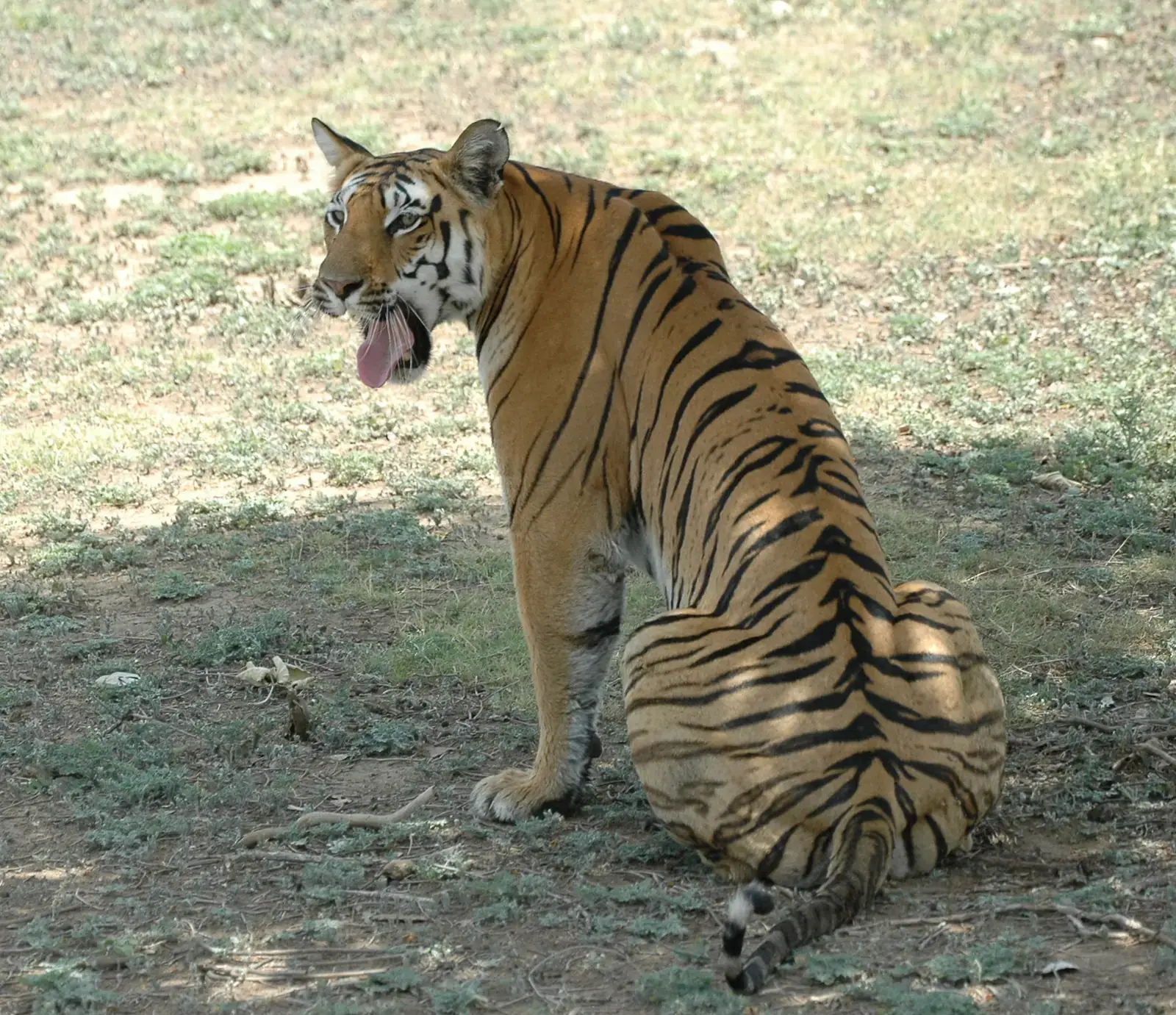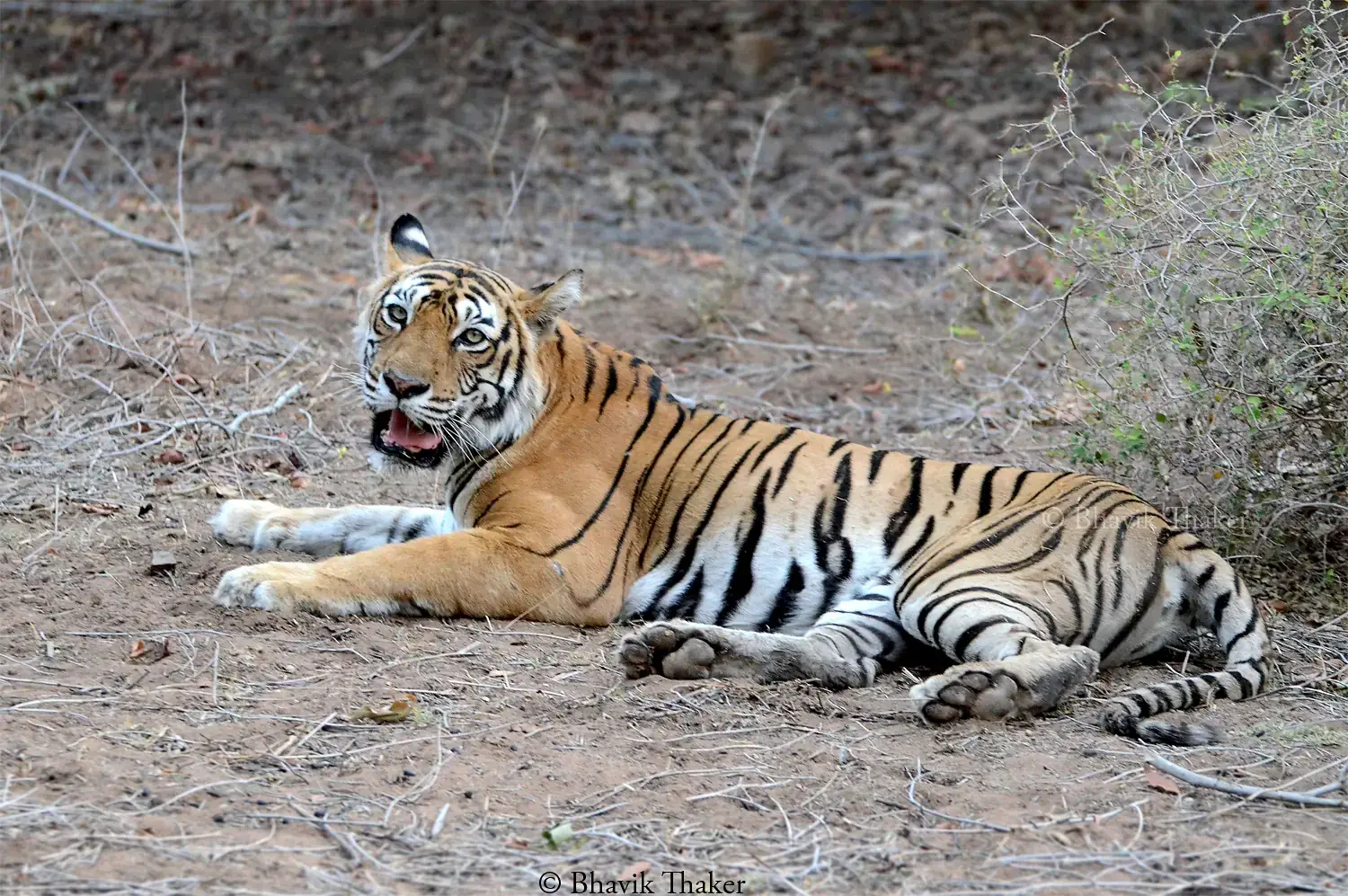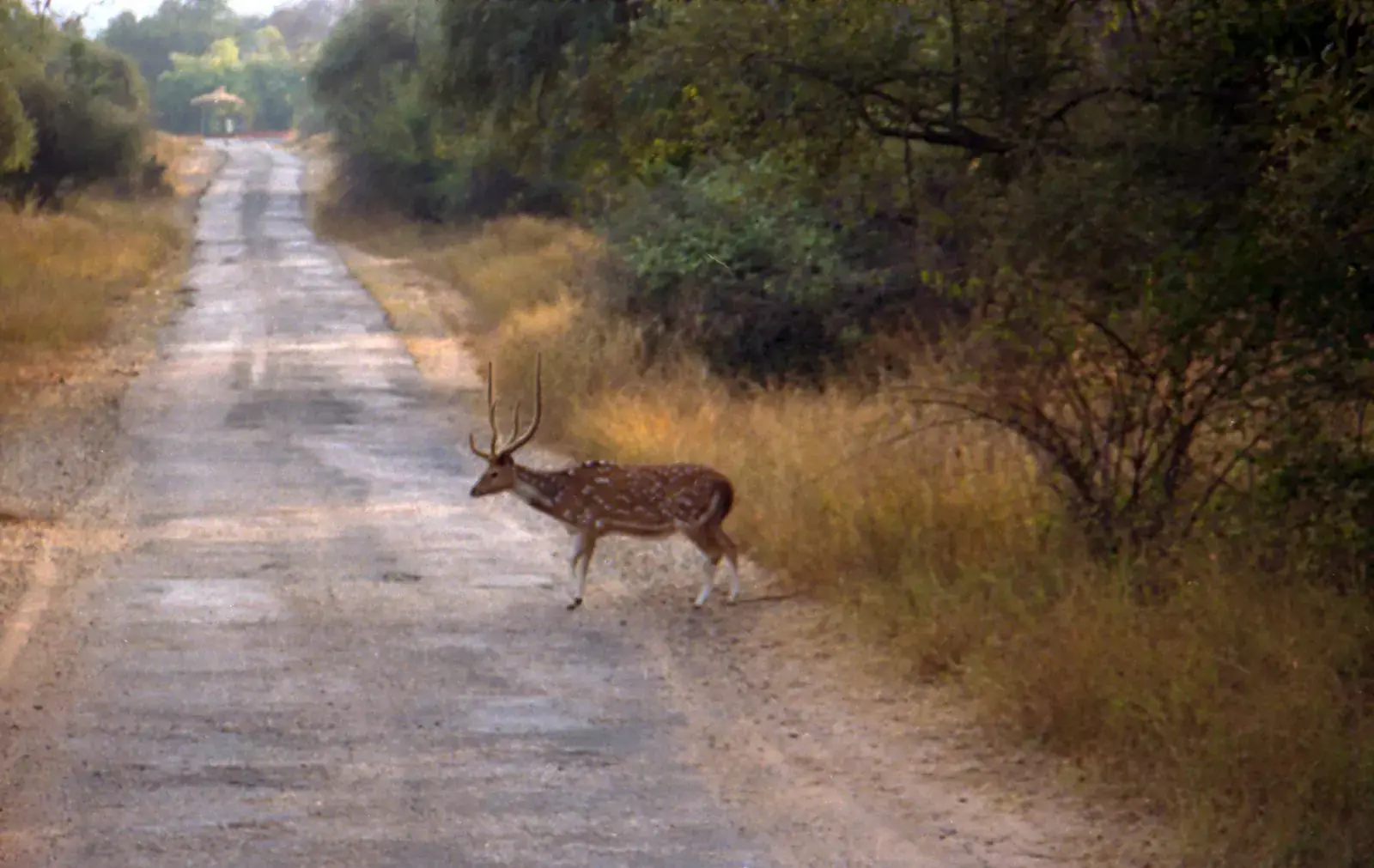
Sariska Tiger Reserve lies in the dry Aravalli hills of Alwar district, Rajasthan, about 200 km from Delhi and 110 km from Jaipur. Its forest of dhok, rocky ridges and valleys also holds forts, palaces and temples, including Kankwari Fort and the Neelkanth temples.
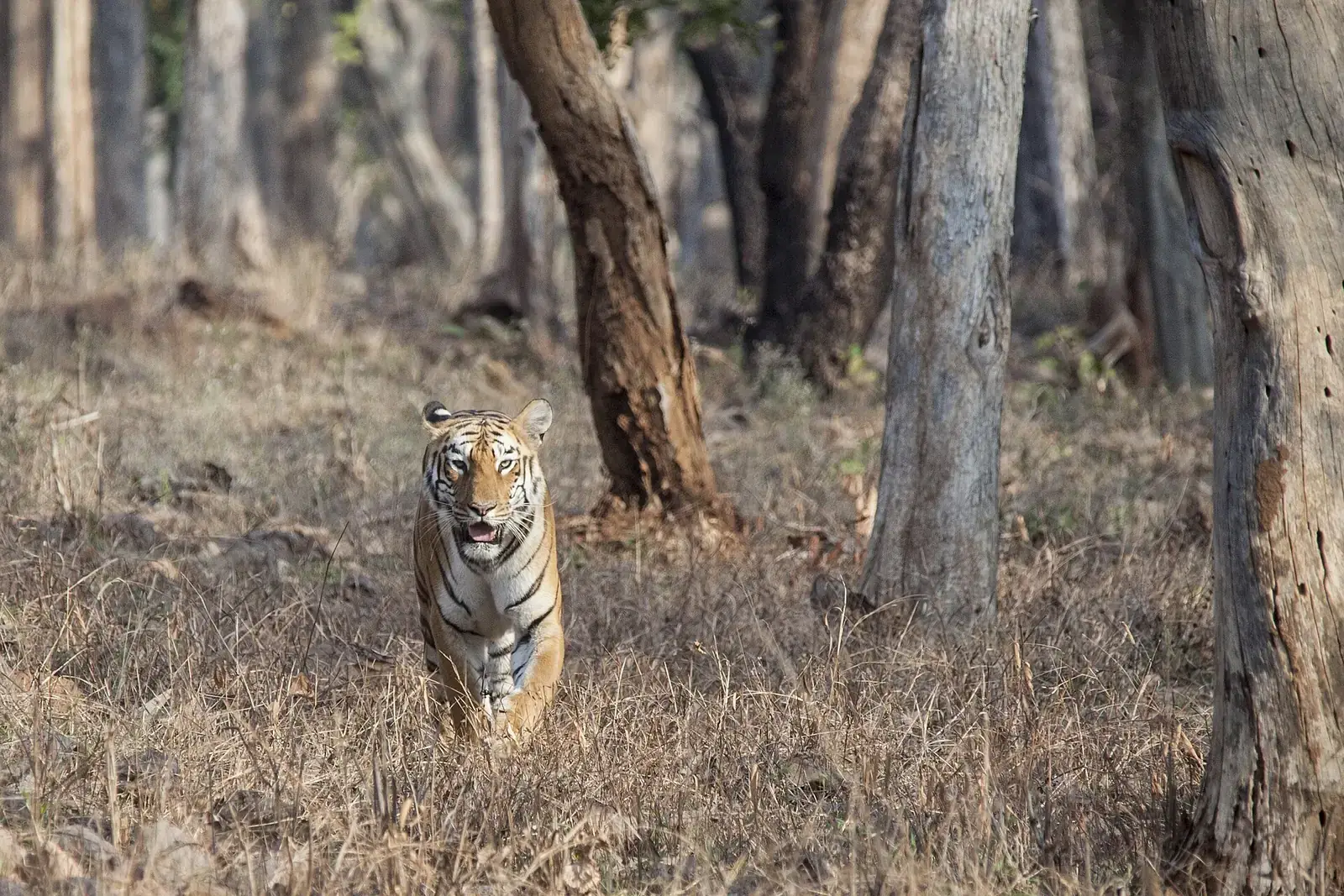
Sariska's tigers were wiped out by poaching by the mid-2000s. From 2008, tigers were moved here from Ranthambore in what was India's first tiger reintroduction, and the population has since grown again. Sightings are less frequent than at Ranthambore, but the reserve is an easy weekend from Delhi or Jaipur.
Quick answer
Sariska Tiger Reserve is in Alwar district, Rajasthan, about four hours from Delhi and two to three hours from Jaipur. Safaris run by jeep and canter from gates such as Sariska and Tehla, with buffer routes nearby. Core zones close from 1 July to 30 September, but some buffer routes may operate. Tigers were reintroduced from Ranthambore from 2008, and leopards, striped hyenas and sambar are also seen.
Key takeaways
- Sariska is the nearest tiger reserve to Delhi, about four hours by road.
- It was the site of India's first tiger reintroduction, from Ranthambore, starting in 2008.
- Core zones close from 1 July to 30 September; some buffer routes run in the monsoon.
- Kankwari Fort, the Neelkanth temples and nearby Bhangarh add heritage to a safari trip.
- Sightings are less frequent than at Ranthambore; plan several drives.
Gates and zones
Safaris enter from gates such as Sariska and Tehla into core zones, and from buffer gates for routes on the edges of the reserve. The booking system allots the zone or route. Some buffer routes may operate during the monsoon closure of the core, depending on conditions.
| Gate | Zone | Notes |
|---|---|---|
| Sariska | Core | Main gate on the Alwar to Jaipur road; most lodges nearby |
| Tehla | Core | Southern side, towards Rajgarh and Bhangarh |
| Buffer gates | Buffer | Routes that may run when the core is closed |
Wildlife and heritage
Wildlife
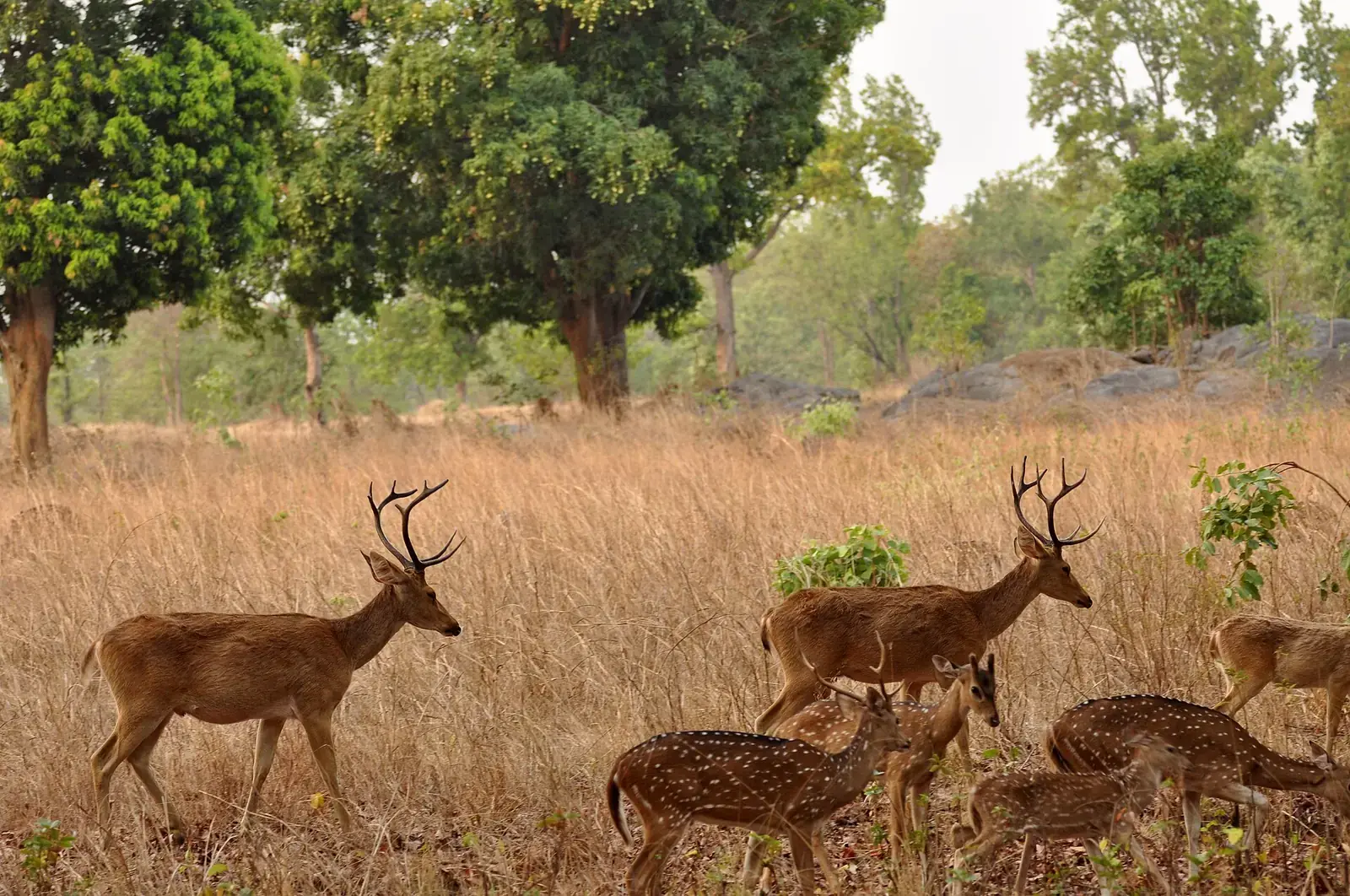
Tigers (reintroduced), leopards, striped hyenas, jungle cats, sambar, chital, nilgai, wild boar and rhesus macaques, with good birdlife around water.
- Best for
- A tiger reserve near Delhi
Kankwari Fort
A hilltop fort inside the reserve with views over the forest, where Aurangzeb is said to have imprisoned his brother Dara Shikoh.
- Good to know
- Visited on some safari routes
Neelkanth temples
Ruined temples from about the 8th to 10th centuries on a plateau in the reserve.
Bhangarh Fort
A 17th-century fort town at the edge of the reserve, famous for its ruins and legends, often combined with a Sariska trip.
- Distance
- About 50 km from Sariska gate
The story of Sariska's tigers
In 2005, a census found that Sariska had lost all its tigers to poaching. The loss led to a national review of tiger protection, and to the creation of the National Tiger Conservation Authority.
From 2008, tigers were moved to Sariska from Ranthambore in India's first tiger reintroduction. The early years were difficult, with some animals lost, but the tigers have bred, and the reserve now has a growing resident population. Villages inside the reserve have also been relocated over the years to give the tigers more undisturbed space.
Who Sariska suits
- Travellers from Delhi or Jaipur with only a weekend to spare.
- Families who want a safari alongside forts, palaces and a comfortable heritage hotel.
- Anyone doing the Golden Triangle who wants to add a wildlife stop between Delhi and Jaipur.
- Visitors who have been to Ranthambore and want a quieter reserve.
Tips for a Sariska safari
- Book drives early for winter weekends, when Delhi and Jaipur visitors fill the permits.
- Leave Delhi before dawn to avoid highway traffic and reach in time for an afternoon drive.
- Keep an eye out for hyenas and leopards on evening drives near the edges of the reserve.
- Visit Bhangarh in the late afternoon, when it is cooler, and leave before it closes at sunset.
Best time to visit
| Months | Conditions |
|---|---|
| October to March | Pleasant; best for comfort and birds |
| April to June | Hot; animals at waterholes; good for sightings |
| July to September | Core closed; some buffer routes may operate |
Getting there and where to stay
- From Delhi: about four hours by road via Alwar.
- From Jaipur: about two to three hours by road.
- Alwar is the nearest railway station, about 35 km from Sariska gate.
- Stay near Sariska gate or in Alwar; heritage palace hotels in the area make it a comfortable weekend.
Book permits through Rajasthan's official forest department portal or a trusted operator.
A weekend at Sariska
| Day | Plan |
|---|---|
| 1 | Drive from Delhi or Jaipur; afternoon safari |
| 2 | Morning safari; afternoon visit to Bhangarh Fort |
| 3 (optional) | Morning safari via Tehla; return |
Safety
- Sightings are never guaranteed; tigers are wild and move widely.
- Stay inside the vehicle on safaris.
- Bhangarh Fort closes at sunset; follow the ASI's visiting hours.
- Drive carefully on forest roads, where wildlife crosses.
What to pack
- Neutral clothes and warm layers in winter
- Hat, sunscreen and water in summer
- Binoculars and a camera
Ready to plan your wildlife escape?
FAQs
How far is Sariska from Delhi?
About 200 km, or around four hours by road.
Are there tigers in Sariska?
Yes. Tigers were reintroduced from Ranthambore from 2008 after the local population was lost to poaching, and have since bred.
When is Sariska closed?
Core zones close from 1 July to 30 September; some buffer routes may operate.
Sariska or Ranthambore: which is better?
Ranthambore has more frequent sightings; Sariska is closer to Delhi and quieter.
How many days do I need for Sariska?
Two nights allow two or three drives and a visit to Bhangarh. One night works for a quick trip from Jaipur.
What else is there to see near Sariska?
Kankwari Fort and the Neelkanth temples inside the reserve, and Bhangarh Fort nearby.