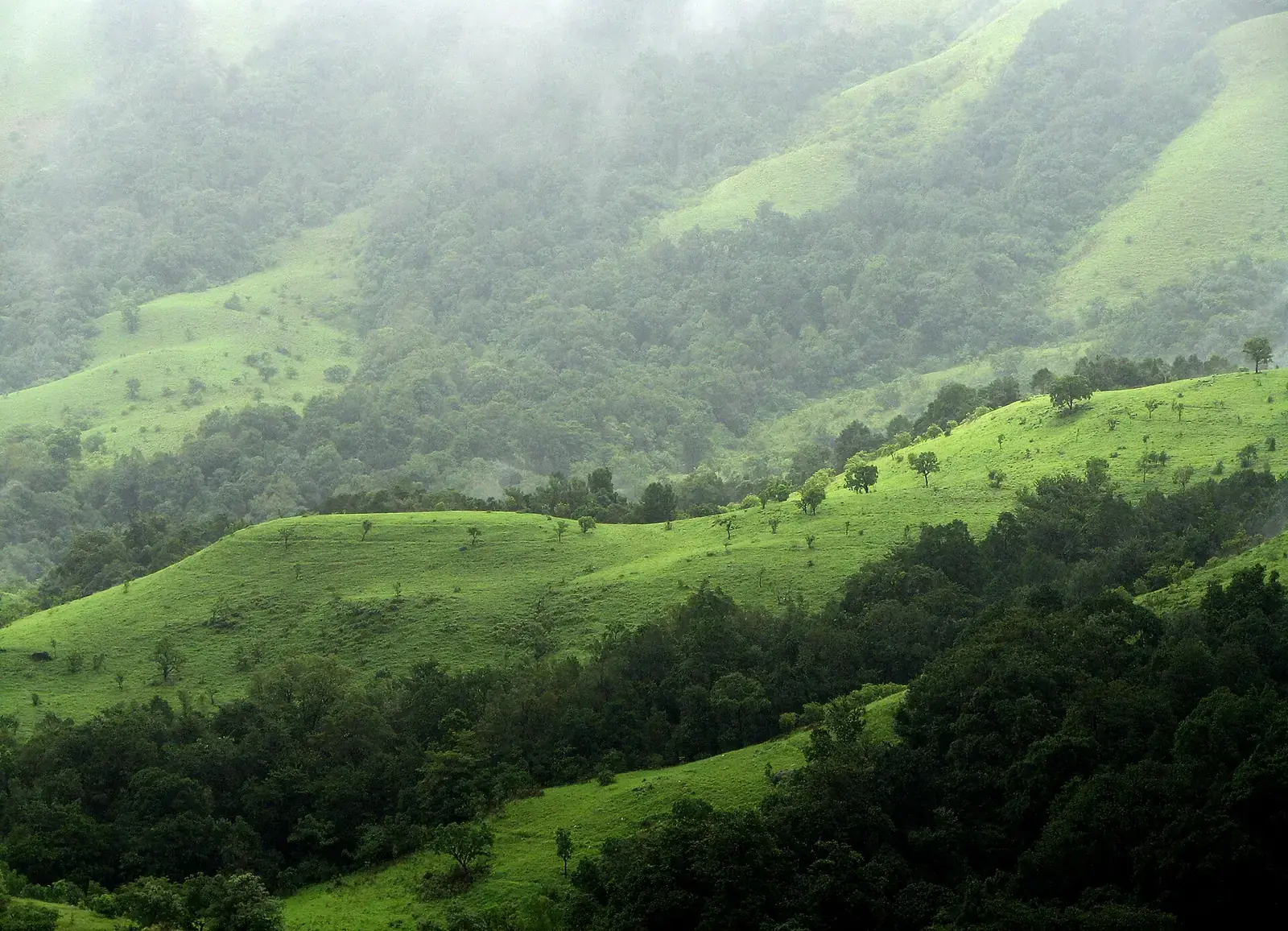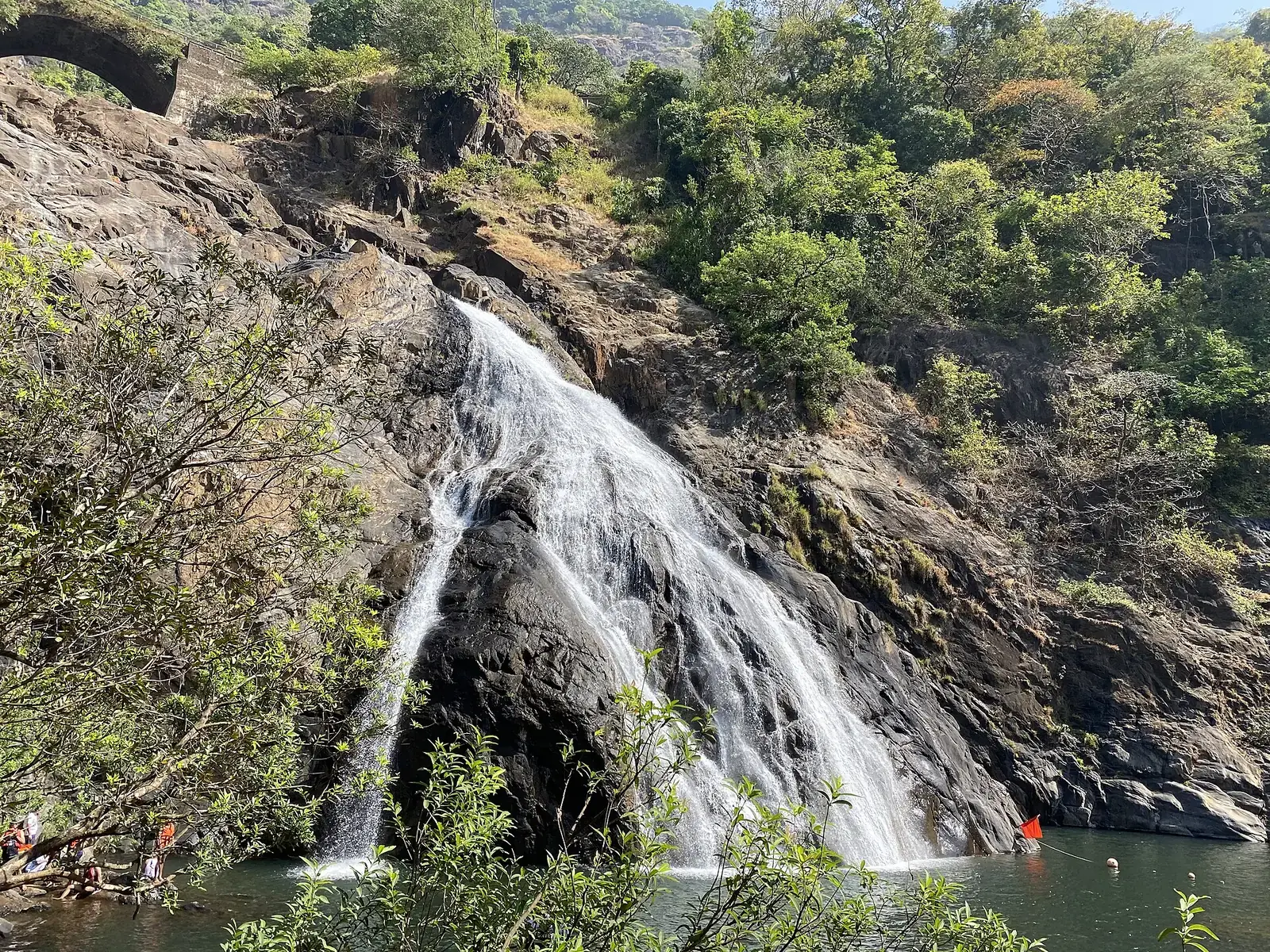
India's climate runs from Himalayan cold desert to tropical rainforest, so there is no single best time for nature travel. Winter is ideal for the plains, coasts, forests and the south. Summer opens up the high Himalaya. The monsoon, often avoided, is the best season for waterfalls and green landscapes, and autumn gives the clearest mountain views of the year.
Use this guide to match places to months. Seasons shift from year to year, so treat the dates as a guide and check weather, road and park updates before you travel.
Quick answer
October to March is the best general season for nature travel in India, covering forests, lakes, the Western Ghats, the Northeast and central India. April to June suits the Himalaya and high hill stations. July to September is best for waterfalls, the Valley of Flowers and the Western Ghats in the monsoon. October and November give the clearest Himalayan views.
Key takeaways
- October to March suits most of India, including forests, lakes, the south and the Northeast.
- April to June is the time for the Himalaya, Sikkim and high meadows.
- July to September is for waterfalls, green hills and the Valley of Flowers.
- October and November give the clearest mountain views.
- Many national parks close their core zones in the monsoon, and high passes close in winter.
Month by month
| Month | Where to go | Why |
|---|---|---|
| January | Kerala backwaters, Chilika, Rann of Kutch, central Indian forests | Cool, dry weather; migratory birds |
| February | Western Ghats, Hampi, Northeast, Kaziranga | Pleasant days, clear skies |
| March | Kumaon, Sikkim, Meghalaya, Coorg | Rhododendrons begin; spring warmth |
| April | Himachal, Uttarakhand, Sikkim, Munnar | Rhododendrons, cool hills |
| May | Spiti opening, Kashmir, Tawang, high meadows | Escape the heat |
| June | Ladakh, Spiti, Valley of Flowers opens | High roads open |
| July | Valley of Flowers, Ladakh, Western Ghats, Meghalaya | Blooms and waterfalls |
| August | Kaas (late), Sohra, Jog Falls, Athirappilly | Peak monsoon falls |
| September | Kaas plateau, Ziro, Western Ghats, Ladakh | Blooms, green hills, late monsoon |
| October | Kumaon, Sikkim, Himachal, Meghalaya | Clearest views, post-monsoon falls |
| November | Northeast, Chilika, Kerala, Kutch | Dry, cool, birds arriving |
| December | South India, backwaters, central Indian forests, Rann | Cool days, winter birds |
Winter (December to February)
Winter is the best time for the plains, coasts, deserts and the south. Kerala's backwaters, the Western Ghats, Chilika's birds, the Rann of Kutch and central India's forests are all at their best. In the Himalaya, many high roads close and some villages are cut off, though snow brings its own beauty to lower hill stations.
Spring and summer (March to June)
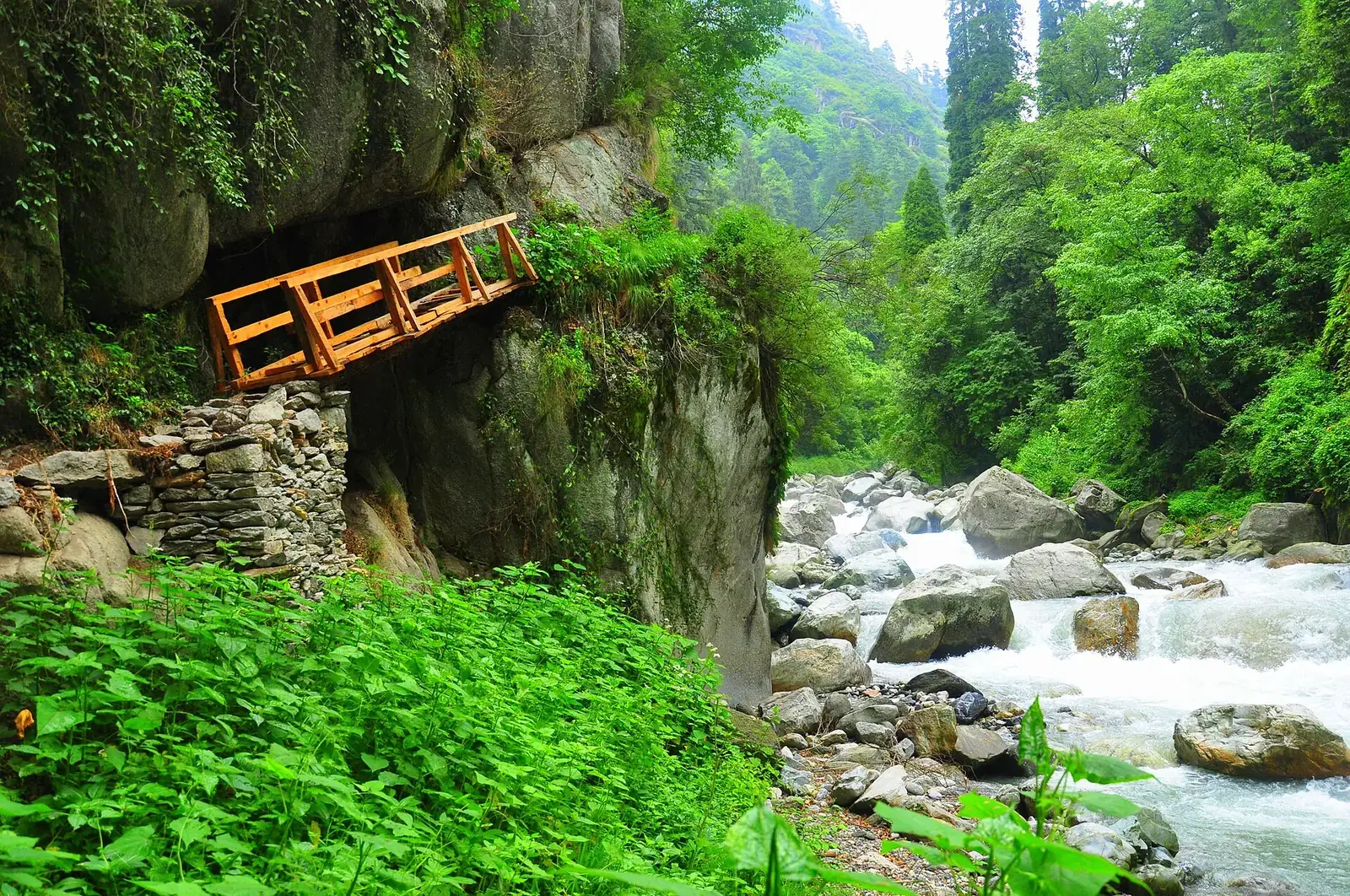
Spring brings rhododendrons to the Himalayan foothills, Sikkim and parts of the Northeast. As the plains heat up from April, the Himalaya takes over: Kumaon, Garhwal, Himachal and Sikkim in April and May, then Spiti, Lahaul and Ladakh as their passes open, usually from late May or June.
The monsoon (July to September)
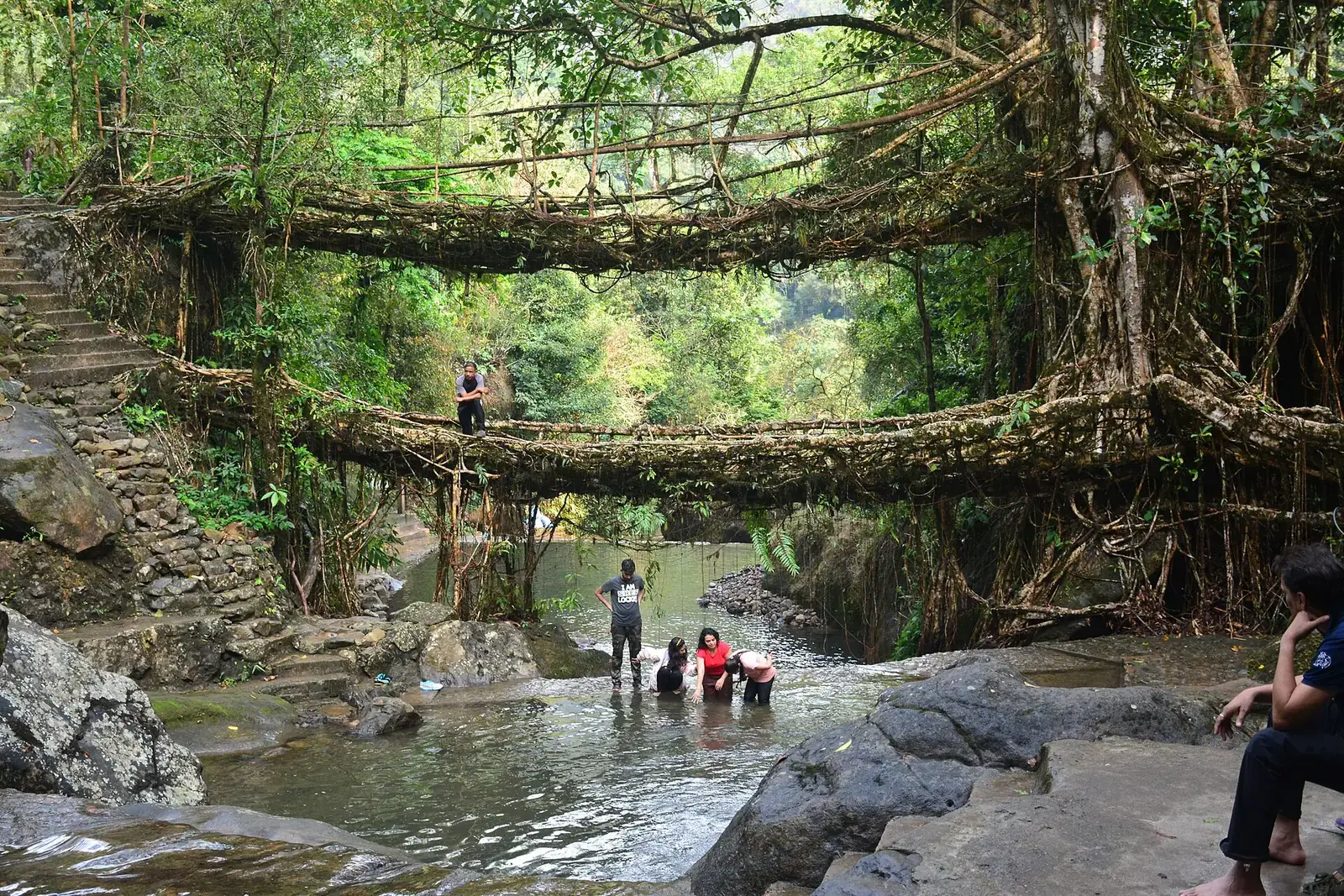
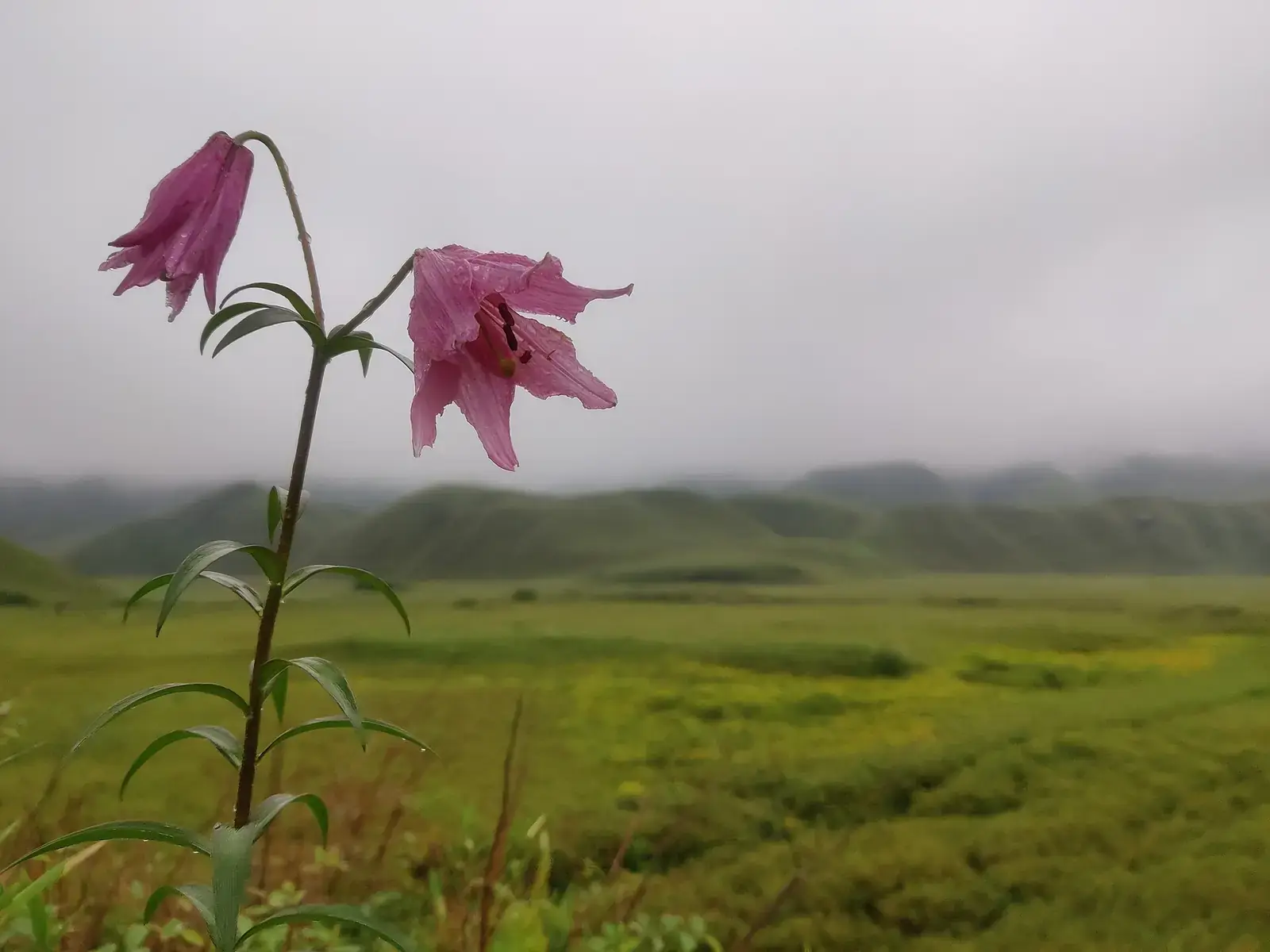
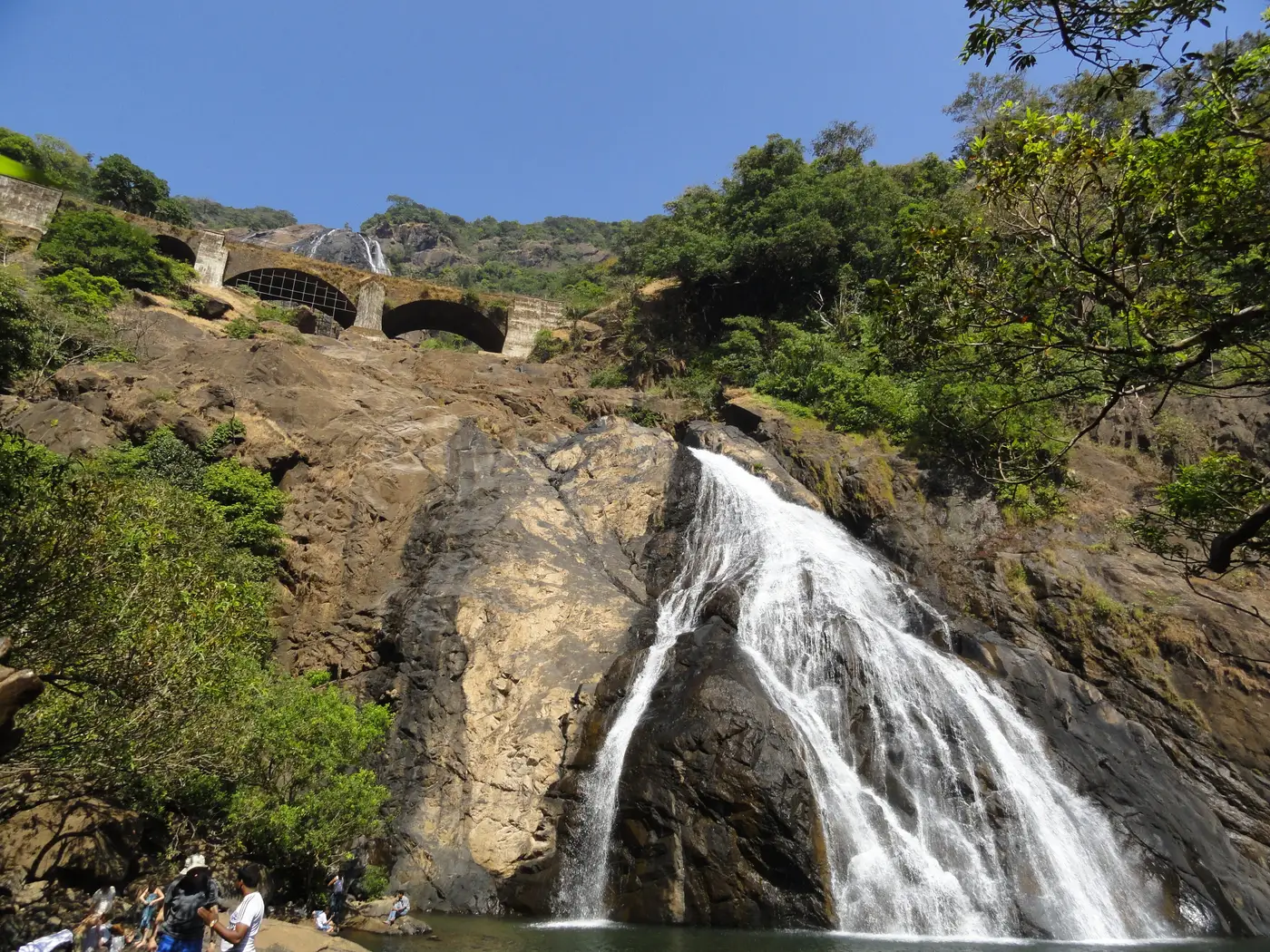
The monsoon arrives in Kerala around early June and spreads north. It is the best time for waterfalls in the Western Ghats and Meghalaya, and for the Valley of Flowers and the Kaas plateau. Ladakh and Spiti, in the rain shadow, stay mostly dry. The downsides are landslides, closed trails, leeches and the closure of many national park core zones.
Monsoon
More ideas.
Waterfalls in India · Monsoon hill stations · Flower valleys and blooms
Autumn (October and November)
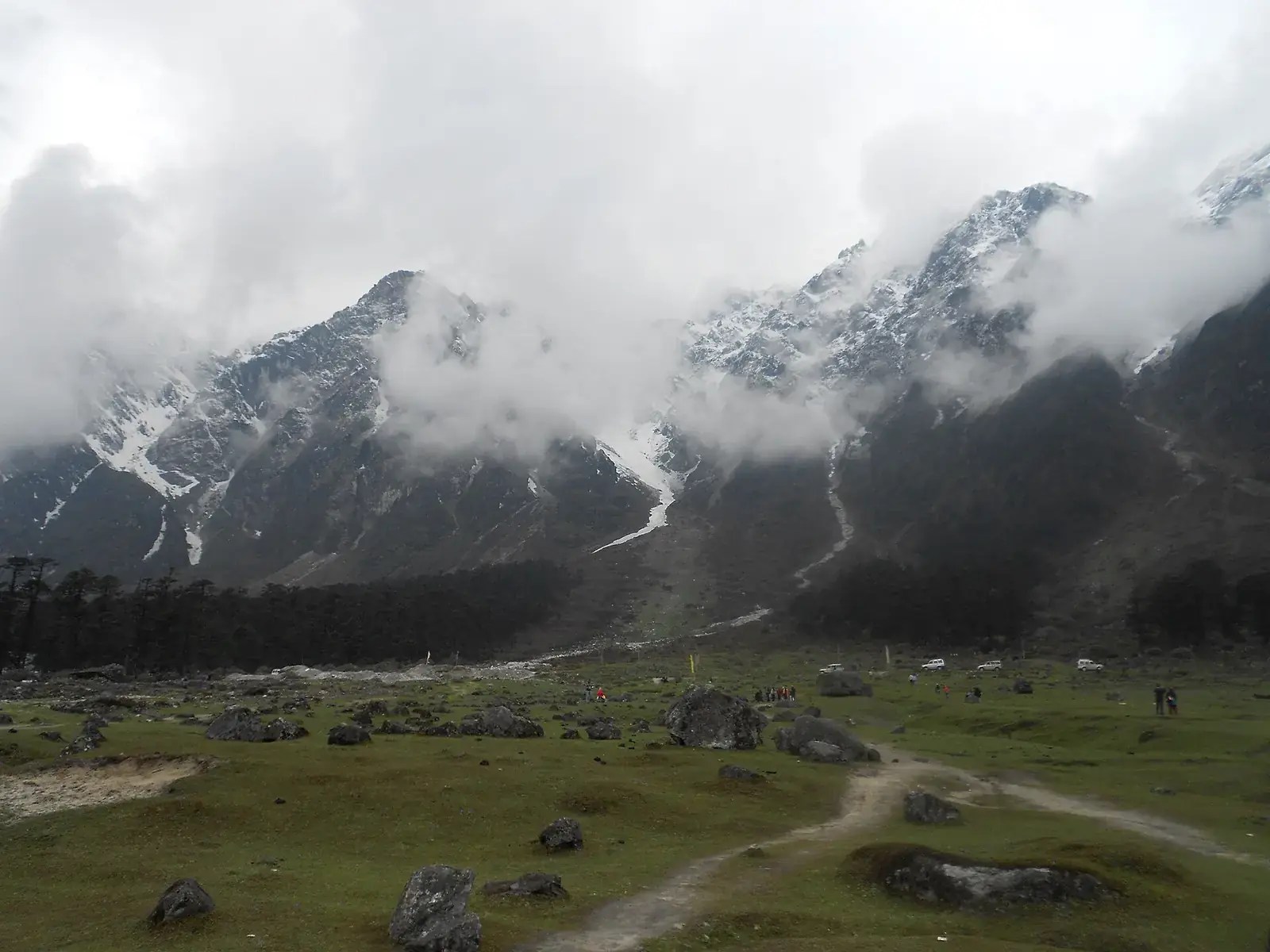
After the monsoon, the air clears and the Himalaya is often at its most visible. Waterfalls are still flowing in the Western Ghats and Meghalaya, the hills are green, and parks reopen. It is one of the best all-round seasons, though the Diwali and puja holidays fill popular places.
Seasonal closures to know
- National park core zones: many close from about July to September.
- Valley of Flowers: usually open from June to October.
- Spiti, Lahaul and Ladakh passes: usually open from about June to October.
- Eravikulam: closes for a few weeks early in the year for Nilgiri tahr calving.
- Bhitarkanika and Simlipal: seasonal closures; check dates.
Safety
- Stay on marked trails and viewpoints, and heed local closures after heavy rain.
- Permits, entry rules, seasonal closures and timings change; check official sources before you go.
- Carry your waste back, avoid loud music and never feed wildlife.
- Check weather warnings from the India Meteorological Department before monsoon travel.
What to pack
- Rain jacket in the monsoon
- Warm layers for Himalayan nights
- Sun protection in summer
- Insect repellent
Want the forests, waterfalls and viewpoints woven into one trip?
FAQs
What is the best time for nature travel in India?
October to March for most regions; April to June for the Himalaya; July to September for waterfalls and blooms.
Where should I go for nature in the monsoon?
Meghalaya, the Western Ghats, the Valley of Flowers and Kaas; Ladakh and Spiti stay mostly dry.
Where can I go in summer to escape the heat?
The Himalaya: Kumaon, Himachal, Sikkim, and from June, Spiti and Ladakh.
When is the Valley of Flowers in bloom?
Roughly mid-July to mid-August is the peak, though it varies each year.
When are Himalayan views clearest?
October and November, after the monsoon.
Are national parks open in the monsoon?
Many core zones close from about July to September; some buffer zones stay open.