Nature trips in India fail most often for simple reasons: the wrong season, too many places in too few days, or a permit that was not arranged. This guide walks through the decisions in order, from choosing a landscape to booking stays and packing.
It suits first-time and solo travellers as well as families. For specific places, see our state and regional nature guides.
Quick answer
To plan a nature trip in India, choose a landscape (mountains, forests, waterfalls, lakes or backwaters), then the season that suits it, then a region you can reach easily. Allow at least four or five days for one region, check permits and forest bookings, stay close to the landscape, keep buffer days for weather, and pack for rain, sun and cold. October to March suits most regions.
Key takeaways
- Choose the landscape first, then the season, then the region.
- Plan one region per week; long drives eat into time outdoors.
- Check permits: Inner Line Permits, Protected Area Permits and forest bookings.
- Keep a buffer day or two for landslides, fog or cancelled flights.
- Hire local guides for forest walks and treks.
Plan in six steps
| Step | Decide | Tip |
|---|---|---|
| 1. Landscape | Mountains, forest, waterfalls, lakes, backwaters, desert | Pick one or two, not all |
| 2. Season | Match it to the landscape | See the month-by-month guide |
| 3. Region | One state or region | Within a day of your home city if time is short |
| 4. Days | Four to five days minimum per region | Add a buffer day |
| 5. Bookings | Permits, forest stays, trains | Book early for holidays |
| 6. Packing | Rain, sun and cold | Pack light for walking |
Match landscape and season
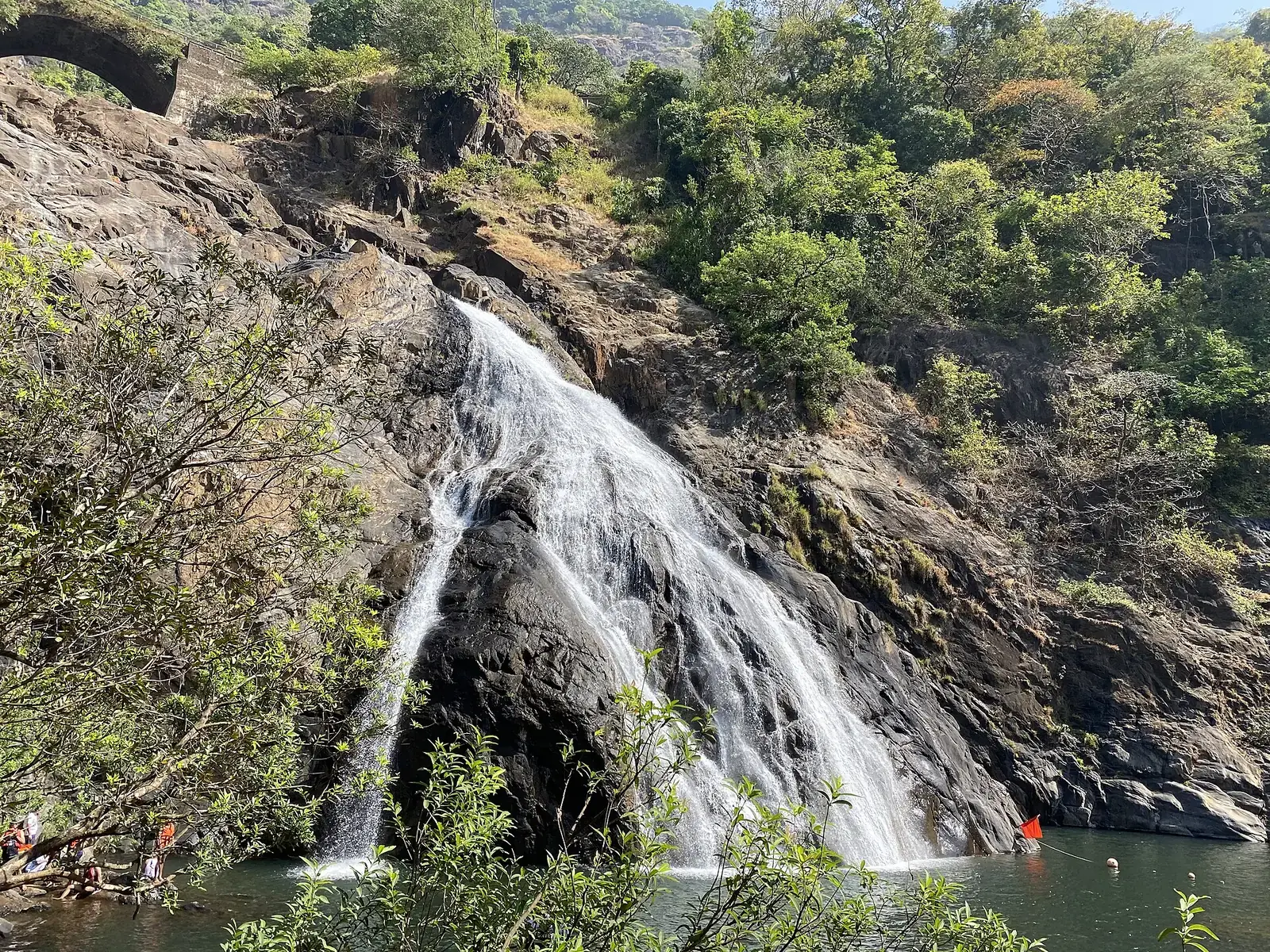
- Waterfalls: July to October.
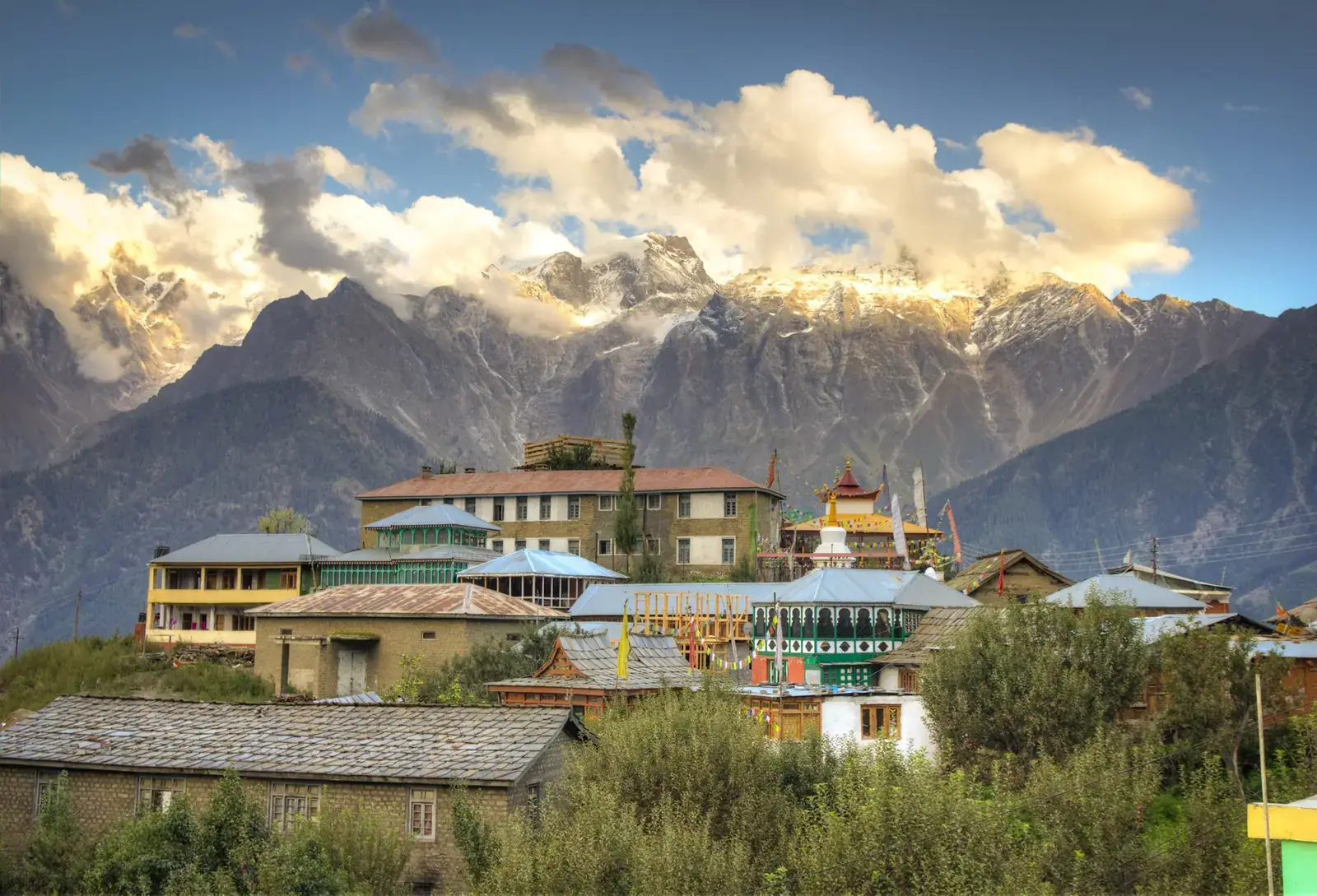
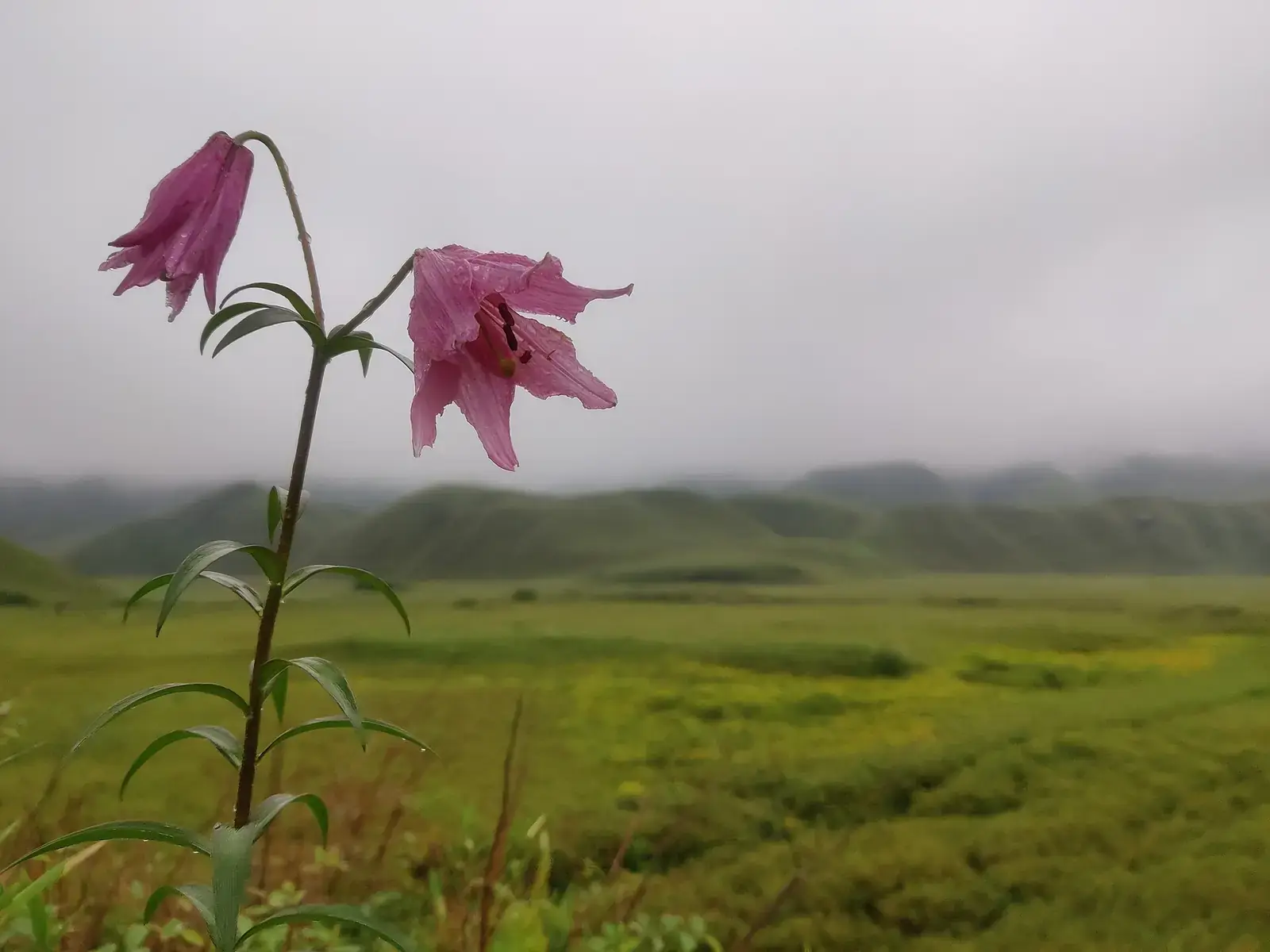
- Himalayan meadows and lakes: May to October.
- Forests and parks: October to June.
- Backwaters and lakes in the south: November to February.
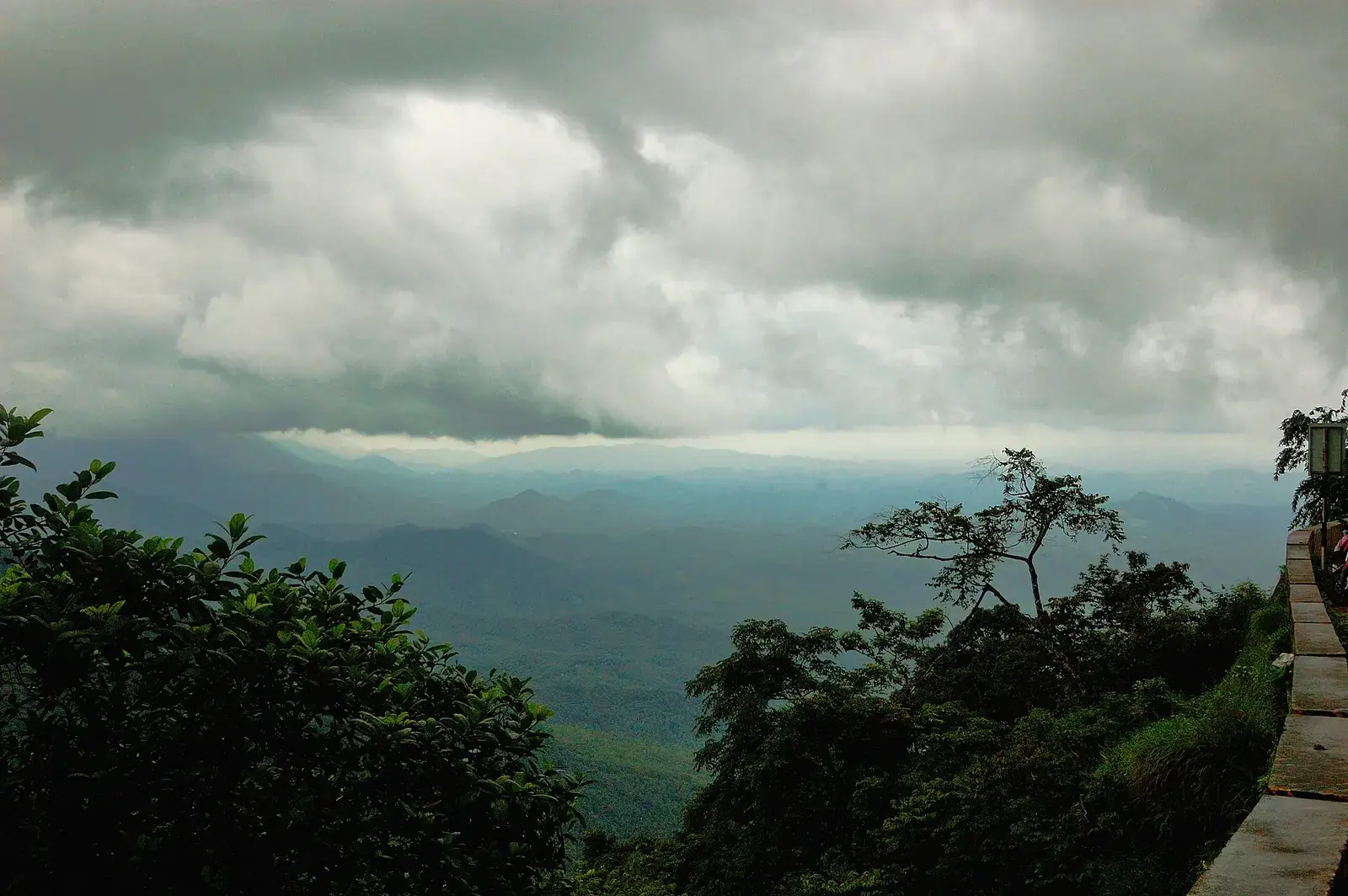
- Clear mountain views: October and November.
How many days
A long weekend suits one place close to home: Coorg from Bengaluru, Kumaon from Delhi, or the Sahyadri from Mumbai. A week covers a region such as Kerala's hills and backwaters or Meghalaya. Remote areas such as Spiti, Ladakh and Arunachal need ten days or more because of distances and acclimatisation.
Itineraries
Sample trips.
Kerala nature itinerary · Meghalaya nature itinerary · Western Ghats nature itinerary
Permits and bookings
- Inner Line Permits for Indian visitors in Arunachal Pradesh, Nagaland, Mizoram and Manipur.
- Protected Area Permits for parts of Sikkim, Ladakh and for foreign nationals in several areas.
- Forest department bookings for many treks, park entries and rest houses.
- Seasonal permits for places such as the Valley of Flowers and some Himalayan passes.
Rules change, so check official portals shortly before you travel.
Stays and costs
Stays range from forest rest houses and homestays to plantation bungalows and lodges. Costs depend mostly on the season, how far you travel, whether you hire a car, and the kind of stay. Remote places can cost more than expected because of long drives. We do not quote prices here because they change often; ask us for a current estimate.
First-timers and solo travellers
- Start with well-connected regions: Kerala, Coorg, Kumaon, Himachal's Tirthan valley or Meghalaya.
- Hire registered local guides for walks and treks.
- Share your itinerary and check in daily.
- Choose homestays with good reviews from solo travellers.
- Avoid walking alone in forests and at dusk.
Travel responsibly
- Stay on trails and do not pick plants.
- Carry your waste out.
- Keep noise down in forests.
- Support local guides, homestays and food.
Safety
- Stay on marked trails and viewpoints, and heed local closures after heavy rain.
- Permits, entry rules, seasonal closures and timings change; check official sources before you go.
- Carry your waste back, avoid loud music and never feed wildlife.
- Check weather and road updates daily in the hills and during the monsoon.
- At altitude, ascend gradually and seek medical advice if you feel unwell.
What to pack
- Rain jacket and umbrella
- Walking shoes with grip
- Warm layer
- Sun hat and sunscreen
- Basic first-aid kit
- Refillable bottle
Want the forests, waterfalls and viewpoints woven into one trip?
FAQs
How do I plan a nature trip in India?
Choose a landscape, match it to the season, pick one region, allow enough days, check permits and book stays close to nature.
How many days do I need for a nature trip?
Four or five days for one region; a week or more for remote areas.
Is a nature trip in India safe for solo travellers?
Generally yes in well-visited regions, with local guides, shared plans and sensible precautions.
Which is the best nature destination for a first trip?
Kerala, Coorg, Kumaon, Tirthan or Meghalaya, which are easy to reach and have good stays.
Do I need permits for nature trips?
For some regions and treks, yes. Check official portals before you go.
How much does a nature trip in India cost?
It depends on season, distance, transport and stays. Ask us for a current estimate.