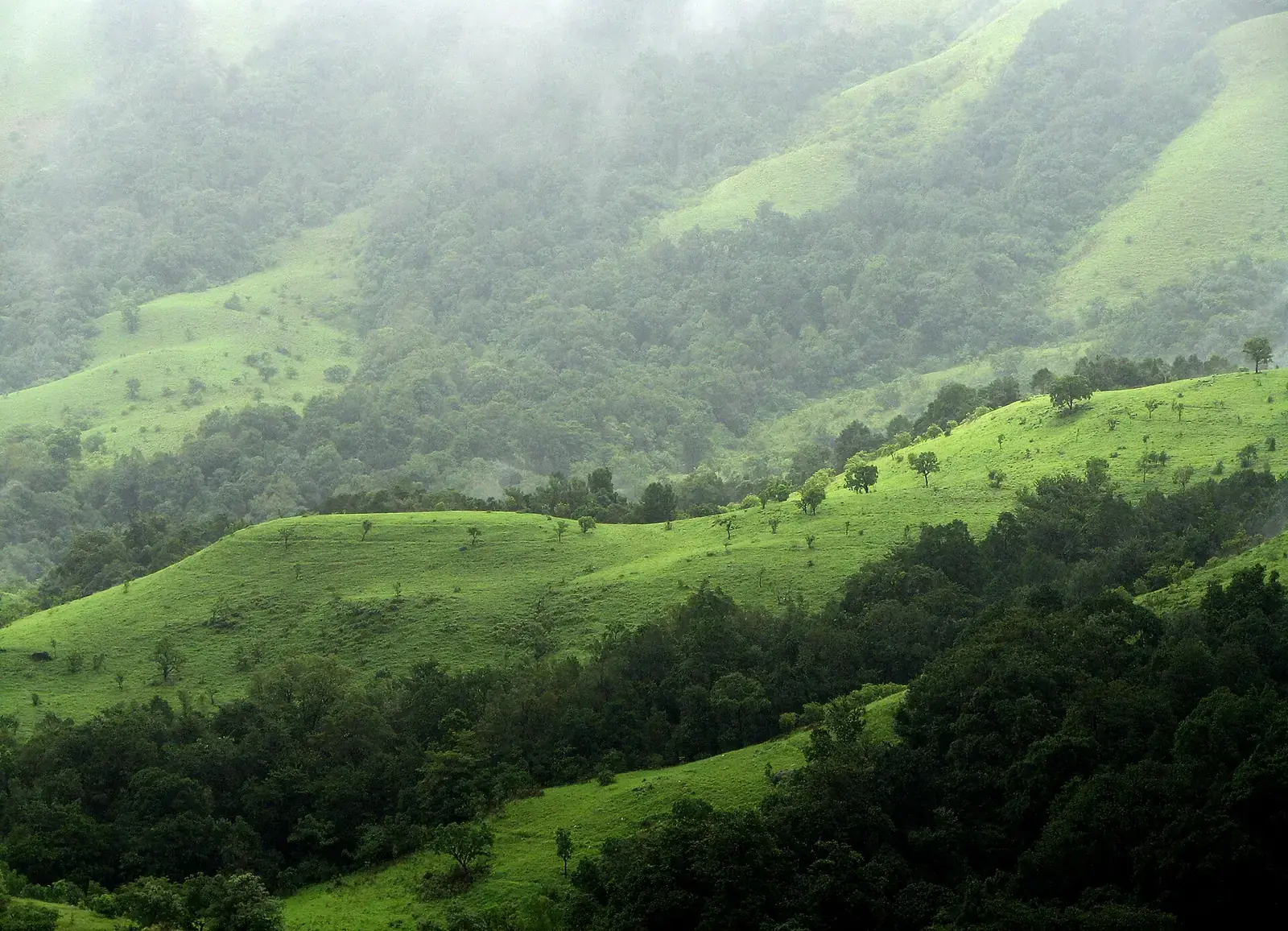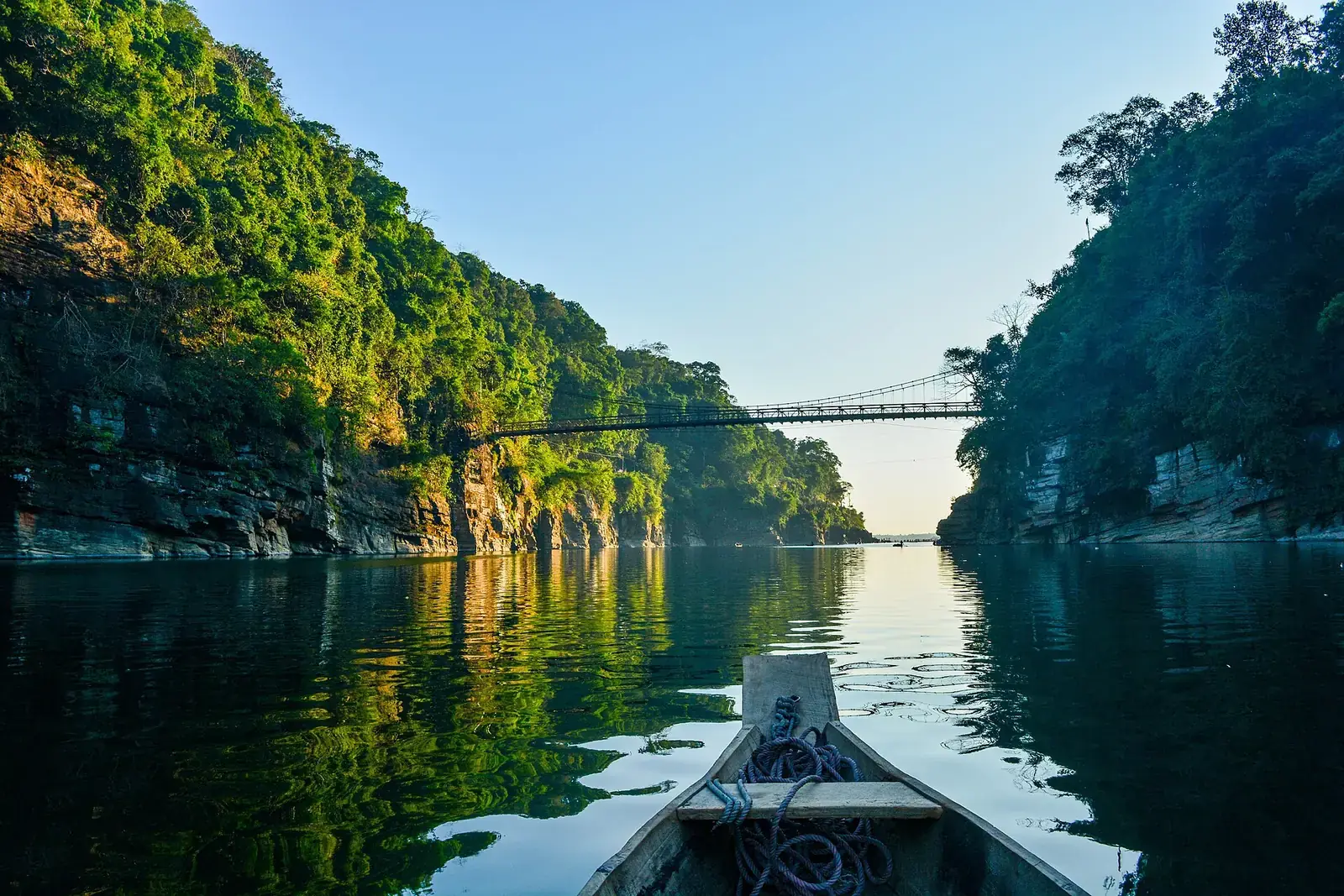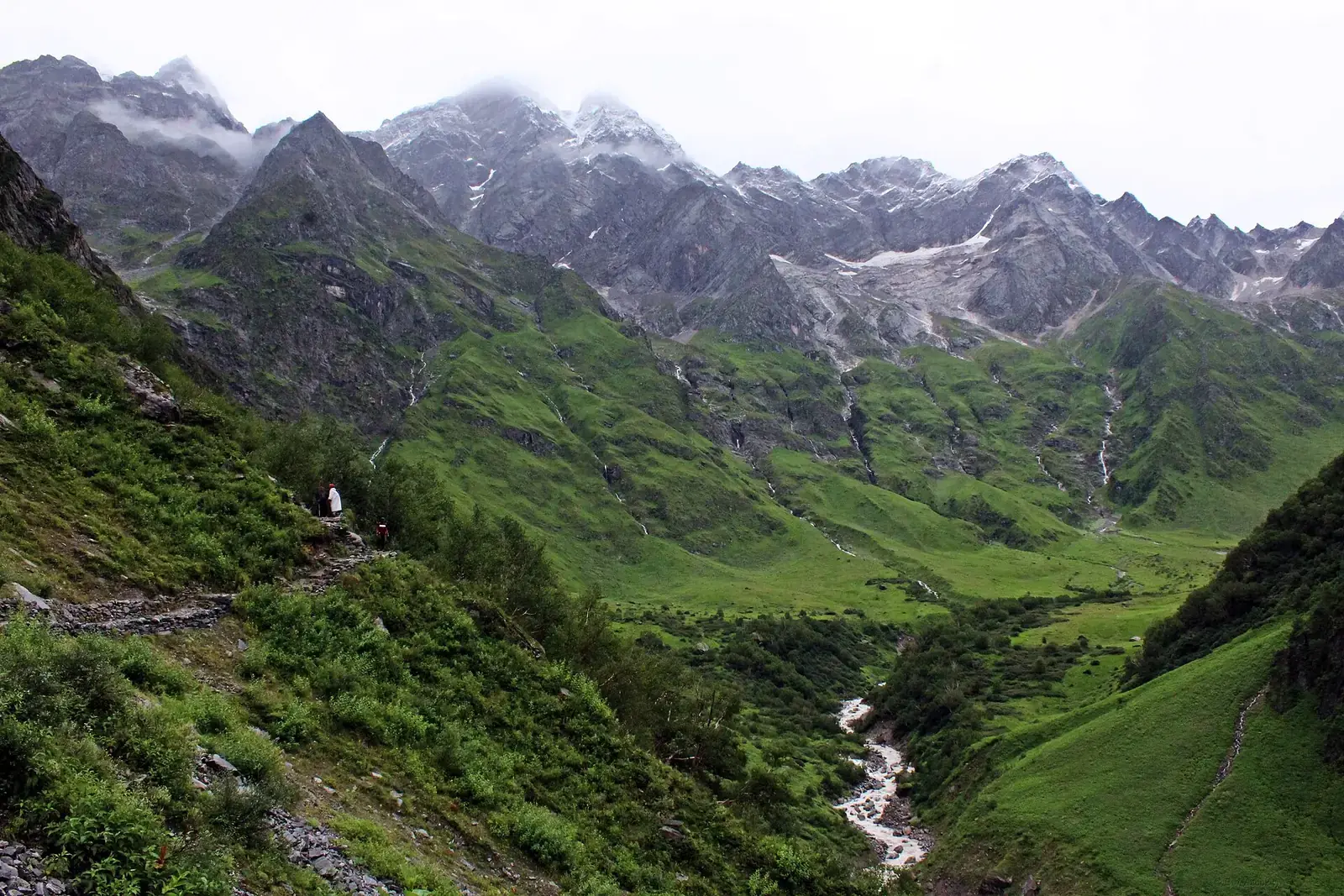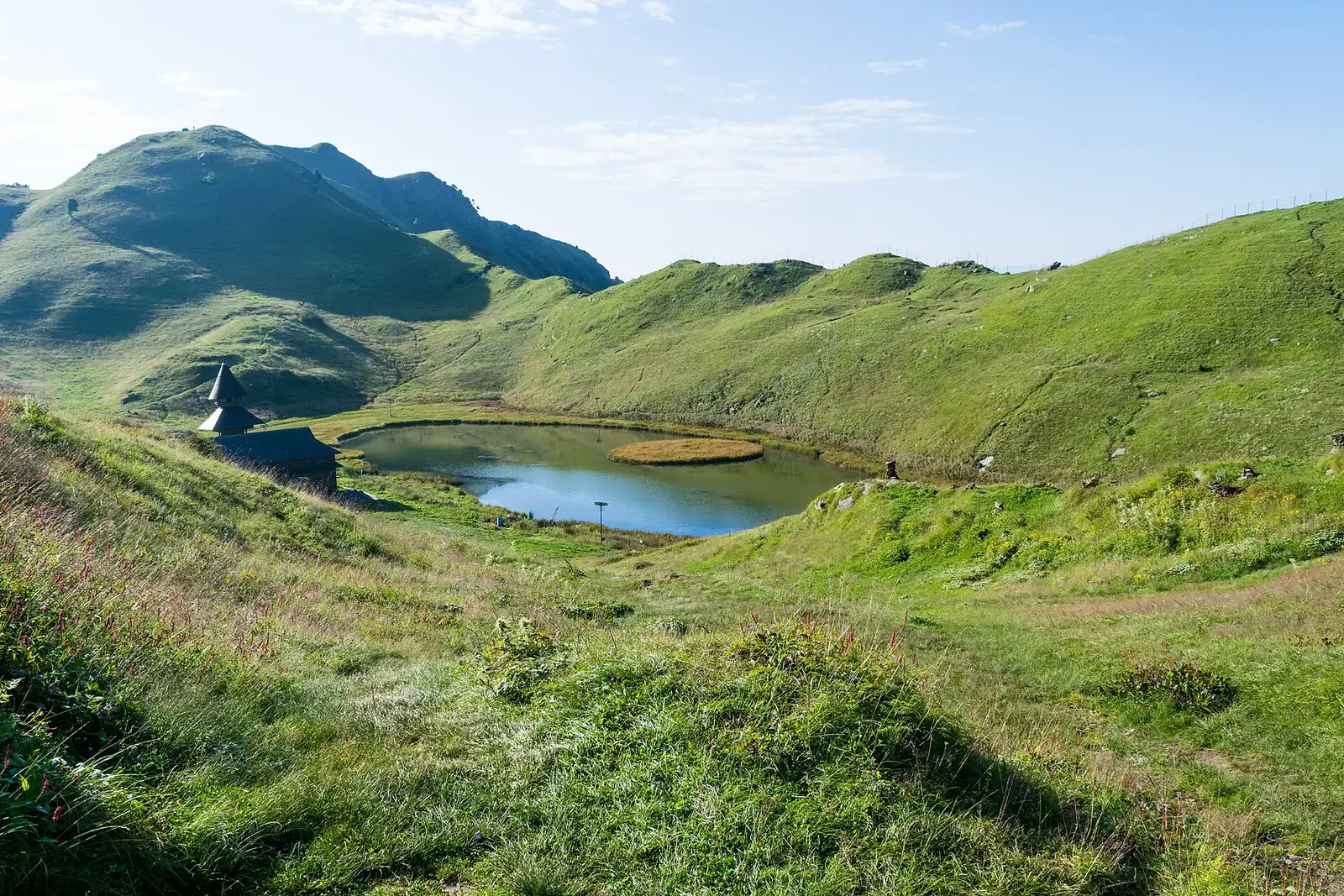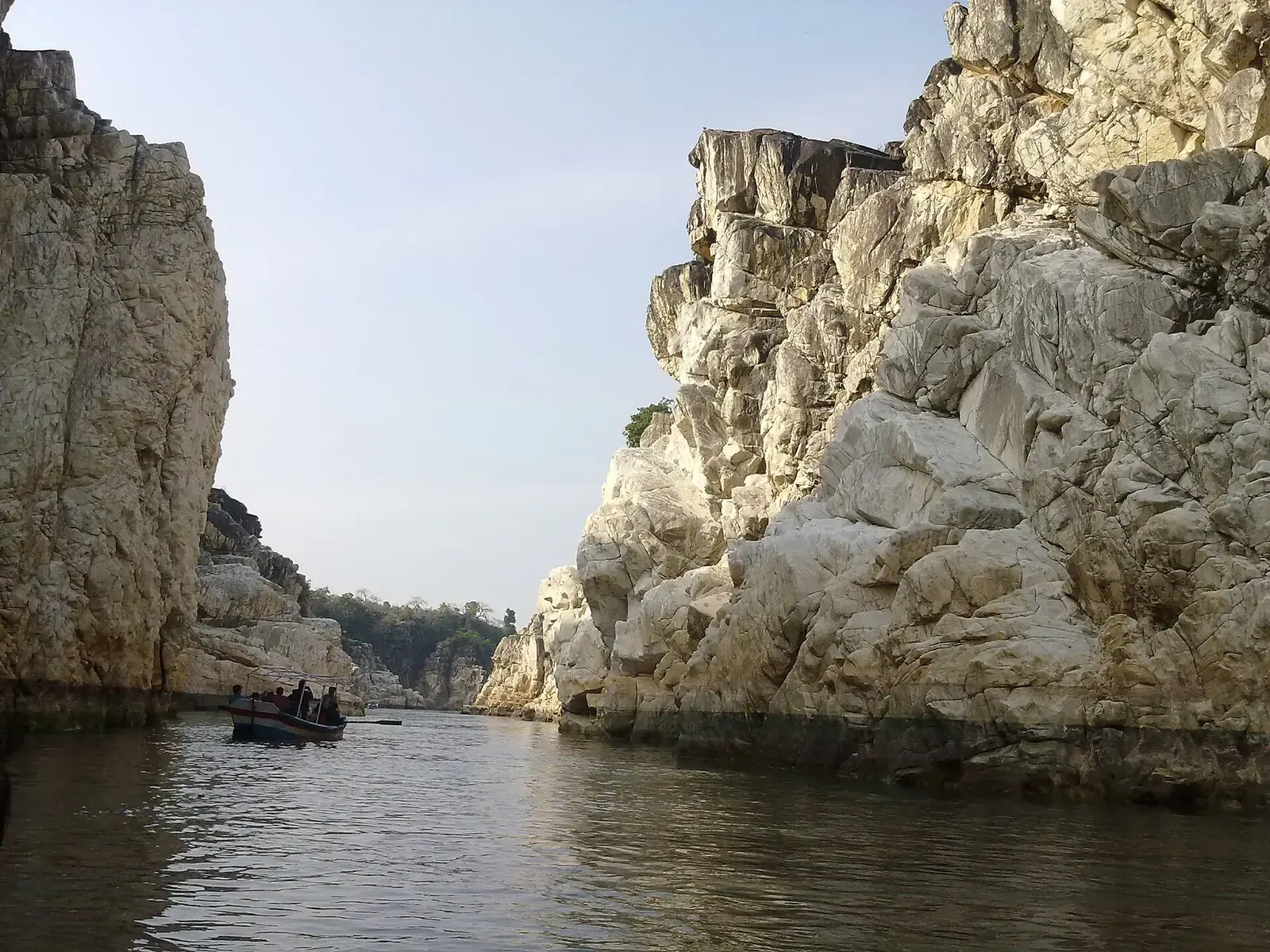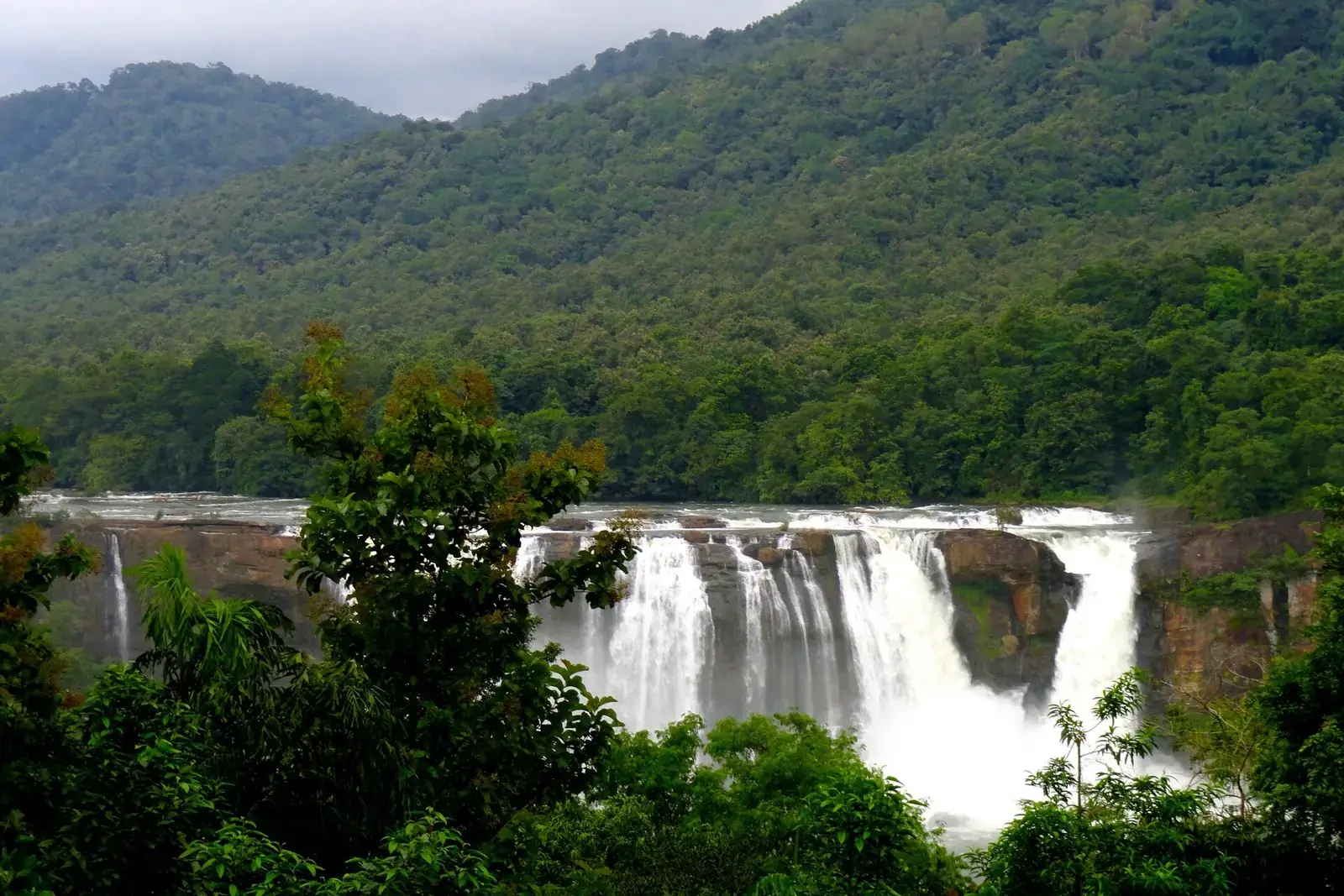
Kerala is a thin state squeezed between the crest of the Western Ghats and the sea, so its landscapes change quickly. In a single day you can move from the shola grasslands above Munnar to the lagoons and canals of the coast. Forty-odd rivers run west off the hills, feeding waterfalls in the monsoon and the backwaters where they meet the sea.
Much of the forested high ground is protected, and several of Kerala's parks are part of the Western Ghats UNESCO World Heritage Site. That means guided walks, fixed timings and permits are the norm, which is part of why these places stay green.
Quick answer
The best places for nature travel in Kerala are Silent Valley National Park for rainforest, Eravikulam near Munnar for shola grasslands and the Nilgiri tahr, Athirappilly for waterfalls, Periyar lake at Thekkady, Wayanad for forests and peaks, Vagamon for meadows, and the Vembanad backwaters around Kumarakom. October to March is best for walks; the monsoon (June to September) fills the waterfalls.
Key takeaways
- Kerala's hills and parks form part of the Western Ghats UNESCO World Heritage Site.
- October to March suits walks and treks; June to September is for waterfalls and green hills.
- Eravikulam closes for a few weeks each year during the Nilgiri tahr calving season, usually early in the year.
- Most forest walks are guided and booked through the forest department's eco-tourism counters.
- Backwater trips work all year but are most comfortable from November to February.
Kerala's nature highlights at a glance
| Place | Landscape | Best time |
|---|---|---|
| Silent Valley | Tropical evergreen rainforest | December to April |
| Eravikulam, Munnar | Shola grassland, Anamudi | September to January (check calving closure) |
| Athirappilly and Vazhachal | Waterfalls on the Chalakudy river | June to December |
| Thekkady | Periyar lake, forest walks | October to March |
| Wayanad | Forests, Chembra peak, Edakkal | October to May |
| Vagamon | Meadows, pine plantation, rock outcrops | September to March |
| Kumarakom and Munroe Island | Backwaters and canals | November to February |
Rainforests and shola grasslands
Silent Valley National Park
One of the last large tracts of undisturbed tropical evergreen forest in the Western Ghats, in Palakkad district. A campaign in the 1970s and 1980s stopped a hydroelectric dam here. Visits are by forest department jeep from Mukkali, with a watchtower and a walk to the Kunthi river; numbers are limited.
Eravikulam National Park
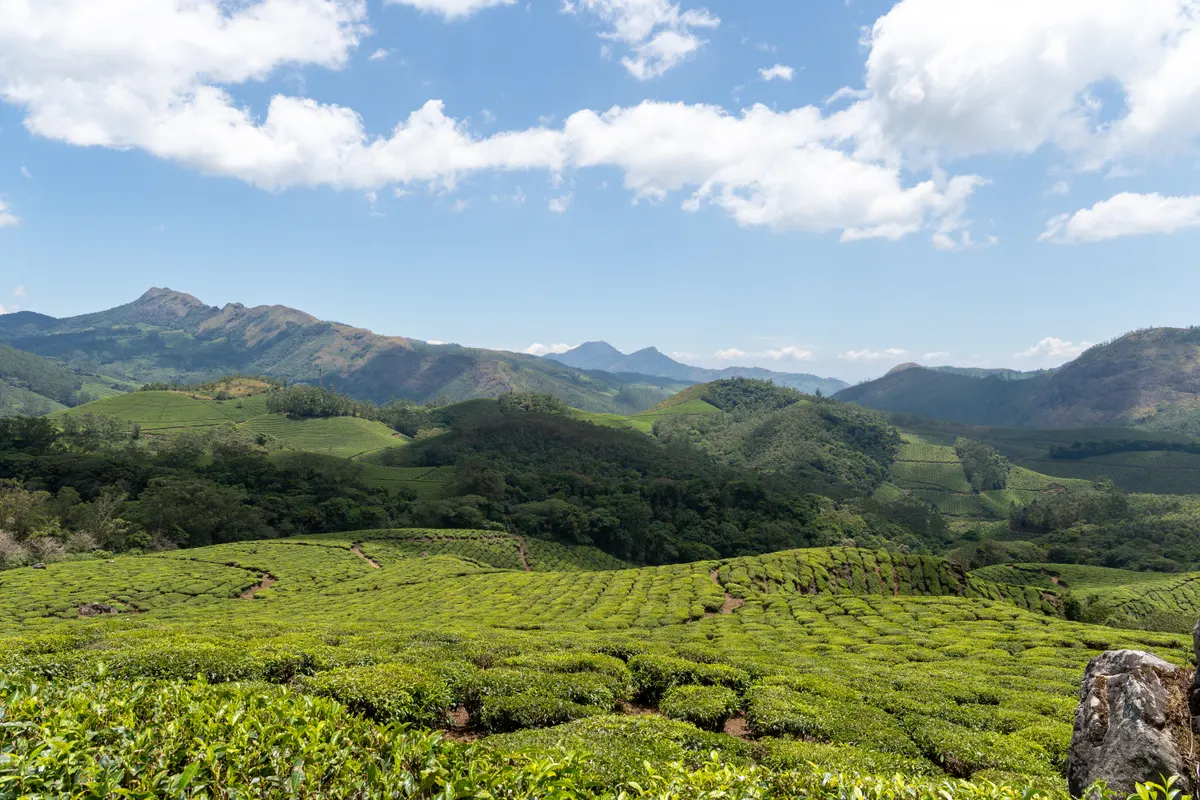
Rolling grassland and shola forest above Munnar, home to the Nilgiri tahr. Anamudi, the highest peak in South India, rises inside the park. Visitors ride a park bus to the Rajamala tourism zone; the rest of the park is closed to tourists.
Wayanad
Forested plateau on the Karnataka border, with Chembra peak and its heart-shaped lake, the Edakkal rock shelters, and the Kuruva river islands. The Wayanad Wildlife Sanctuary adjoins Bandipur and Nagarhole.
Waterfalls
Kerala's waterfalls depend on the monsoon. Athirappilly on the Chalakudy river is the best known and is easy to reach from Kochi or Thrissur; Vazhachal is a few kilometres upstream. In the hills, smaller falls line the roads around Munnar, Vagamon and Wayanad from June to October. Many viewpoints close during very heavy rain.
Athirappilly
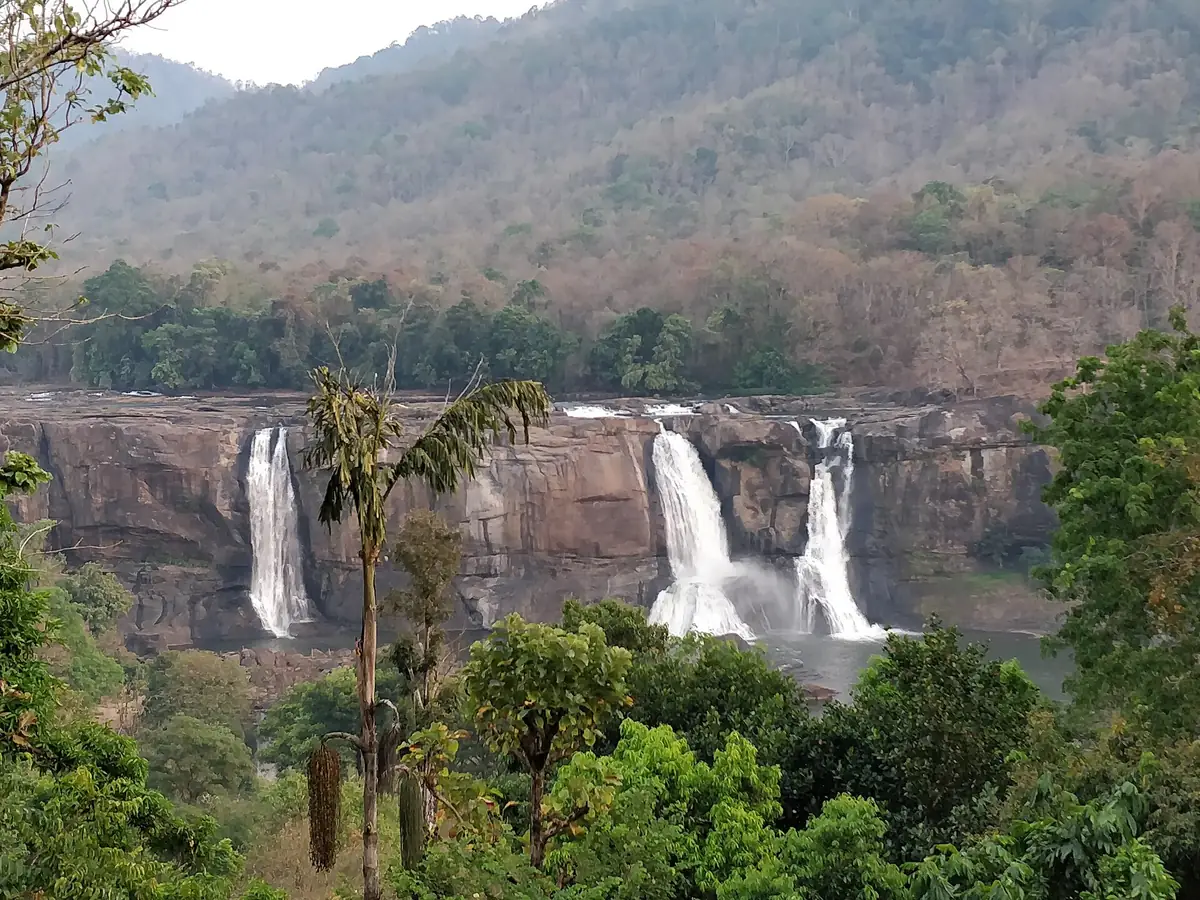
A broad, three-streamed waterfall with a path to its base.
Lakes and backwaters
Periyar lake, Thekkady
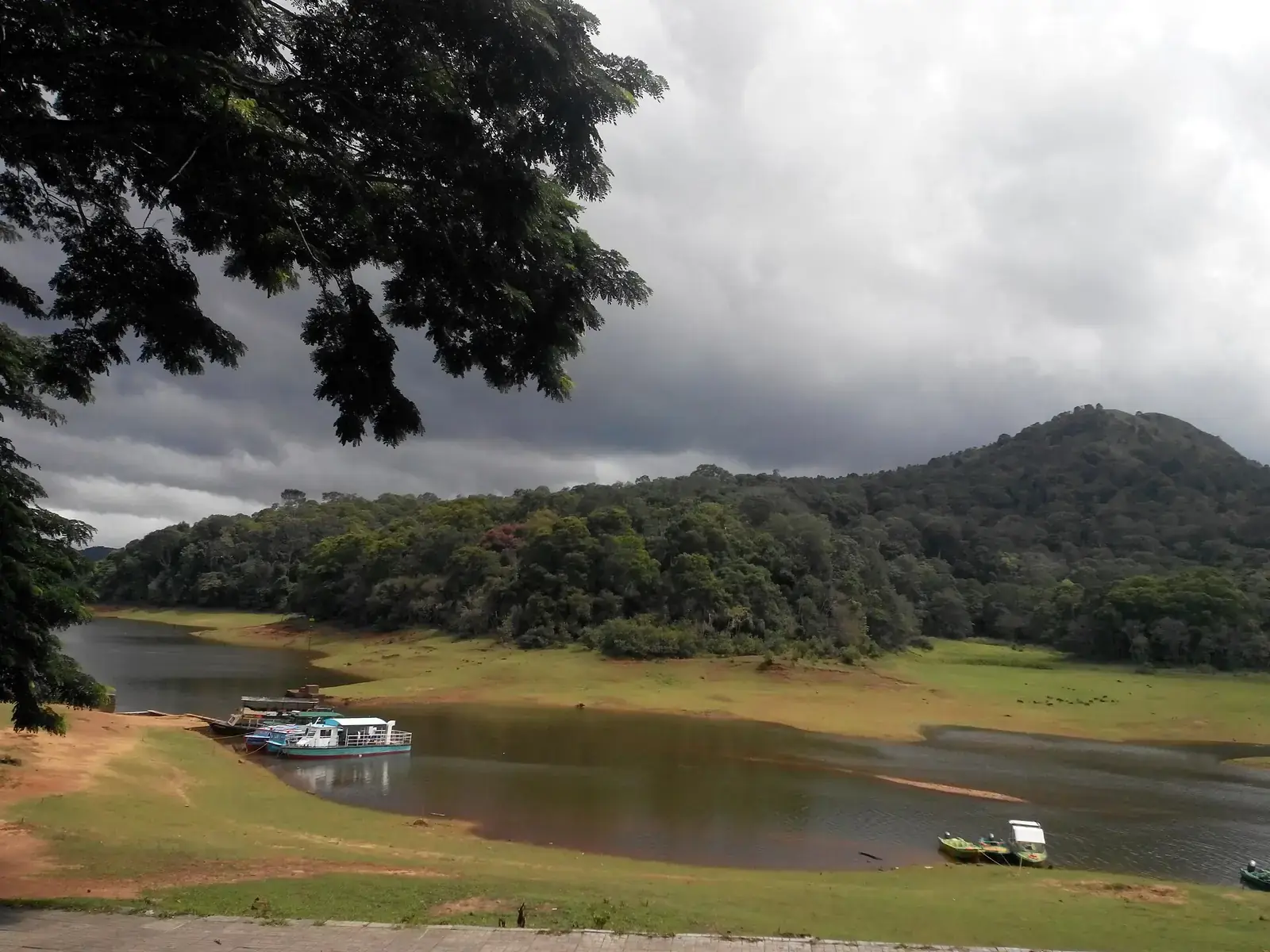
A reservoir inside Periyar Tiger Reserve, explored by forest department boat or on guided nature walks, bamboo rafting and border hikes.
Vembanad and Kumarakom
Kerala's largest lake, a Ramsar wetland, fringed by paddy fields and canals. Kumarakom's bird sanctuary lies on its eastern shore.
Munroe Island
A cluster of islets where the Kallada river meets Ashtamudi lake, best seen by country boat along narrow canals.
Meadows and viewpoints
Vagamon's grassy hills, pine plantation and rock outcrops make easy walking country, and Ponmudi and Nelliyampathy offer similar views further south and north. These are good places for families who want open space without a trek.
Birds and wildlife
Thattekad, Kumarakom and the Periyar and Wayanad forests are among Kerala's best birding areas. Our wildlife guides cover parks, safaris and birding in detail; sightings are never guaranteed.
When to go
From October to March the air is clearer and trails are open. The south-west monsoon arrives around June and the north-east monsoon brings more rain in October and November. The monsoon is the time for waterfalls and green hills, but landslides and road closures are common in the high ranges; Wayanad suffered deadly landslides in July 2024. April and May are hot on the coast but pleasant in Munnar and Wayanad.
Safety
- In the monsoon, follow district advisories on landslides and avoid hill roads during red alerts.
- Leeches are common in wet forests; wear leech socks.
- Stay on marked trails and viewpoints, and heed local closures after heavy rain.
- Permits, entry rules, seasonal closures and timings change; check official sources before you go.
- Carry your waste back, avoid loud music and never feed wildlife.
What to pack
- Rain jacket or umbrella
- Walking shoes with grip
- Binoculars
- Refillable water bottle
Want the forests, waterfalls and viewpoints woven into one trip?
FAQs
Which is the best place in Kerala for nature lovers?
Munnar and Eravikulam for grasslands, Thekkady for forest and lake, Wayanad for forests and peaks, and Silent Valley for untouched rainforest.
When is the best time for nature travel in Kerala?
October to March for walks and views; June to September for waterfalls and monsoon greenery.
Can I visit Silent Valley National Park?
Yes, by forest department vehicle from Mukkali, with limited daily numbers. Check timings and booking before you go.
Is Eravikulam National Park open all year?
No. It usually closes for a few weeks early in the year for the Nilgiri tahr calving season.
Are Kerala's waterfalls safe to swim in?
Most are not. Currents and slippery rocks are dangerous, and swimming is usually banned near the main falls.
How many days do I need for a Kerala nature trip?
Six to eight days covers Munnar, Thekkady and the backwaters; add Wayanad for a longer trip.