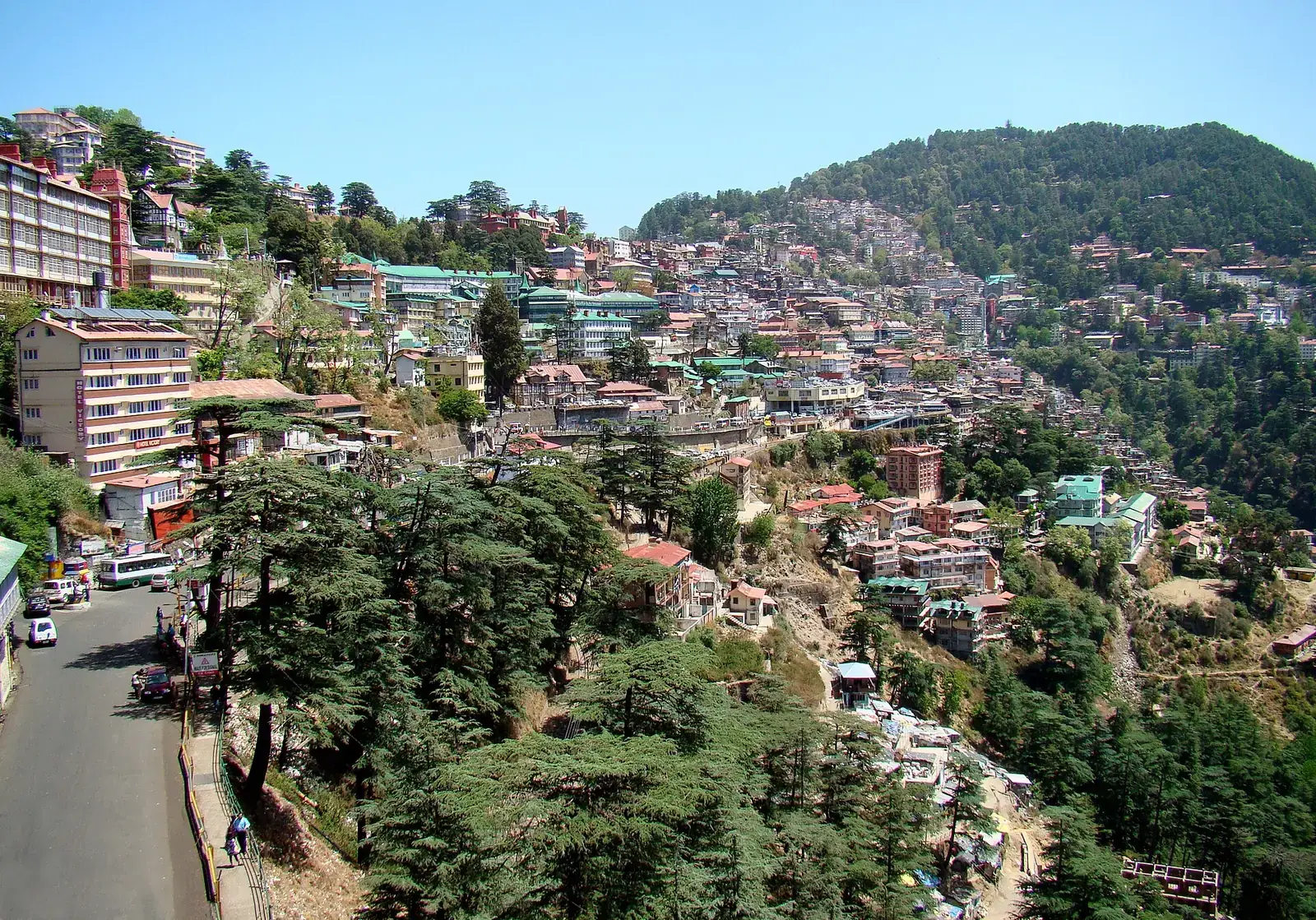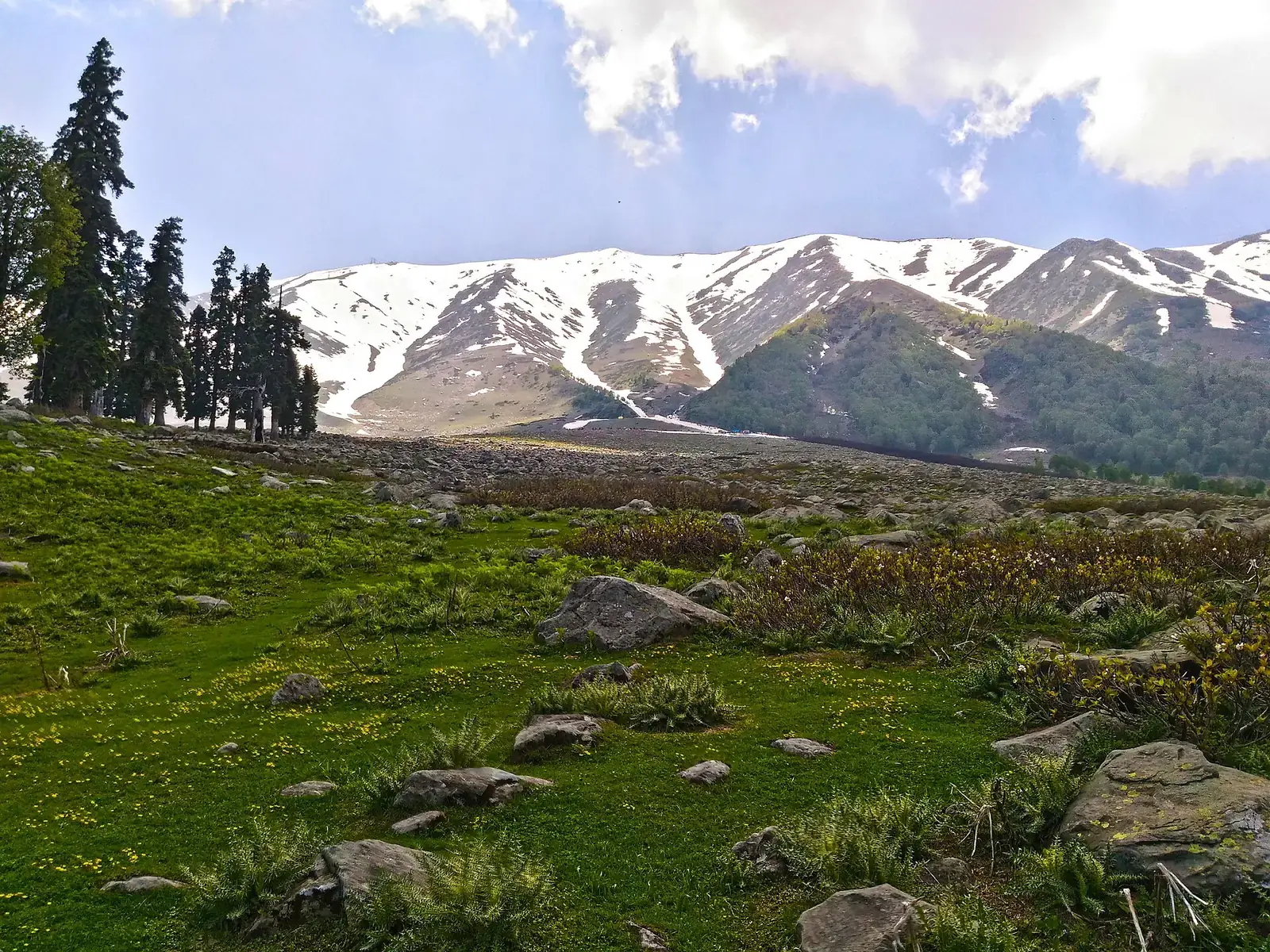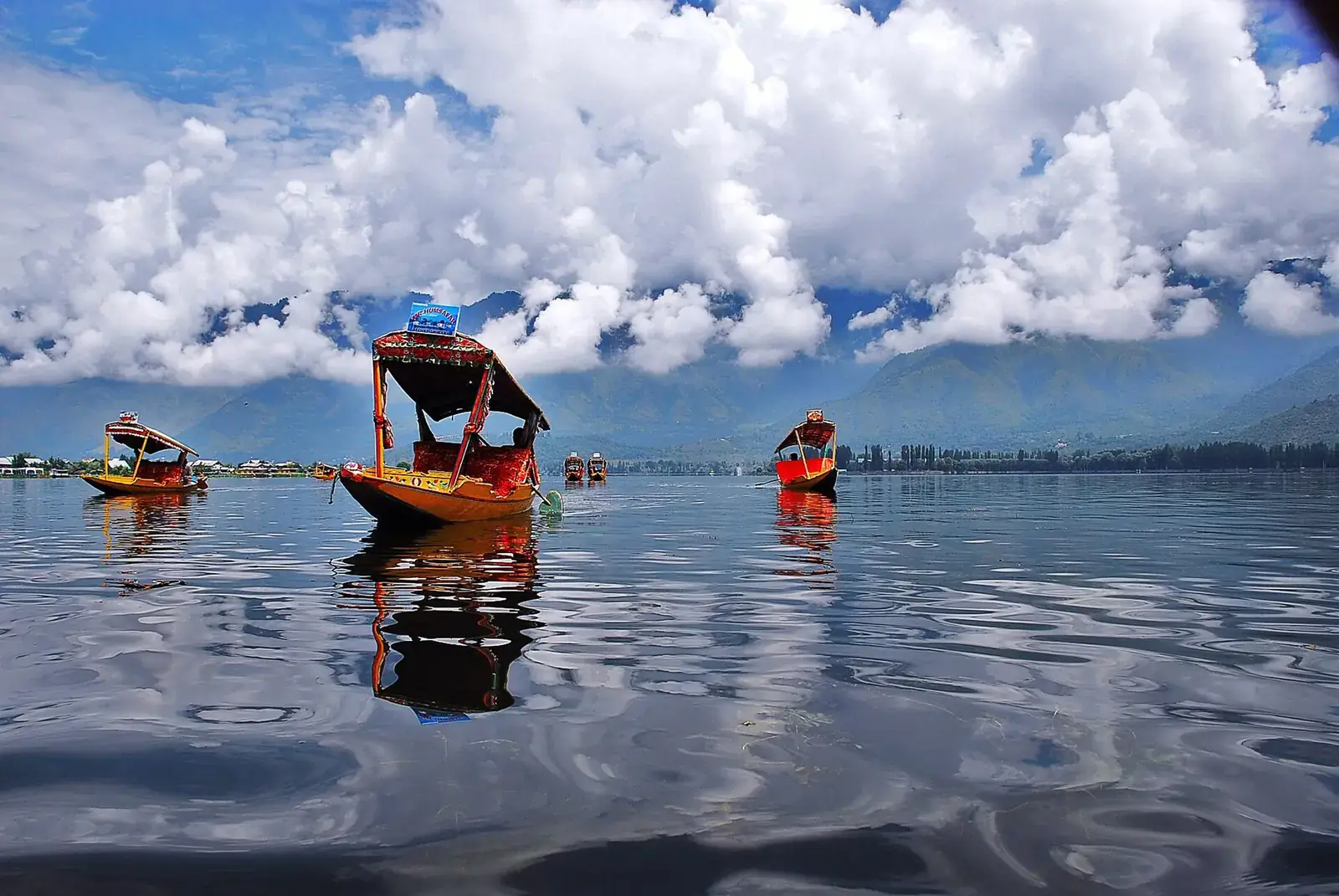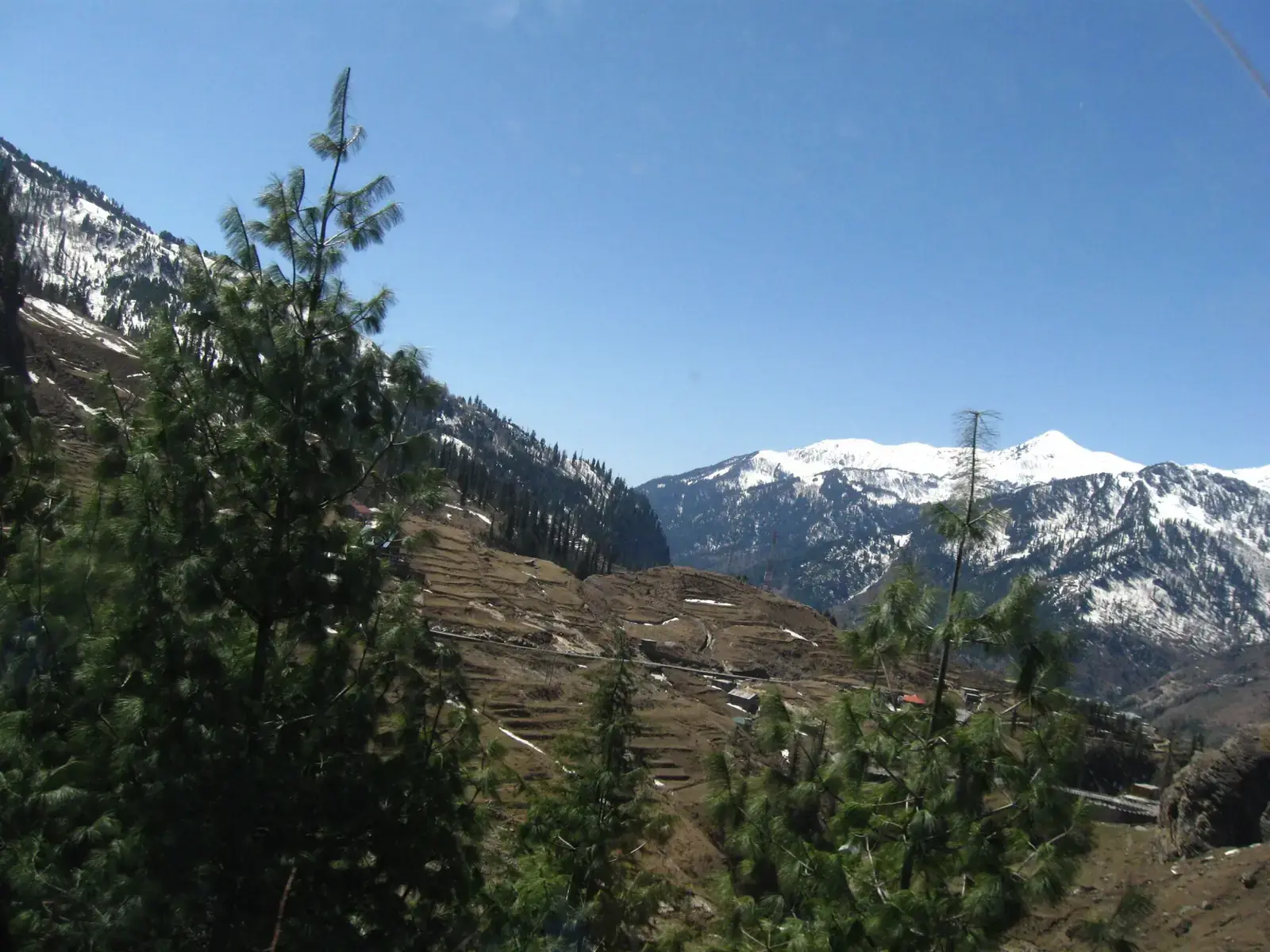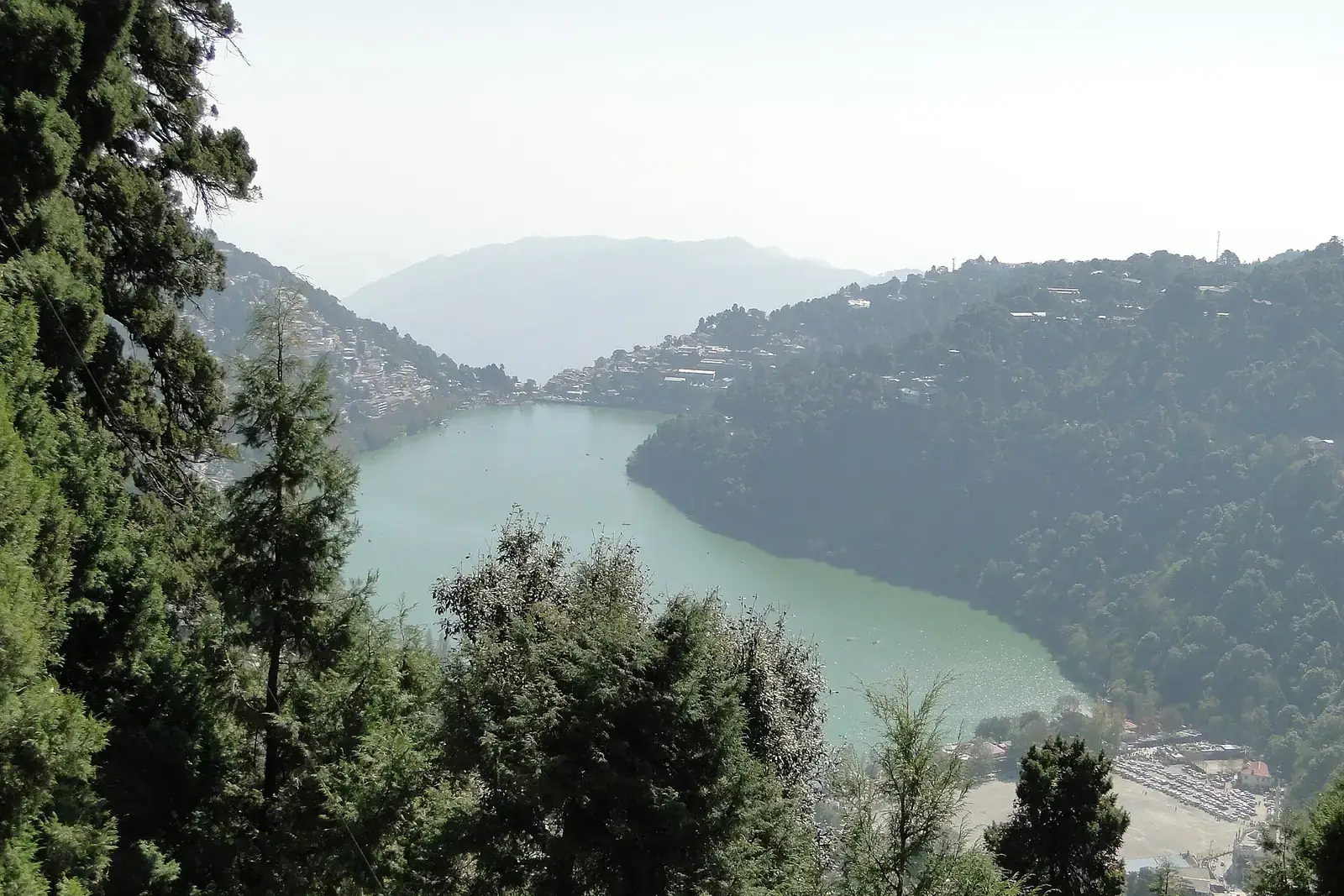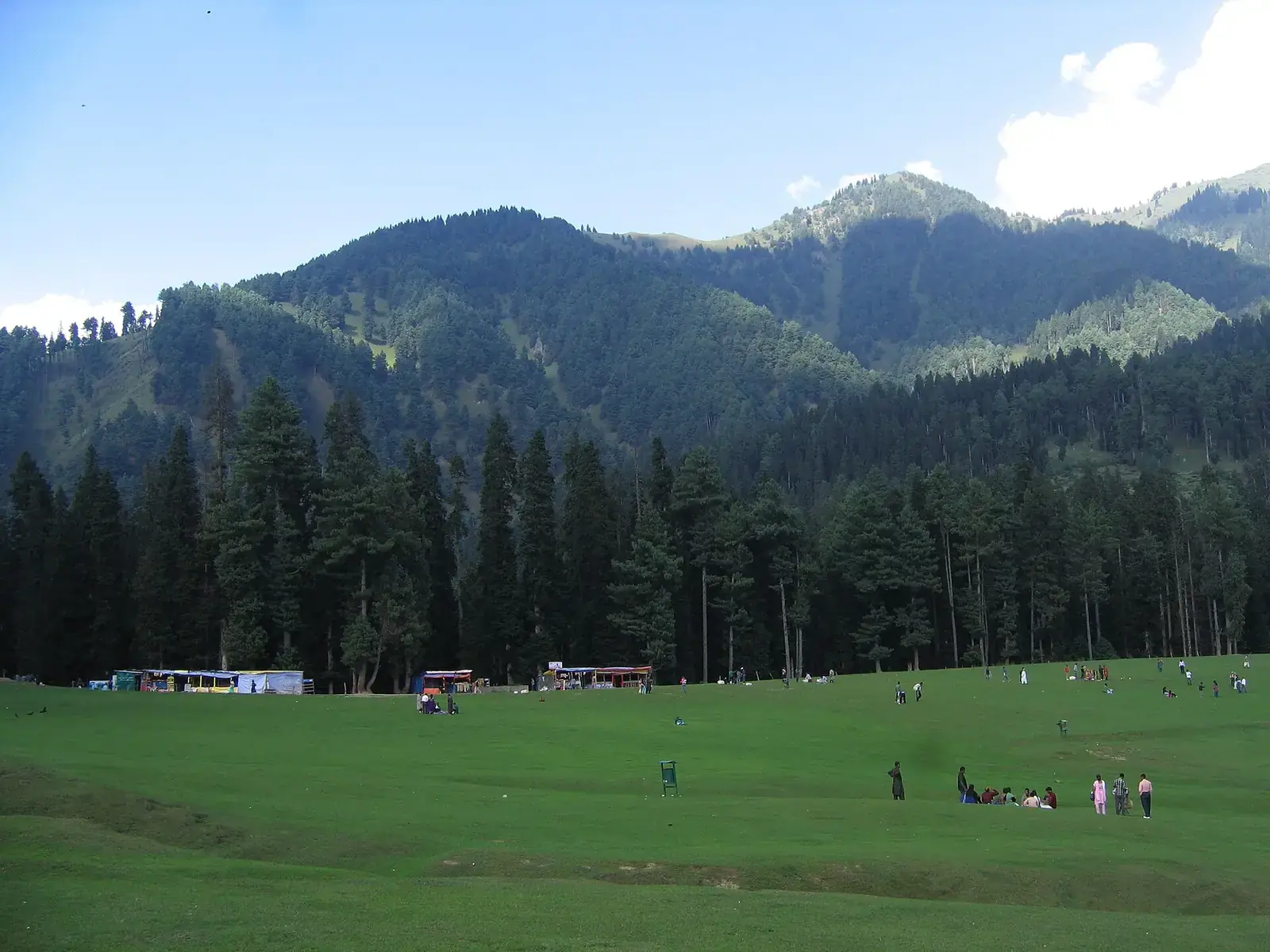
Kerala's hill stations sit in the Western Ghats along the state's eastern edge. Munnar is the best known, surrounded by tea estates and the grasslands of Eravikulam National Park. Wayanad in the north is forest and plantation country, Vagamon in Idukki has meadows and pine forest, and Thekkady borders the Periyar Tiger Reserve.
Most trips combine a hill station with the backwaters or a beach, which is easy because distances in Kerala are short even if roads are slow.
Quick answer
The main hill stations in Kerala are Munnar, Wayanad, Vagamon and Thekkady, with Ponmudi near Thiruvananthapuram and Nelliyampathy near Palakkad. September to May is the best period; the monsoon (June to August) is very wet but green. Munnar is about four hours from Kochi, and the famous Neelakurinji bloom in Eravikulam is next expected around 2030.
Key takeaways
- Munnar is the most popular, about four hours from Kochi.
- Eravikulam National Park near Munnar is home to the Nilgiri tahr; it closes for a period during the calving season.
- Wayanad is best for forests, caves and treks such as Chembra.
- The Eravikulam Neelakurinji last bloomed in 2018; the next bloom is expected around 2030.
- The monsoon is heavy; check for landslide advisories, especially in Idukki and Wayanad.
At a glance
| Hill station | District | Known for | Gateway |
|---|---|---|---|
| Munnar | Idukki | Tea estates, Eravikulam, viewpoints | Kochi |
| Vagamon | Idukki and Kottayam | Meadows, pine forest, paragliding | Kochi or Kottayam |
| Thekkady | Idukki | Periyar Tiger Reserve, spice gardens | Madurai or Kochi |
| Wayanad | Wayanad | Forests, Edakkal caves, Chembra | Kozhikode |
| Ponmudi | Thiruvananthapuram | Hairpin road, cool air | Thiruvananthapuram |
| Nelliyampathy | Palakkad | Tea and orange estates | Palakkad |
Munnar
Munnar
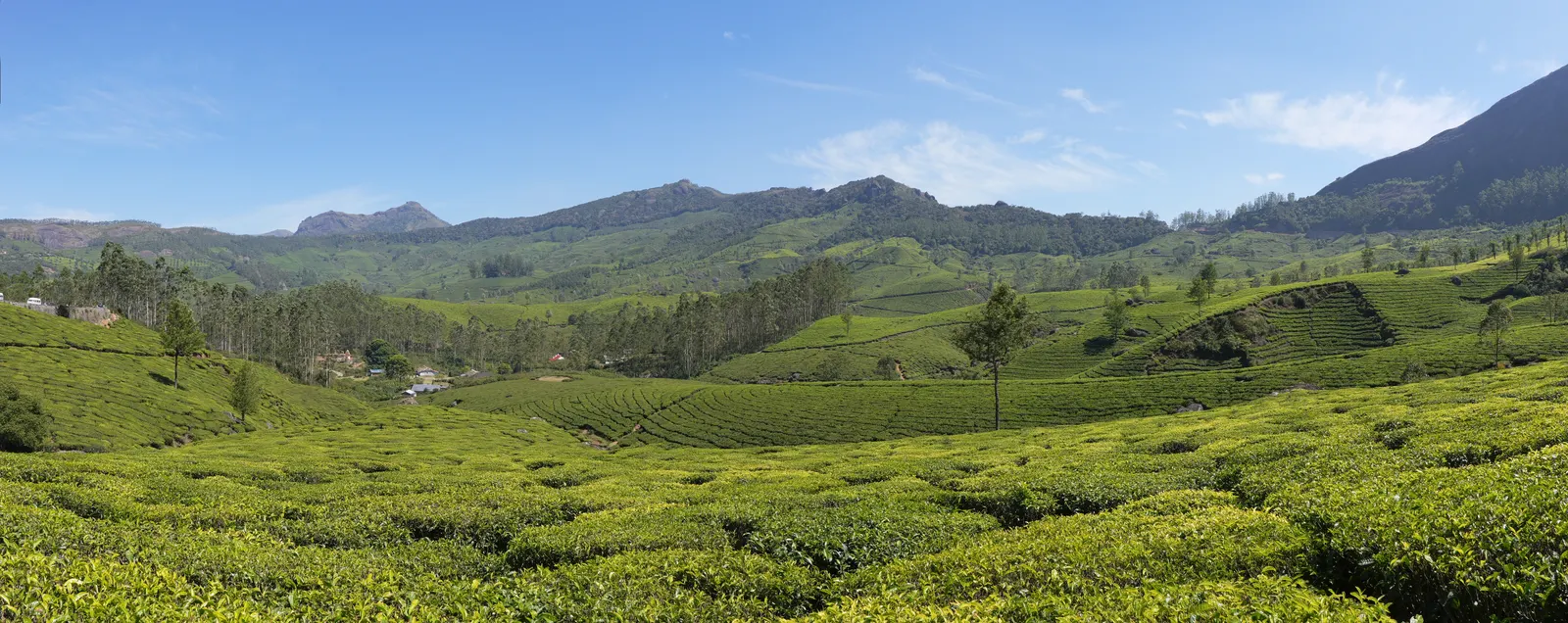
Tea estates, the tea museum, Mattupetty and Top Station viewpoints, and Eravikulam National Park.
Wayanad, Vagamon and Thekkady
Wayanad
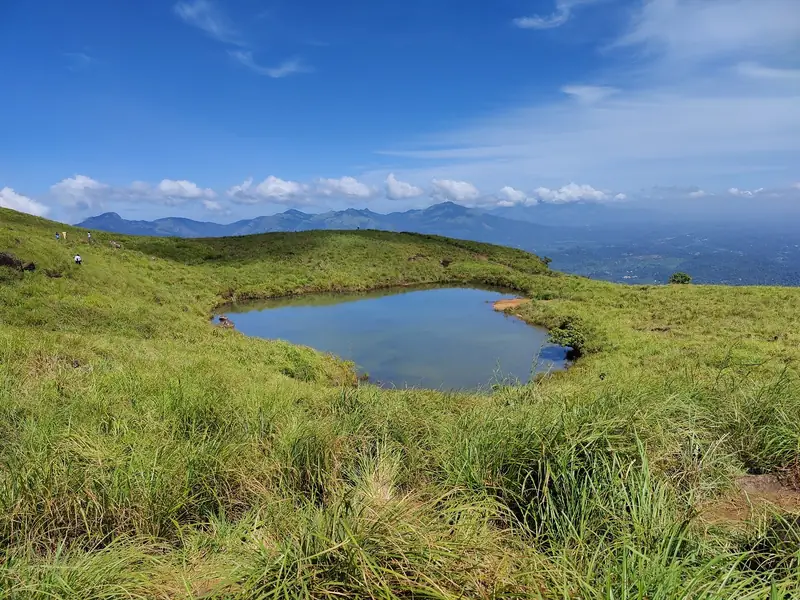
Forest drives, Edakkal caves with ancient carvings, the Chembra peak trek and plantation homestays.
Vagamon and Thekkady
Vagamon's meadows and pine forest, and Thekkady's boat rides and walks in Periyar.
The Neelakurinji bloom
The Neelakurinji shrub flowers across the Munnar hills roughly once every 12 years, turning slopes blue. The Eravikulam population last bloomed in 2018 and is next expected around 2030. Other populations follow their own cycles; one near Chokramudi flowered in 2026. If the bloom matters to your trip, check Kerala Tourism and forest department updates close to the date.
Getting there
- Kochi airport for Munnar (about four hours), Vagamon and Thekkady.
- Kozhikode (Calicut) airport and station for Wayanad.
- Madurai is also convenient for Thekkady and Munnar via Bodinayakanur.
- Hill roads are narrow and busy; allow extra time in the monsoon.
Where to stay
Munnar has resorts on the estate slopes and simpler stays in town; a place a little outside gives better views. Wayanad is known for plantation homestays and treehouse-style stays. Thekkady has spice-garden resorts near Kumily. Book ahead for the Christmas to New Year period and Onam.
A little history
Munnar's tea industry began in the late 19th century, when British planters leased land from the Poonjar royal family and cleared forest for estates; the town's tea museum tells the story. Wayanad has a much older past, visible in the Neolithic-era carvings of the Edakkal caves, and is home to Adivasi communities such as the Paniya and Kurichiya. Thekkady grew around the Periyar lake, created by the Mullaperiyar dam in the 1890s.
Good combinations
- Munnar, Thekkady and Alappuzha (six to seven days).
- Wayanad with Coorg and Mysuru across the Karnataka border.
- Vagamon with Kumarakom on Vembanad Lake.
- Munnar with Kodaikanal across the Tamil Nadu border.
Food and spices
The hills grow much of Kerala's cardamom, pepper, coffee and tea. Spice-garden walks around Kumily and Munnar explain how they are grown, and estate shops sell them fresh. Try appam with stew, puttu and kadala, and meals served on a banana leaf in small town restaurants.
When to go
- September to November: green and fresh after the monsoon.
- December to February: cool and clear, the busiest months.
- March to May: warmer, though still pleasant in the hills.
- June to August: heavy monsoon rain; beautiful but with landslide risk and leeches on trails.
Safety
- Mountain roads close or slow down after heavy rain, snow or landslides; check road and weather updates, and avoid driving after dark.
- Permits, e-passes, ropeways and pass openings change; check official portals before you travel.
- Carry warm layers even in summer; nights in the hills are cool.
What to pack
- Warm layers and a waterproof jacket
- Walking shoes with grip
- Motion-sickness tablets for winding roads
- Cash for small towns
Want to combine several mountain destinations into one trip?
FAQs
Which is the best hill station in Kerala?
Munnar is the most popular; Wayanad, Vagamon and Thekkady are other favourites.
When will the Neelakurinji bloom next in Munnar?
The Eravikulam population is next expected to bloom around 2030; check official updates.
How far is Munnar from Kochi?
About 110 to 130 km, roughly four hours by road.
Is Kerala's hill country good in the monsoon?
It is lush and quiet, but rain is heavy and landslides happen; check advisories.
Can I combine Munnar with the backwaters?
Yes, Munnar, Thekkady and Alappuzha make a classic week-long loop.